




Quick Summary
- Bronzer should generally be two to four shades darker than your natural complexion.
- Cool undertones pair best with bronzers that have red or pink tones, while warm undertones work better with golden or yellow-based shades.
- Apply bronzer to the forehead, cheekbones, bridge of the nose, chin, and jawline for a natural sun-kissed effect.
- Use a stamping motion rather than sweeping the product across the skin to help the pigment grip evenly without disturbing makeup underneath.
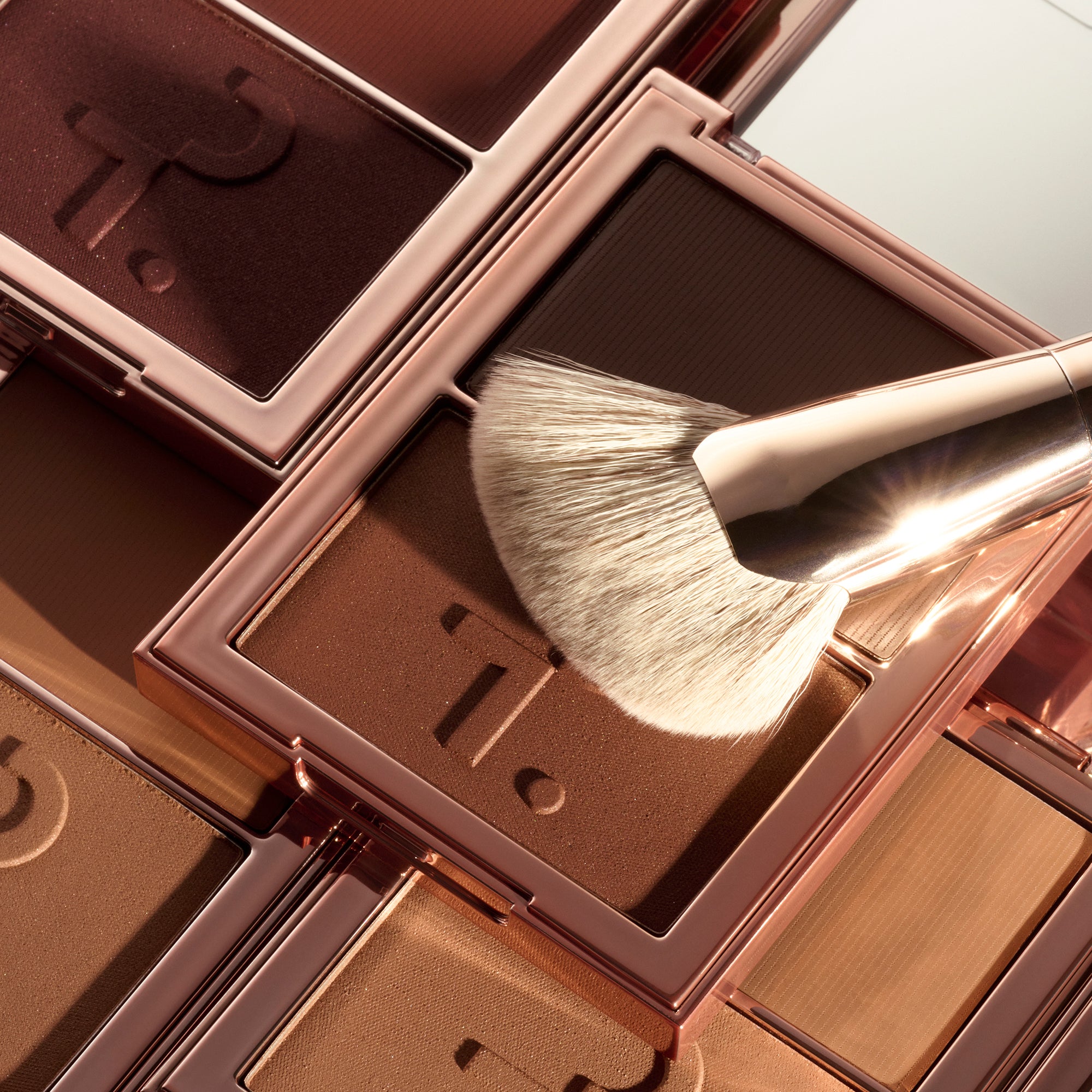
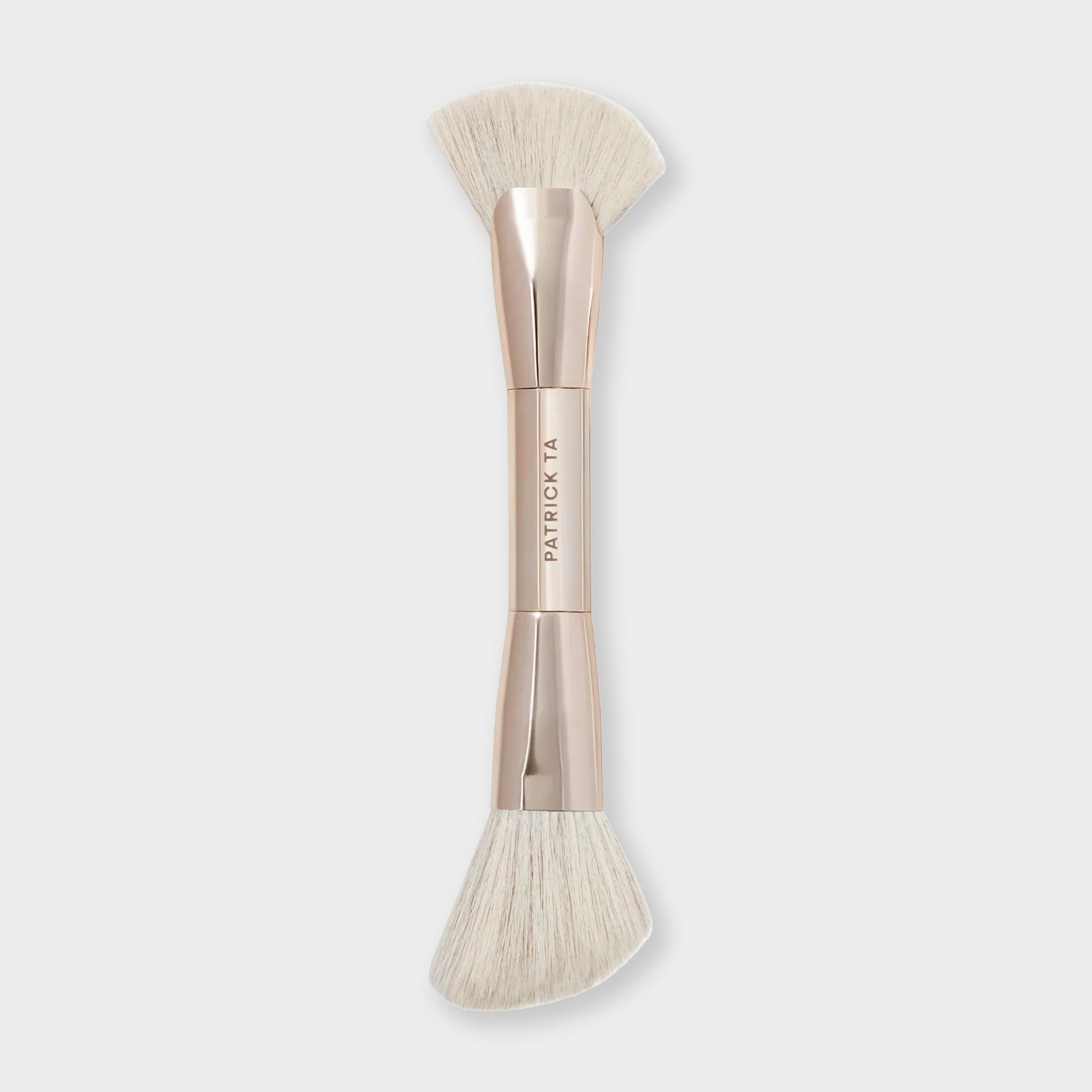
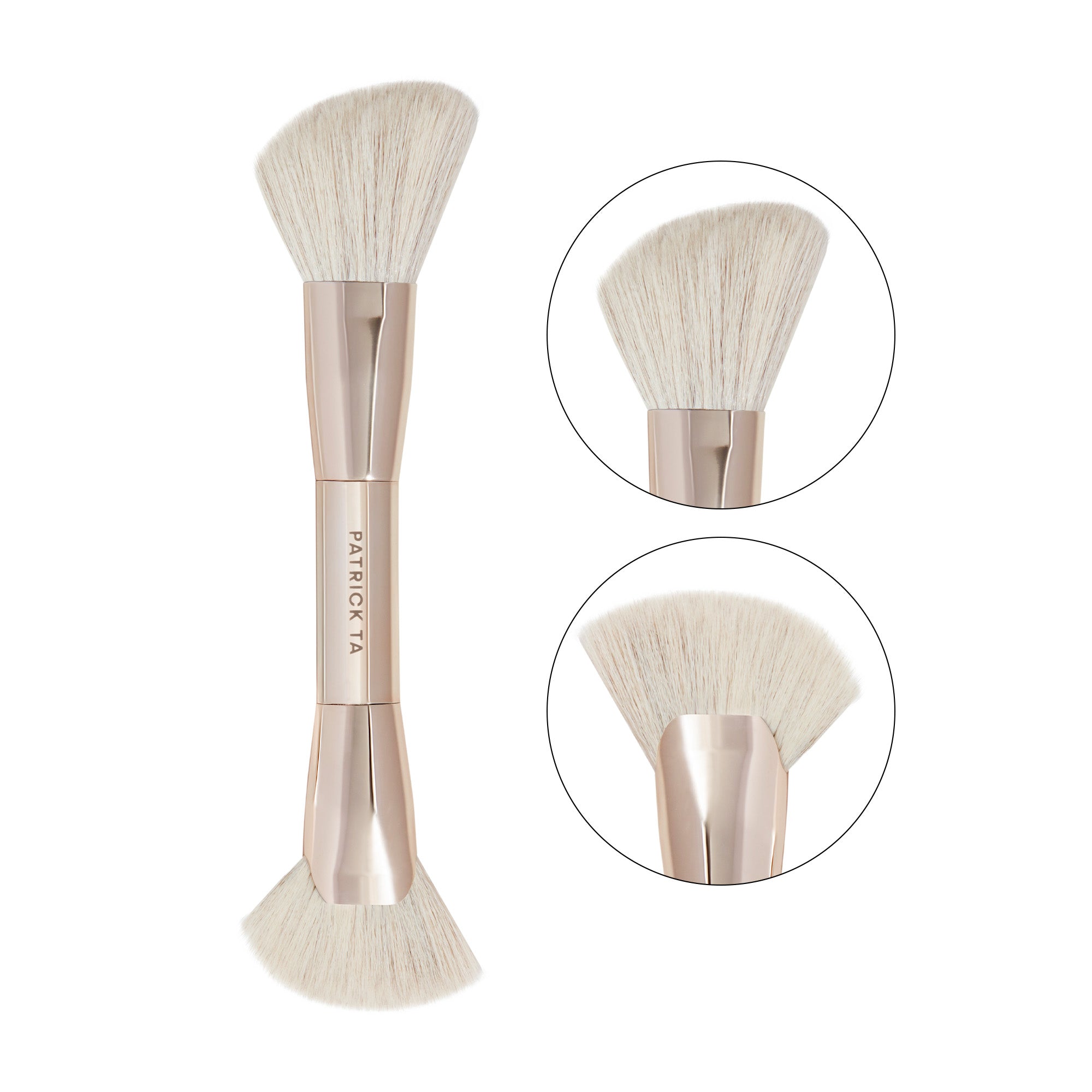
- Always blend bronzer down onto the neck and chest for a seamless finish, and use a dual-ended sculpting brush for both precision and broader application.
A stunning, sun-kissed glow is within reach…you just need to find your perfect bronzer match. So exactly how dark should bronzer be? Consider this your go-to guide to finding the best bronzer shade.


How Do I Choose the Right Bronzer Shade for My Skin Tone and Undertone?
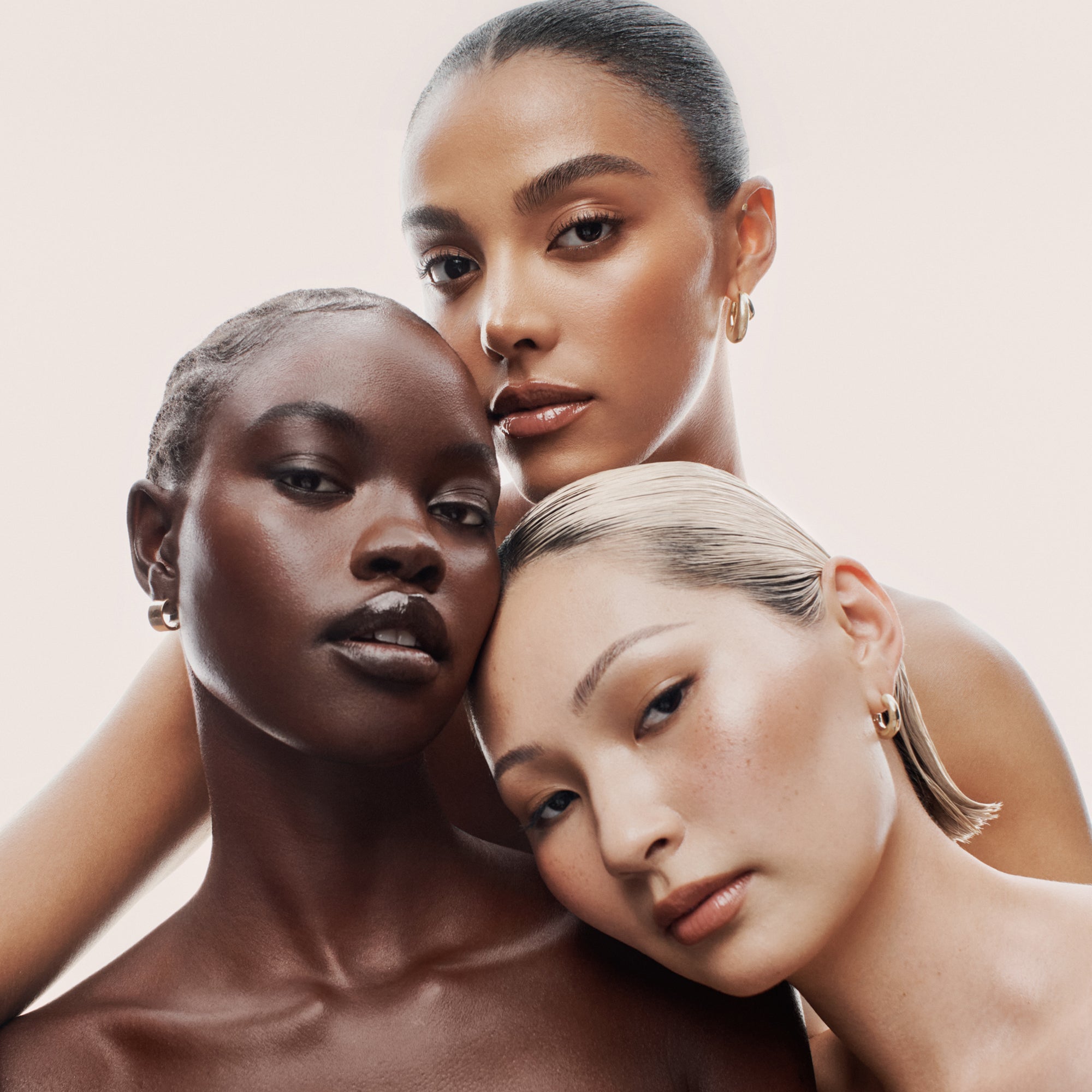
When it comes to bronzer shade selection, one of the most important factors to consider is your skin tone. A general rule of thumb is to reach for a bronzer that is around two to four shades darker than your actual complexion. This will give your skin natural warmth without looking too intense (if it is too dark) or chalky (if it is too light).
You also need to keep your undertones in mind. Bronzers typically have a warmer tint, as this gives the complexion a golden glow that mimics a natural tan.
That said, someone with cooler undertones will want to reach for a bronzer with a red or pink hue, as shades that are too warm can end up looking orange. Meanwhile, someone with warmer undertones should opt for a shade with more of a golden or yellow hue, because shades that are too cool can appear ashy.

What Bronzer Finish and Formula Should I Use?
Finding the perfect color match is key, but there are a few additional rules for choosing the right bronzer for your needs.
First, consider whether you’d prefer a matte or shimmer finish. Matte bronzers are ideal for adding a realistic warmth to the complexion, while shimmer bronzers are a great choice if you want a little extra touch of radiance.
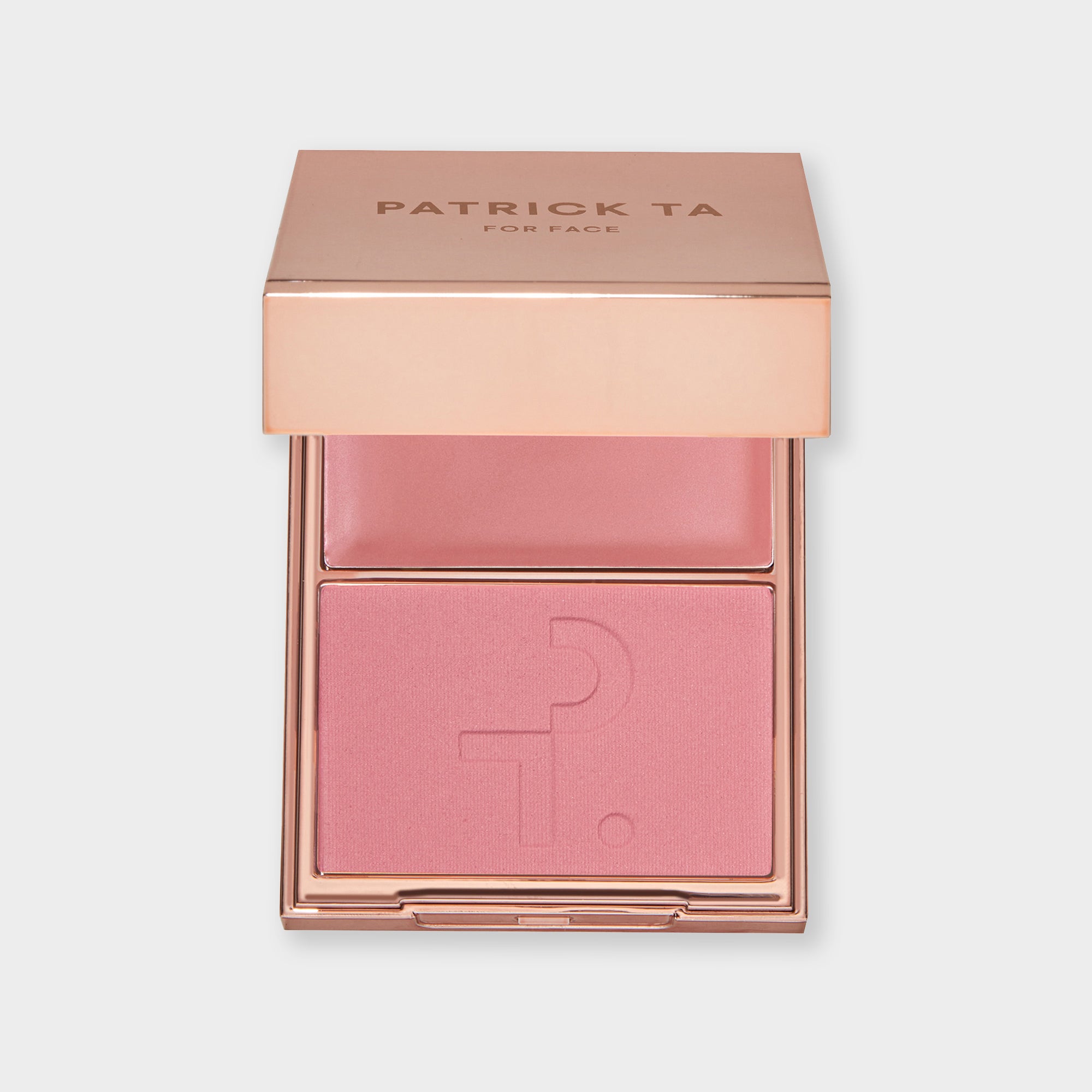
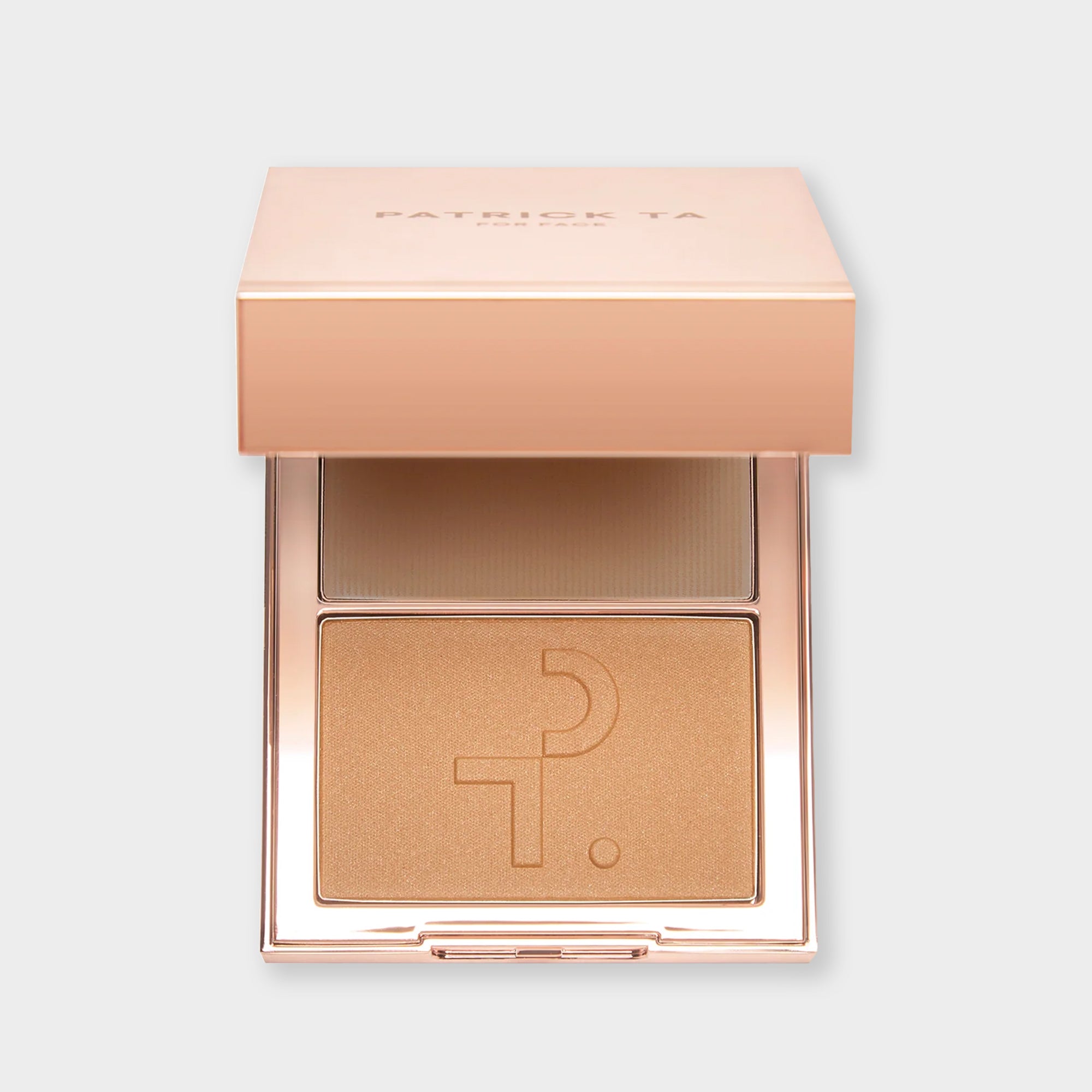
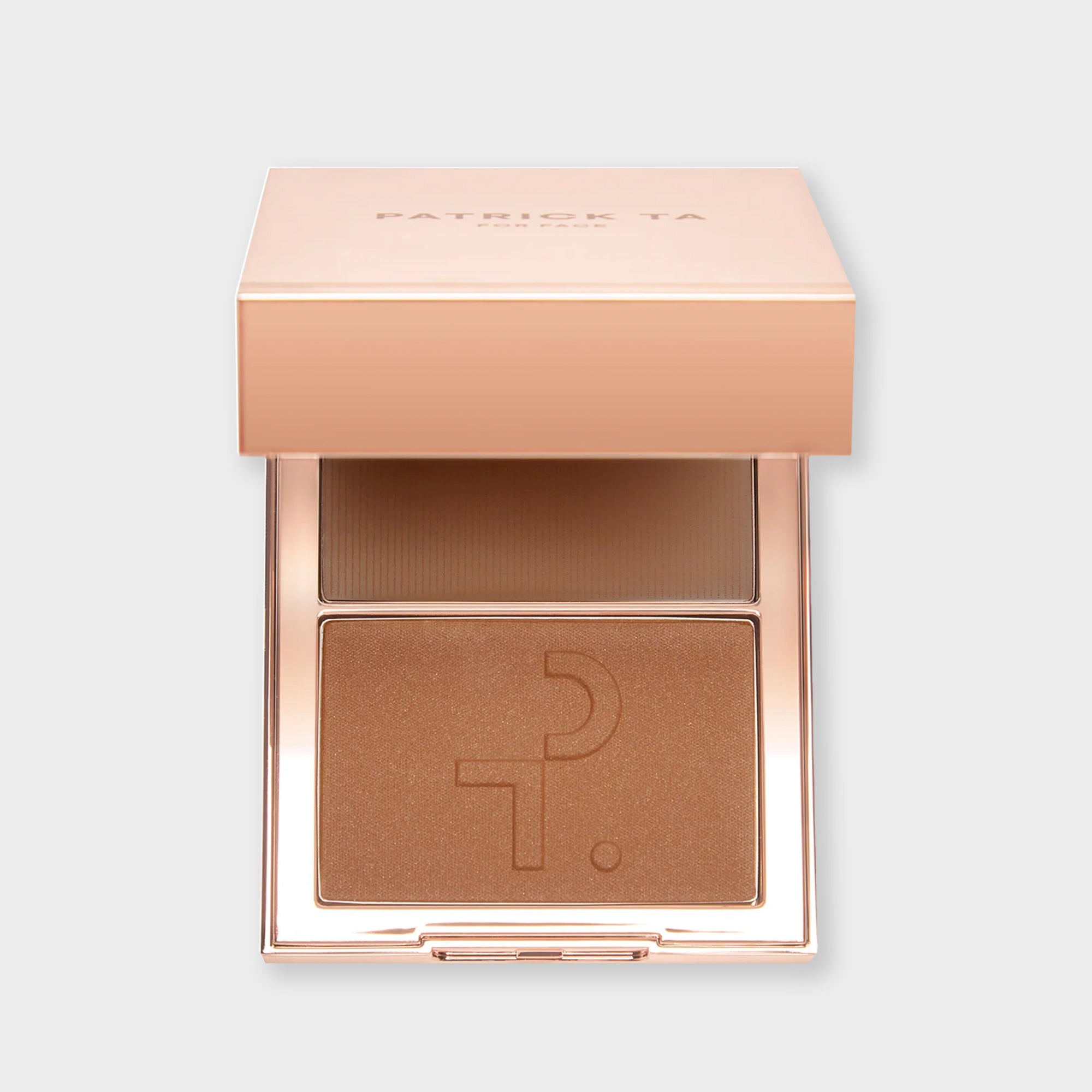
You also need to decide which formula is best for you. Powder bronzers are a popular choice, as they are easy to work with and offer even color coverage and a soft, air-brushed finish. That said, if you prefer a dewier look, you might reach for a cream or liquid bronzer. Or, choose the best of both worlds and use a bronzer cream and powder duo.
How Do I Apply Bronzer for a Natural Sun-Kissed Look?
With a few expert bronzer application techniques, you can glow like a pro.
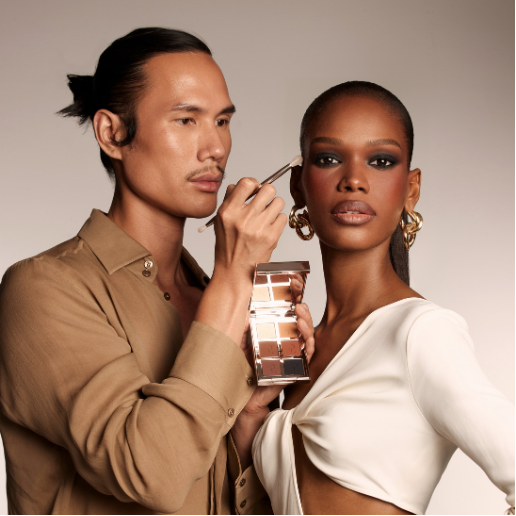
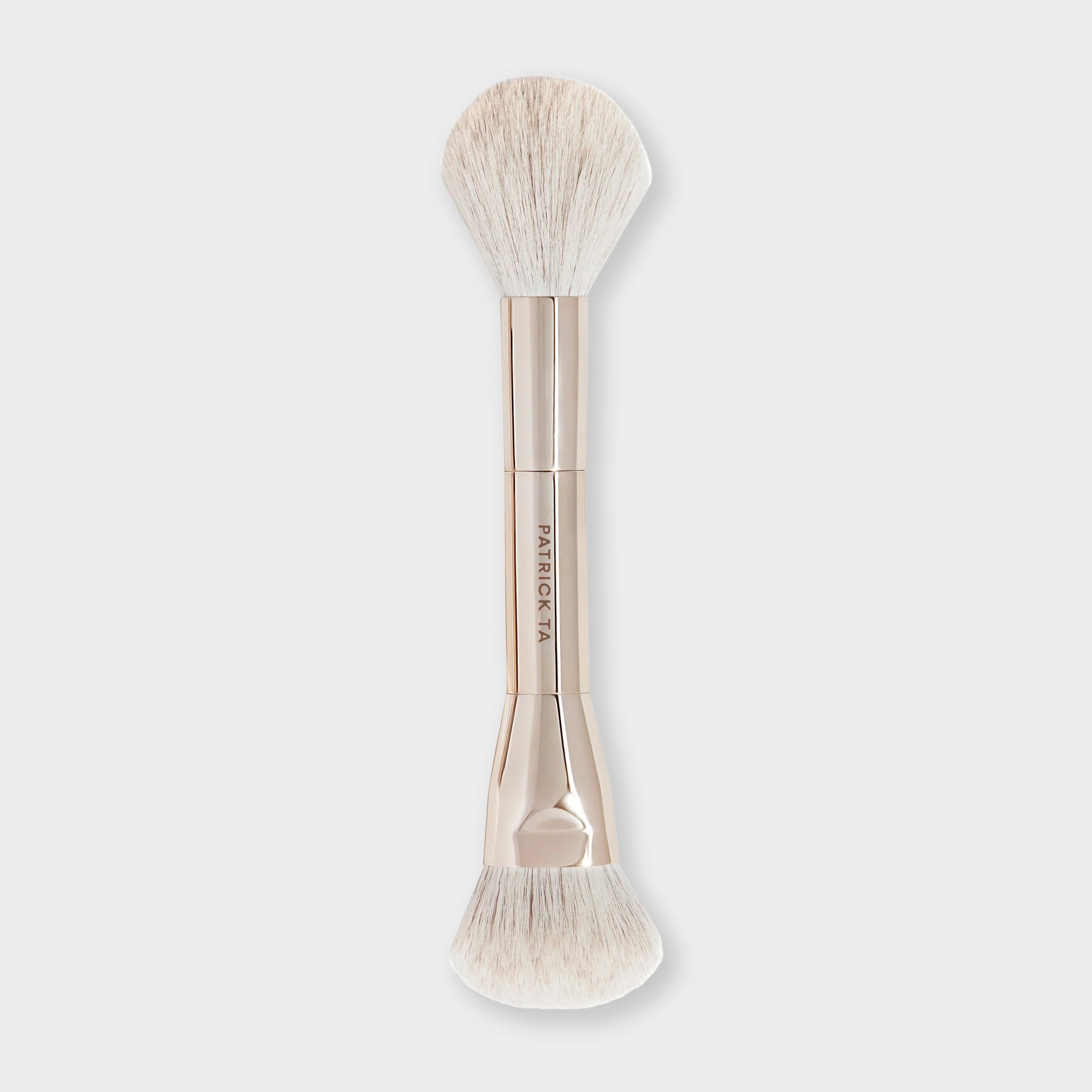
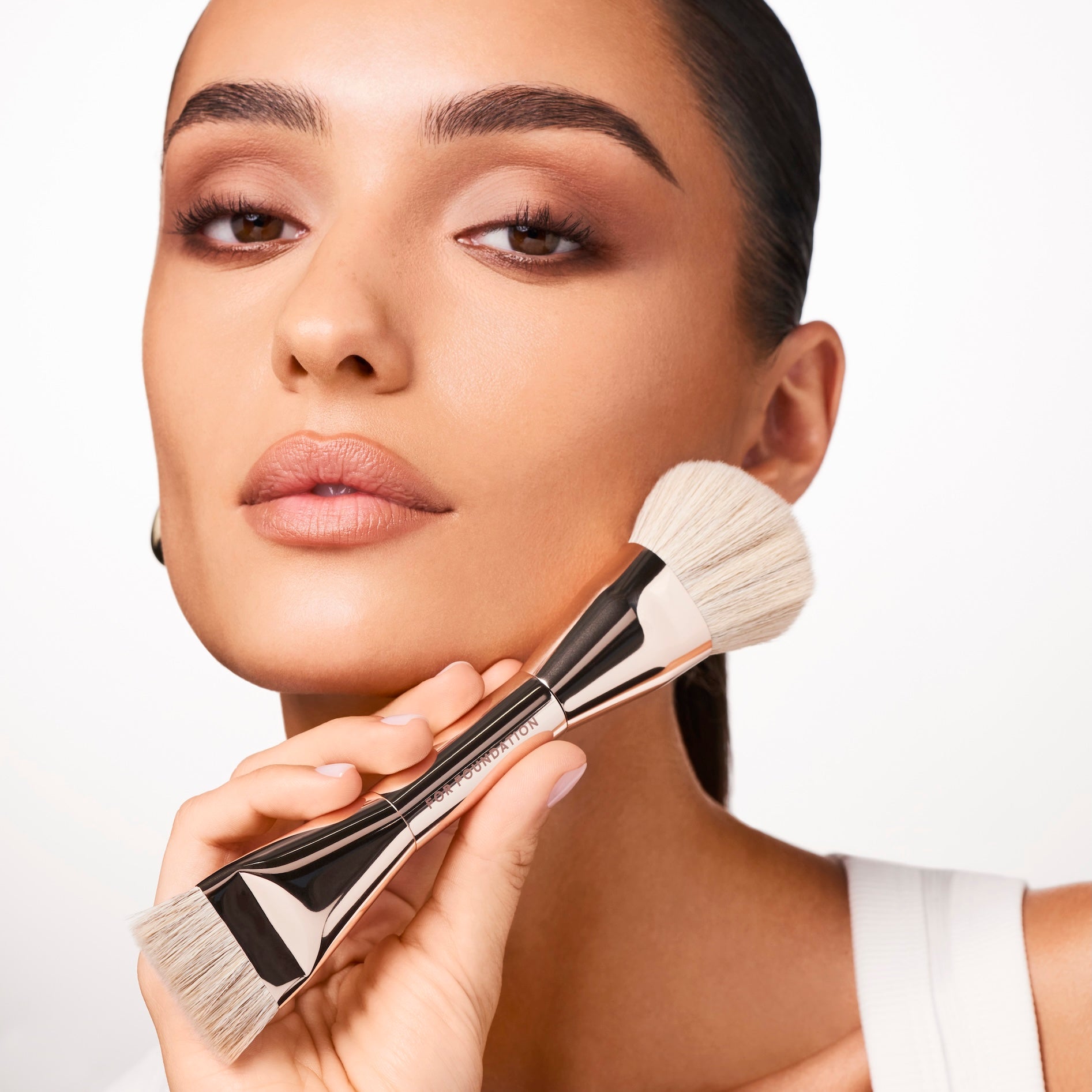
To start, pick up some bronzer with your sculpting brush, and then tap off the excess. Getting rid of any extra powder helps you control your application to prevent overdoing it.
We recommend applying your bronzer to the high points of the face, where the sun hits your skin. This includes the forehead, cheekbones, bridge of the nose, chin, and jawline.
Start with applying a light layer of bronzer to the complexion, and then adding more as needed. For the most seamless application, we like to stamp the bronzer into the skin. This will add the pigment to the face without disrupting the makeup underneath.

What Are Common Bronzer Mistakes and How Do I Fix Them?
Here are some of the most common bronzer issues, and what you can do to avoid them:
- Overapplying: This is an easy trap to fall into, especially for those with lighter skin tones. To avoid overdoing it with your bronzer, we recommend diffusing a light touch of bronzer onto the complexion. From there, you can build up your coverage until you’ve reached your desired look.
- Streaky Application: Harsh lines and uneven application lead to an unnatural look. Take your time blending the bronzer into the skin for the most realistic golden glow. A high-quality brush will also help you effortlessly blend your bronzer of choice.
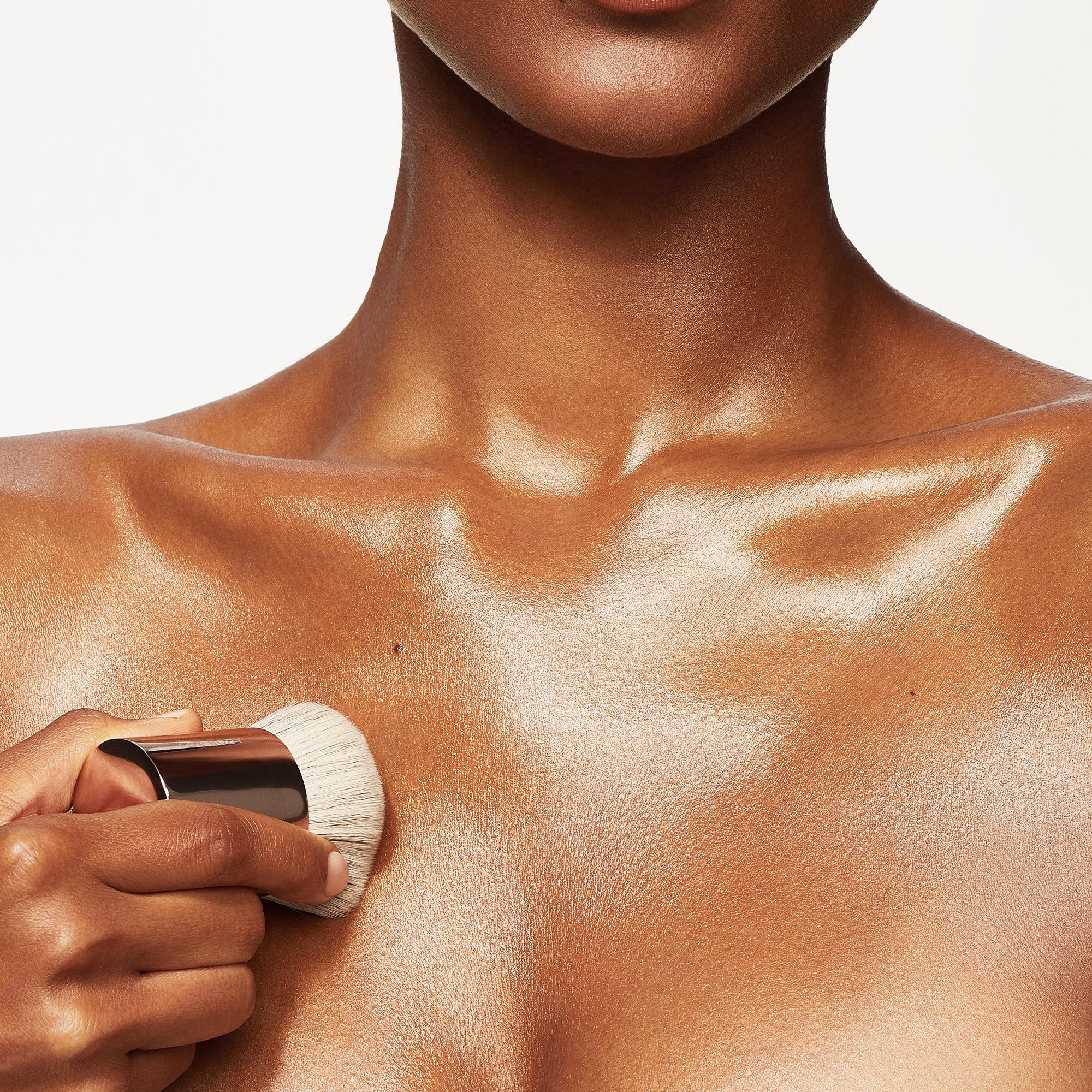
- Face Not Matching the Neck and Chest: One of the most common bronzer mistakes is forgetting to blend the bronzer down to the neck and chest. This is an essential step, as it creates the most seamless and natural look.
A bronzer is the perfect pick-me-up for the skin. With your ultimate color match in your beauty toolkit, you can create a natural just-got-back-from-vacation luminosity all year-round.
Frequently Asked Questions
Can bronzer be too light to show up on deeper skin tones?
Yes, and this is one of the most common bronzer frustrations for deeper complexions. You want a bronzer that reads as a true warmth against your skin, so look for richly pigmented formulas and lean toward the deeper end of the two-to-four-shades-darker rule to get a result that actually shows up.
Should bronzer go on before or after blush?
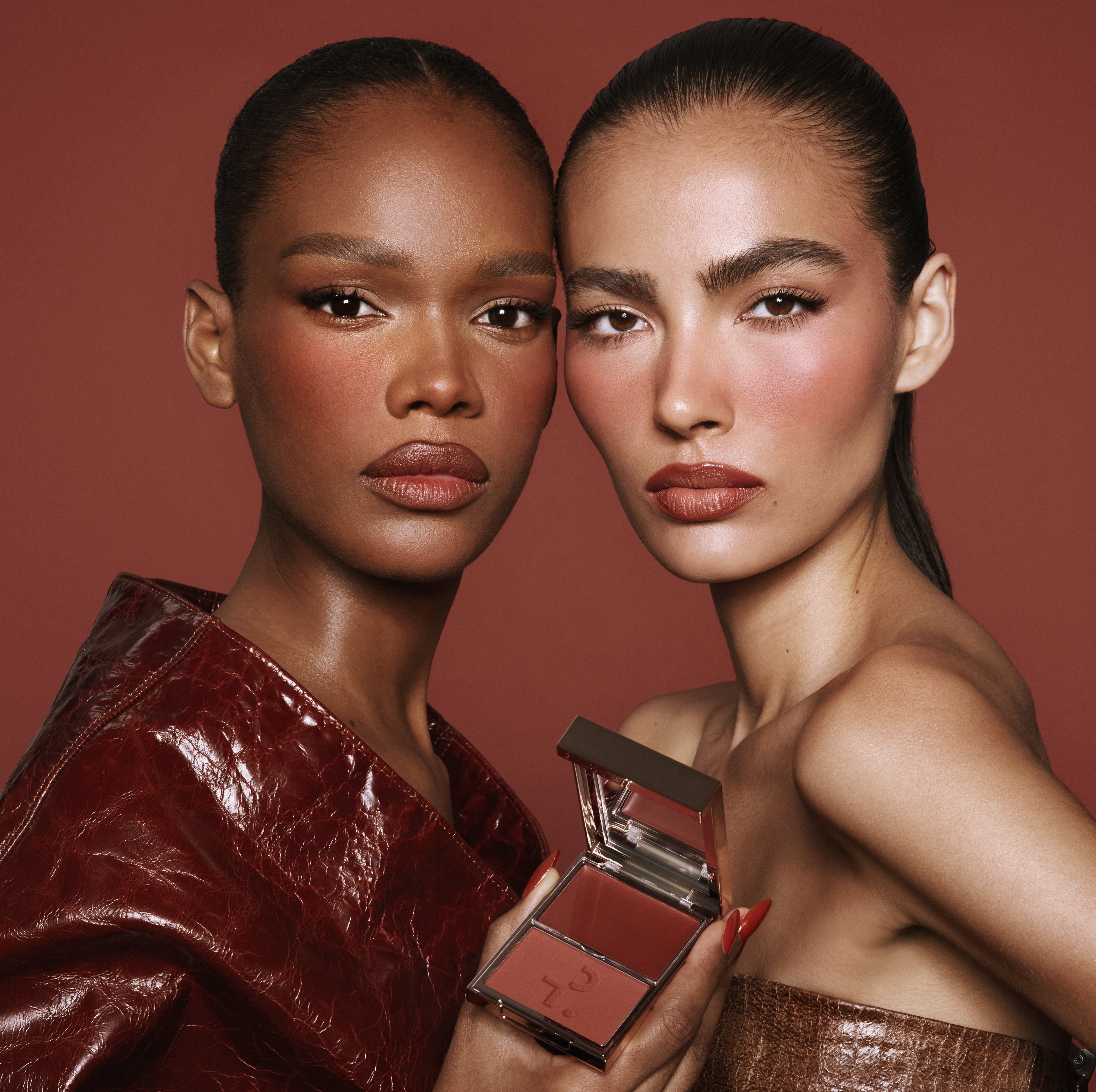
Apply your bronzer first to lay down the warmth and structure of the face, then layer blush on top so the color reads as a flush sitting naturally on sun-kissed skin. This order keeps both products looking intentional rather than muddy.
Can you use bronzer as contour, or are they different products?
Bronzer adds warmth across the high points of the face, while contour creates shadow and dimension in the hollows, so they serve different purposes even if they look similar in the pan. The Major Sculpt Crème Contour and Powder Bronzer Duo is designed to give you both in one tool, so you can sculpt and warm the face without guessing which product does what.
How do you keep bronzer from fading throughout the day?
Press the bronzer into the skin rather than sweeping it on, because stamping the pigment helps it grip and last longer without disrupting the layers underneath. Starting with a well-primed base also gives the powder something to hold onto so your glow stays intact from morning to night.
What is the right brush size and shape for bronzer application?
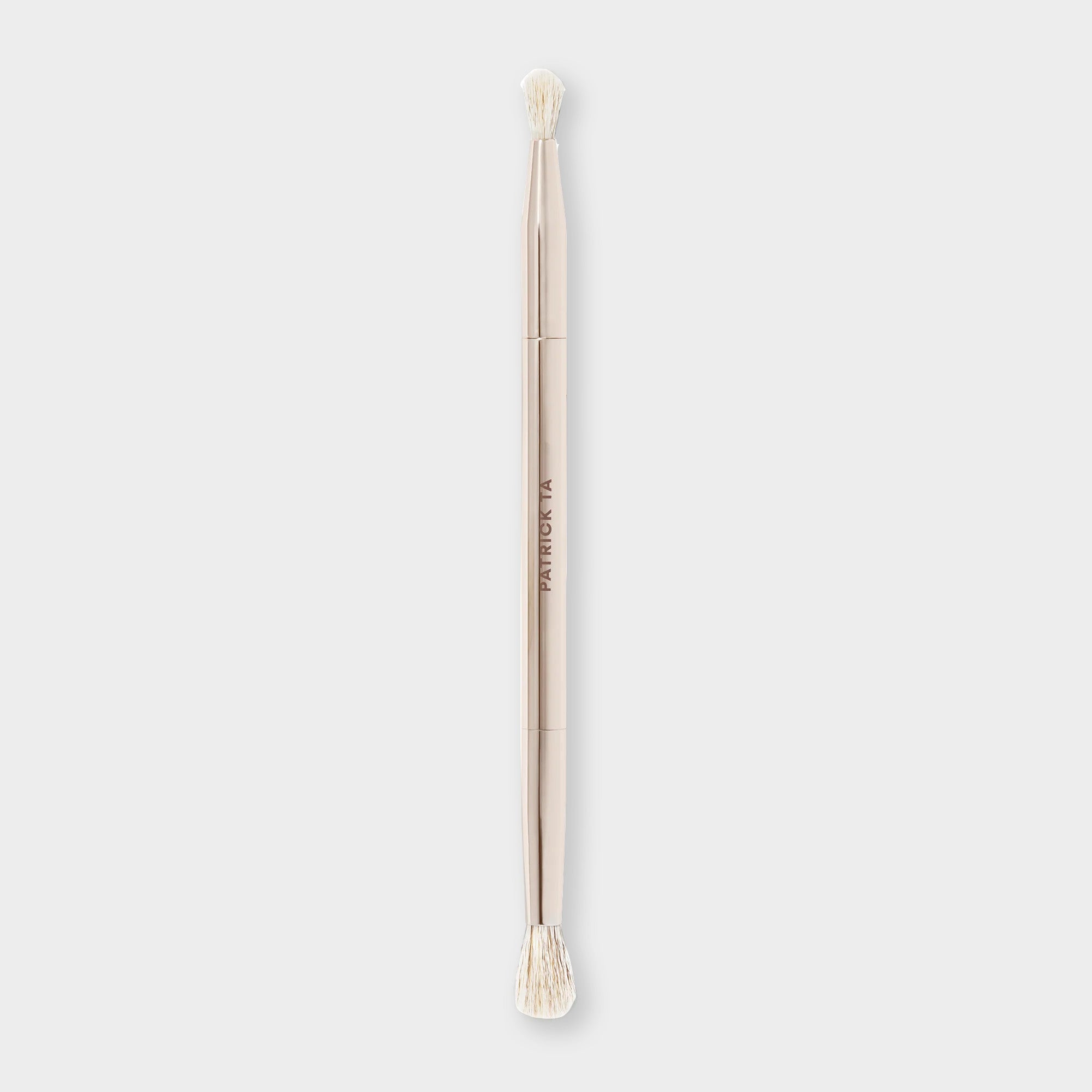
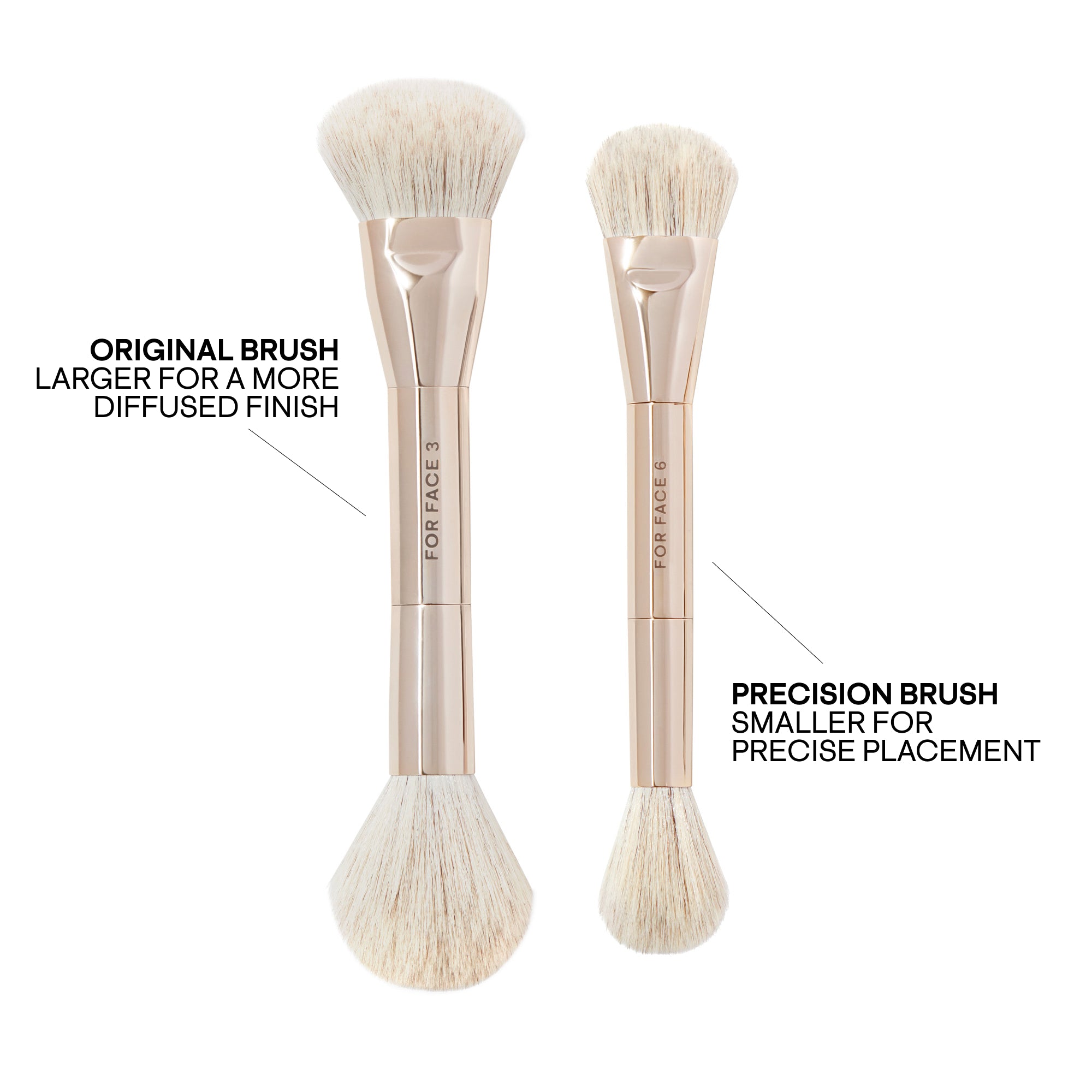
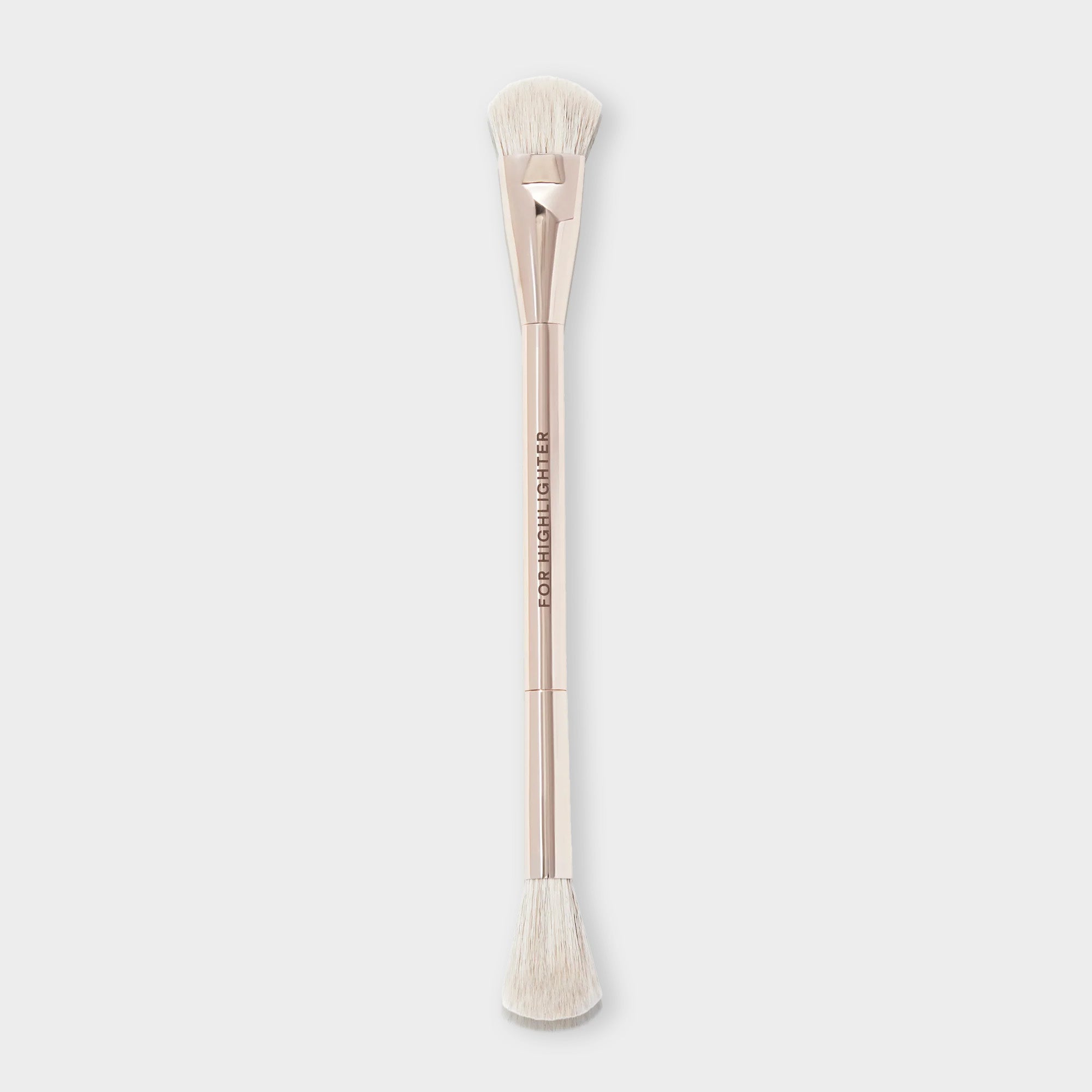
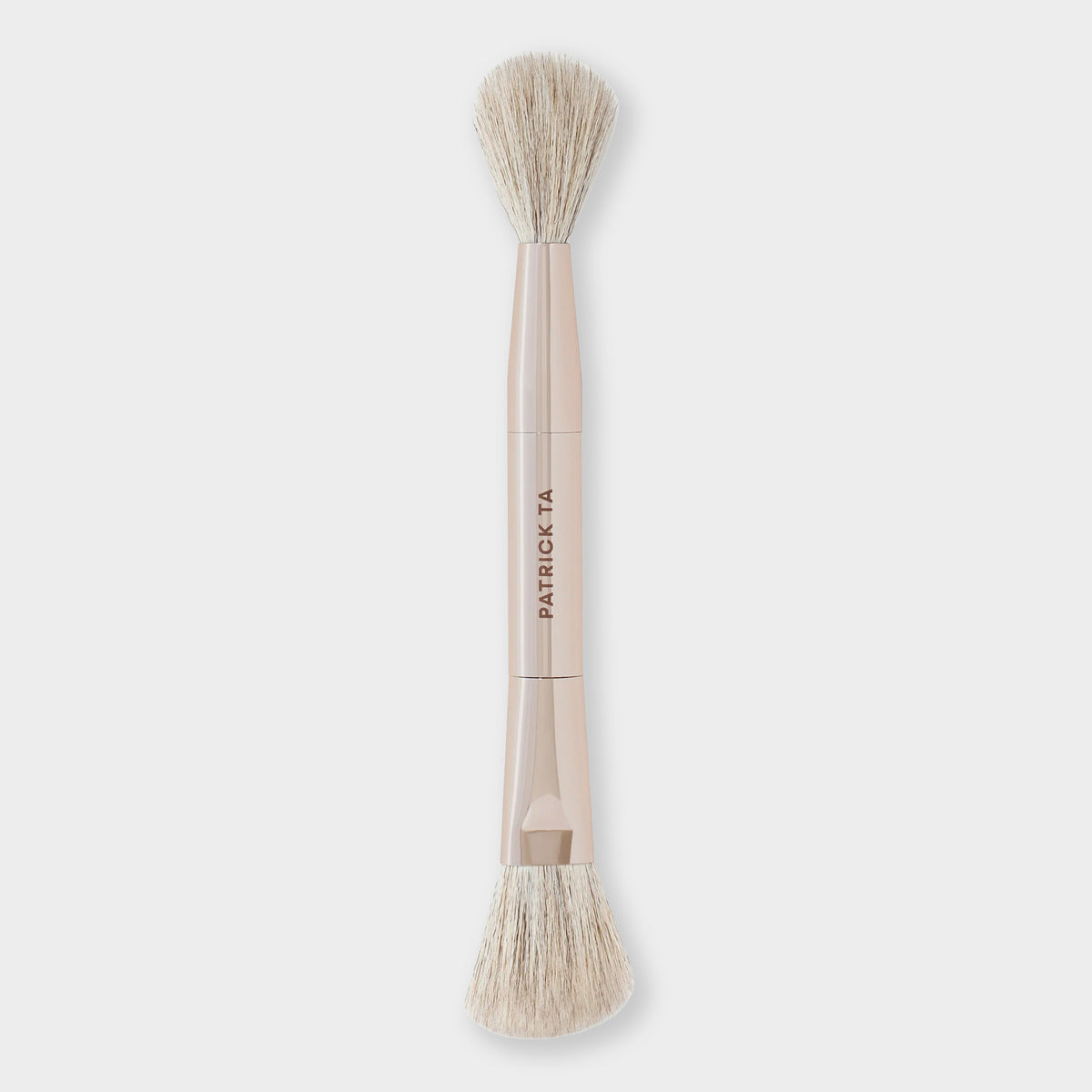
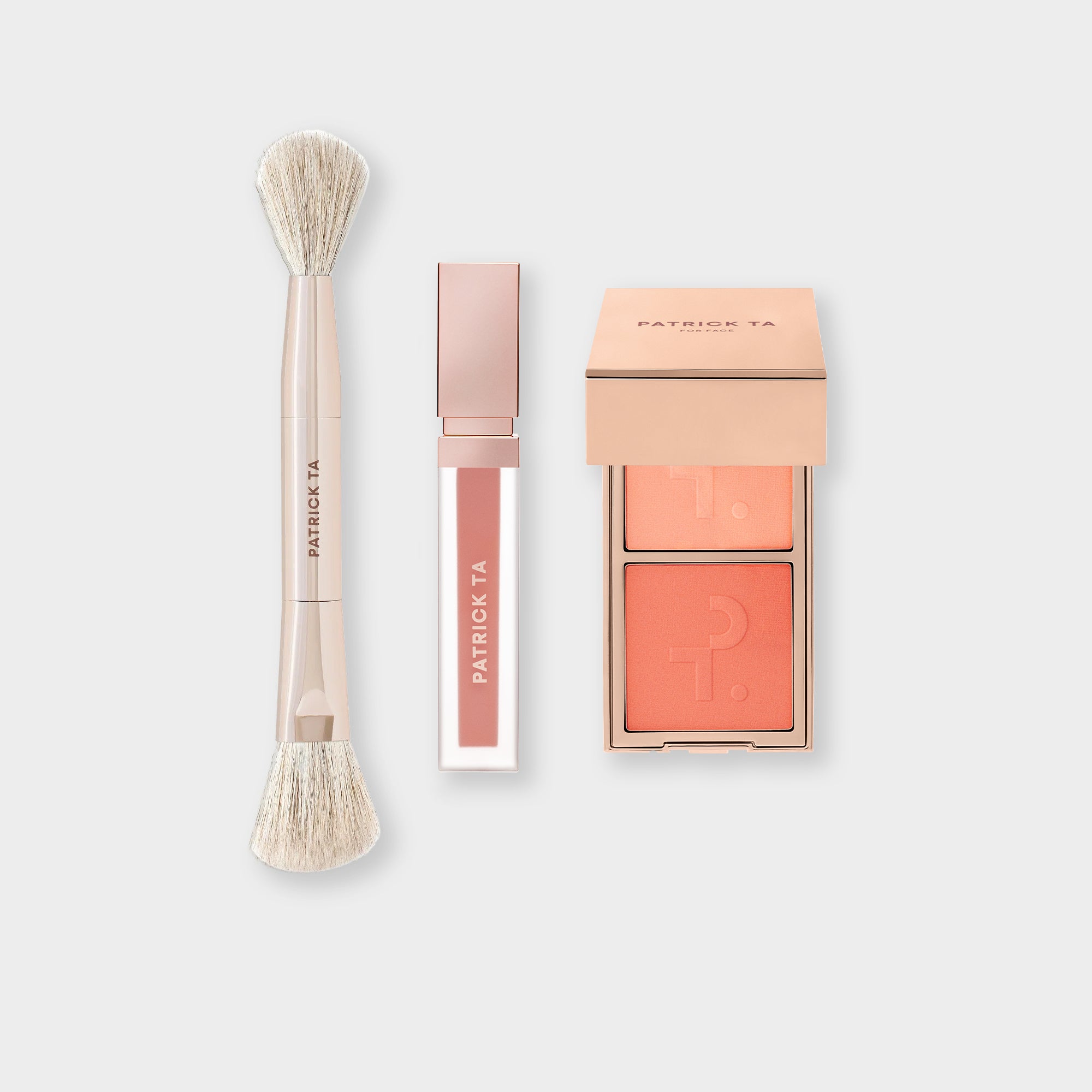
You want a brush that is large enough to blend across the forehead and cheekbones in a few strokes but still tapered enough to give you control around the nose and jawline. The Major Sculpt Dual-Ended Sculpting Brush is built specifically for this kind of precision, so you can move between larger areas and detail work without switching tools.
Is cream bronzer or powder bronzer better for dry skin?
Cream bronzer is the better starting point for dry skin because it melts into the complexion and reads as a natural warmth rather than sitting on top of any texture. If you want more longevity or a buildable finish, layer a light dusting of powder bronzer over the cream to set it without losing that dewy look.

RELATED POSTS
Celebrity makeup artist and founder of Patrick Ta Beauty, Patrick Ta, has once again captivated the beauty world with his innovative products, earning multiple accolades at the 2025 Allure Best of ...
Here is Patrick's guide to concealer placement, plus how to apply it for a seamless, skin-like finish.
Here is how to find your concealer shade, how to test it, and how to use more than one shade for a flawless base
Here is why red blush has become a modern staple, how to choose the right shade for your skin tone, and how Patrick applies it for a flush that looks effortless.
Here are the shades that make brown eyes stand out and the Patrick Ta palettes that deliver them.
If you have been reaching for the same pink or peach for years, mauve blush is the easiest way to refresh your routine without going bold.
With professional tips from Patrick himself, consider this your step-by-step guide to creating the perfect smokey eye.
Follow these steps to learn how to apply eyeshadow for everything from an everyday wash of color to a defined evening look.