








Quick Summary
- Choose a non-comedogenic foundation formulated without pore-clogging ingredients so your base lowers the risk of breakouts instead of triggering them.
- Scan the ingredients label and skip common pore-clogging culprits like coconut oil, mineral oil, lanolin, beeswax, and algae.
- Reach for a lightweight, buildable formula that gives you coverage without heaviness or extra shine, which makes it a smart match for oily and combination skin.
- Follow Patrick Ta's prep step and match your primer to your skin type before foundation, using a mattifying primer to minimize shine on oily skin and a hydrating primer to keep drier skin plump.
- Use Patrick Ta's build-in-thin-layers technique, starting with one sheer coat and adding coverage only where you need it, so your foundation stays weightless and looks natural over breakouts.
- Set your base with a lightweight powder, pressing it into oil-prone areas like the forehead, nose, and chin to control shine and keep pores looking smooth all day.
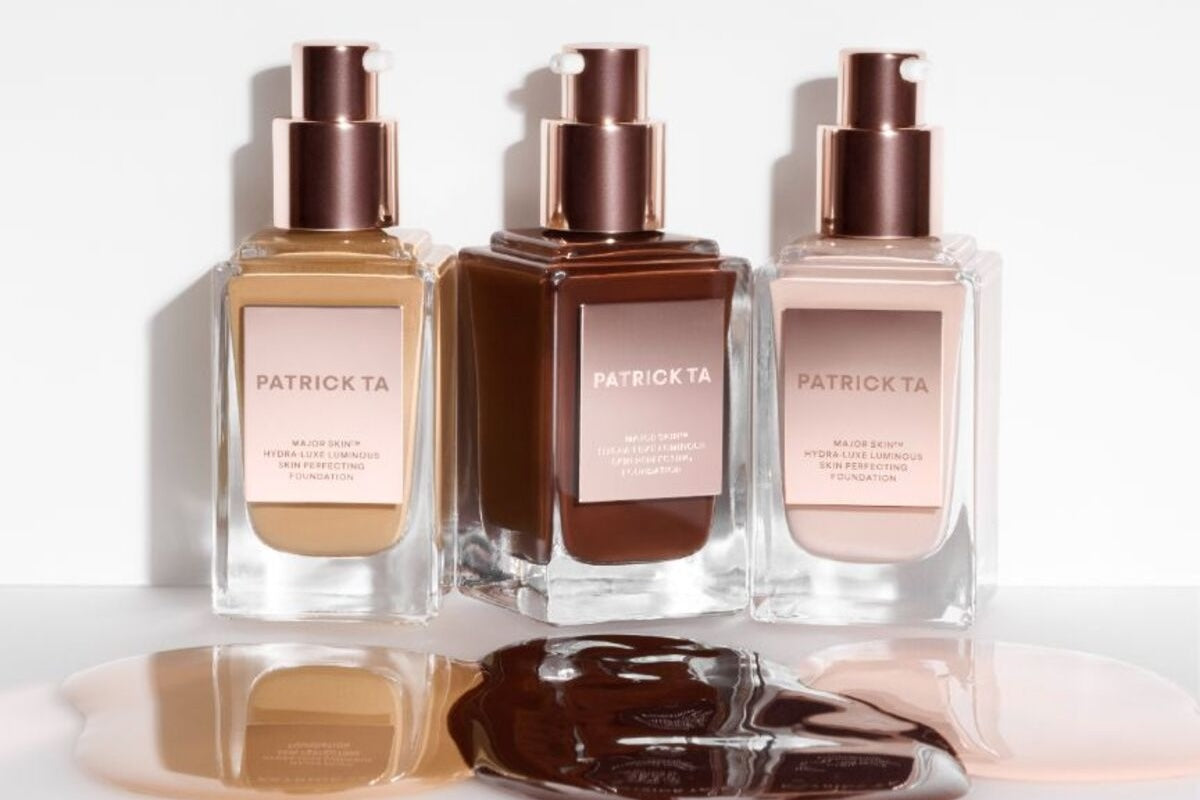
If you deal with acne, the last thing you want is a foundation that triggers breakouts. Patrick Ta has your answer: the best non comedogenic foundation for acne prone skin. This breathable, non-comedogenic foundation becomes your daily go-to for keeping your complexion looking and feeling its best.

What is Non-Comedogenic Makeup?
So what does non-comedogenic actually mean? Non-comedogenic makeup is formulated without the ingredients that commonly clog pores or trigger flare-ups. In plain terms, these formulas carry a lower risk of blocking pores, so they cause far less congestion than standard makeup.
Keep one thing in mind: non-comedogenic is a helpful starting point, not a guarantee. The term is not tightly regulated, so your results still depend on your full routine, how you apply your makeup, and how well you remove it at night.
For acne-prone skin, choosing a non-comedogenic foundation and other pore-friendly products keeps your complexion calm and healthy. That matters most with foundation, since it sits on your skin all day.


What Should You Look for in a Foundation for Acne-Prone Skin?
Choosing a foundation for acne-prone skin starts at the ingredients label. Skip formulas built on known pore-clogging culprits, including coconut oil, mineral oil, lanolin, beeswax, and algae.
Then look for what actively supports your skin. Skin-friendly ingredients like niacinamide, hyaluronic acid, and salicylic acid calm redness, hydrate without heaviness, and help keep pores clear.
Match your finish to your skin type. Oily and combination skin wear a soft-focus or satin finish best, while drier skin looks fresh in a dewy formula. Choose buildable coverage so you can go light on calm days, then layer more over active breakouts.
Weight matters too. A lightweight formula sits comfortably without clogging pores, and it gives you the coverage you want without extra shine.
Why Is Patrick Ta's Crème Foundation Ideal for Acne-Prone Skin?
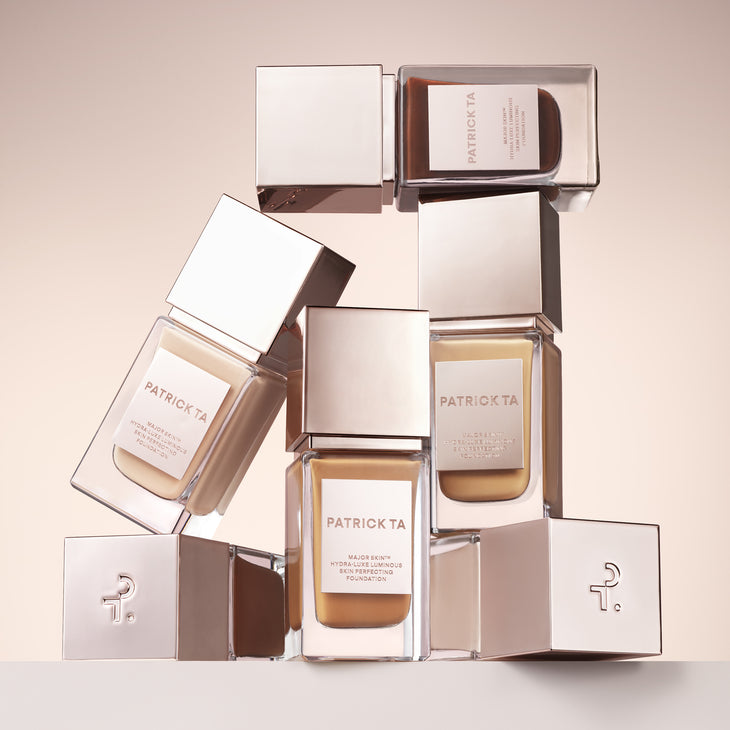
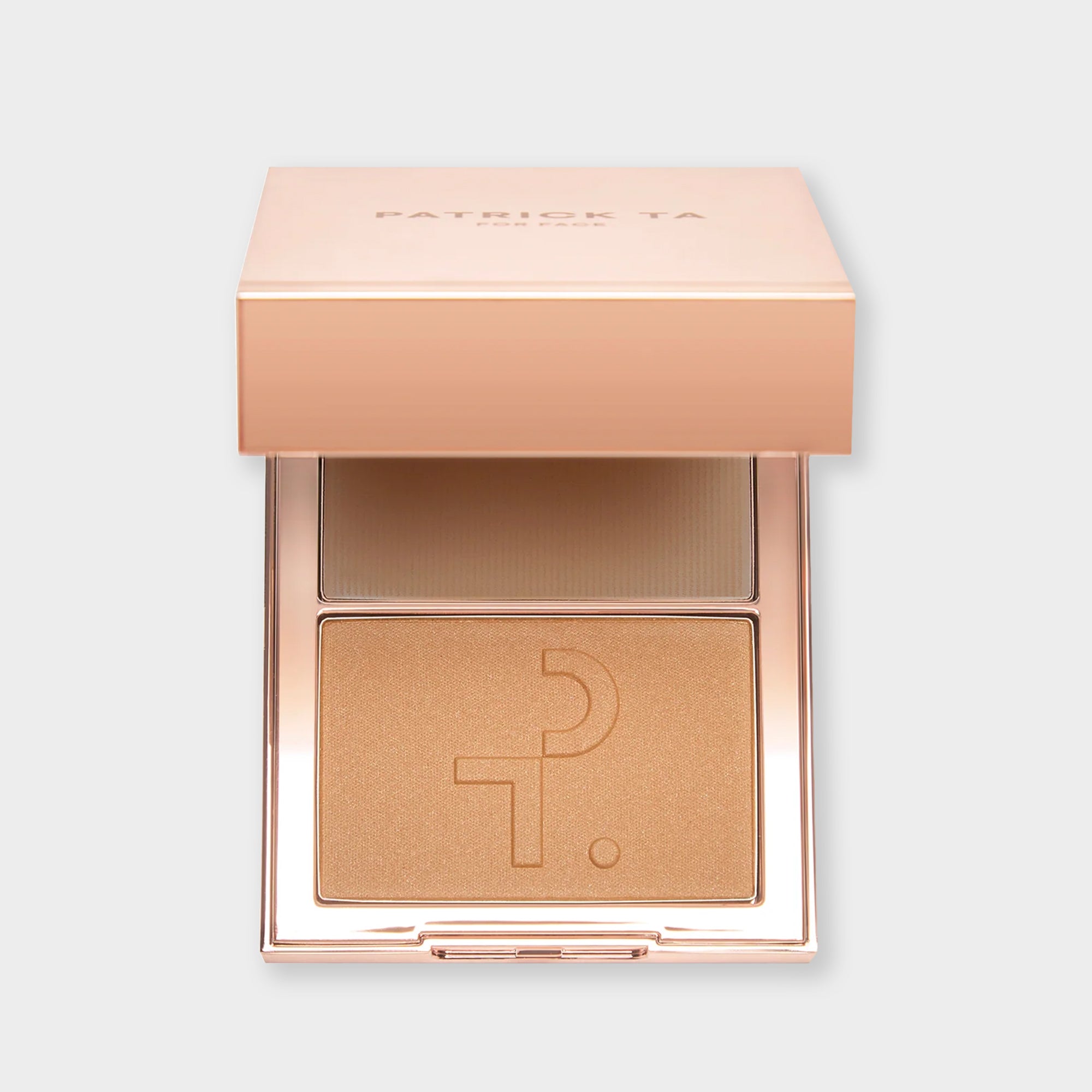
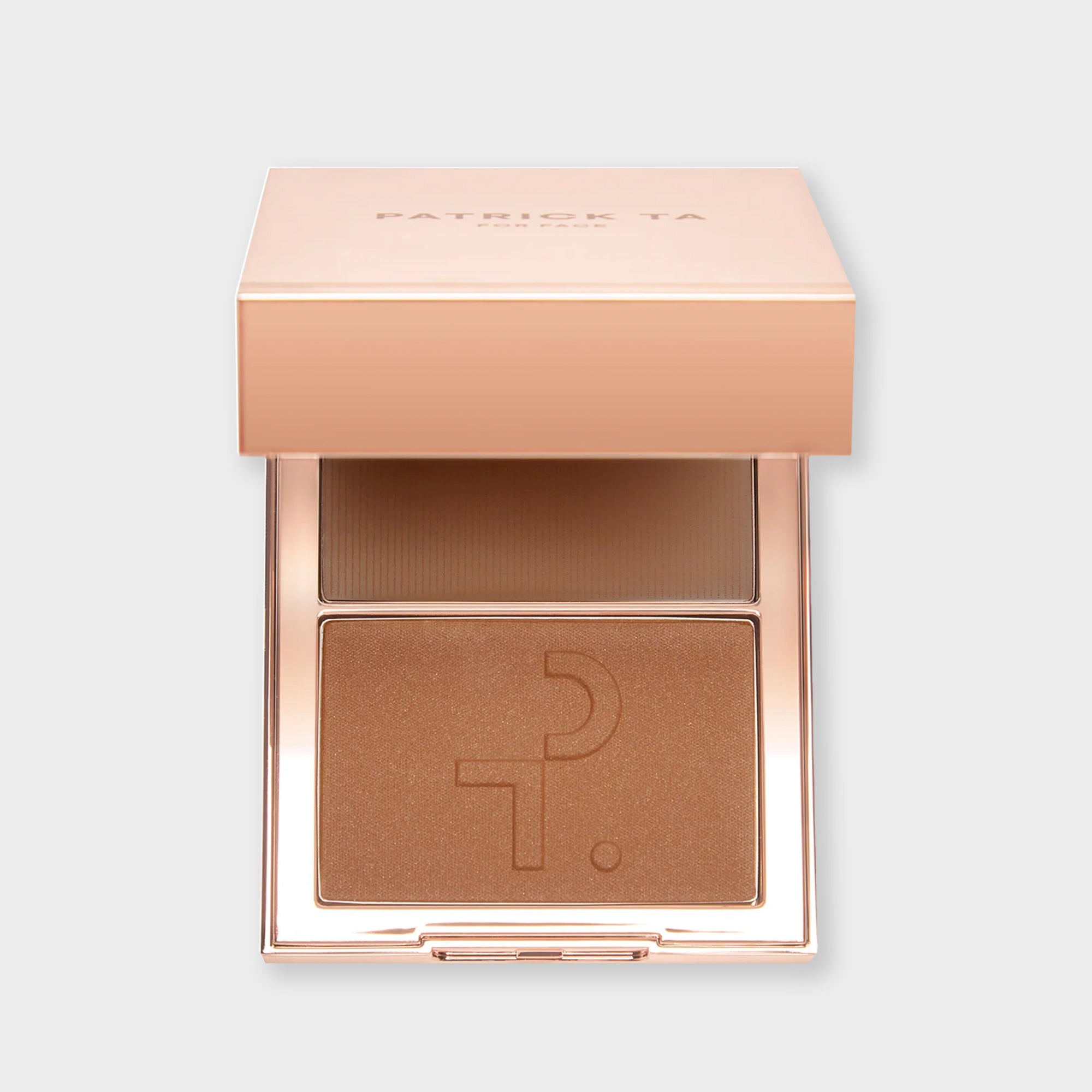
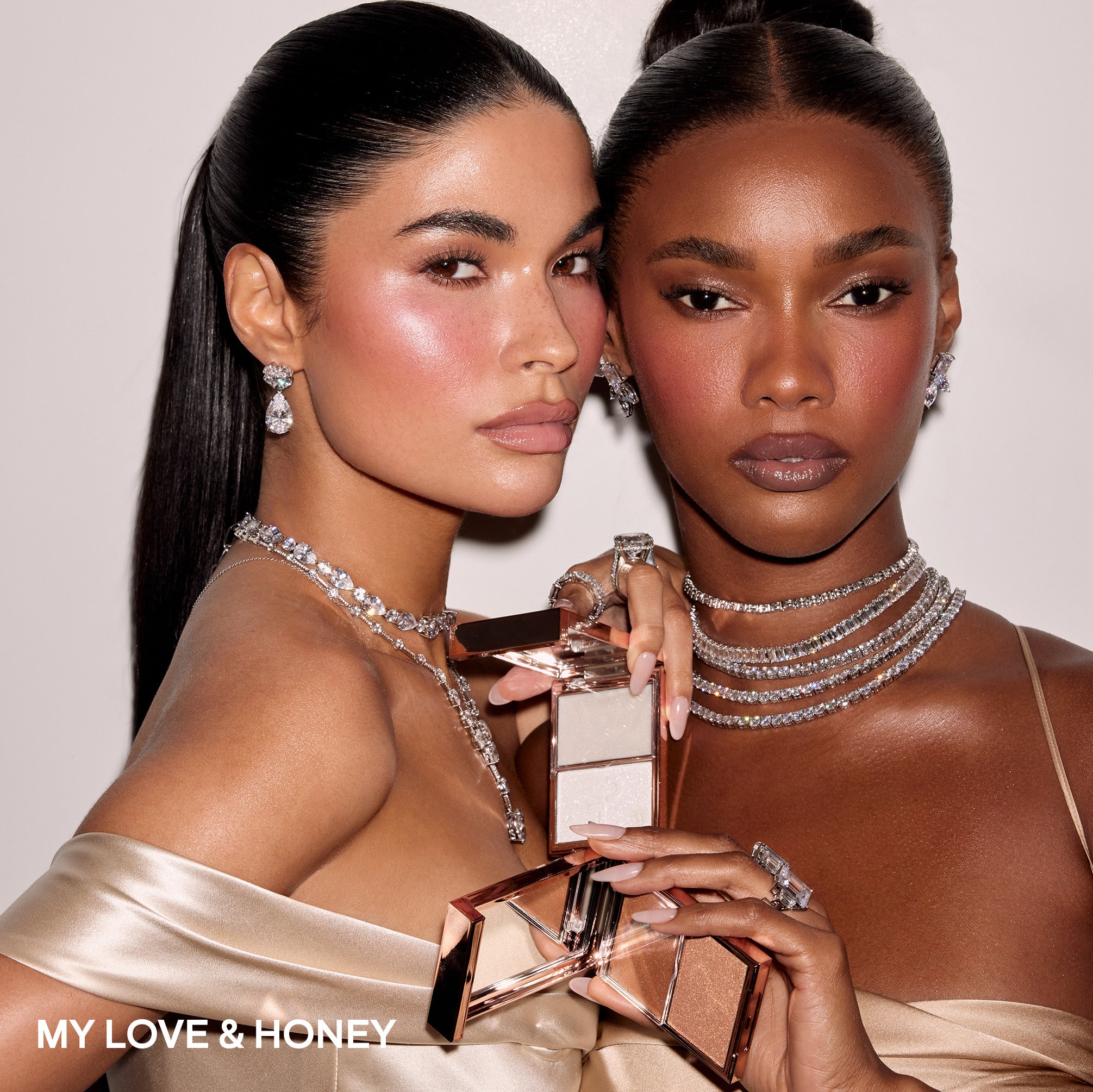
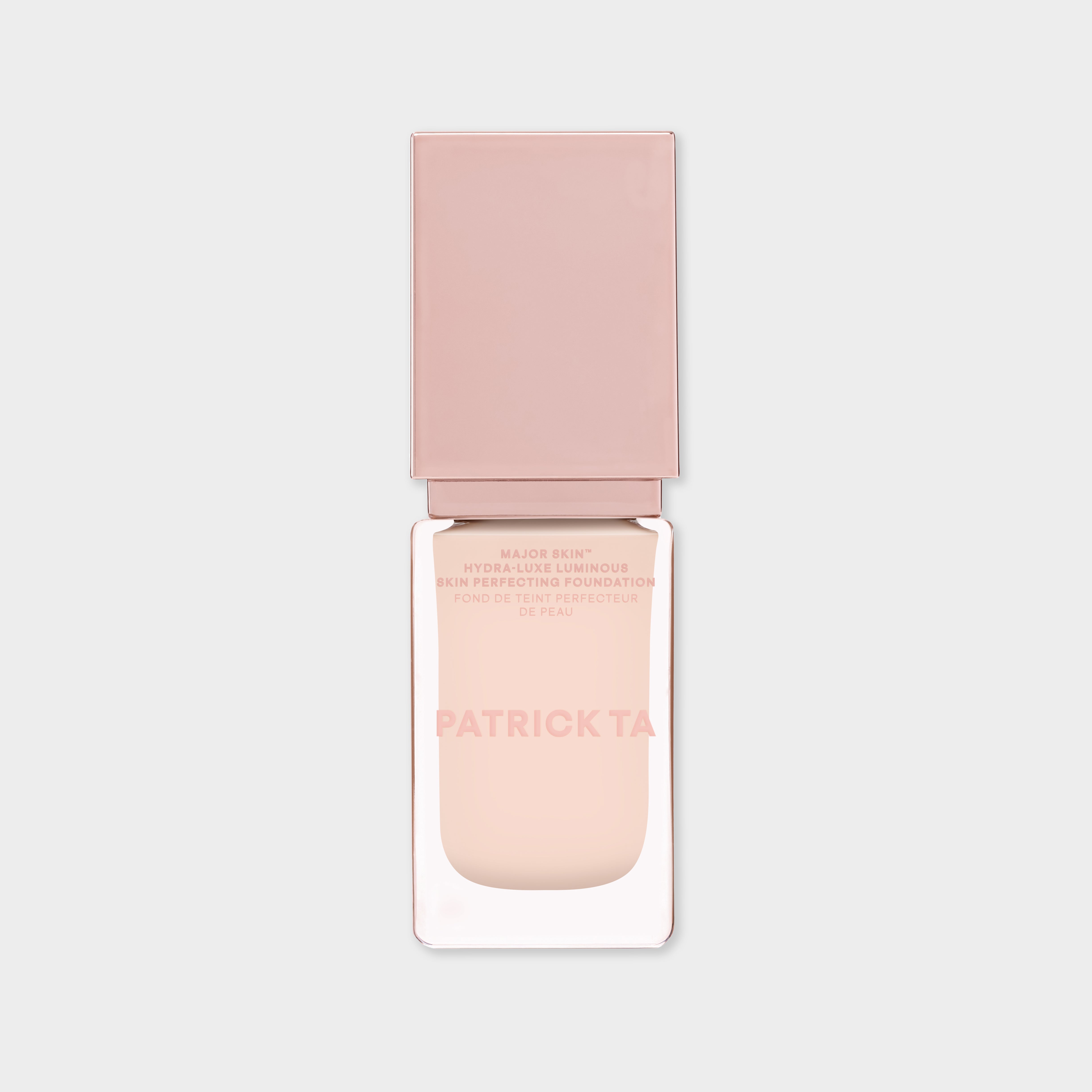
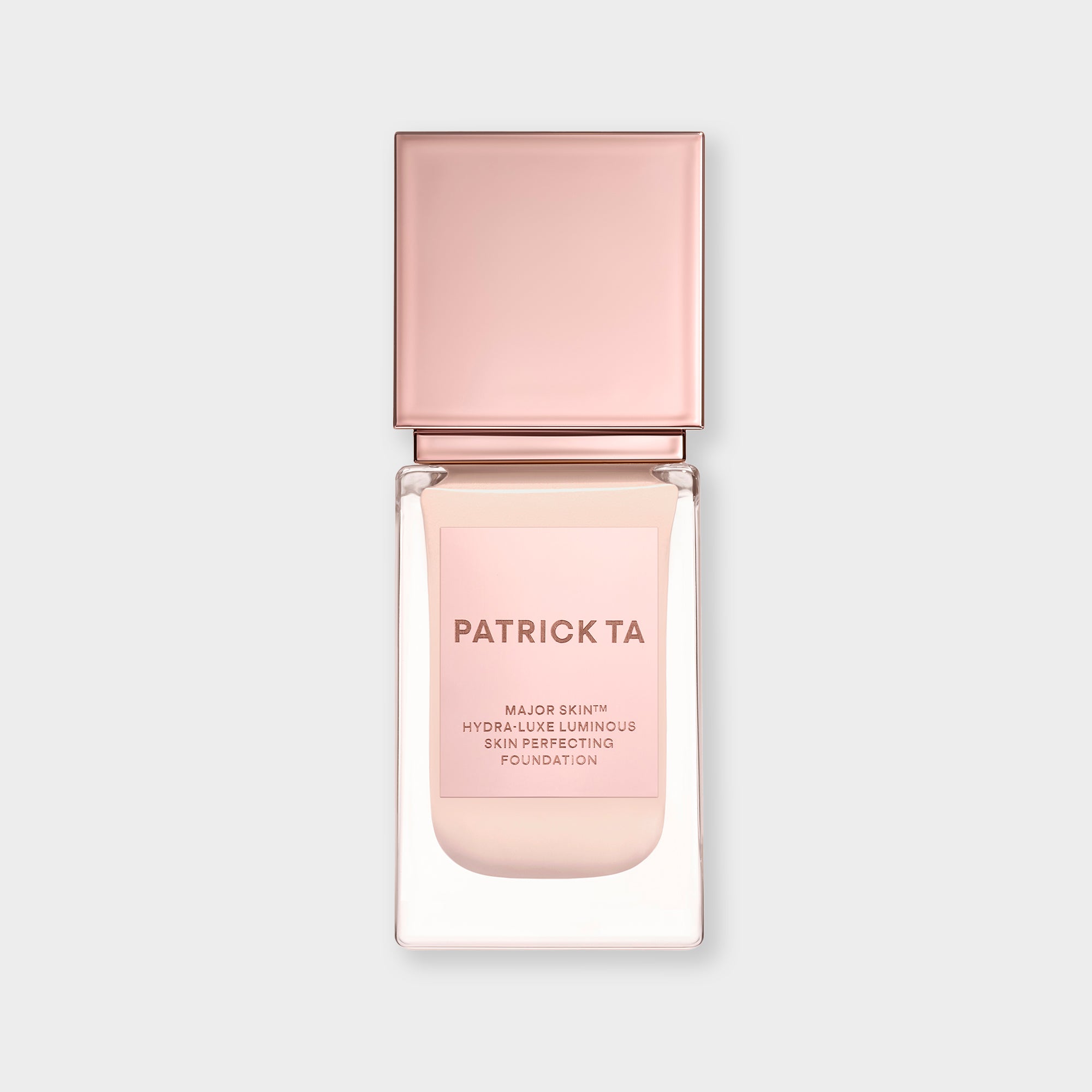
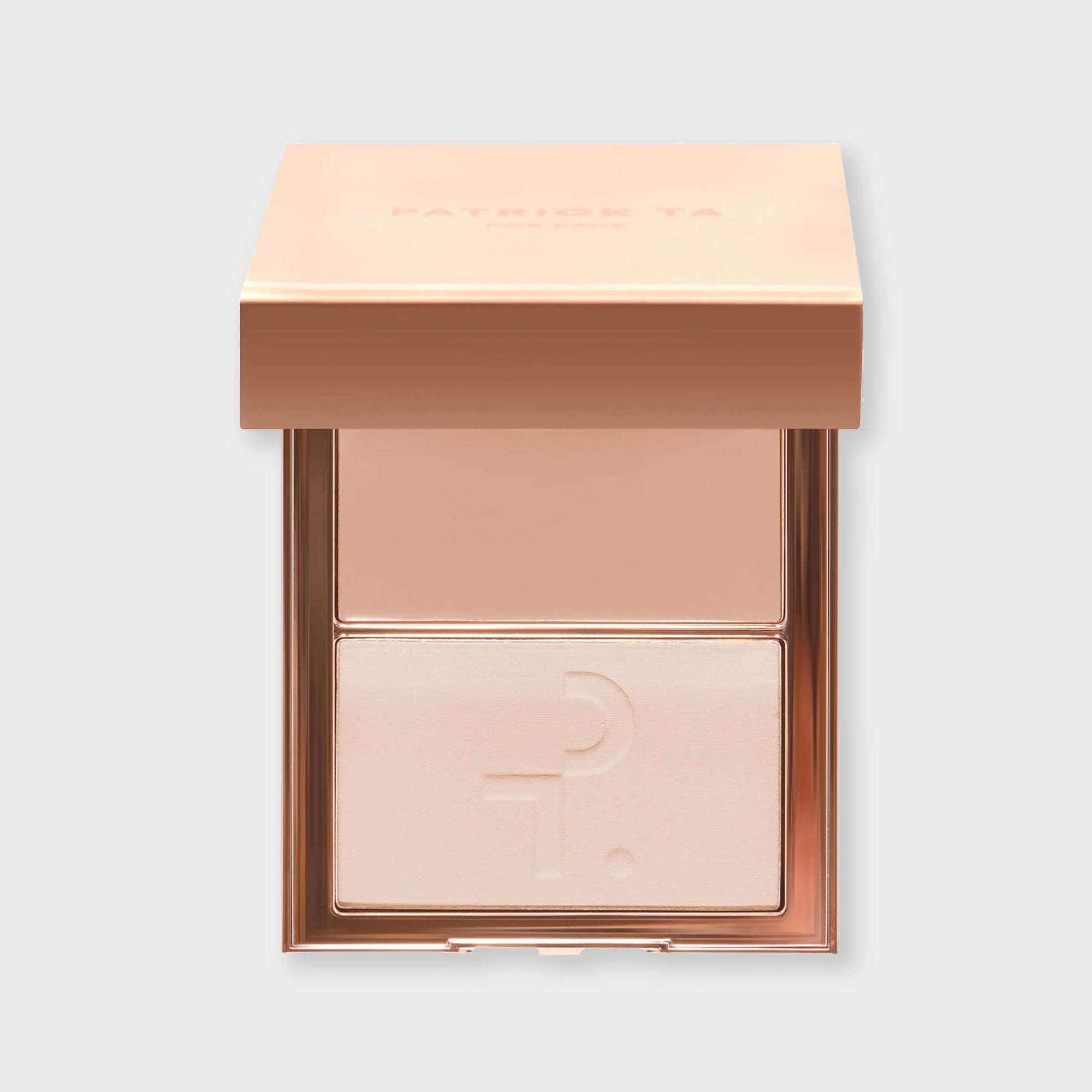
Patrick Ta's Major Skin Crème Foundation & Finishing Powder Duo answers the brief for acne-prone skin. The non-comedogenic, breathable formula blurs imperfections and evens your complexion for your-skin-but-better luminosity.
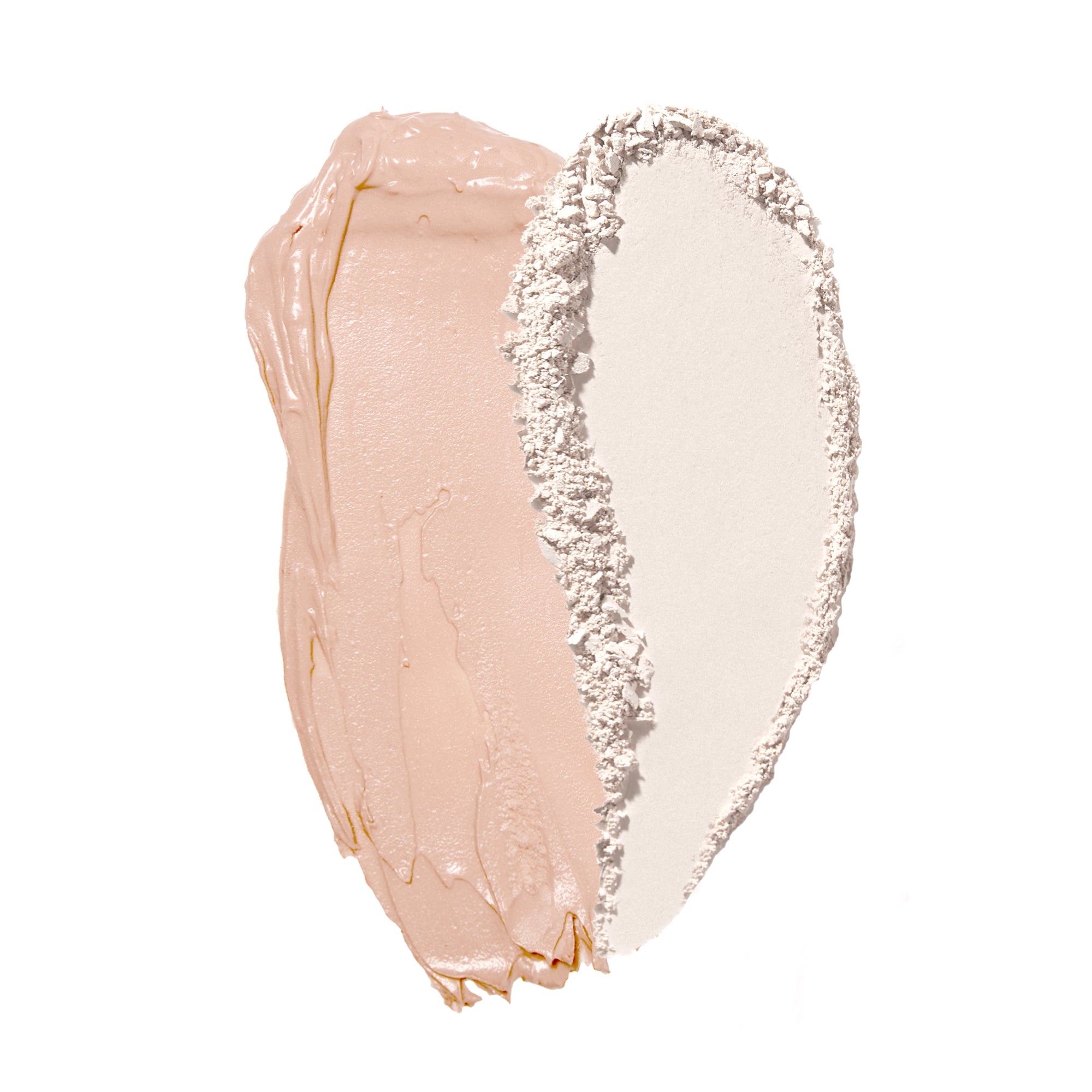
The crème foundation feels hydrating yet lightweight for a naturally dewy radiance. Lightweight emollients deliver a fresh, supple glow without clogging pores, so it suits acne-prone complexions.
The formula builds beautifully. Each layer melts into the skin, so you customize your coverage. You cover breakouts exactly as much as you want while keeping a weightless feel.
The duo also includes a soft-focus finishing powder. It suits combination and oily skin, controlling excess oil to keep shine in check while holding that dewy look. The translucent powder sets your makeup so it stays put all day.

How Do You Apply This Foundation on Acne-Prone Skin?
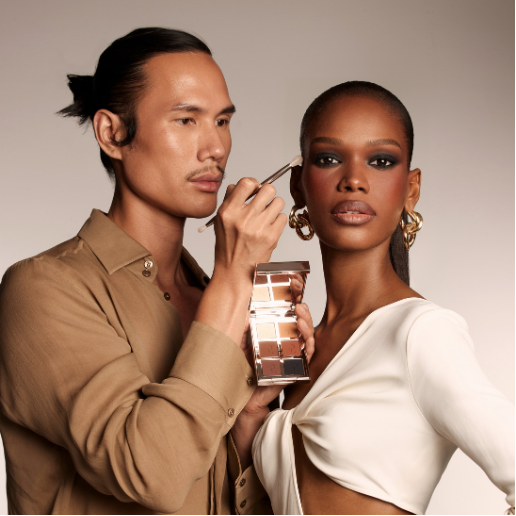
Ready to apply this crème foundation like a pro? Follow Patrick's step-by-step method for a lasting, breakout-friendly base.
- Prep with Primer: Prep your complexion with a primer suited to your skin type. A primer smooths the base and gives your foundation something to grip so it lasts all day. Oily skin does well under a mattifying primer, while drier skin stays plump with a hydrating one.
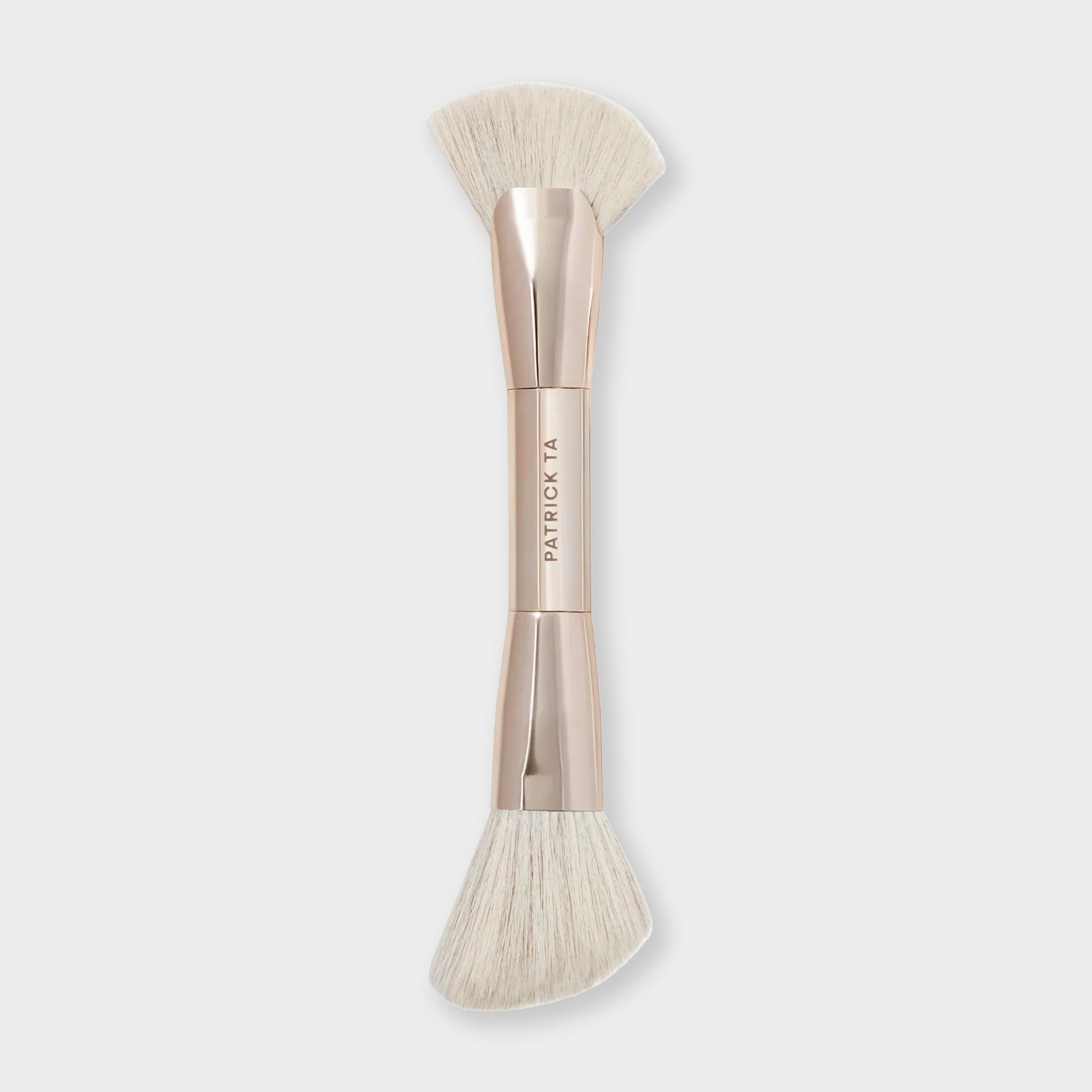
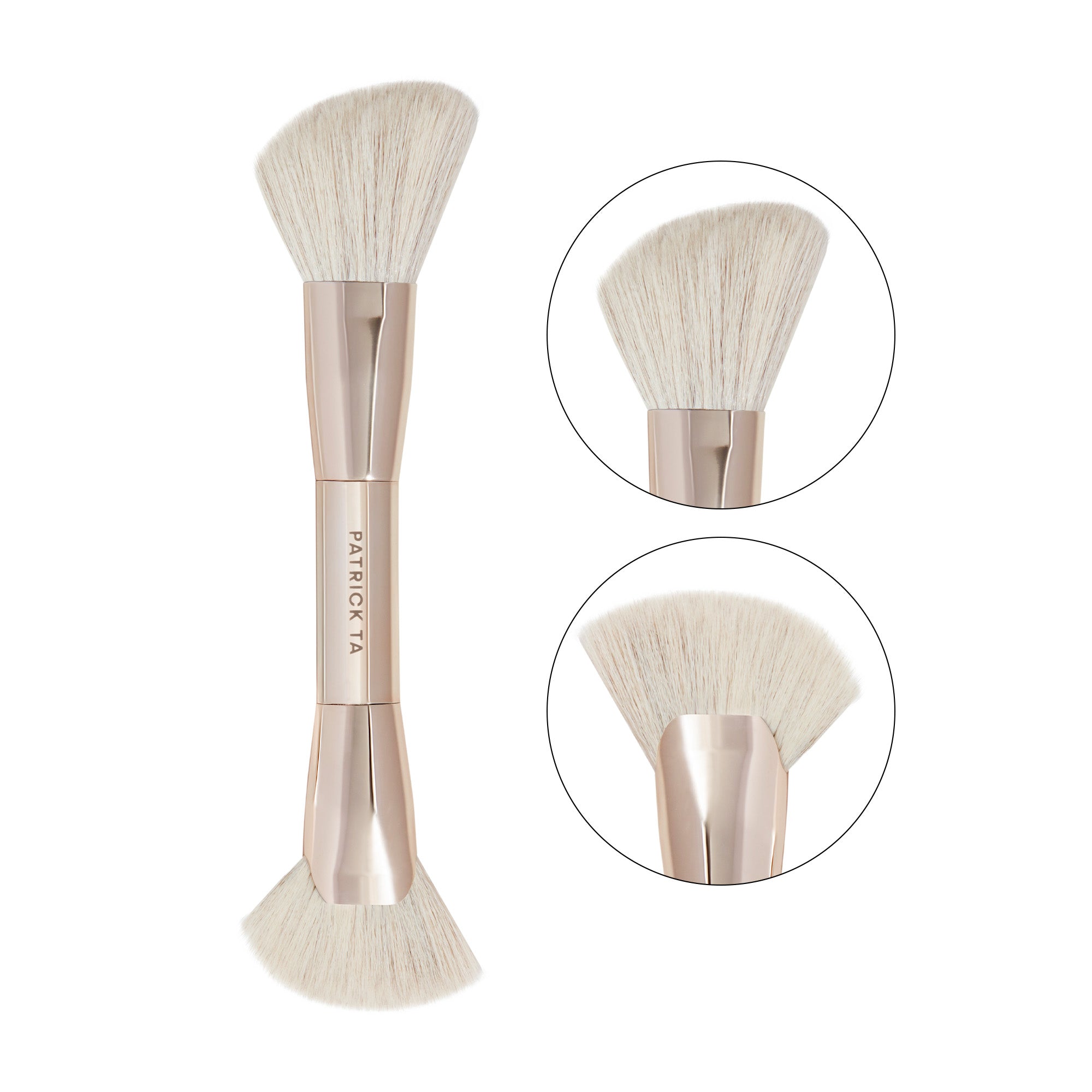
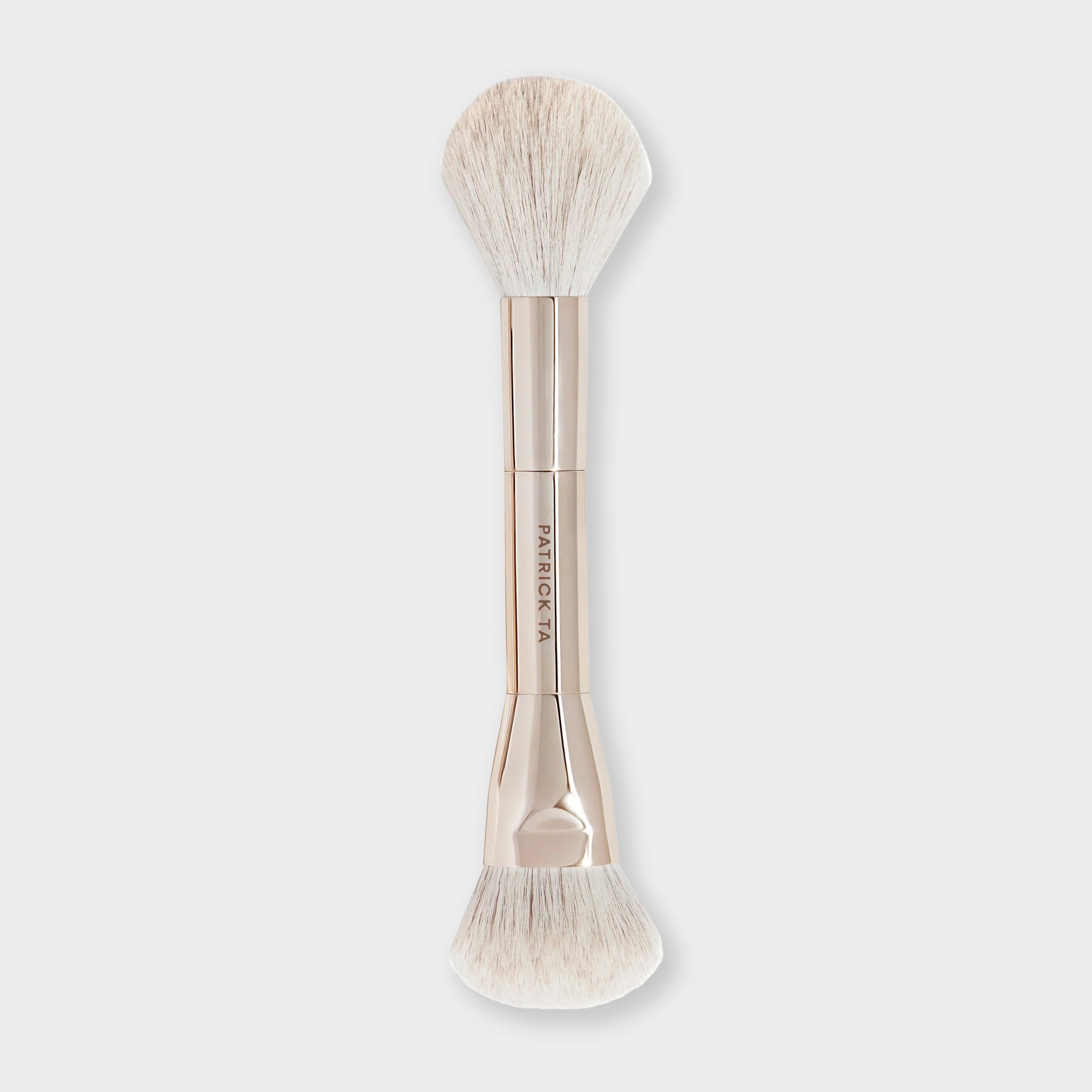
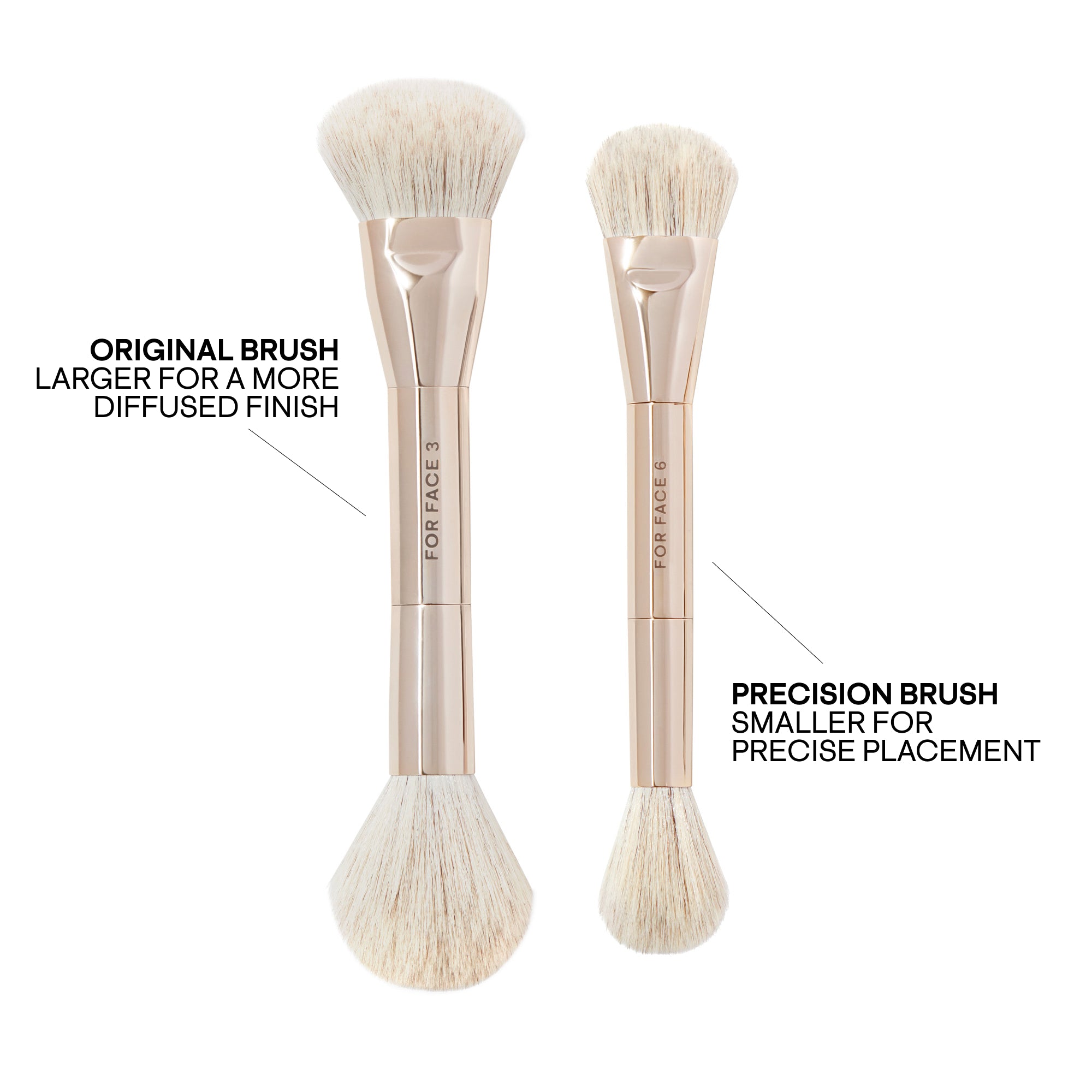
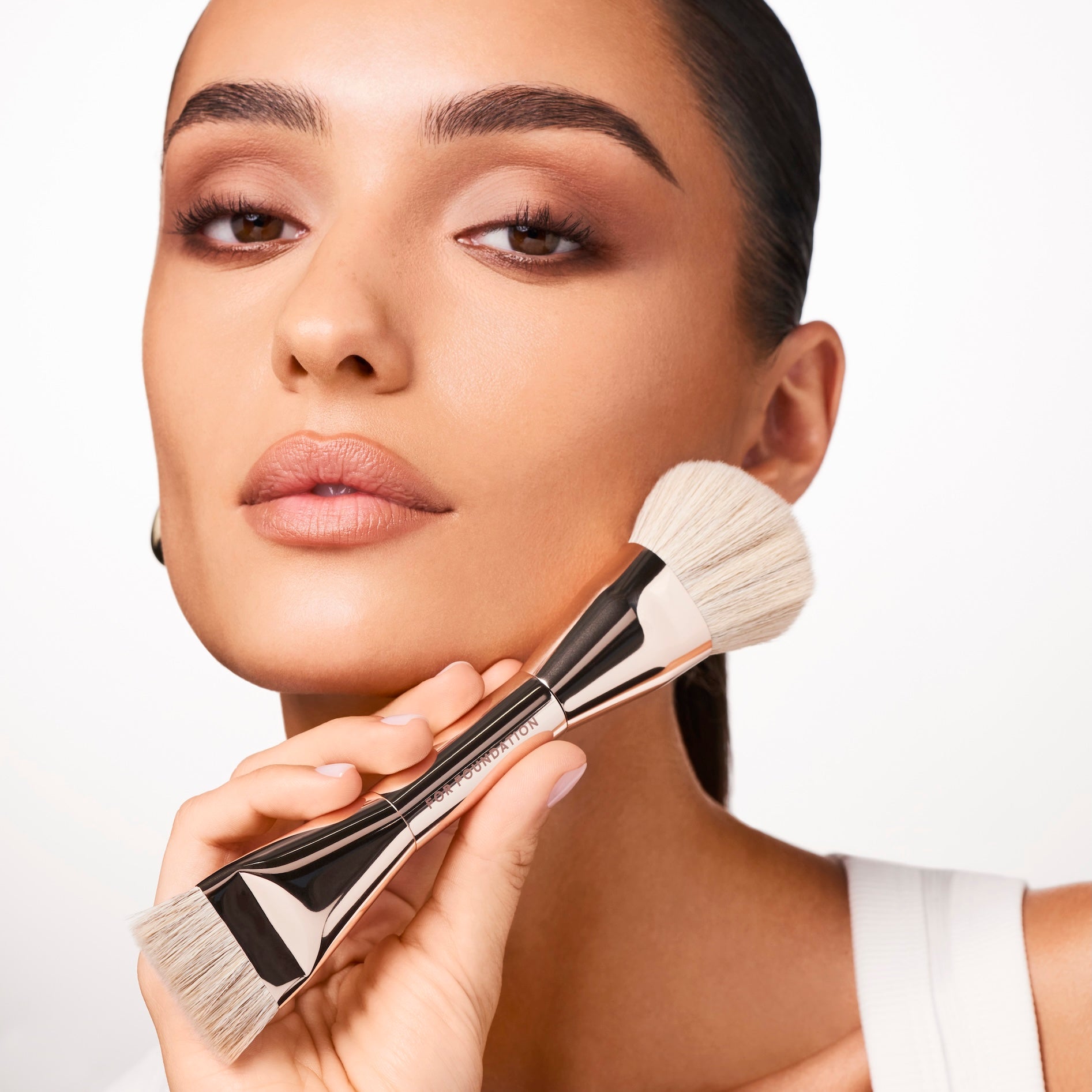
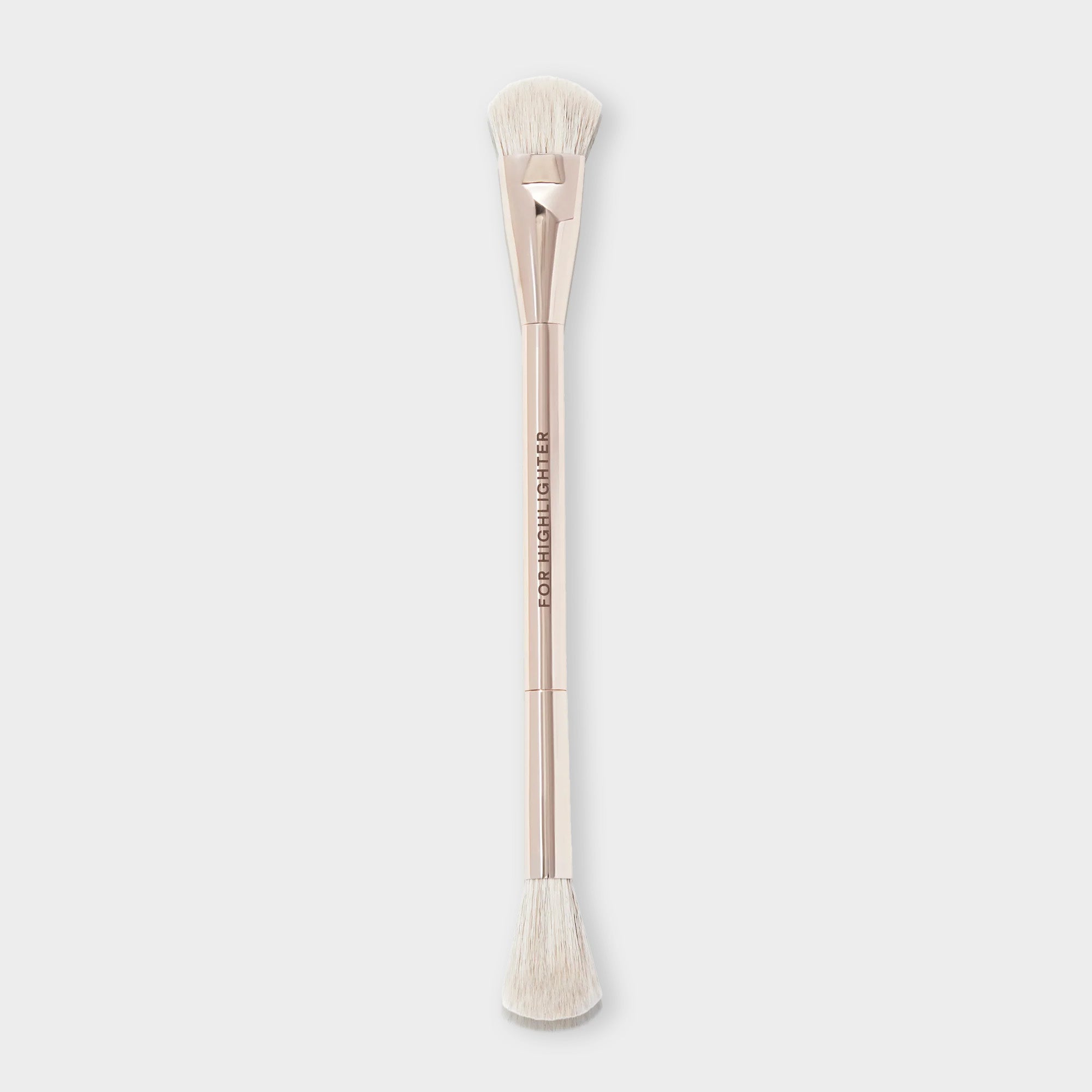
- Reach for the Right Tools and Blend: Apply the foundation with a dense complexion brush or a damp beauty sponge for seamless coverage. Wash your tools regularly, since dirty brushes and sponges hold bacteria that can trigger breakouts. Blend a few extra seconds to erase any harsh lines for a natural finish.
- Start with Less Product and Build: Resist the urge to over-apply. This crème foundation is buildable, so start with one thin layer, then add coverage only where you need it. You use less product, keep a lightweight feel, and land the most natural look.
- Set with Powder: Do not skip this step. The lightweight setting powder boosts longevity, controls oil, and softens the look of enlarged pores. Press it into oil-prone areas, typically your forehead, nose, and chin.
Pro Tip: Always remove your makeup fully before bed. A gentle double cleanse clears foundation, oil, and buildup, so your pores stay clear and your skin barrier stays healthy.
What Should You Pair with This Foundation?
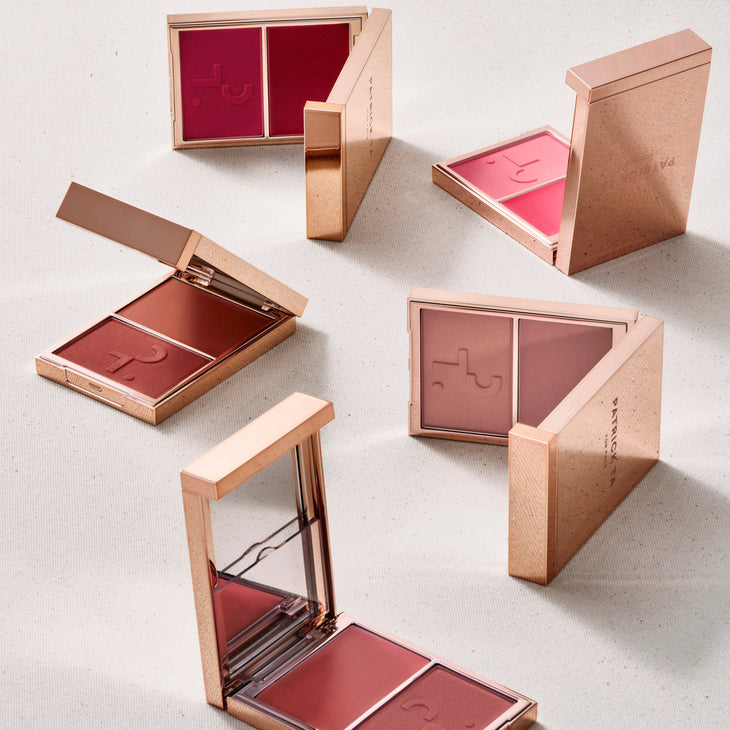
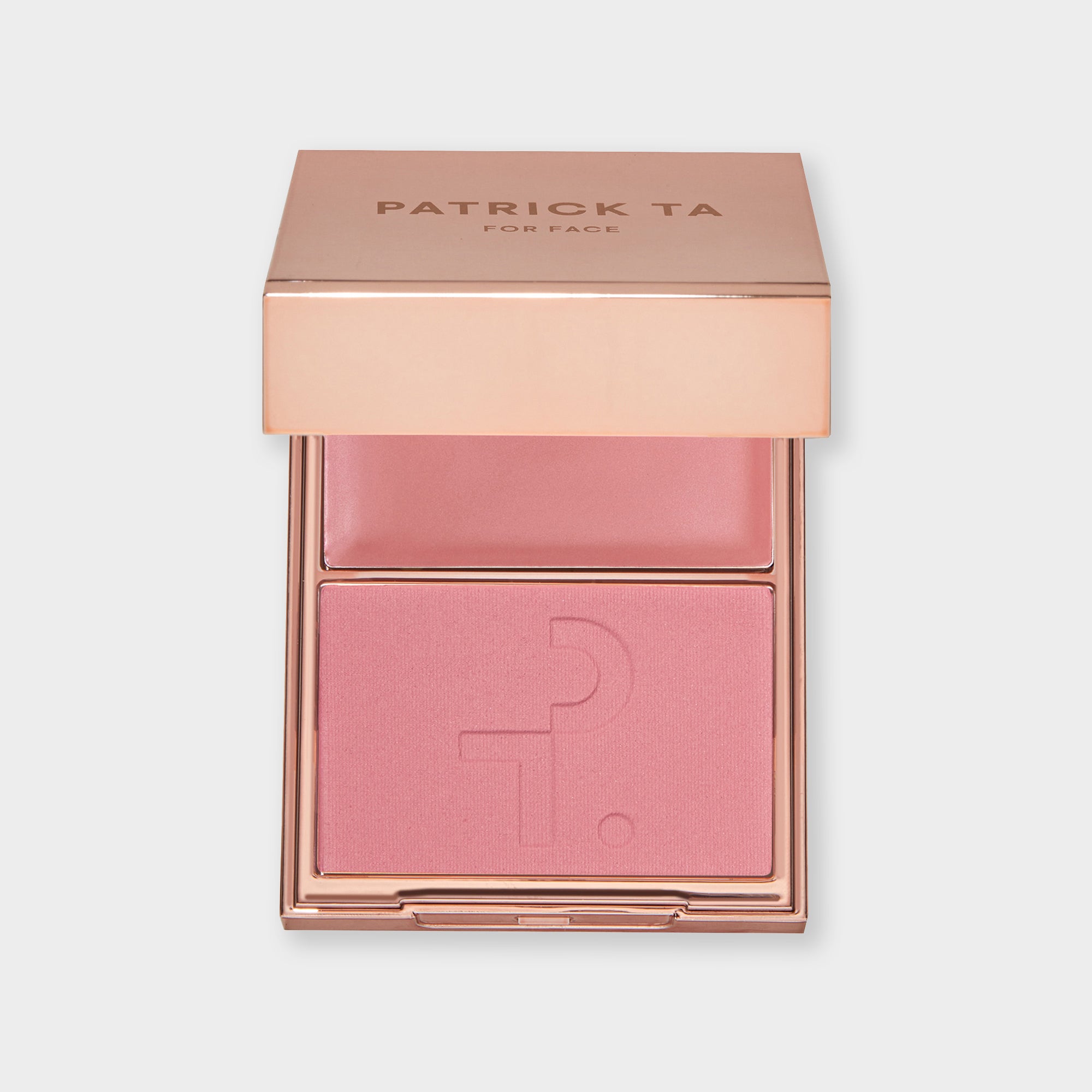
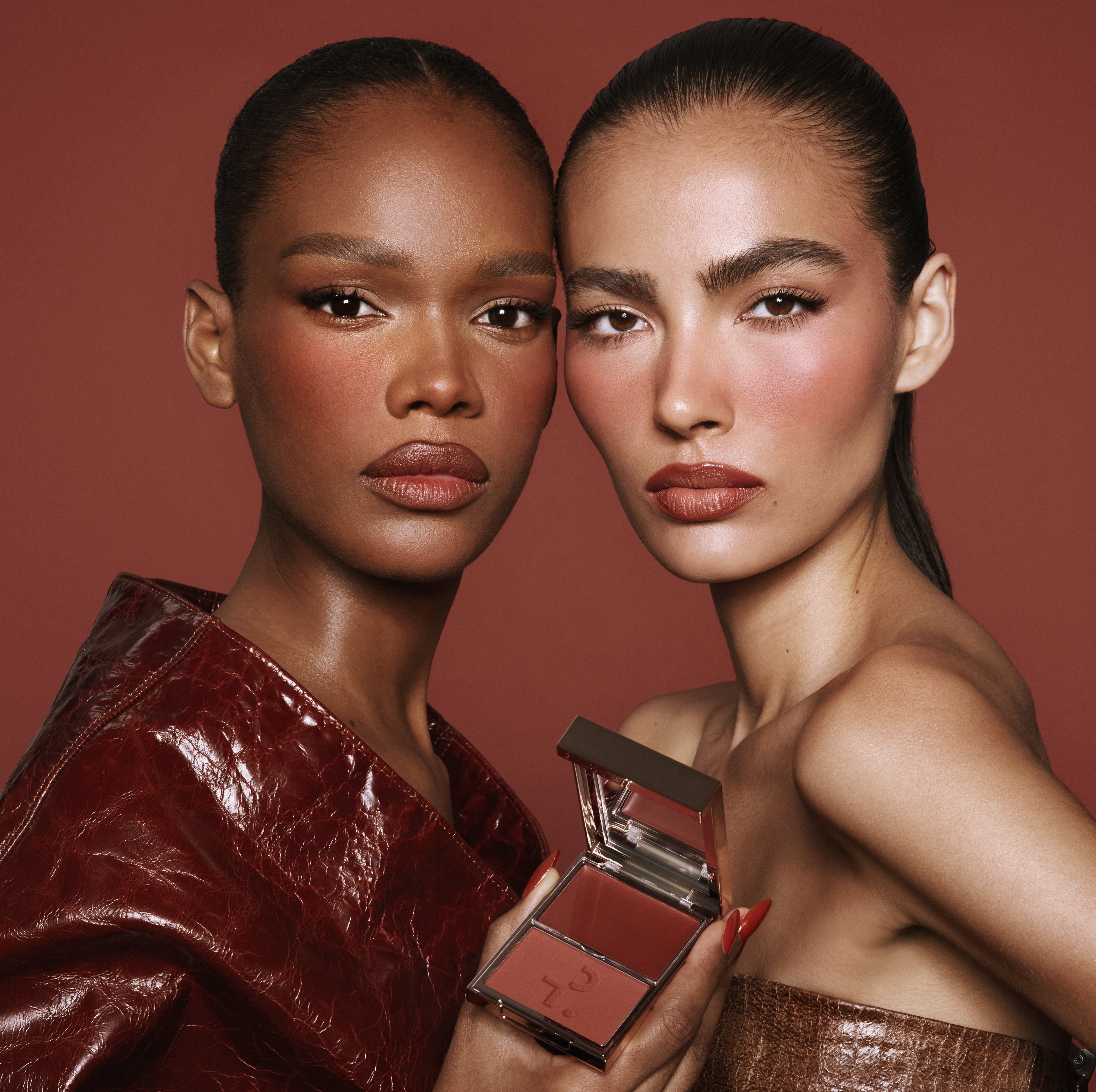
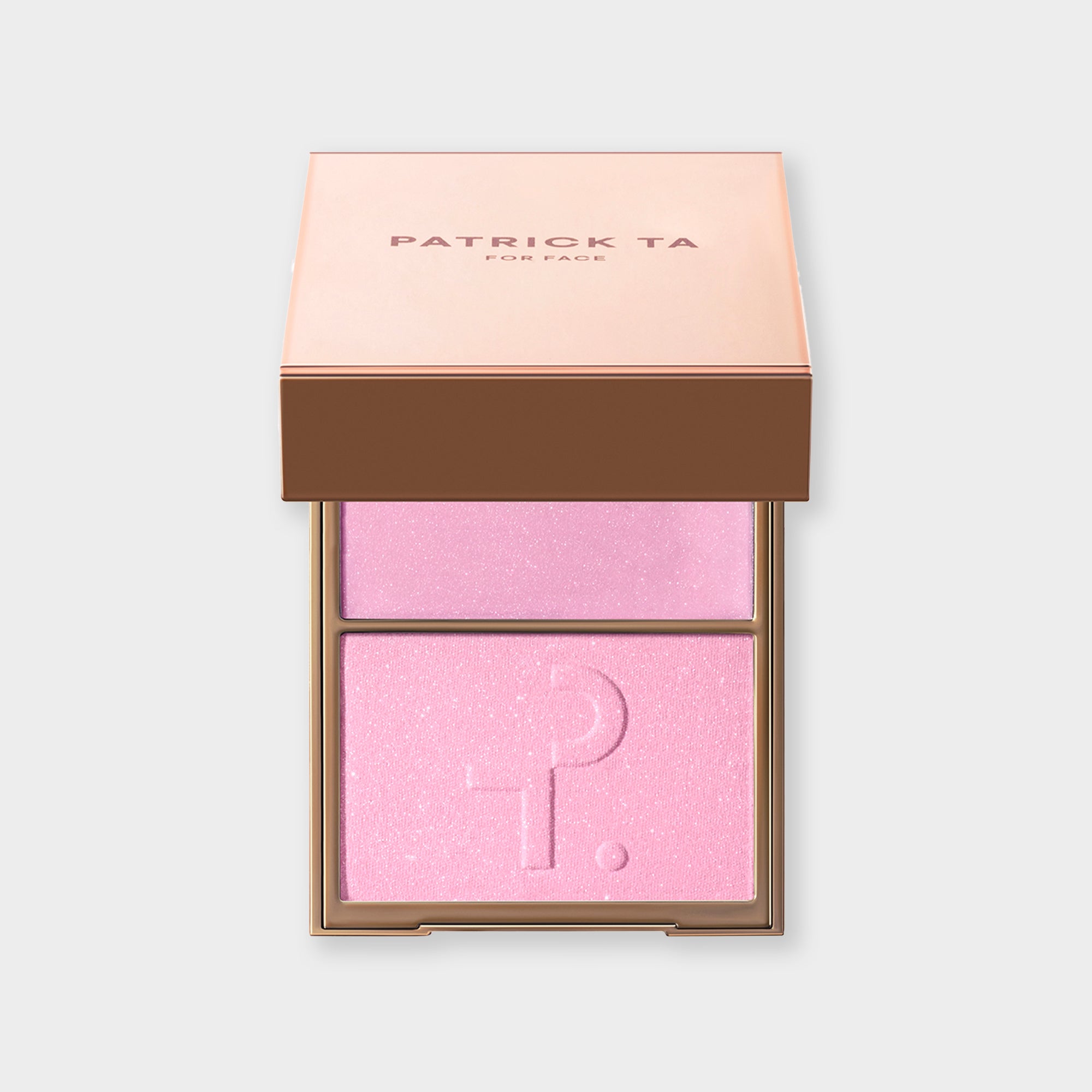
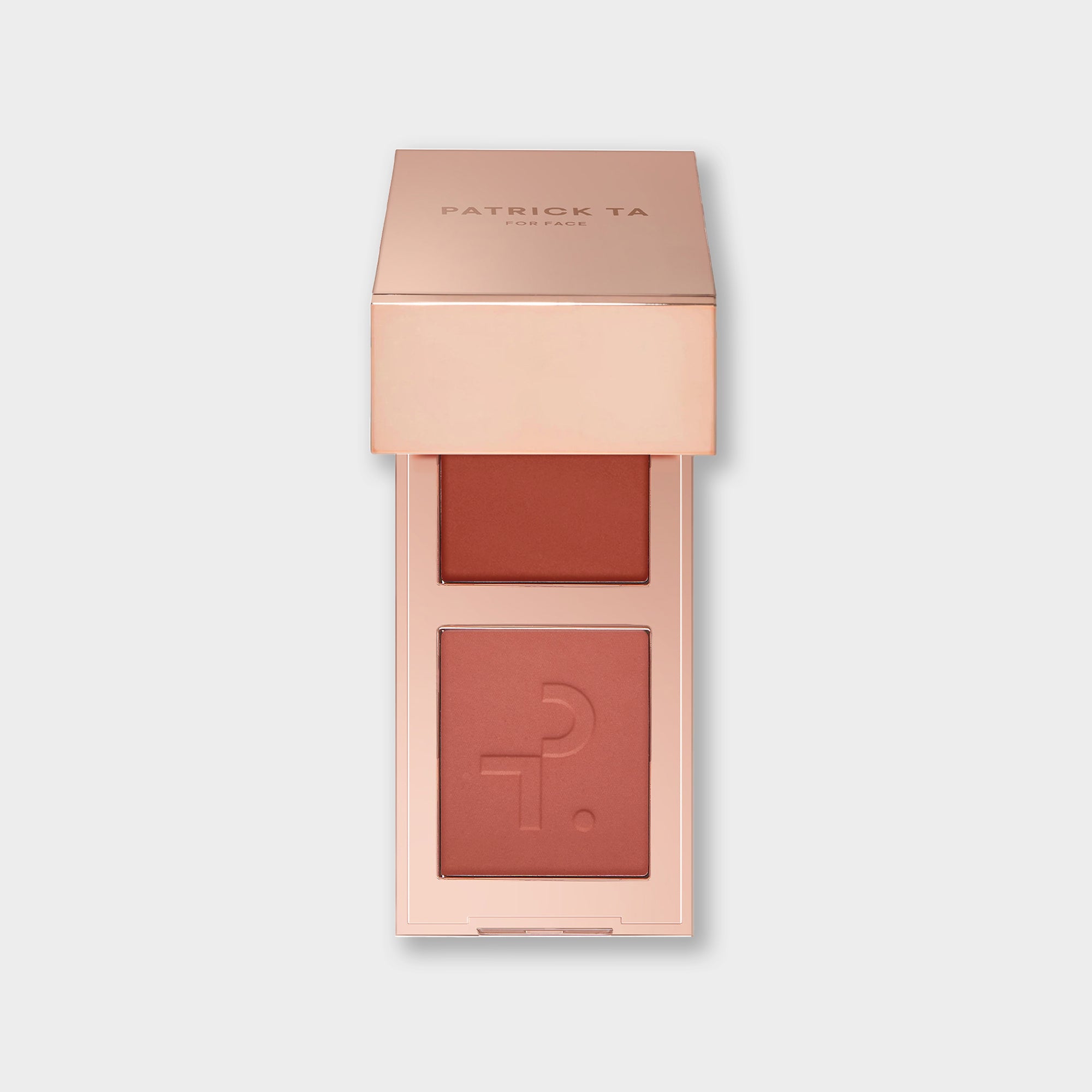
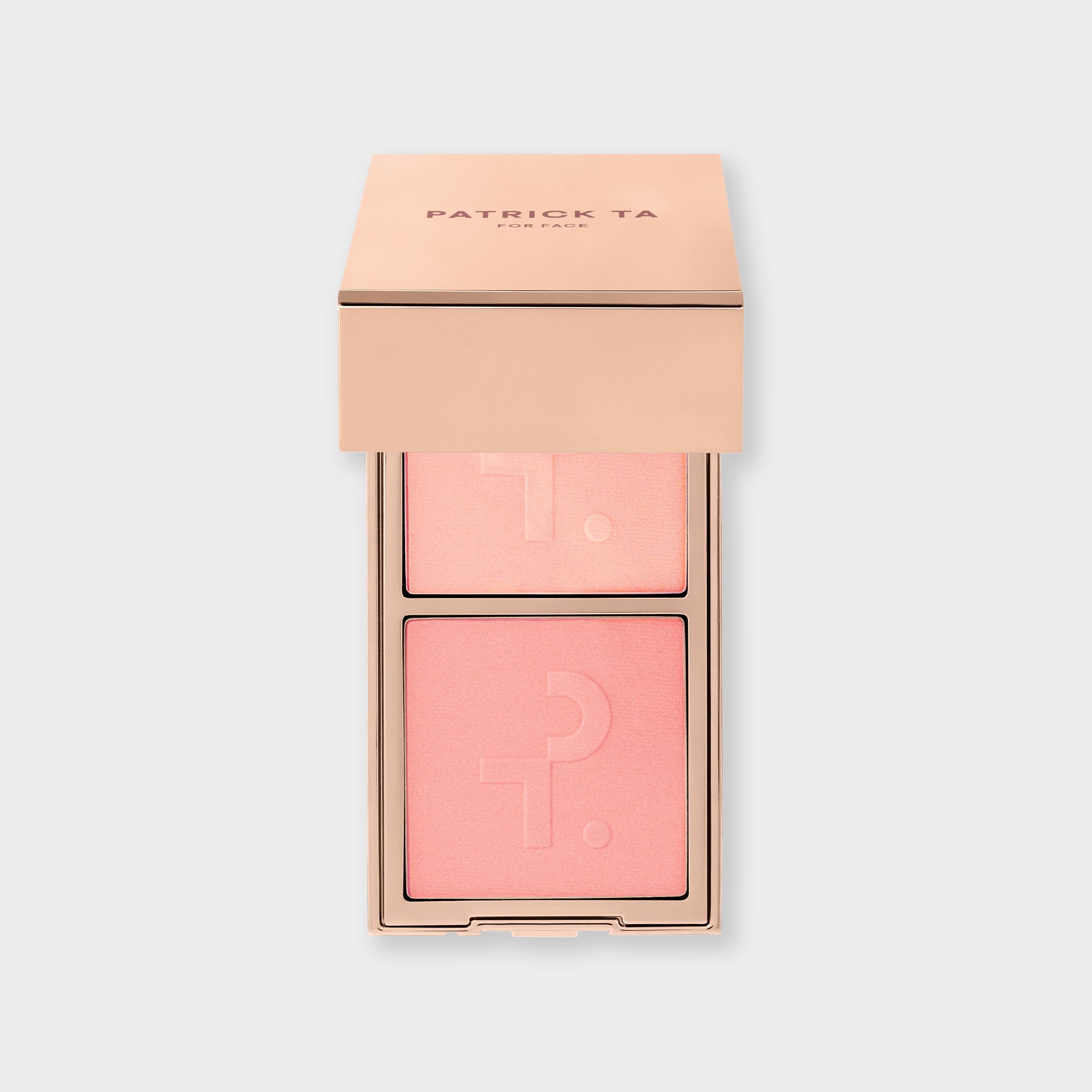
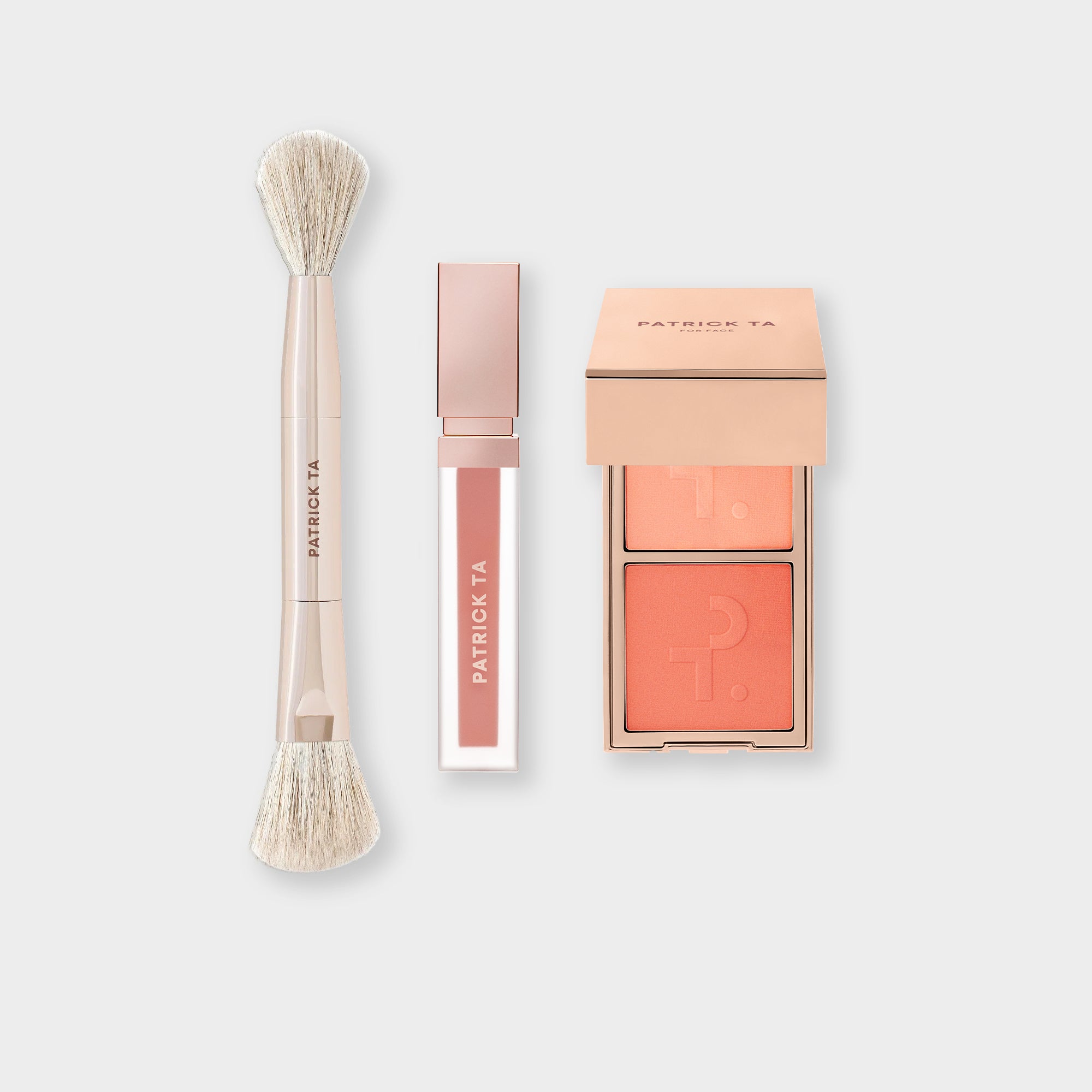
The Major Skin Crème Foundation & Finishing Powder Duo creates the base for any look you are after. To round out your face makeup, pair it with the Major Headlines Double-Take Crème & Powder Blush Duo.
Designed to work alongside the foundation duo, this blush palette pairs two blush formulas that add a striking pop of color to the cheeks. Use Patrick's layering technique: sweep the crème blush on first, then press the powder blush on top to lock in a longer-wearing, dimensional flush.
Frequently Asked Questions
How do you keep a non-comedogenic foundation from clogging pores throughout the day?
- Apply your foundation in thin, buildable layers instead of one heavy coat.
- Press a lightweight setting powder over oil-prone areas like the forehead, nose, and chin.
- Let the powder control excess oil so your base stays fresh and your pores look smoother all day.
How do you get natural-looking coverage over breakouts?
- Start with a single thin layer of a buildable foundation.
- Add more product only where you want extra coverage.
- Blend each layer with a dense complexion brush or a beauty sponge to erase any lines.
Is a non-comedogenic foundation good for oily or combination skin?
Yes, a lightweight non-comedogenic formula suits oily and combination skin because it delivers coverage without feeling heavy or adding shine. A soft-focus finishing powder controls excess oil while keeping a dewy, radiant finish.
Does non-comedogenic makeup prevent breakouts?
Non-comedogenic makeup lowers your risk of clogged pores and flare-ups because it leaves out ingredients known to trigger acne, and it keeps skin calm as part of a consistent routine.

RELATED POSTS

Here are our top picks, organized by category, so you can find the right gift fast.

With a few simple rules, you can pick something they will actually use, love, and reach for every day.
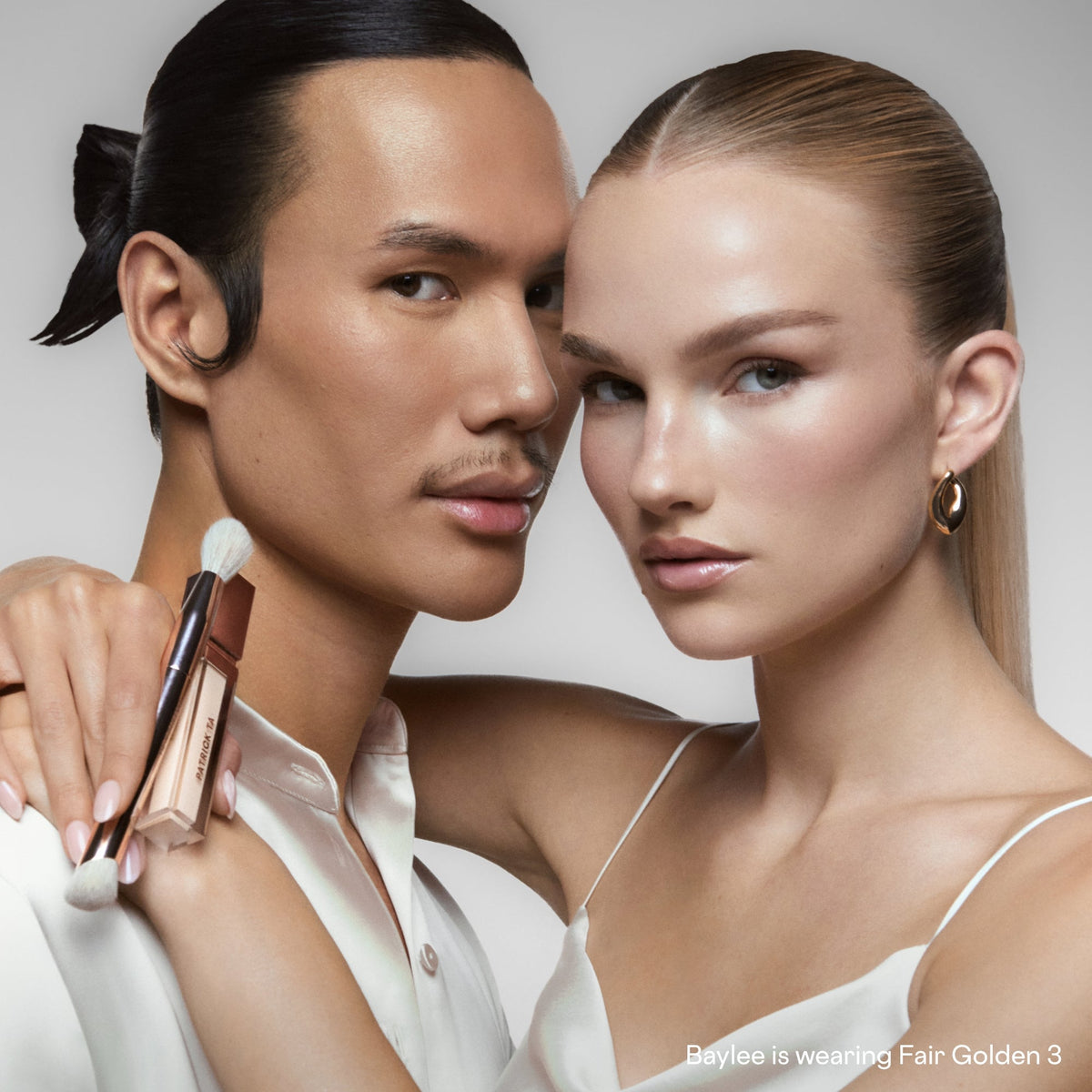
Celebrity makeup artist and founder of Patrick Ta Beauty, Patrick Ta, has once again captivated the beauty world with his innovative products, earning multiple accolades at the 2025 Allure Best of ...
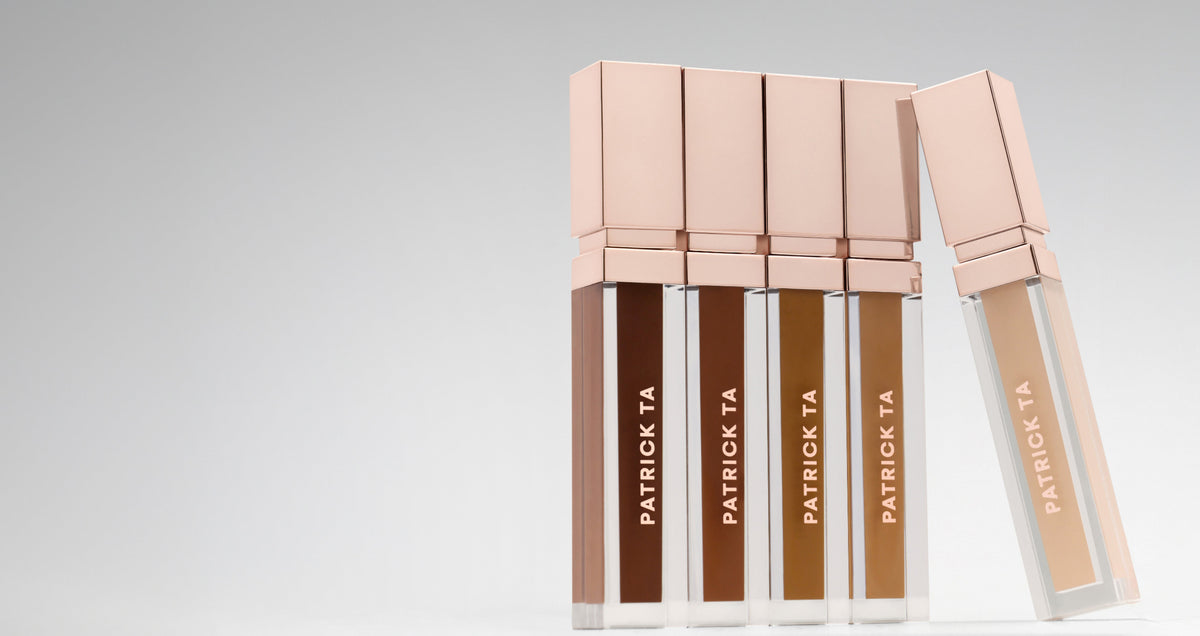
Here is Patrick's guide to concealer placement, plus how to apply it for a seamless, skin-like finish.
Here is how to find your concealer shade, how to test it, and how to use more than one shade for a flawless base
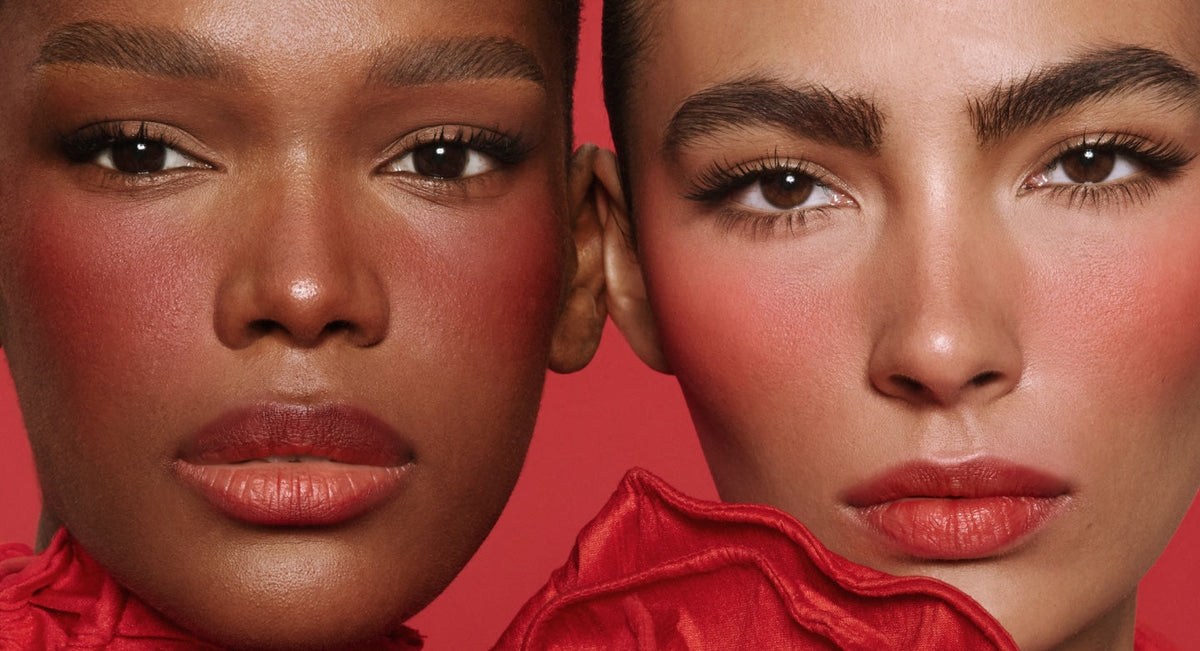
Here is why red blush has become a modern staple, how to choose the right shade for your skin tone, and how Patrick applies it for a flush that looks effortless.
Here are the shades that make brown eyes stand out and the Patrick Ta palettes that deliver them.
If you have been reaching for the same pink or peach for years, mauve blush is the easiest way to refresh your routine without going bold.