





Quick Summary
- Undertone matters more than skin depth. A cool-toned fair complexion and a cool-toned deep complexion can wear the same shade family.
- Formula affects the finish. Cream delivers a dewy, skin-like glow. Powder gives a matte-to-satin result. Liquid creates a sheer, natural tint.
- Layering is the secret to a natural flush. Pressing cream blush onto the skin first, then dusting powder on top, builds dimension and staying power without looking overdone.
- Baby pink is not the same as baby pink or hot pink. baby pink sits in the middle of the spectrum, with enough pigment to read on every skin tone and enough subtlety to stay natural.
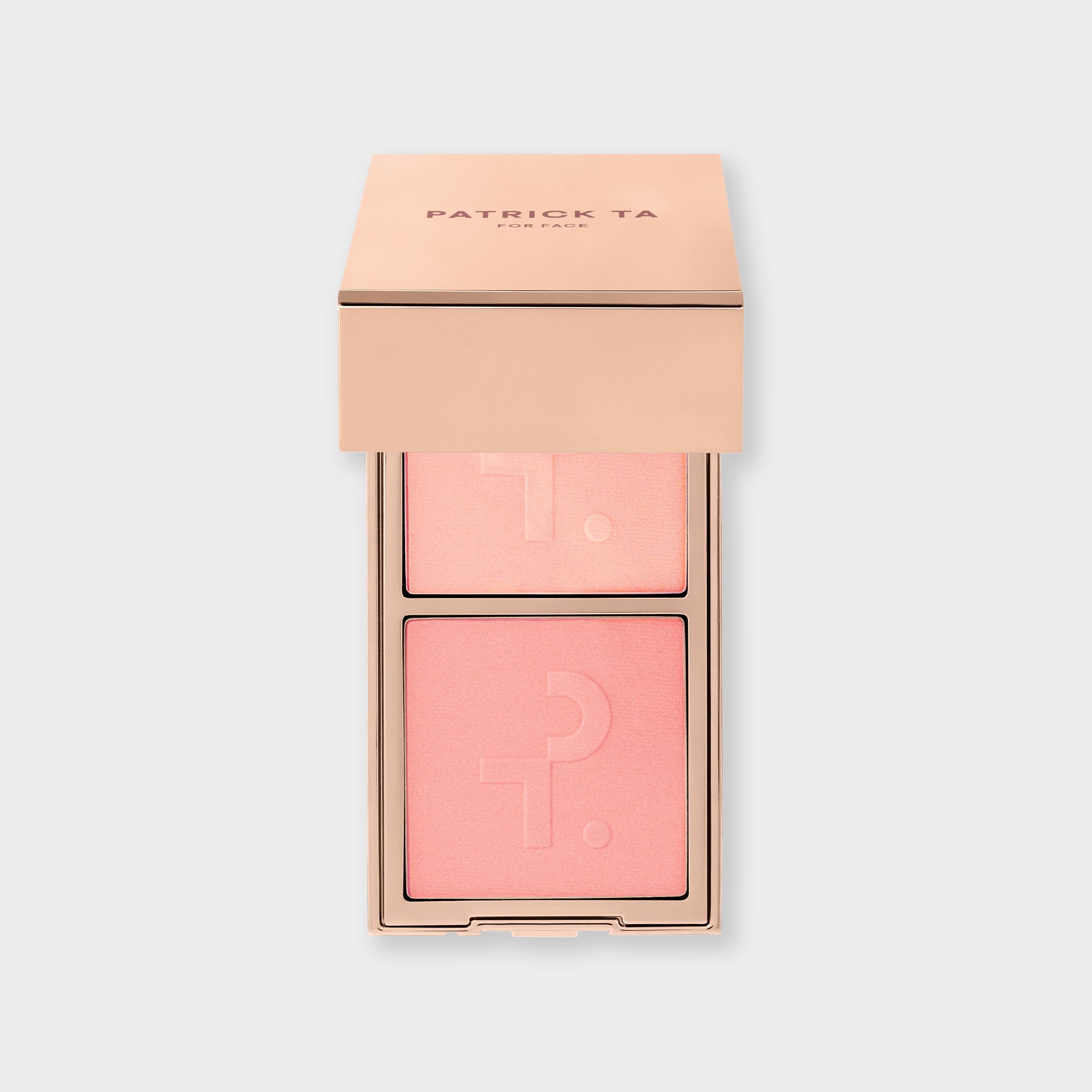
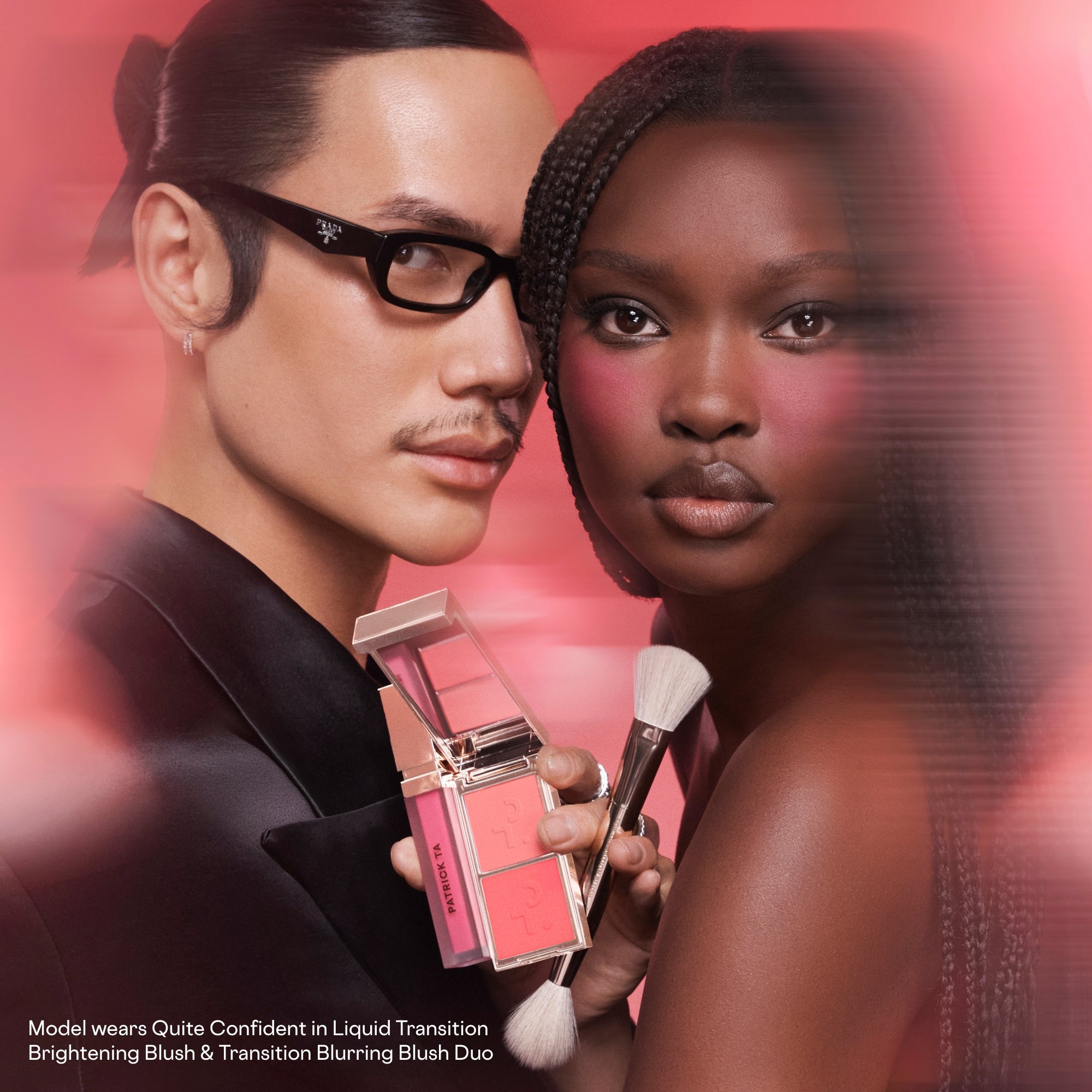
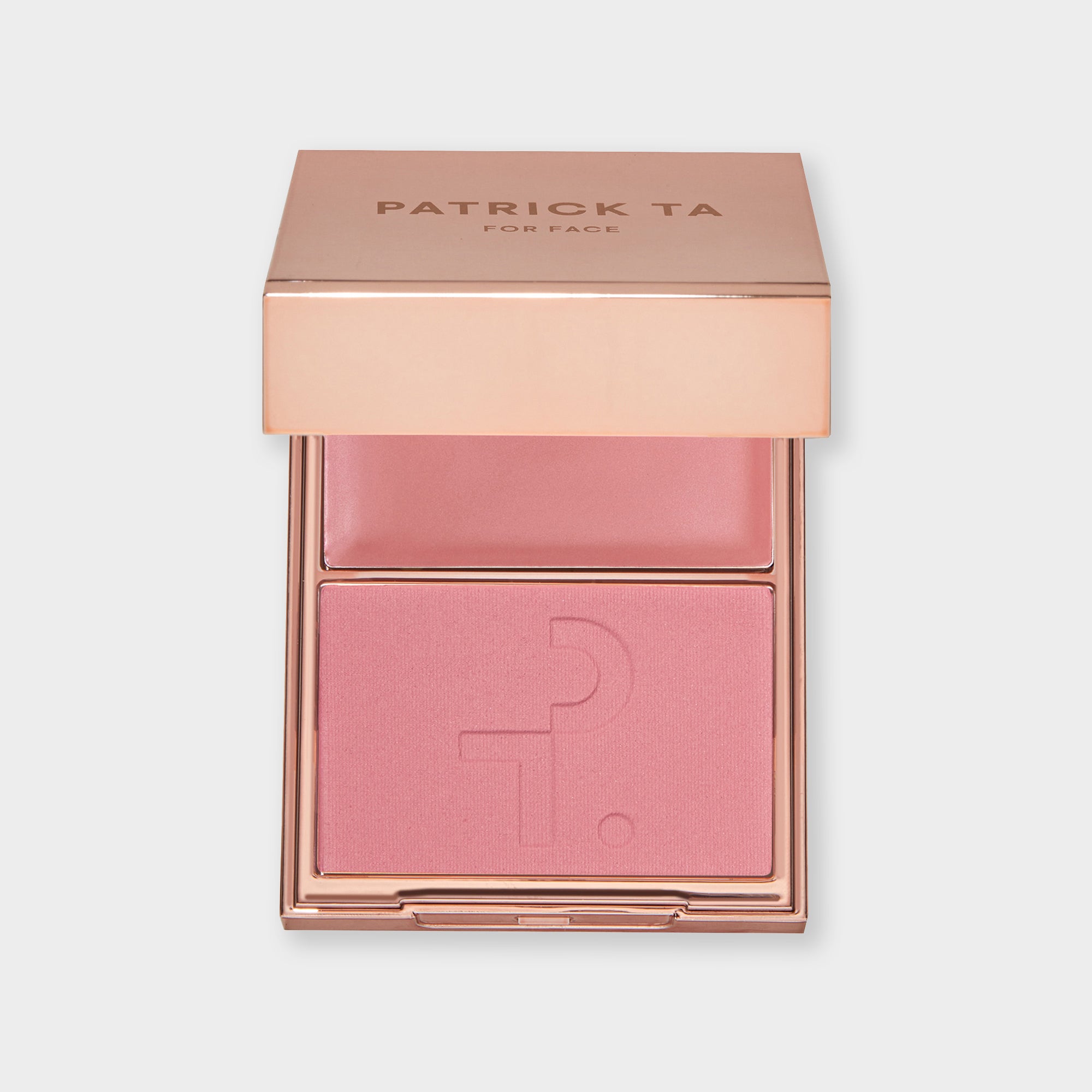
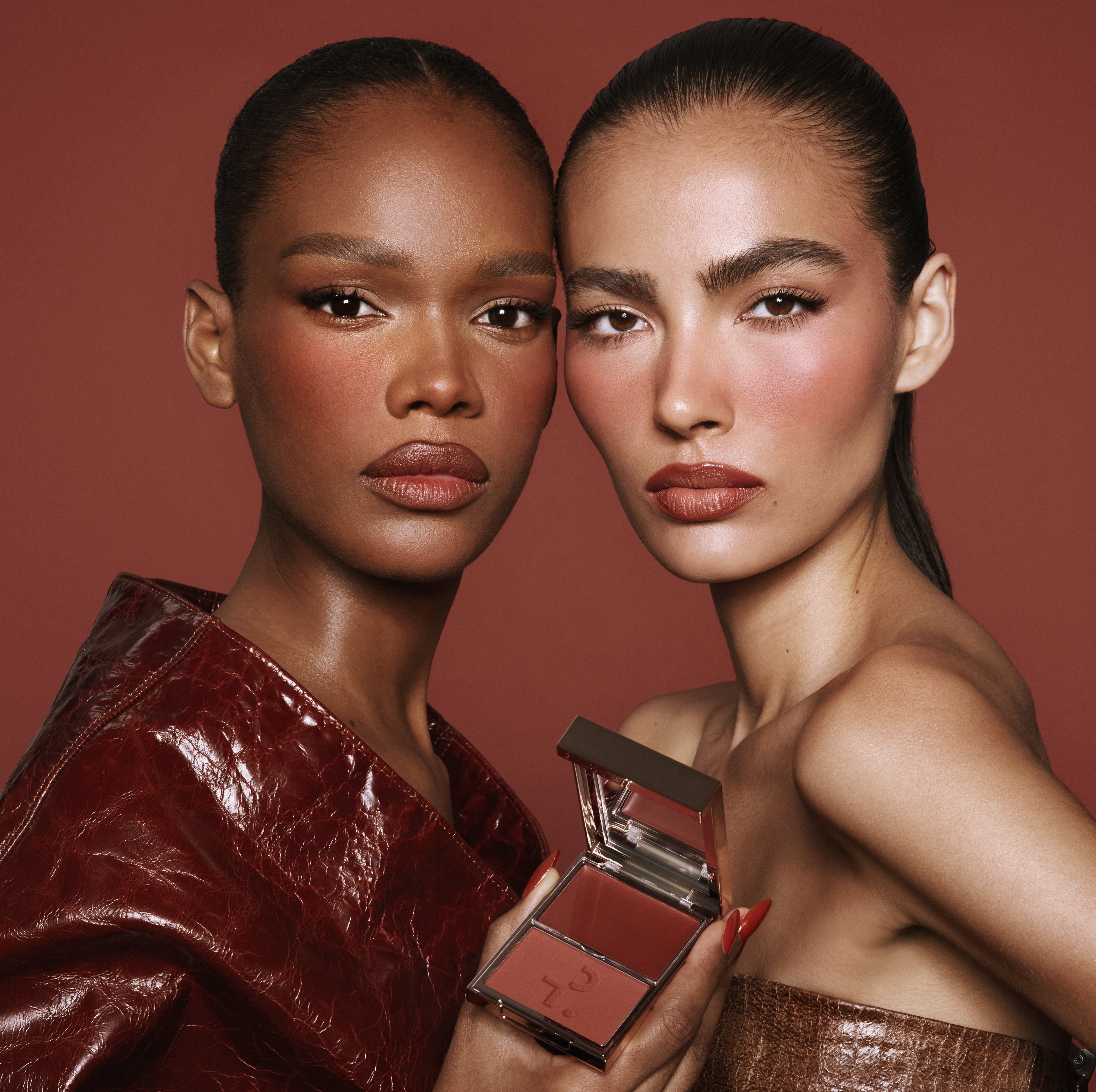
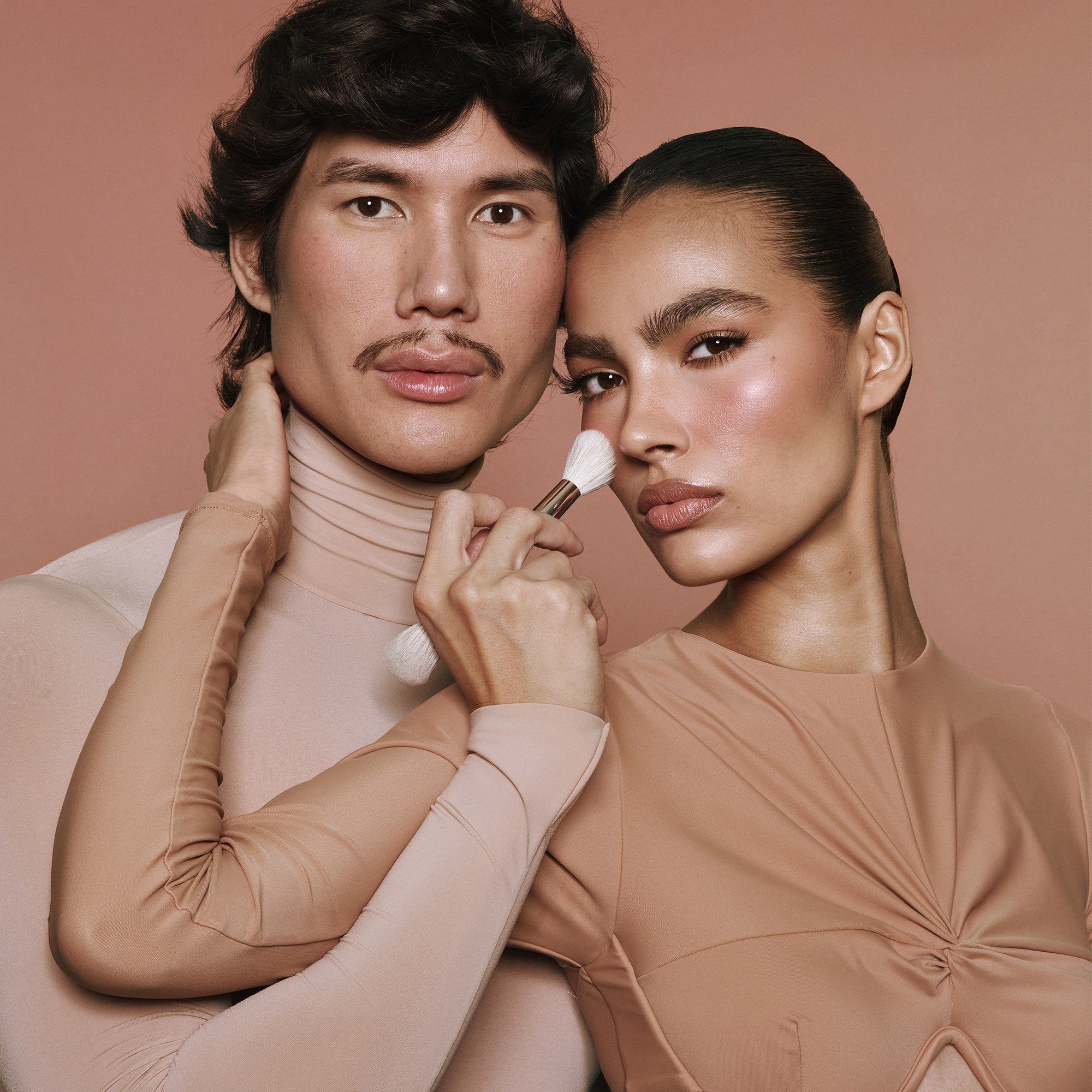
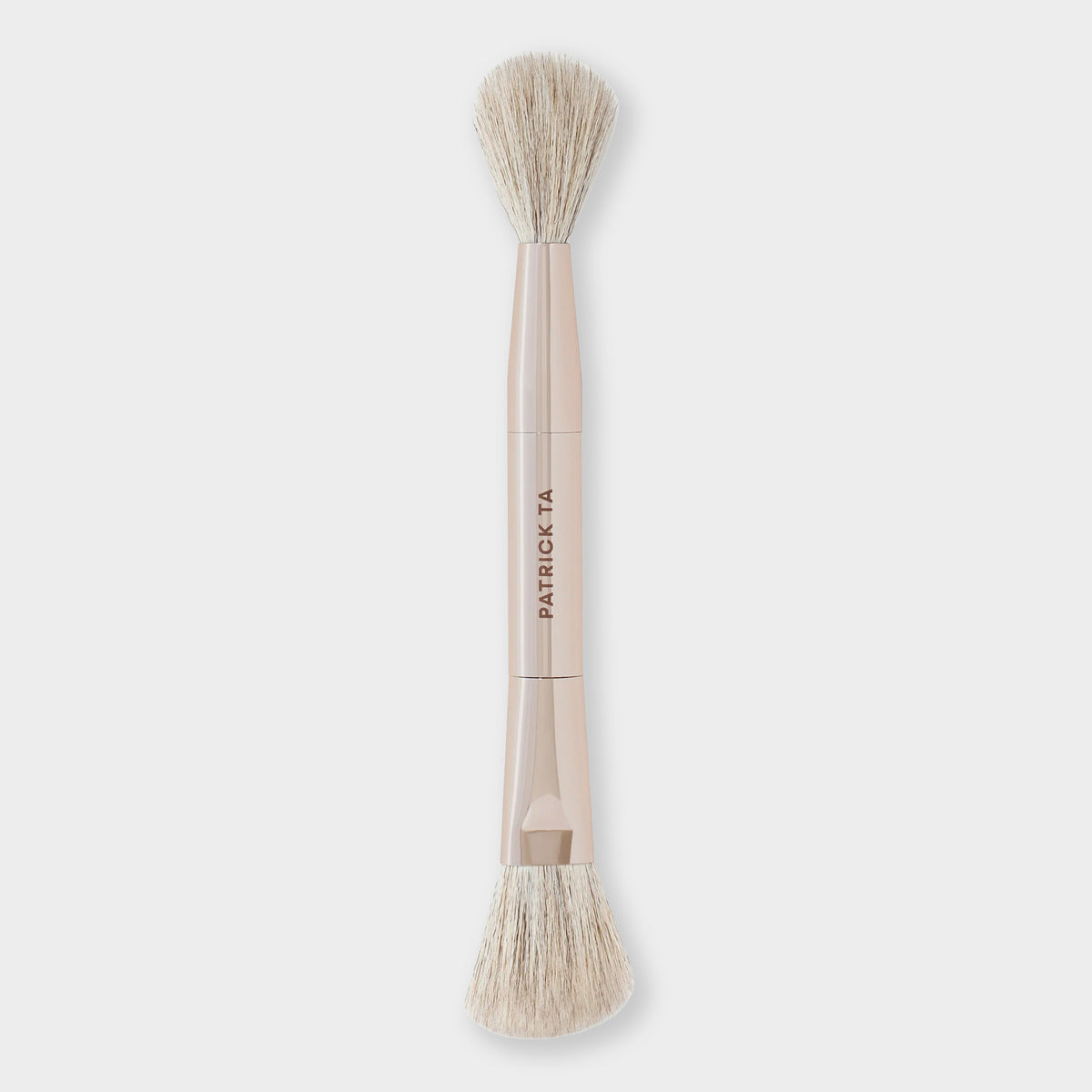
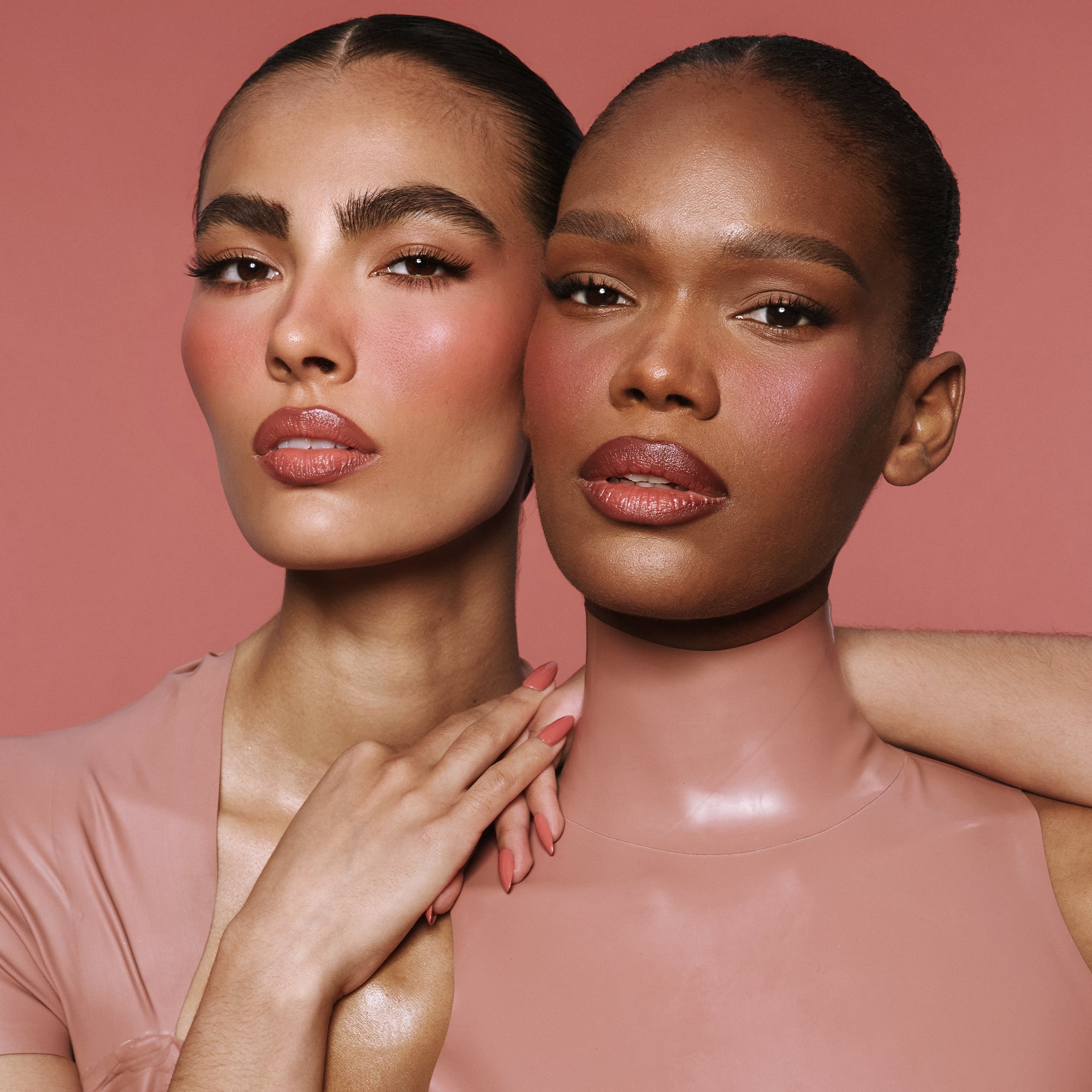
Baby pink blush is universally flattering, but finding the right baby pink for your skin tone is the real challenge. The wrong shade can look chalky on deeper complexions or invisible on fair ones. The right one mimics your natural flush and makes your skin look alive.
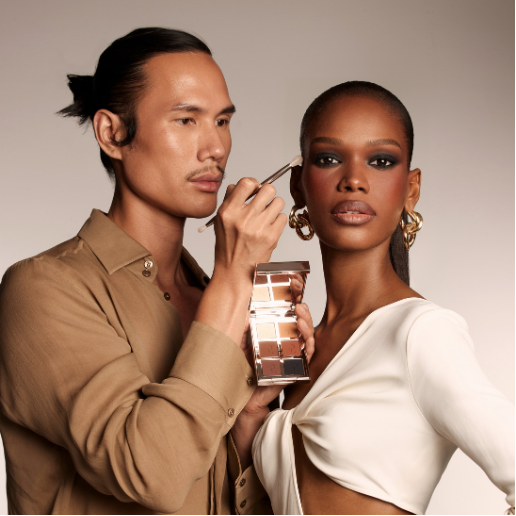
This guide breaks down baby pink blush shade by shade and skin tone by skin tone, so you walk away knowing exactly what works for you. As a working makeup artist who sees every skin tone on set, Patrick Ta built an entire blush collection around one idea: the perfect flush should look like it came from within, not from a compact.
You will learn how undertones drive shade selection, which formula suits your skin type, and how to apply baby pink blush and a layering technique that lasts all day.

What Makes Baby Pink Blush So Universally Flattering?
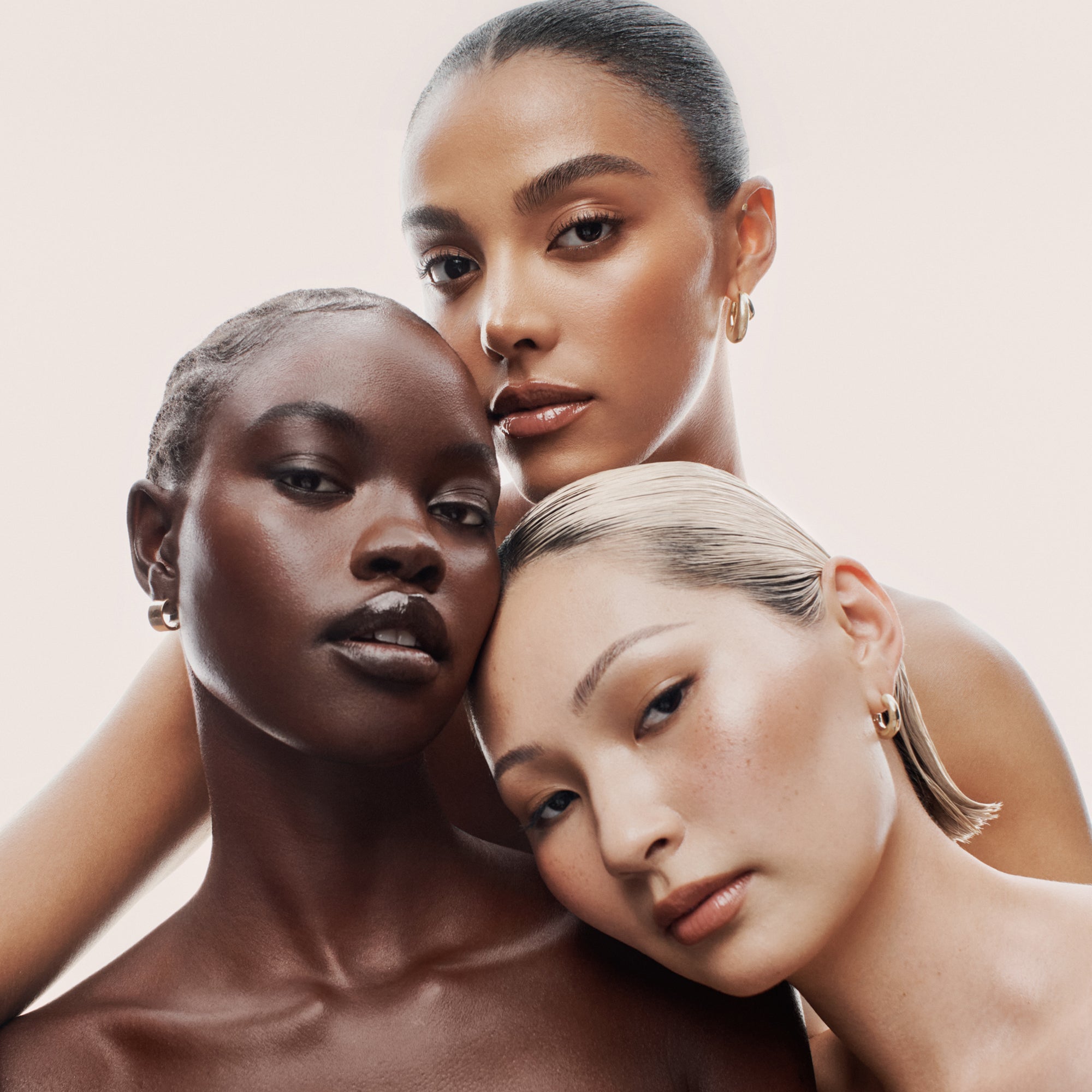
A baby pink blush works across skin tones because it sits at the intersection of warm and cool. Unlike a true baby pink, which can lean icy, or a hot pink, which can overpower, baby pink carries a balanced warmth that mimics the natural flush your skin produces when blood rises to the surface.
That balanced undertone is why you see light pink blush and baby pink blush trending across beauty communities. The shade family bridges the gap between "barely there" and "statement blush," giving you a flush that looks intentional but not heavy. Understanding the benefits of wearing blush helps explain why this product category is worth getting right.
Formula plays a role, too. A cream baby pink blush melts into the skin for a dewy, lit-from-within finish. A powder version gives you a satin or matte result that works especially well on oily and combination skin types.
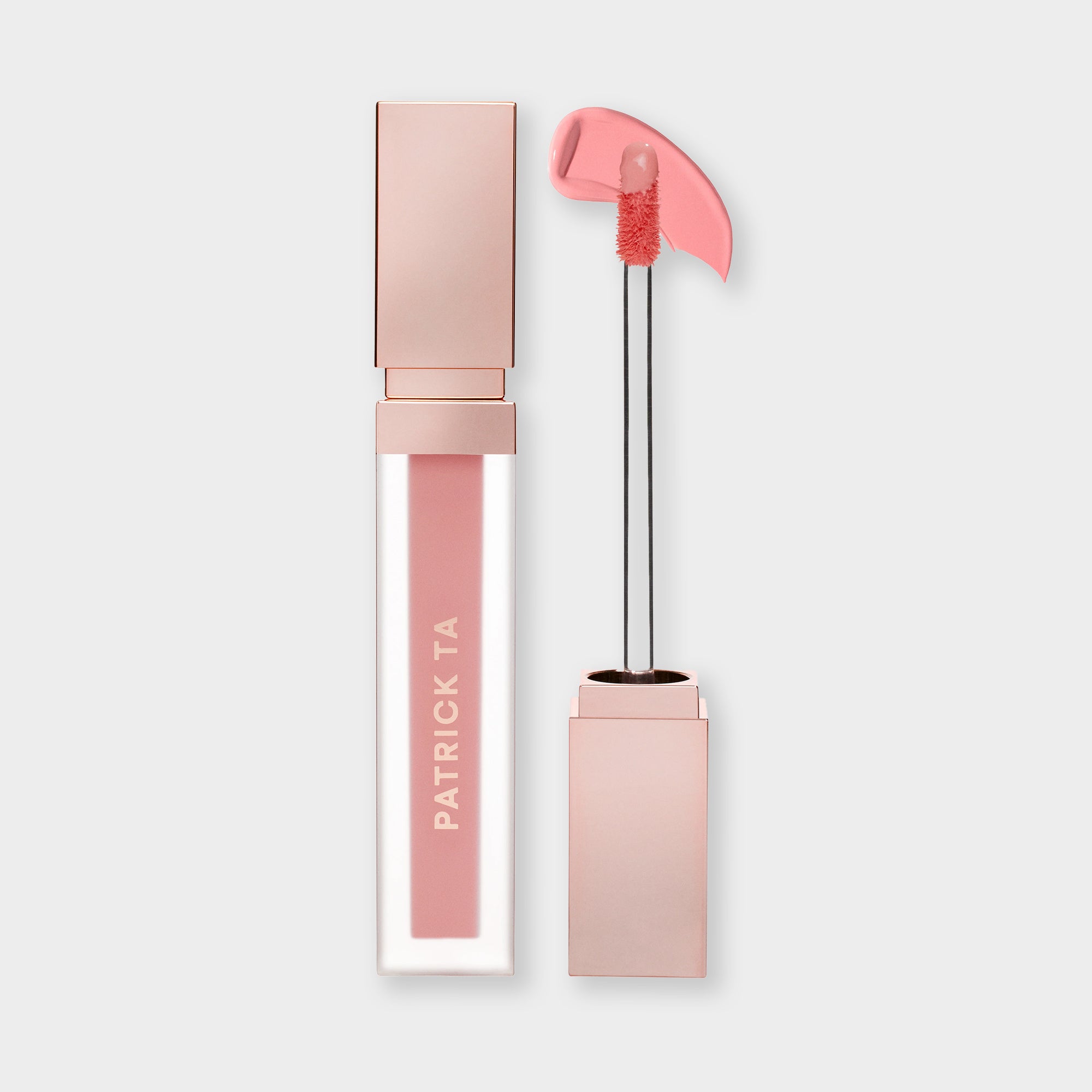
Liquid formulas deliver the most sheer wash of color, ideal when you want your skin to look flushed rather than made up.
The best pink blush is one that works with your undertone, not against it. That is where most people get tripped up, so let us break it down.
How to Find the Right Baby Pink Blush for Your Undertone
Ever wonder why a blush shade looks perfect on your friend but washes you out? Undertone is the answer. Your undertone is the color beneath the surface of your skin, and it determines which pinks will harmonize with your complexion and which ones will clash.
- The vein test: Look at the veins on the inside of your wrist in natural light. Blue or purple veins suggest a cool undertone. Green veins point to warm. A mix of both means you are likely neutral.
- The jewelry test: Silver jewelry tends to flatter cool undertones. Gold looks best on warm. If both work equally well, you are probably neutral.
Once you determine your undertone, matching it to the right baby pink blush shade becomes straightforward.
|
Tone |
Best Pink Blush Sub-Shades |
Shades to Avoid |
|
Cool |
Blue-based pinks, mauve-pinks, cool rose |
Coral-leaning pinks, peach-heavy shades |
|
Warm |
Peachy-pinks, coral-touched pinks, warm rose |
Icy pinks, blue-based mauve |
|
Neutral |
True baby pinks, balanced rose (most versatile) |
Very few. Neutral undertones can wear almost any pink. |
|
Olive |
Dusty rose, muted pinks, warm-leaning mauve |
Icy or stark baby pinks, neon-leaning shades |
This chart gives you a starting point, but the real test is always on your skin. The sections below walk you through specific recommendations by skin tone, so you can narrow your search even further.

The Best Baby Pink Blush Shades by Skin Tone
Ready to find your match? This section maps baby pink blush recommendations to four skin tone categories, each with specific shade suggestions and application tips you can use right away.
Fair Skin
Fair skin shows color quickly, so the best blush for fair skin is a sheer, buildable baby pink that does not overwhelm. Look for formulas you can layer gradually rather than shades that deposit heavy pigment on the first swipe.
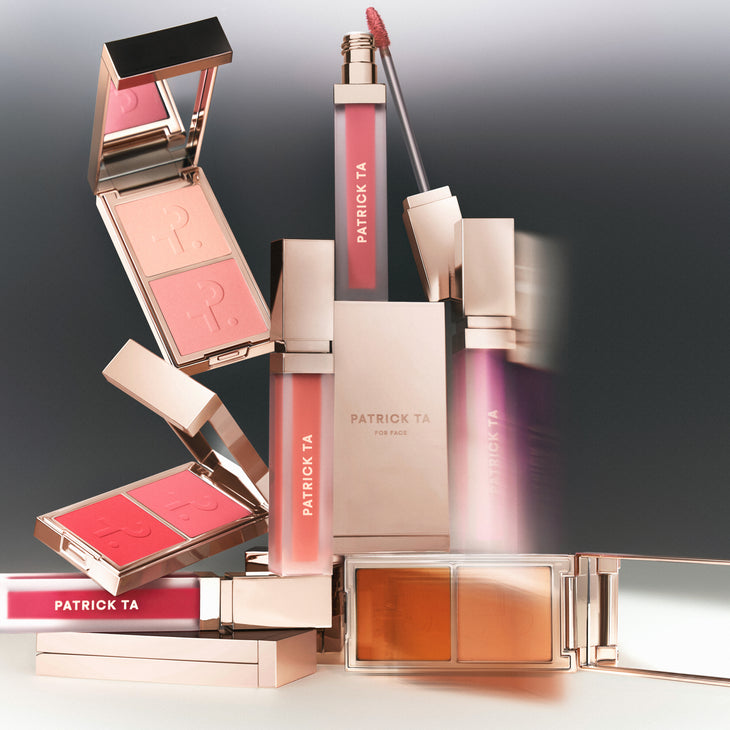
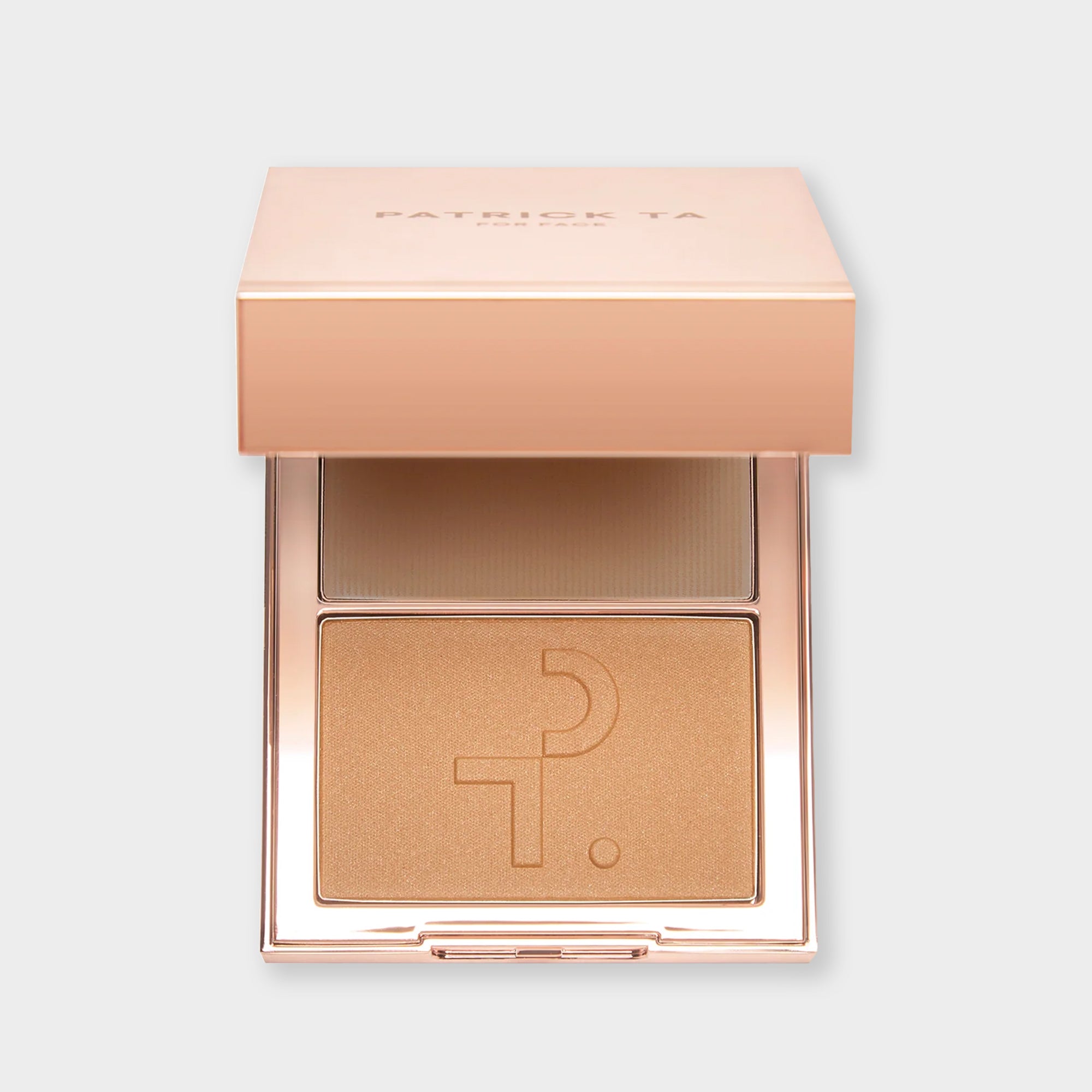
A light pink blush with a cool or neutral base tends to look the most natural on fair complexions. Shades like Shy At First, from our Transition Blurring Blush Duo, and Just Enough from the Creme & Powder Blush Duo deliver a whisper of pink that you can build to your desired intensity.
- Best shade direction: Cool-toned baby pinks, sheer rose, barely-there baby pink.
- What to avoid: Heavily pigmented neon pinks or warm corals that can look stark against fair skin.
- Application note: Start at the apple of the cheek and blend upward toward the temple. Less is more. Build in thin layers until you reach the intensity you want.
Medium Skin
Medium skin tones have the most flexibility with baby pink blush. True pinks with a touch of warmth or a neutral base tend to look balanced and natural, adding color without competing with the skin's existing warmth.
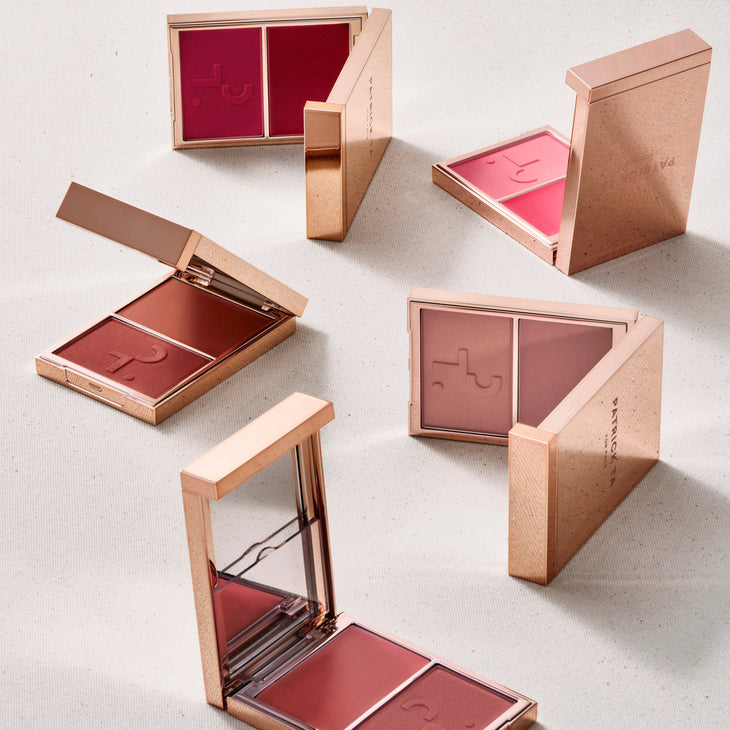
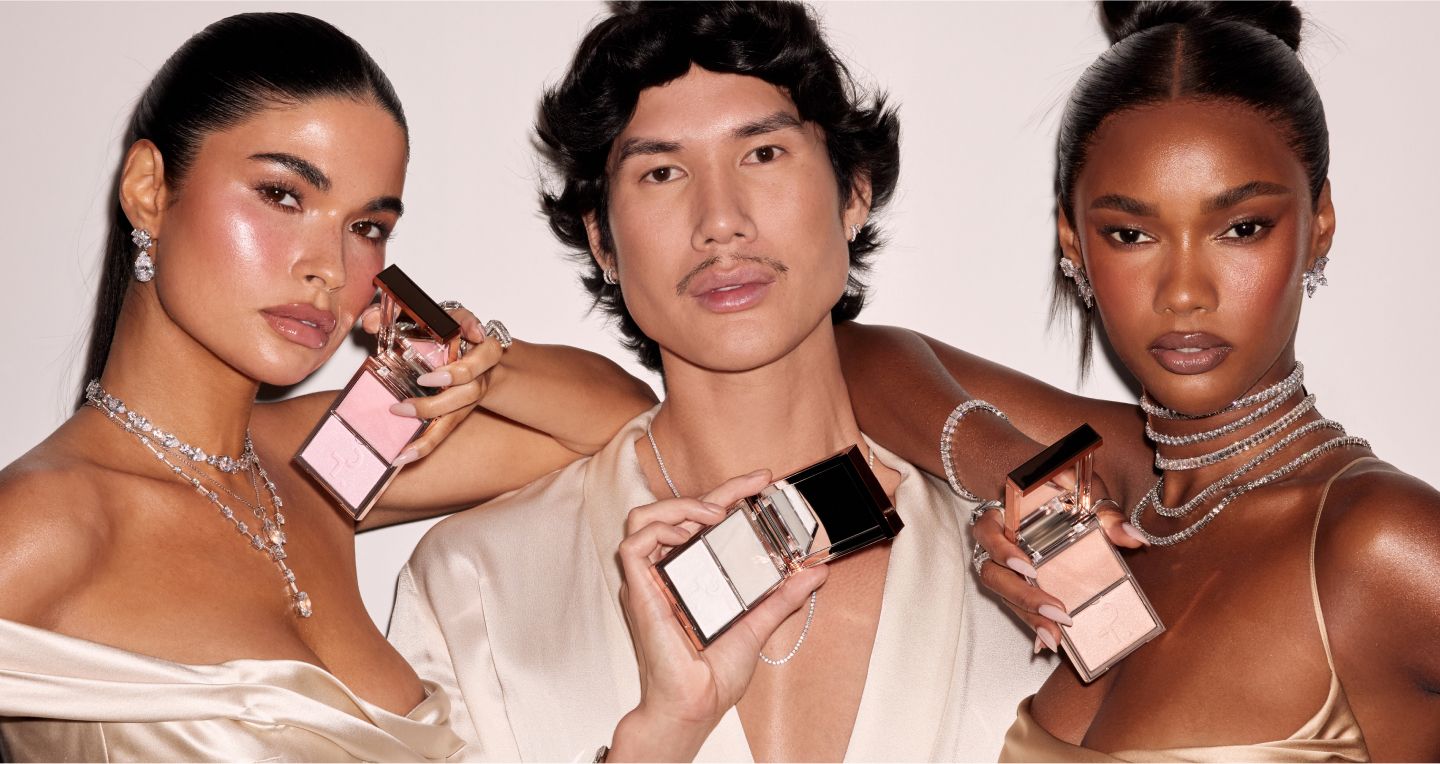
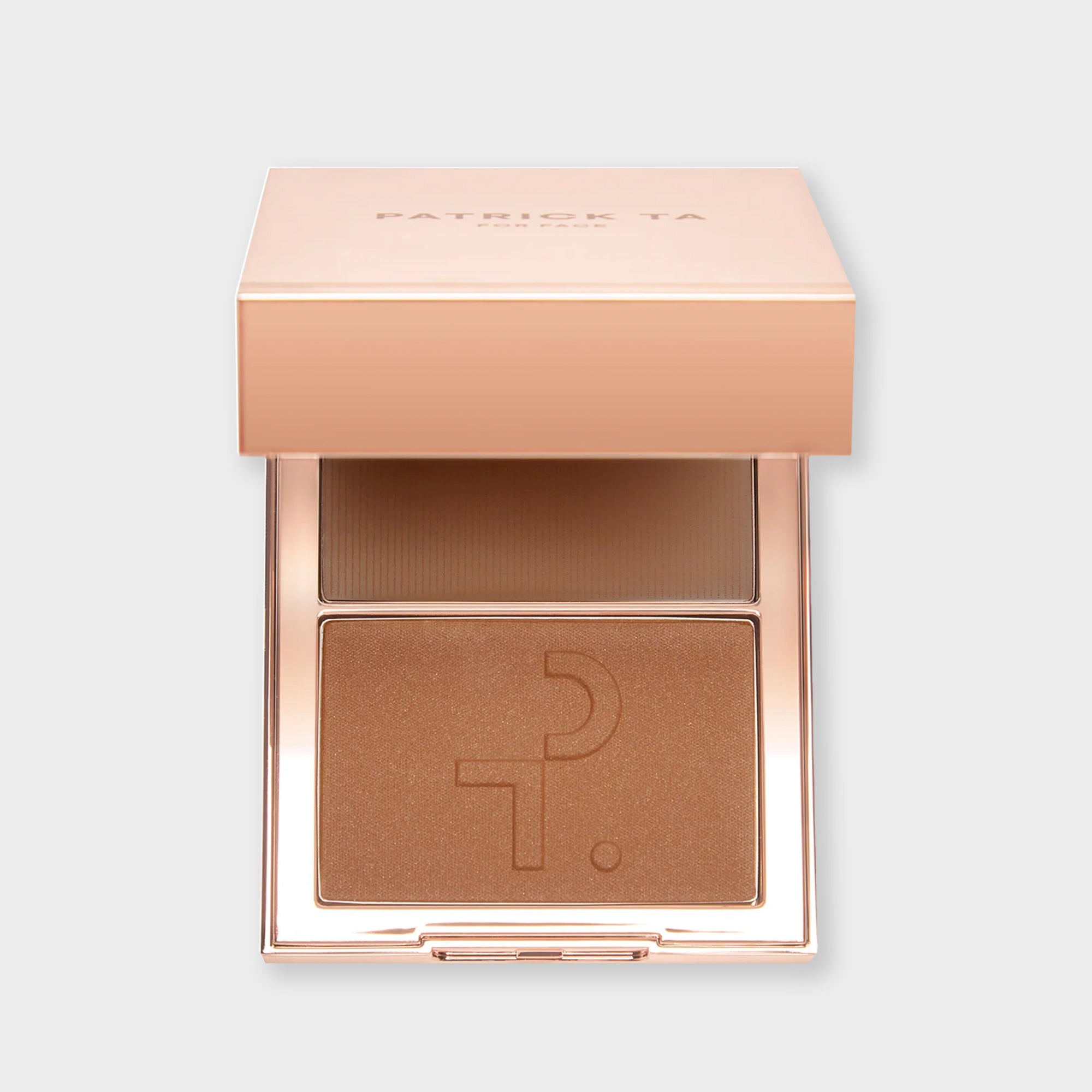
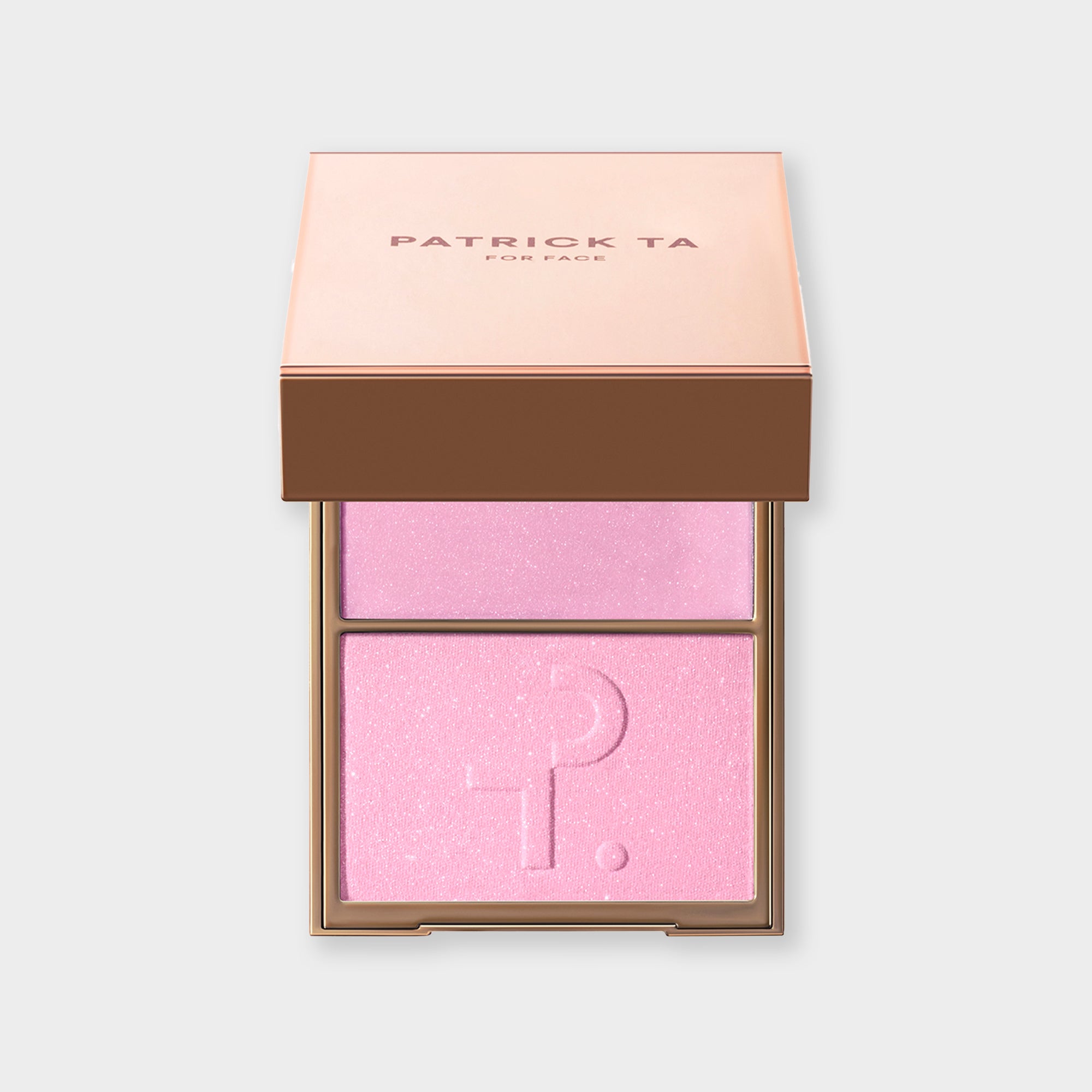
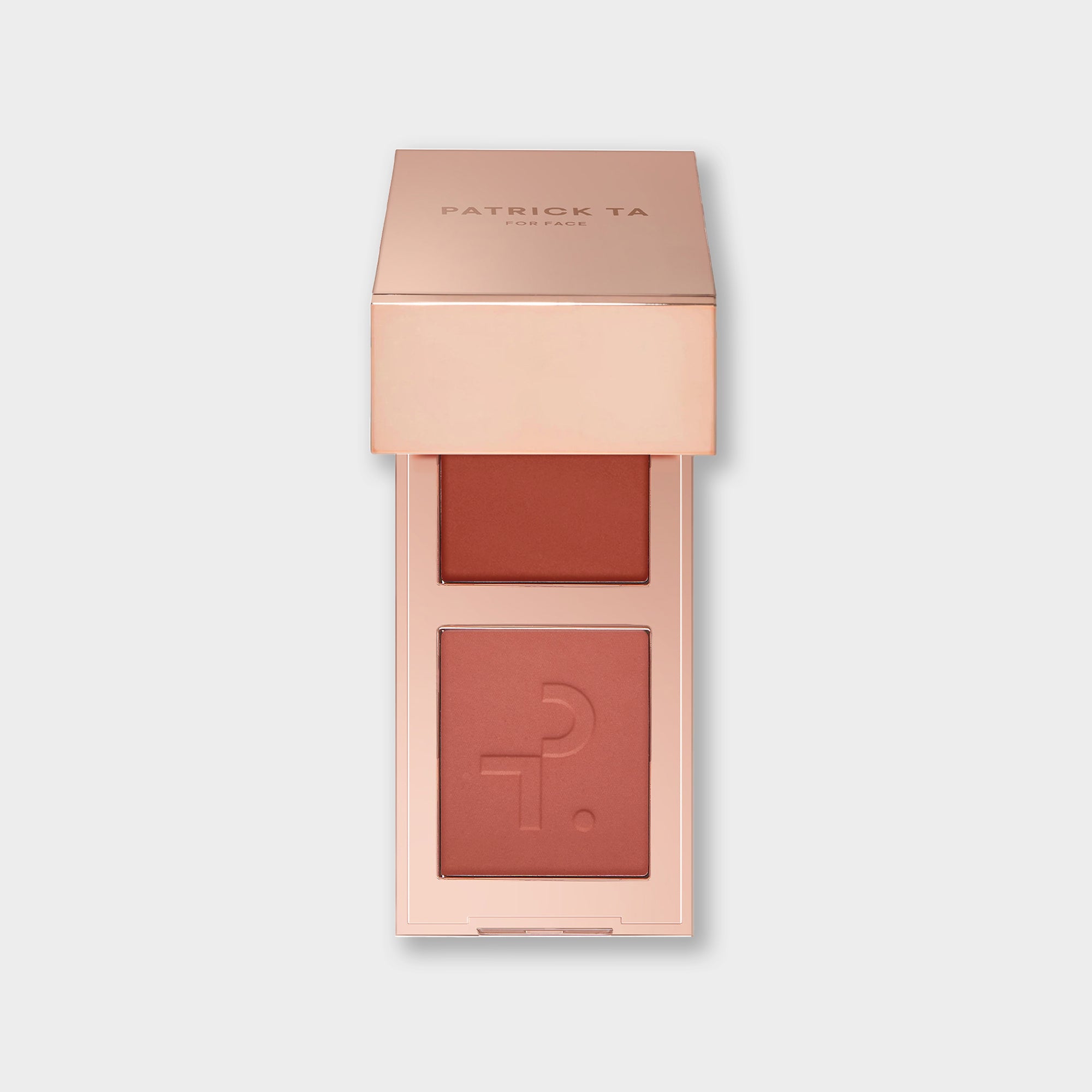
This is where dual-formula blush products really shine. The Major Headlines Double-Take Crème & Powder Blush Duo in She's That Girl lets you press the cream side onto the skin first, then dust the powder on top for a layered flush with real dimension.
- Best shade direction: True baby pinks, warm rose, neutral pinks with a slight peachy undertone.
- What to avoid: Very cool, icy pinks that can look ashy against medium warmth.
- Application note: Layer cream blush under powder blush for longevity and a multi-dimensional finish. This technique gives you the depth that flat, single-formula application cannot.
Olive Skin
Pink blush for olive skin can be tricky because olive undertones carry a greenish cast that clashes with certain pinks. The key is choosing muted, dusty shades rather than bright or icy ones.
Dusty rose and warm-leaning mauve pinks complement olive complexions without creating that muddy or grayish effect. A shade like She Goes to the Gym, a cool mauve rose, bridges the gap between pink and neutral beautifully on olive skin.
- Best shade direction: Dusty rose, muted warm pinks, baby mauve with rose undertones.
- What to avoid: Icy baby pinks, stark cool pinks, or anything with a strong blue base. These can turn grayish against olive undertones.
- Application note: Place blush slightly higher on the cheekbone rather than the apple of the cheek. This placement catches light and keeps the color from settling into areas where olive undertones are most visible.
Dark and Deep Skin
Can you wear baby pink blush on dark skin? Absolutely. The key is choosing pigment-rich formulas that show up on deeper complexions without turning ashy or chalky.
Bright, saturated baby pinks can look striking on dark skin when the formula has enough pigment to read true.
Pink blush for dark skin works best in cream or liquid form, because these textures blend into the skin rather than sitting on top of it.
- Best shade direction: Pigment-rich baby pinks, bright baby pinks, warm-toned rose with depth.
- What to avoid: Sheer, chalky, or heavily muted pinks that will not show up or will leave an ashy cast.
- Application note: Build intensity with a cream base first, then set with a powder formula for longevity. This two-step approach ensures the color stays vibrant throughout the day.

Cream vs. Powder vs. Liquid: Which Formula Gives the Best Baby Pink Finish?
Now that you know which shades work for your skin tone, which formula should you reach for? The answer depends on your skin type and the finish you want.
|
Formula |
Best For |
Finish |
Longevity |
|
Cream |
Dry to normal skin |
Dewy, skin-like glow |
Moderate (layer with powder to extend) |
|
Powder |
Oily to combination skin |
Matte to satin |
Long-wearing on its own |
|
Liquid |
All skin types |
Sheer, natural tint |
Moderate (sets into the skin naturally) |
Here is the technique that changes everything: layer cream under powder. This is the approach Patrick Ta uses on set and the reason the Major Headlines Double-Take Crème & Powder Blush Duo pairs both textures in one compact.
The cream gives you a dewy, skin-like base of color. The powder locks it in and adds a lasting satin finish.
This cream-under-powder layering works for all skin types. If you have oily skin, it keeps the blush anchored. If you have dry skin, the cream prevents the powder from clinging to texture.
How to Apply Baby Pink Blush Without Looking Overdone
Worried about looking overdone? That fear keeps people from wearing pink blush at all, and it does not have to. The trick is controlled application with the right tools and a simple three-step process.
For the full walkthrough, follow Patrick Ta's blush duo technique step by step.
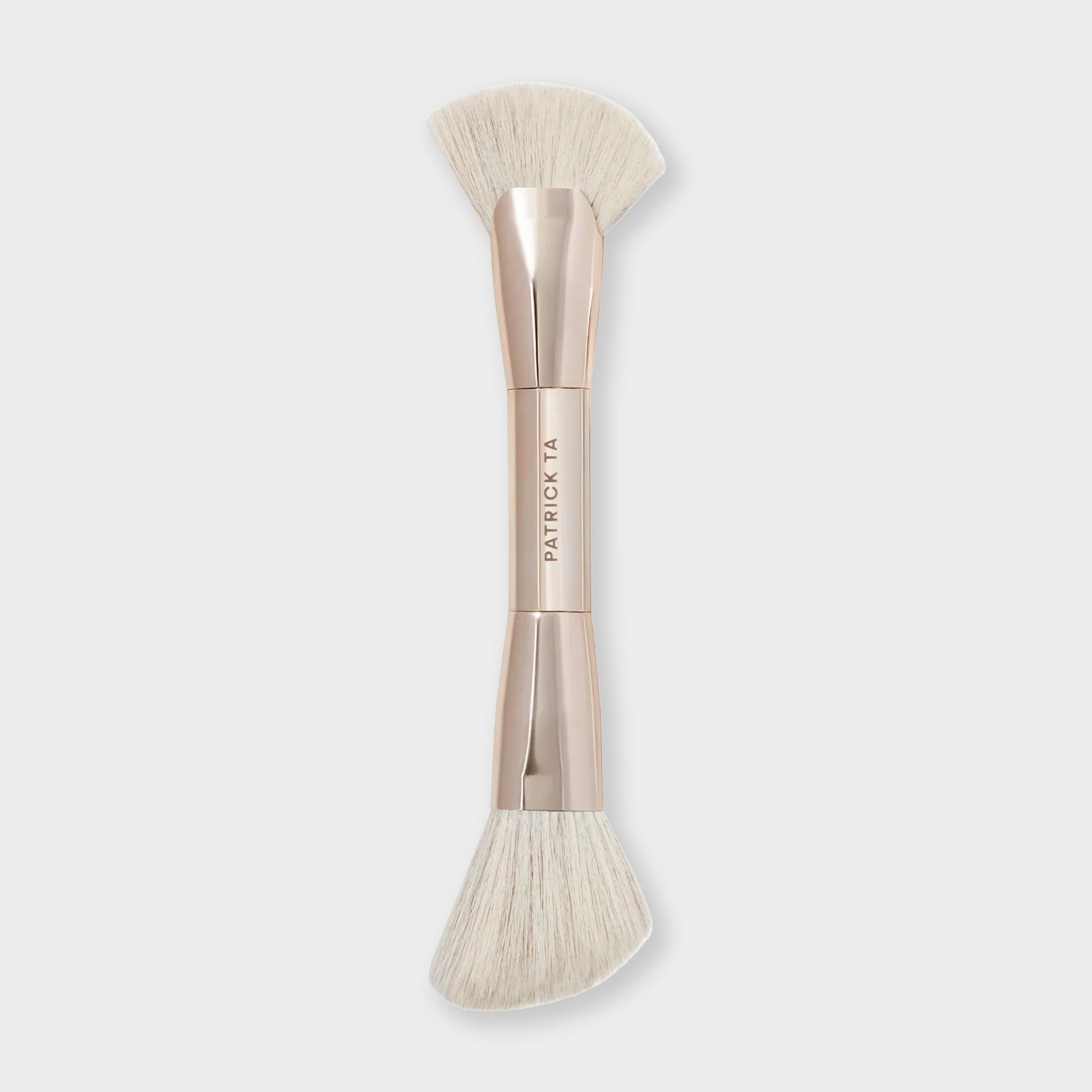
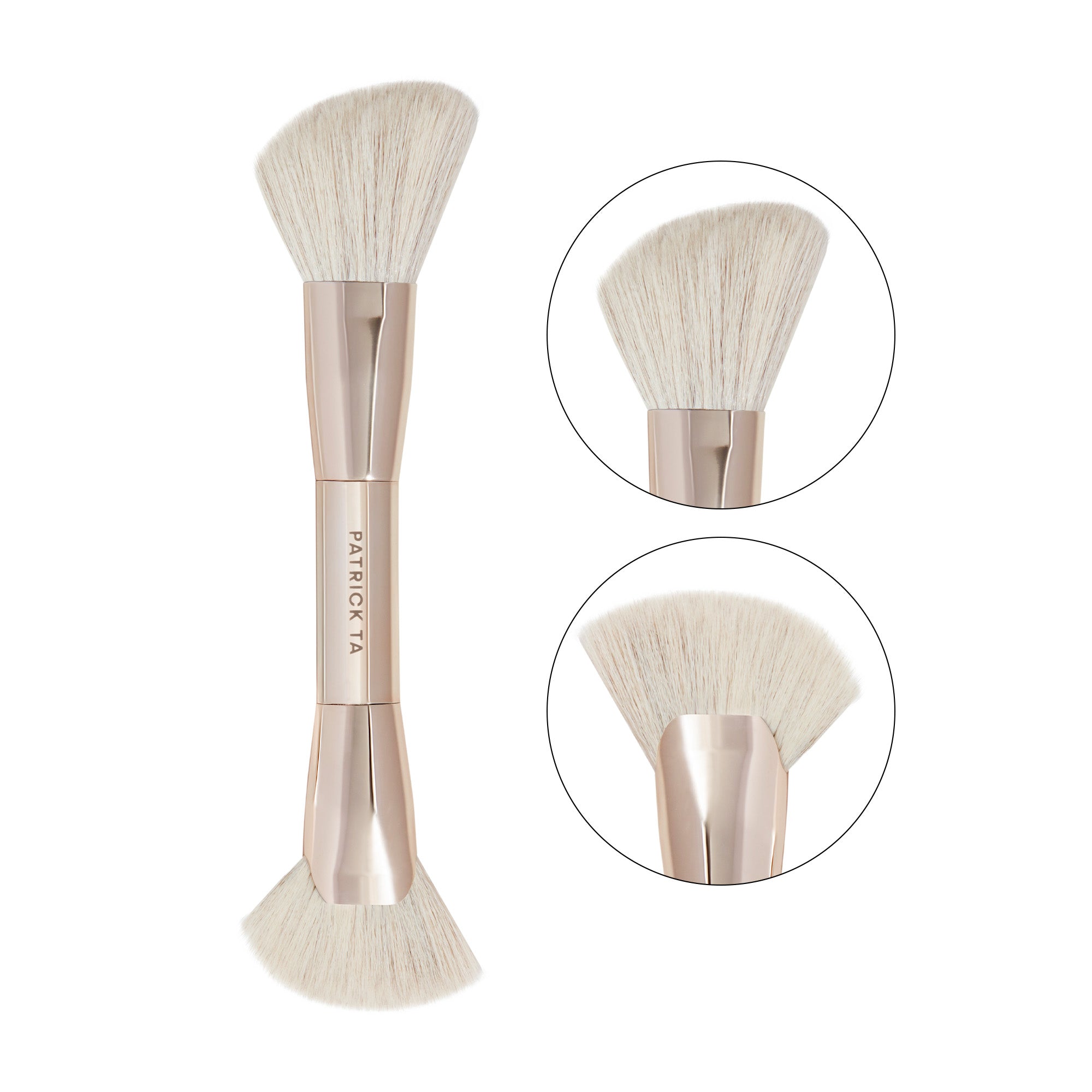
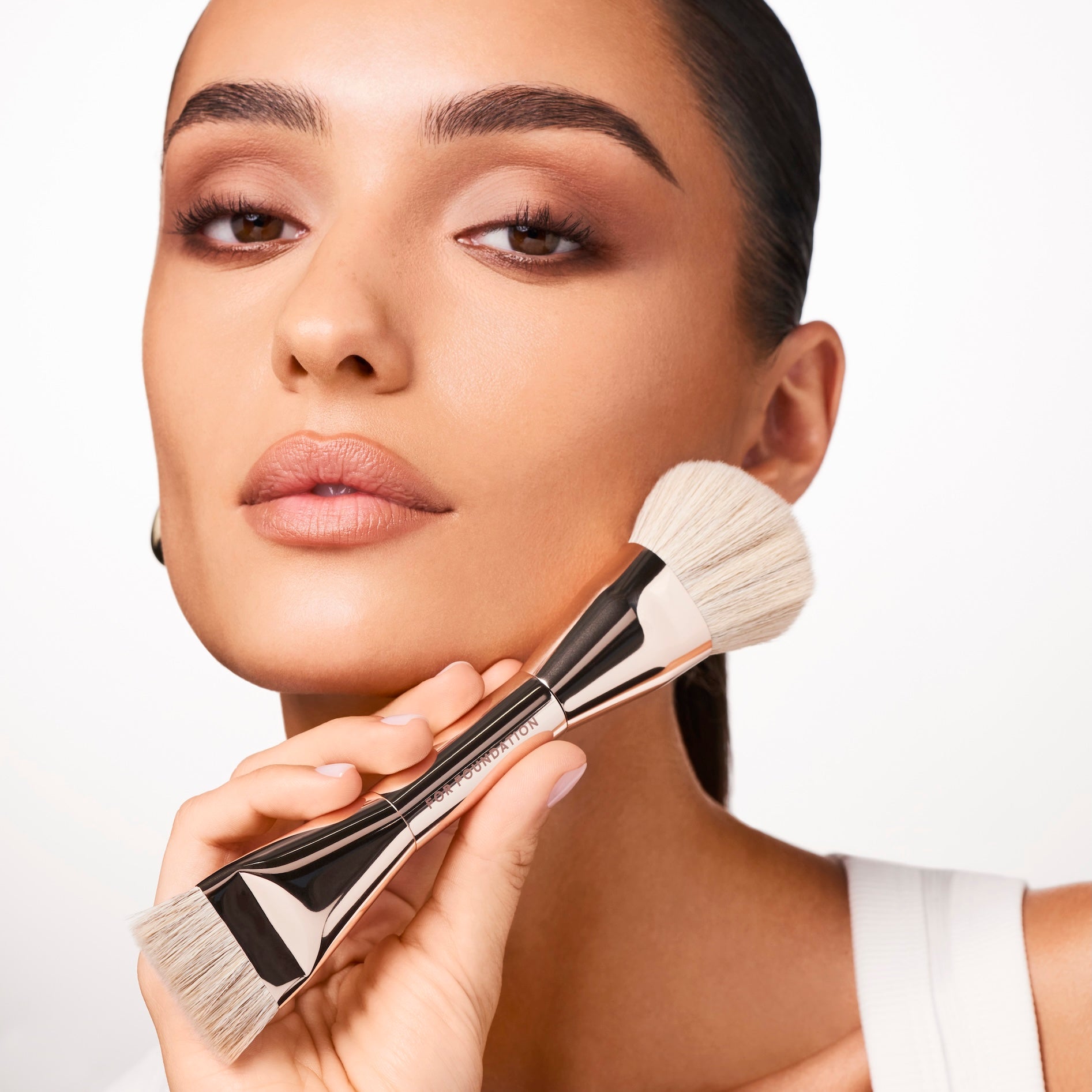
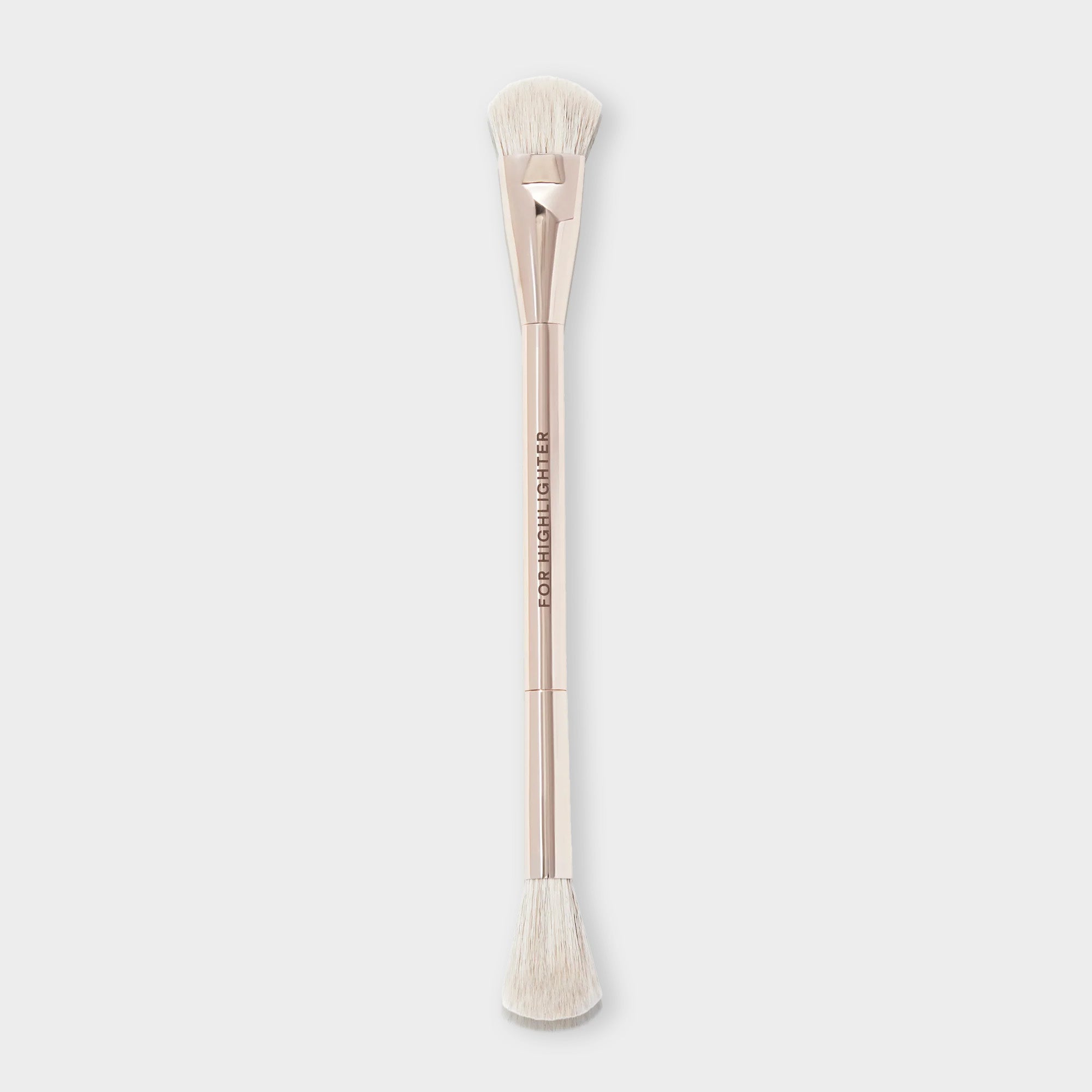
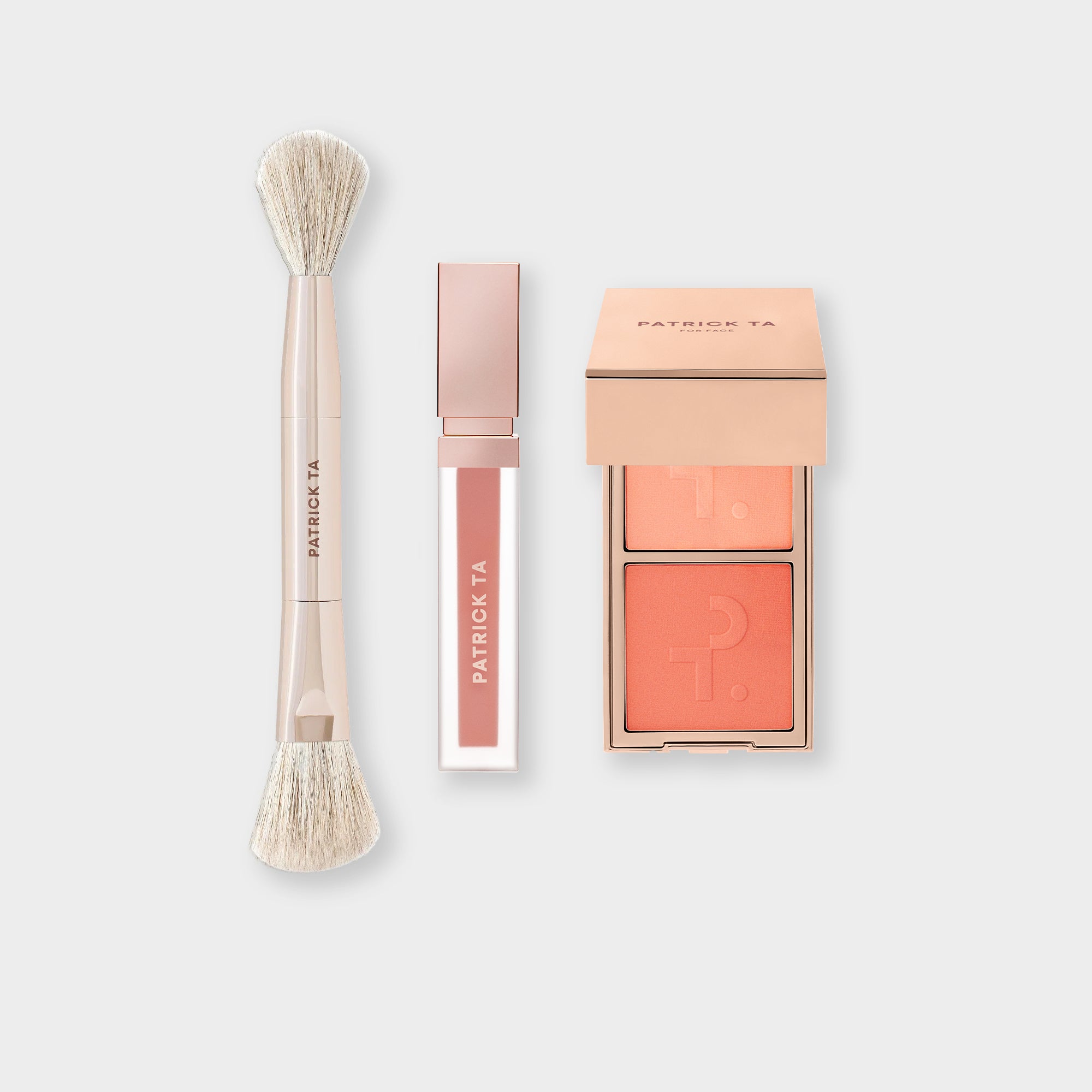
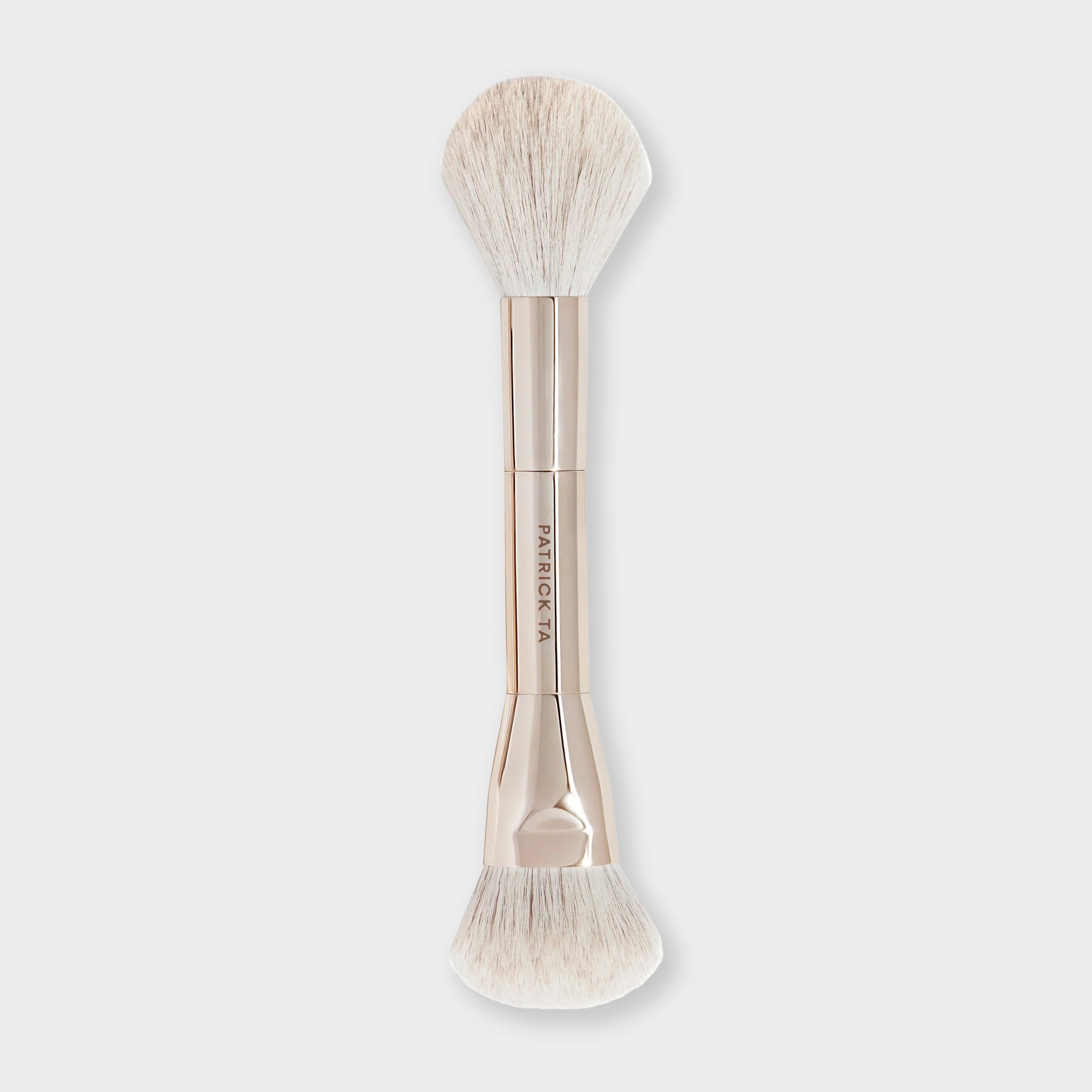
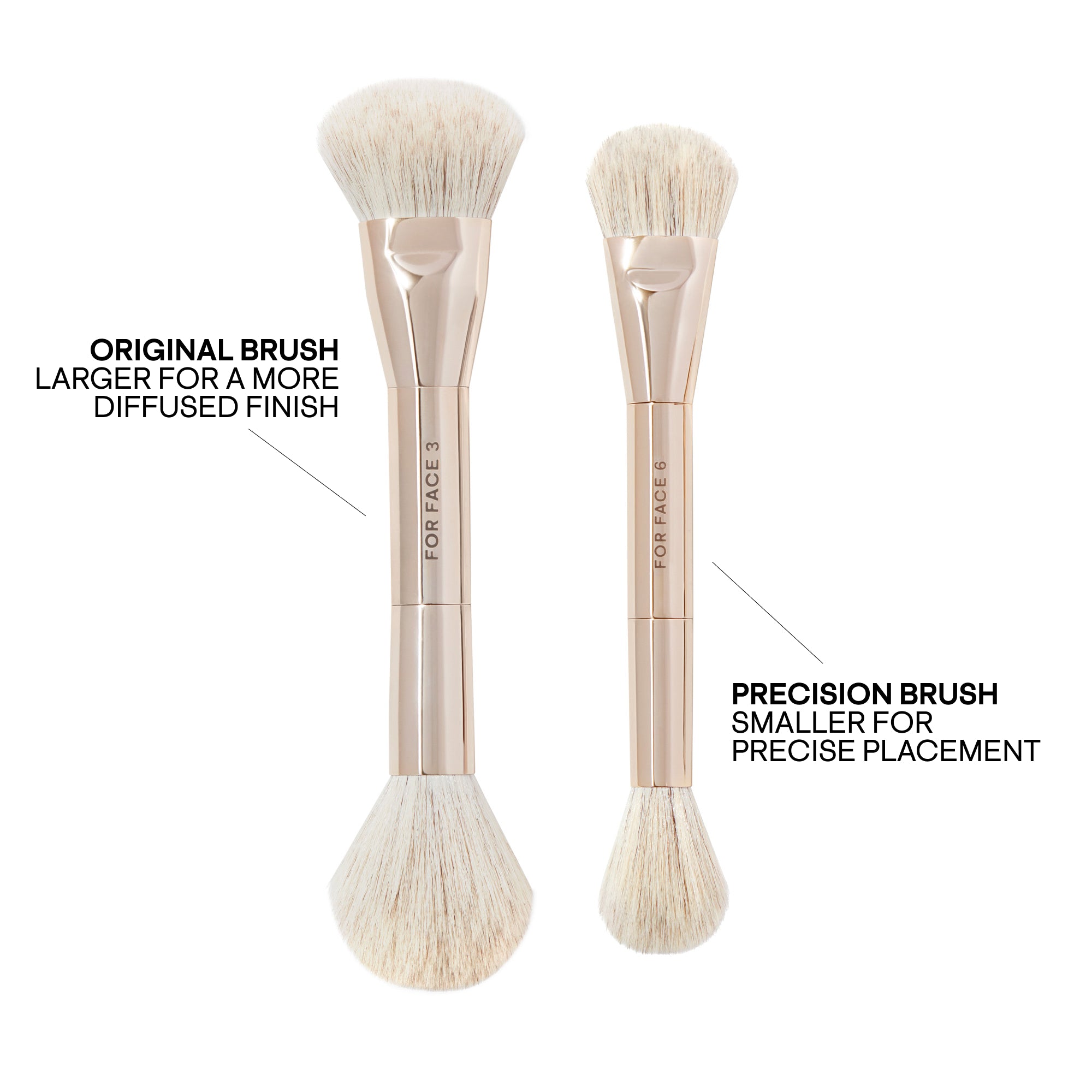
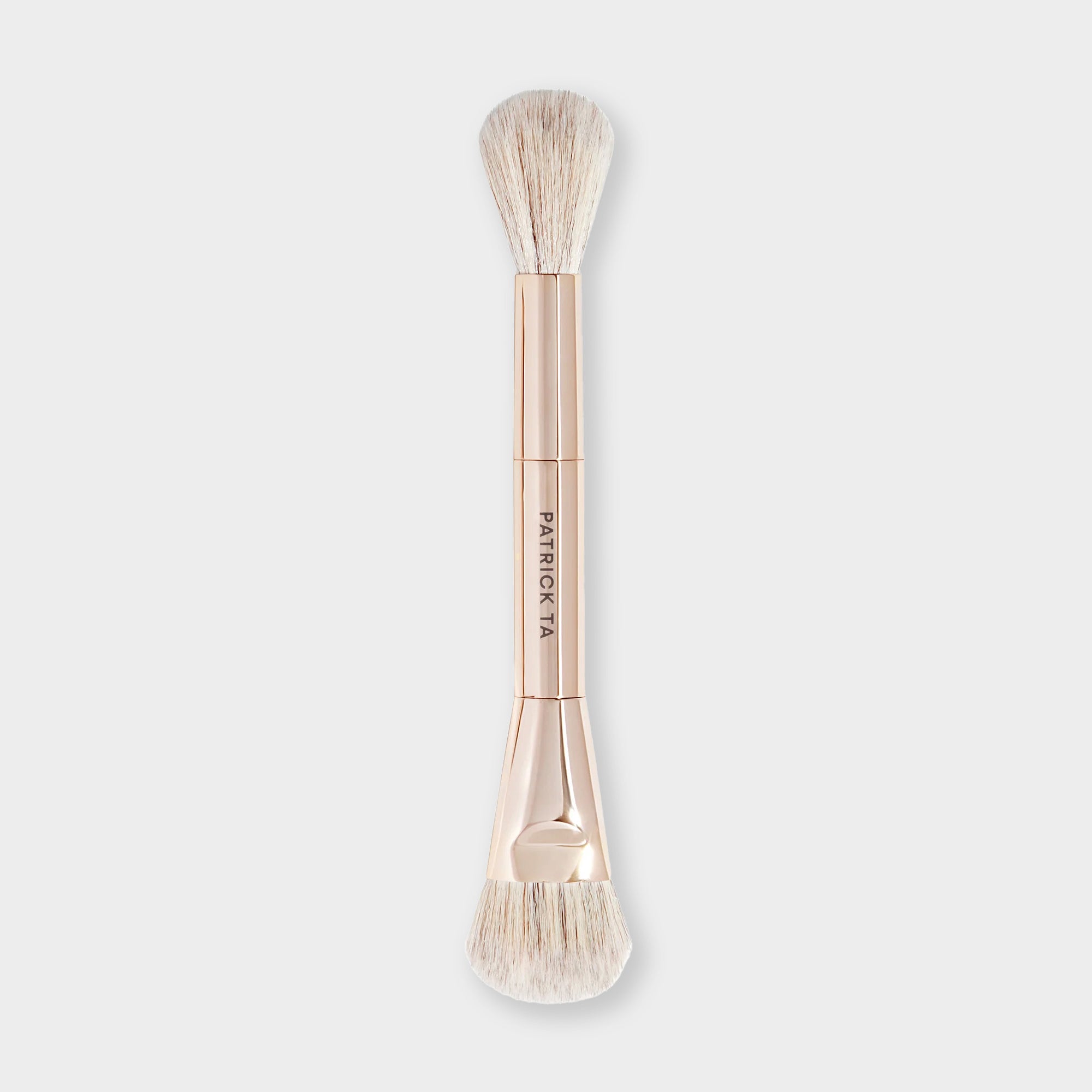
- Step 1: Press. Tap cream blush onto the apple of your cheek using your fingertips or the dense end of a Dual-Ended Blush Brush or Precision Blush Brush. Press the product into the skin rather than swiping it. Pressing deposits color evenly and prevents streaking.
- Step 2: Blend. Diffuse the color upward toward your temple in small circular motions using the fluffy end of your brush or clean fingertips. This creates a natural gradient that mimics the way a real flush appears on the skin.
- Step 3: Build. Add a second layer only where you want the most intensity, typically the highest point of the cheekbone. Then, if you are using a dual-formula product, dust the coordinating powder shade on top with the Dual-Ended Transition Blush Brush to set and refine.
Pro Tip: After your final layer, lightly press a clean, dry brush over the blush to blur any edges. This softens the transition between color and bare skin, giving you that baby-focus, airbrushed flush that looks natural in every lighting.
Frequently Asked Questions
Is Baby Pink Blush the Same as Light Pink Blush?
Not exactly. Baby pink sits in the middle of the pink spectrum, with a balanced warmth that reads on every skin tone, while light pink often leans cooler and sheerer. Baby pink gives you a visible, natural flush where some light pinks can disappear or look icy.
Can Mature Skin Wear Baby Pink Blush?
Yes. Baby pink is one of the most flattering blush shades for mature skin because it brightens without emphasizing texture. Choose a cream or liquid formula, which moves with the skin instead of settling into fine lines, and press the color slightly higher on the cheekbone for a lifted effect.
Where Should You Apply Baby Pink Blush for a Natural Look?
Start at the apple of the cheek and blend upward toward the temple. On olive and deeper skin tones, place the color slightly higher on the cheekbone so it catches light. Pressing the product in rather than swiping keeps the flush even and streak-free.
Does Baby Pink Blush Work on Dark Skin?
Yes. Baby pink blush looks striking on dark and deep skin when the formula is pigment-rich enough to read true. Cream and liquid textures work best because they blend into the skin rather than sitting on top, and setting with powder keeps the color vibrant all day.
What Lip Color Goes With Baby Pink Blush?
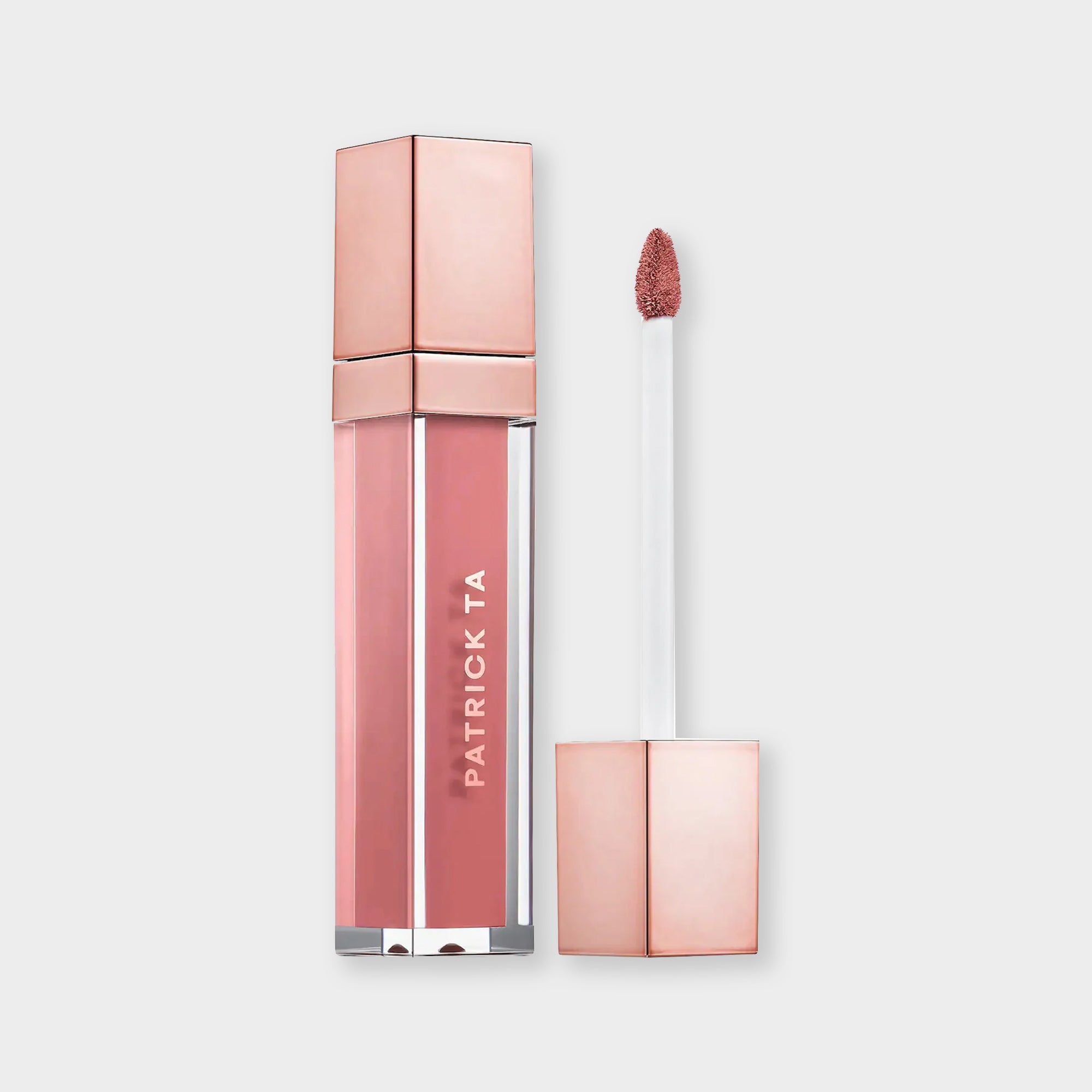
Rose, mauve, and soft nude-pink lip shades pair naturally with baby pink blush because they share the same balanced undertone. For a bolder look, a berry or true red lip works as long as the blush stays soft, so one feature leads the look.
How Do You Keep Baby Pink Blush From Looking Chalky?
Match the shade to your undertone and layer cream under powder. Chalkiness usually comes from a too-cool or too-sheer shade sitting on the surface of the skin. Pressing a cream base in first gives powder something to grip, so the finish stays skin-like instead of dusty.

RELATED POSTS
Celebrity makeup artist and founder of Patrick Ta Beauty, Patrick Ta, has once again captivated the beauty world with his innovative products, earning multiple accolades at the 2025 Allure Best of ...
Here is Patrick's guide to concealer placement, plus how to apply it for a seamless, skin-like finish.
Here is how to find your concealer shade, how to test it, and how to use more than one shade for a flawless base
Here is why red blush has become a modern staple, how to choose the right shade for your skin tone, and how Patrick applies it for a flush that looks effortless.
Here are the shades that make brown eyes stand out and the Patrick Ta palettes that deliver them.
If you have been reaching for the same pink or peach for years, mauve blush is the easiest way to refresh your routine without going bold.
With professional tips from Patrick himself, consider this your step-by-step guide to creating the perfect smokey eye.
Follow these steps to learn how to apply eyeshadow for everything from an everyday wash of color to a defined evening look.