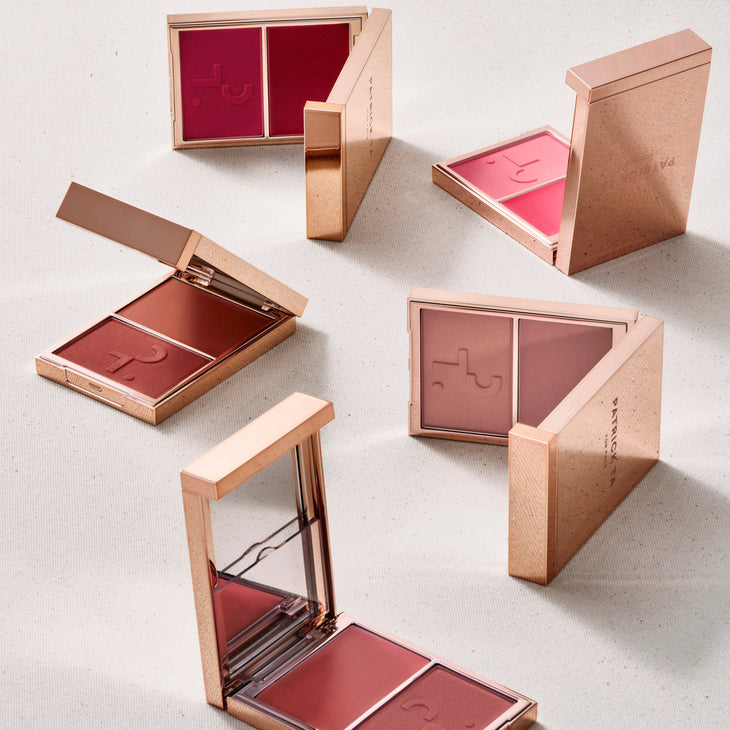
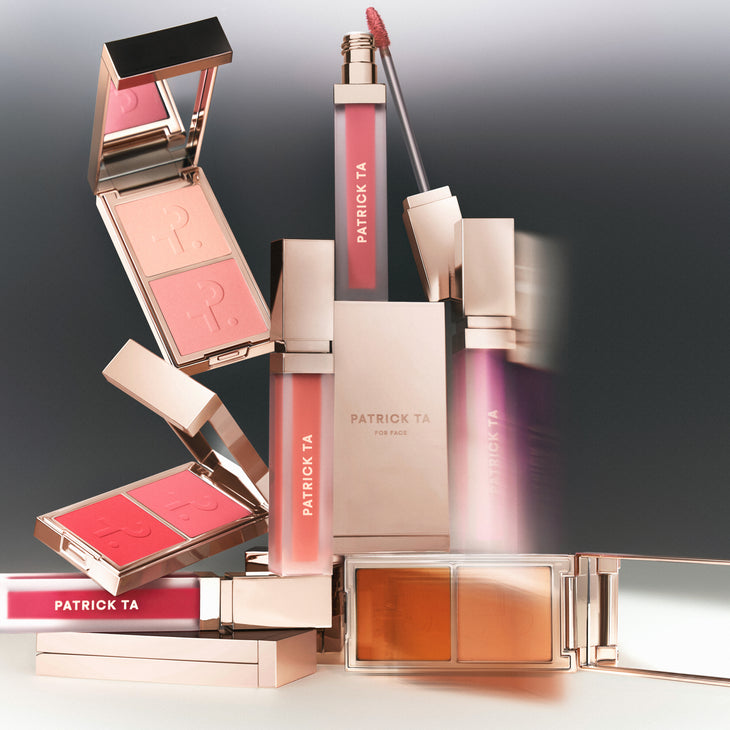
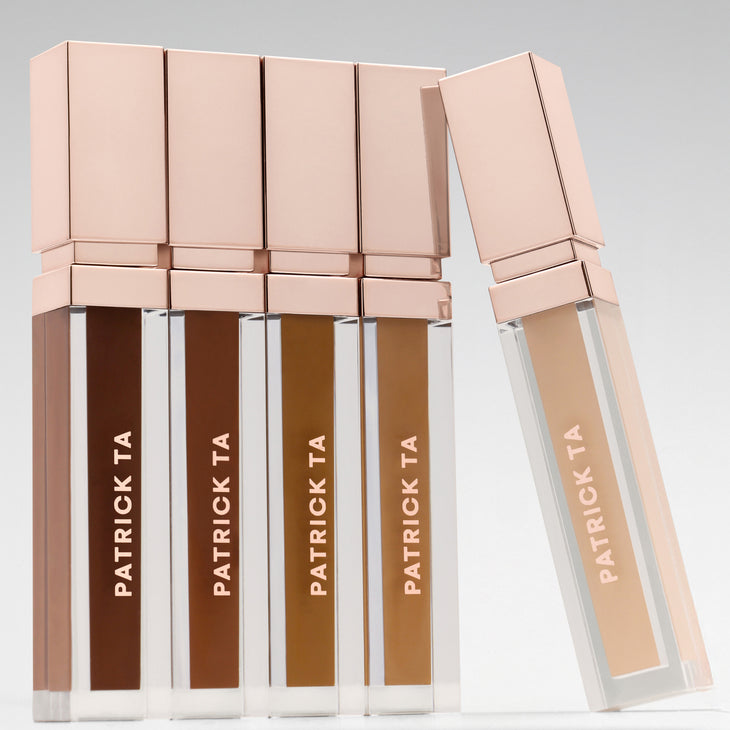
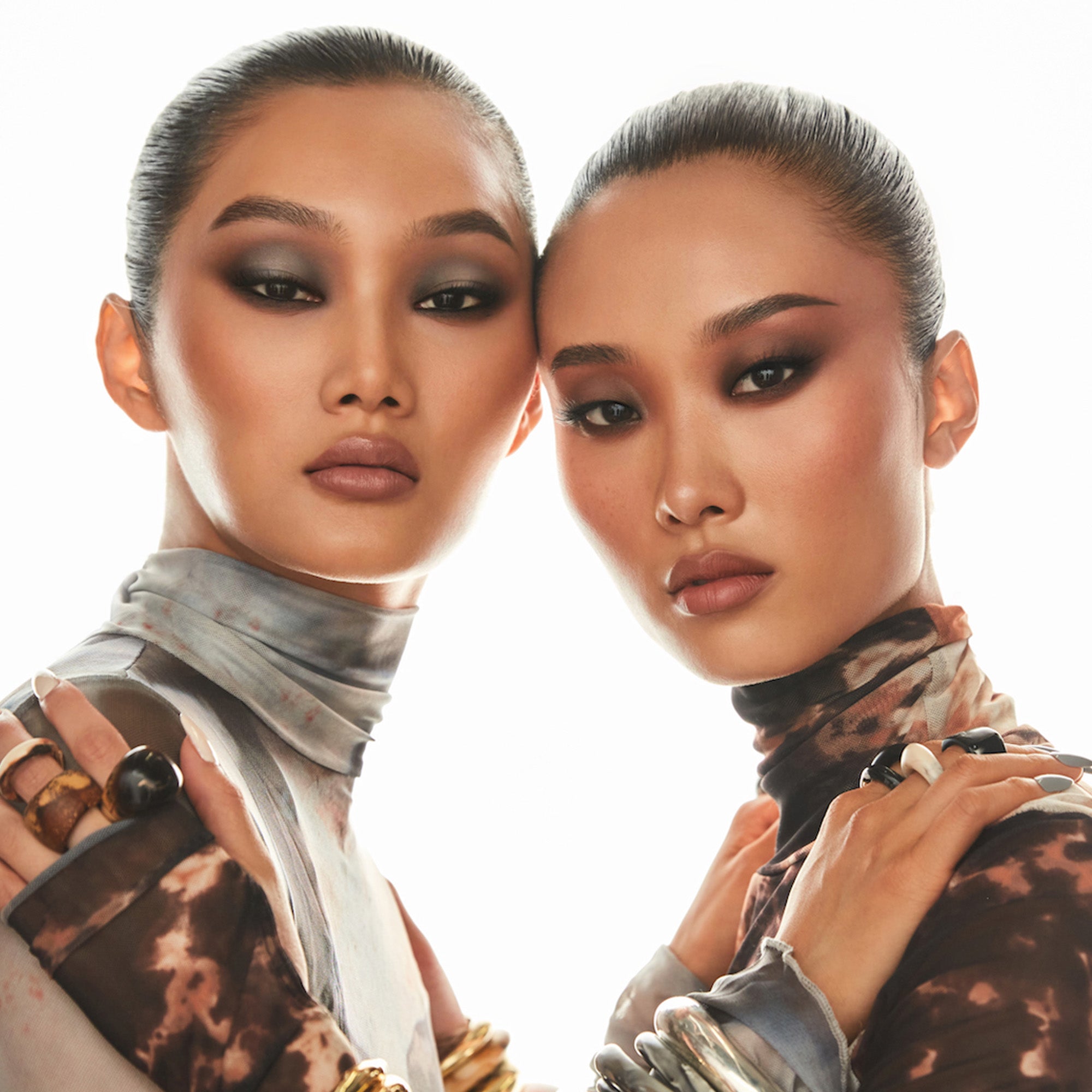
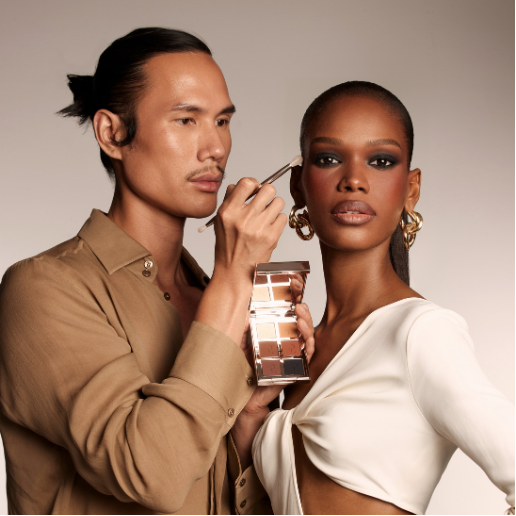
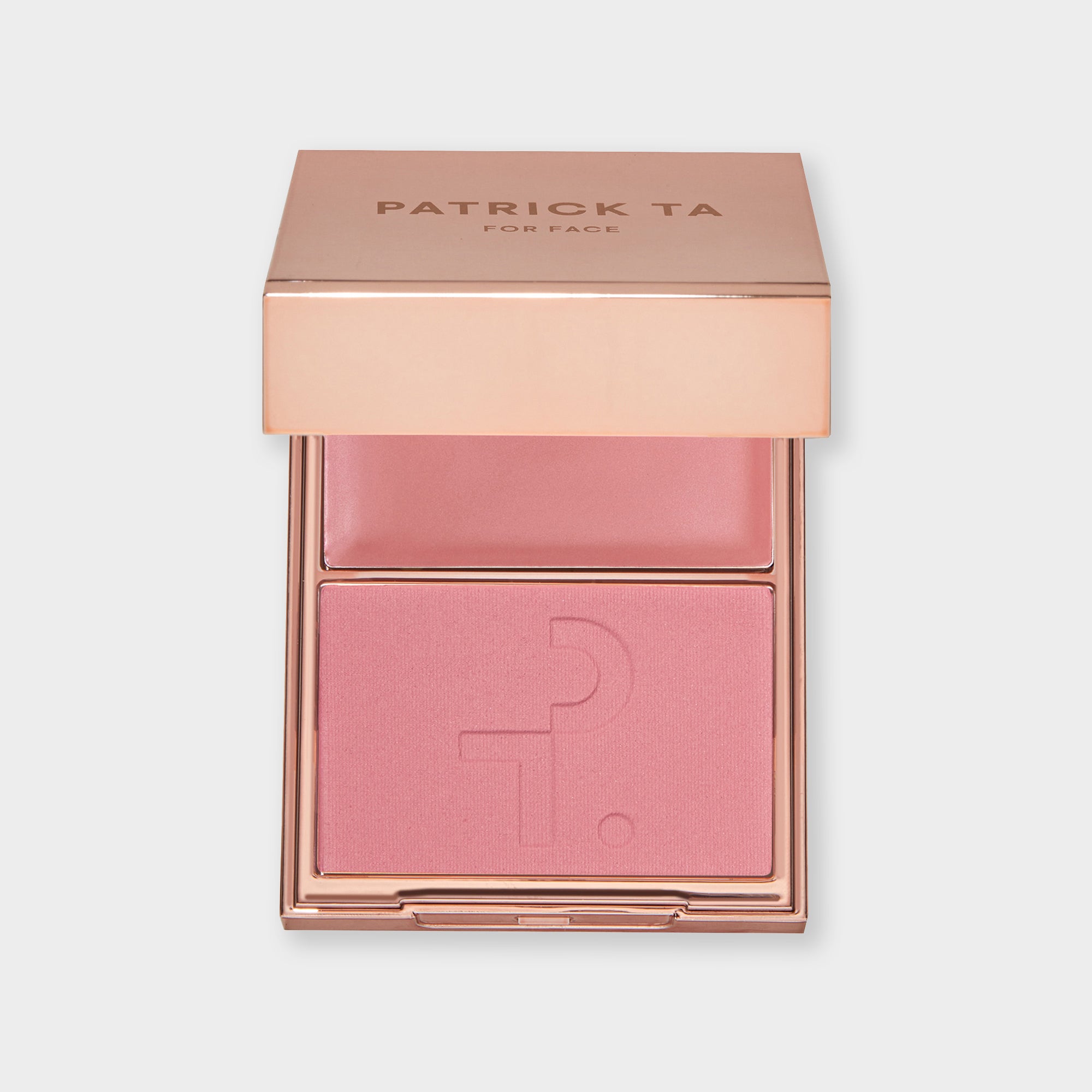
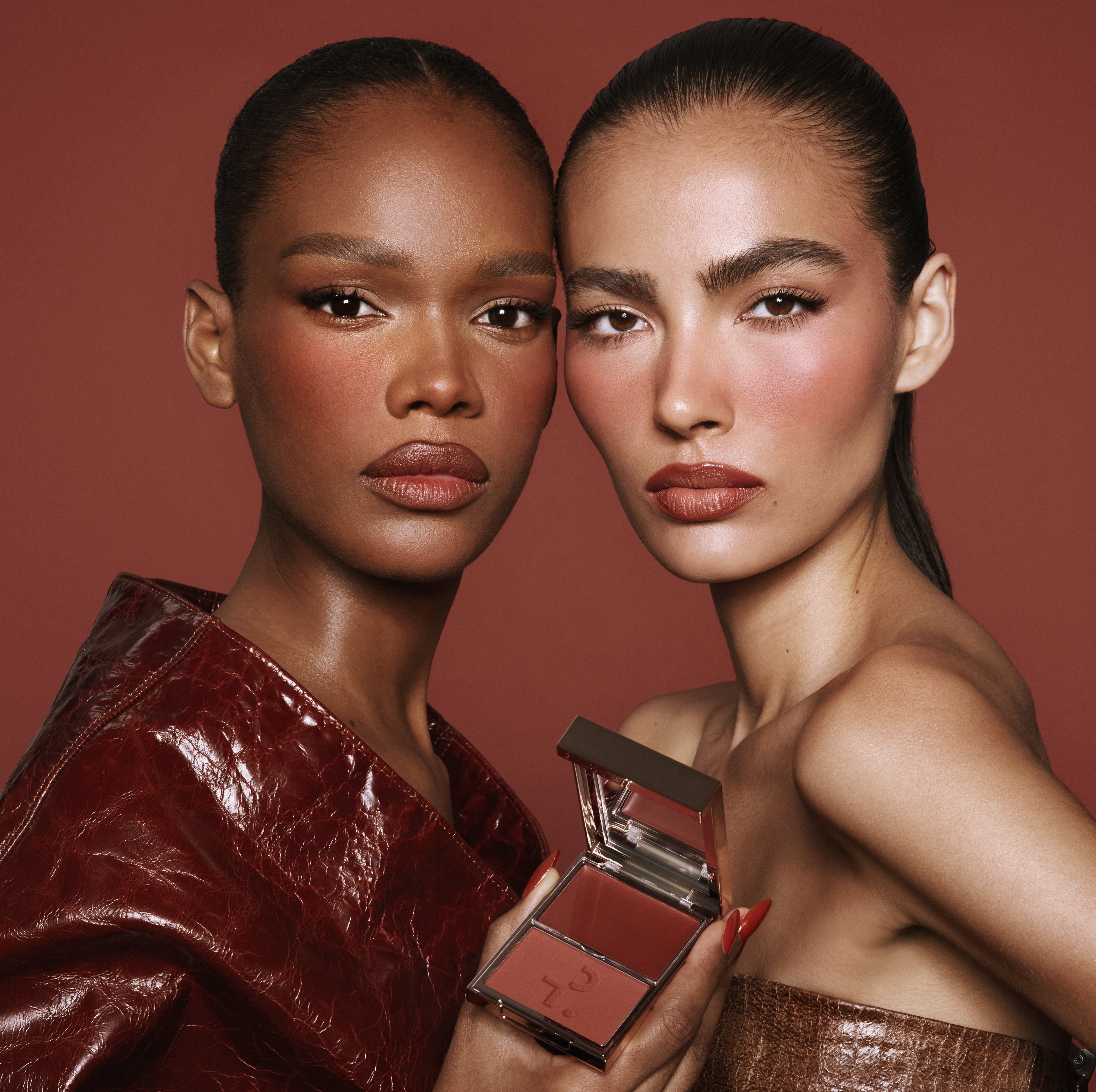
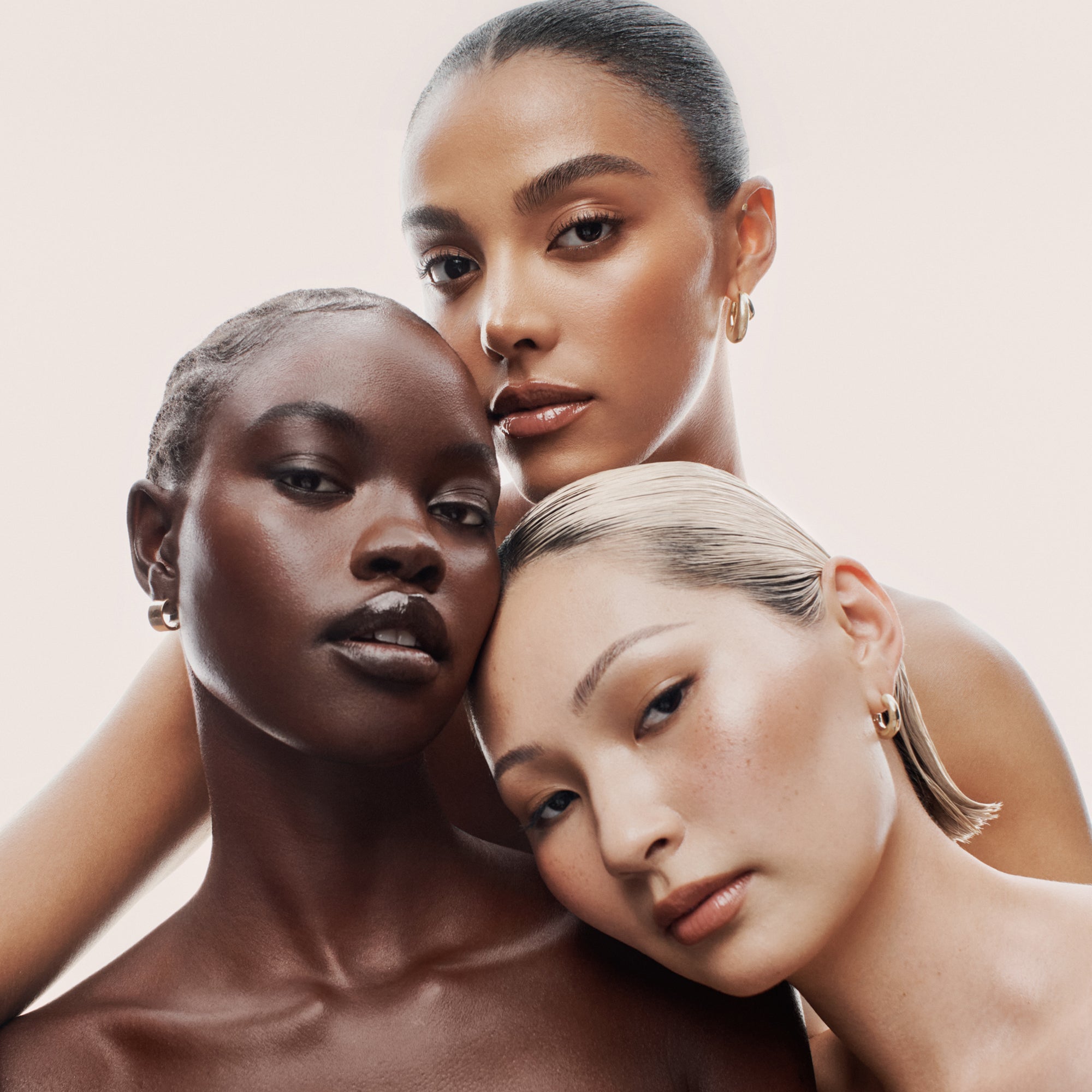
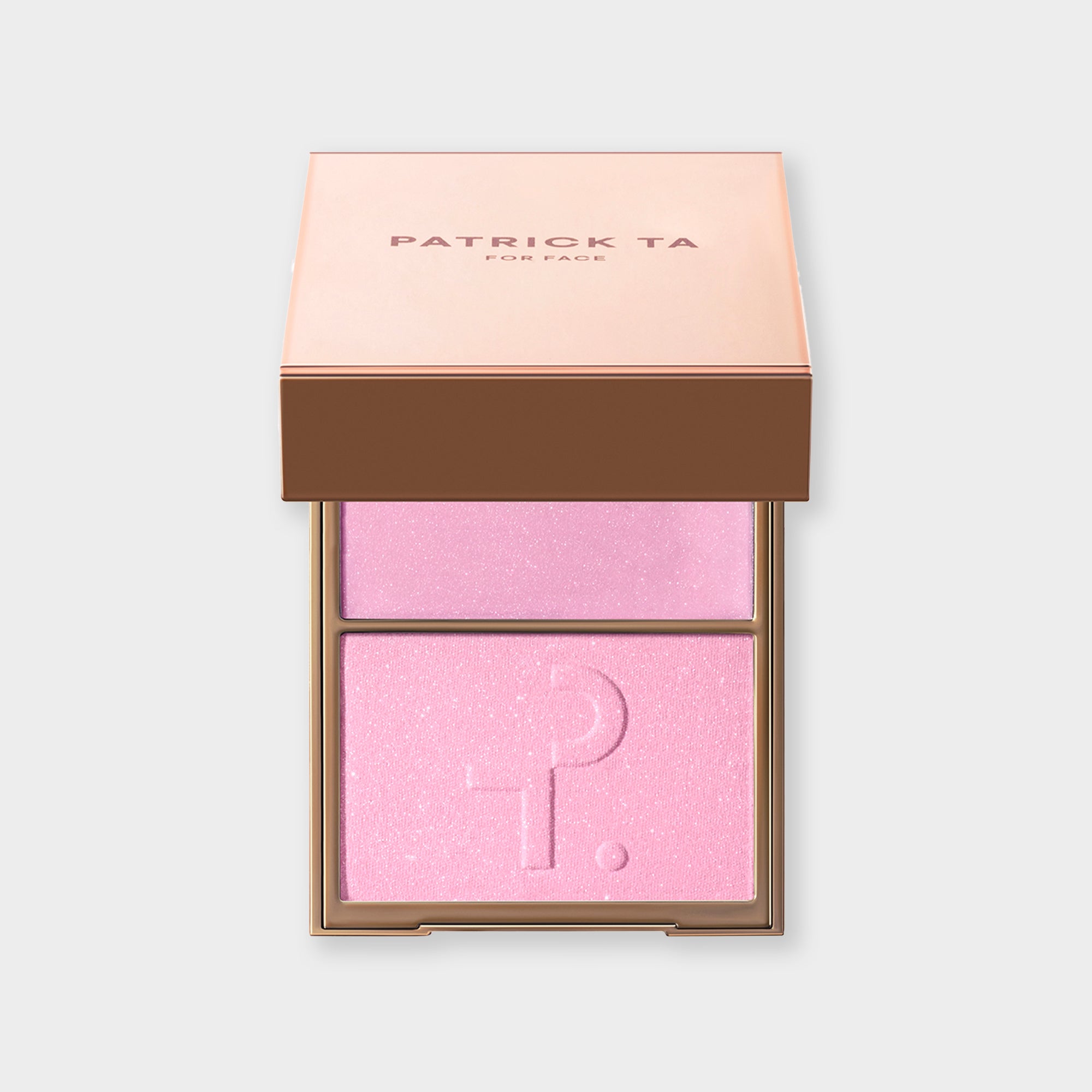
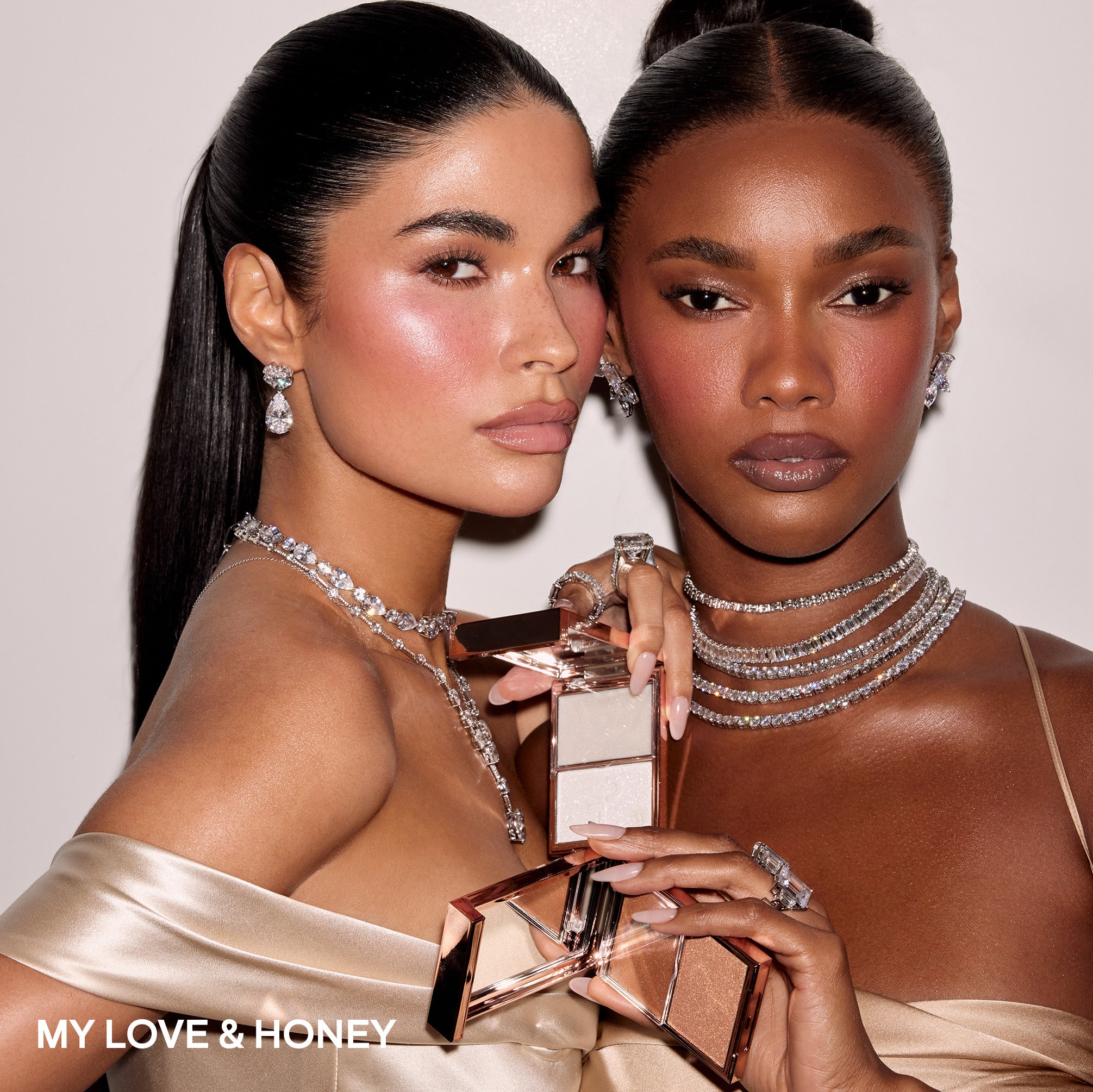
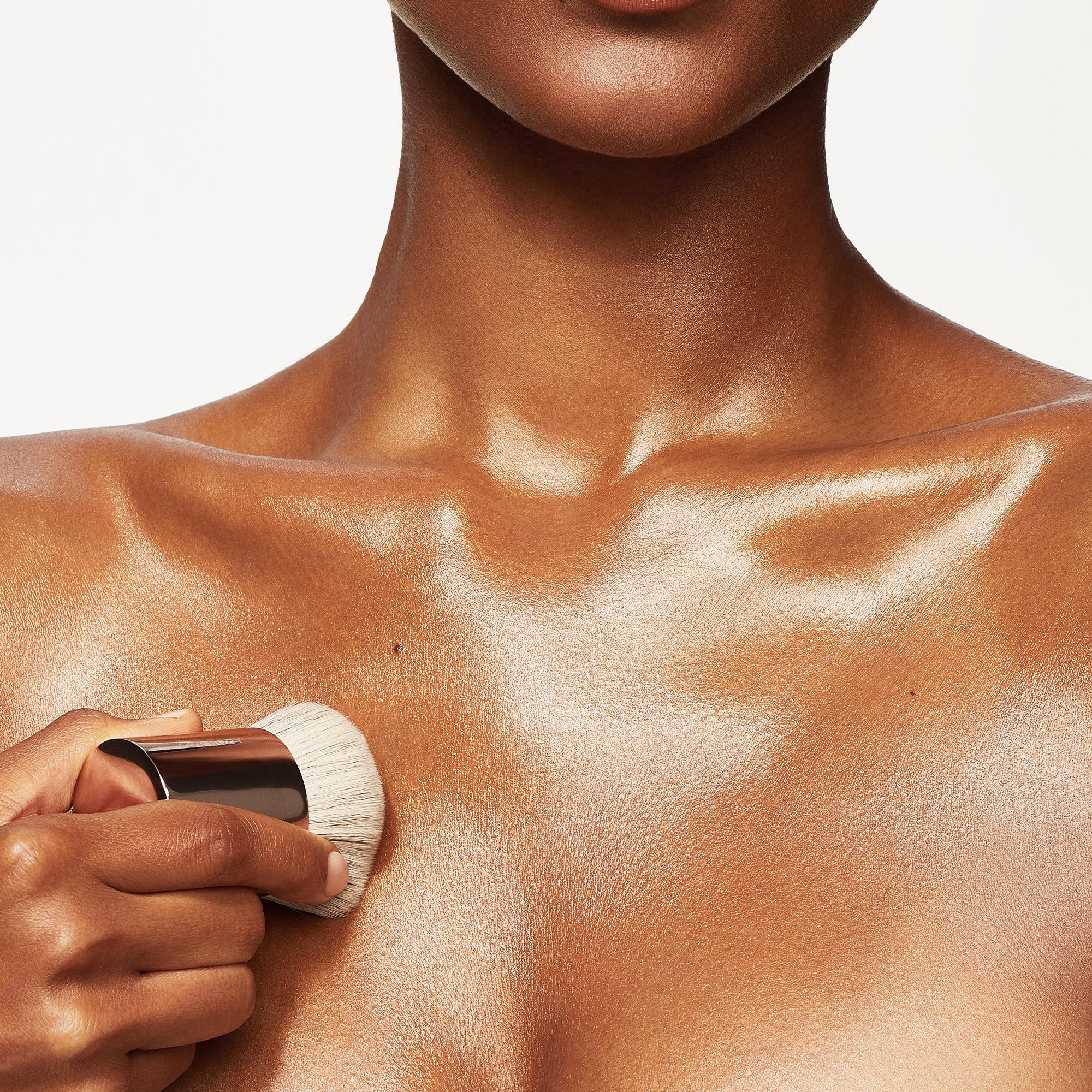
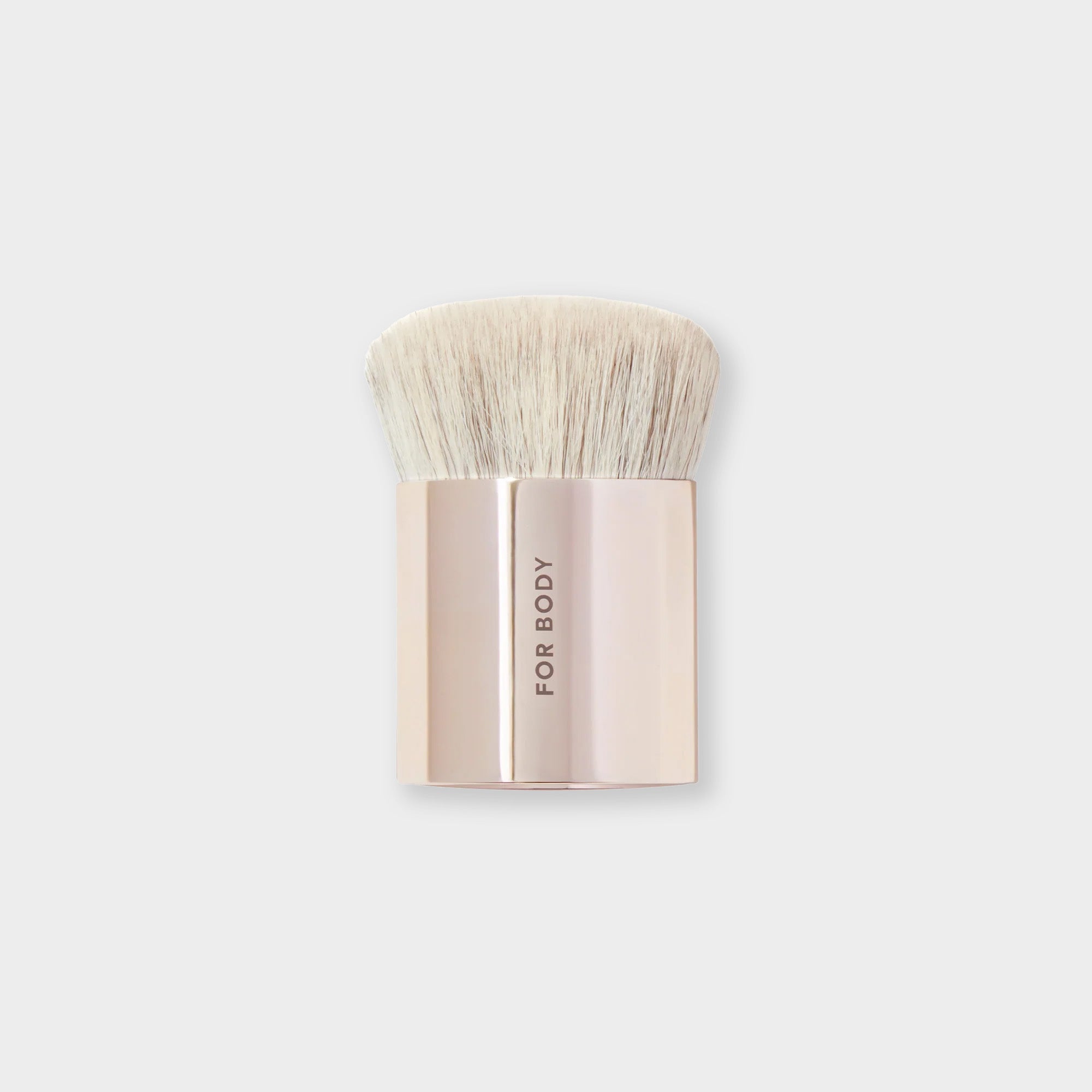
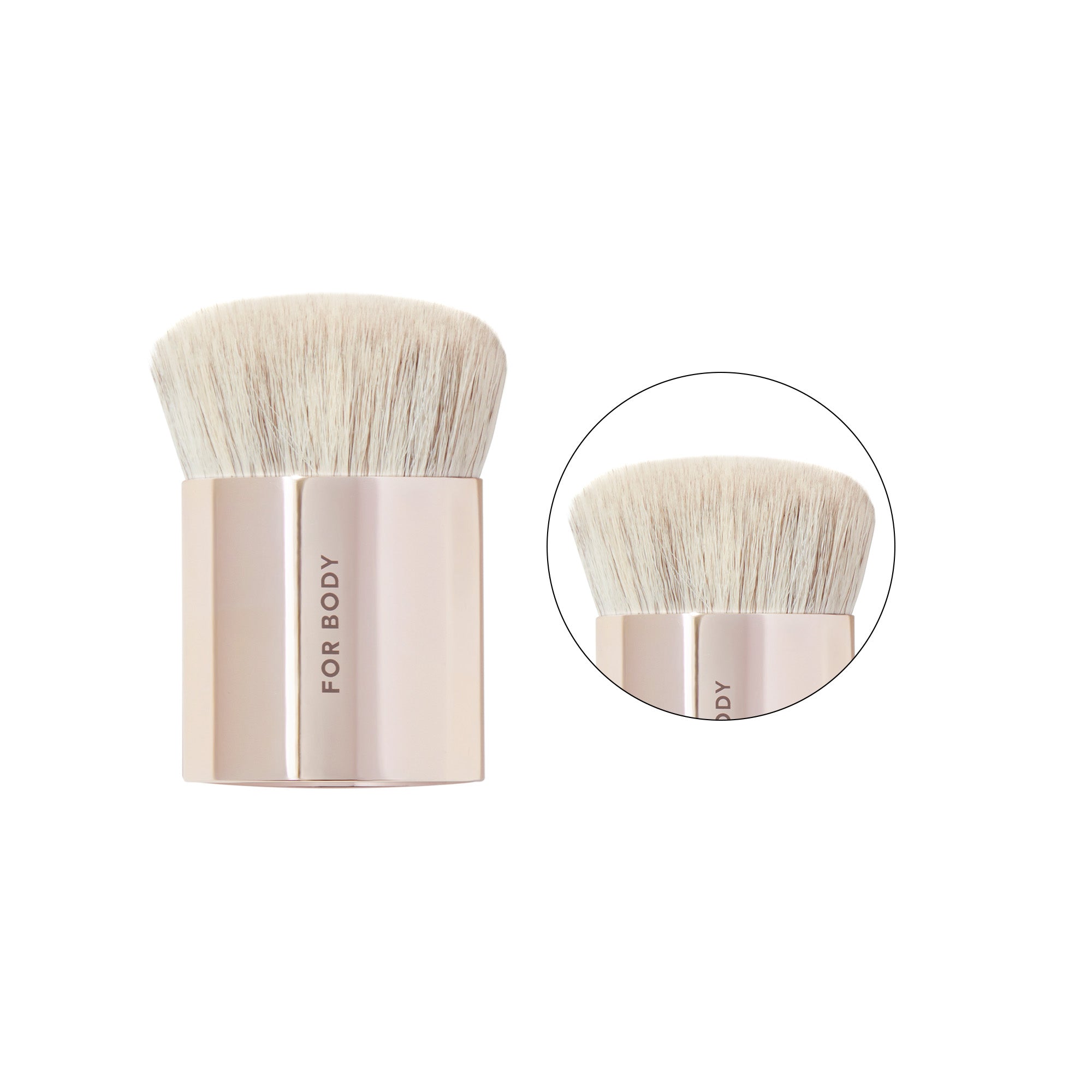
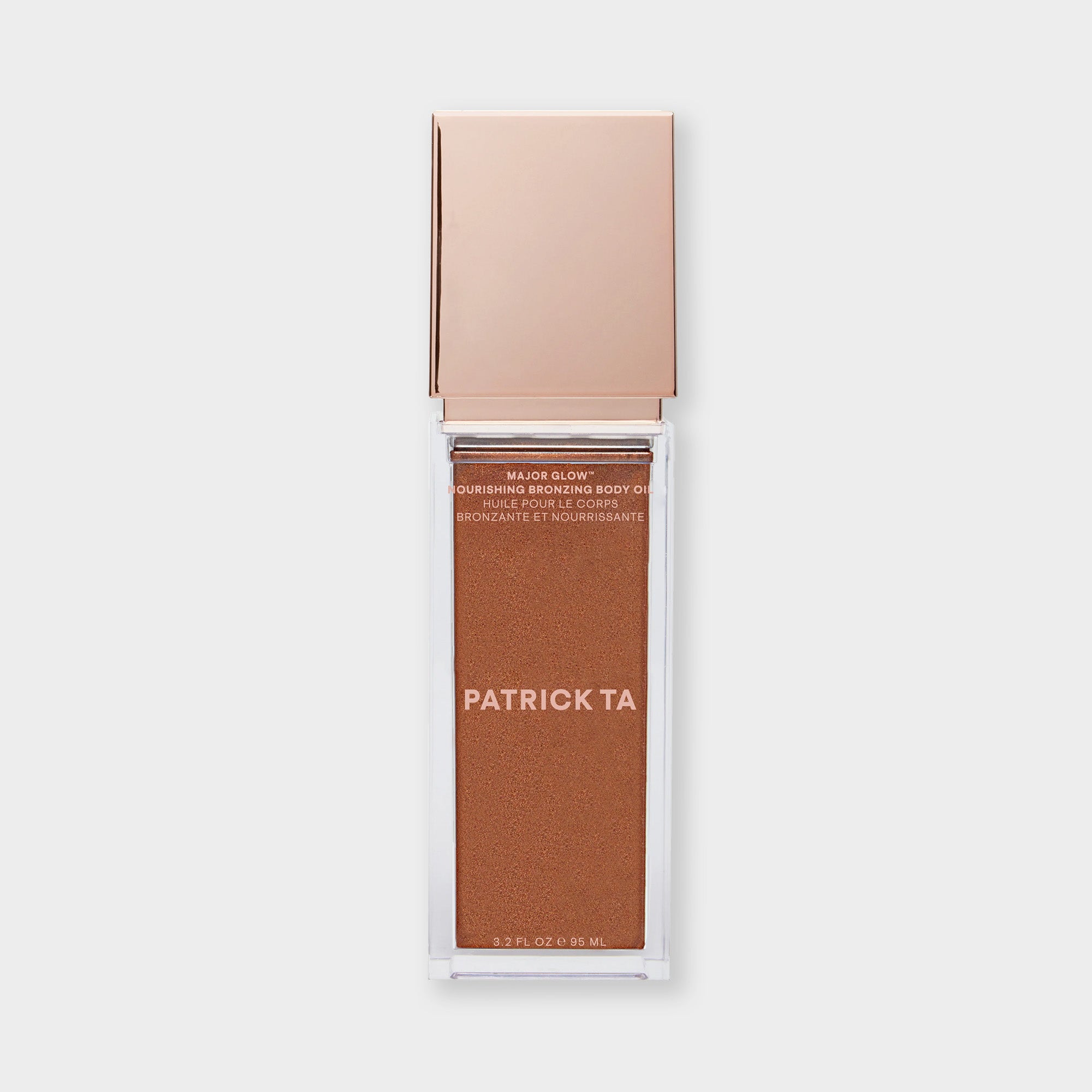
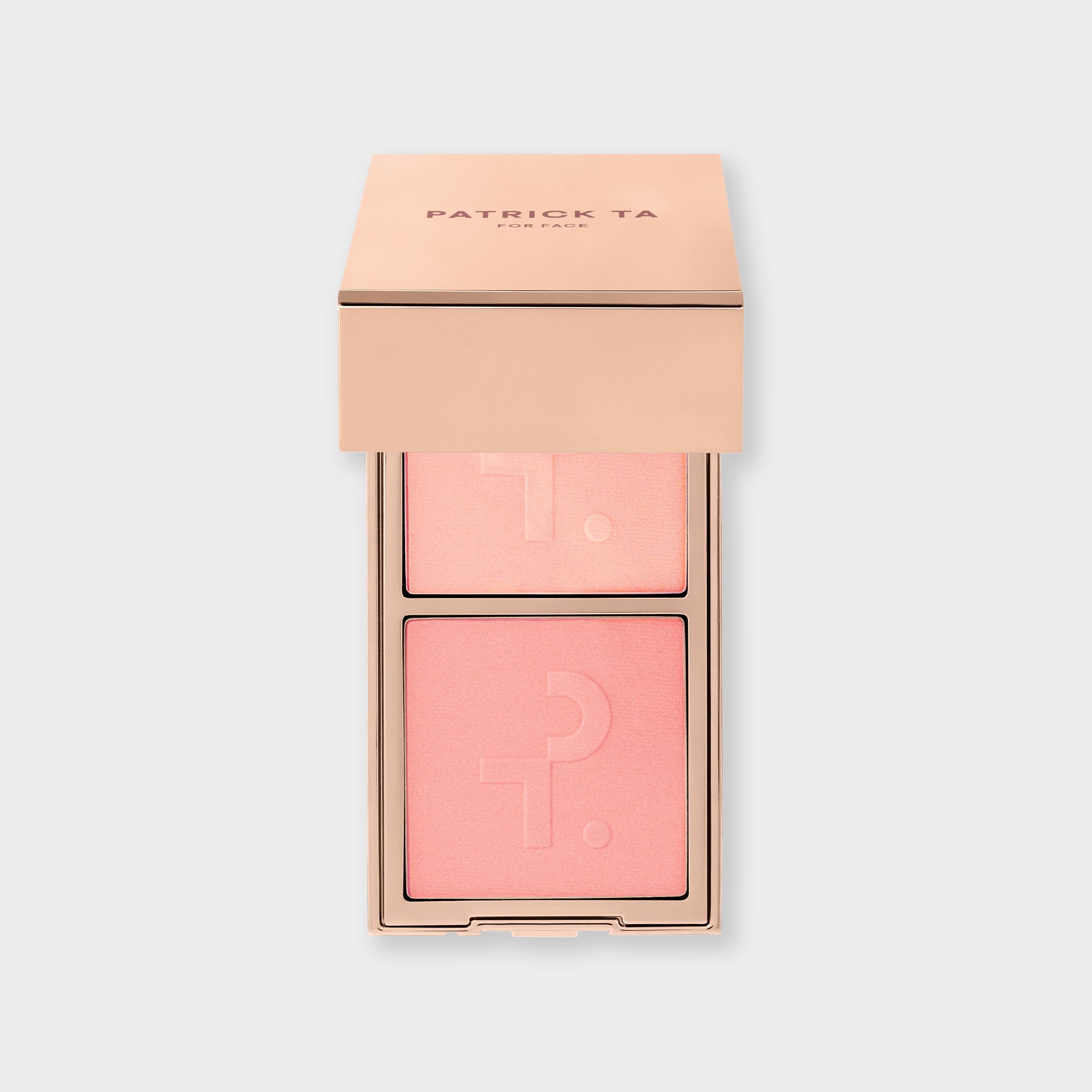
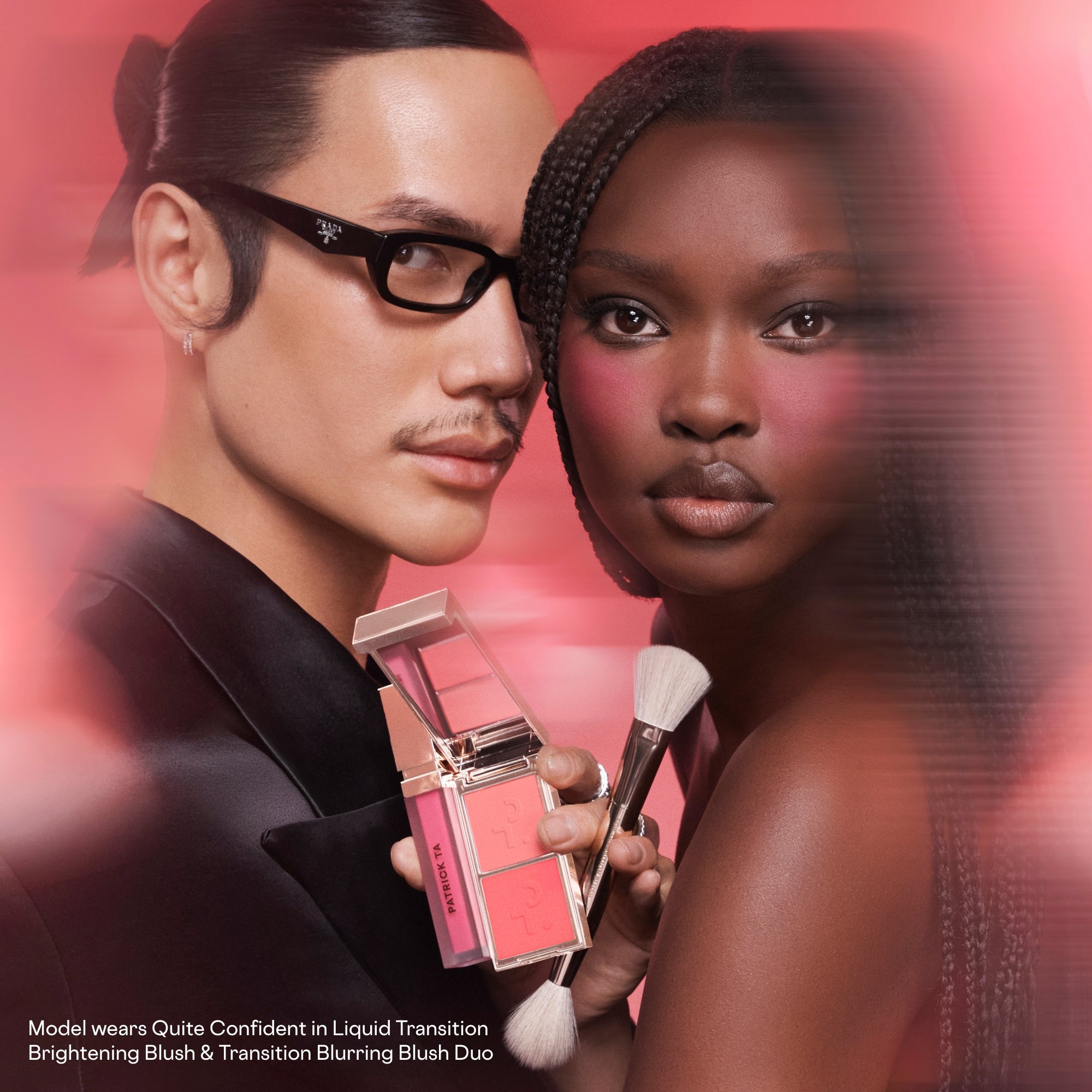
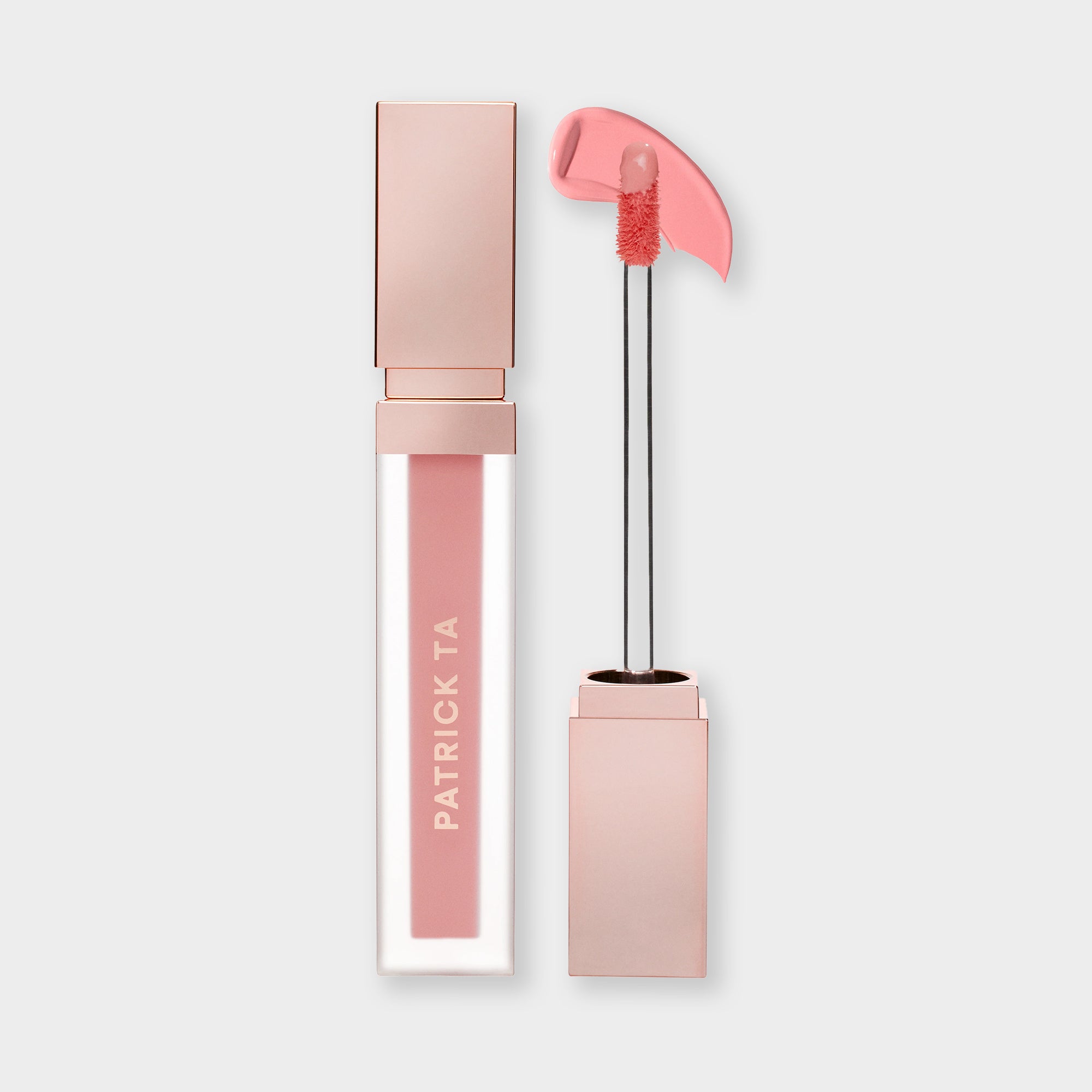
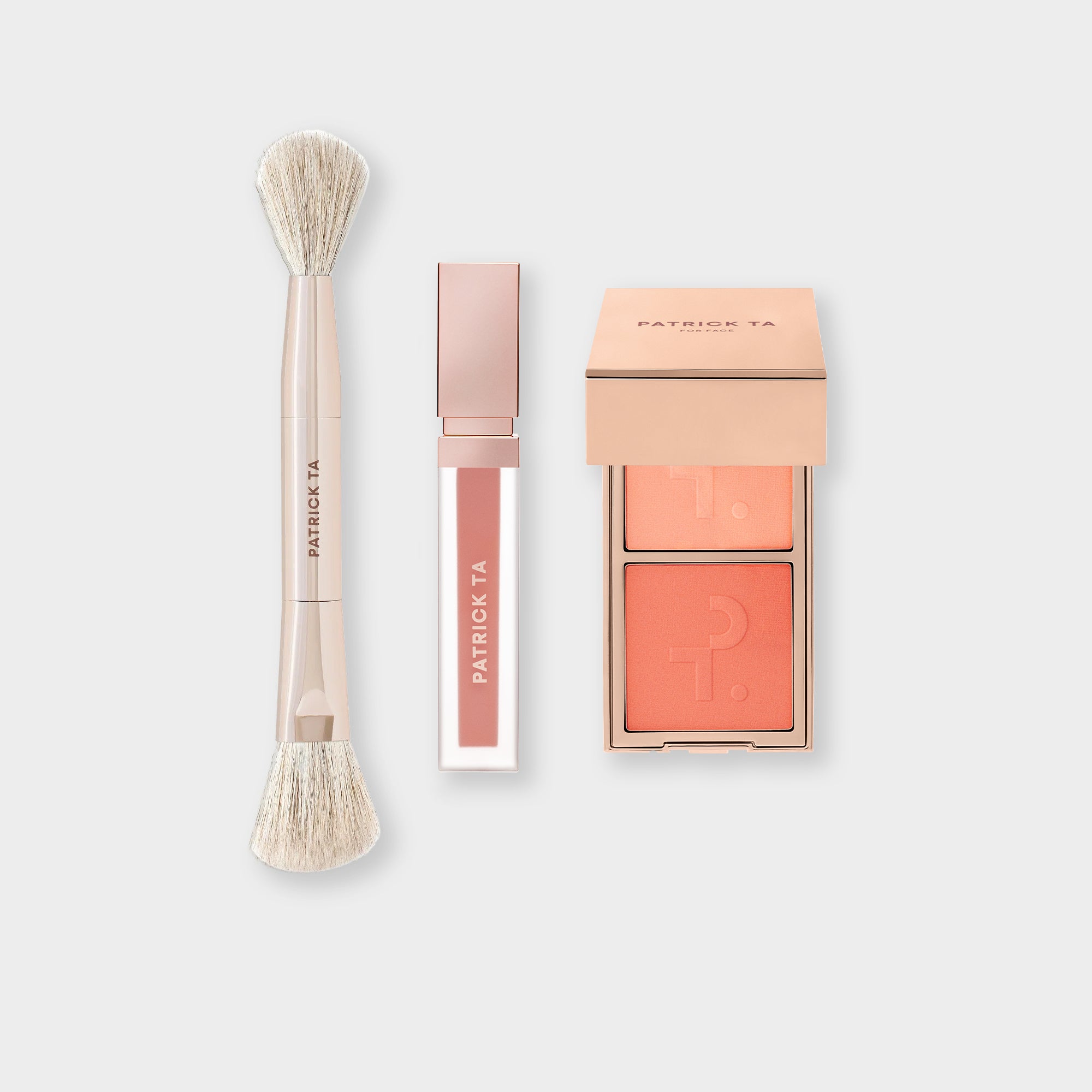
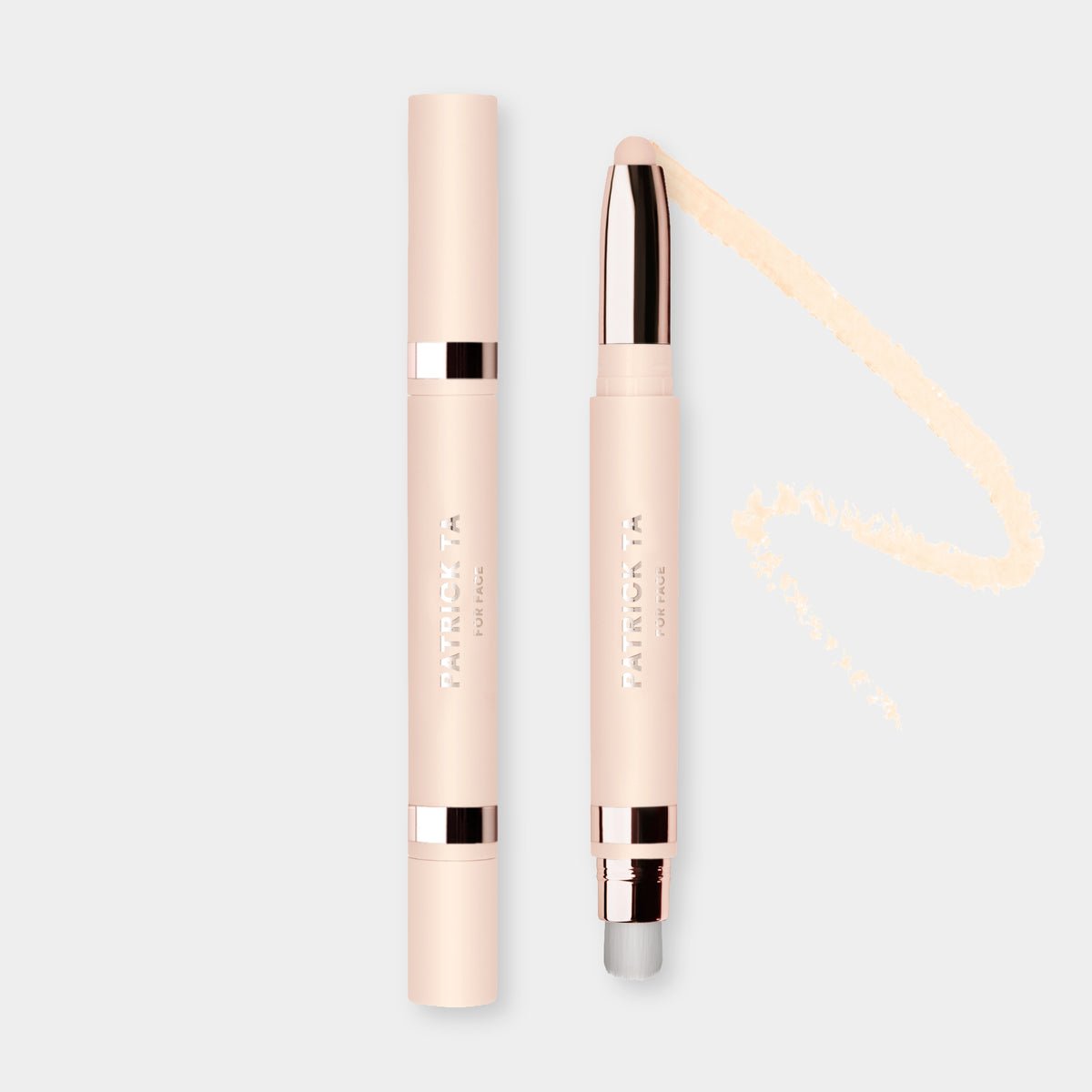
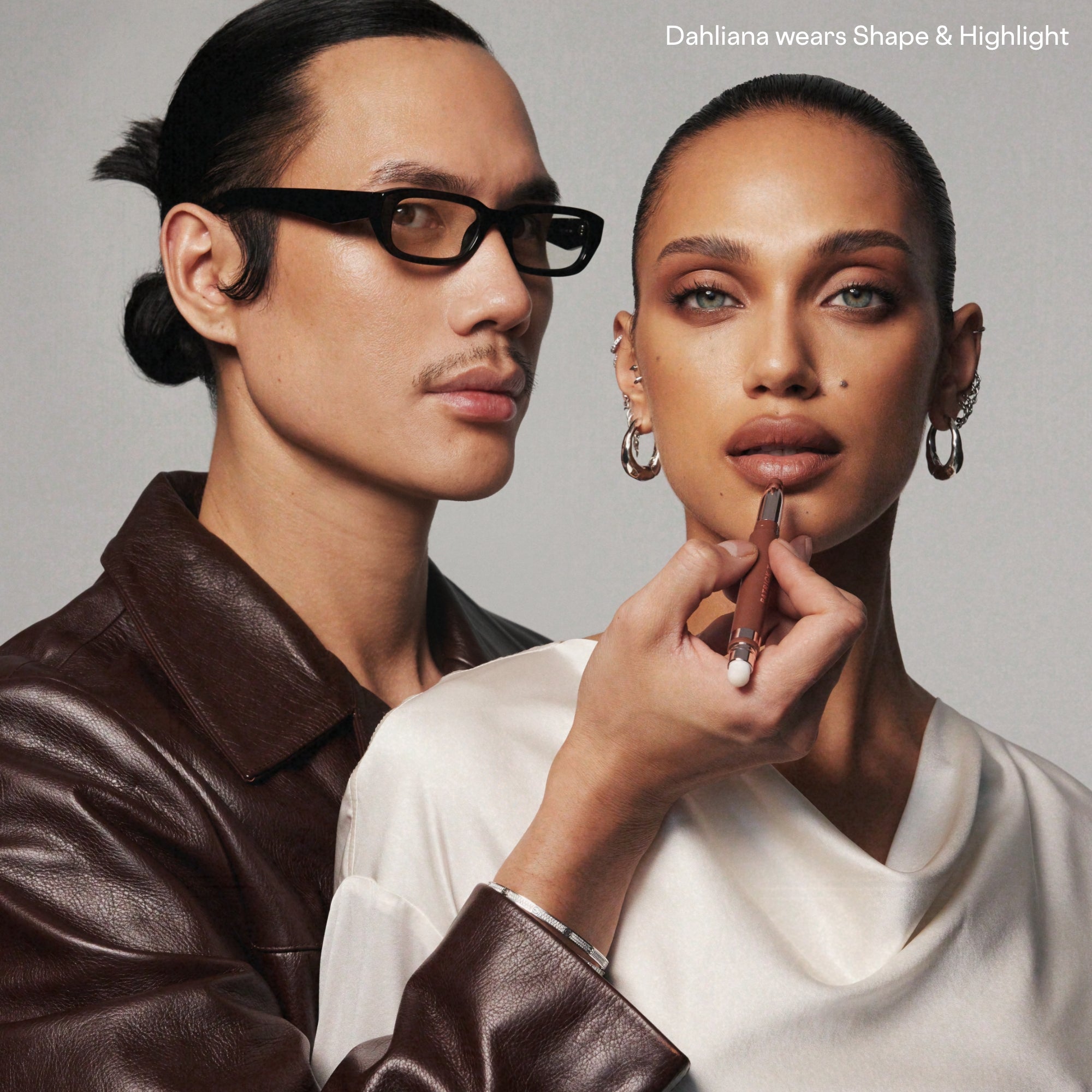
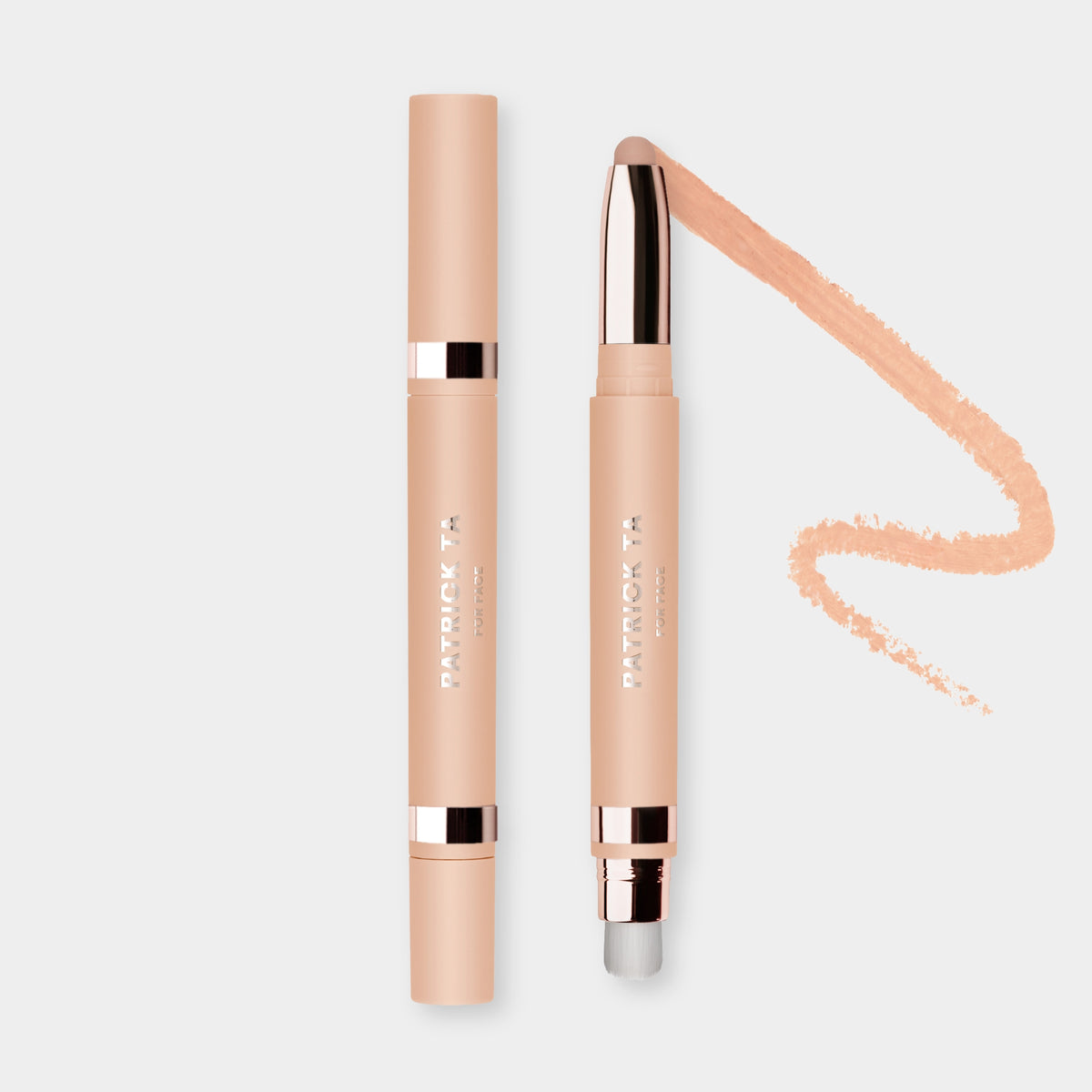
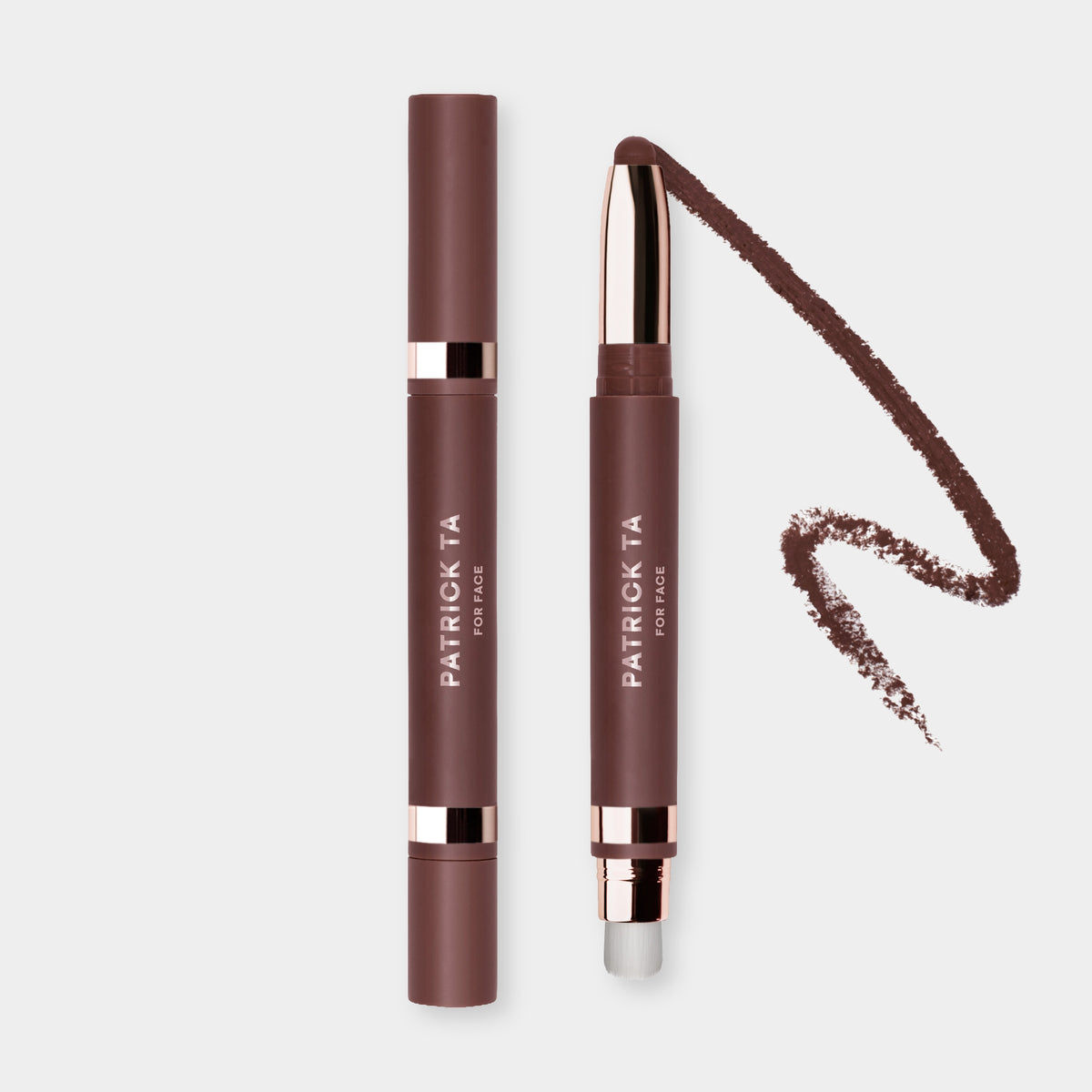
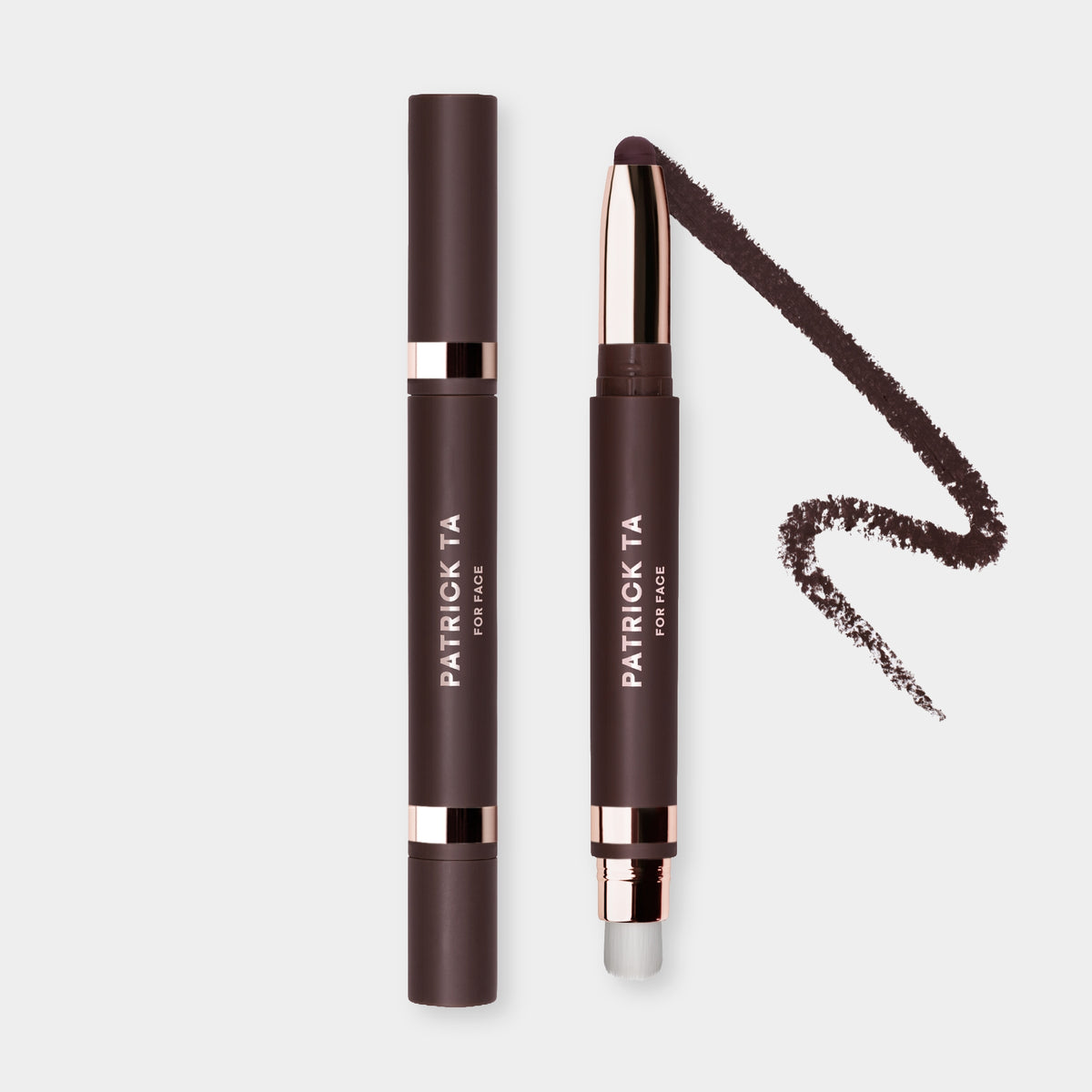
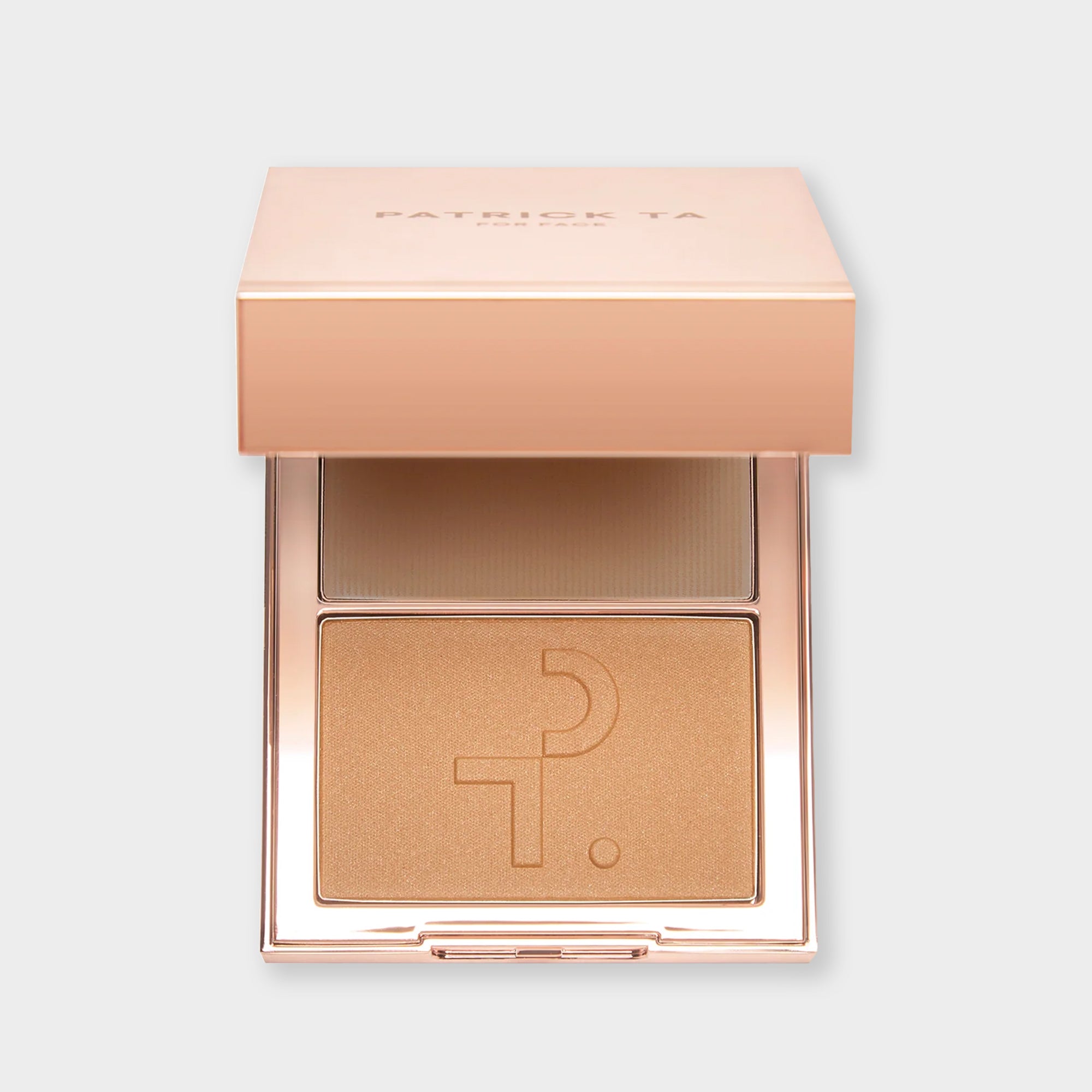
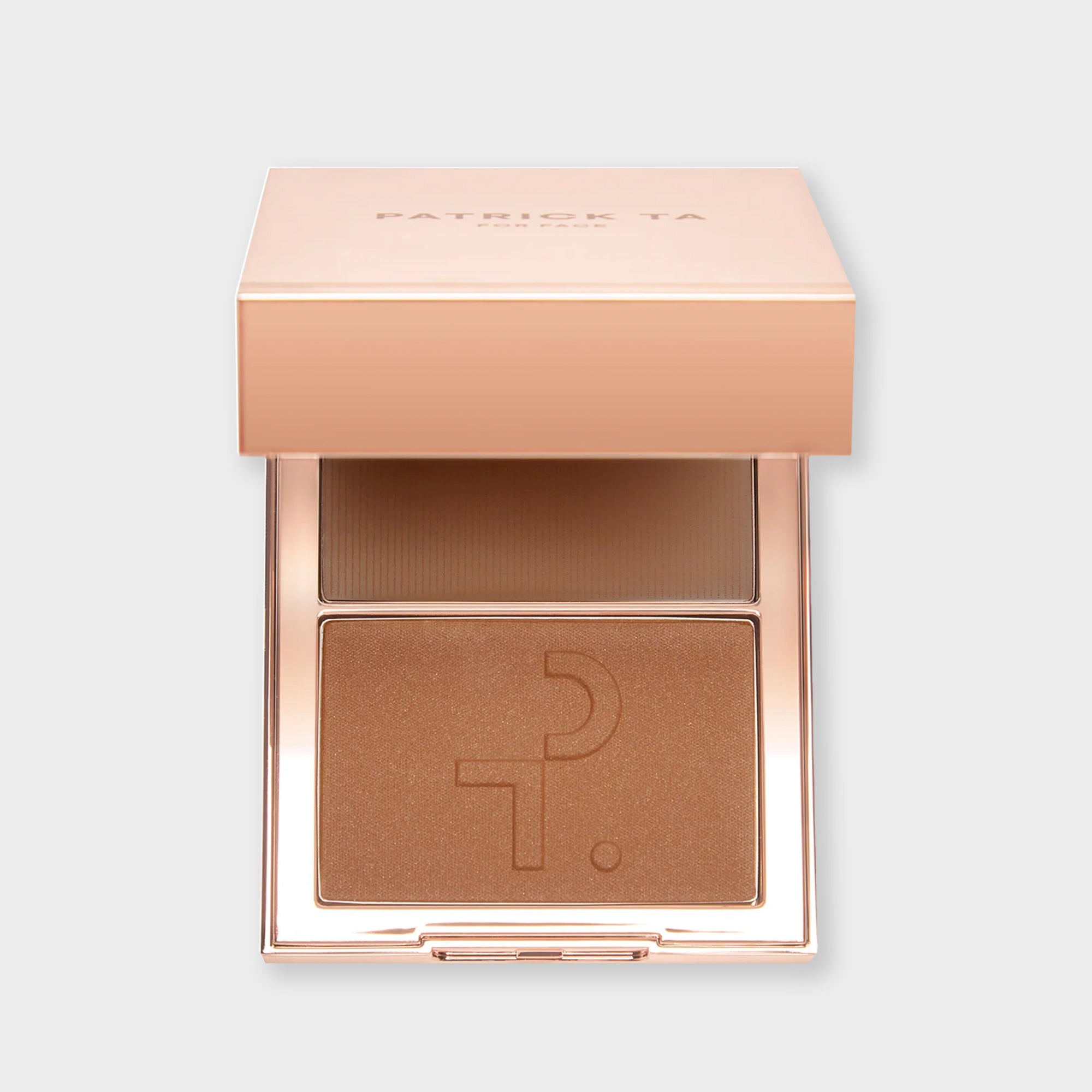
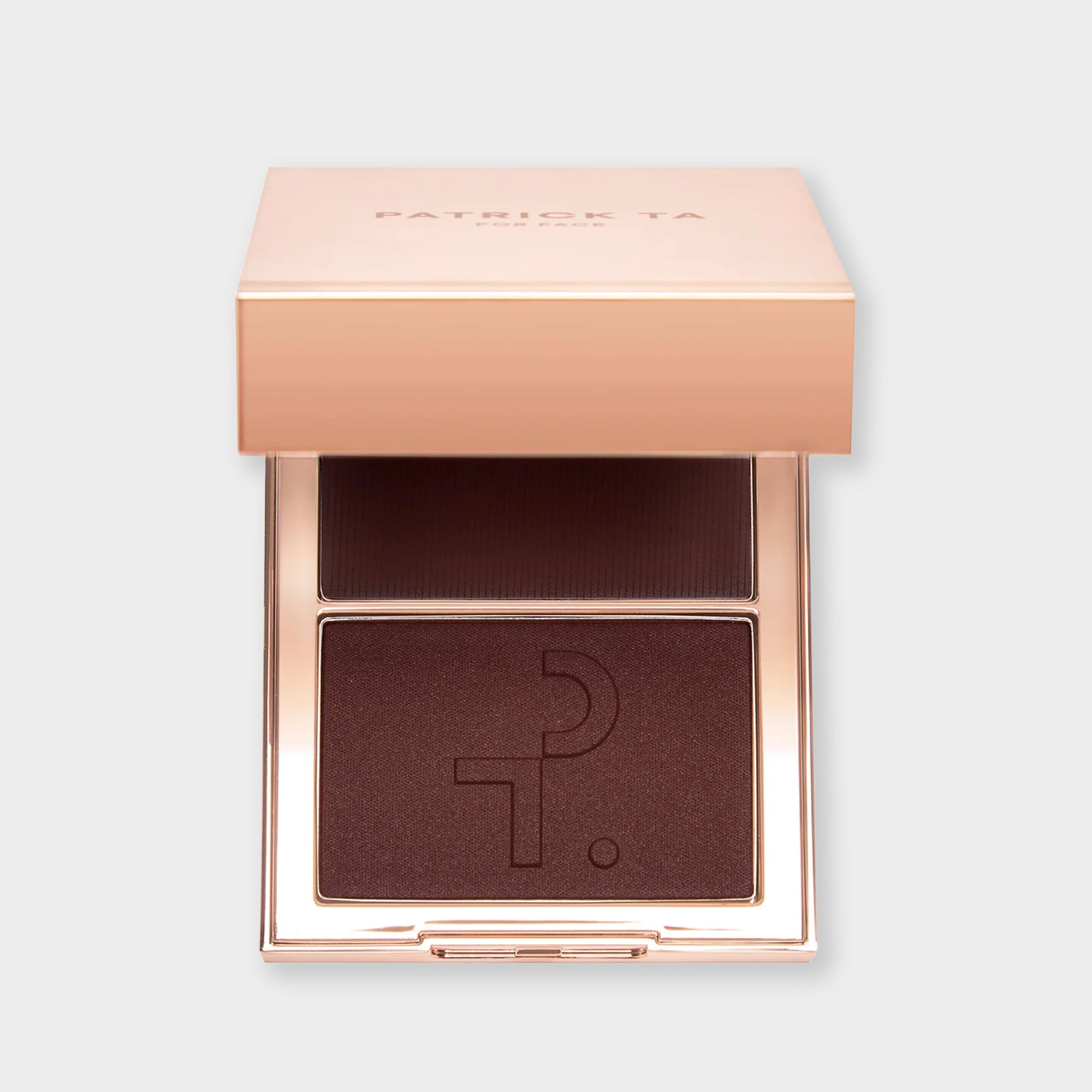
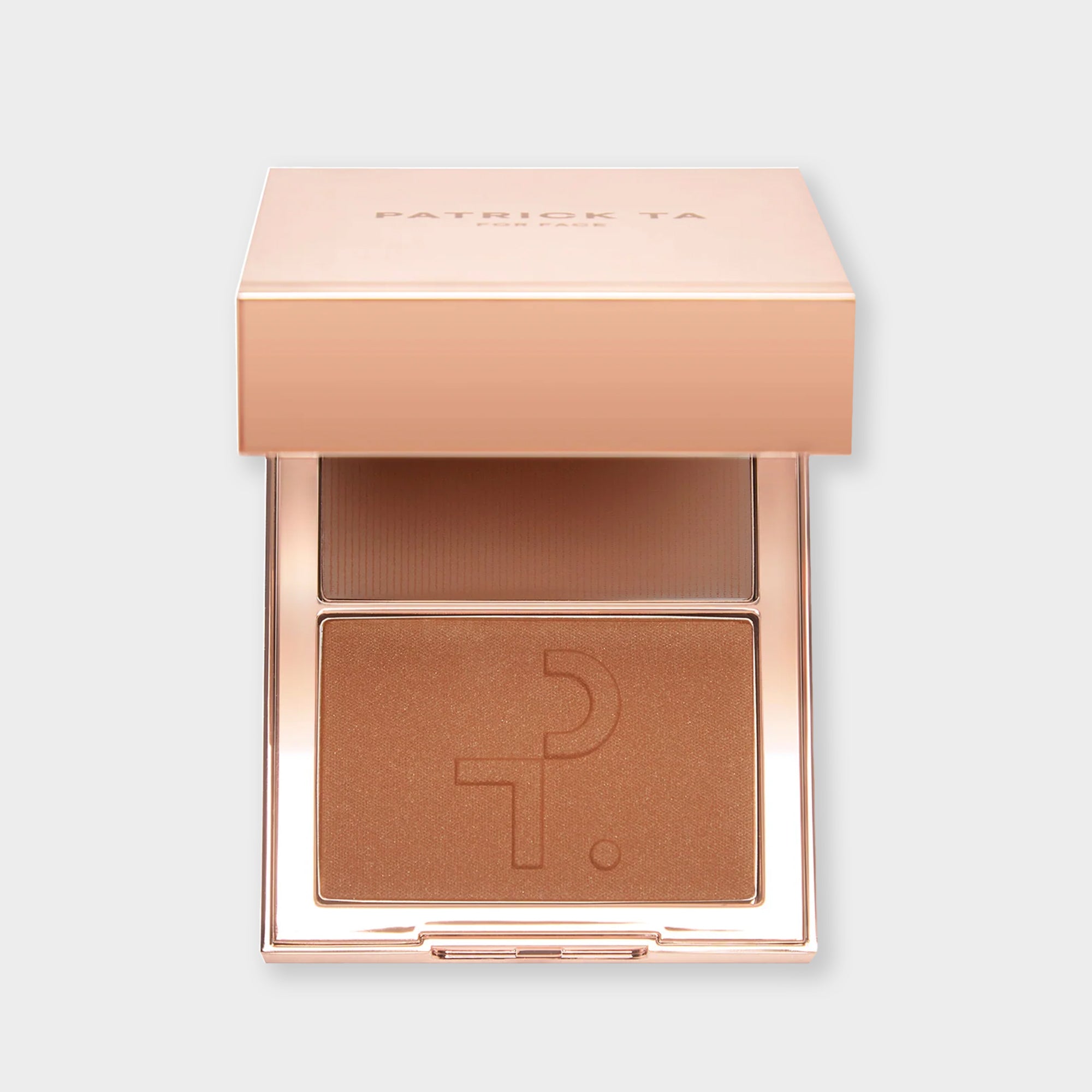
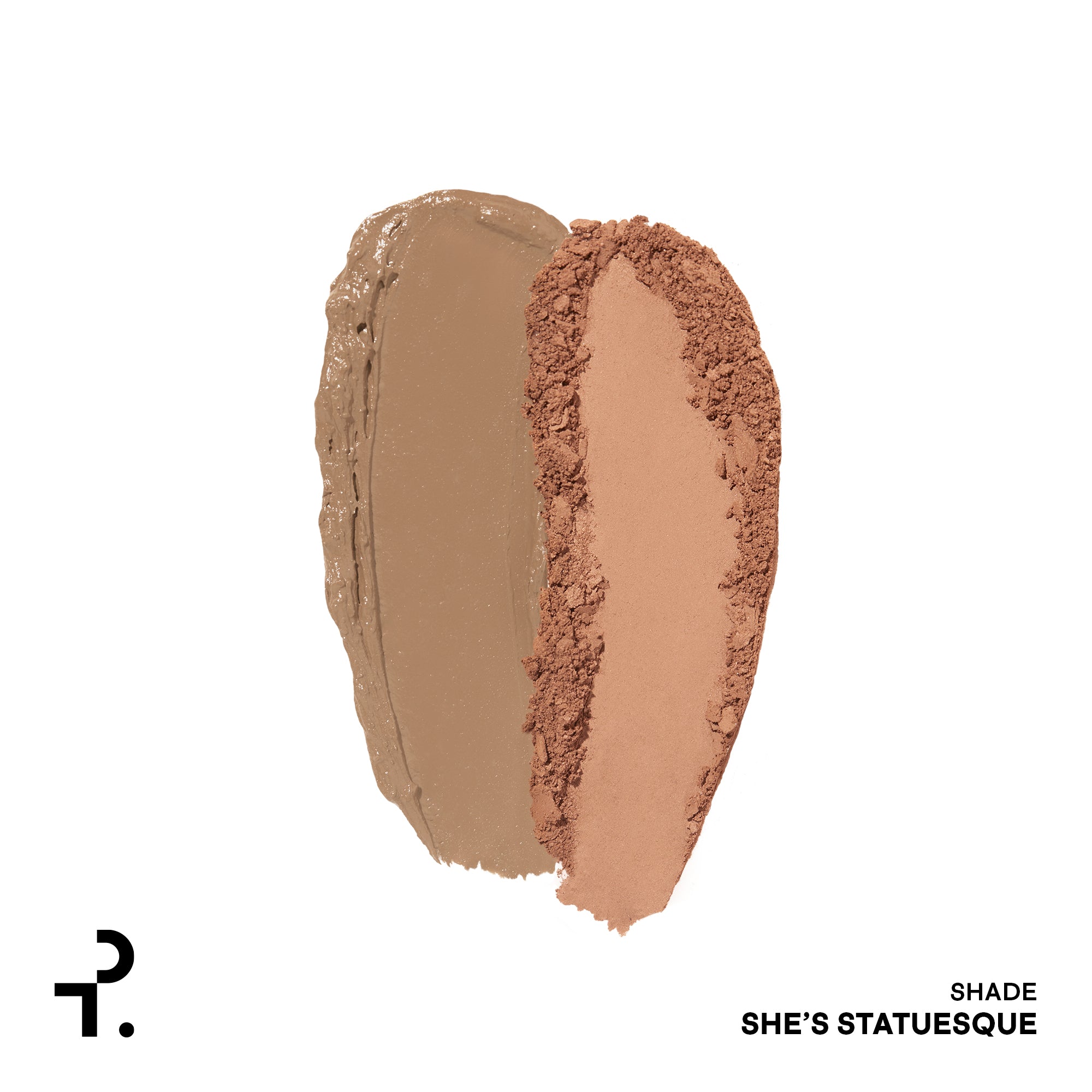
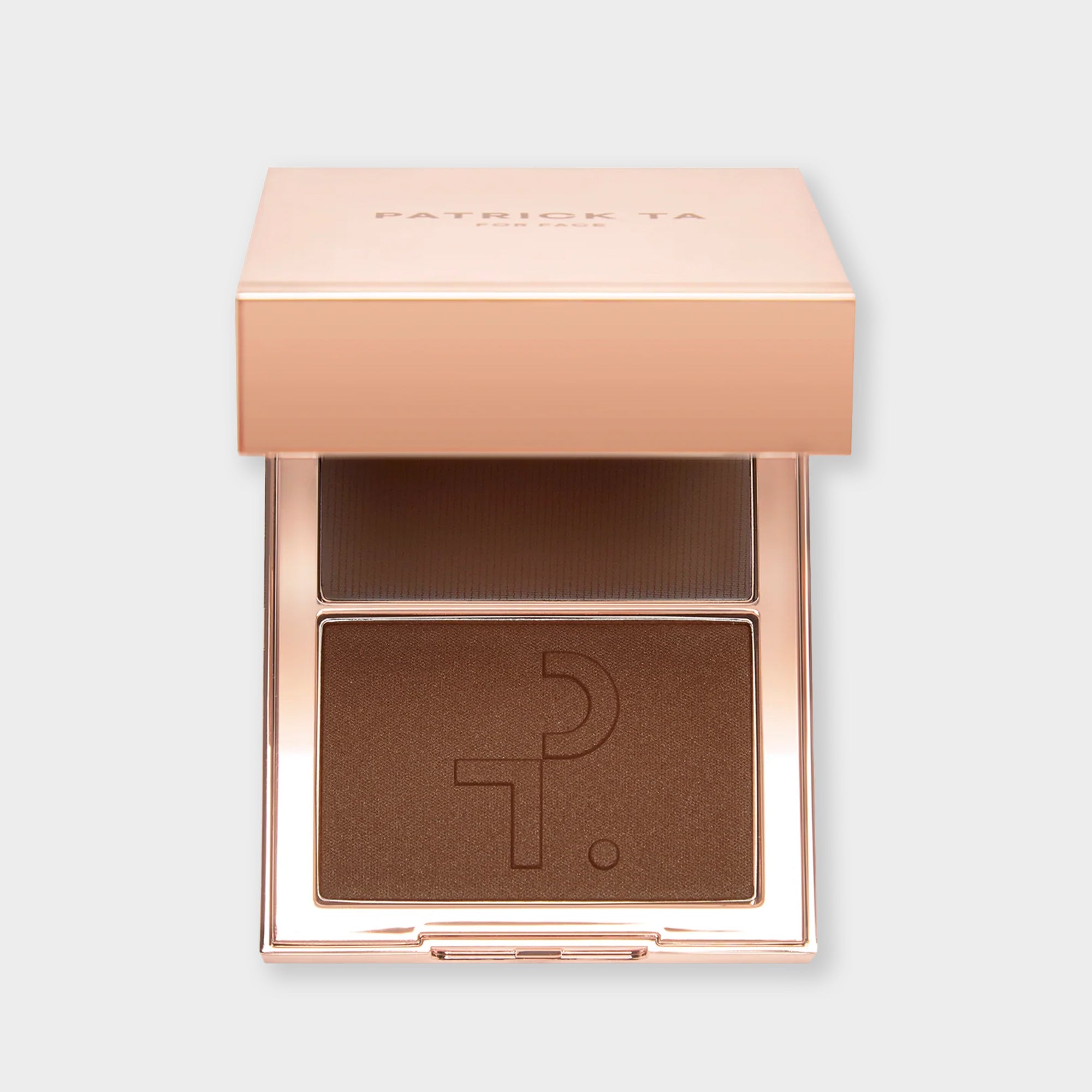
Patrick Ta's bronzer and contour collection makes pro-level sculpting easy for everyone. Whether you're reaching for a crème and powder duo or a buildable bronzer stick, each formula is designed to layer seamlessly, blend without effort, and deliver a soft-matte, skin-like finish that lasts. These artist-designed products are built by undertone, so you can find your perfect shade match and achieve natural-looking definition every time. From quick everyday sculpting to full glam contouring, this collection gives you the tools to bring out your best features.
What's the Difference Between Bronzer and Contour?
Bronzer and contour work together, but they do different jobs. Bronzer is warm-toned and goes where the sun naturally hits your face: the tops of your cheekbones, forehead, bridge of your nose, and chin. It adds healthy, sun-kissed warmth and brings the face to life.
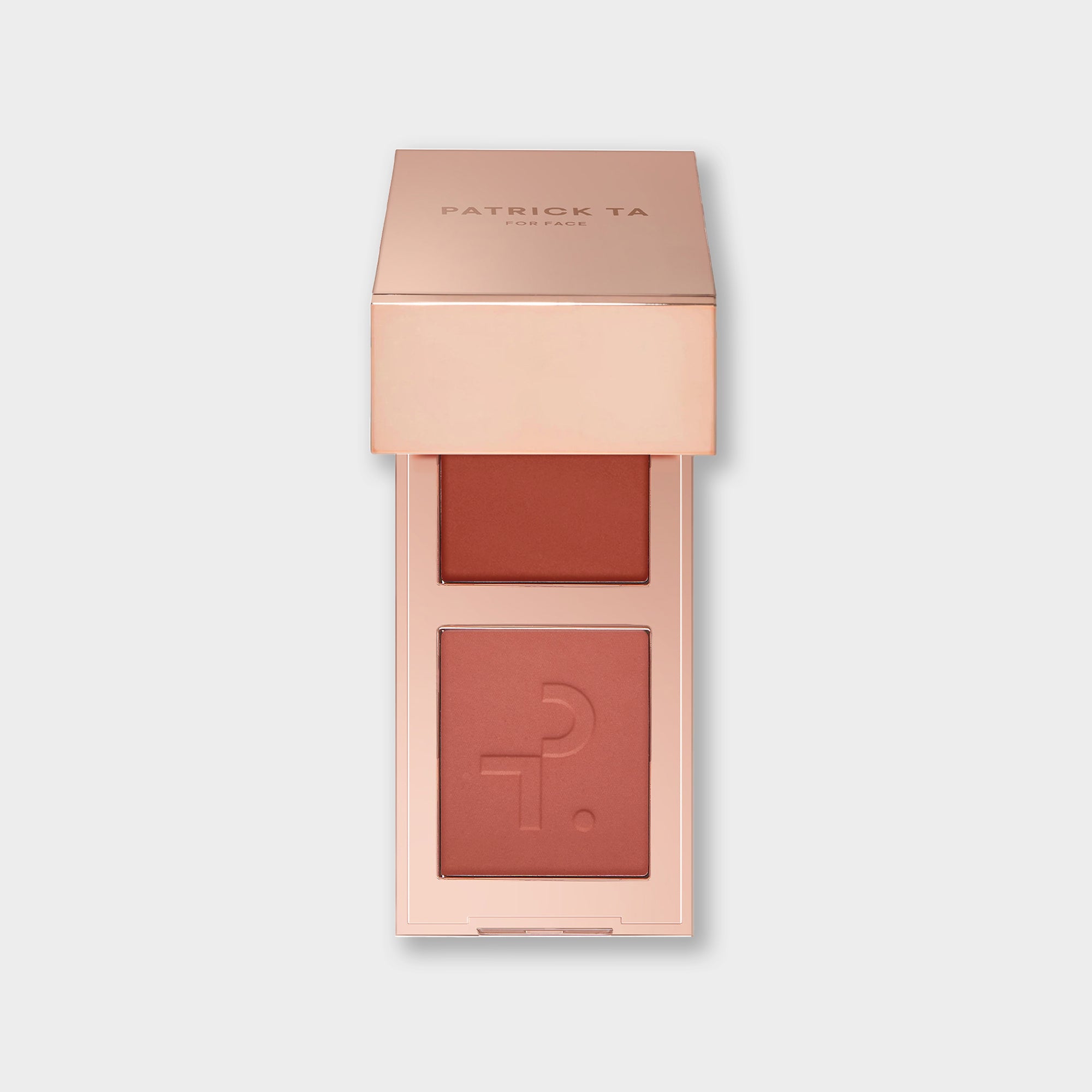
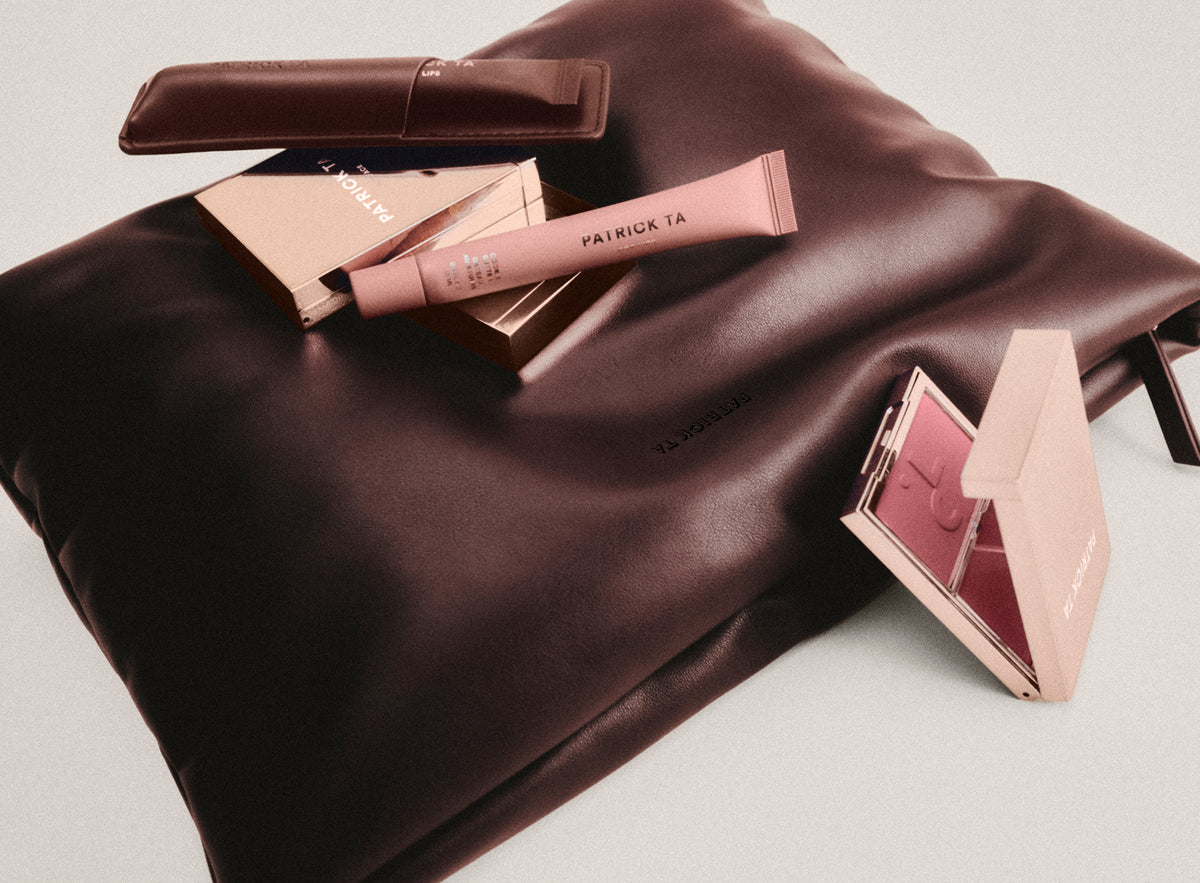
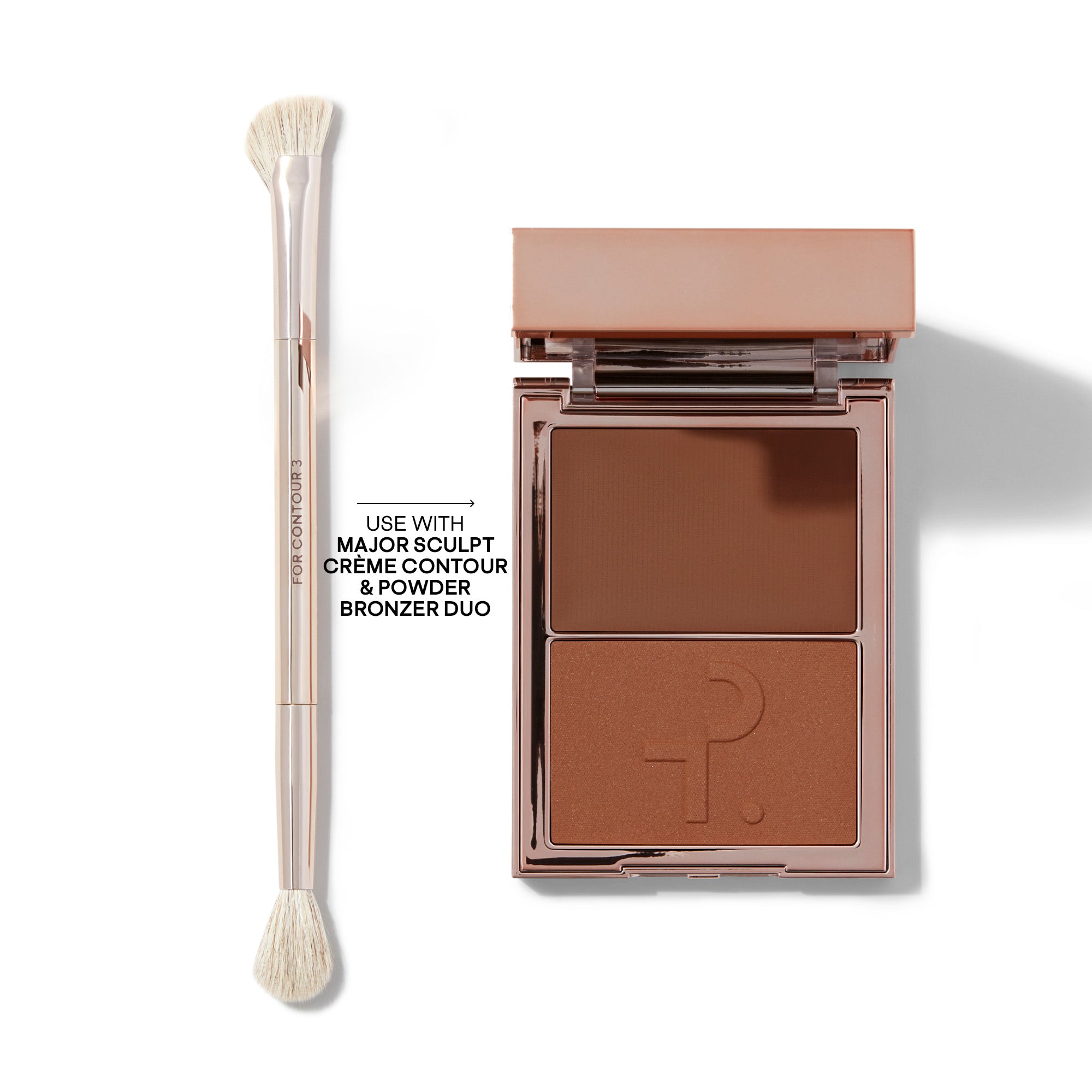
Contour, on the other hand, is cooler and deeper. It mimics a natural shadow to carve out structure. You apply it in the hollows of your cheeks, along the jawline, at the hairline, and on the sides of the nose to create definition. The Major Sculpt Crème Contour & Powder Bronzer Duo pairs both textures in one compact, letting you sculpt and warm with ease.
How to Choose the Right Bronzer and Contour Shade for Your Skin Tone
Finding your ideal contour bronzer shade starts with your undertone and skin depth. If you have cool undertones, lean toward cooler sculpting shades that read like a realistic shadow. Warm undertones look best with golden bronze tones that echo natural sunlight.
For contour, choose a shade one to two shades deeper than your skin with a slightly cool cast. For bronzer, match the warmth you'd naturally get from the sun. Patrick Ta's duos are organized by undertone (light cool, medium cool, medium warm, deep) so you can find the right pairing without guesswork.
Matte vs. Shimmer: Which Bronzer Is Best for Contouring?
When it comes to contouring, matte bronzer is best. A soft-matte finish mimics the look of a real shadow and adds believable structure to your features. Shimmer catches light and highlights, so it works beautifully on the high points of your face but can flatten the effect you want from contour.
Save luminous, shimmery bronzers for warming your cheekbones and décolletage. For sculpting the hollows, jaw, and nose, reach for a matte bronzer for contouring that blends to a natural, skin-like finish.
How to Apply Bronzer and Contour Like a Pro
Want to sculpt like a makeup artist? Follow this simple routine:
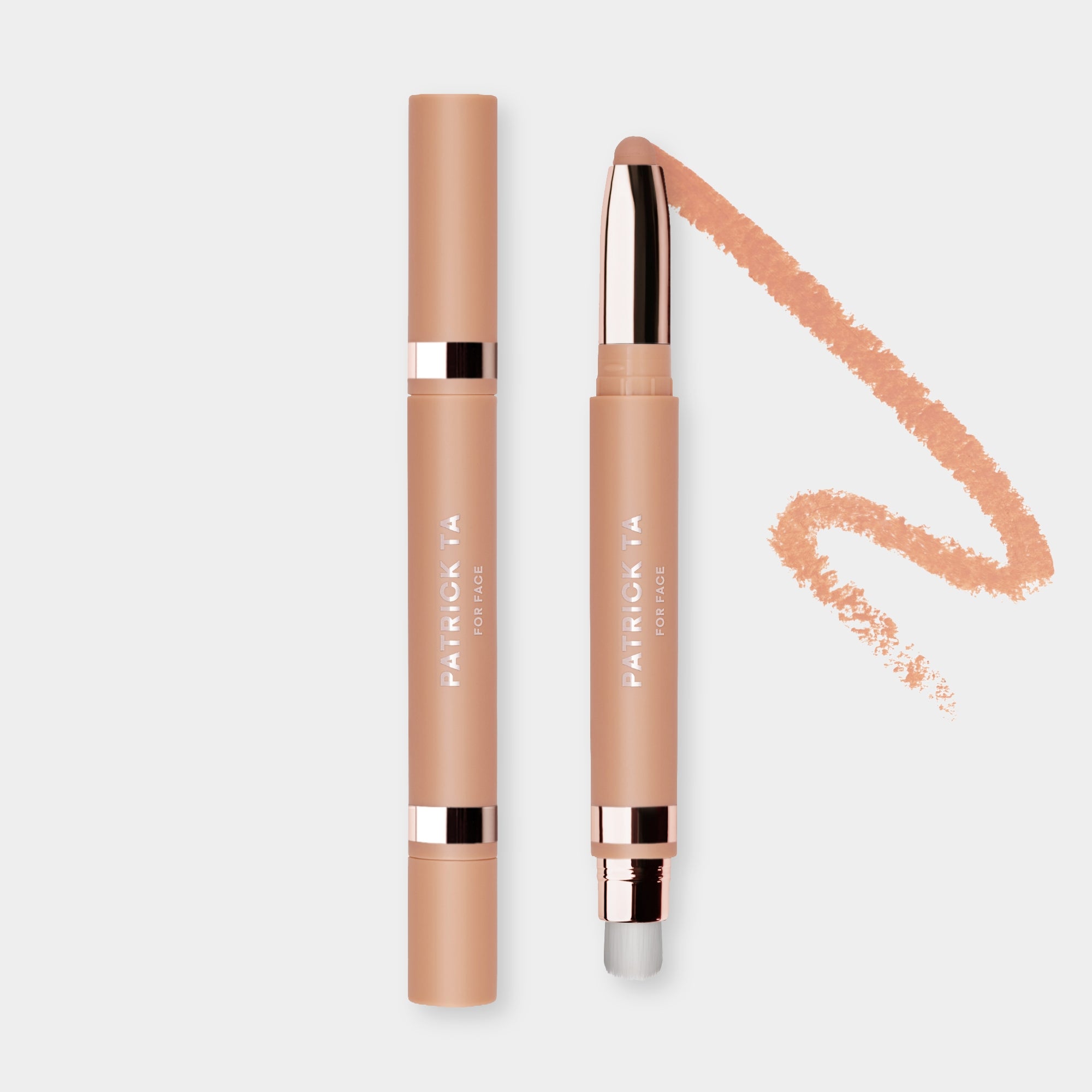
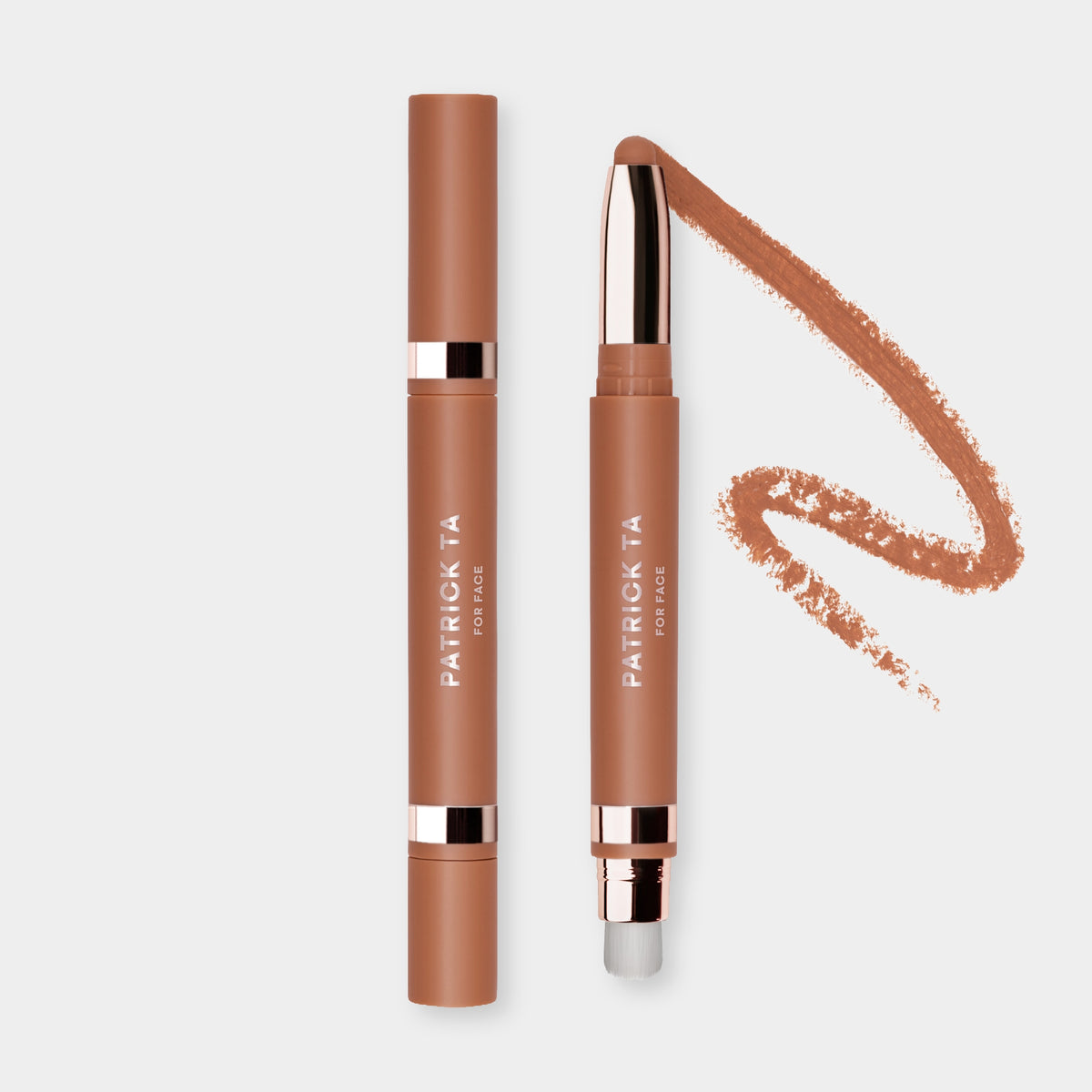
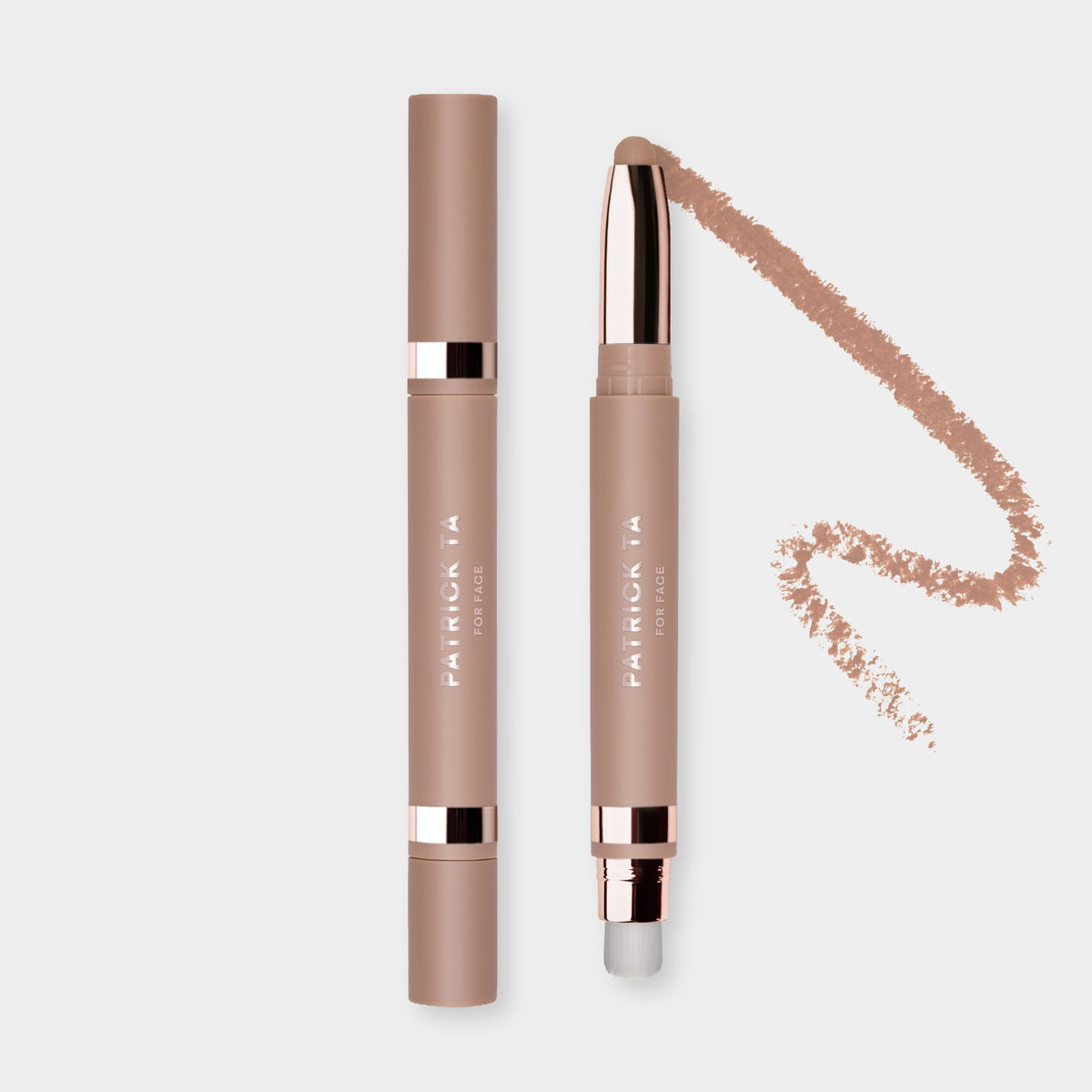
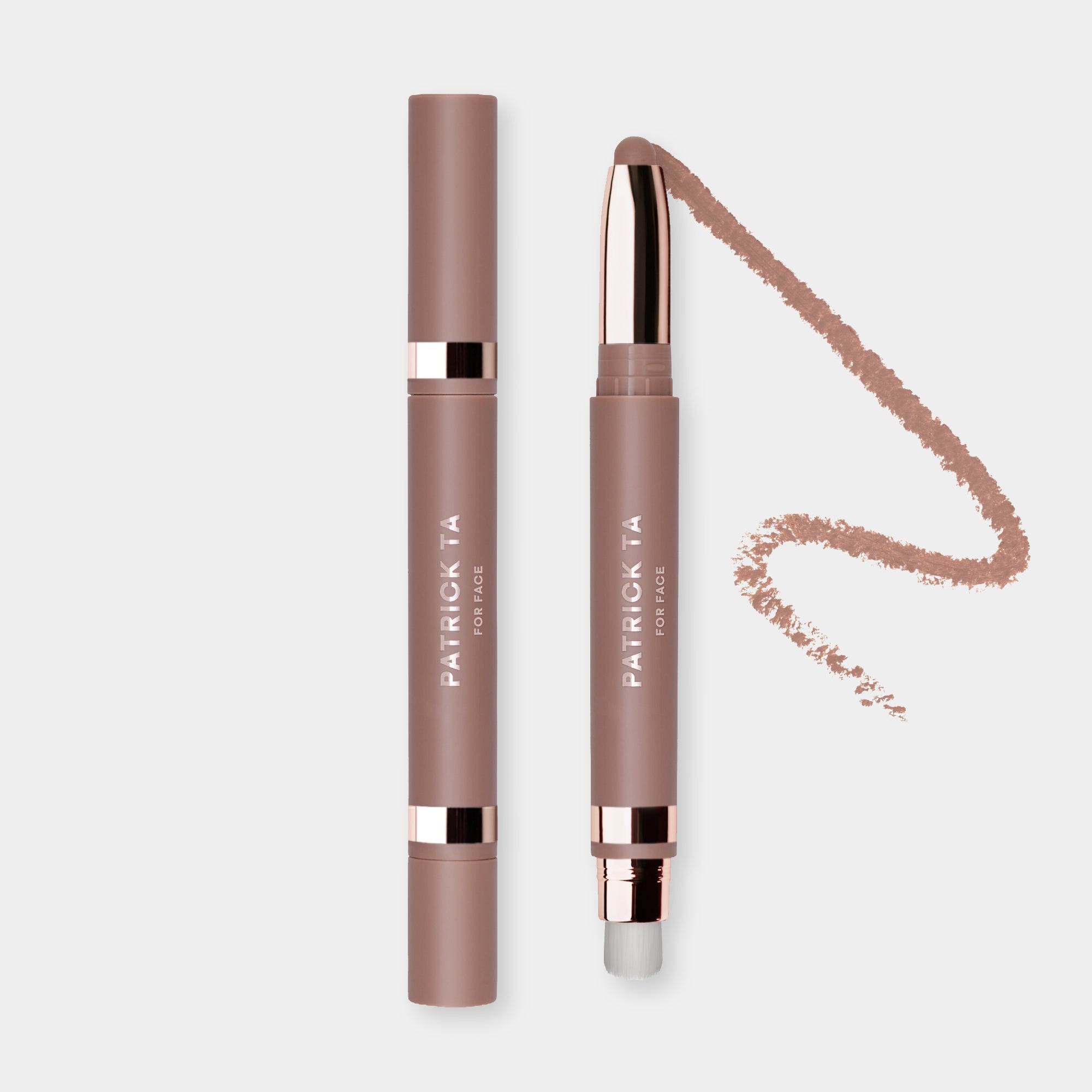
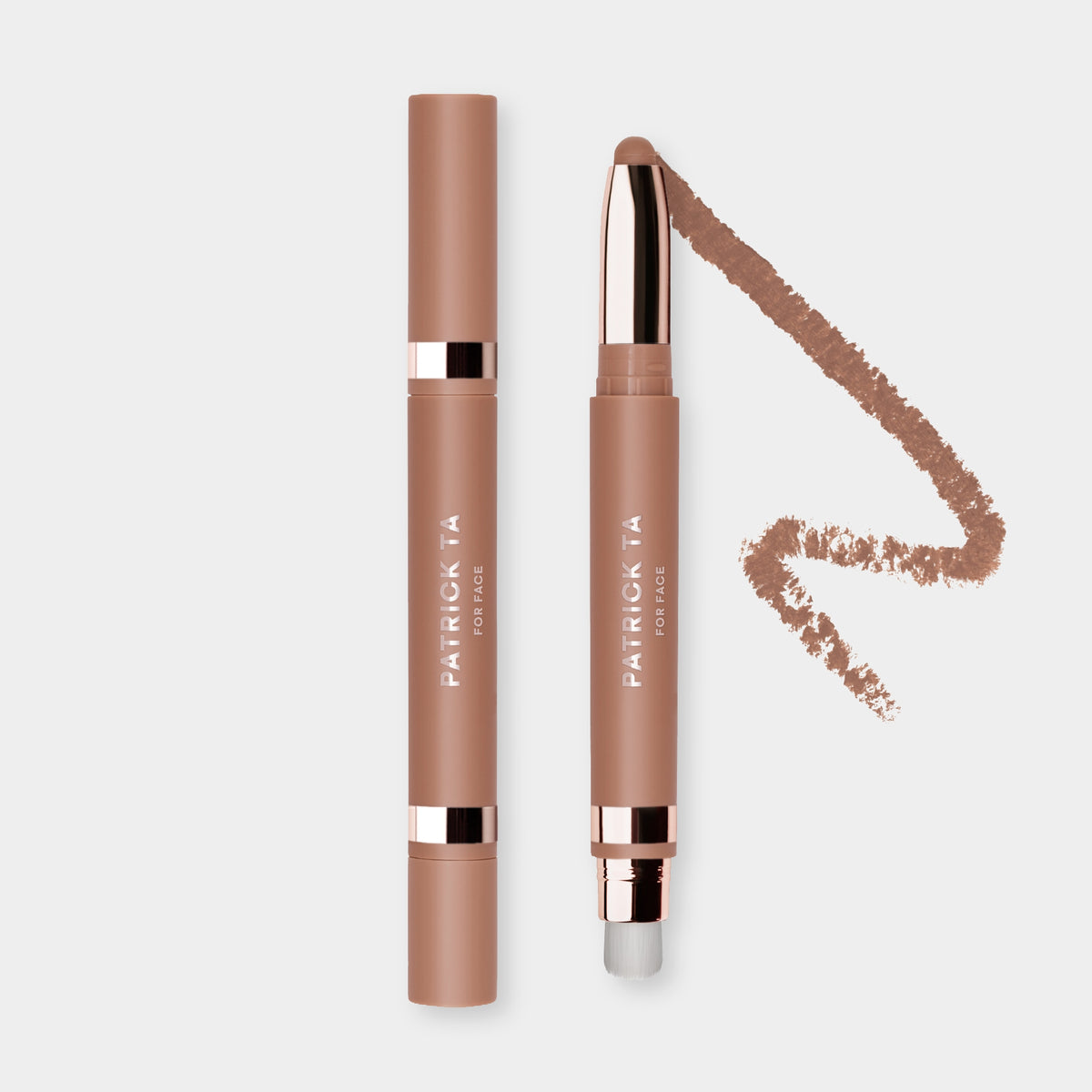
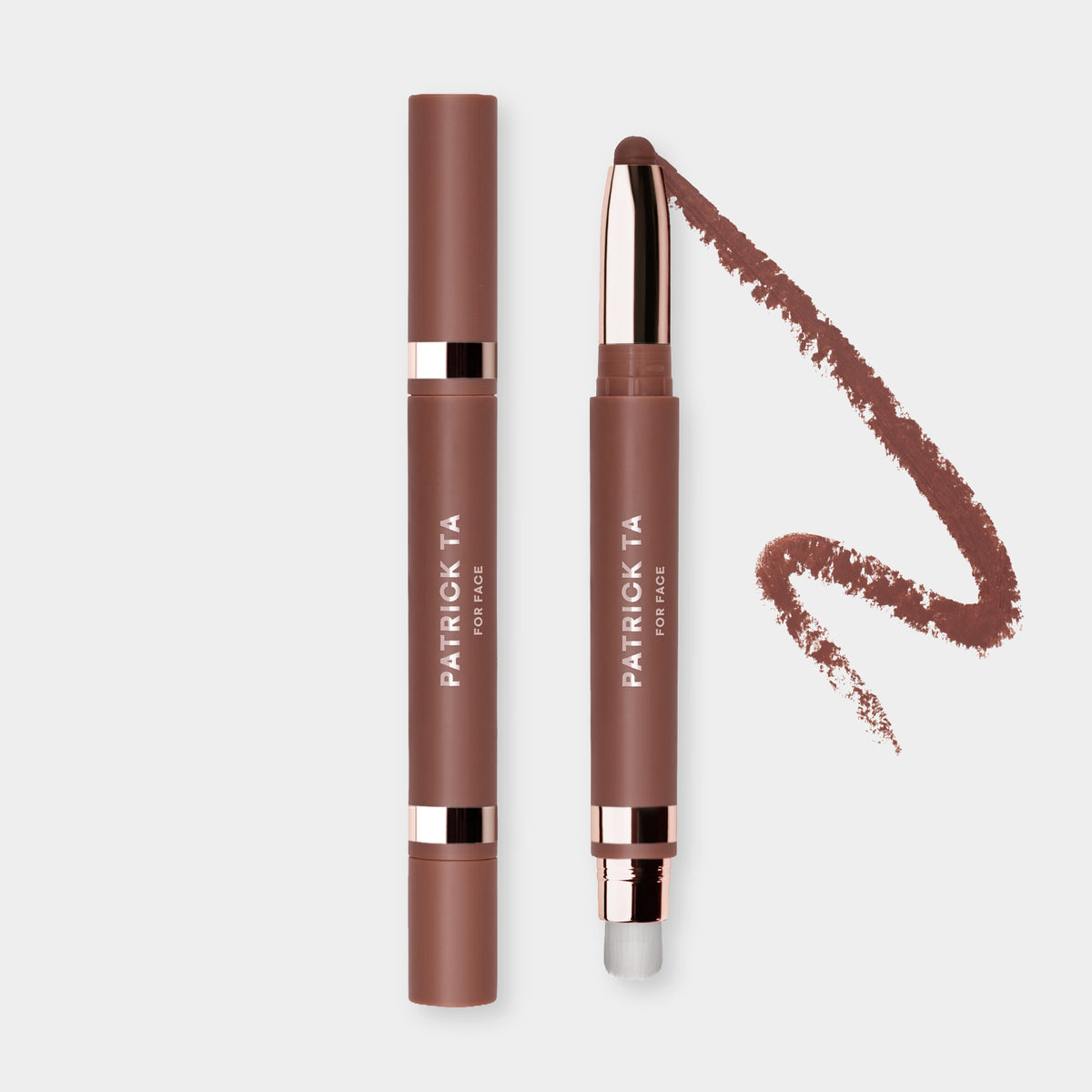
Sculpt: Start by placing crème contour in the hollows of your cheeks, along your jawline, at the hairline, and on the sides of your nose. For on-the-go precision, the Major Sculpt Shape & Shade Anywhere Artistry Sticks let you draw and diffuse with one product.
Warm: Sweep powder bronzer across the tops of your cheekbones, forehead, and bridge of your nose. This adds sun-kissed warmth and balances your sculpting.
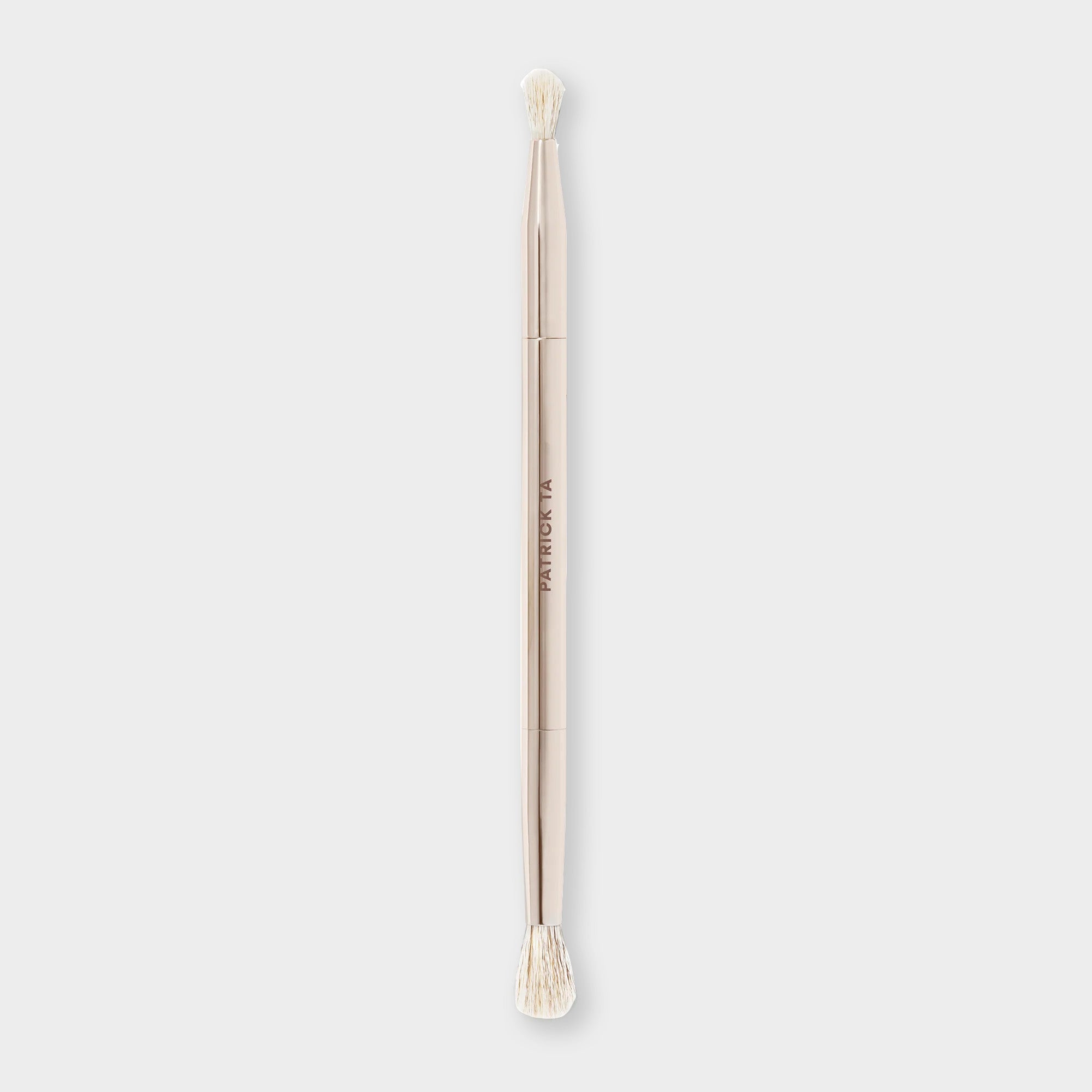
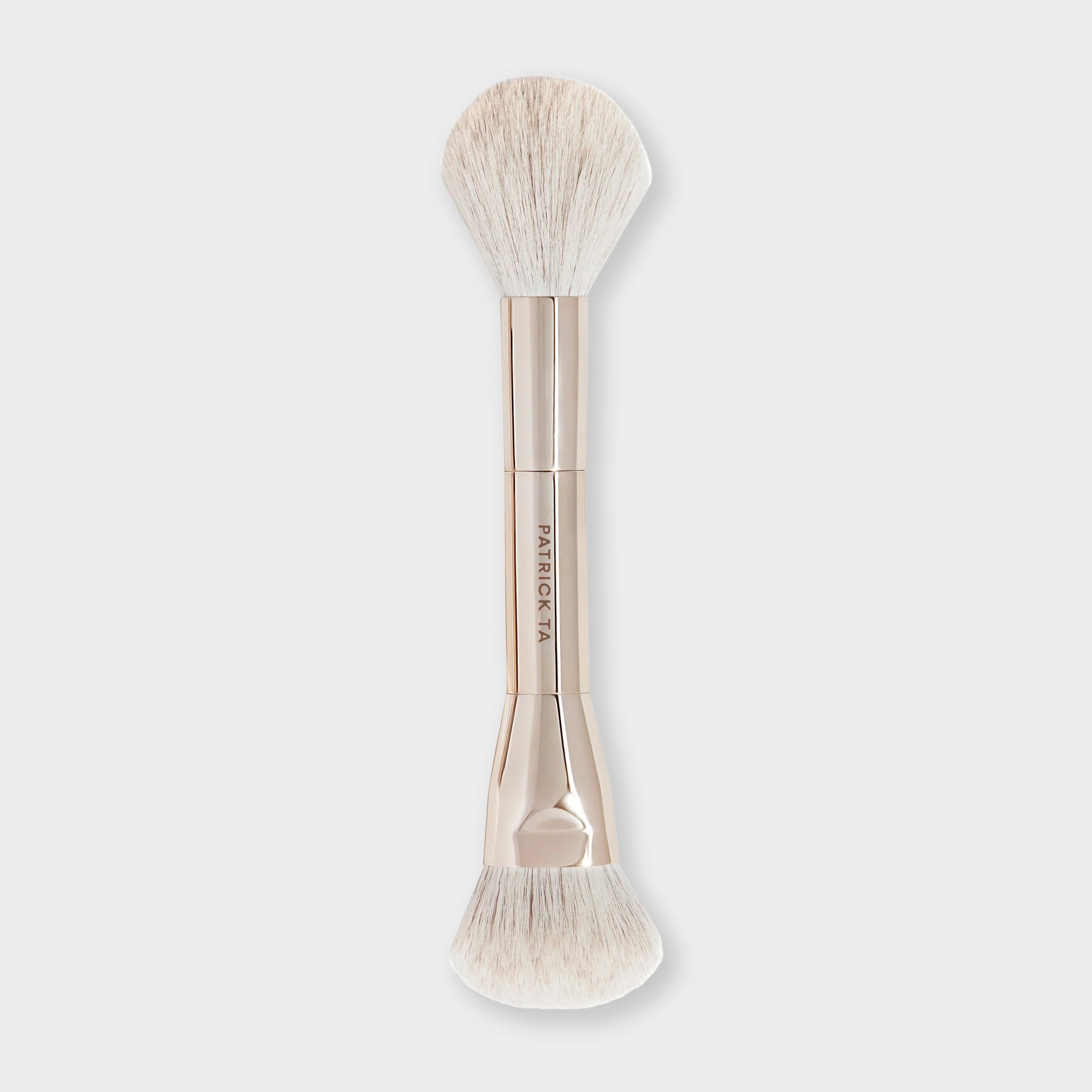
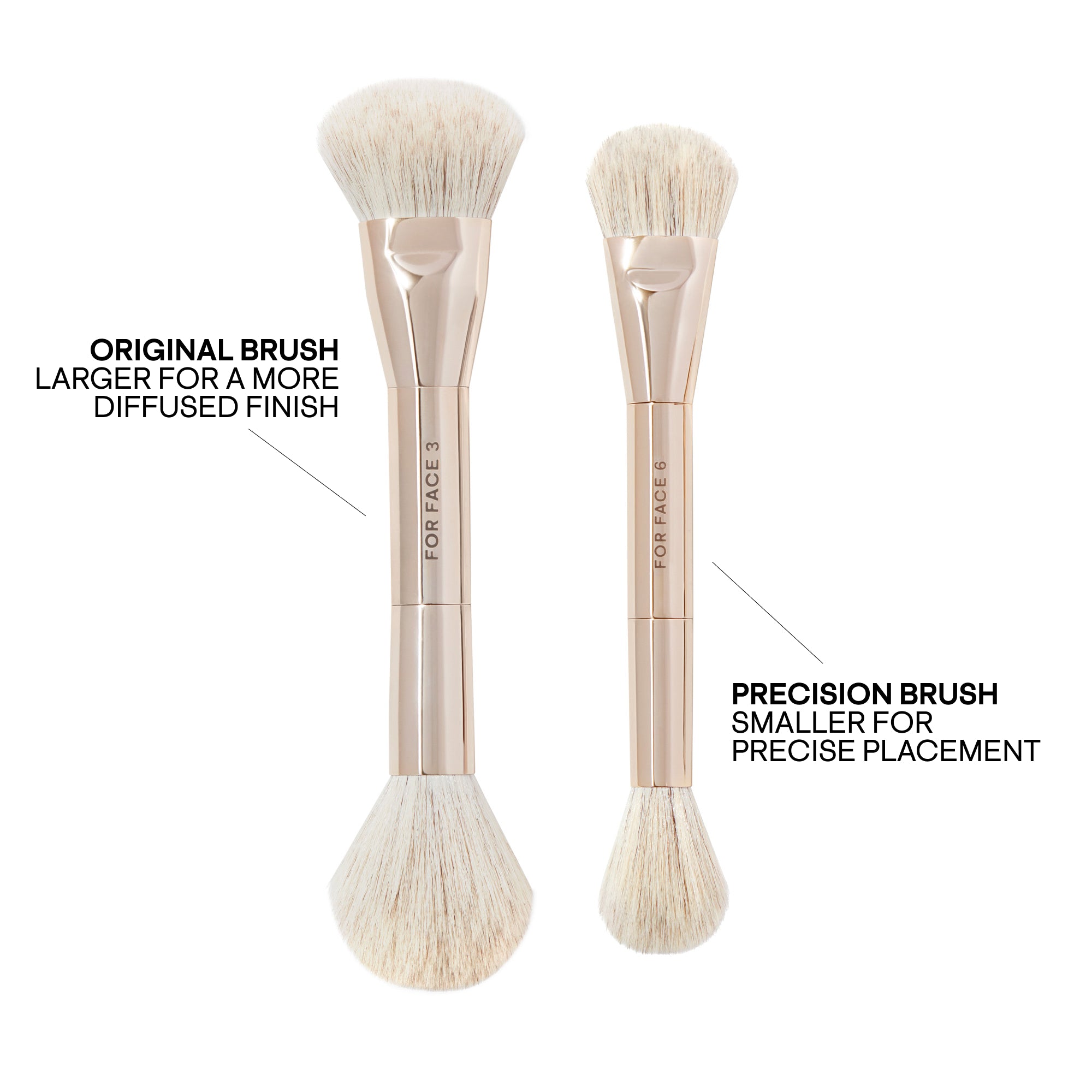
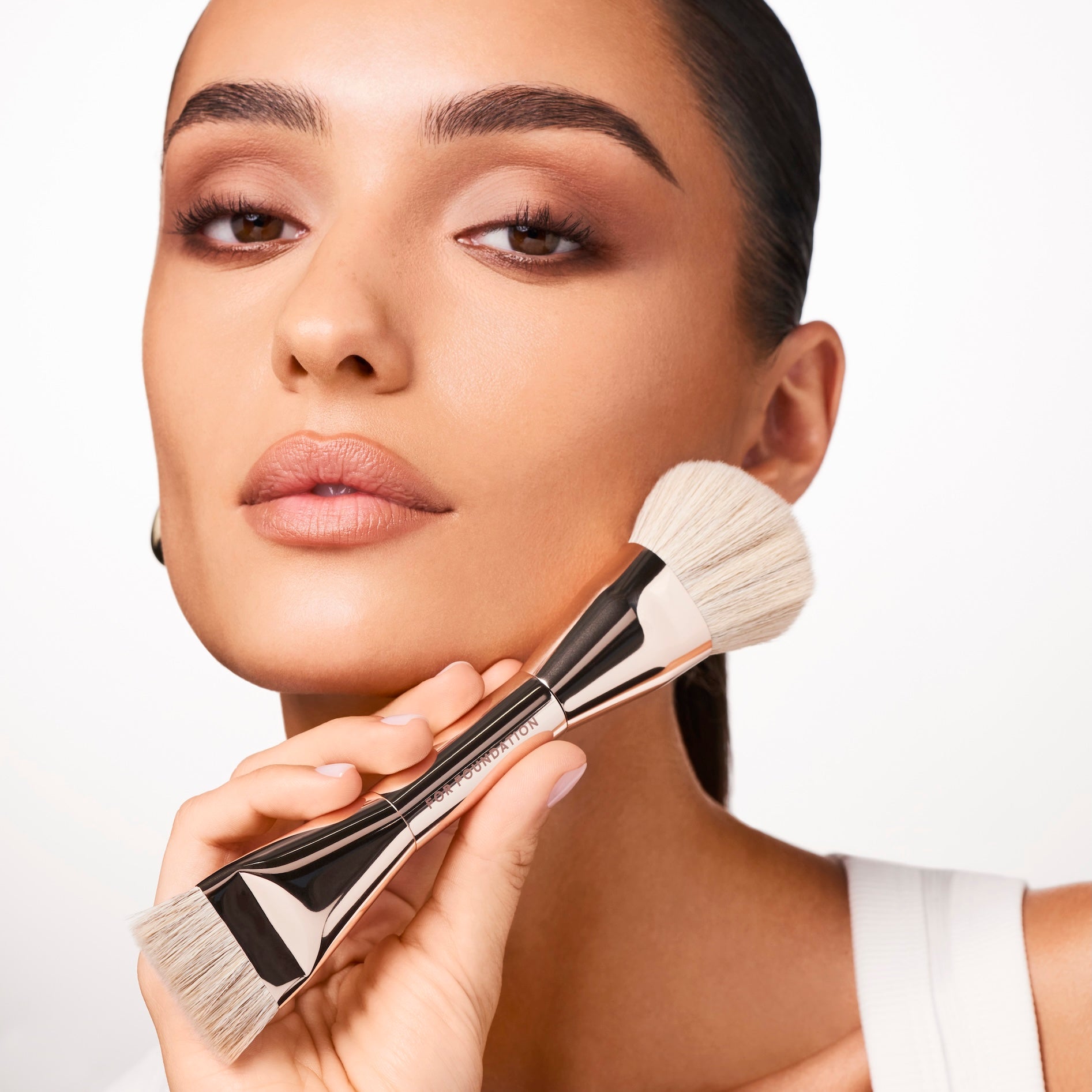
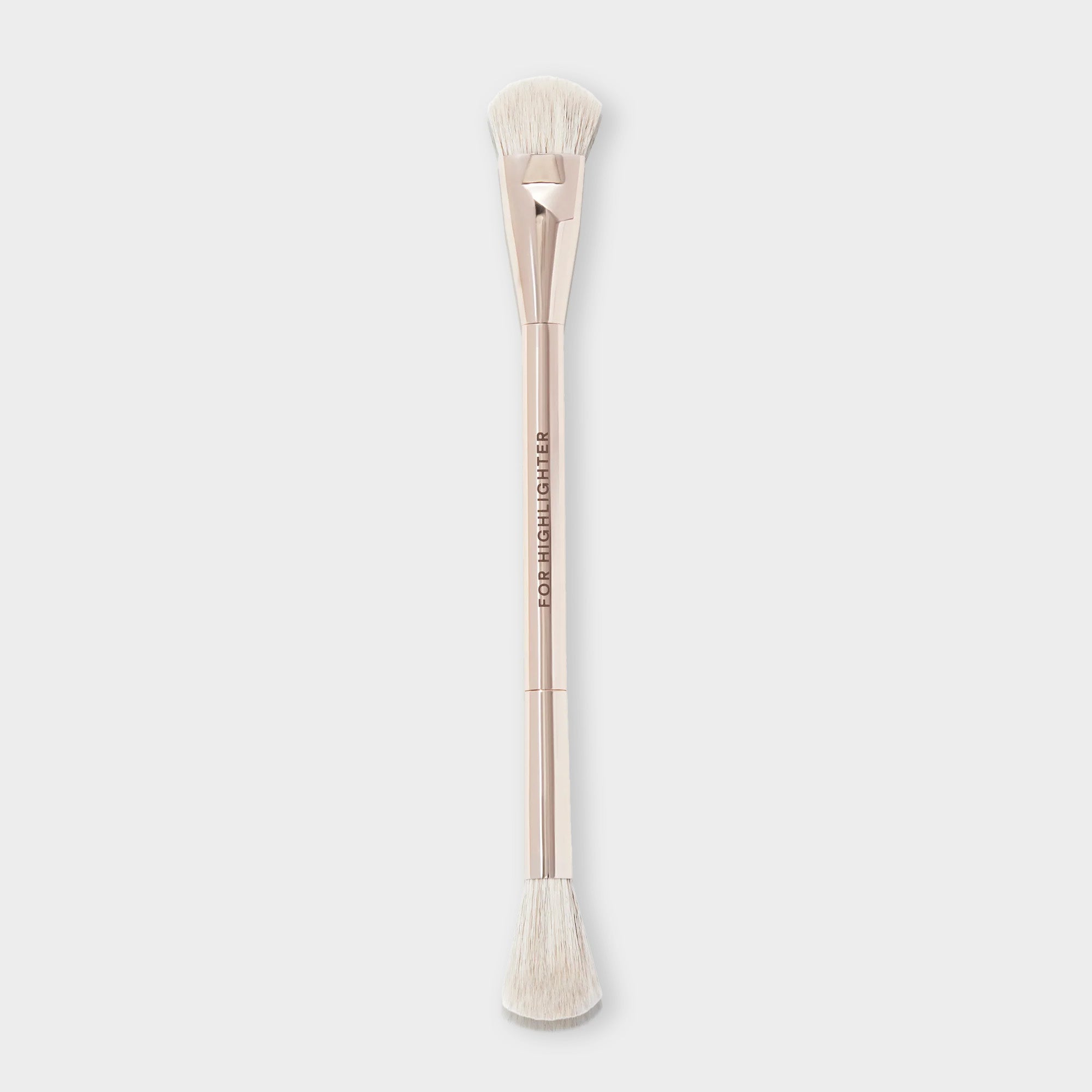
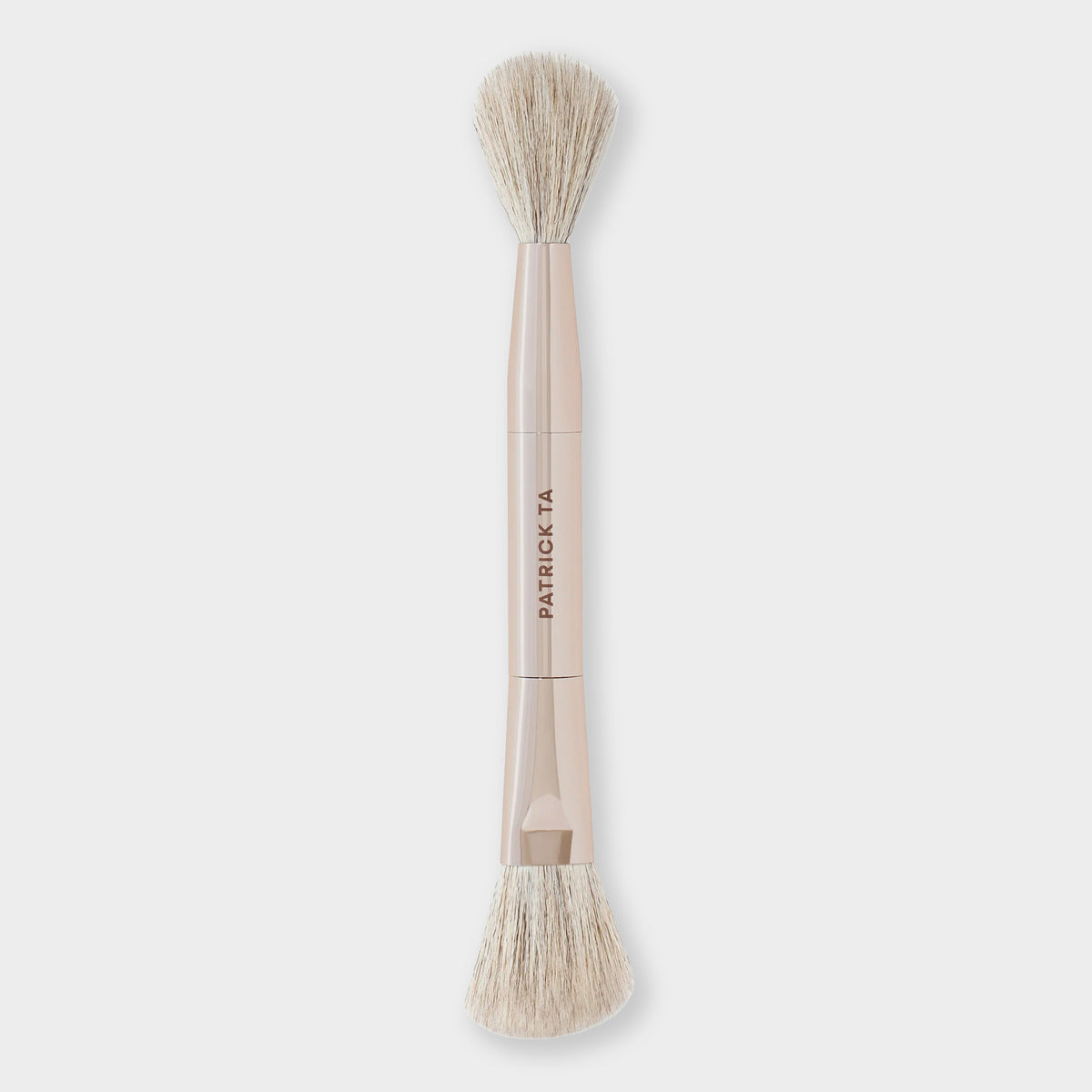
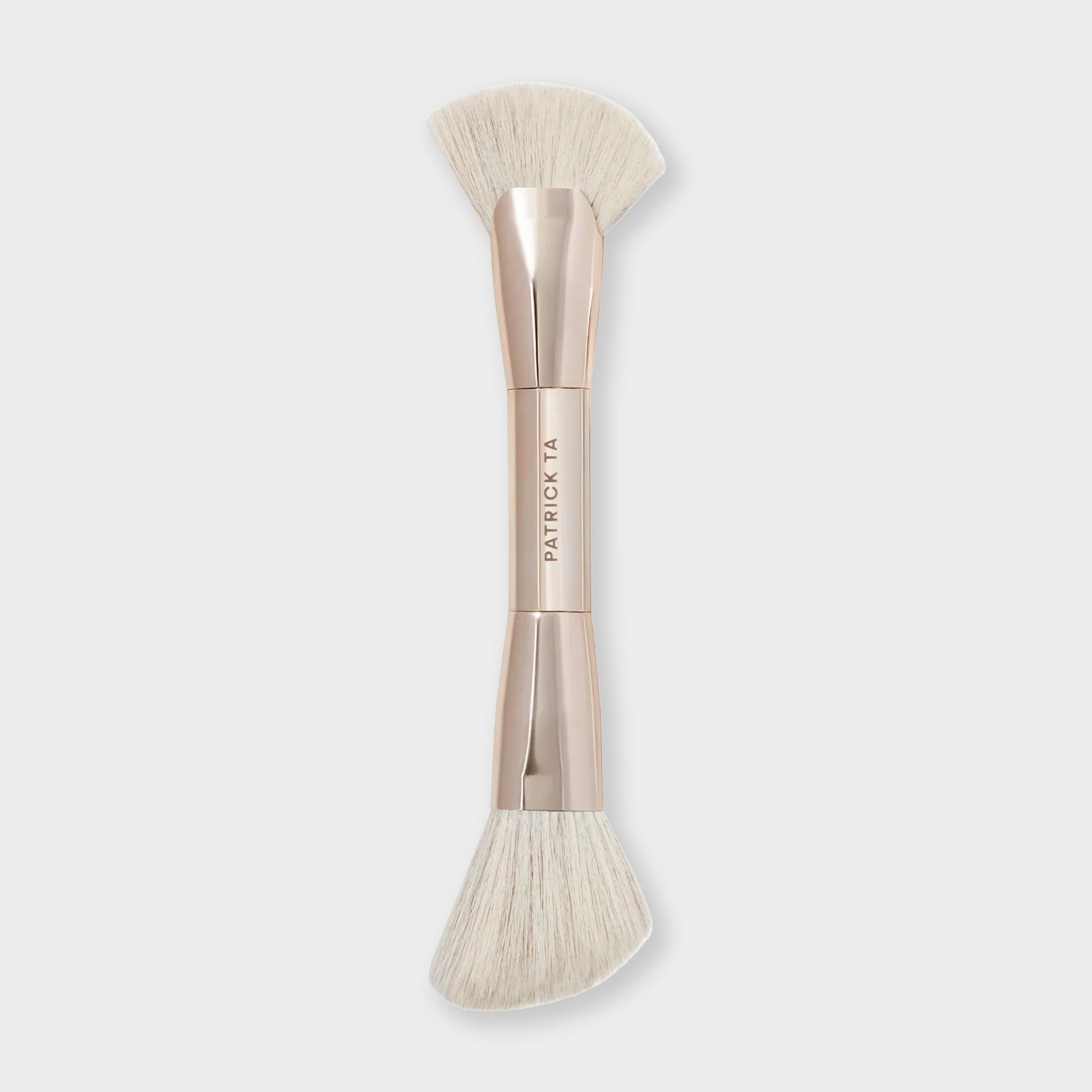
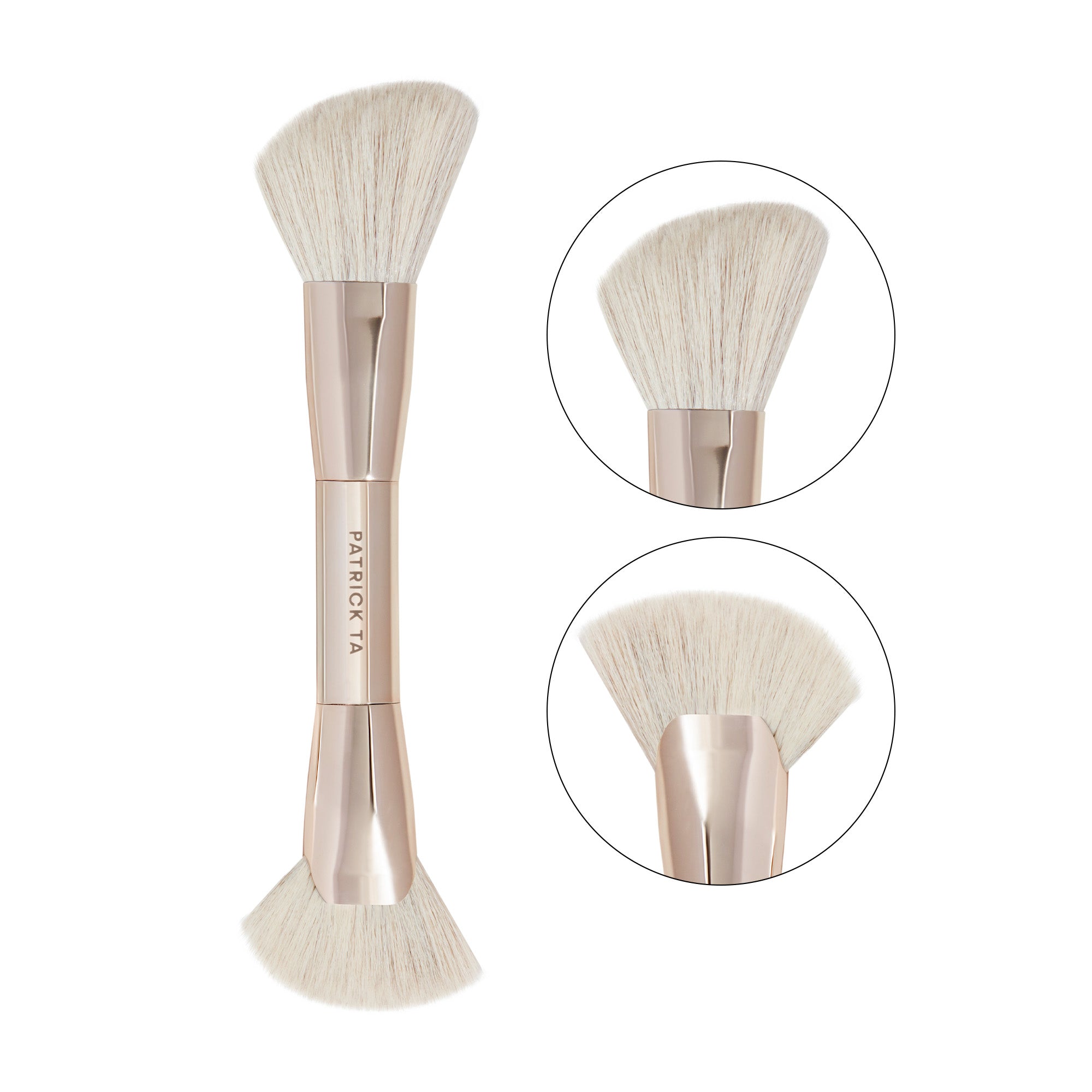
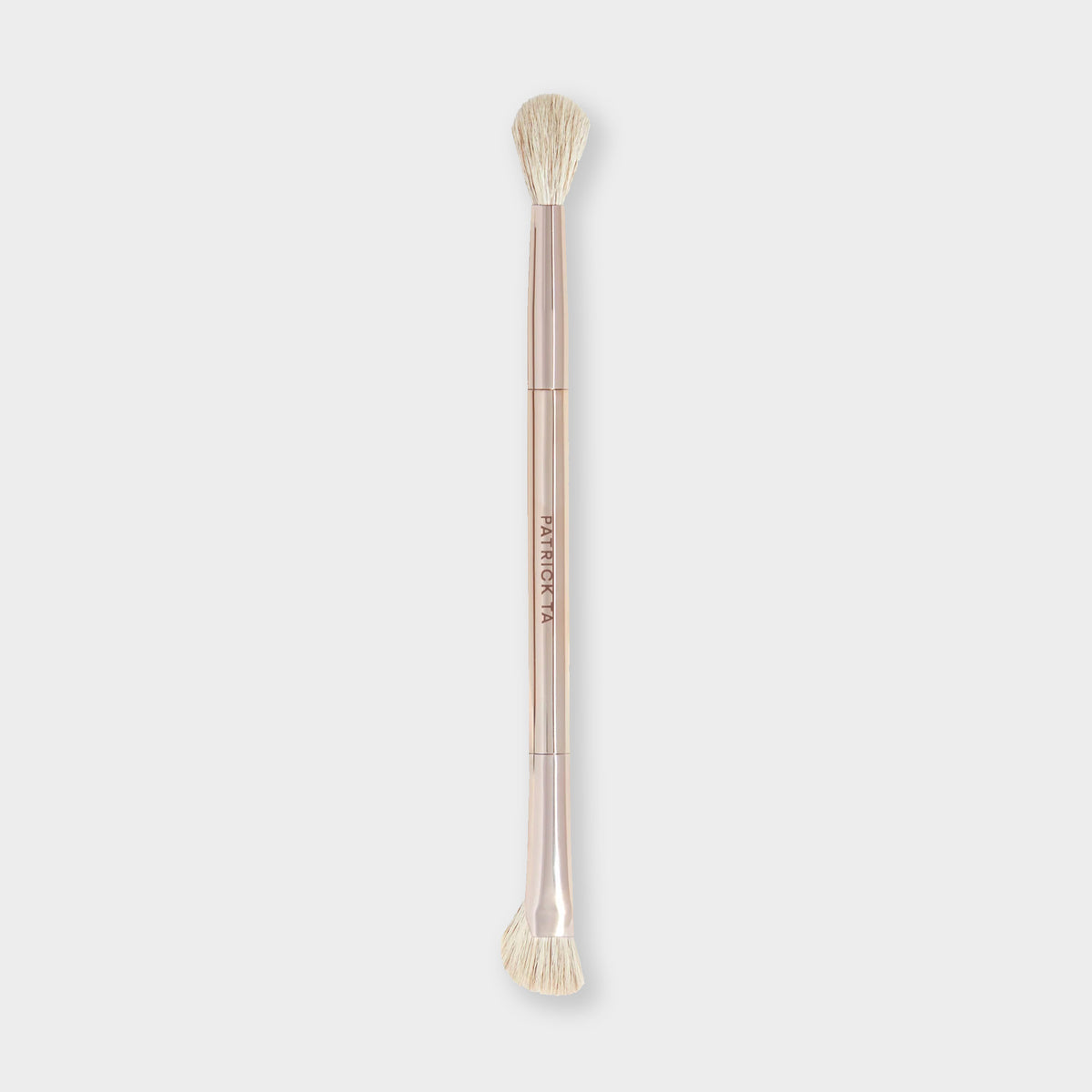
Diffuse: Blend everything with the Major Sculpt Dual-Ended Sculpting Brush. Use the Major Sculpt Dual-Ended Precision Brush for detailed work like bronzer for nose contouring and crisp edges.
Pro Tip: Apply cream first, then set with powder. This cream-over-powder technique locks your sculpt in place for all-day wear.
Explore Patrick Ta's bronzer and contour collection below: artist-designed crème and powder duos, sculpting sticks, and the brushes to apply them. Each product is buildable, undertone-matched, and made to help you achieve a sculpted, sun-kissed glow at home.