










Quick Summary
- Identify both your skin tone depth and your undertone, since a concealer shade that matches only one will look unnatural.
- Read concealer shade names as a guide, with the depth first and the undertone second, such as rosy, neutral, golden, peach, or apricot.
- Swatch along the jawline in natural light, match your foundation for spots, and go one to two shades lighter for brightening the under-eyes.
- Blend concealer in thin layers with a dual-ended concealer brush or damp sponge so it melts into skin.
- Color correct redness with green and dark circles with peach or orange before concealer, then set lightly where you crease.
Finding the right concealer shade is one of the most important steps in building a natural-looking complexion. When your concealer matches your skin tone and undertone, it disappears into your skin and brightens exactly where you need it. Here is how to find your concealer shade, how to test it, and how to use more than one shade for a flawless base.

Get to Know Your Skin Tone and Undertone
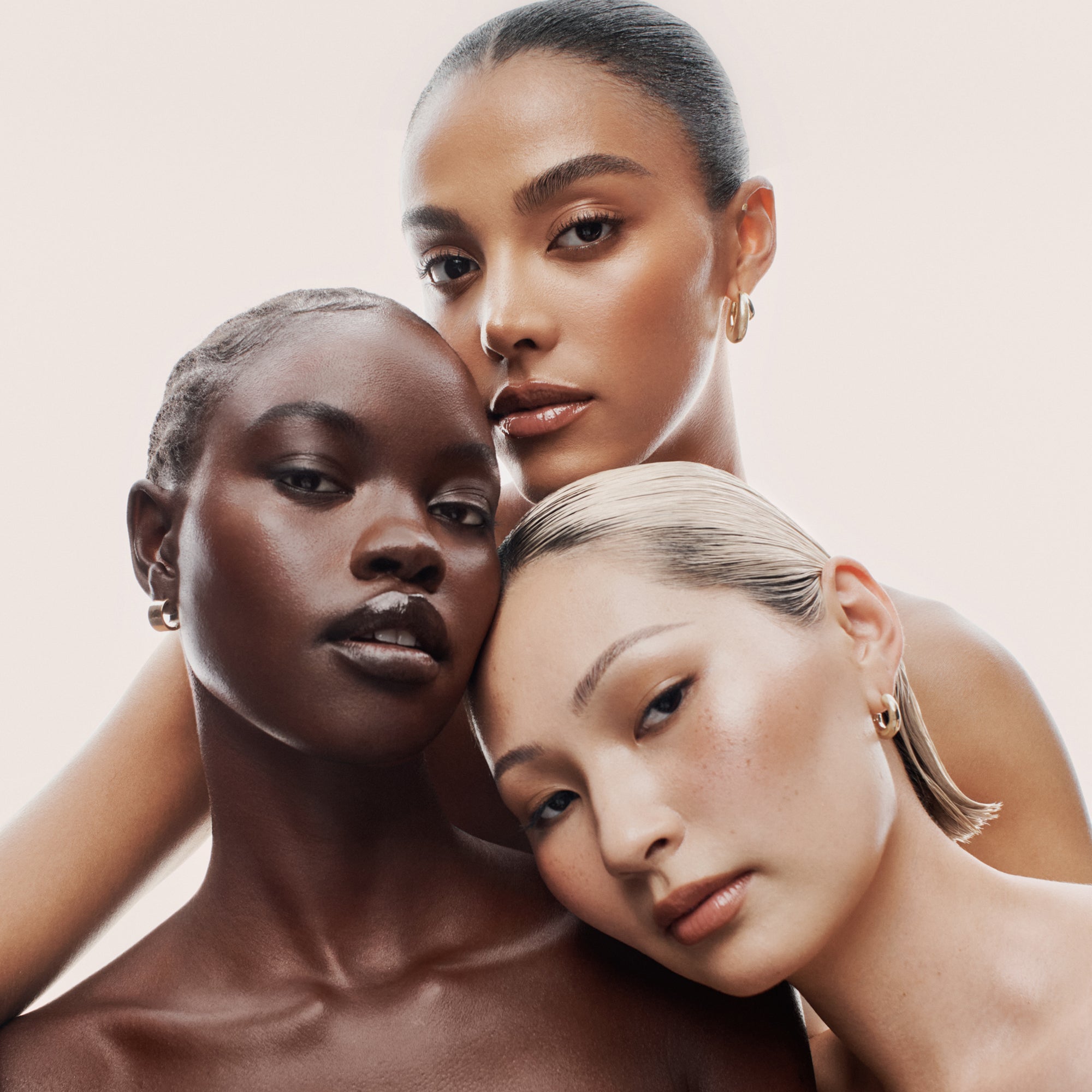
When choosing a concealer, start with your skin tone, or the depth of your skin. Patrick Ta concealer shades are organized into five depth ranges: fair, light, medium, tan, and deep.
To determine your skin tone, look at your complexion in natural light, since artificial light can make skin look lighter or darker than it is. Your jawline is usually where your skin tone is most even. You can also consider how your skin reacts to the sun. Fair skin rarely tans and burns easily, light skin may tan slightly, medium and tan skin tan more easily, and deep skin rarely burns.
Skin tone is only part of the equation. You also need to know your undertone, the subtle color beneath the surface of your skin. Undertones are usually described as cool, warm, or neutral. A concealer that does not suit your undertone can look ashy, orange, or pink on your skin, even if the depth is right. If you are unsure of yours, our guide on how to determine your skin tone and undertone walks you through simple tests.
How to Read Concealer Shade Names
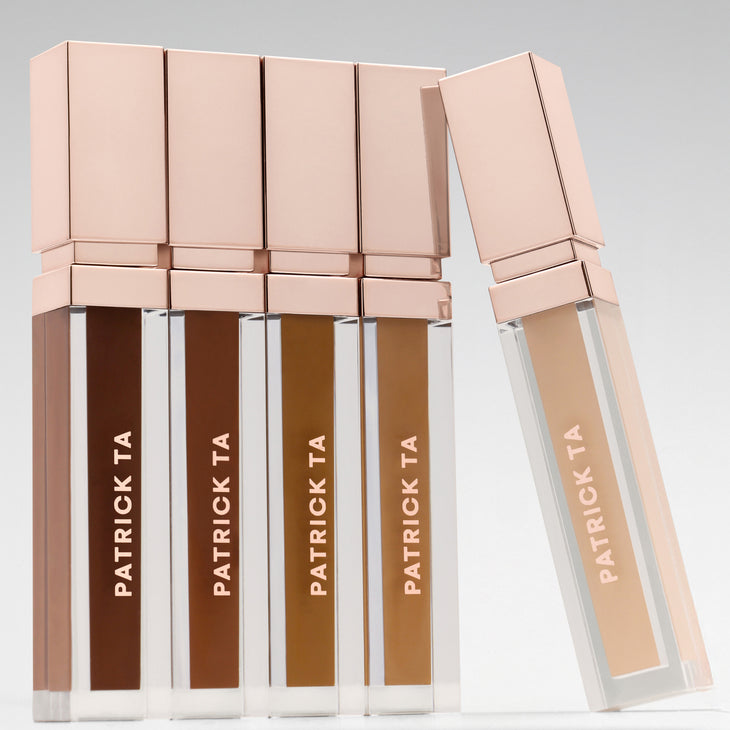
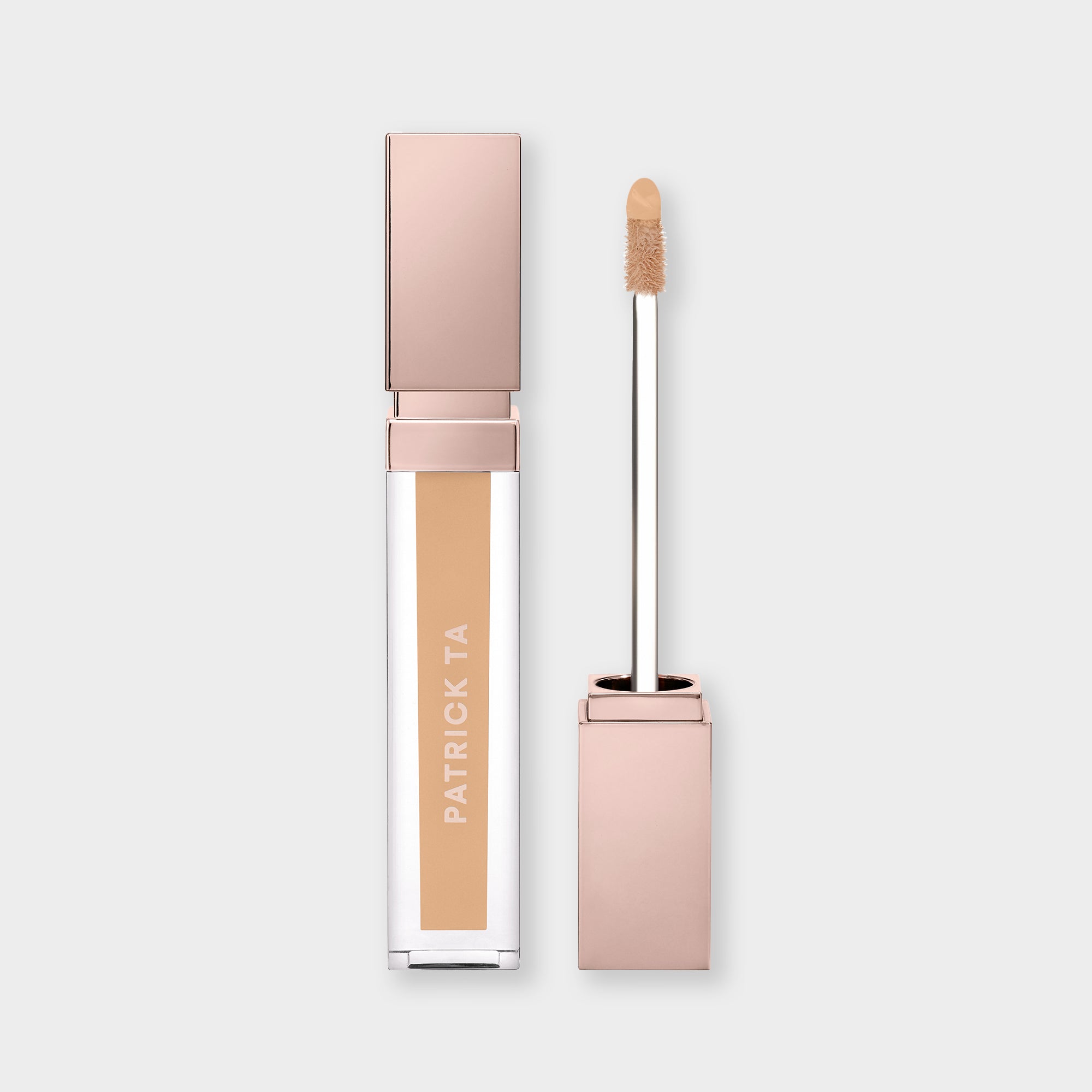
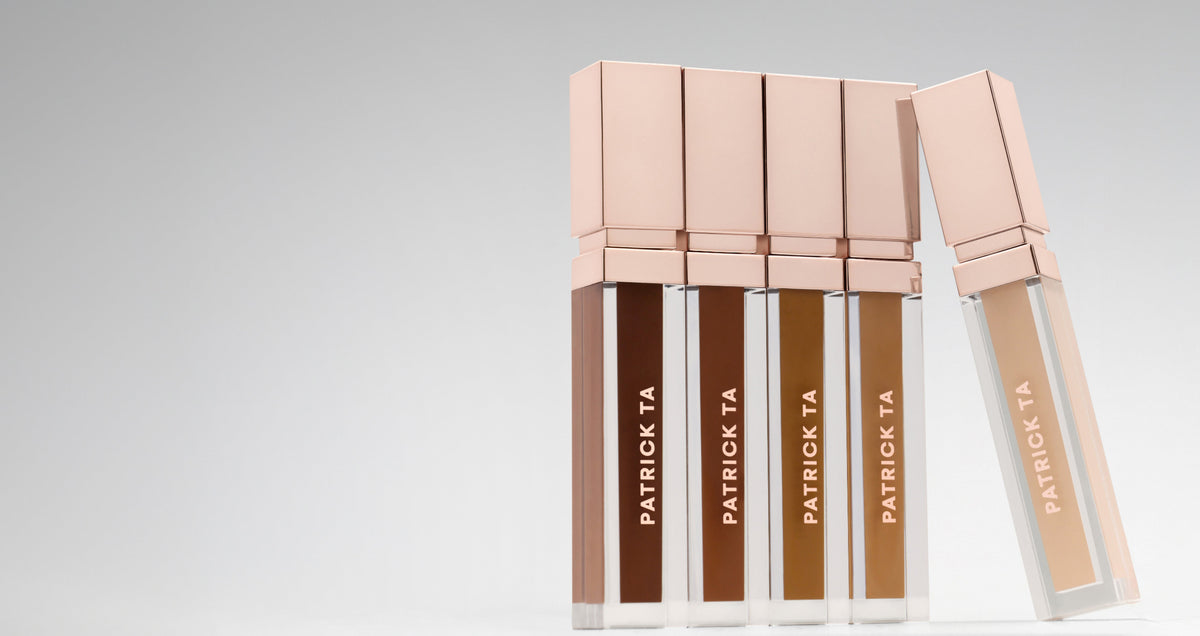
Shade names are designed to help you match both depth and undertone at a glance. The Major Skin Soft Blur Brightening Concealer comes in 25 shades, each named with the depth first and the undertone second.
- Rosy: Pink-leaning shades for cool undertones, like Fair Rosy 1 and Light Rosy 4.
- Neutral: Balanced shades for neutral undertones, like Medium Neutral 2 and Tan Neutral 4.
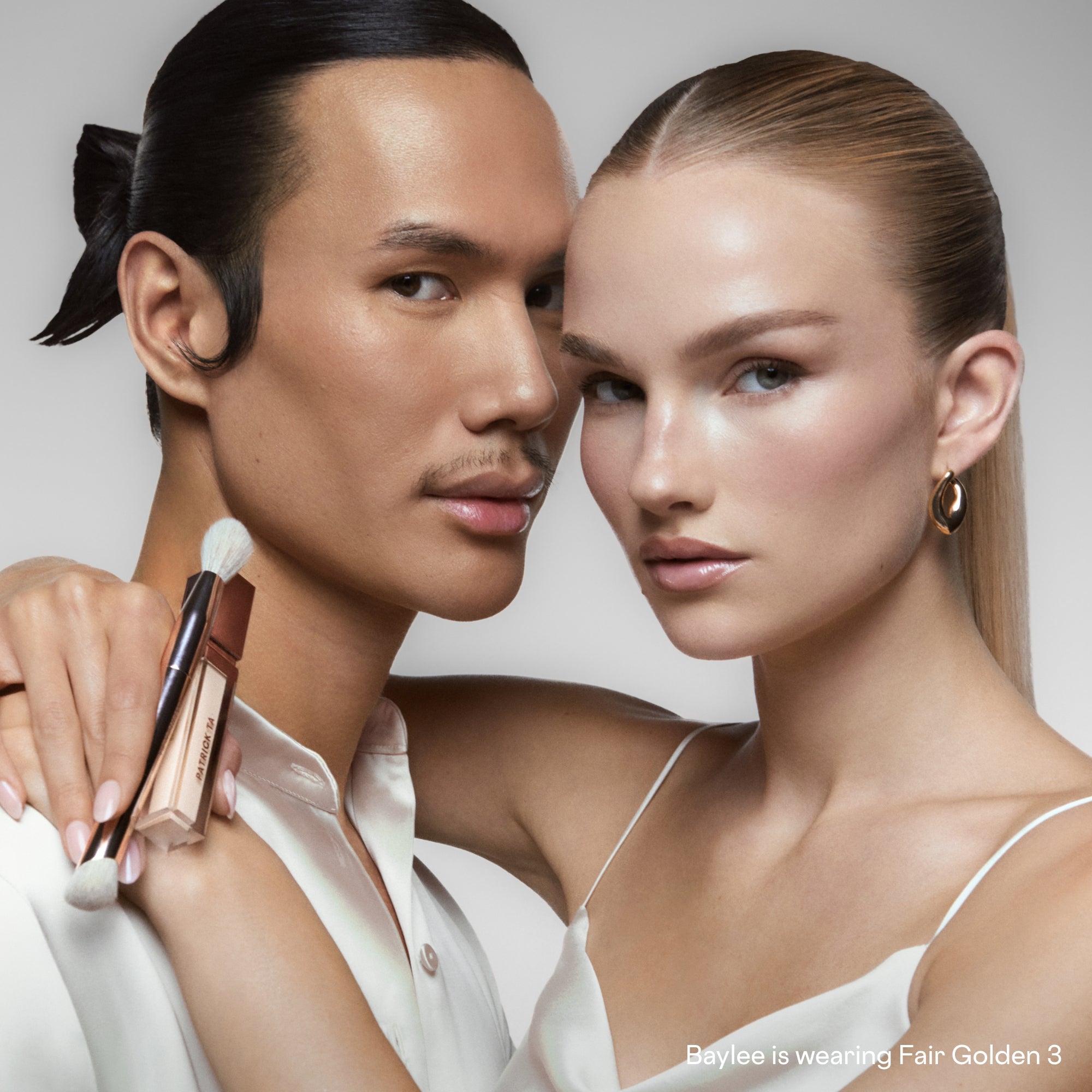
- Golden: Yellow-leaning shades for warm undertones, like Light Golden 3 and Deep Golden 3.
- Peach and Apricot: Warm shades with a peachy or apricot cast for warm undertones, like Tan Peach 1 and Deep Apricot 2.
Not sure where to start? The concealer shade finder quiz recommends a shade based on your skin.


Steps to Finding Your Concealer Shade
Once you know your skin tone and undertone, it is time to pick a concealer that matches.
Test in Natural Light: Swatch two or three potential shades along your jaw, then check them in natural light for the most accurate results. The shade that seems to disappear is your match.
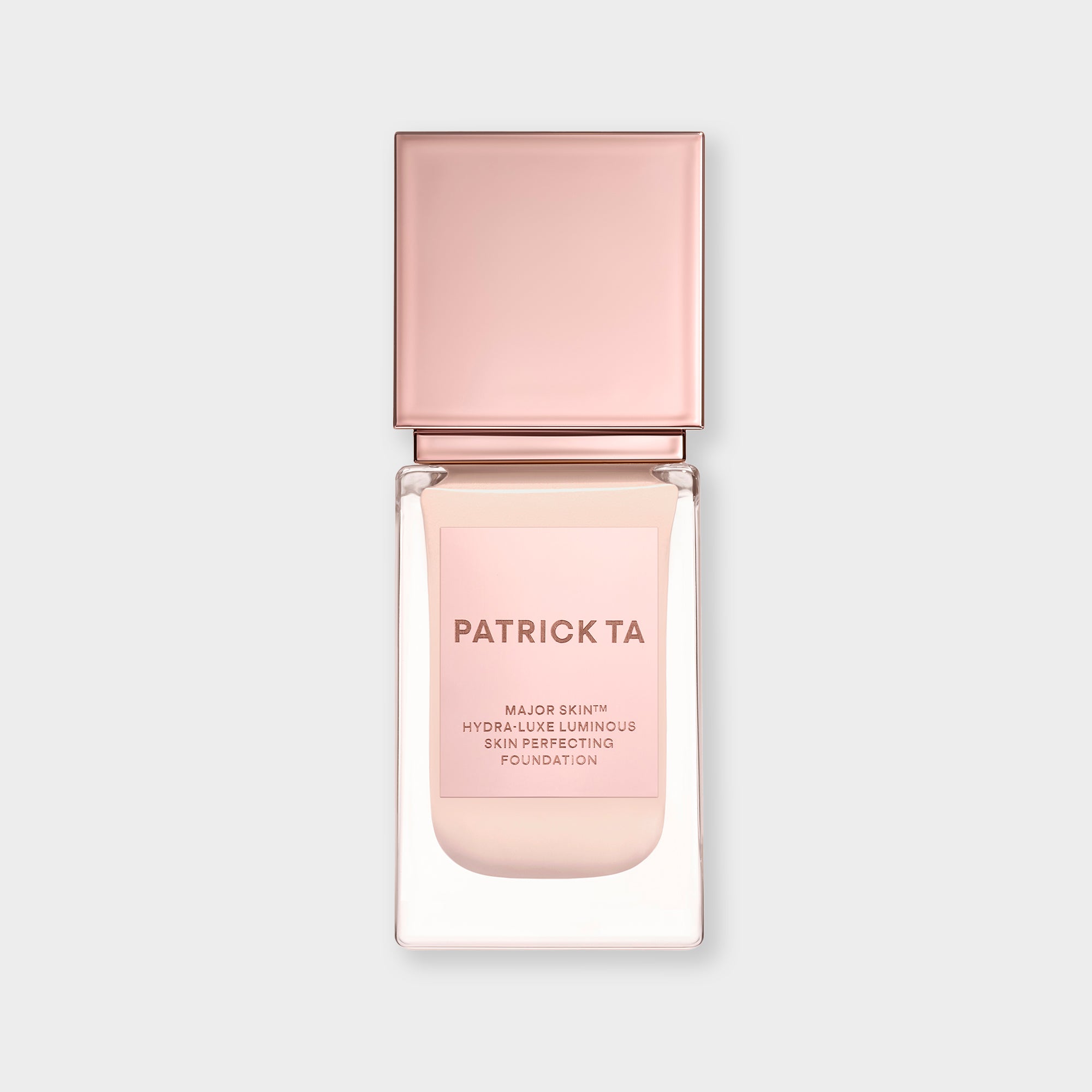
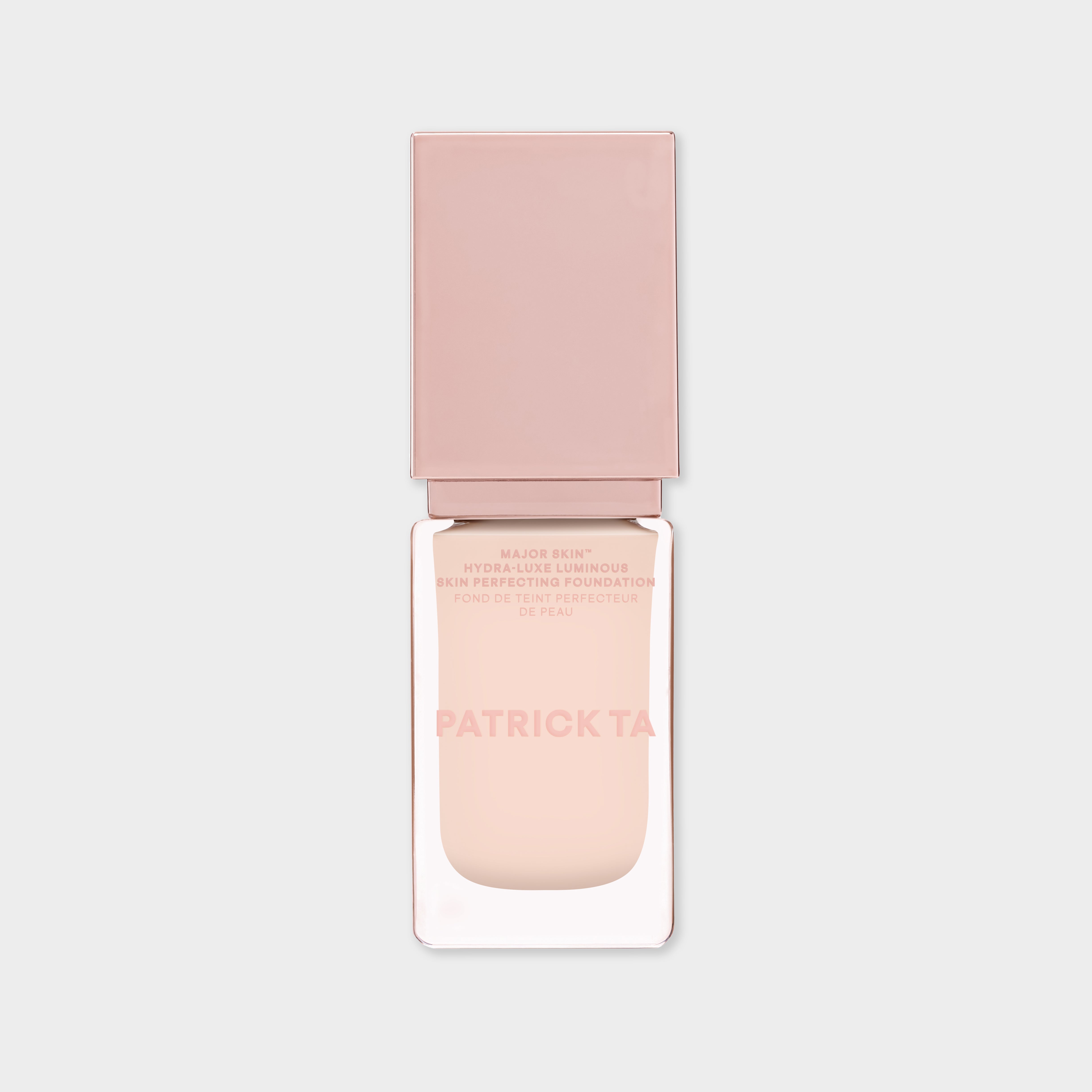
Match Your Foundation: Your concealer should blend seamlessly with your foundation. If it is not a close match, it will stand out and draw attention to the areas you are trying to diffuse. If you wear the Major Skin Hydra-Luxe Luminous Skin Perfecting Foundation, the foundation shade finder quiz can help you match both products.
Have More Than One: For blemishes and dark spots, choose a shade that disappears into your foundation. For brightening dark circles, go one to two shades lighter for a lifted, awake effect.
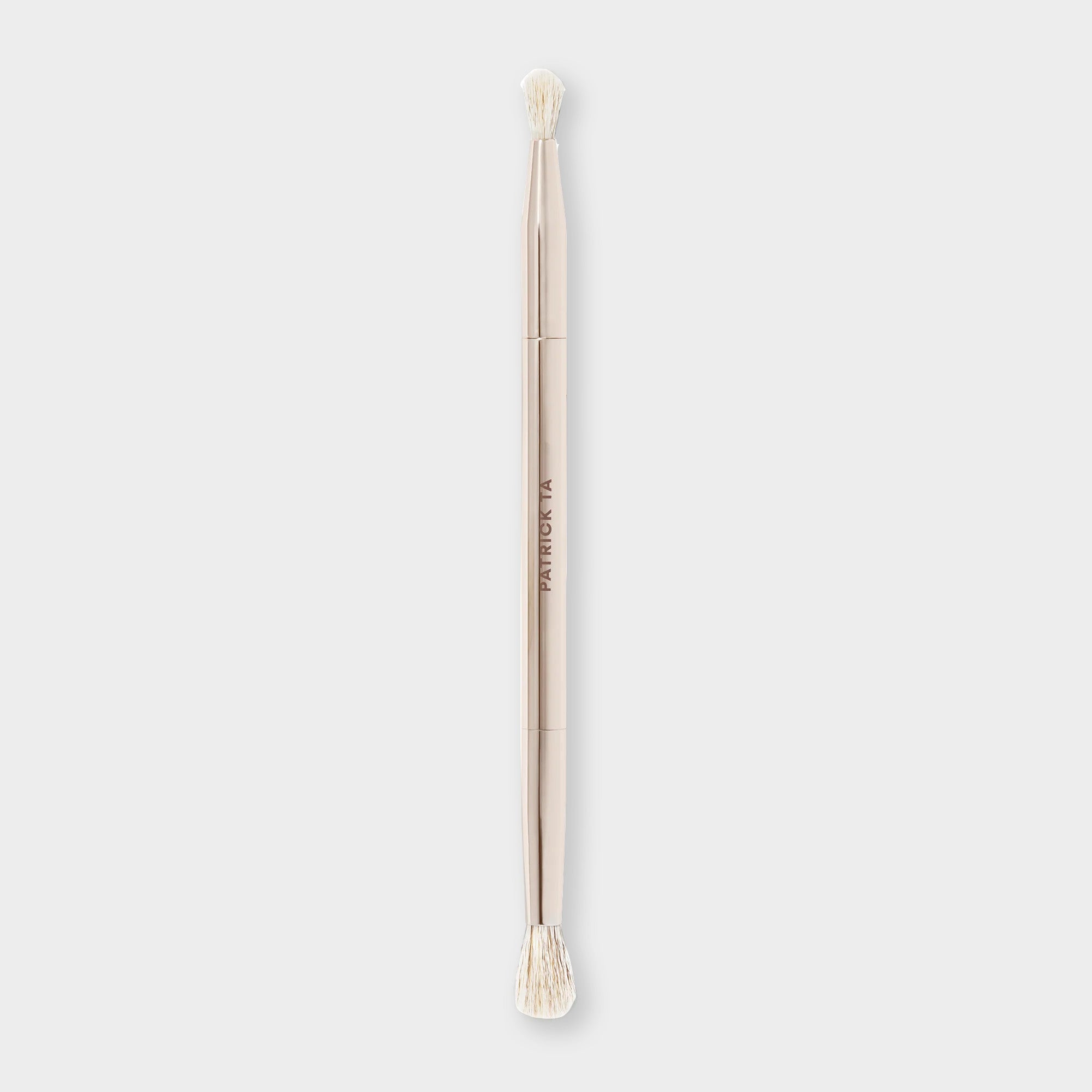
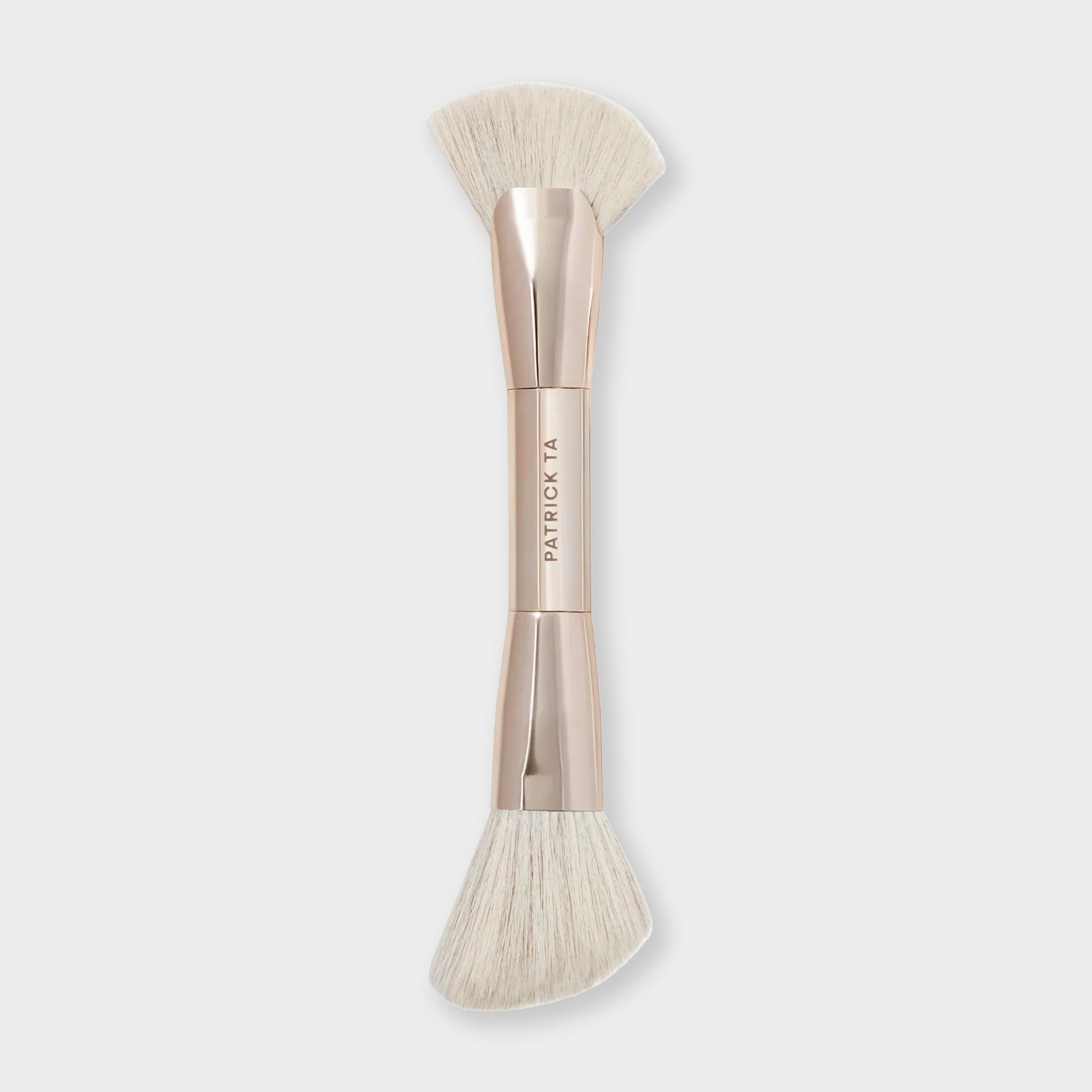
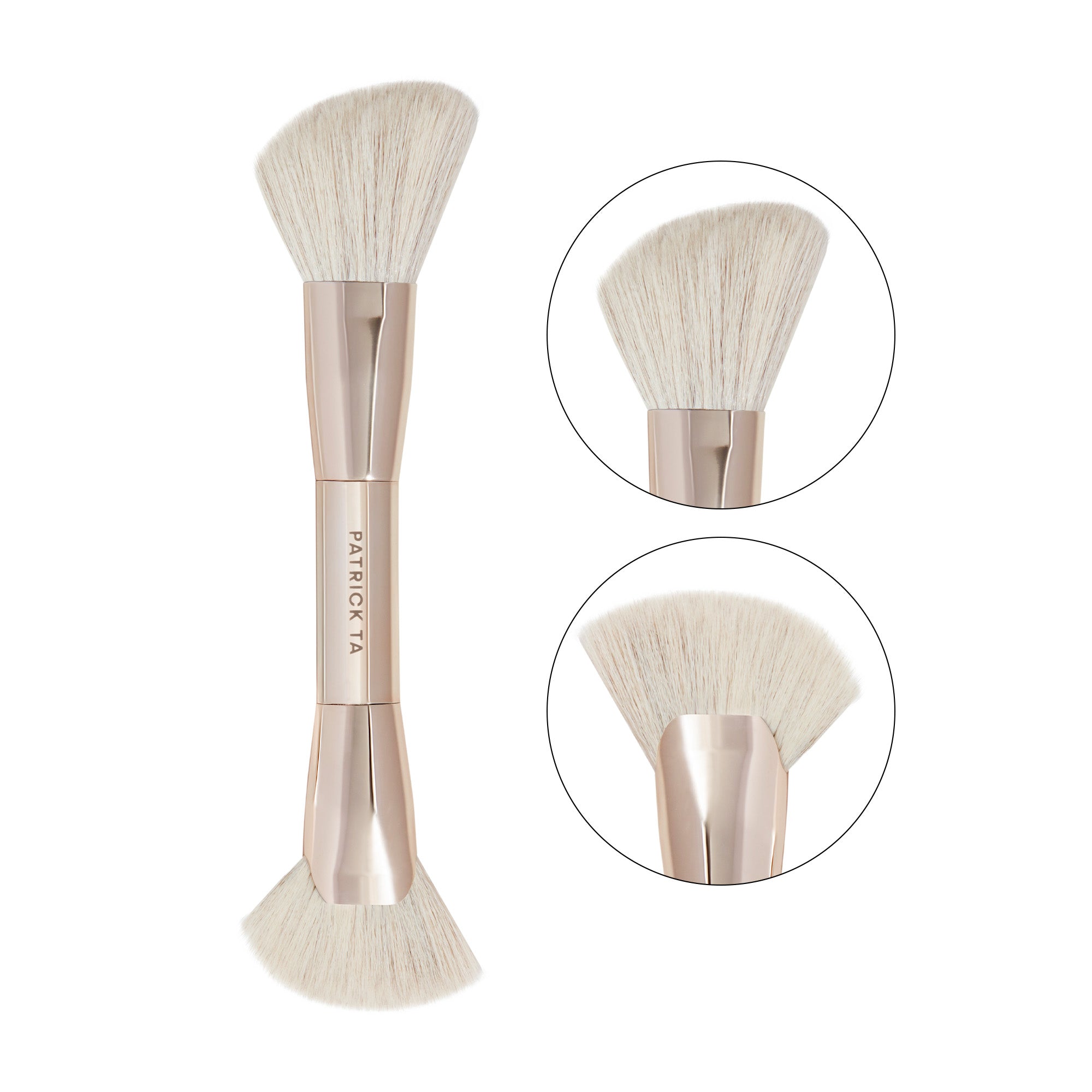
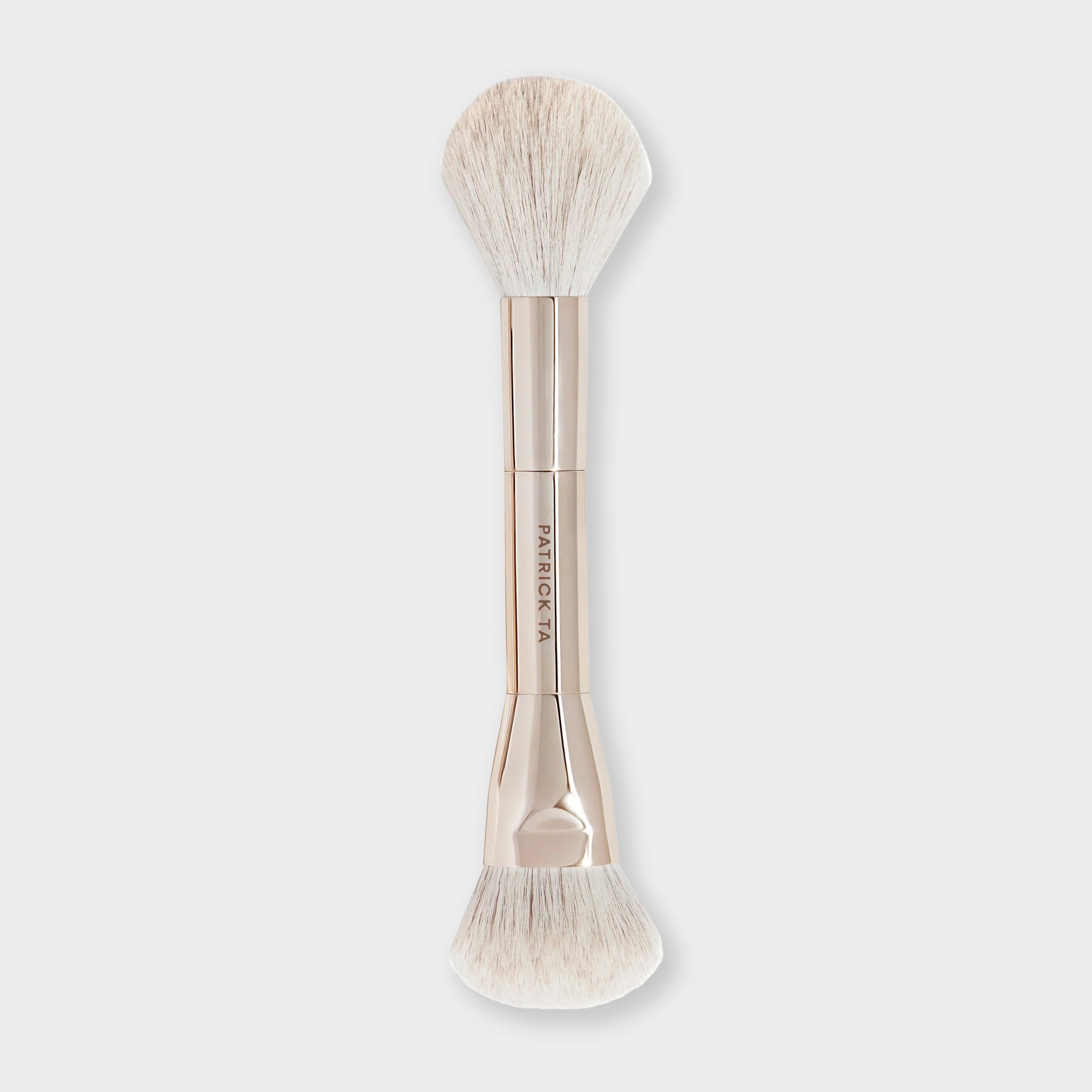
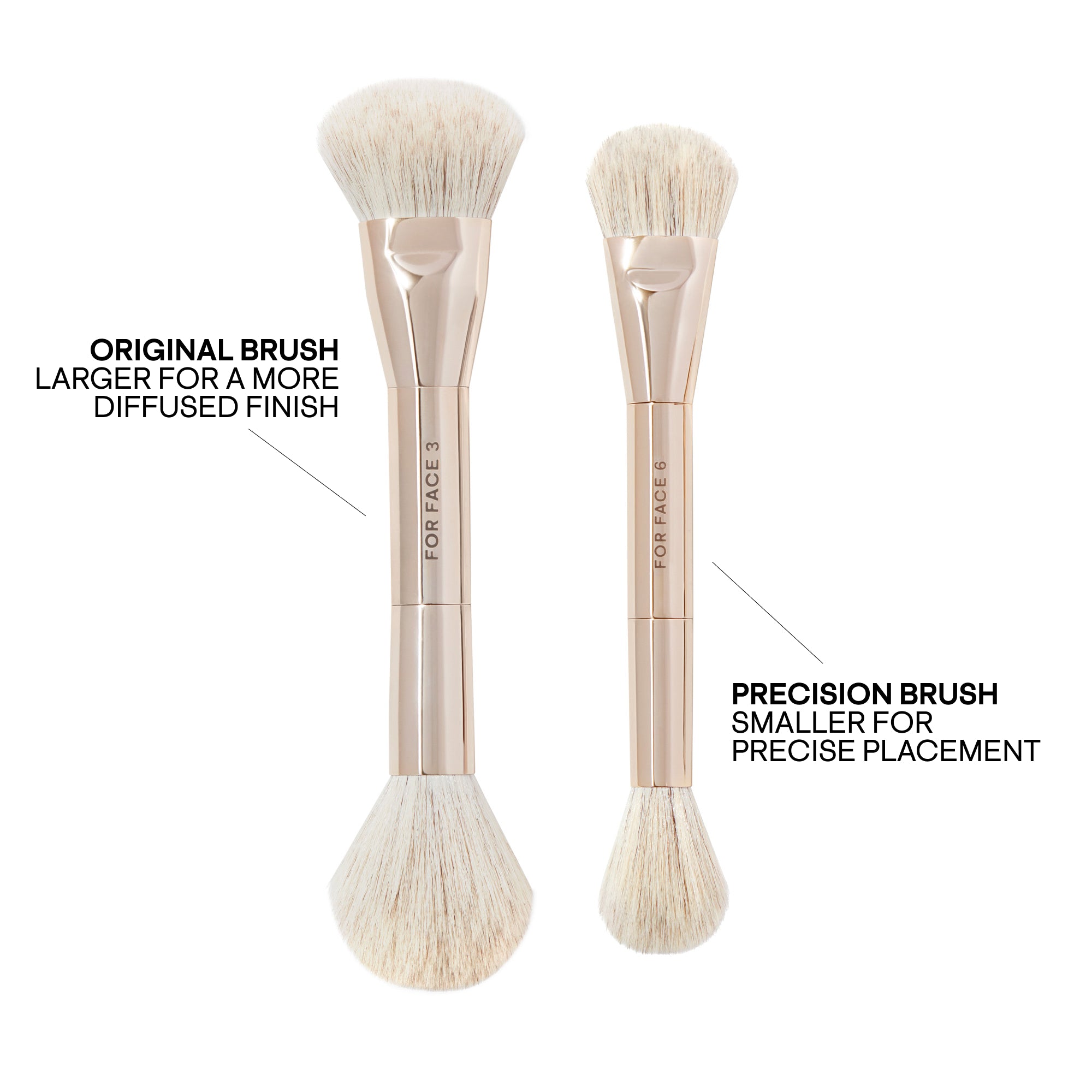
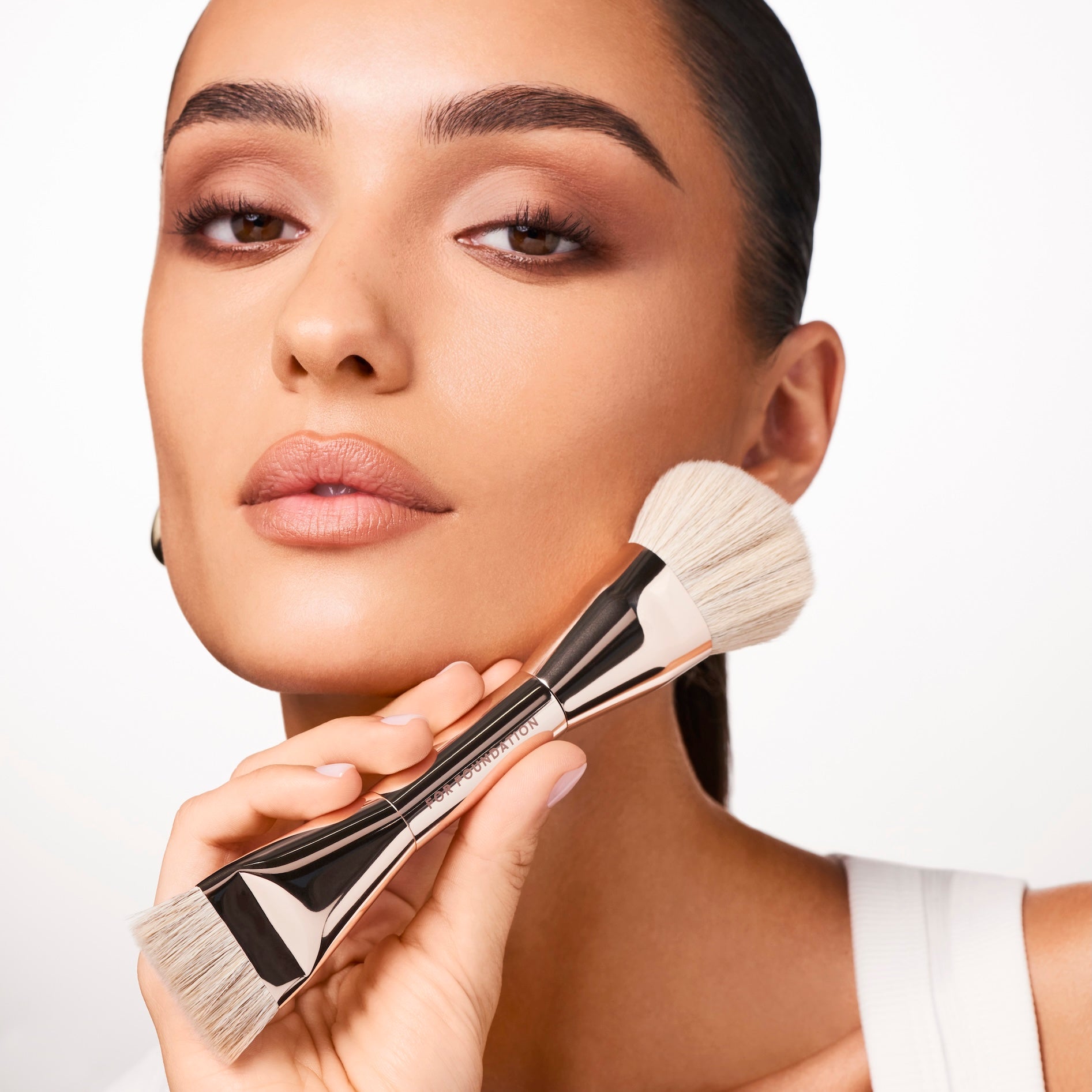
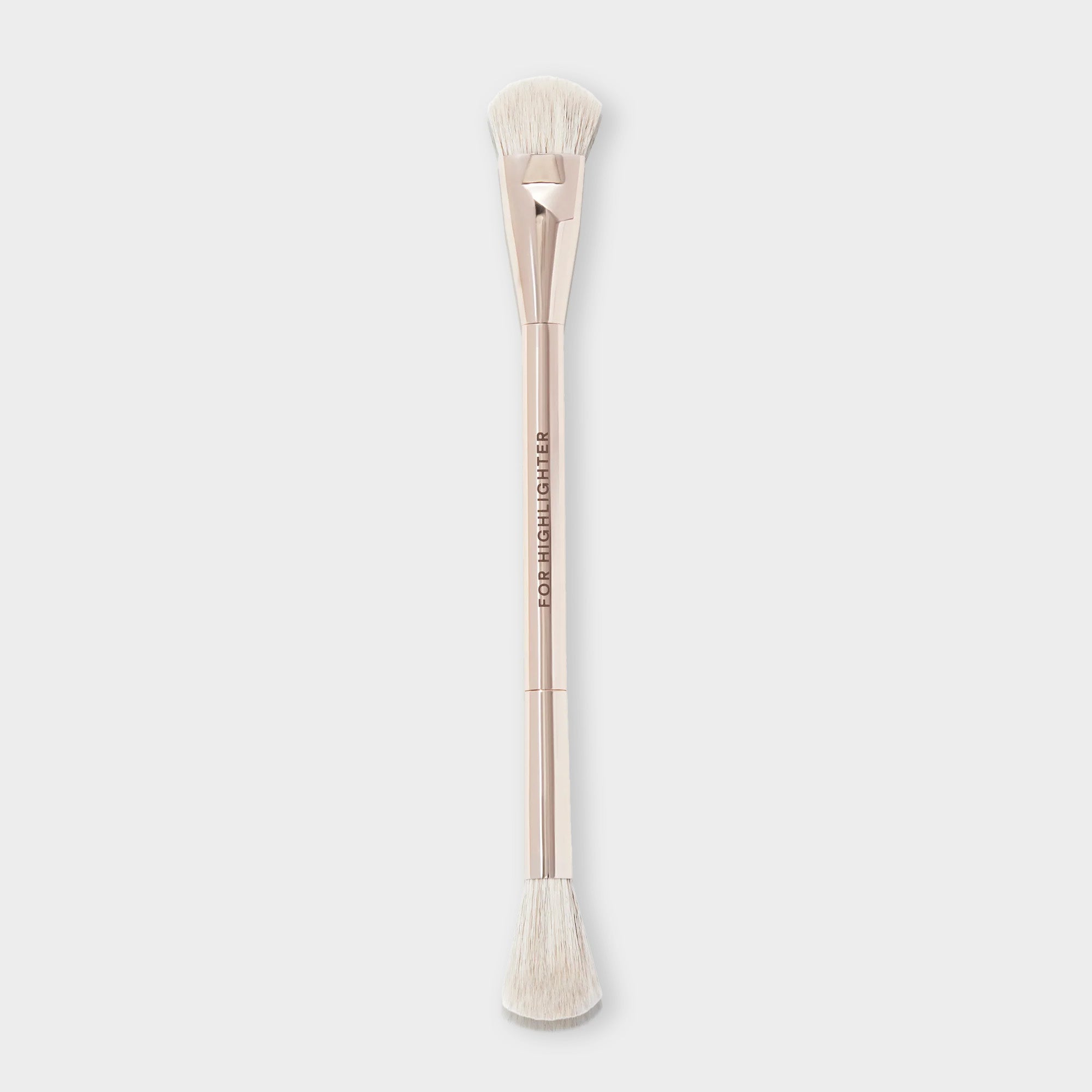
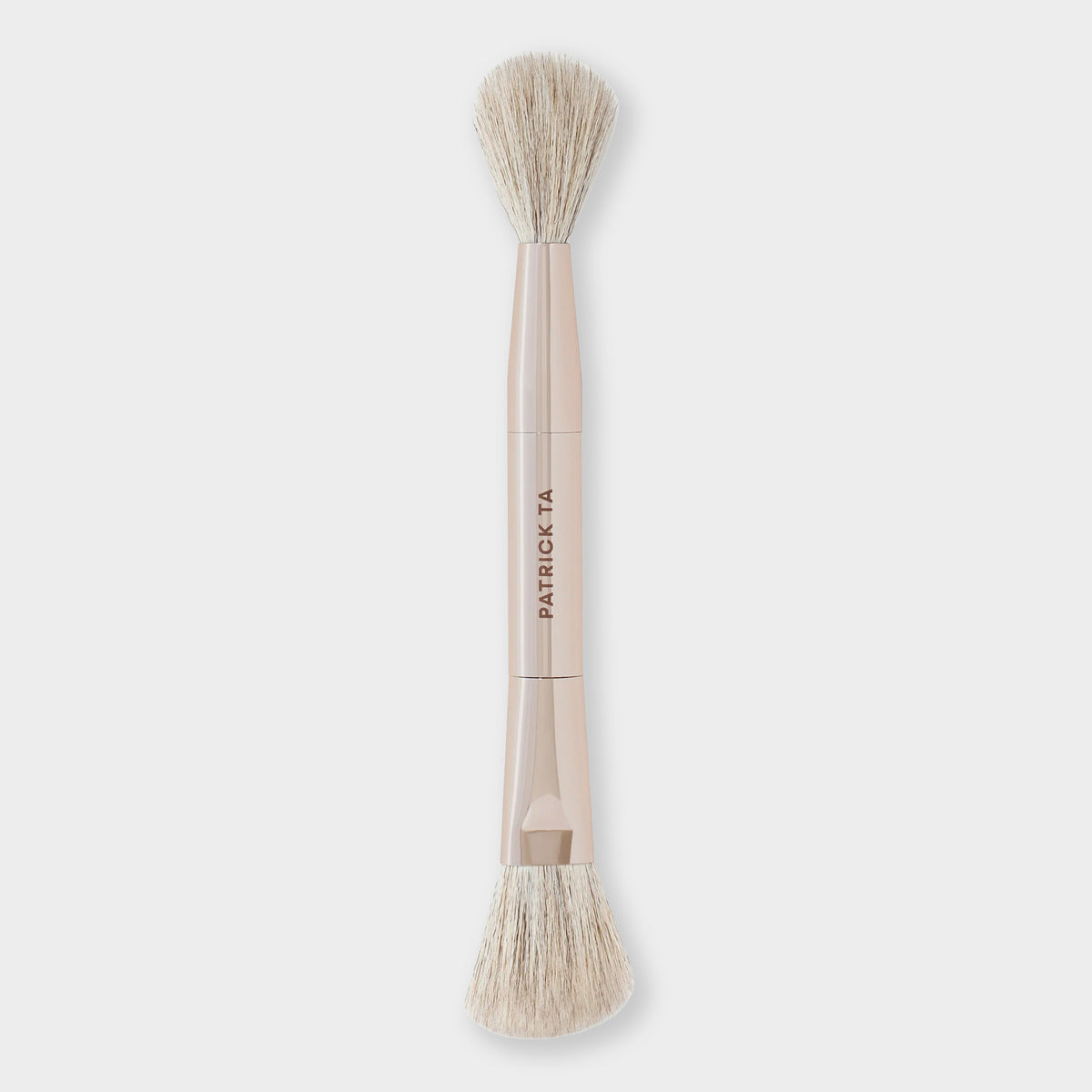
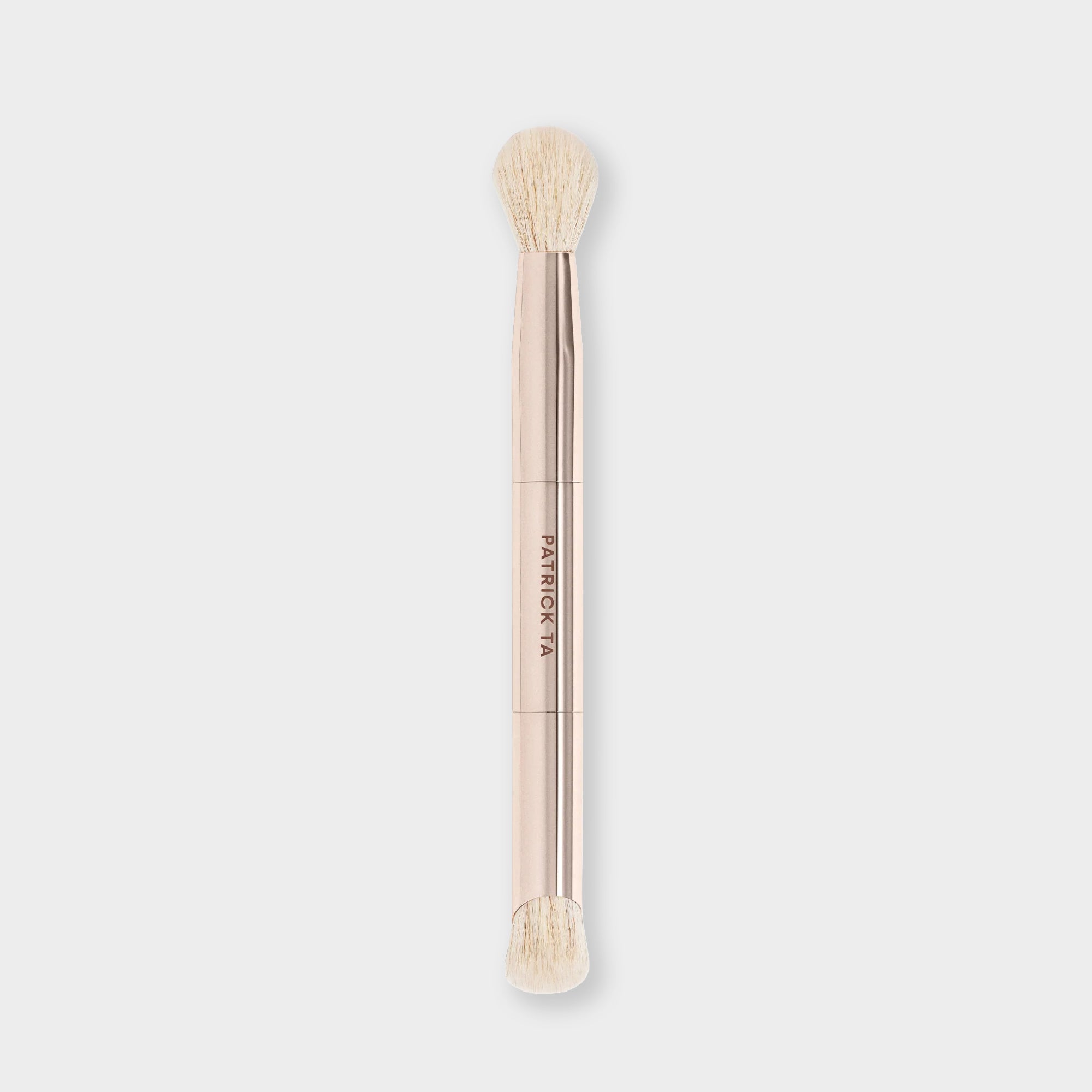
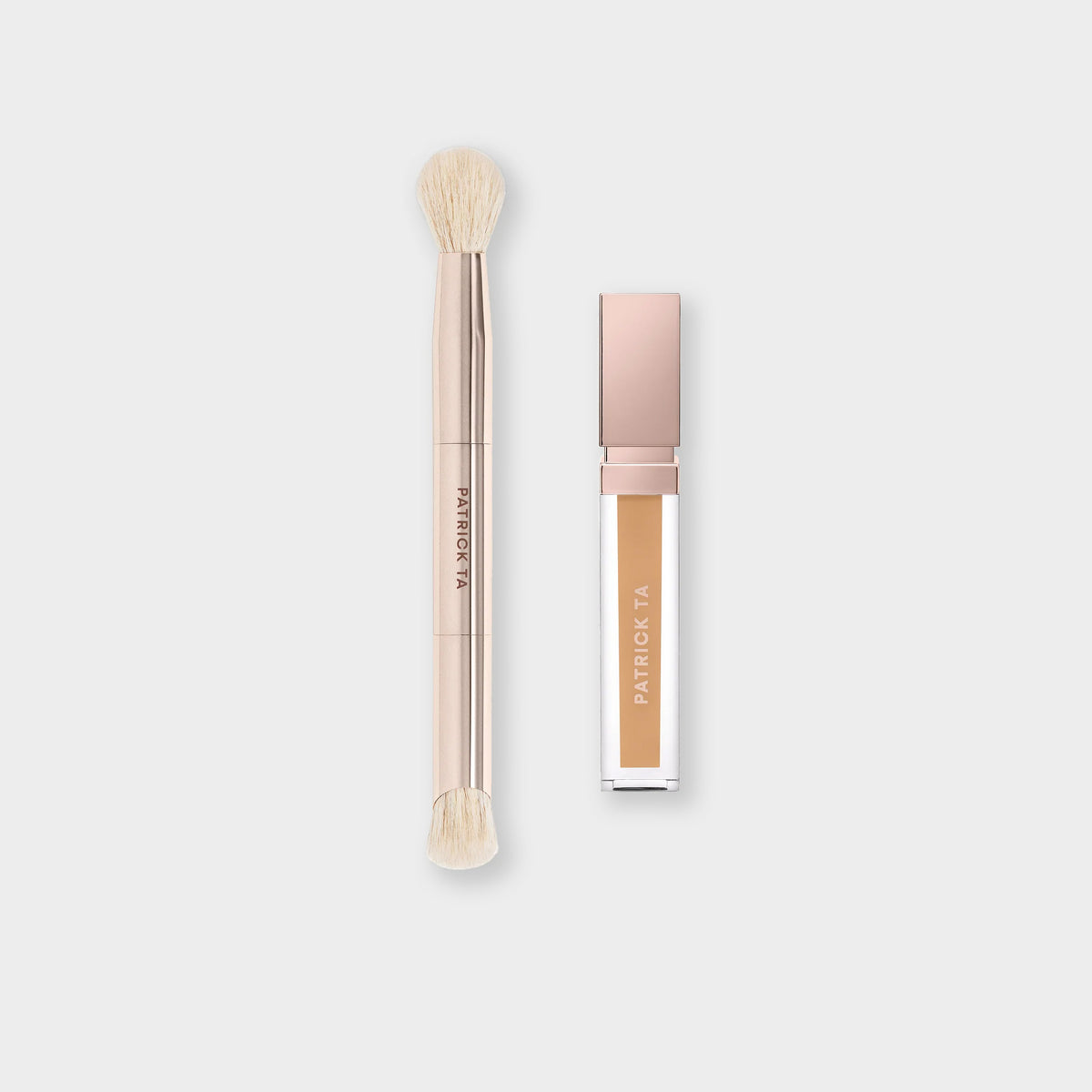
Keep It Natural: Blend, blend, blend. Use the Dual-Ended Concealer Brush to build coverage and blur the edges, or press with the Major Skin 5-In-1 Blending Sponge. Because concealer is rich in pigment, start with a small amount and layer until you reach your desired coverage. The Major Skin Brightening Concealer and Dual-Ended Brush Set pairs the concealer and brush in one online exclusive.

Color Correcting and Finishing Tips
To get the most from your concealer, finish with these tips.
Tackle Redness: When covering inflamed blemishes, neutralize redness with a green color corrector, then apply your skin-matching concealer on top.
Conceal Dark Circles: Many people have dark circles with a blue hue. Try a peach color corrector for lighter skin tones or an orange corrector for medium and deep skin tones, then apply concealer on top. If your circles look more purple, a yellow corrector can help. Our guide on covering dark under-eye circles goes deeper.
Set Lightly: Lightly dust a translucent powder over concealer where you tend to crease, especially under the eyes, to lock it in place.
Finding the right concealer shade is a must for your everyday routine. With the perfect match, you can build a complexion that looks like your skin, only brighter. Explore the Patrick Ta concealer collection and find your shade today.
Frequently Asked Questions
Should concealer be lighter or darker than my skin?
Concealer should match your skin for covering spots and be one to two shades lighter for brightening the under-eyes. A matching shade hides blemishes and redness without drawing attention, while a slightly lighter shade reflects light and makes the eye area look awake. Avoid going more than two shades lighter, which can look gray or chalky.
Can I use the same shade of concealer as my foundation?
Yes, you can use the same shade as your foundation, especially for covering blemishes, redness, and dark spots. A matching shade blends invisibly into your base. For under-eyes, many people prefer a concealer one shade lighter for brightness. If you only want one concealer, choose your foundation match and apply a thin, blended layer.
Why does my concealer look gray or ashy?
Concealer usually looks gray or ashy when the shade is too light or the undertone is too cool for your skin. This is especially common on medium, tan, and deep skin. Try a shade with a warmer golden, peach, or apricot undertone, and make sure it is no more than two shades lighter than your foundation.
How do I know if my undertone is cool, warm, or neutral?
Look at the veins on your inner wrist in natural light. Blue or purple veins usually suggest a cool undertone, green veins suggest warm, and a mix suggests neutral. You can also compare how silver and gold jewelry look against your skin. Cool undertones suit rosy shades, warm undertones suit golden shades, and neutral undertones suit neutral shades.
Does concealer shade change with the seasons?
Your concealer shade can change with the seasons if your skin tans in summer or lightens in winter. Many people keep two shades and mix them during transitional months for a custom match. Recheck your shade along the jawline in natural light whenever your foundation starts to look slightly off.

RELATED POSTS

Here are our top picks, organized by category, so you can find the right gift fast.

With a few simple rules, you can pick something they will actually use, love, and reach for every day.
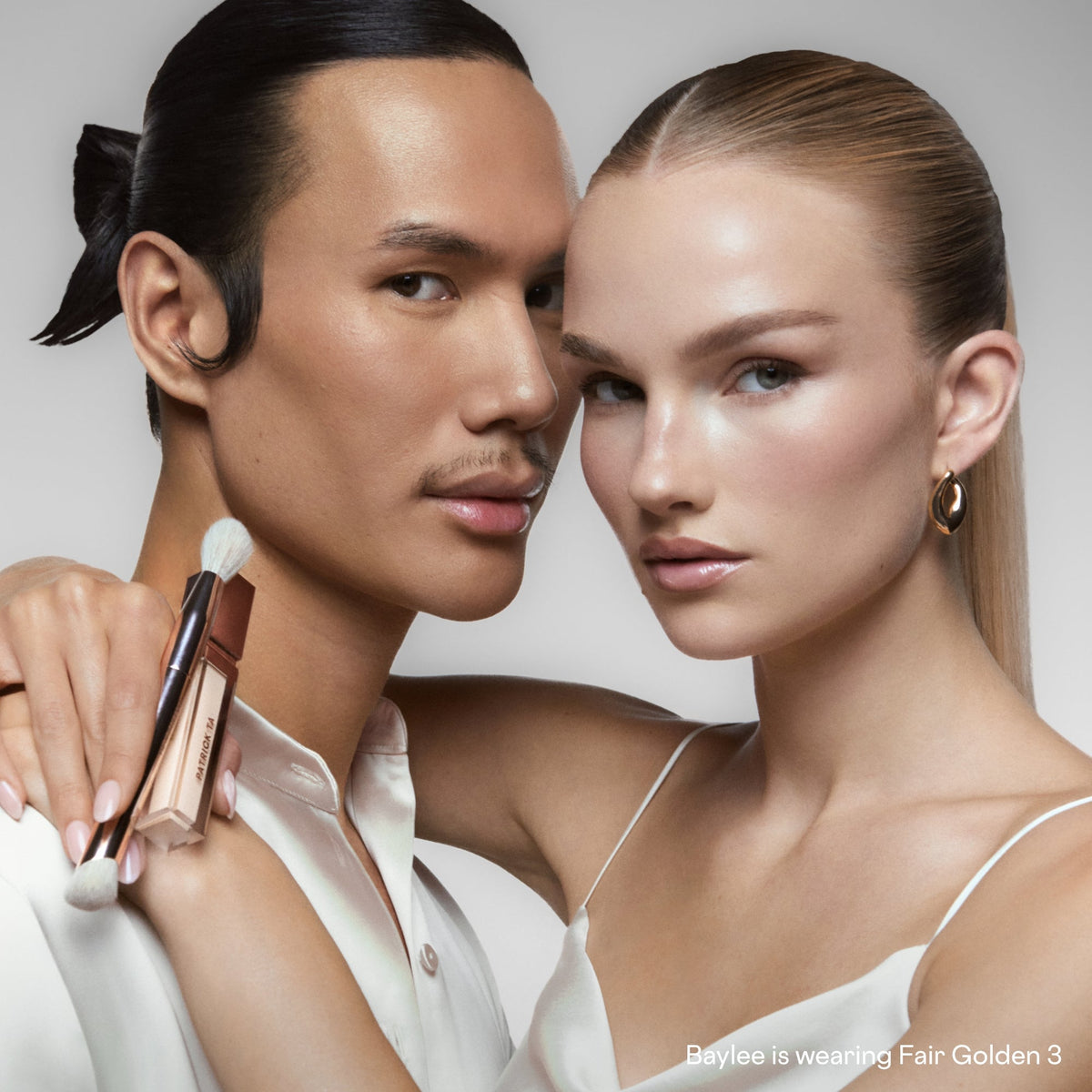
Celebrity makeup artist and founder of Patrick Ta Beauty, Patrick Ta, has once again captivated the beauty world with his innovative products, earning multiple accolades at the 2025 Allure Best of ...
Here is Patrick's guide to concealer placement, plus how to apply it for a seamless, skin-like finish.
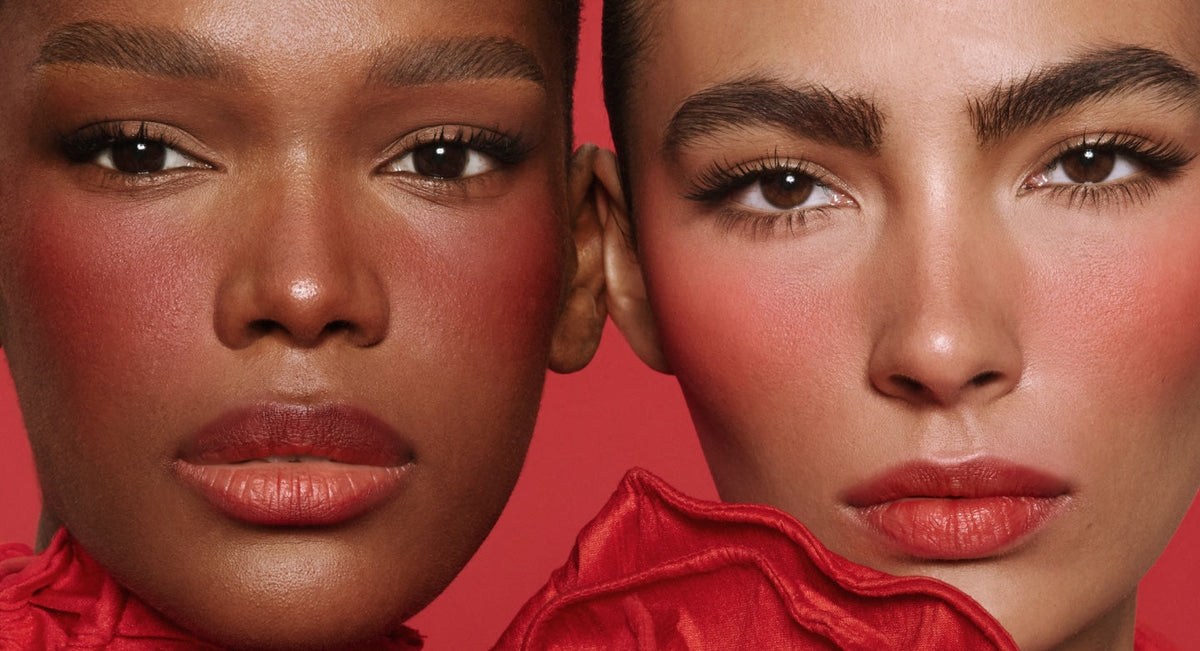
Here is why red blush has become a modern staple, how to choose the right shade for your skin tone, and how Patrick applies it for a flush that looks effortless.
Here are the shades that make brown eyes stand out and the Patrick Ta palettes that deliver them.
If you have been reaching for the same pink or peach for years, mauve blush is the easiest way to refresh your routine without going bold.
With professional tips from Patrick himself, consider this your step-by-step guide to creating the perfect smokey eye.