





Quick Summary
- Match blush depth to your skin tone: light to medium shades for fair and light skin, medium to rich shades for medium, tan, dark, and deep skin.
- Choose your color family by undertone: rose, berry, and mauve for cool, coral, peach, and warm pink for warm, and soft pinks and roses for neutral.
- Pick your formula by finish: powder for a soft-focus, airbrushed cheek, cream for a dewy, skin-like glow.
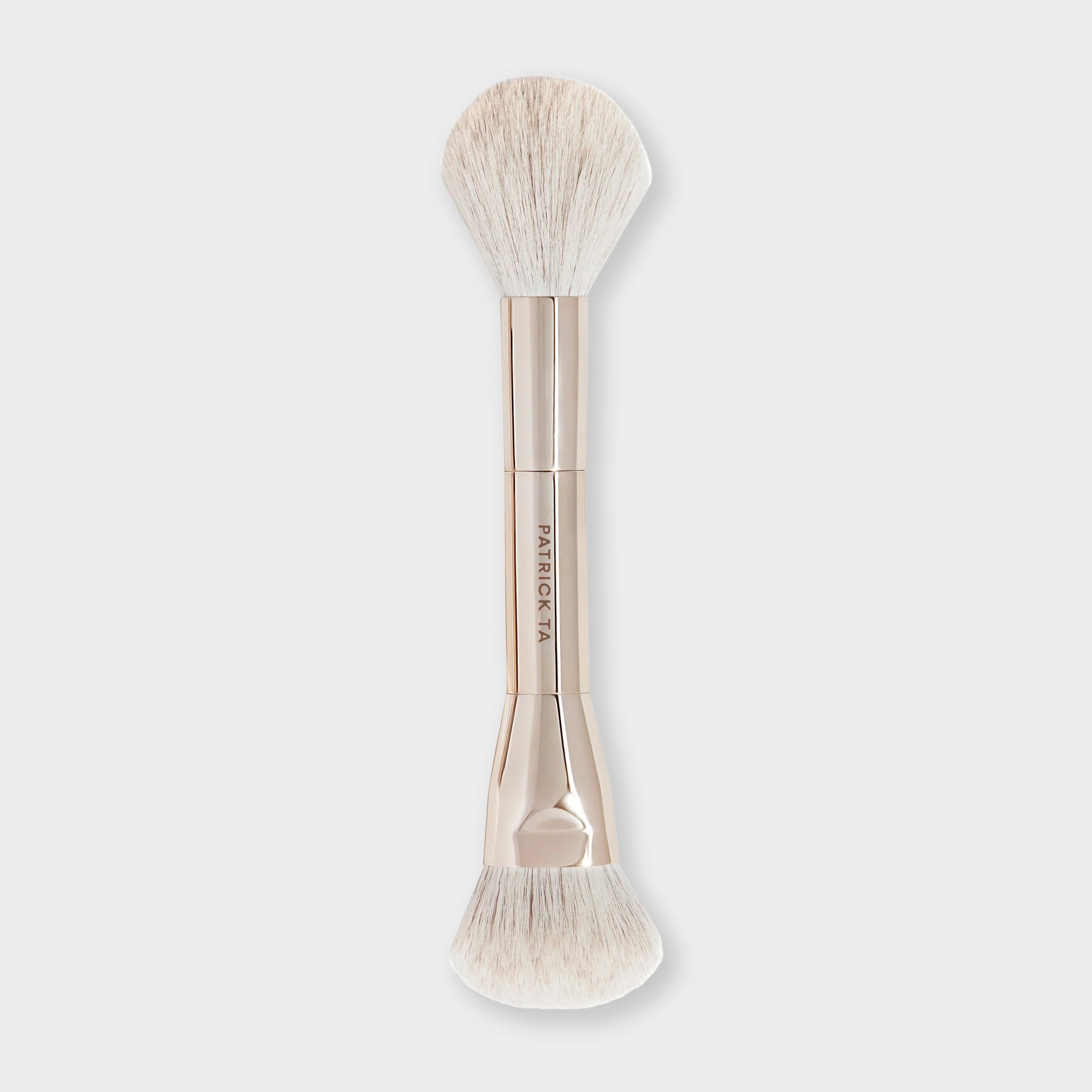
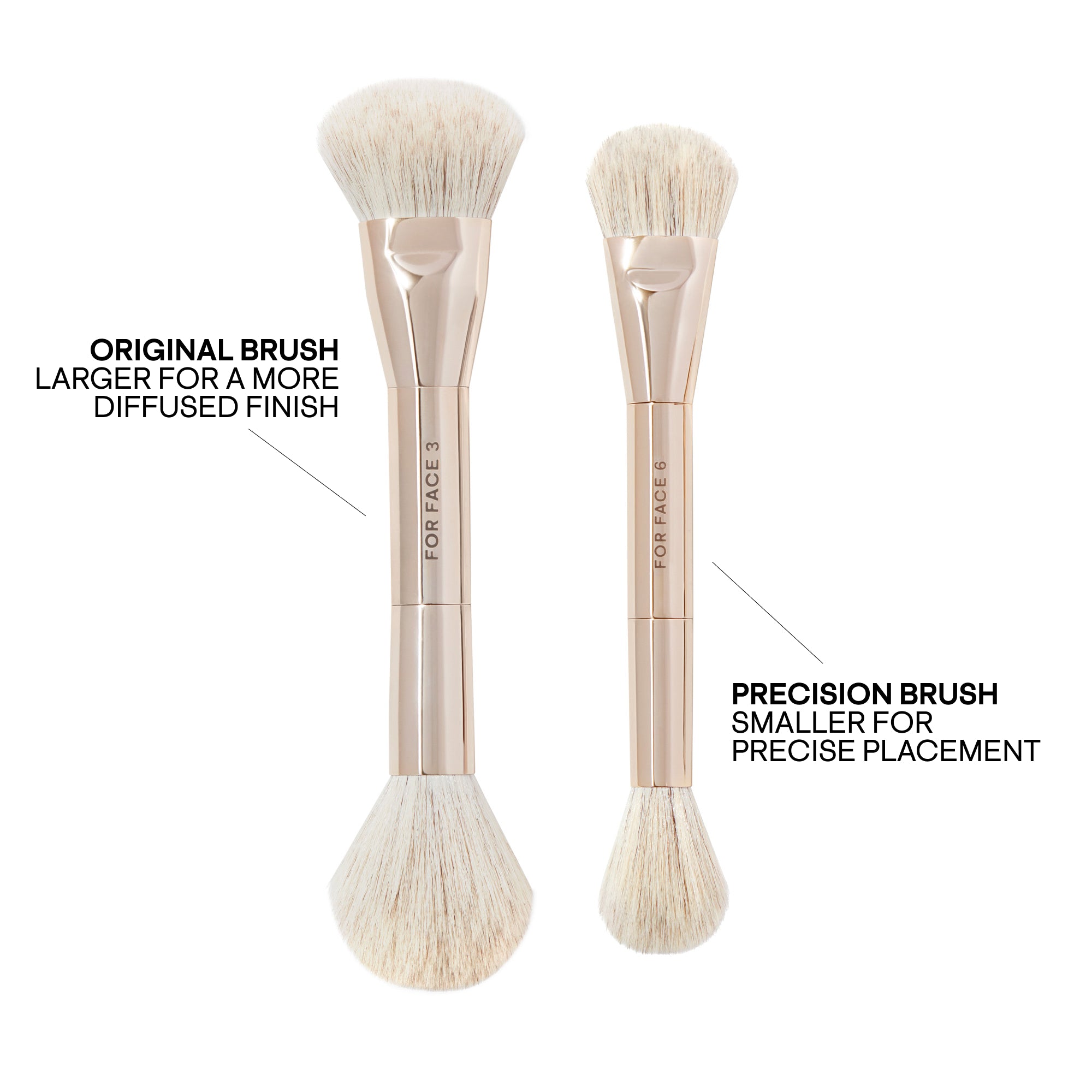
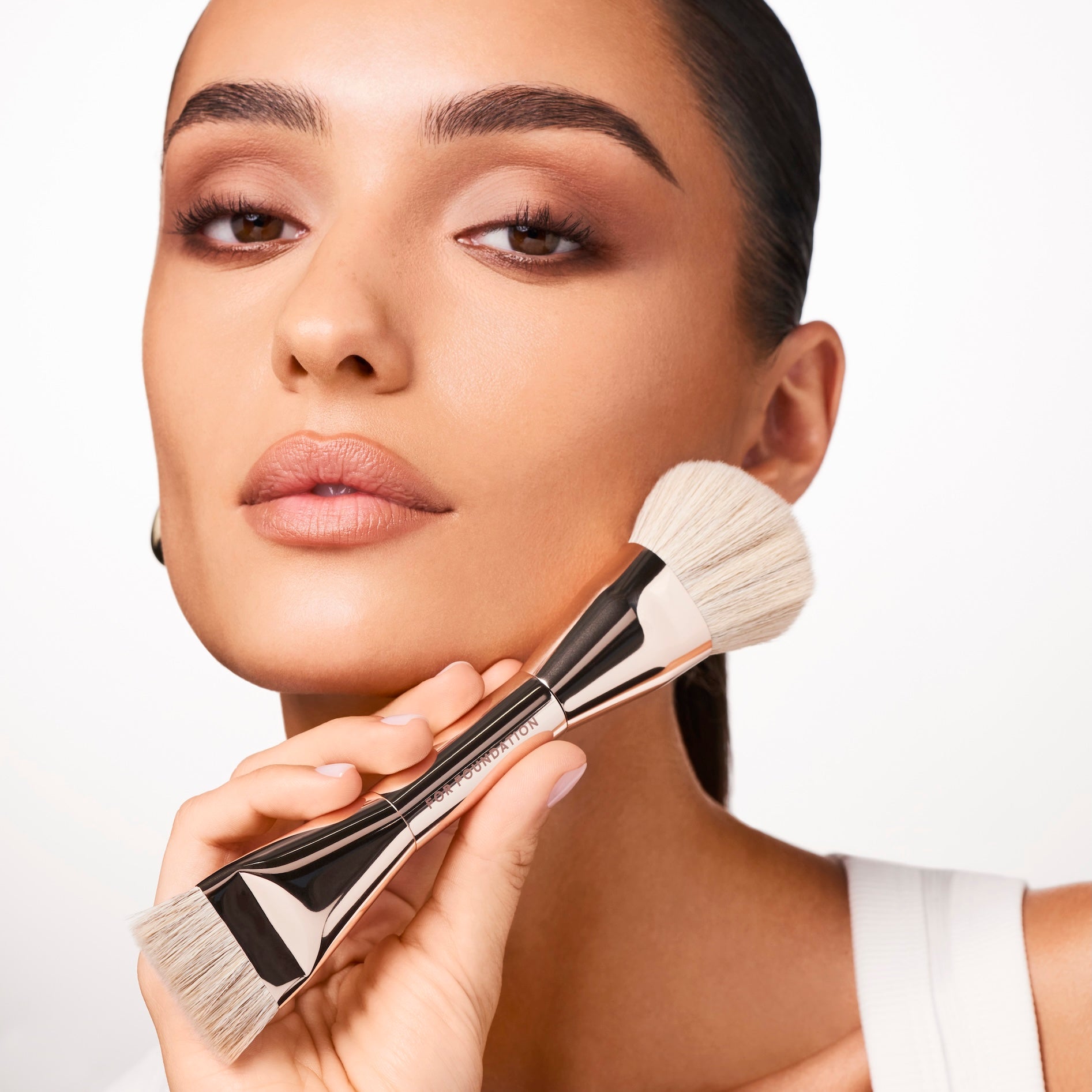
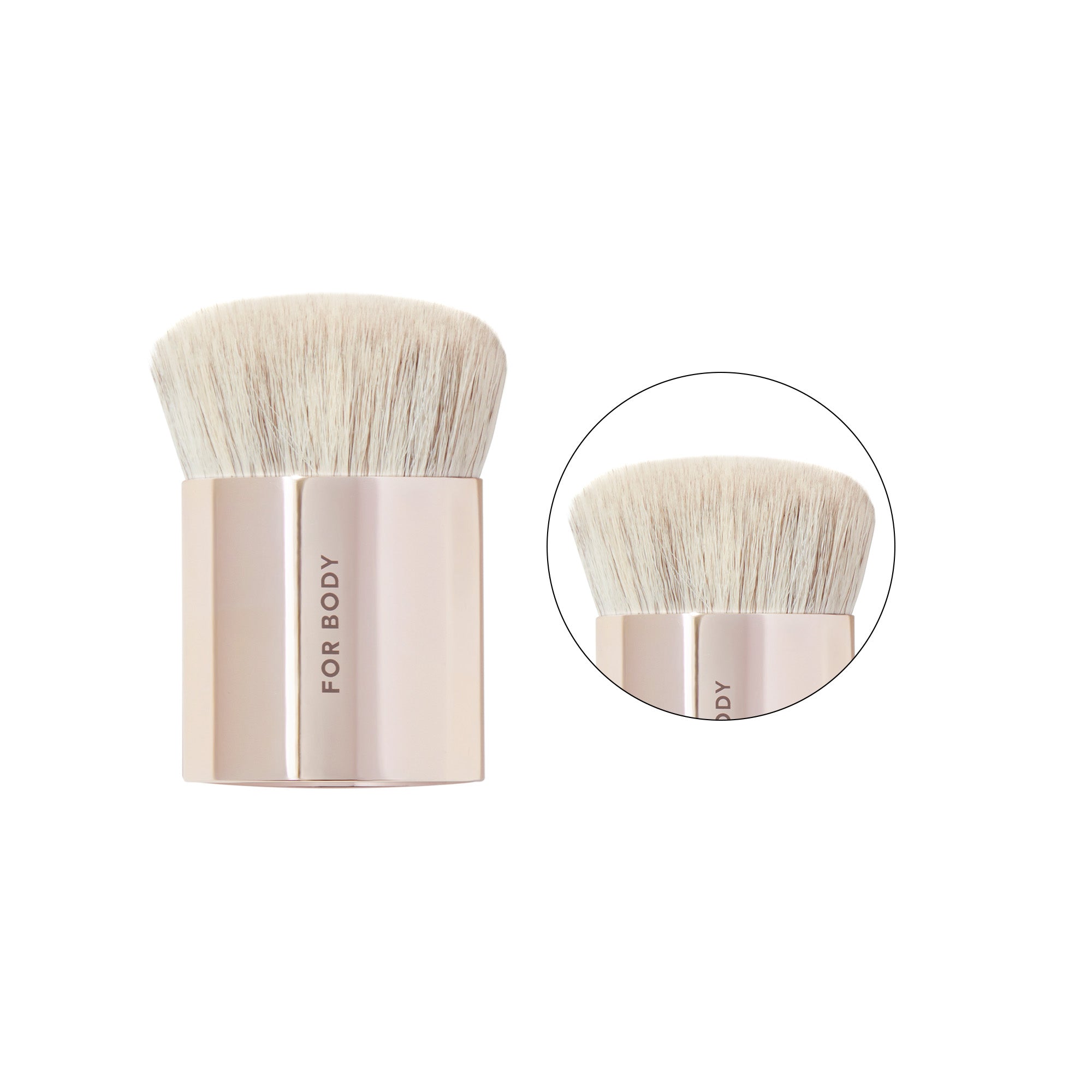
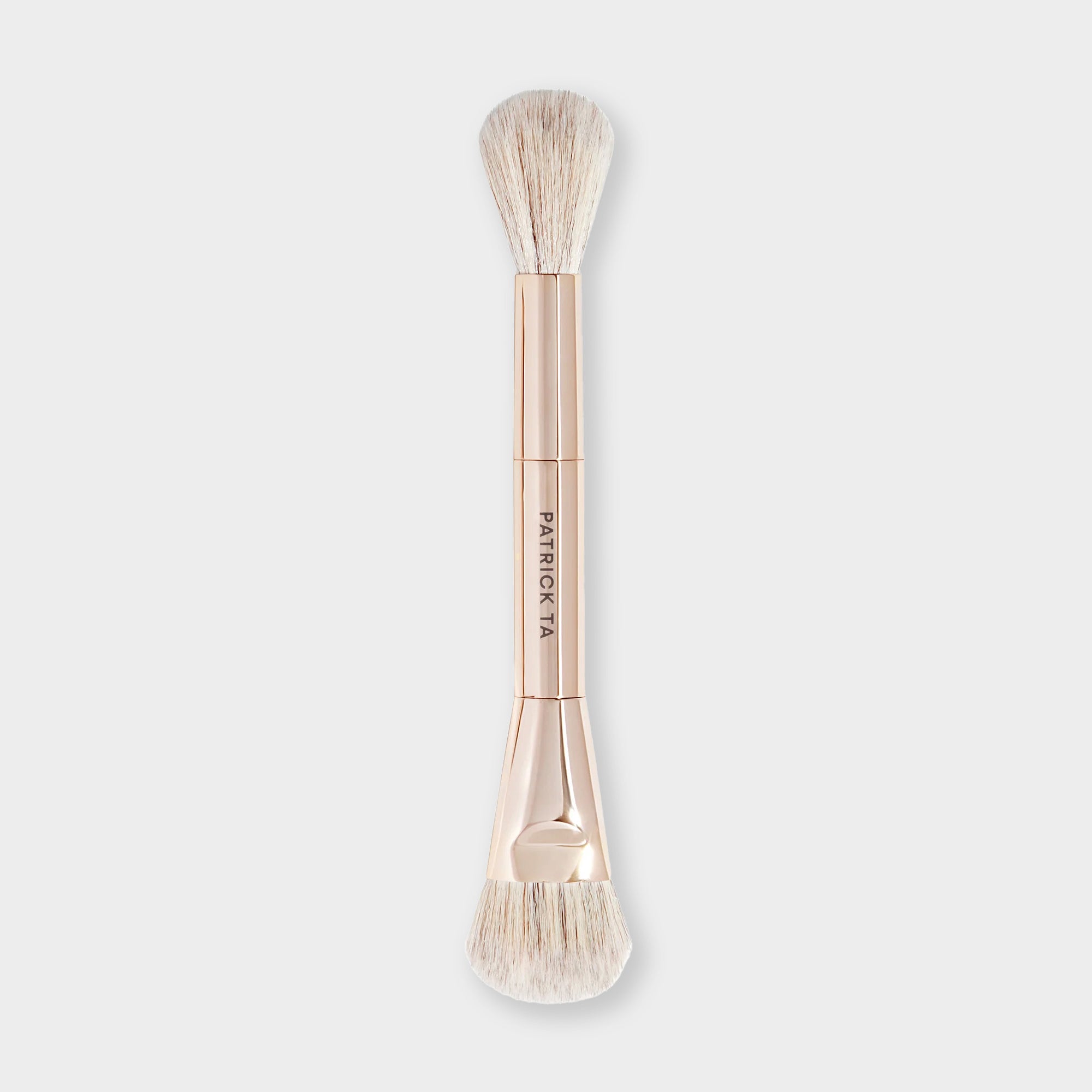
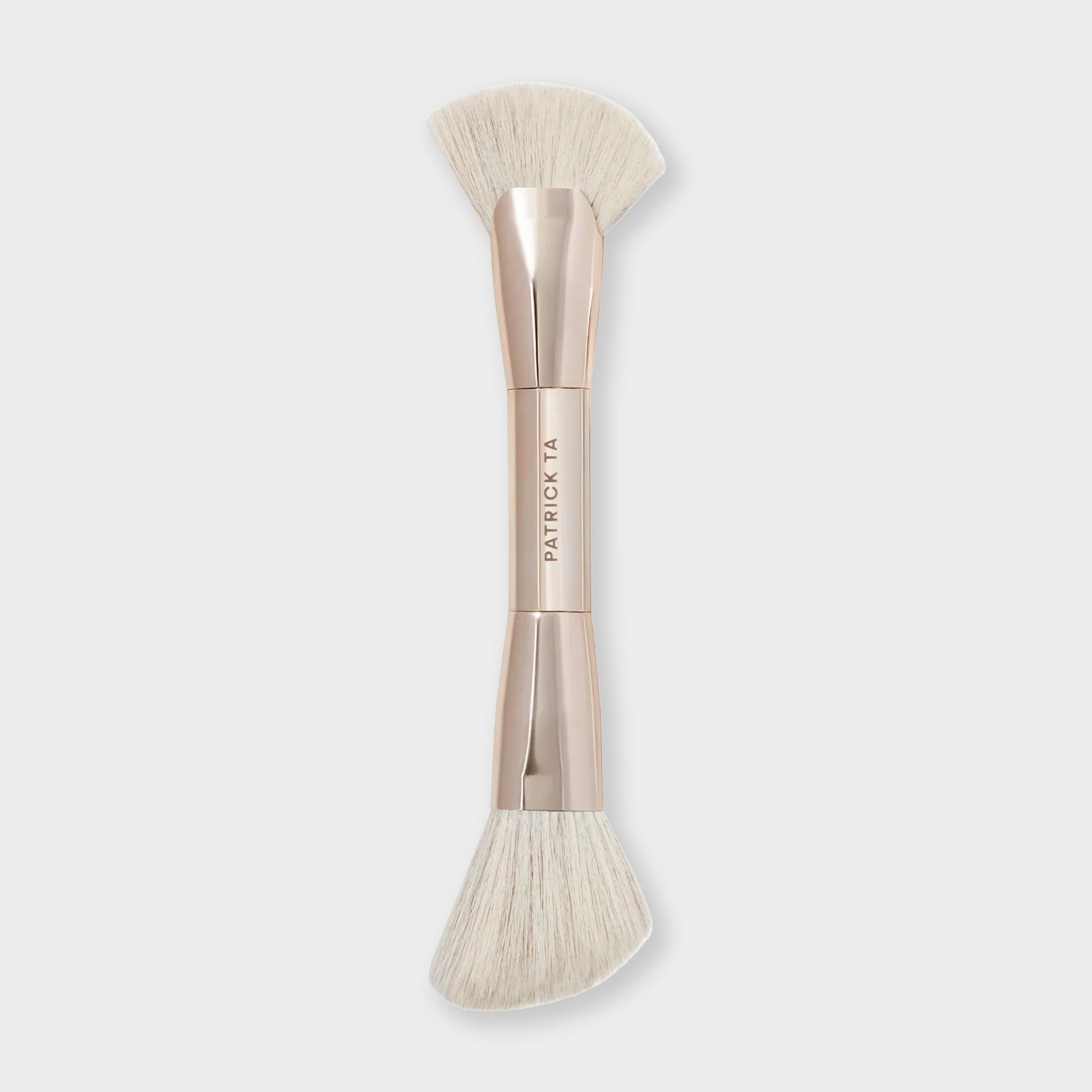
- Match your brush to the texture: a compact, dense brush for cream or liquid blush, a fluffy brush to diffuse powder.
- Stamp blush into the skin instead of swiping to blend pigment evenly without lifting your foundation.
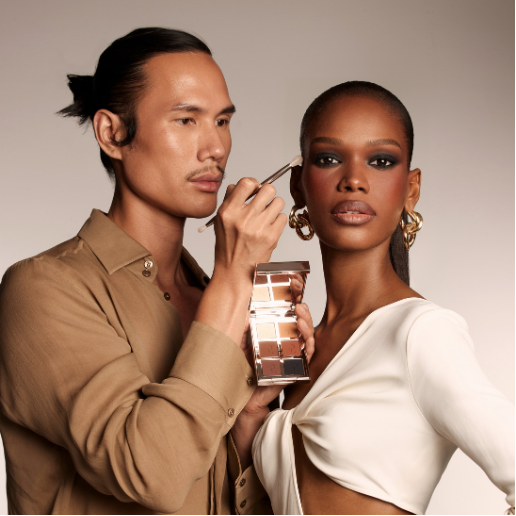
- Apply from the apples of the cheeks toward the temples, building thin layers. For Patrick's signature look, layer crème over powder with the Major Headlines Double-Take Crème & Powder Blush Duo.
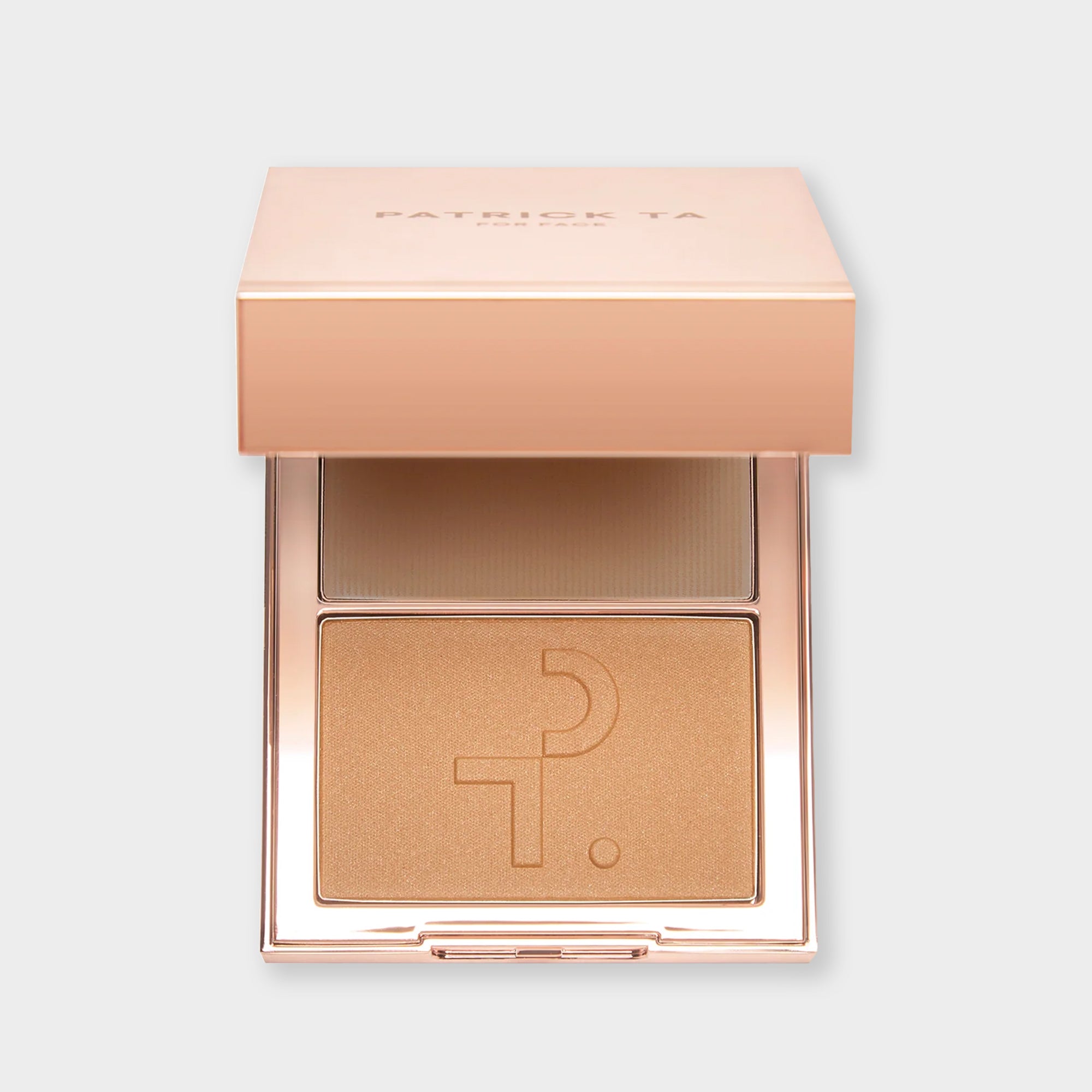
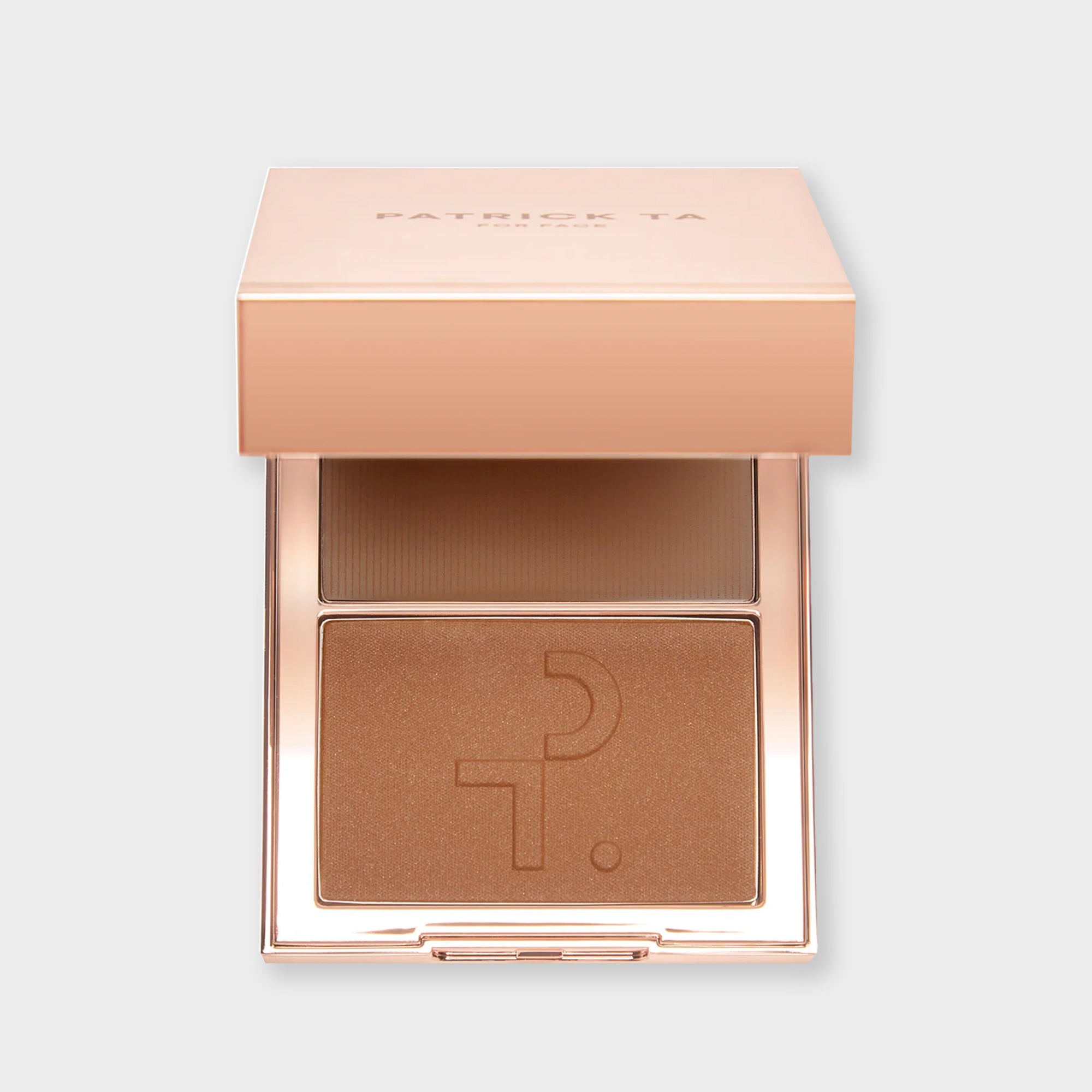
- Finish with the Transition Blurring Blush Duo matched to your undertone, Shy at First (Pink) for cool or neutral and Did You Notice (Peach) for warm, swept over your blush for a seamless blur.
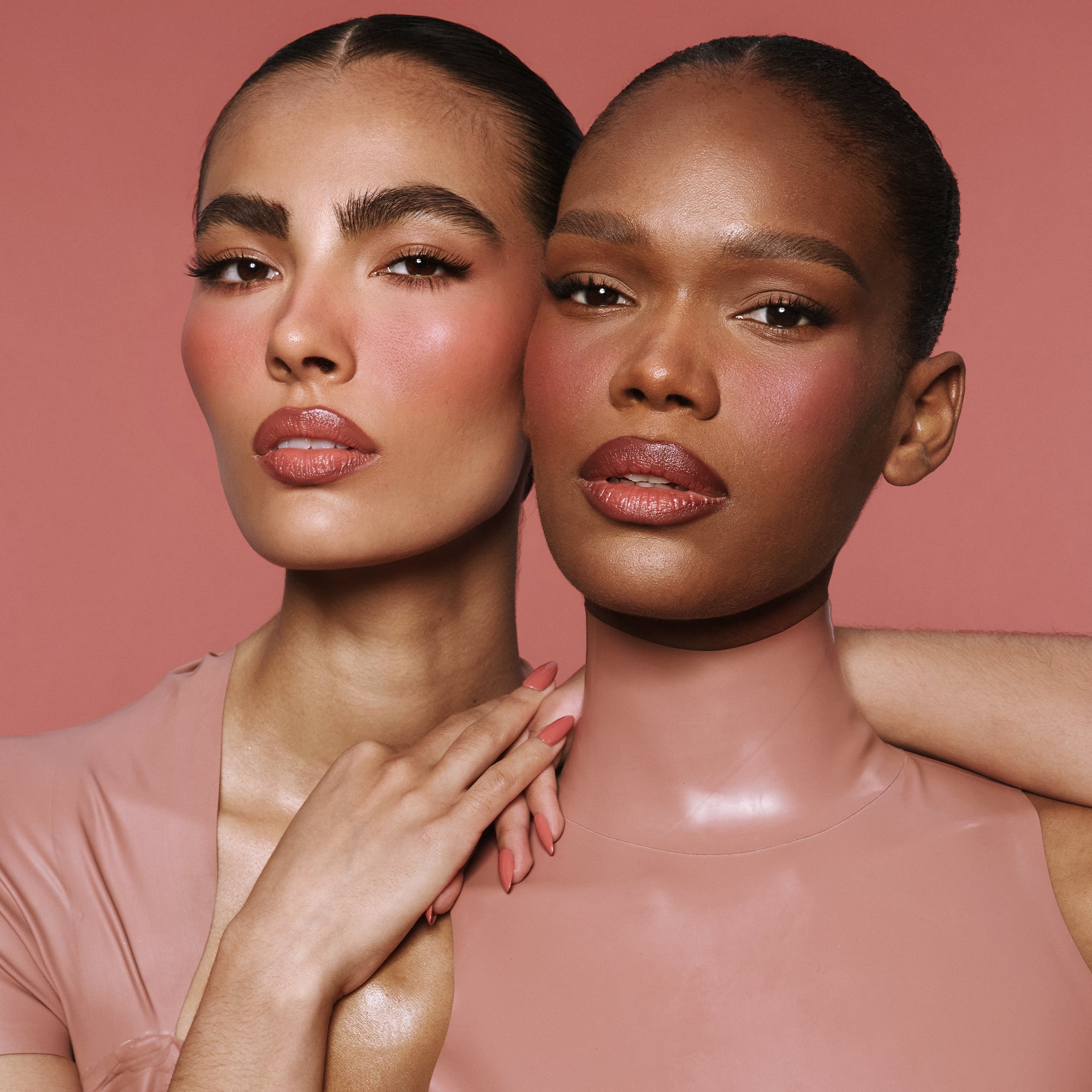
You know you’ve found the one when your blush melts perfectly into your skin, bringing out a natural, radiant flush. It’s like your complexion lights up from within.
So, how do you discover your perfect match? It all starts with choosing shades that enhance your skin’s unique undertones. Here’s our easy guide to finding the best blush for your skin tone so that you can create that fresh, glowing look every time.

What Color Blush Should You Wear Based on Your Skin Tone?
If you've ever asked yourself what color blush should i wear, you're not alone. Blush is one of the fastest ways to transform your complexion, but the wrong shade can look muddy, ashy, or completely invisible. The key is matching your blush to your skin's depth so the color reads as a natural flush rather than a painted-on stripe.
Here's a breakdown by skin tone category to help you zero in on your most flattering shades.

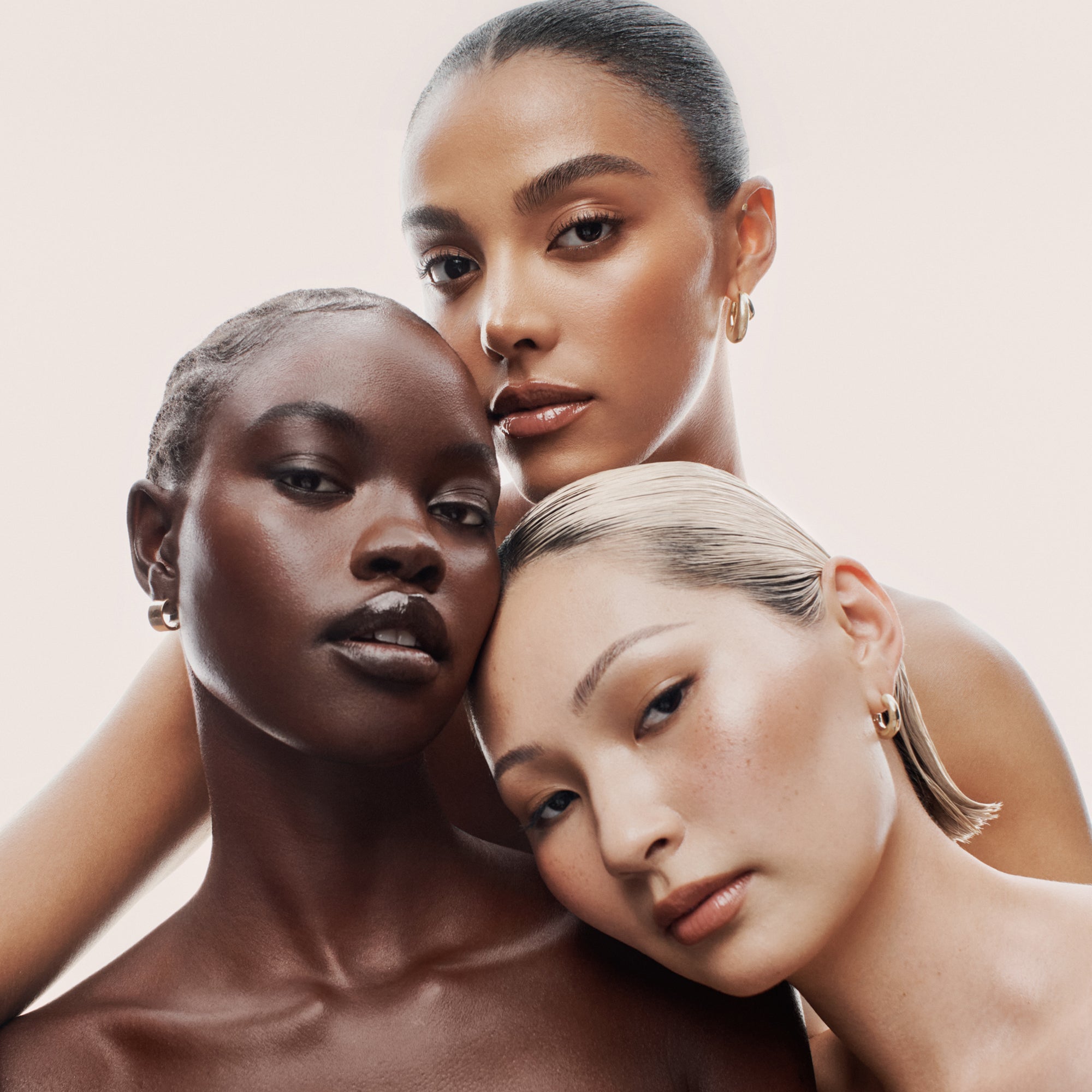
It’s important to consider how a blush fits with your overall skin tone—whether it be fair, light, medium, tan, dark, or deep.
What Is the Best Blush for Fair Skin Tones?
Fair skin shows color quickly, so you want soft, sheer shades that mimic a real flush. Light pinks, baby roses, and soft peaches are your go-to families. If you have cool undertones, lean toward icy pinks and pale mauves. Warm-leaning fair skin looks beautiful in light peach and apricot tones that bring warmth without overwhelming your complexion.
What to avoid: Deep berries, brick reds, and heavily pigmented formulas can look harsh and bruise-like on fair skin. Start with a light hand and build up.
Shop Blush for Fair Skin Tones
What Is the Best Blush for Medium Skin Tones?
Medium skin can carry richer, more saturated blush beautifully. Think warm corals, rosy mauves, dusty roses, and terracotta pinks. Cool-toned medium skin looks stunning in berry, raspberry, and rose shades. Warm-toned medium skin glows with coral, apricot, and warm plum tones.
What to avoid: Very pale pinks and sheer nudes can disappear entirely, leaving you looking flat rather than flushed.
Shop Blush for Medium Skin Tones
What Is the Best Blush for Tan and Olive Skin Tones?
Tan and olive complexions have natural warmth and depth, which means you need blush with enough saturation to show up. Deep corals, warm roses, burnt peaches, and terracotta shades work beautifully. Cool-toned olive skin pairs nicely with deep mauves and plum-pinks, while warm-toned tan skin looks radiant with rich apricot, warm brick, and sun-kissed coral.
What to avoid: Chalky pastels and frosty light pinks can look ashy or gray against your natural warmth.
Shop Blush for Olive Skin Tones
What Is the Best Blush for Dark Skin Tones?
Dark skin handles bold, saturated color like nothing else. Rich berries, deep plums, warm burnt oranges, and vivid corals pop beautifully without looking overdone. Cool-toned dark skin looks incredible in deep fuchsia, berry, and wine shades. Warm-toned dark skin radiates with rich tangerine, deep peach, and warm plum.
What to avoid: Sheer, light-toned blush formulas can look chalky or ashy. Choose pigment-rich formulas that build true color on your skin.
Shop Blush for Dark Skin Tones
What Is the Best Blush for Deep Skin Tones?
Deep skin has the richest canvas, so your blush should match that intensity. Think deep magenta, rich wine, warm cognac, and saturated brick tones. Cool-toned deep skin looks striking in deep berry and ruby shades. Warm-toned deep skin glows with deep burnt sienna, warm terracotta, and rich copper tones.
What to avoid: Anything sheer, pastel, or chalky will either disappear or leave a whitish cast. Go bold and pigment-forward.

How Do I Choose a Blush Color Based on My Undertone?
Knowing your skin tone depth is step one. Your undertone is step two, and it's the detail that takes your blush from "looks fine" to "looks like my skin but better." An undertone is the more subtle tint beneath the surface of your skin that gives it dimension. There are three undertone categories: cool, warm, and neutral.
Not sure which one you are? Here's a quick self-test.
How to Find Your Undertone
The vein check: Look at the inside of your wrist in natural light. Blue or purple veins point to a cool undertone. Green veins suggest a warm undertone. If you see a mix of both, you're likely neutral.
The jewelry test: Think about whether silver or gold jewelry tends to flatter you more. Silver usually complements cool undertones, while gold looks best on warm undertones. If both look equally good on you, that's another sign you lean neutral.
How to Choose Blush Color for Cool Undertones
Cool-toned complexions have red, blue, or pink hues beneath the skin. When choosing blush for cool skin tones, seek out rose, berry, mauve blush, and cool pink blush. These sit harmoniously against your skin's natural cool cast and create a fresh, naturally flushed look.
Colors to avoid: Warm oranges, heavily golden peaches, and yellow-based corals can clash with your cool base and look muddy.
How to Choose Blush Color for Warm Undertones
Warm-toned complexions have subtle yellow, gold, or peach hues. If you're searching for a patrick ta blush for warm undertone match, look for coral, peach, apricot, and warm pink shades. These complement your skin's golden warmth and give you a sun-kissed radiance.
Colors to avoid: Icy pinks, blue-toned mauves, and cool berry shades can look stark or out of place against warm skin.
How to Choose Blush Color for Neutral Undertones
Neutral tones have a natural balance between cool and warm hues. If you have a neutral undertone, you're in a flexible spot. You can pull off shades from both sides of the spectrum, which makes finding the best blush for neutral skin tone a little easier than you might think. That said, mauves, soft pinks, dusty roses, and nude peaches can look especially beautiful because they don't pull too warm or too cool.
Colors to avoid: Extremely saturated colors on either end of the spectrum, like icy fuchsia or deep burnt orange, can throw off your natural balance. You'll get the most flattering result with mid-toned, softly blended shades.
Understanding how to choose blush color based on both your skin depth and your undertone is what separates a blush that looks "nice" from one that looks like a second skin.

How Do I Pick the Right Blush Formula for My Skin Type?
Your skin type plays just as big a role as shade when it comes to how your blush wears throughout the day. Here's how to match your formula to your skin.
Dry skin: Liquid and cream blushes are your best friends. They melt into skin and add a dewy, hydrated finish that won't cling to dry patches or look powdery by midday.
Oily skin: Powder blush gives you the most staying power. It absorbs excess oil and holds its shape without sliding around or fading by lunchtime. A setting spray at the end locks everything in.
Combination skin: You have options. A cream-powder duo lets you layer textures where you need them. Apply cream on drier areas like the tops of your cheekbones and use powder in the T-zone or anywhere you tend to get shiny.
Normal skin: Lucky you. Cream, powder, liquid, or a blend of formulas all work well. Pick based on the finish you want that day, whether it's matte, satin, or dewy.
If you're just starting out and wondering which formula to try first, a powder blush is the best blush for beginners. It's the most forgiving to apply, blends out easily with a brush, and gives you control over intensity from the very first swipe.
Pro Tip: No matter your skin type, always prep your base before applying blush. A smooth, well-moisturized canvas helps every formula blend more evenly and last longer.
How Do I Apply Blush So It Looks Natural and Stays in Place?
Even the perfect shade can fall flat if your technique is off. Here's how to get a seamless, long-lasting application every time.
Step 1: Map Your Placement
Smile gently and locate the apples of your cheeks. That fleshy area is your starting point. From there, sweep the color upward and outward toward your temples. This lifted placement keeps your face looking open and sculpted rather than round.
Step 2: Build in Thin Layers
Start with less product than you think you need. You can always build, but blending out too much color is harder. For powder, tap off excess from your brush before it touches your skin. For cream, warm a small amount between your fingertips first.
Step 3: Use the Press-and-Stamp Method for Cream Formulas
Instead of rubbing cream blush across your cheek, press it onto your skin with your fingertip or a damp sponge and stamp it outward. This technique deposits color precisely where you want it and avoids disrupting your base. Stipple the edges with light taps to blur the border for a seamless melt into your foundation.
Step 4: Lock It In
For all-day staying power, try a powder-then-cream layering approach. Apply a light layer of powder blush first, then press a thin layer of cream blush on top. The powder gives the cream something to grip, and the two textures together hold color much longer than either one alone.
Pro Tip: Finish by pressing a clean, dry sponge over the blush area. This pushes the pigment into your skin for a "from-within" glow that doesn't budge.
Use these artistry techniques to perfect your daily blush routine.
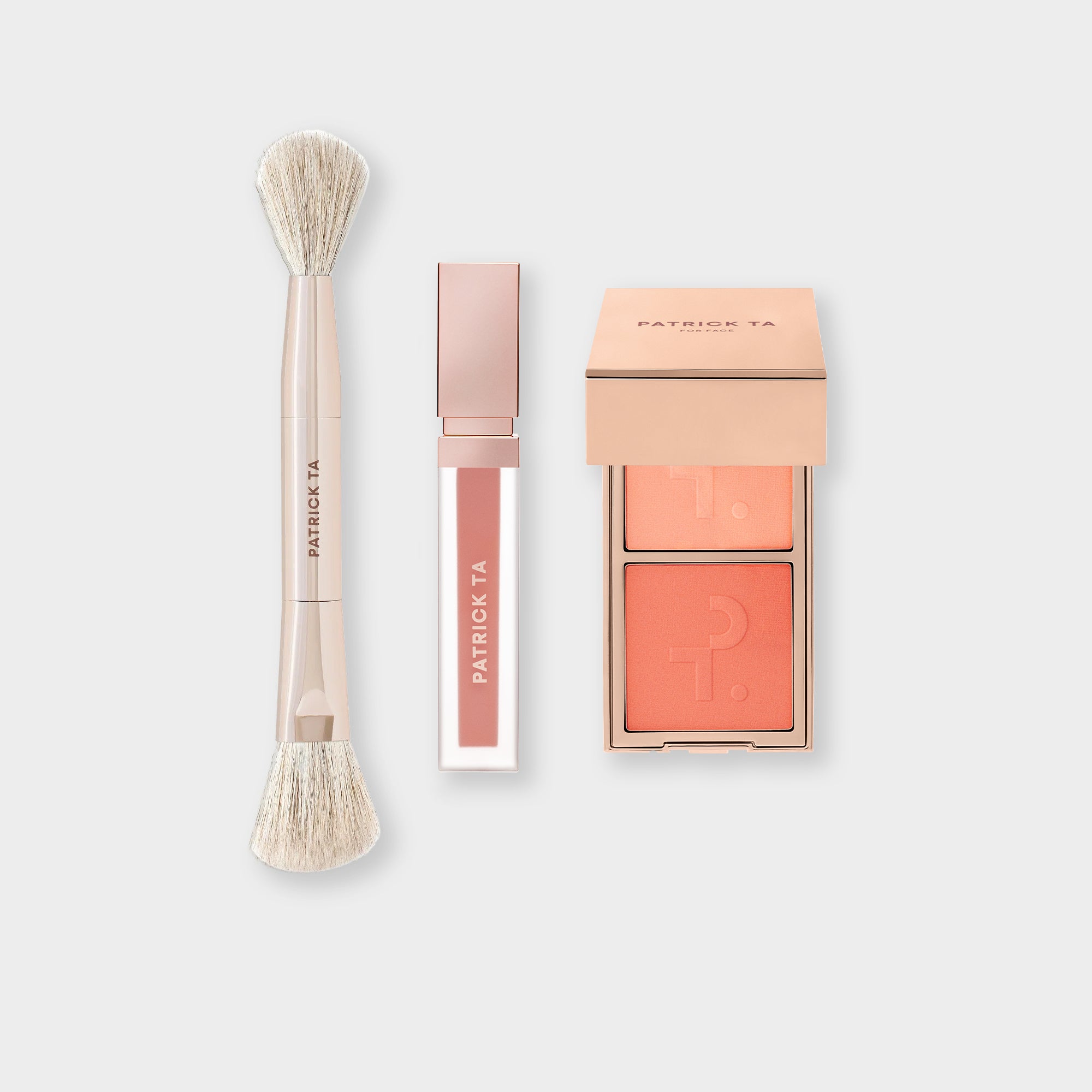
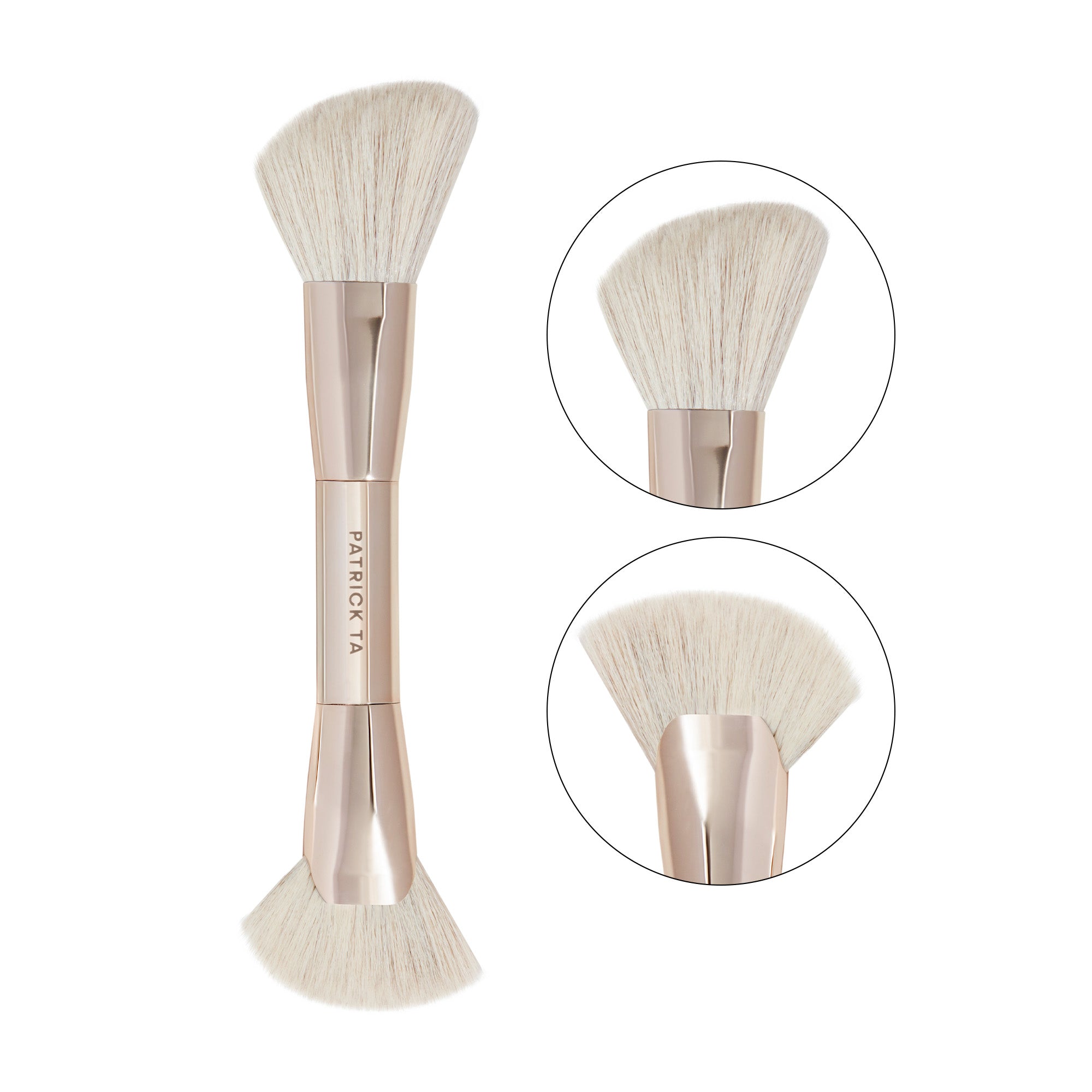
Shop compact blush brush and fluffy blush brush
What Is the Best Transition Blush Shade for Your Skin Tone?
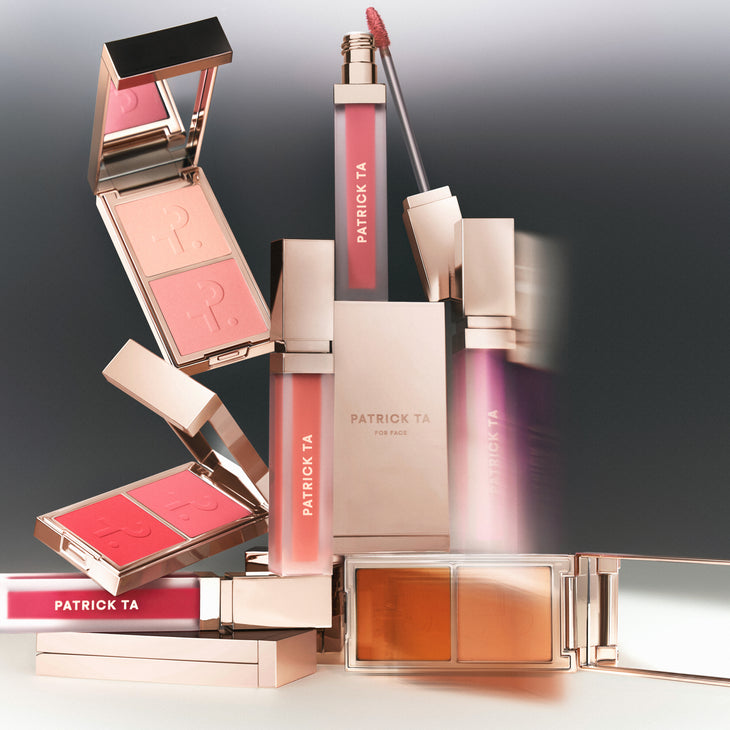
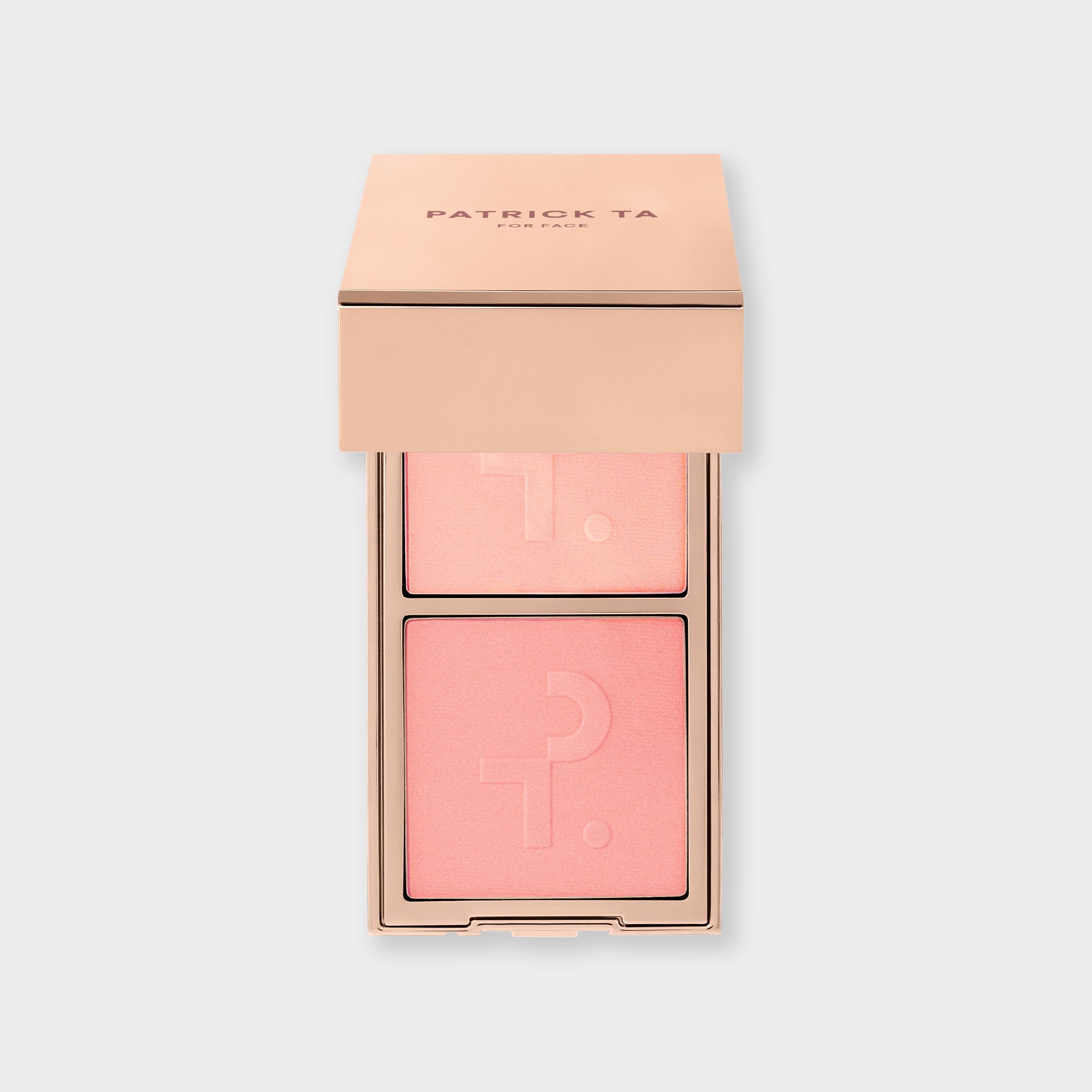
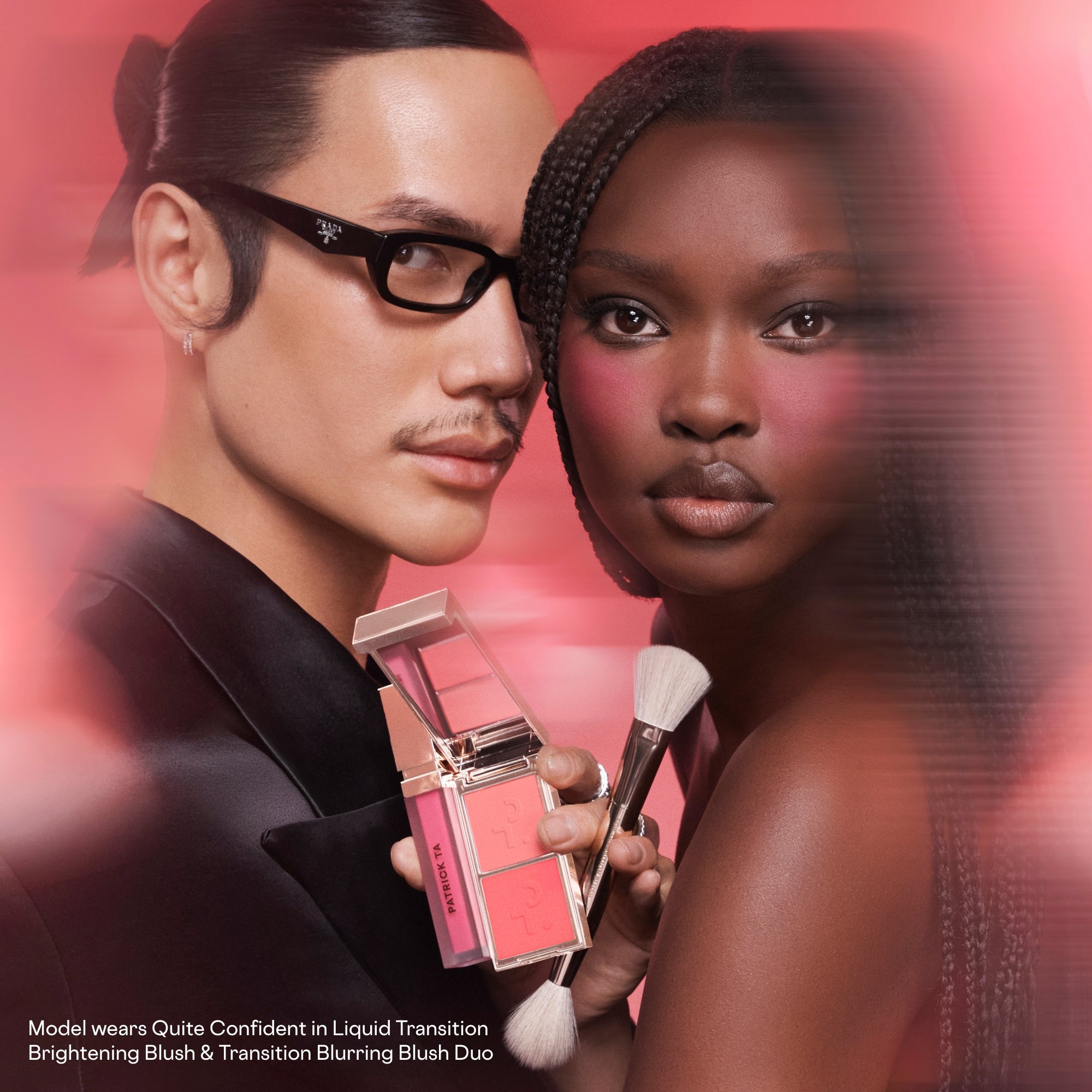
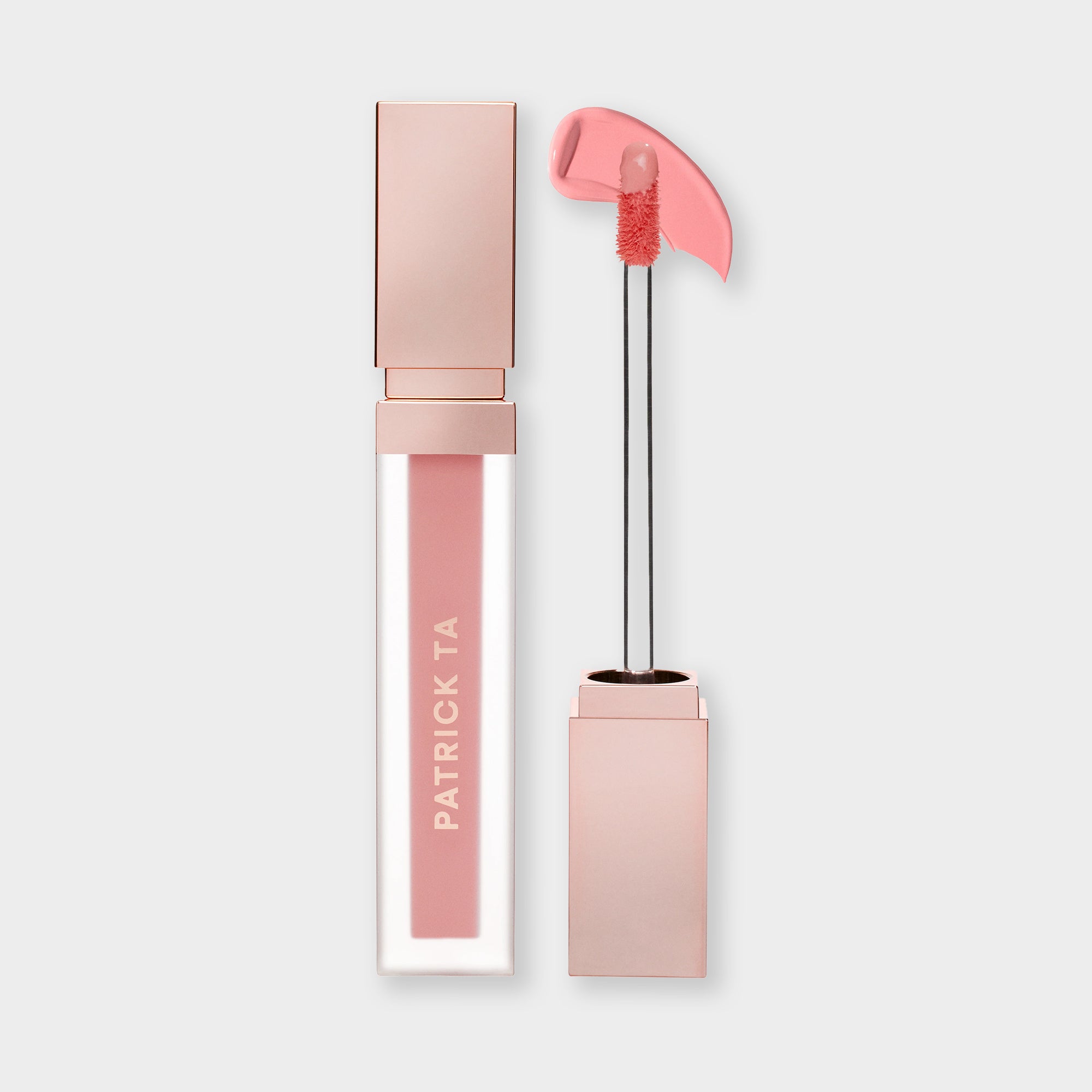
Once your blush is in place, finish with the Liquid Transition Blush paired with our Transition Blurring Blush Duo, a sheer, soft-matte powder worn over your blush to diffuse color across the space between the undereye and the cheek. It softens the line where concealer meets pigment, leaving an airbrushed gradient instead of a stripe of color. Like your blush, the best shade comes down to your undertone.
Cool undertones should reach for Shy at First (Pink), a soft pink that blurs beautifully over rose, berry, and mauve blushes. For extra brightening under the eyes, Between Us (Lilac) adds a subtle lift that flatters cool complexions.
Warm undertones pair best with Did You Notice (Peach), a golden peach that melts into coral, apricot, and warm pink blushes. If you love a bolder flush, Quite Confident (Vibrant Coral) delivers a saturated blur that holds up on medium, tan, and deep skin.
Neutral undertones can go either way, but Shy at First is the most versatile daily pick since it bridges warm and cool blush shades with ease.
To apply, sweep the darker shade of the duo between your undereye and cheek where concealer meets blush, then use the lighter shade to bake under the eyes for a soft, lifted finish. Not sure where to start? Take the Transition Blush Quiz to find your match.
What Is a Cream and Powder Blush Duo, and How Do You Use It?

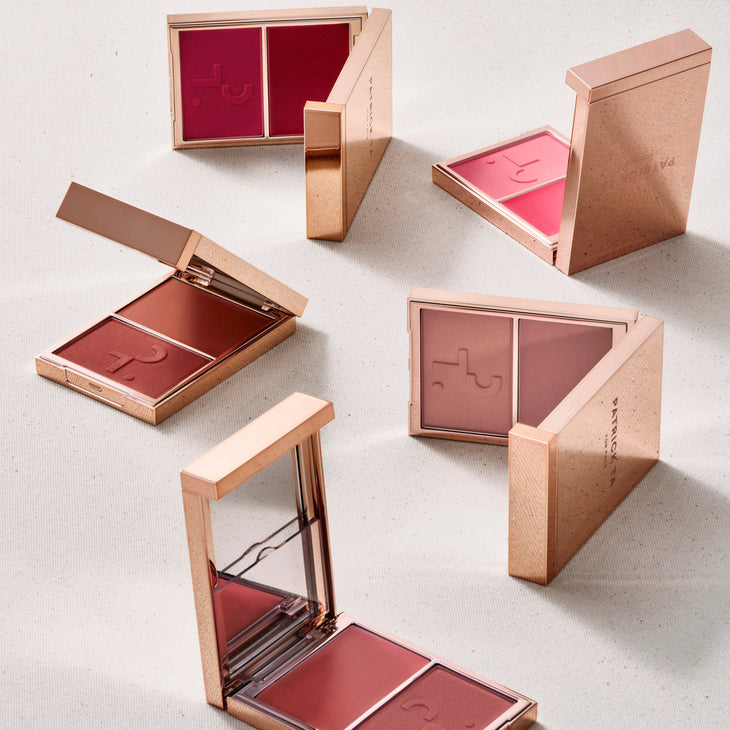
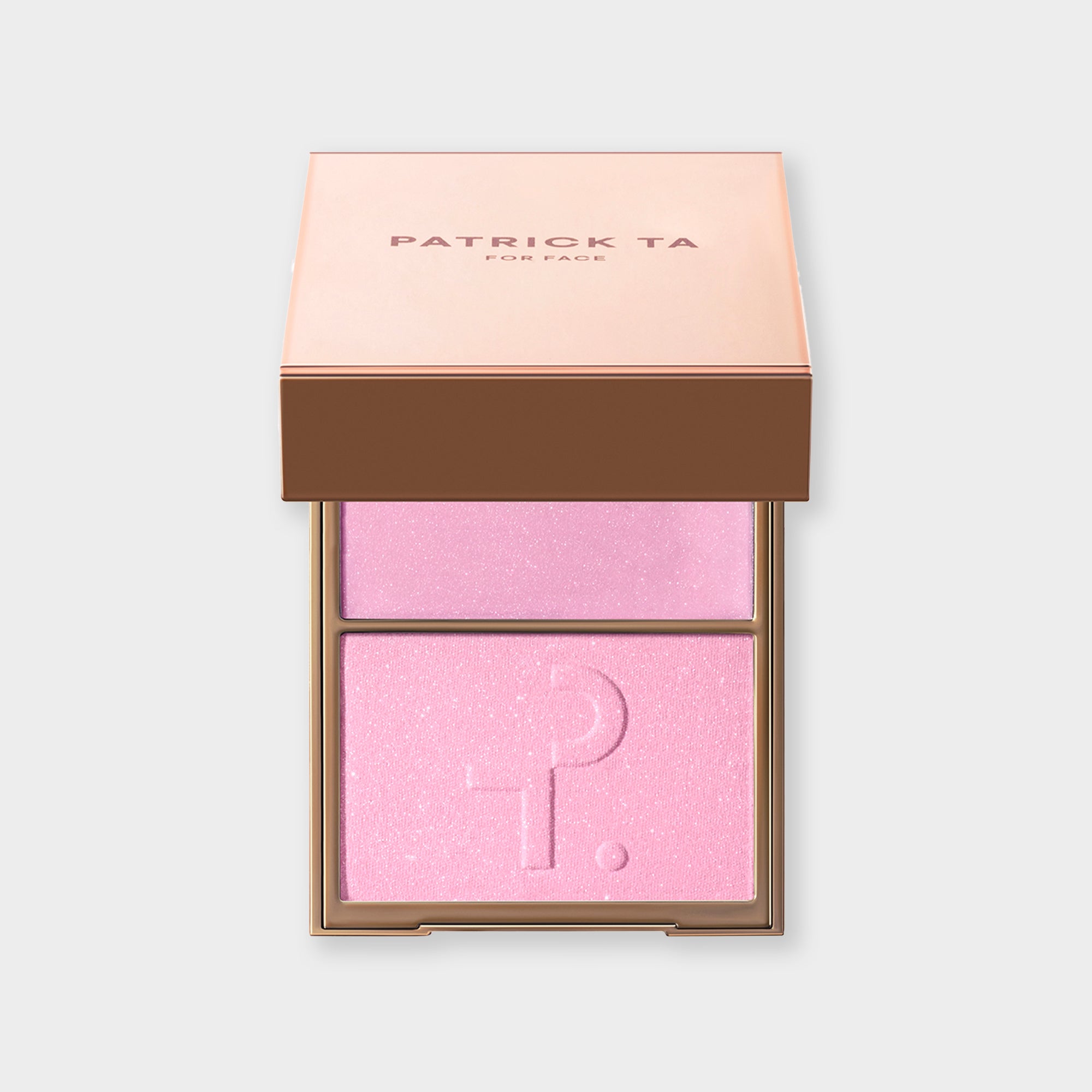
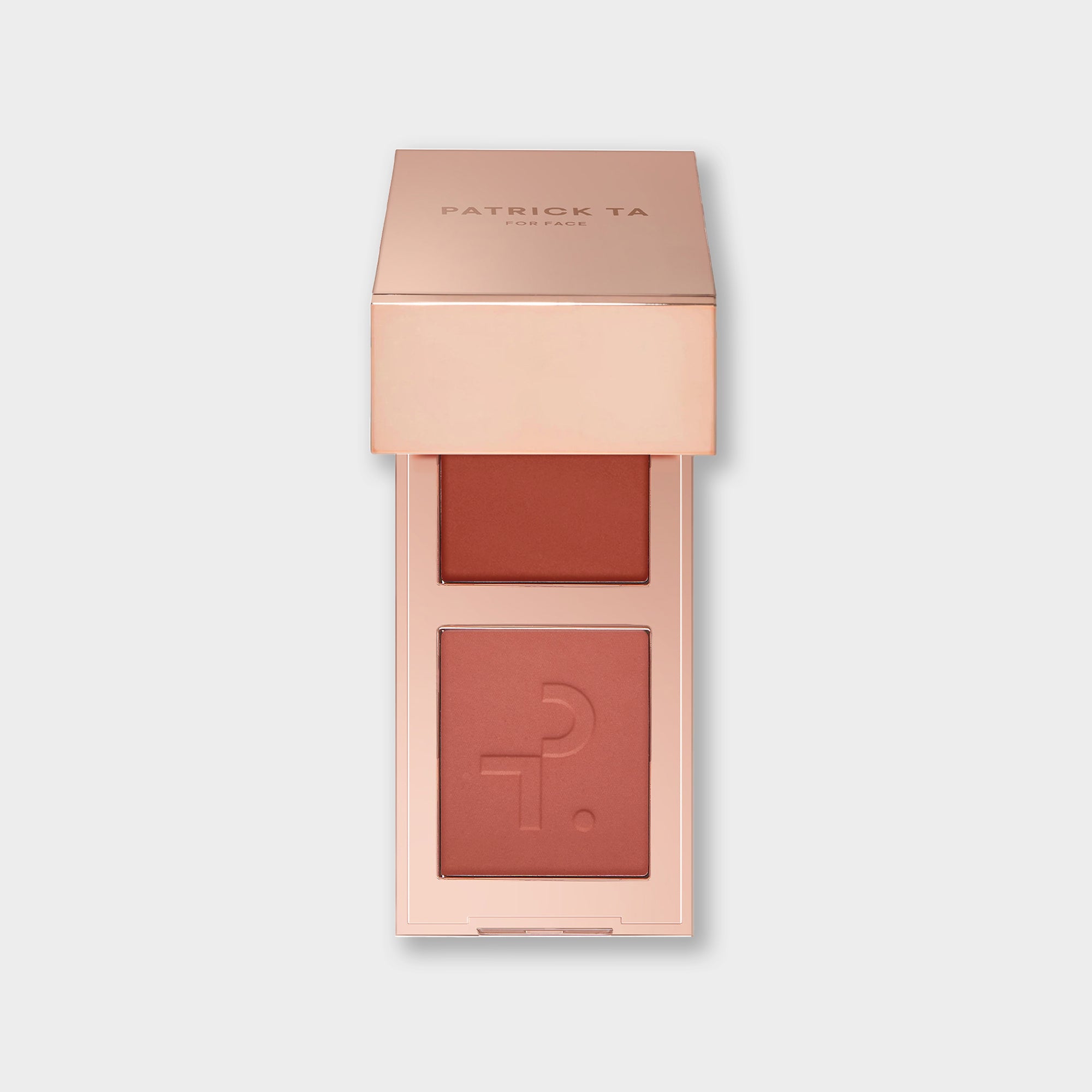
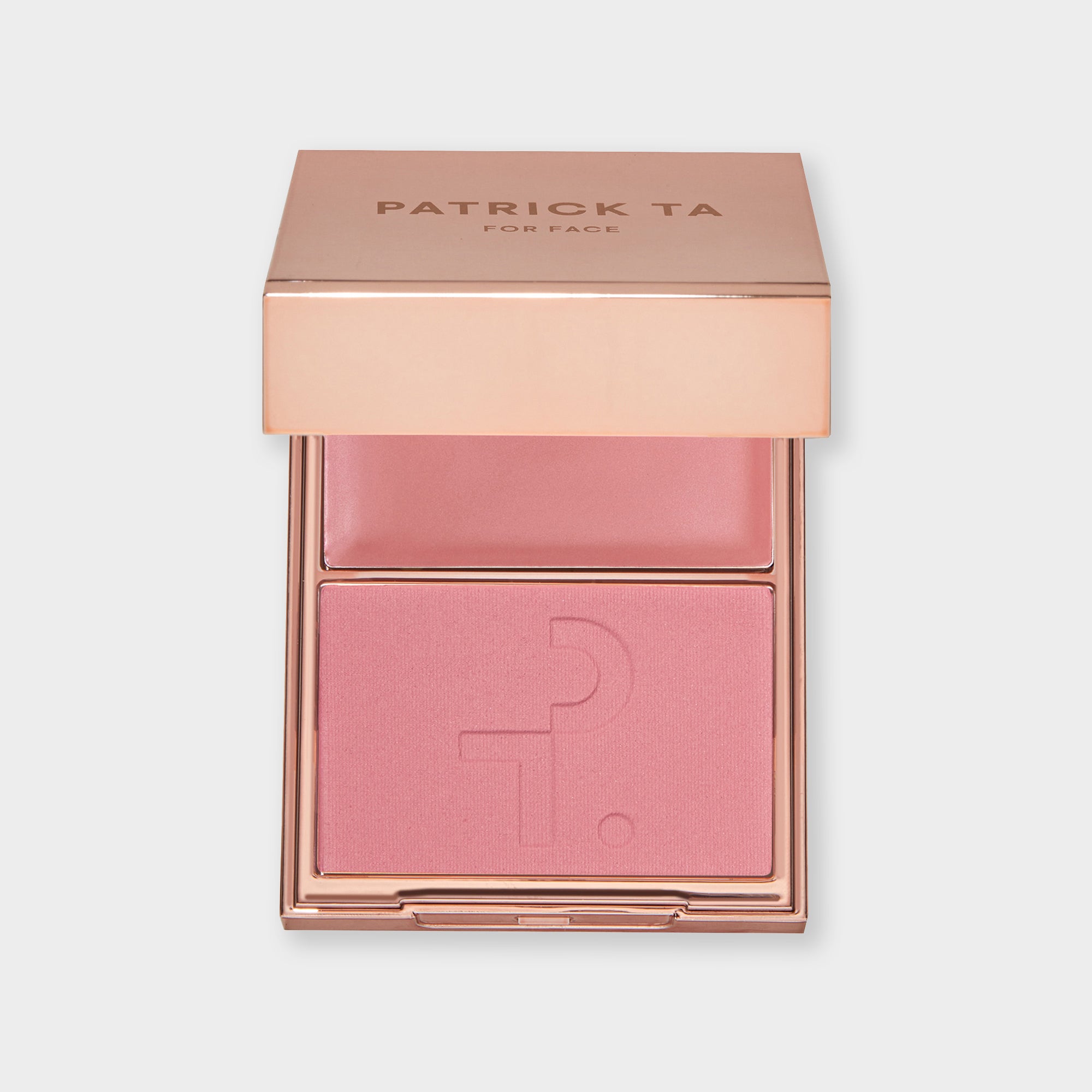
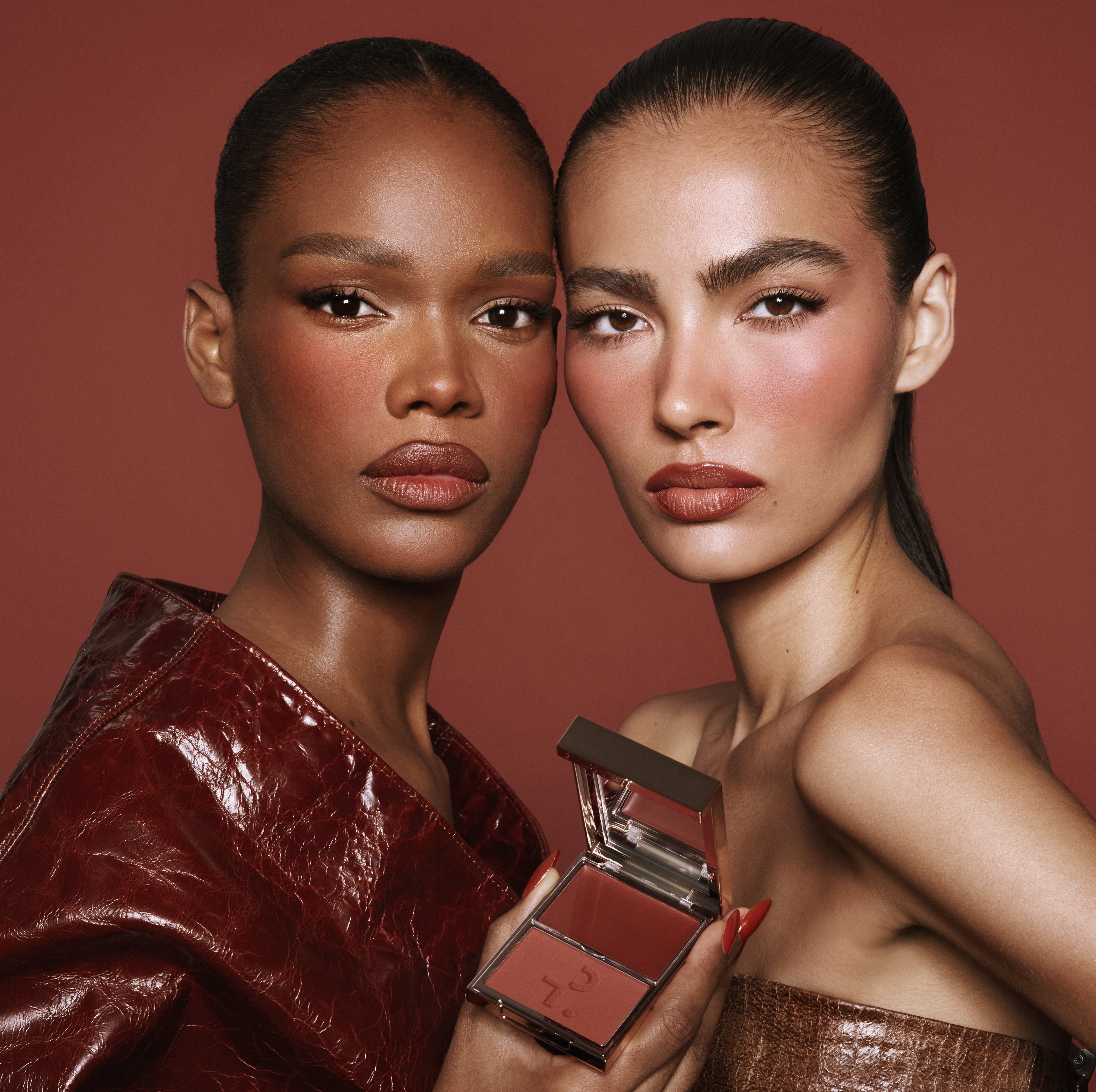
For a gorgeous, multidimensional cheek look, reach for Patrick Ta's Major Headlines Double-Take Crème & Powder Blush Duo. This versatile compact features two easy-to-use blush formulas that you can wear three ways: layer together or wear each one of them alone. The cream melts into the skin for a glossy radiance, while the powder leaves a silky wash of color on the cheeks. To achieve Patrick's signature blush look, layer the cream over the powder for a long-wearing, dewy glow that instantly lights up the complexion.
This duo is available in a wide range of richly pigmented hues, with options for all skin tones and undertones. She's Wanted, a rich berry shade that's especially stunning on medium and dark complexions with cool undertones. Anyone with warm undertones will love She's the Moment, a vibrant golden peach. Looking for your go-to pink? Try She's a Doll, a bright neutral pink for the perfect pop of color.
Check out our full blush collection and build out your dream blush wardrobe.
Frequently Asked Questions
Can you wear blush without foundation?
Absolutely — cream blush works especially well on bare skin because it melts in and mimics a natural flush, and you can tap it on with your fingertips for a seamless, skin-like finish.
What is the best Transition Blush shade for your skin tone?
Match the Transition Blurring Blush Duo to your undertone: Shy at First (Pink) for cool and neutral undertones, Did You Notice (Peach) for warm undertones, and Between Us (Lilac) for extra undereye brightening on cool complexions.
How do you keep blush from fading throughout the day?
Layer your blush using Patrick Ta's Major Headlines Double-Take Crème & Powder Blush Duo by applying the powder first, then pressing the cream on top to lock in color and extend wear with a dewy, long-lasting finish.
What blush shades work best for olive skin tones?
Olive skin typically carries warm or neutral undertones, so coral, peach, warm pink, and soft mauve shades will complement your complexion without reading muddy or too stark against it.
Is blush supposed to go on before or after setting powder?
Powder blush should go on after setting powder for the smoothest, most diffused finish, while cream blush should be applied directly over your liquid or cream foundation before any powder so it blends seamlessly into the skin.
Can you mix cream blush and powder blush in the same look?
Yes, and layering them is actually Patrick's signature technique — apply powder blush first to build a soft base of color, then press cream blush on top to add dimension, dewiness, and staying power.
What is the best blush brush for a natural, blended finish?
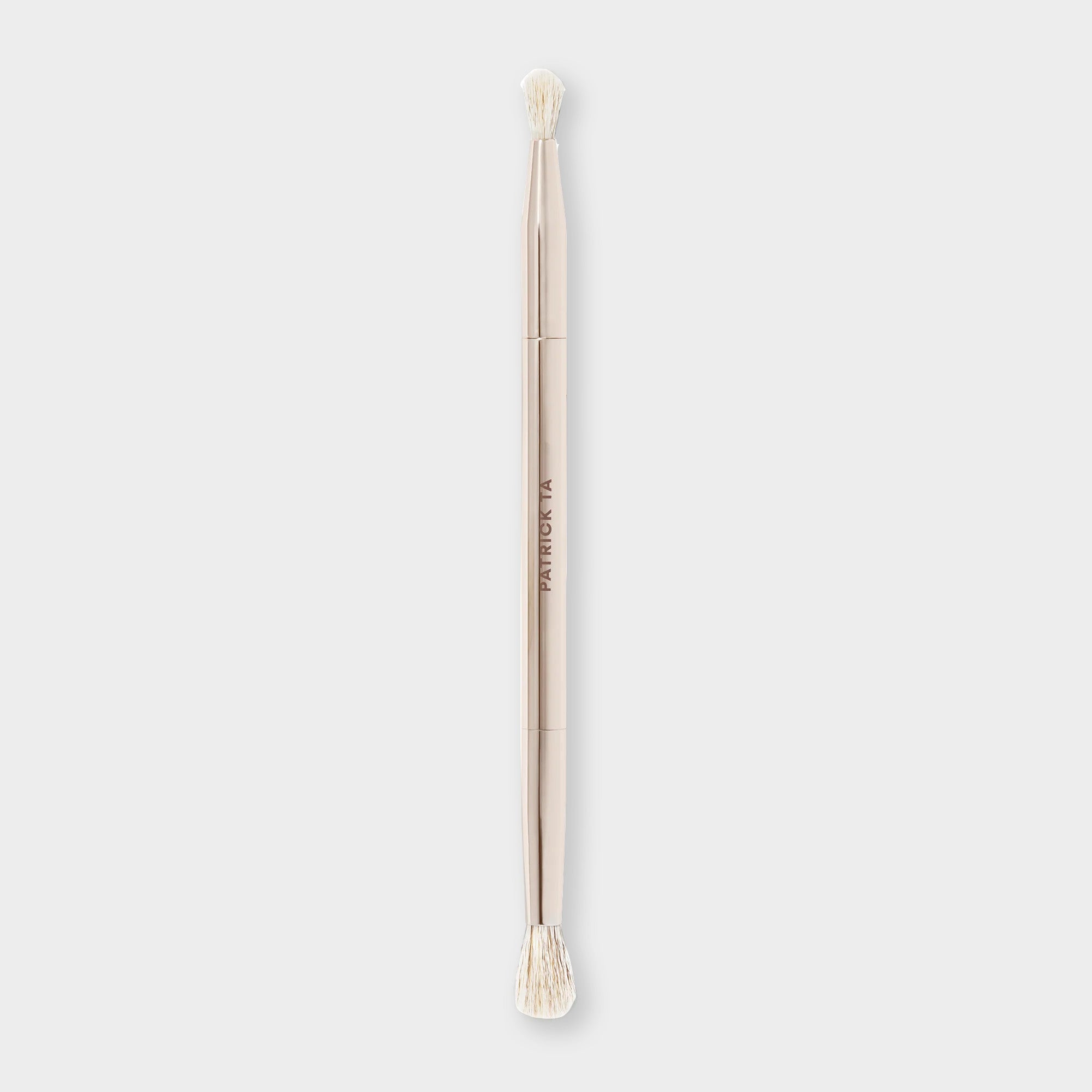
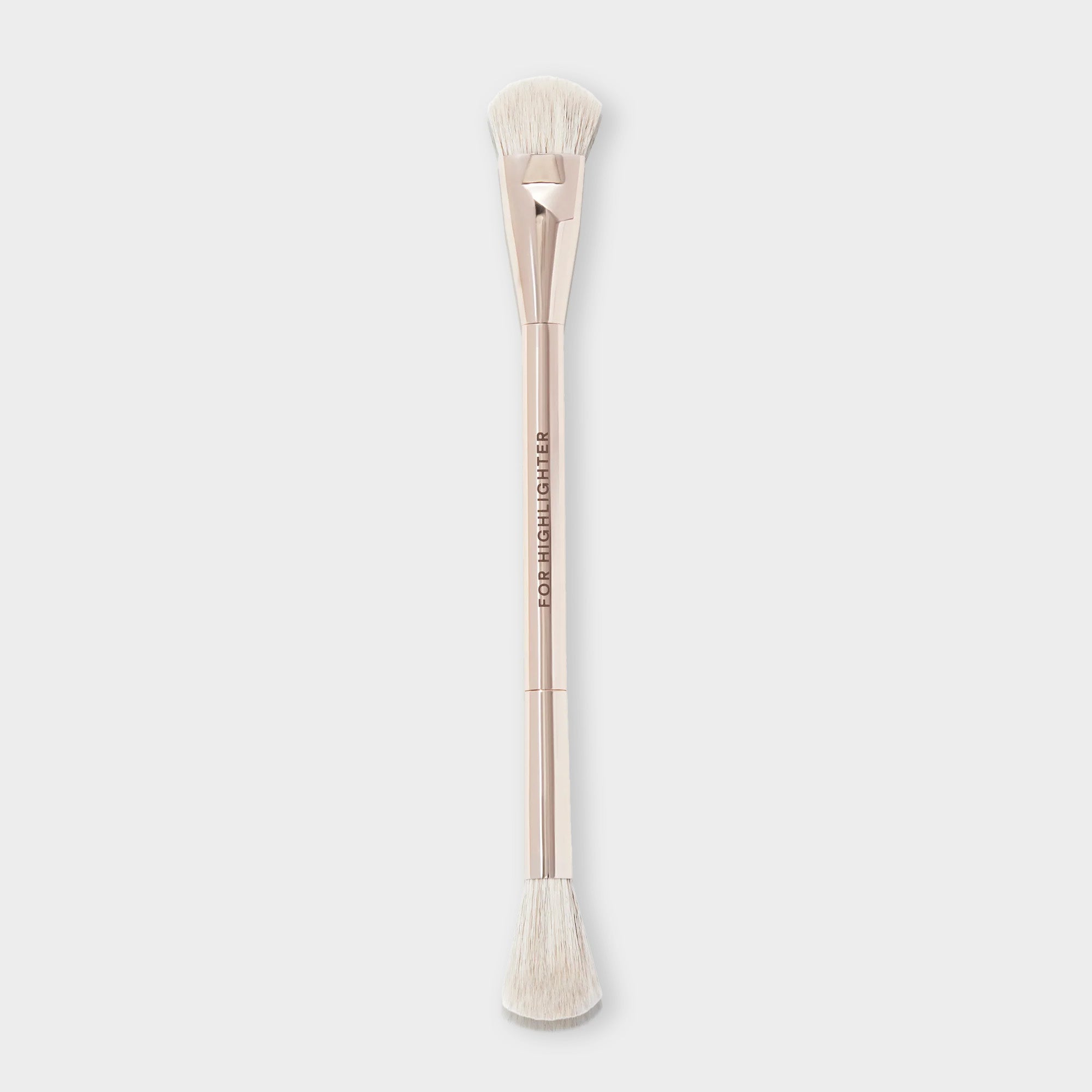
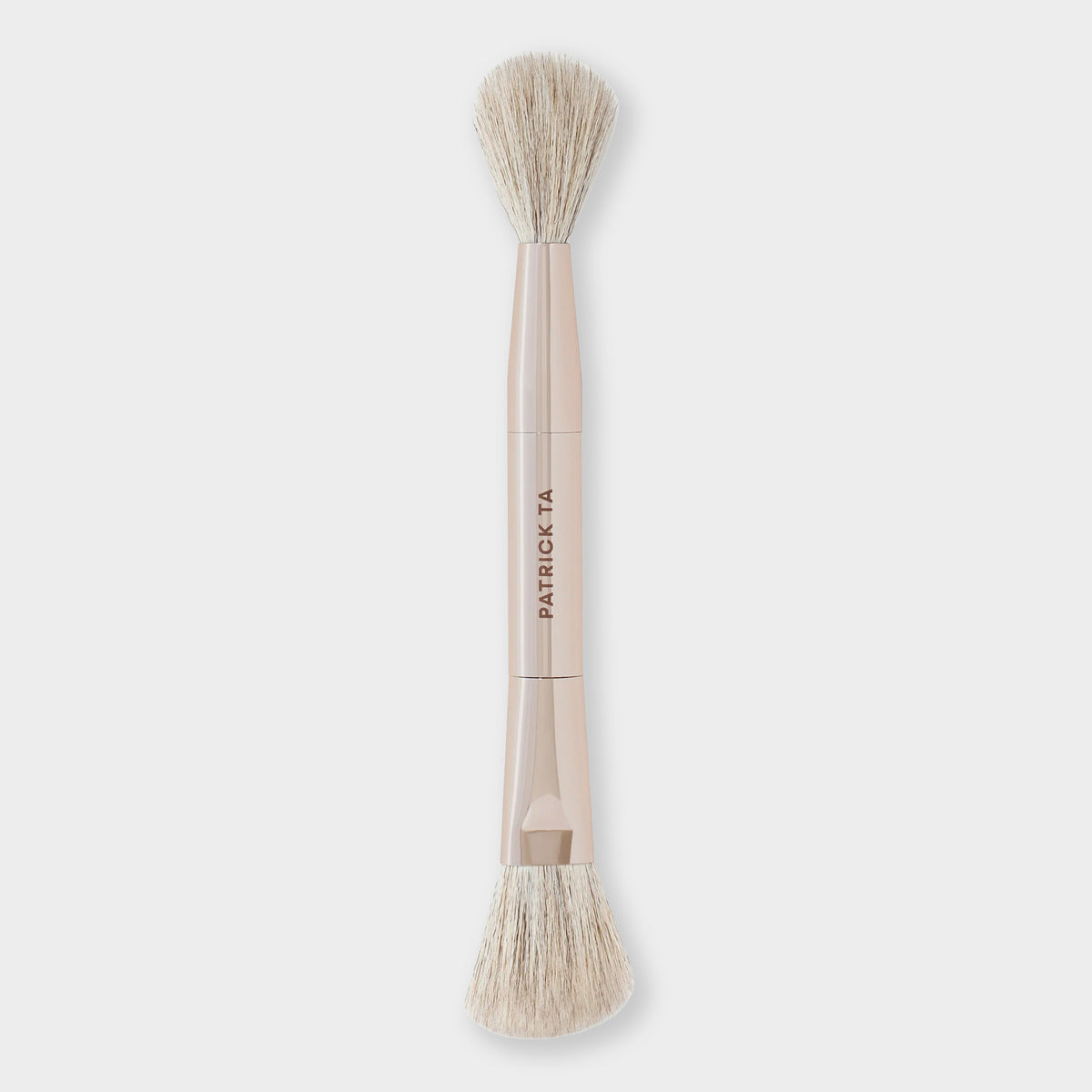
Use a fluffy blush brush to diffuse powder blush across the cheeks with no hard edges, and switch to a compact, denser brush like the Dual-Ended Precision Blush Brush when you need precise placement with a cream or liquid formula.

RELATED POSTS
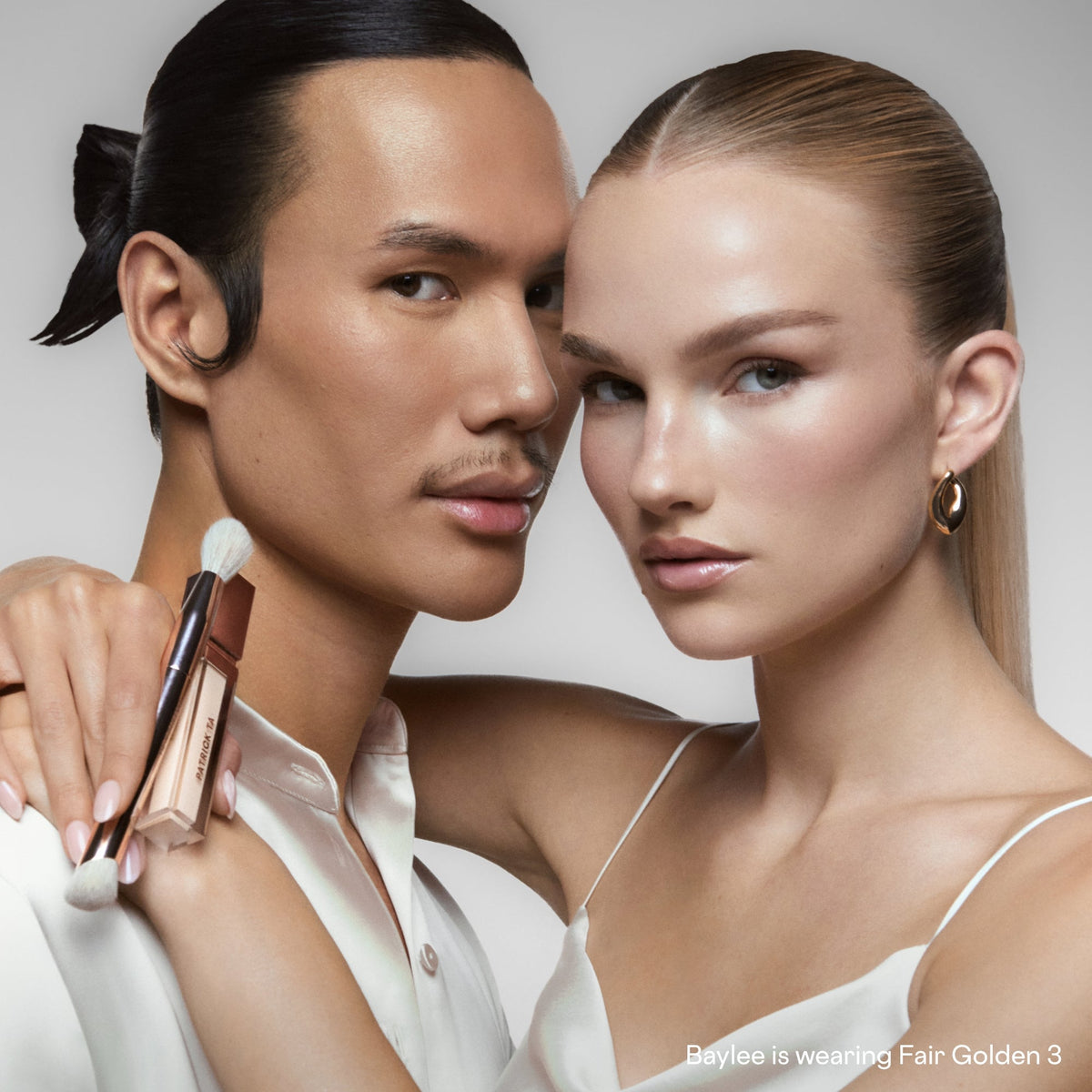
Celebrity makeup artist and founder of Patrick Ta Beauty, Patrick Ta, has once again captivated the beauty world with his innovative products, earning multiple accolades at the 2025 Allure Best of ...
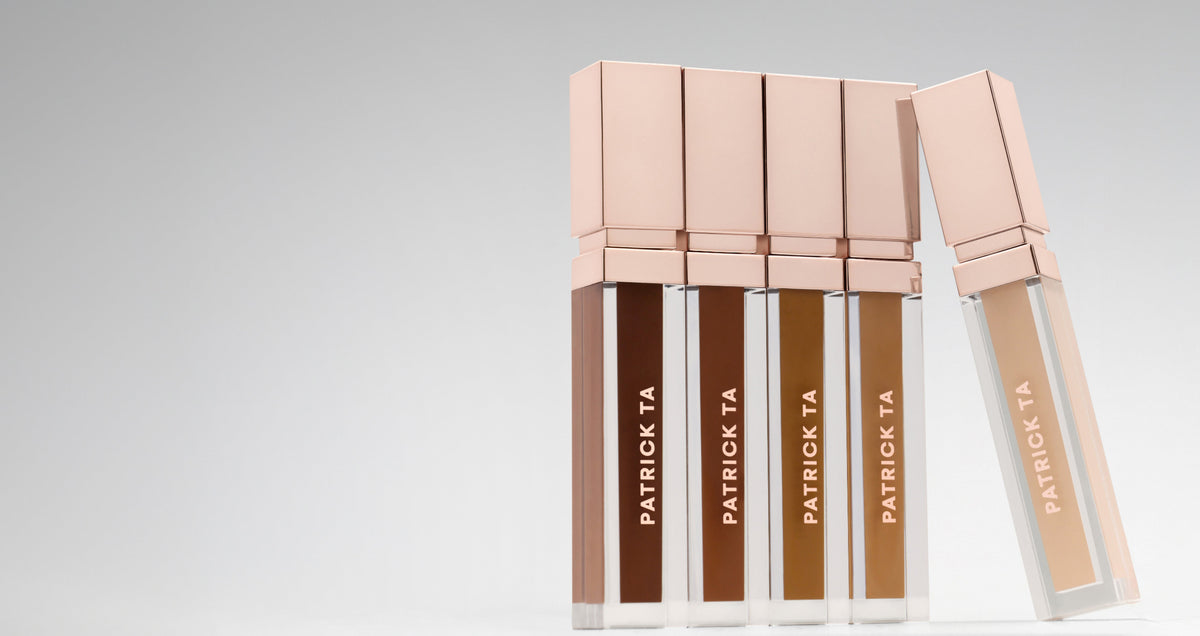
Here is Patrick's guide to concealer placement, plus how to apply it for a seamless, skin-like finish.
Here is how to find your concealer shade, how to test it, and how to use more than one shade for a flawless base
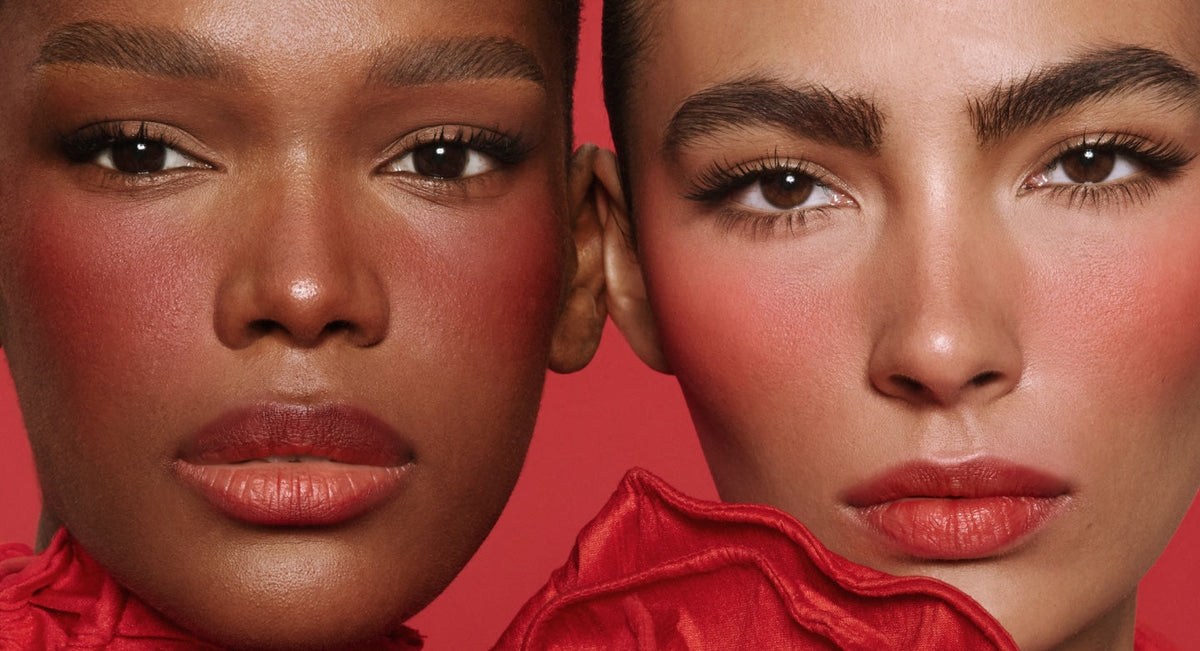
Here is why red blush has become a modern staple, how to choose the right shade for your skin tone, and how Patrick applies it for a flush that looks effortless.
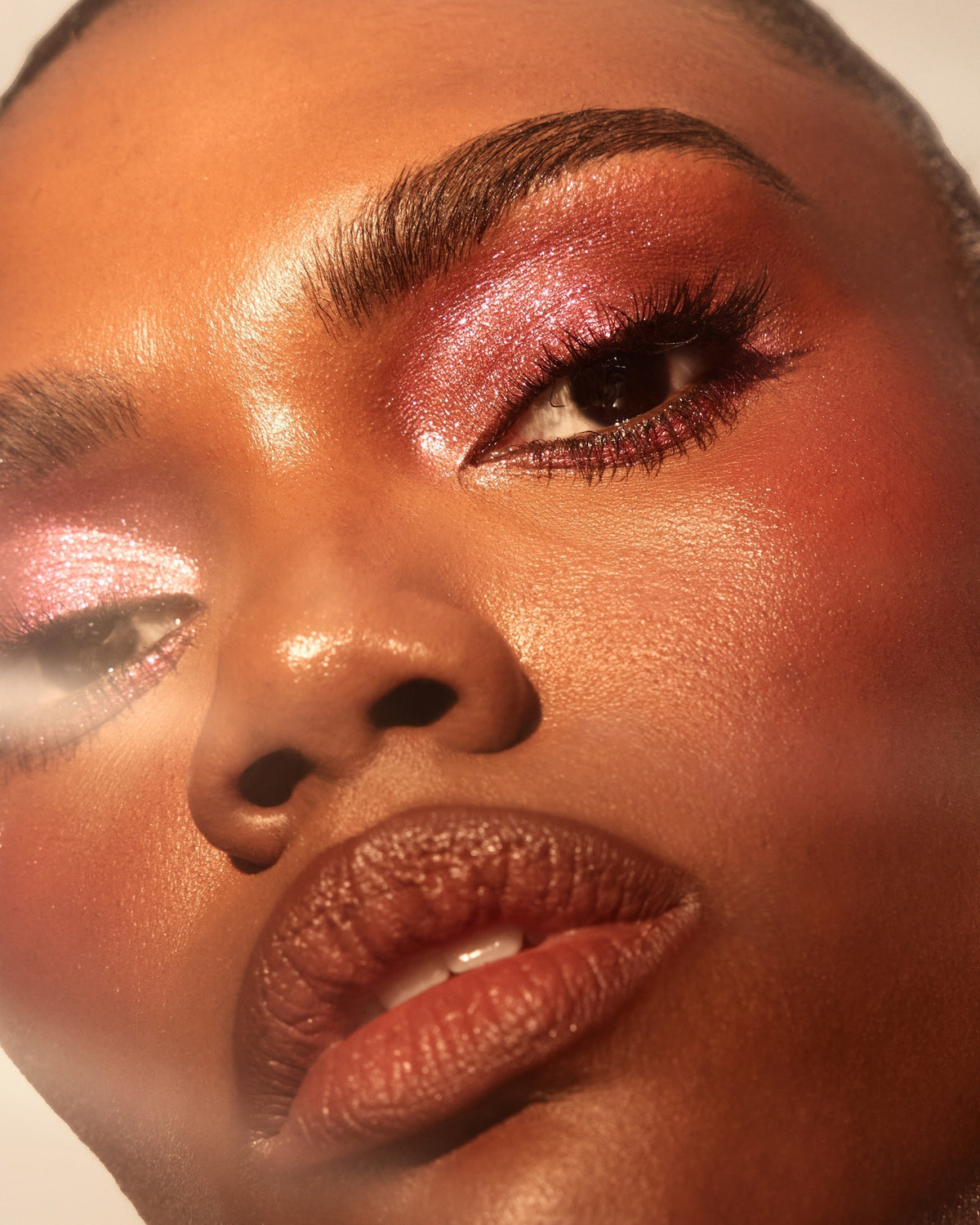
Here are the shades that make brown eyes stand out and the Patrick Ta palettes that deliver them.
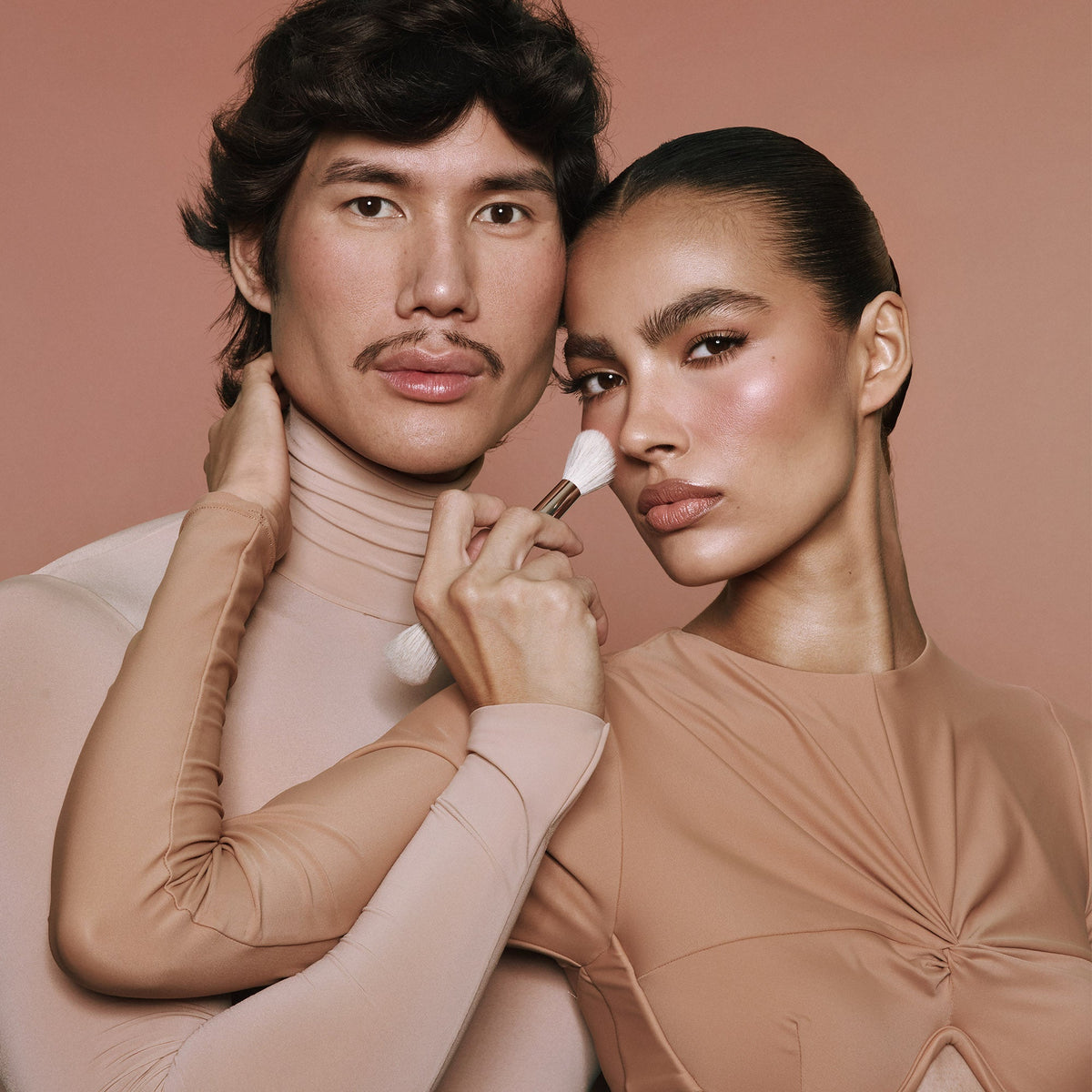
If you have been reaching for the same pink or peach for years, mauve blush is the easiest way to refresh your routine without going bold.
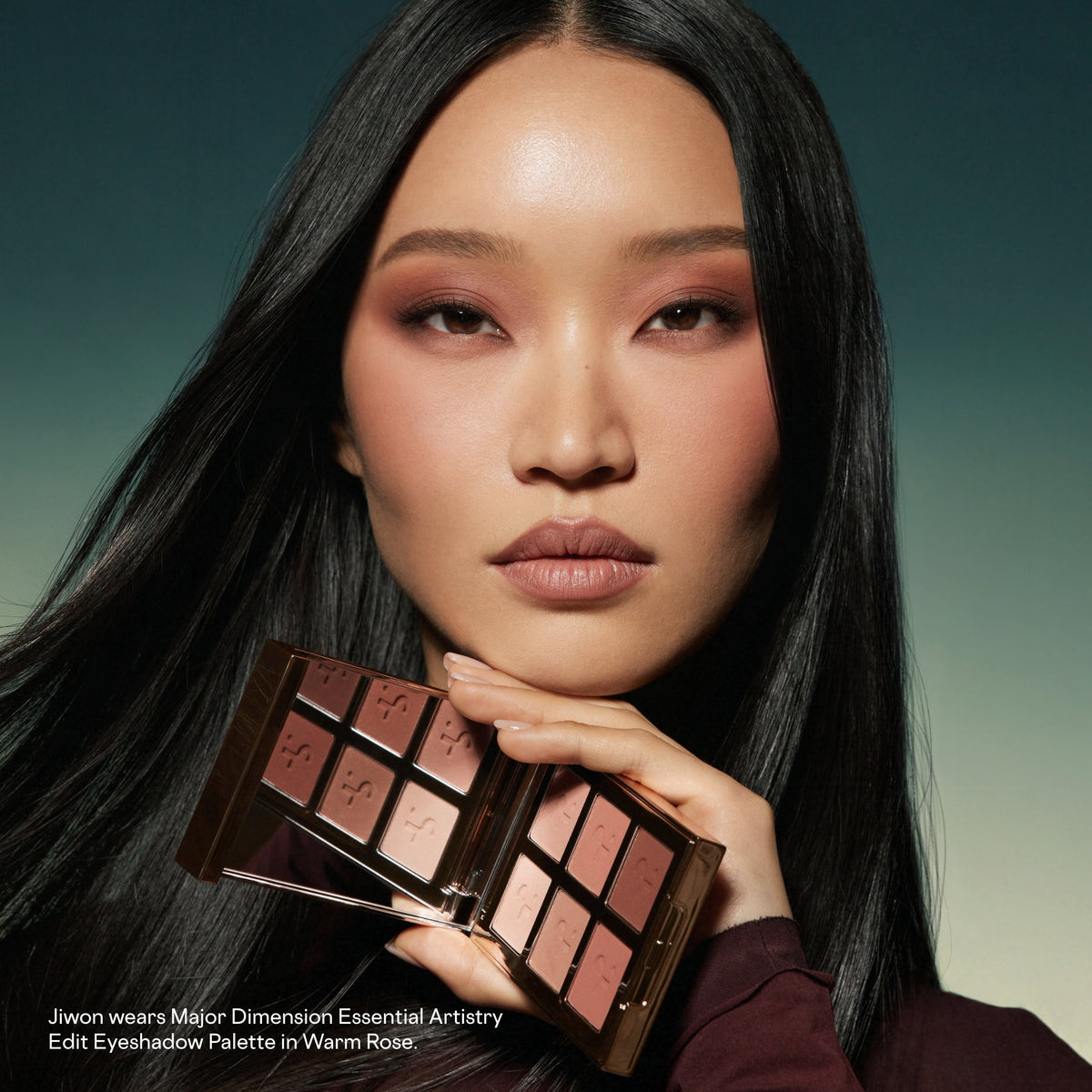
With professional tips from Patrick himself, consider this your step-by-step guide to creating the perfect smokey eye.
Follow these steps to learn how to apply eyeshadow for everything from an everyday wash of color to a defined evening look.