



Quick Summary
- Your undertone, not just your skin depth, decides which blush color looks like a natural flush on you.
- Find your undertone by checking your wrist veins, comparing gold and silver jewelry, and noticing how your skin reacts to the sun.
- Cool undertones glow in blue pinks, cool mauves, and berries, while warm undertones shine in peaches, corals, and warm reds.
- Neutral undertones can wear almost any blush color, and soft pinks and rosy taupes are an easy everyday match.
- Olive undertones look best in rosy berries, warm mochas, and bronzed nudes that add warmth without turning gray.
- Take the blush quiz or try a crème and powder duo to test a new blush color with less risk.
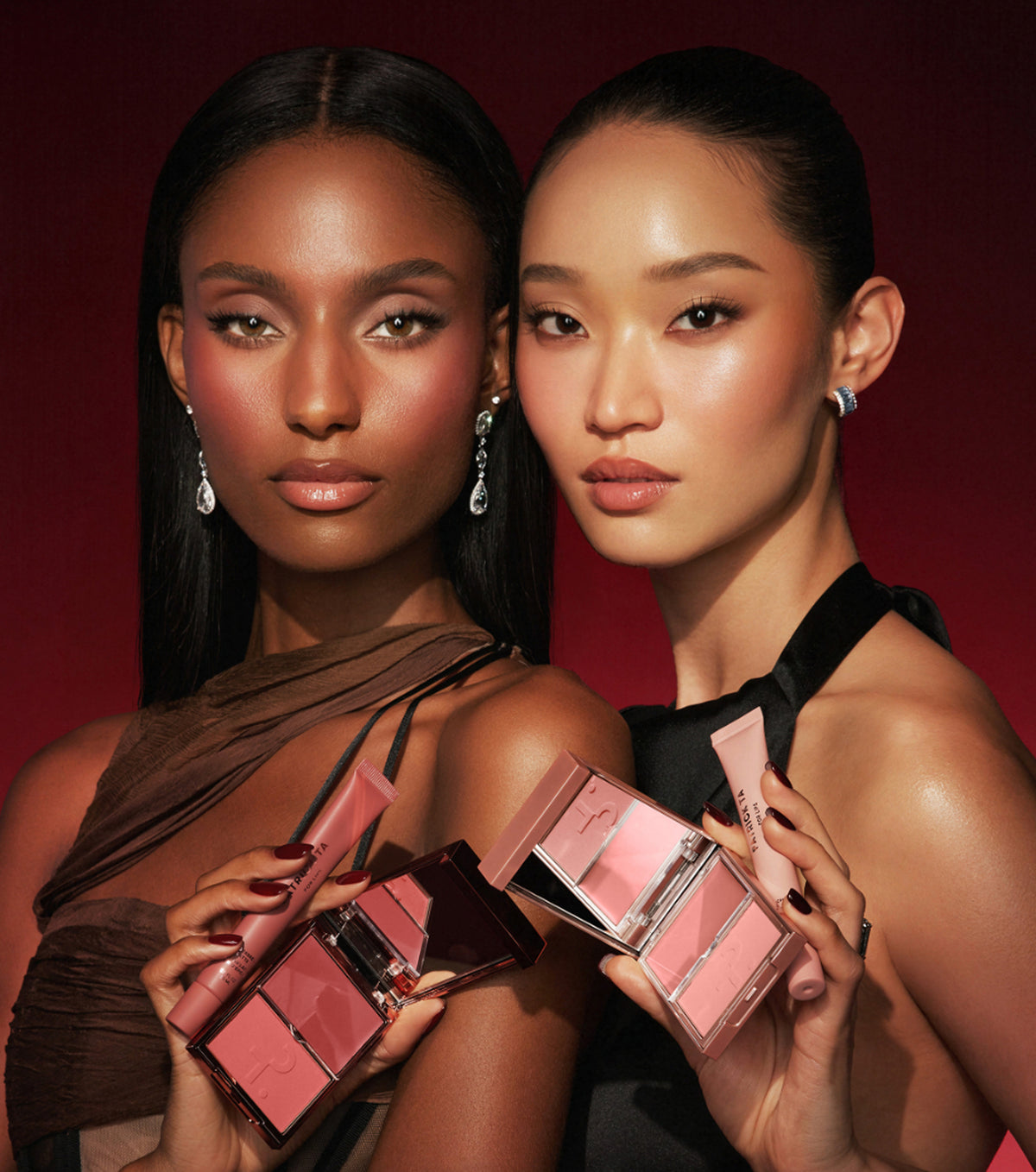
What color blush should you wear? If you have ever bought a blush that looked gorgeous in the compact but muddy, chalky, or orange on your cheeks, the answer usually comes down to your undertone. Blush colors by undertone are the simplest shortcut to a flush that looks like it came from within. Here is how to find your undertone and the Patrick Ta blush colors that flatter it.
Why Undertone Matters When Choosing a Blush Color
Your skin tone is the surface depth of your skin, from fair to deep. Your undertone is the subtle hue underneath, usually described as cool, warm, neutral, or olive. Two people with the same skin depth can look completely different in the same blush because their undertones differ.
When a blush color harmonizes with your undertone, it reads as a natural, healthy flush. When it clashes, it can look ashy, overly orange, or like it is sitting on top of the skin. For guidance on matching blush to your skin depth, see our guide on how to find the best blush for your skin tone.

How to Find Your Undertone
Check Your Veins: Look at the veins on your inner wrist in natural light. Blue or purple veins suggest cool undertones, green veins suggest warm, and a mix of both suggests neutral.
Try the Jewelry Test: If silver flatters you more, you likely lean cool. If gold looks better, you likely lean warm. If both look good, you are probably neutral.
Notice How You Tan: Skin that burns easily often leans cool, while skin that tans easily often leans warm.
For a deeper walkthrough, read our guide on how to determine your skin tone and undertone.
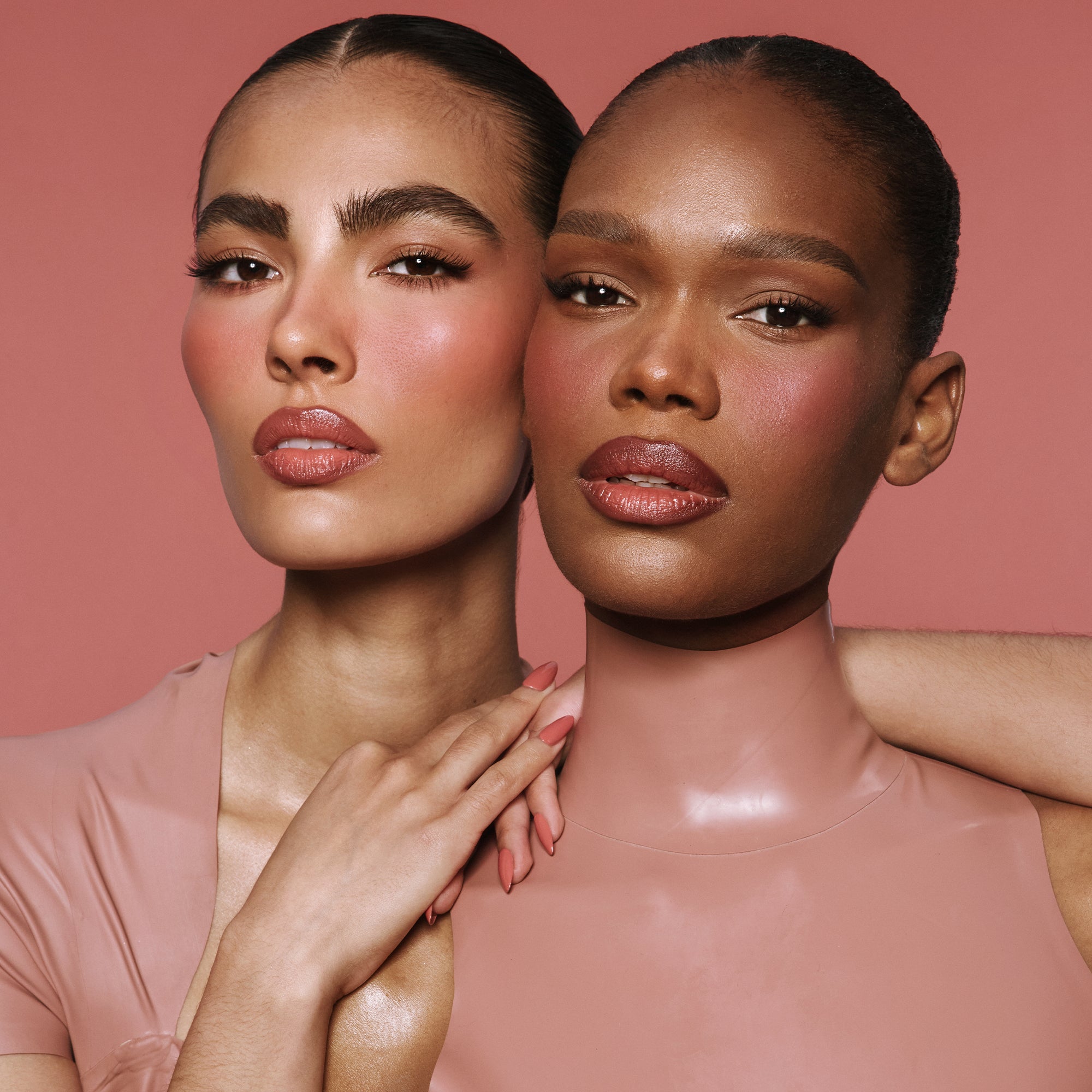
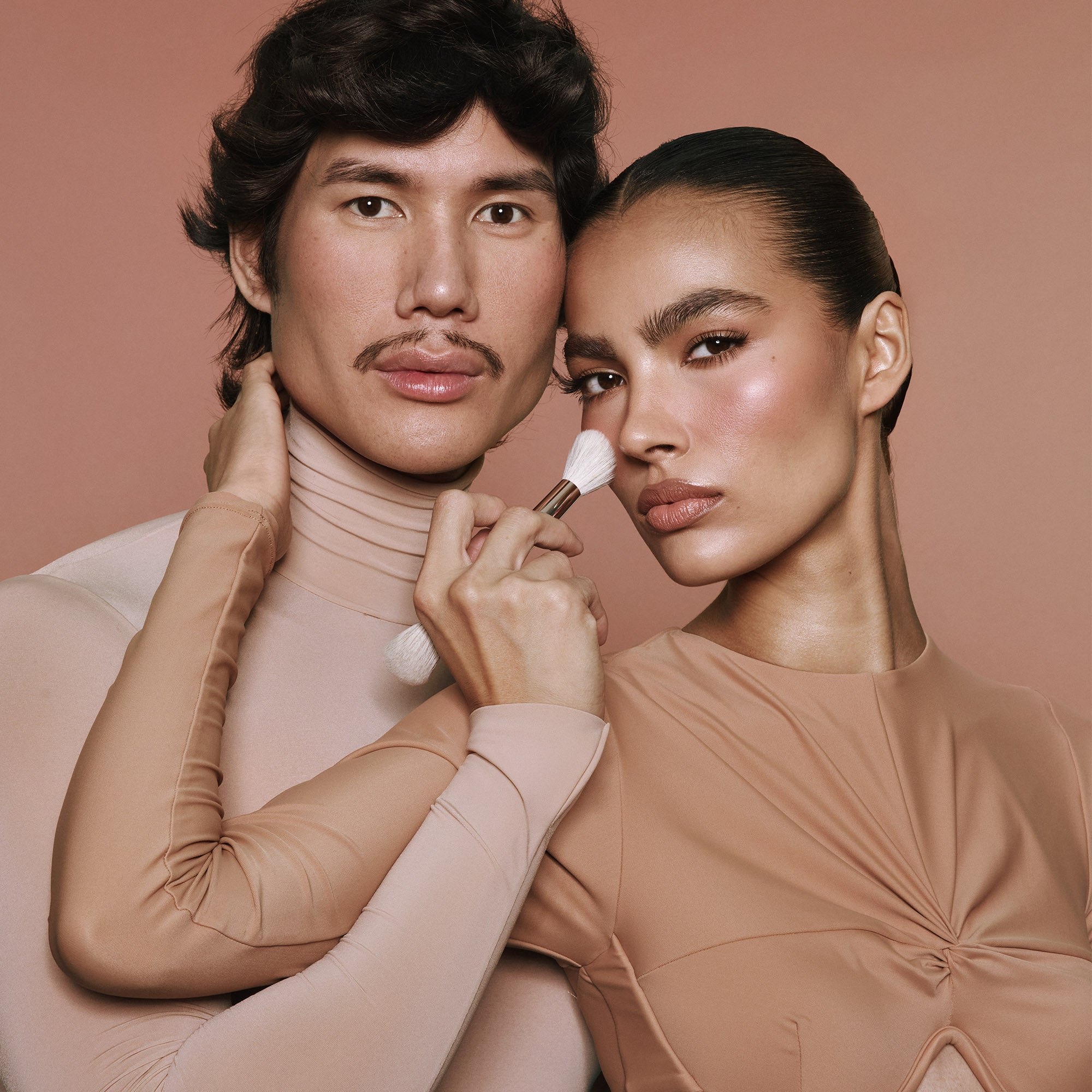
The Best Blush Colors for Cool Undertones
Cool undertones have pink, red, or bluish hints, so blush colors with a blue or rosy base look the most natural. Reach for blue pinks, cool mauves, berries, and soft lilacs.
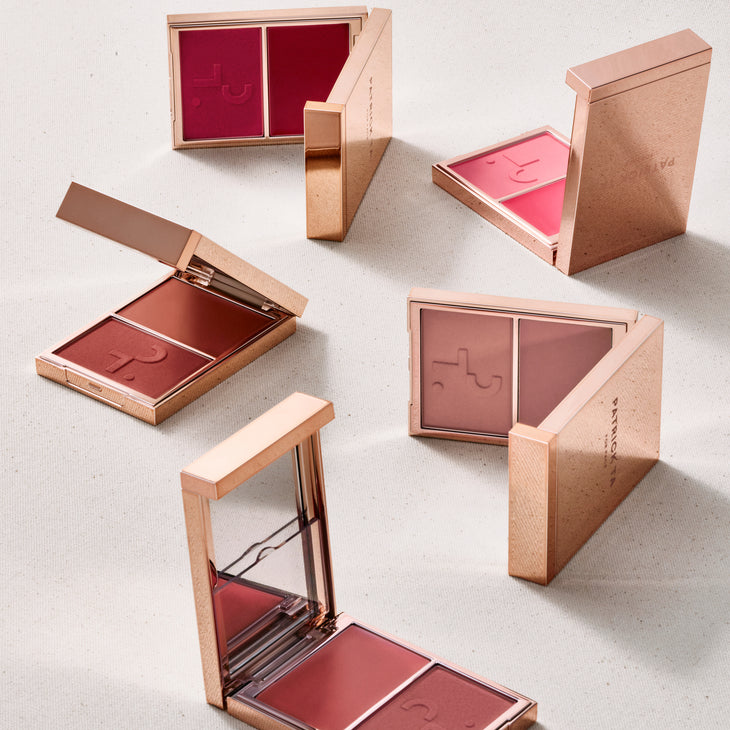
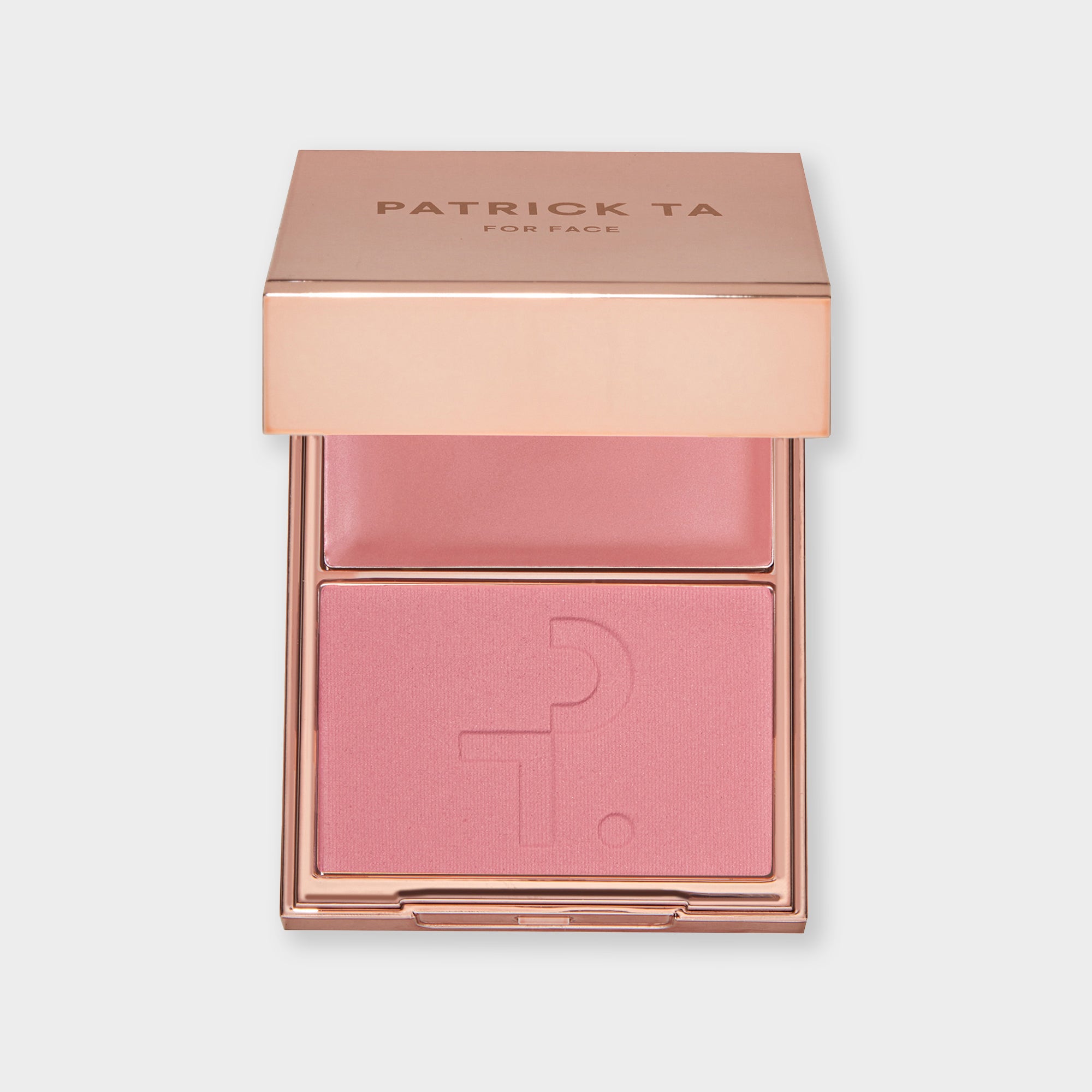
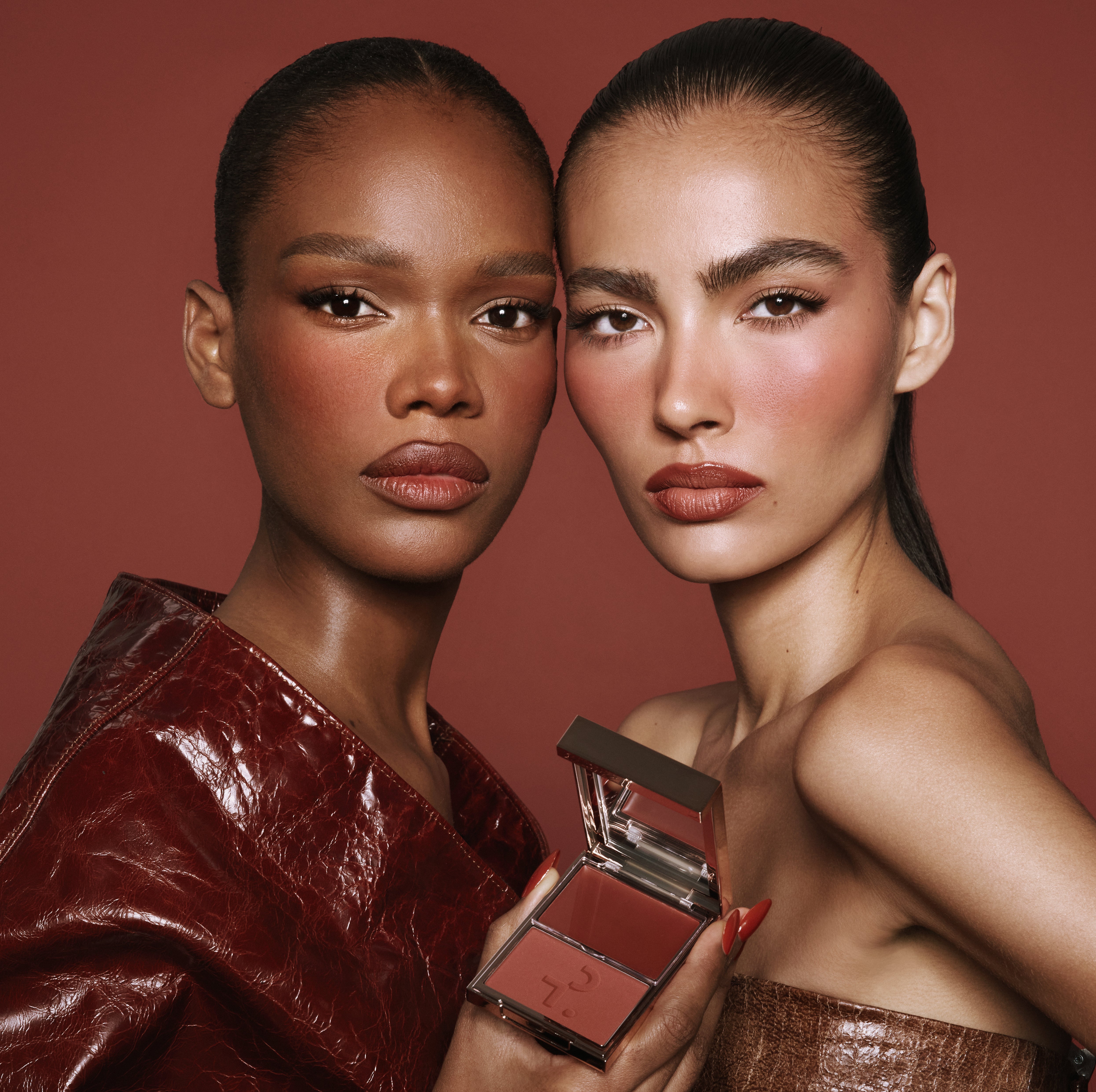
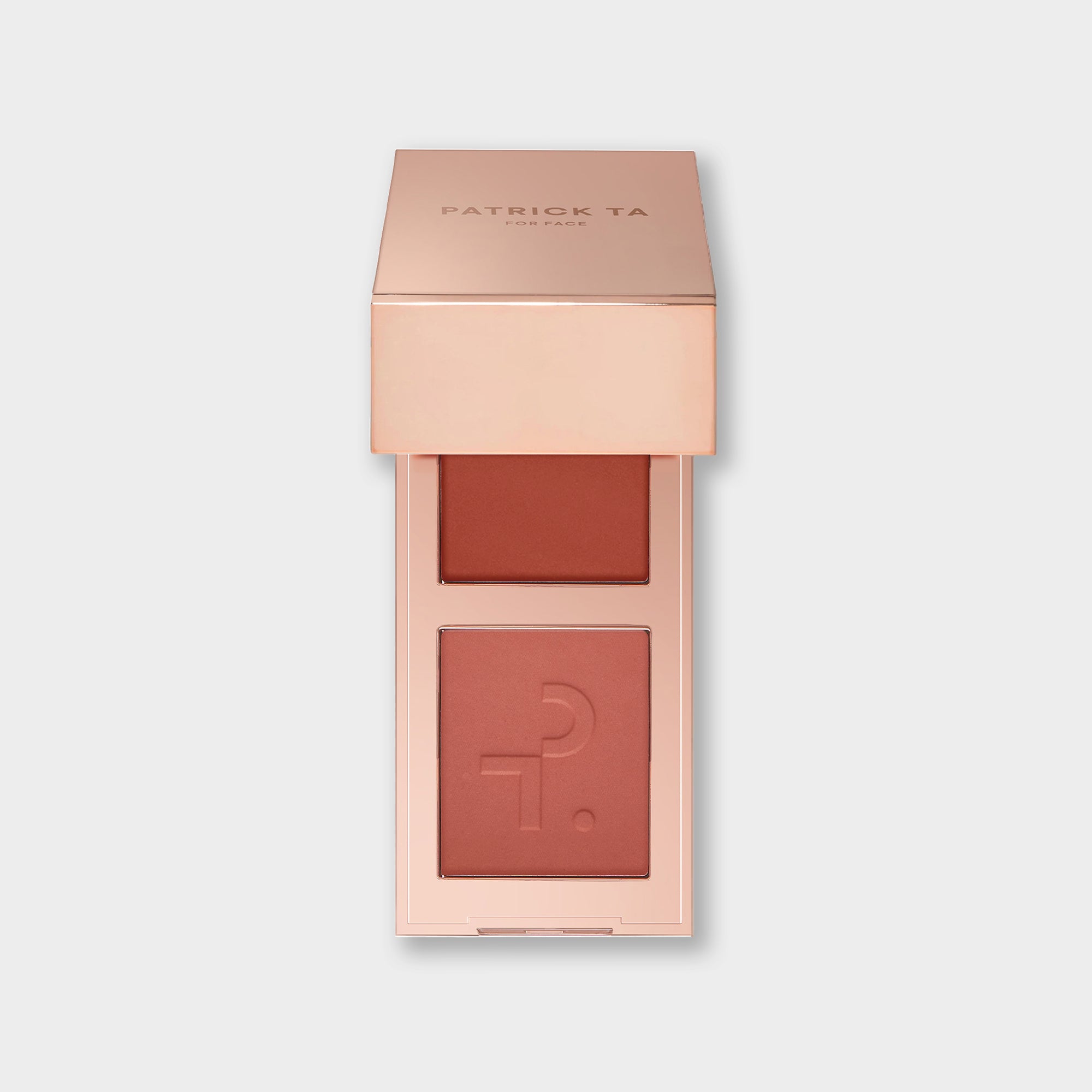
In the Major Headlines Double-Take Crème and Powder Blush Duo, try Out Of Office (Cool Pink), Just Enough (Soft Blue Pink), She's Giving (Vibrant Blue Pink), She Goes to the Gym (Cool Mauve Rose), or She's Wanted (Rich Berry). Shop every shade in our blush for cool undertones collection.

The Best Blush Colors for Warm Undertones
Warm undertones have golden, peachy, or yellow hints, so blush colors with a warm base bring the skin to life. Reach for peaches, corals, apricots, and warm reds.
Try She's The Moment (Golden Peach), Soft Launch (Coral), She's Vibrant (Bright Pinky Coral), She's Flushed (Soft Peachy Pink), or She Left Me On Red (Warm Vivid Red). Browse our peach blush collection for more warm-toned options.
The Best Blush Colors for Neutral Undertones
Neutral undertones have a balance of warm and cool, which means you can wear almost any blush color. Soft pinks, rosy taupes, and mauves are especially easy, everyday matches.
Try She's A Doll (Bright Neutral Pink), She's That Girl (Soft Pink), Not Too Much (Soft Rosey Taupe), She's Blushing (Rosey Taupe), or She's Seductive (Warm Rosey Beige). Mauve is a particularly flattering choice. See our mauve blush collection to explore it.

The Best Blush Colors for Olive Undertones
Olive undertones have a subtle green or gray cast, so very pale pinks can look chalky. Choose blush colors with enough depth and warmth to stand out, like rosy berries, warm mochas, and bronzed nudes.
Try She Knows Who She Is (Rich Mocha), She's So LA (Bronzed Nude), or She's Wanted (Rich Berry). Shop our blush for olive skin collection and read our full guide to the best blush for olive skin.
How to Test a New Blush Color
Take the Quiz: The Patrick Ta blush quiz matches you with a shade based on your skin tone and undertone.
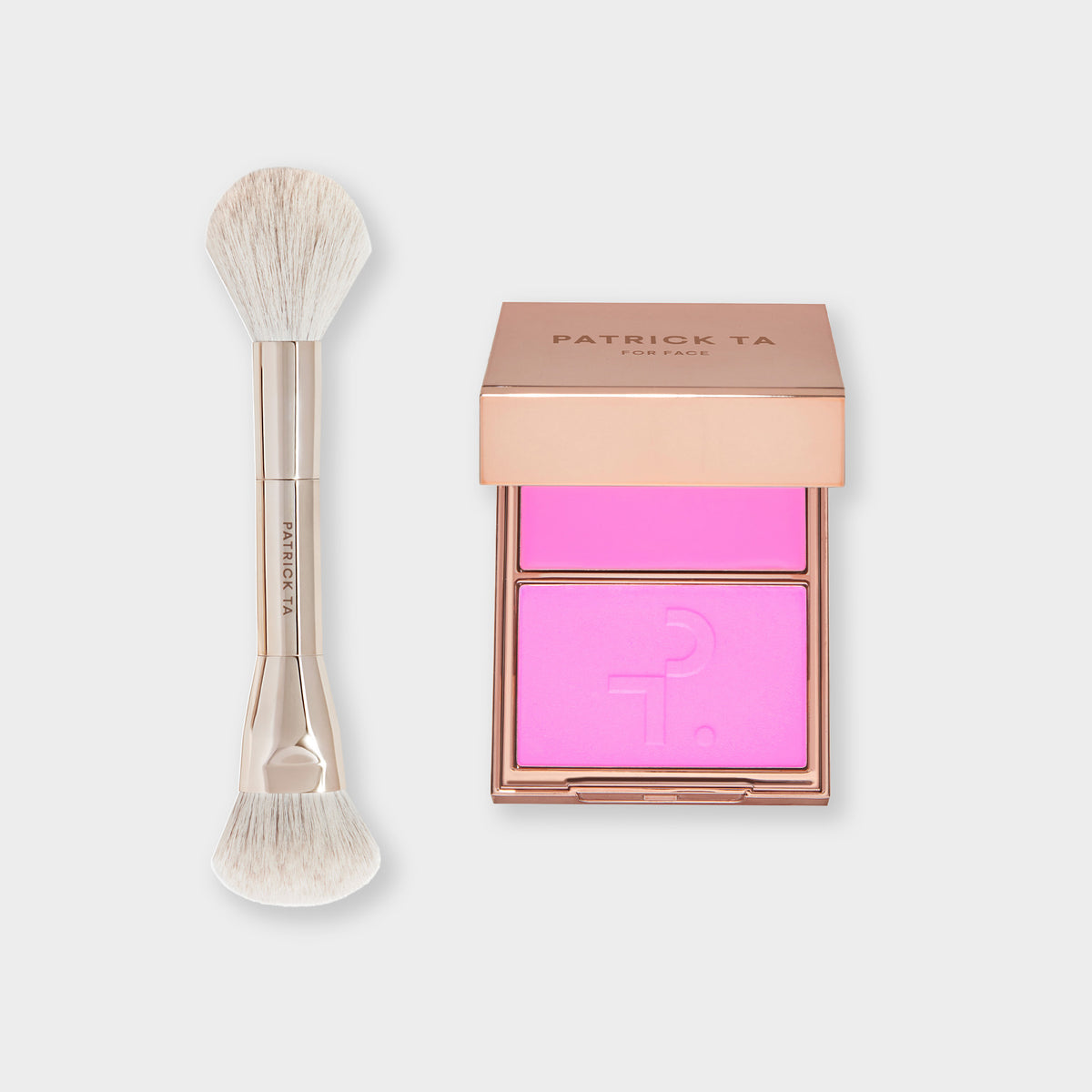
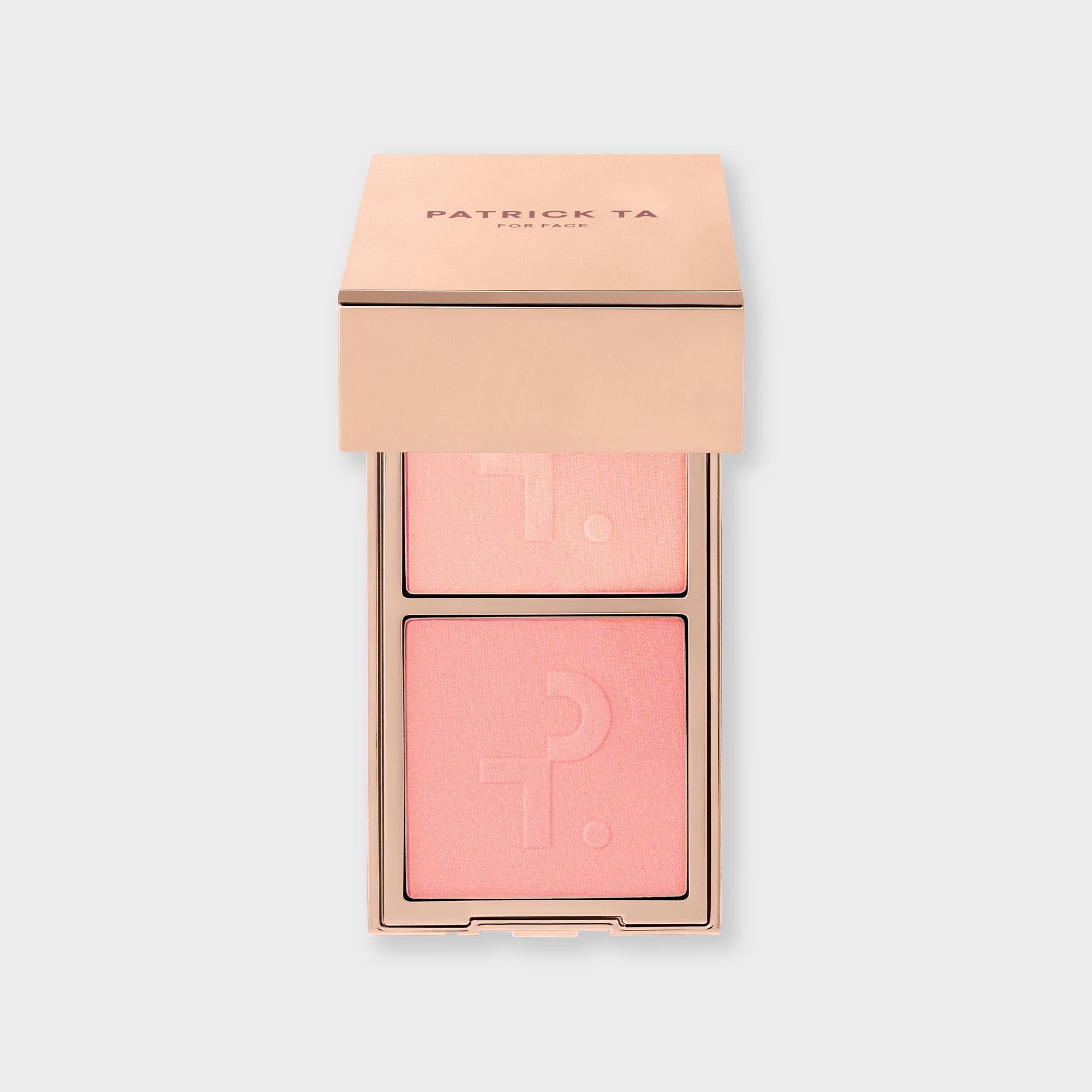
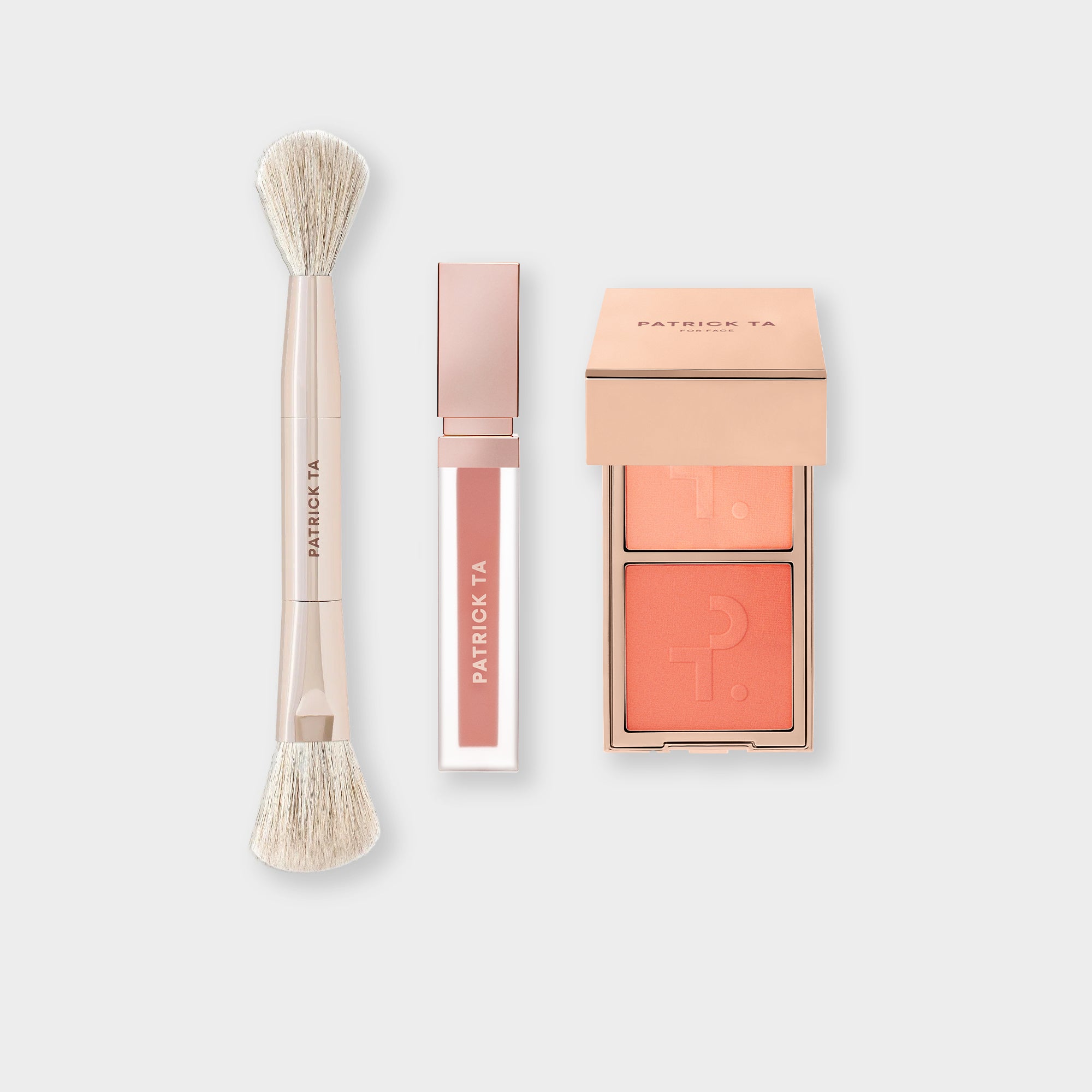
Start Small: The Mini Major Headlines Double-Take Crème and Powder Blush Duo is a travel-friendly way to try a new color family before committing to a full size.
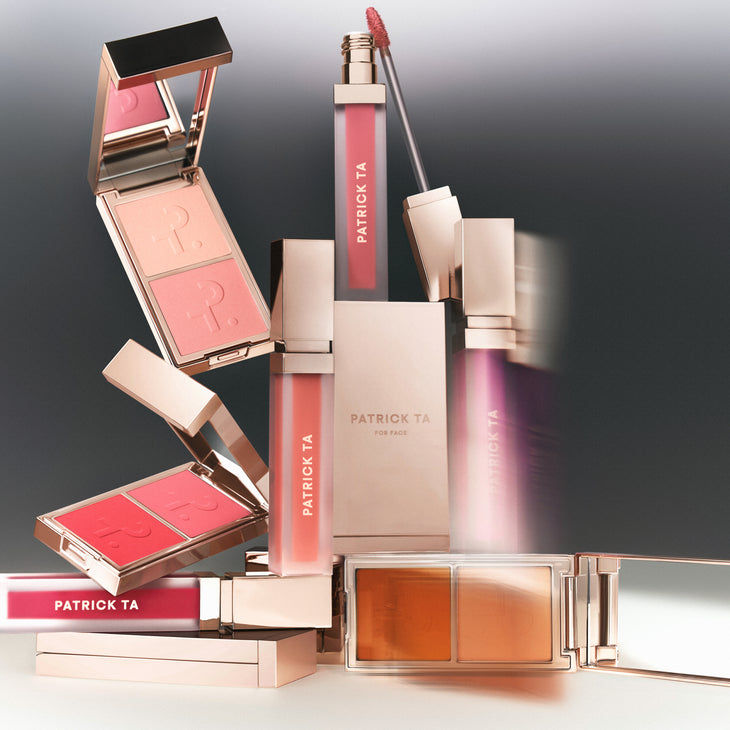
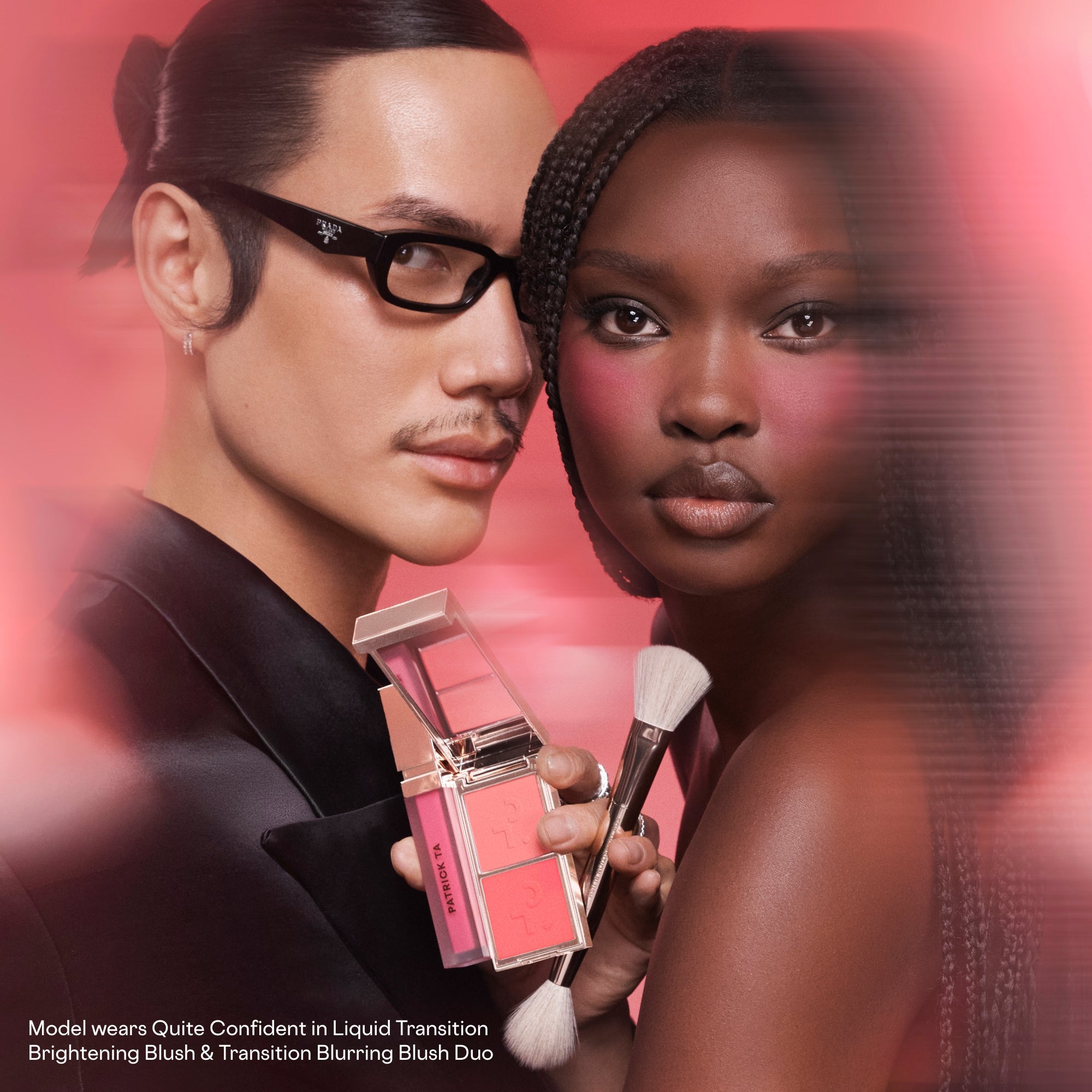
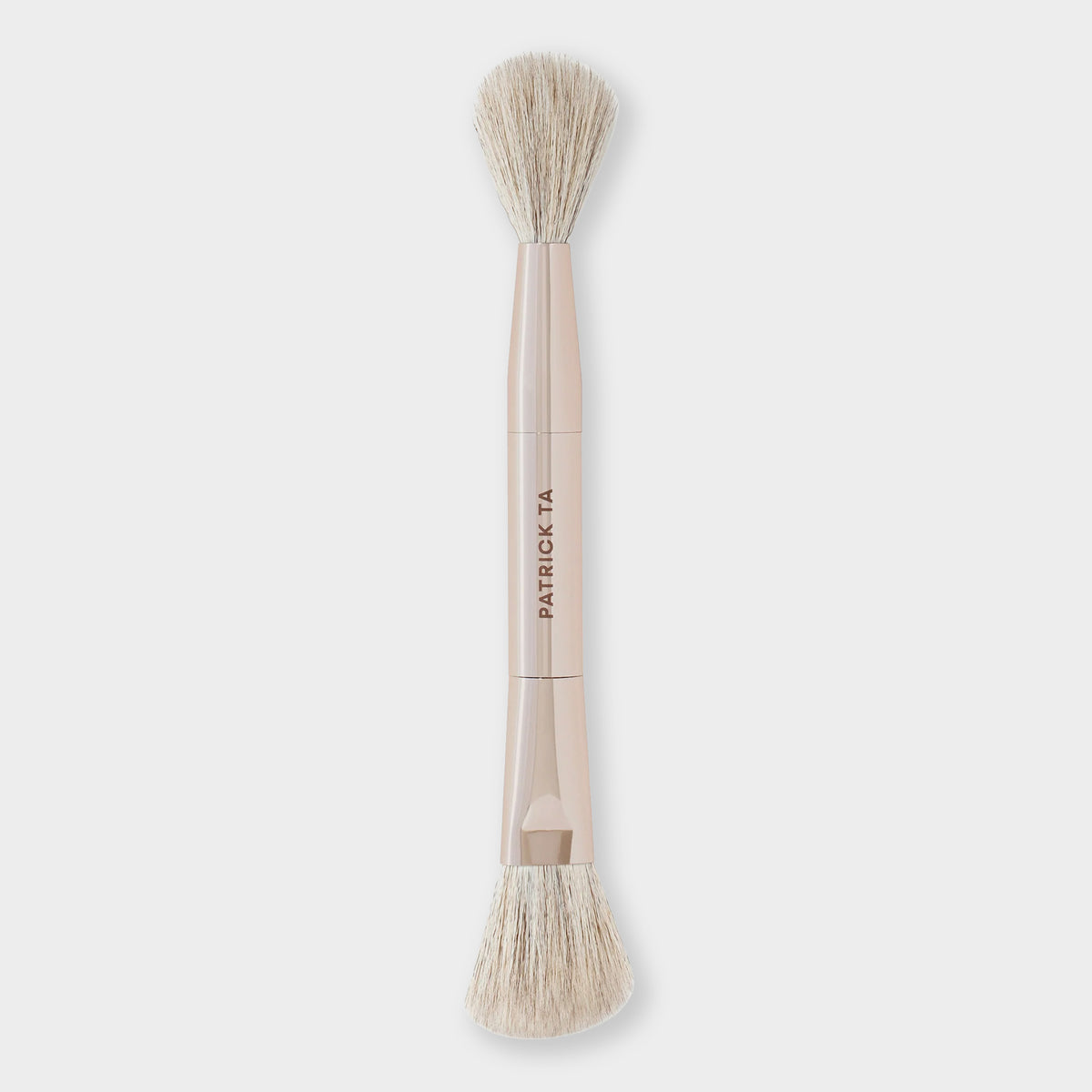
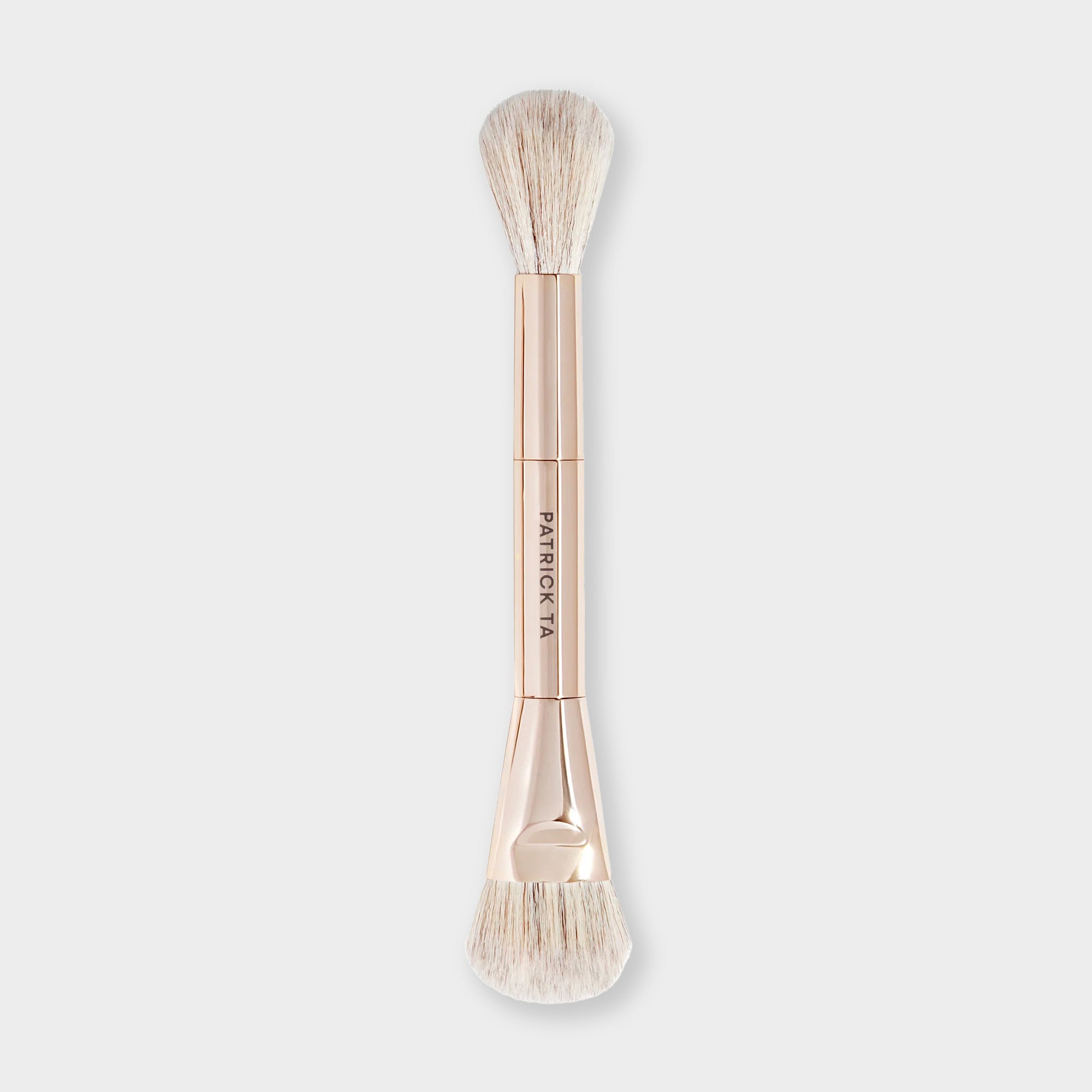
Use Both Formulas: Wear the powder alone for a soft matte flush, the crème alone for dewy radiance, or layer crème over powder for Patrick's signature long-lasting glow. The Dual Ended Precision Blush Brush gives you control and perfect placement with both formulas.
Once you know your undertone, choosing a blush color gets easy. Start with the color family that flatters you most, then experiment with intensity and finish. Explore the full Patrick Ta blush collection and find your perfect flush.
Frequently Asked Questions
What blush color looks good on everyone?
Mauve and soft rosy pinks are some of the most universally flattering blush colors. They blend warm and cool tones, so they look natural on most undertones and skin depths. She Goes to the Gym (Cool Mauve Rose) and She's Blushing (Rosey Taupe) are easy places to start if you want one versatile shade for everyday wear.
Should my blush match my lipstick?
Your blush does not need to match your lipstick exactly, but keeping them in the same color family creates a polished, cohesive look. Pair pink blush with pink or rosy lips, peach blush with peachy nudes, and red blush with red or berry lips. For a bolder look, try a monochromatic face using similar tones on the cheeks and lips.
Can warm undertones wear pink blush?
Yes, warm undertones can wear pink blush, especially warmer pinks with a peach or coral base. Shades like She's Flushed (Soft Peachy Pink) or She's Vibrant (Bright Pinky Coral) add color without clashing with golden skin. Very cool, blue-based pinks can look slightly harsh on warm skin, so balance them with warm bronzer.
What color blush is best for olive skin?
Rosy berries, warm mochas, and bronzed nudes are some of the best blush colors for olive skin. These shades have enough depth to show up without turning chalky against a green or gray undertone. Avoid very pale pinks, which can look ashy. Build color gradually and finish with a crème layer for extra radiance.
Does blush color change with the seasons?
Many people shift blush colors with the seasons, especially if their skin tans in summer. Brighter corals and warm peaches can look fresh on sun-kissed skin, while berries and mauves feel natural in cooler months. Your undertone stays the same, so stay within your most flattering color families and adjust the intensity instead.

RELATED POSTS

Here is Patrick's process for an under-eye area that looks bright, smooth, and natural all day.

Here is what non-comedogenic really means, why Patrick Ta blush works for breakout-prone complexions, and how to apply it so your cheeks look flushed, not irritated.

Here are our top picks, organized by category, so you can find the right gift fast.

With a few simple rules, you can pick something they will actually use, love, and reach for every day.
Celebrity makeup artist and founder of Patrick Ta Beauty, Patrick Ta, has once again captivated the beauty world with his innovative products, earning multiple accolades at the 2025 Allure Best of ...
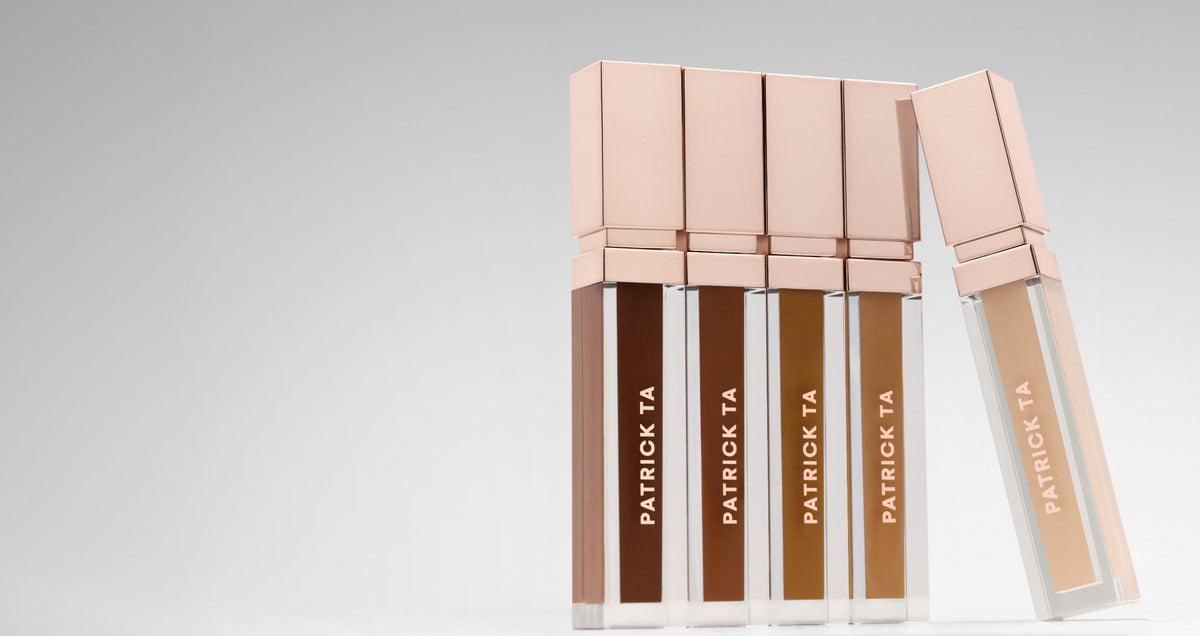
Here is Patrick's guide to concealer placement, plus how to apply it for a seamless, skin-like finish.
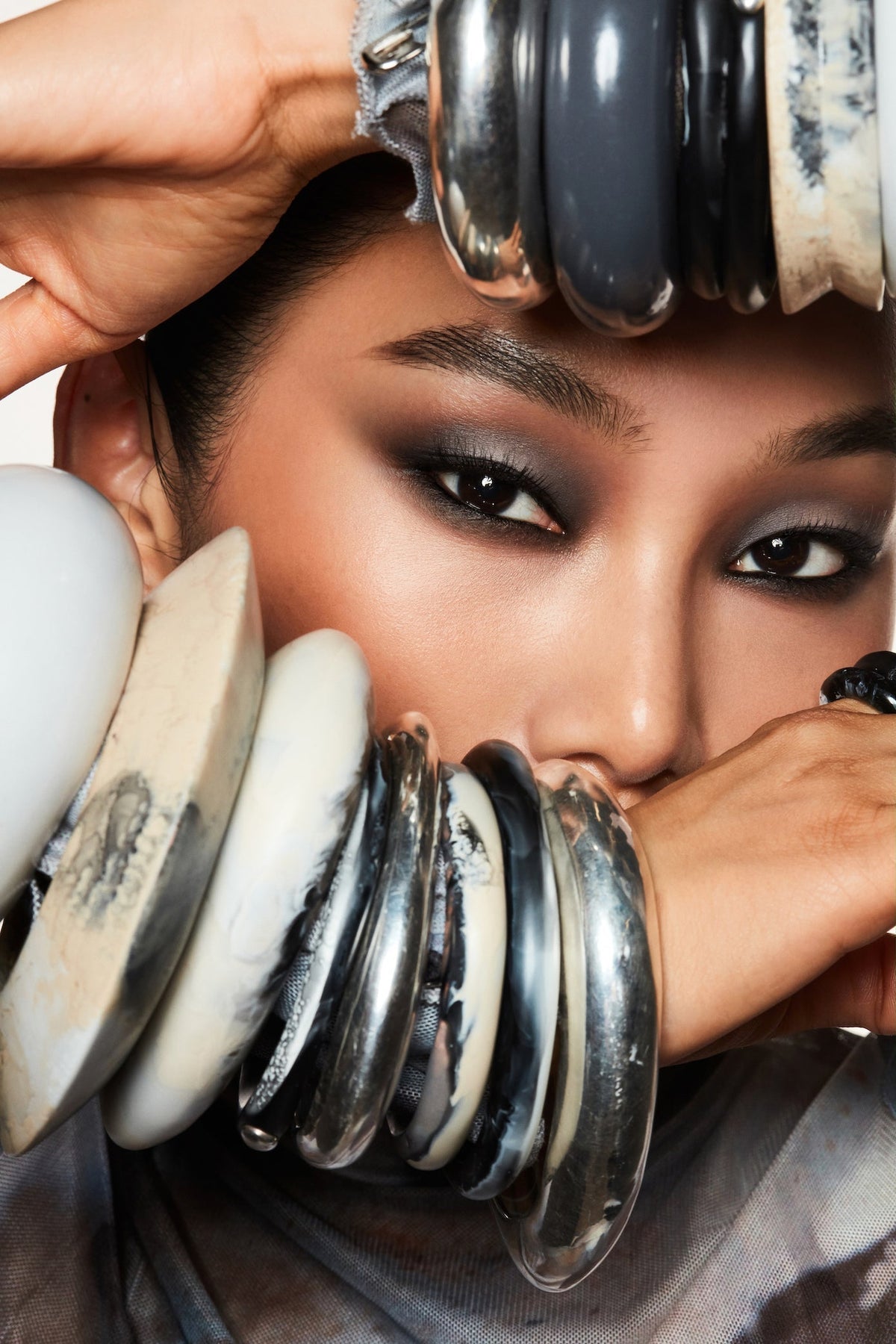
Here is how to find your concealer shade, how to test it, and how to use more than one shade for a flawless base
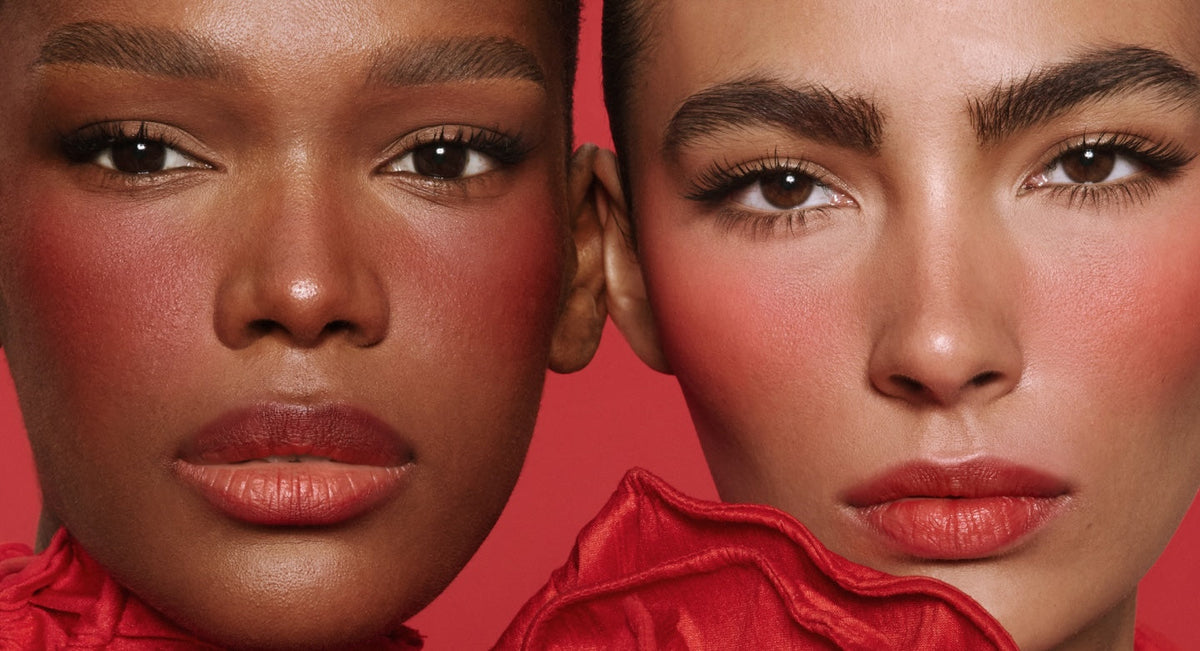
Here is why red blush has become a modern staple, how to choose the right shade for your skin tone, and how Patrick applies it for a flush that looks effortless.