






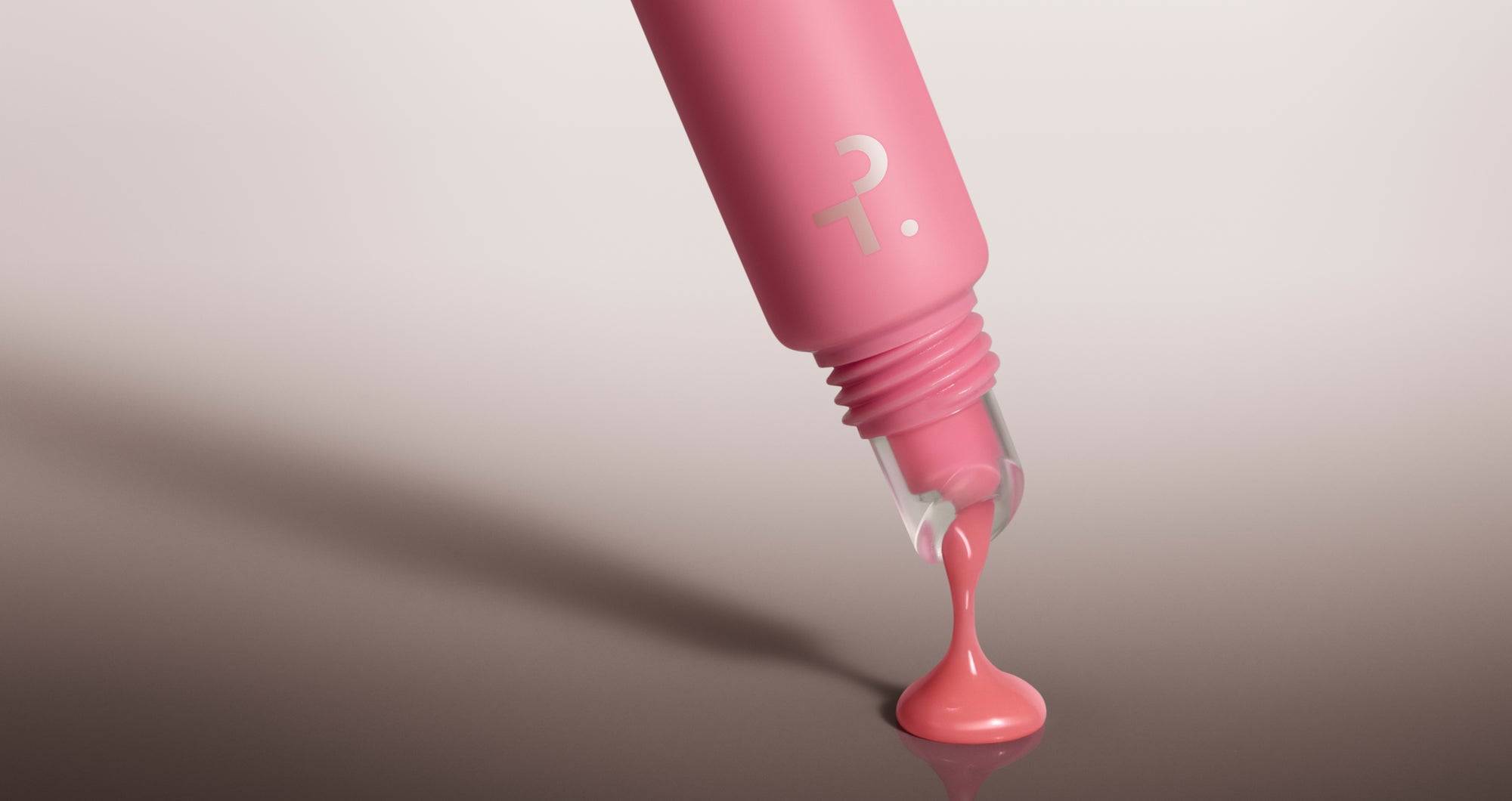
Quick Summary
- Your lips have no oil glands of their own and skin far thinner than the rest of your face, so they dry out first and depend on you to supply their protective barrier.
- A formula earns its place by doing three jobs at once: softening with emollients, sealing with occlusive waxes, and drawing in water with humectants, so hydration lasts instead of fading in minutes.
- Patrick Ta's prep, apply, seal technique gets the most from any balm: buff away flakes with a soft damp cloth first, swipe from the center of your lip outward to the corners, then press your lips together to distribute the formula and lock moisture in.
- Patrick's artist approach reserves your heaviest, most concentrated formula for overnight, applying a generous layer as the final step of your nighttime routine so it repairs while you sleep.
- Skip menthol, camphor, fragrance, and salicylic acid, because a tingle, sting, or constant reapplying usually signals a drying formula rather than lips that genuinely lack moisture.
- Reapply once or twice a day, and more often in winter, wind, or low humidity when your lips lose moisture fastest.





What Is Lip Balm, Exactly?
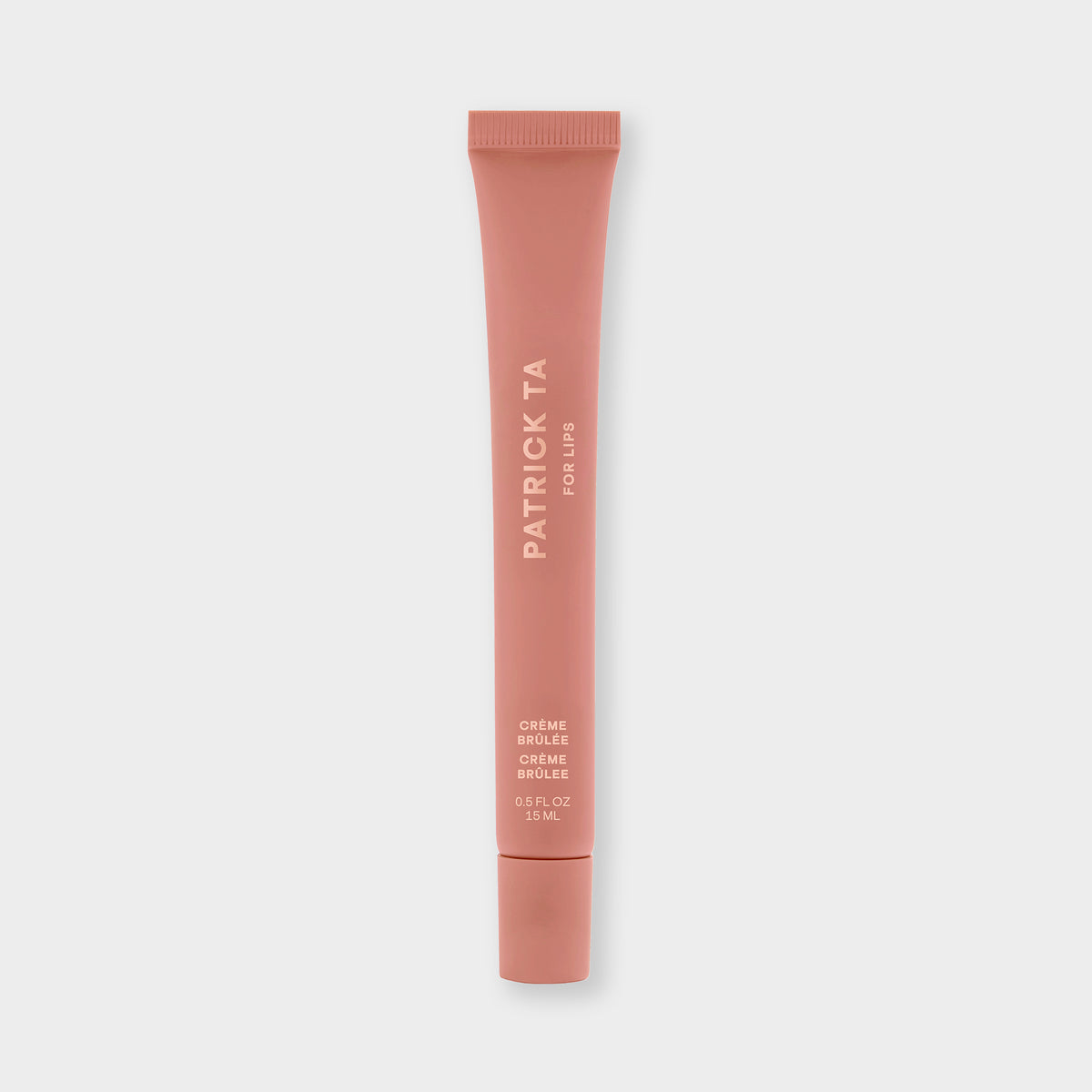
Lip balm is a soft, wax-like substance you apply to your lips to moisturize them, relieve chapping, and protect against dryness caused by wind, cold, and dry air. At its core, it is a hydrating product designed to saturate dry or sore lips and shield them from the elements.
The reason your lips need their own dedicated product comes down to anatomy. The skin on your lips is far thinner than the skin elsewhere on your body, and it lacks the oil glands that keep the rest of your face naturally lubricated. Your lips cannot produce their own protective oils, so they rely on you to supply that barrier from the outside.
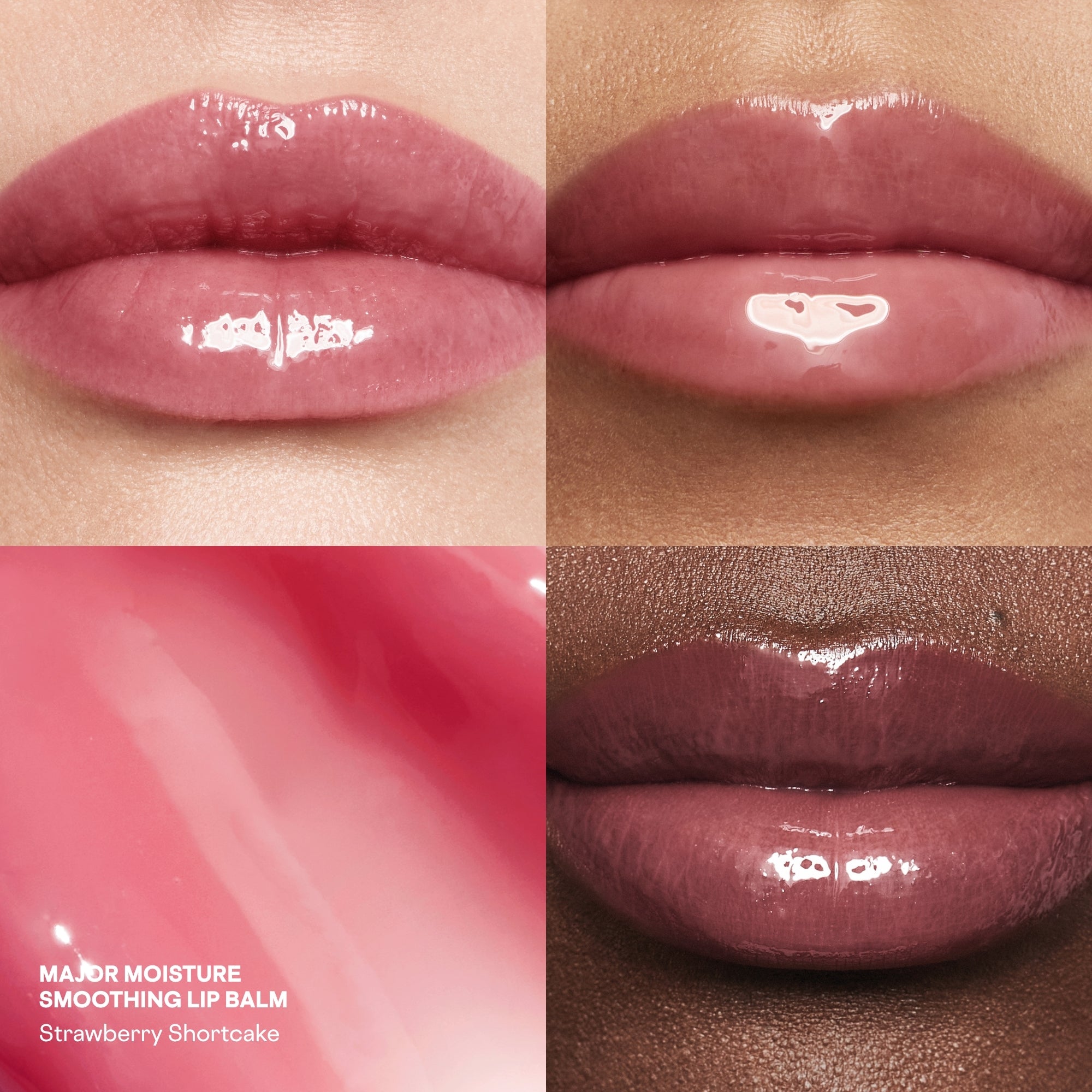
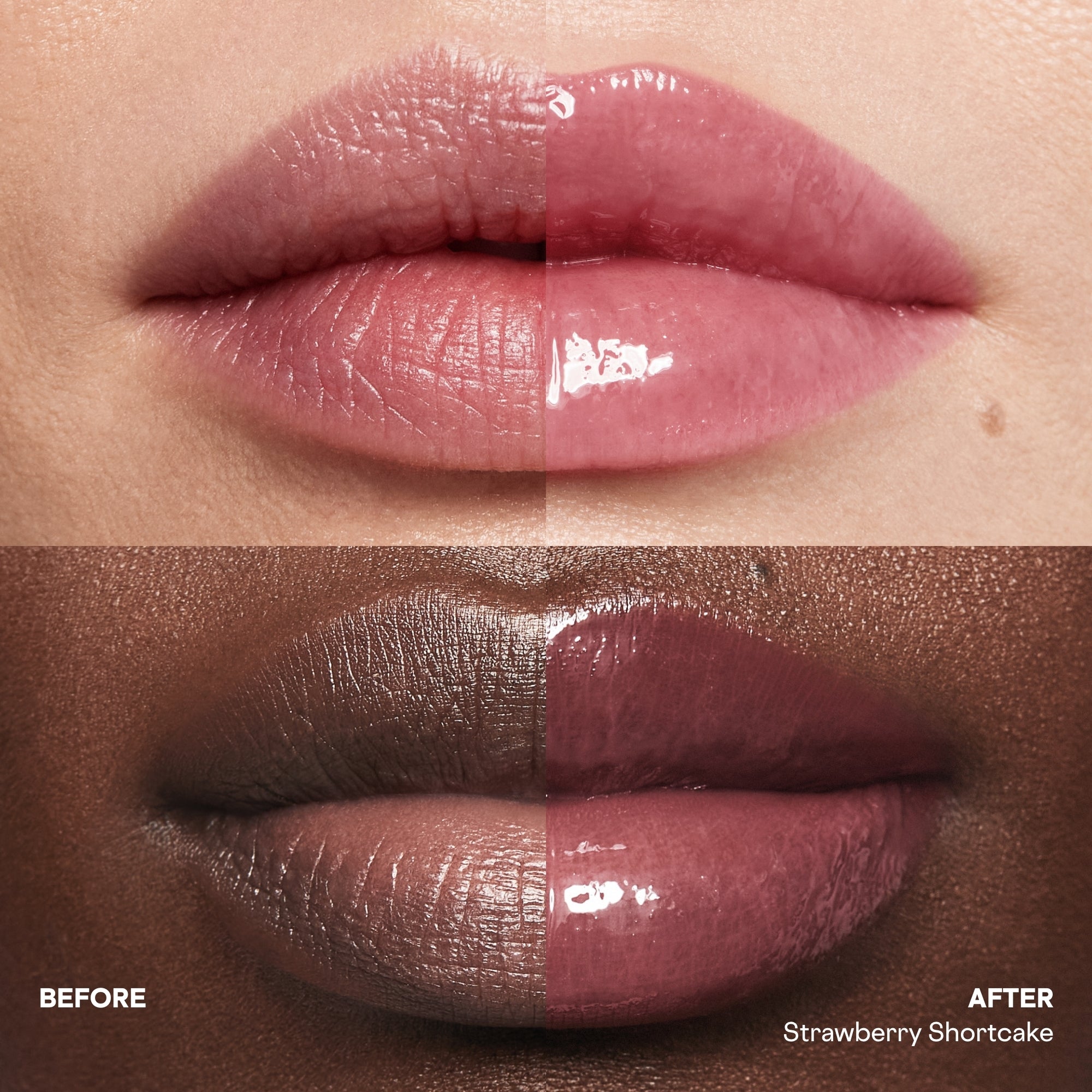
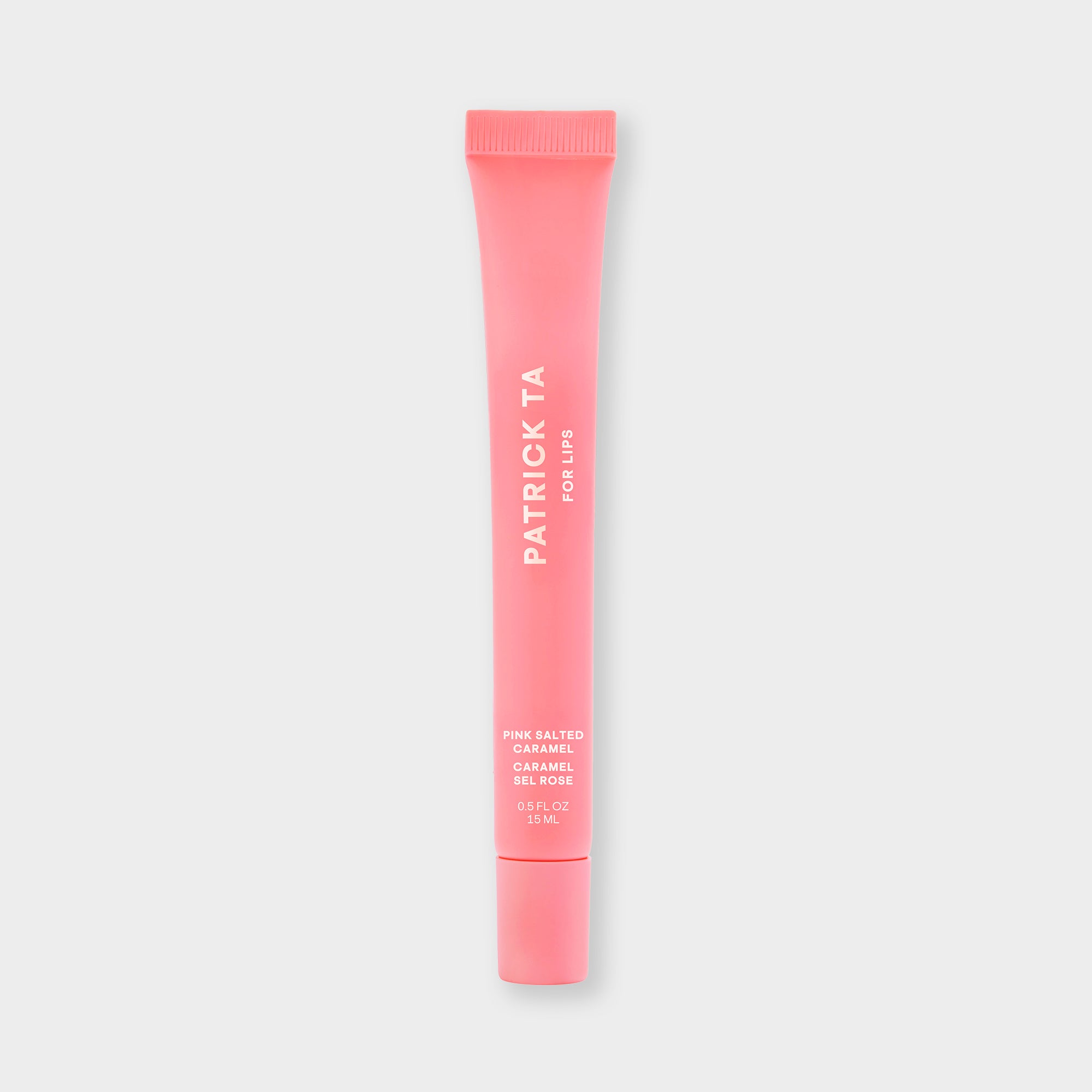
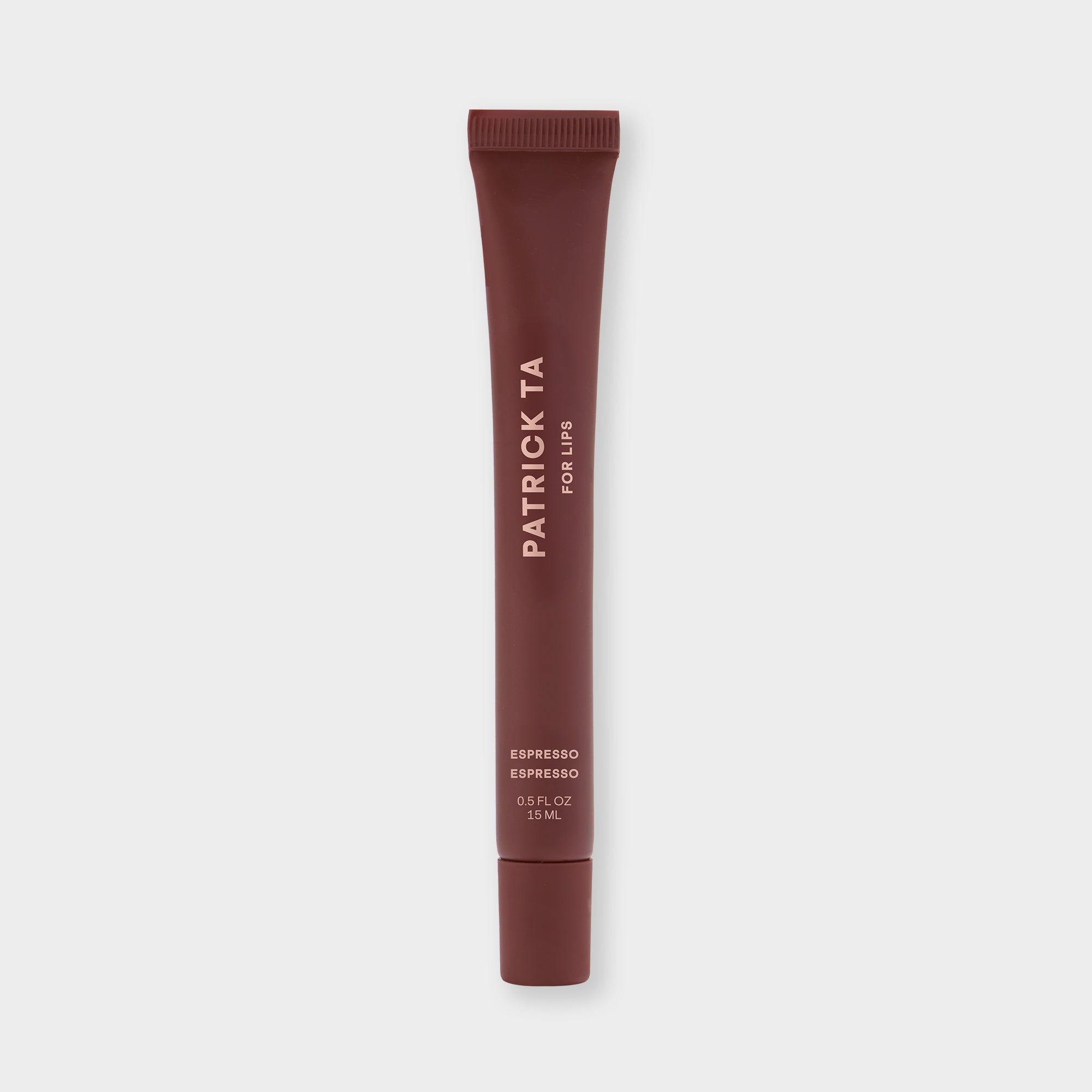
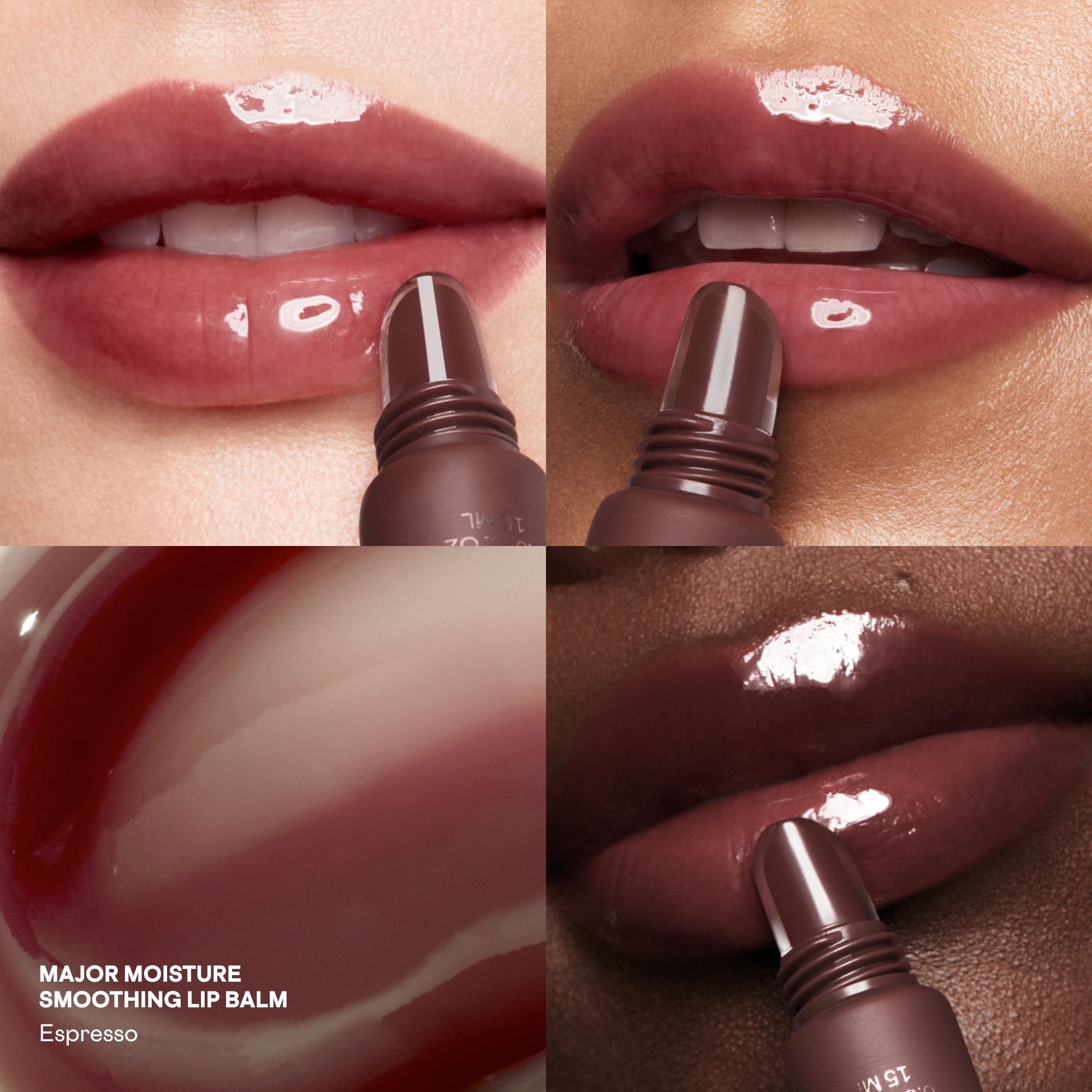
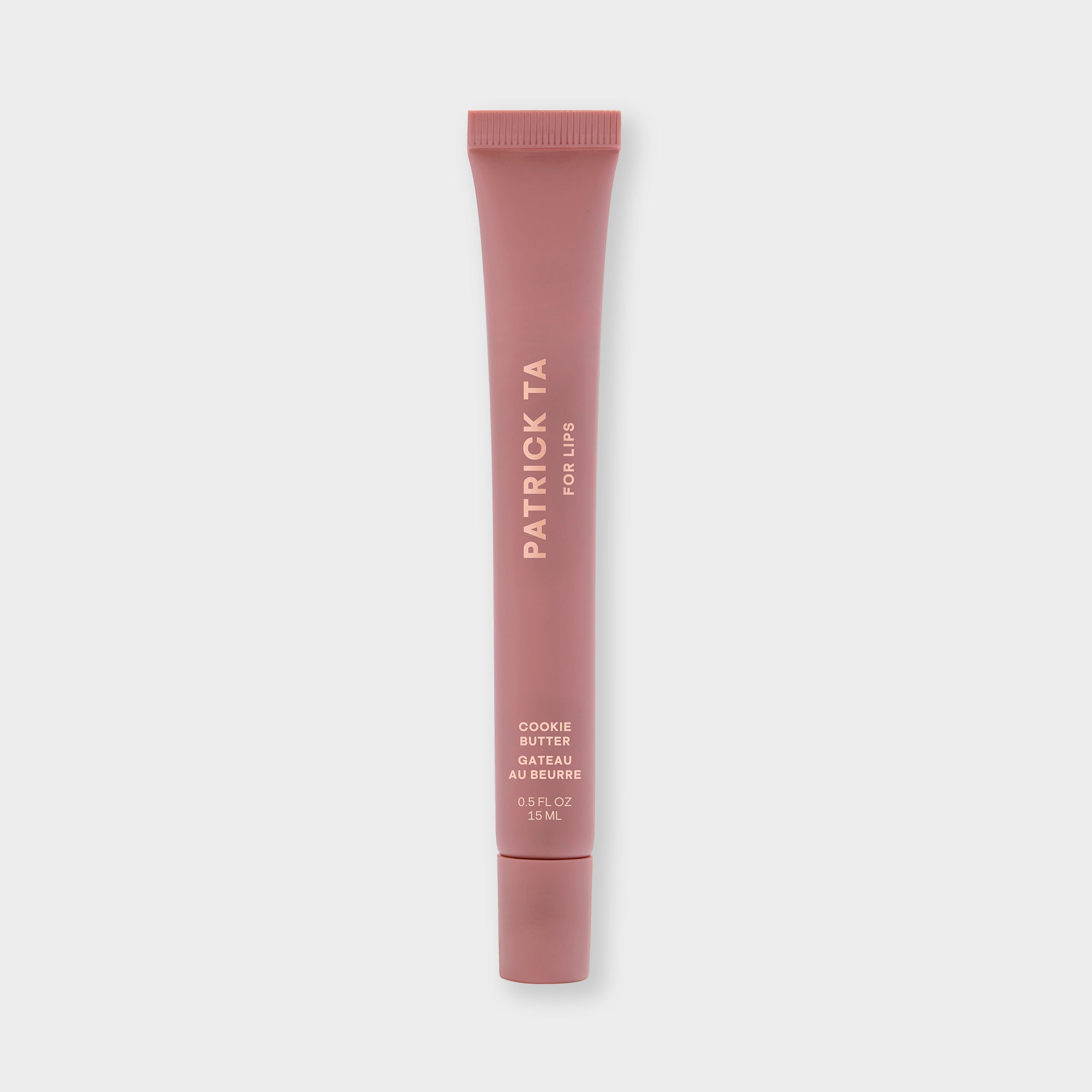
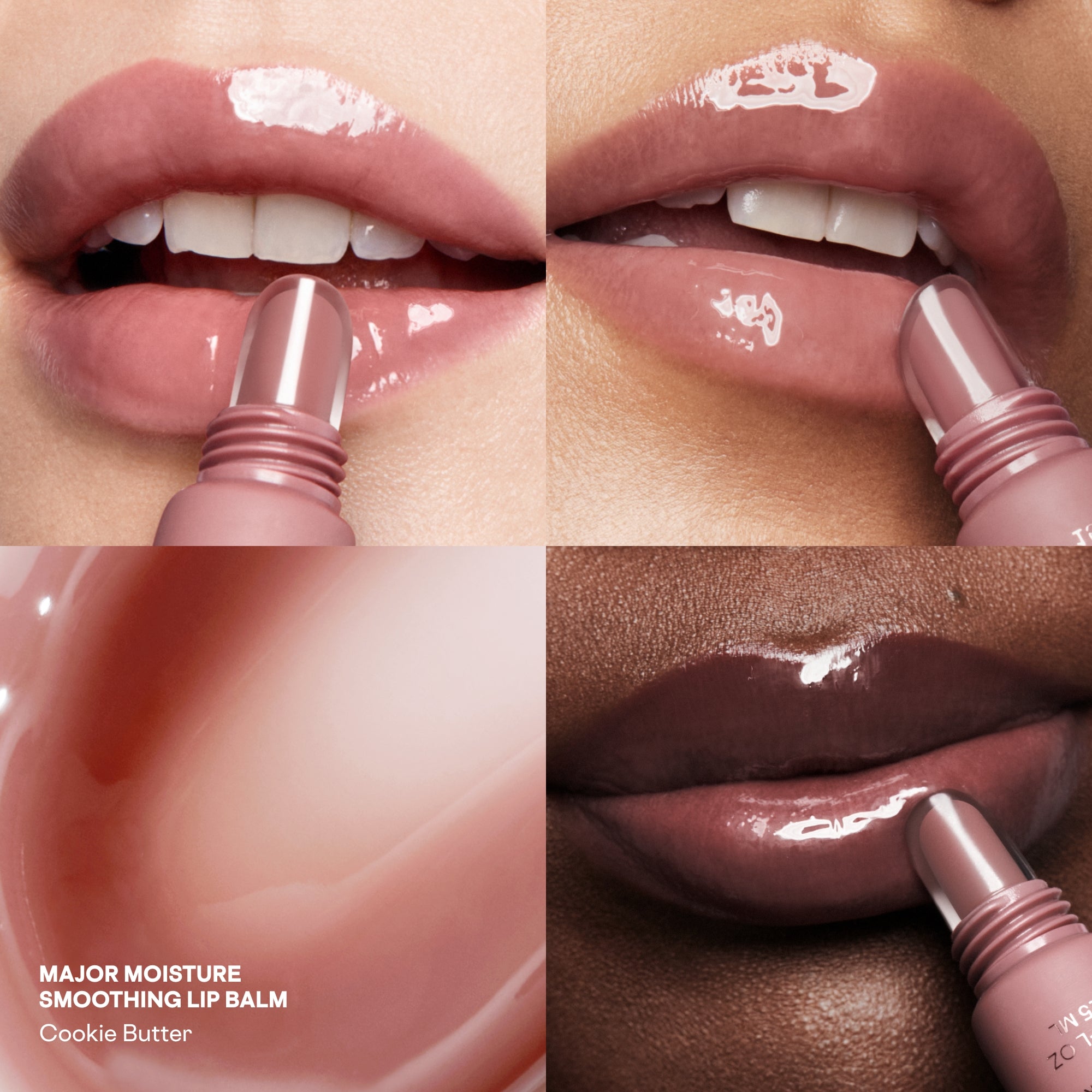
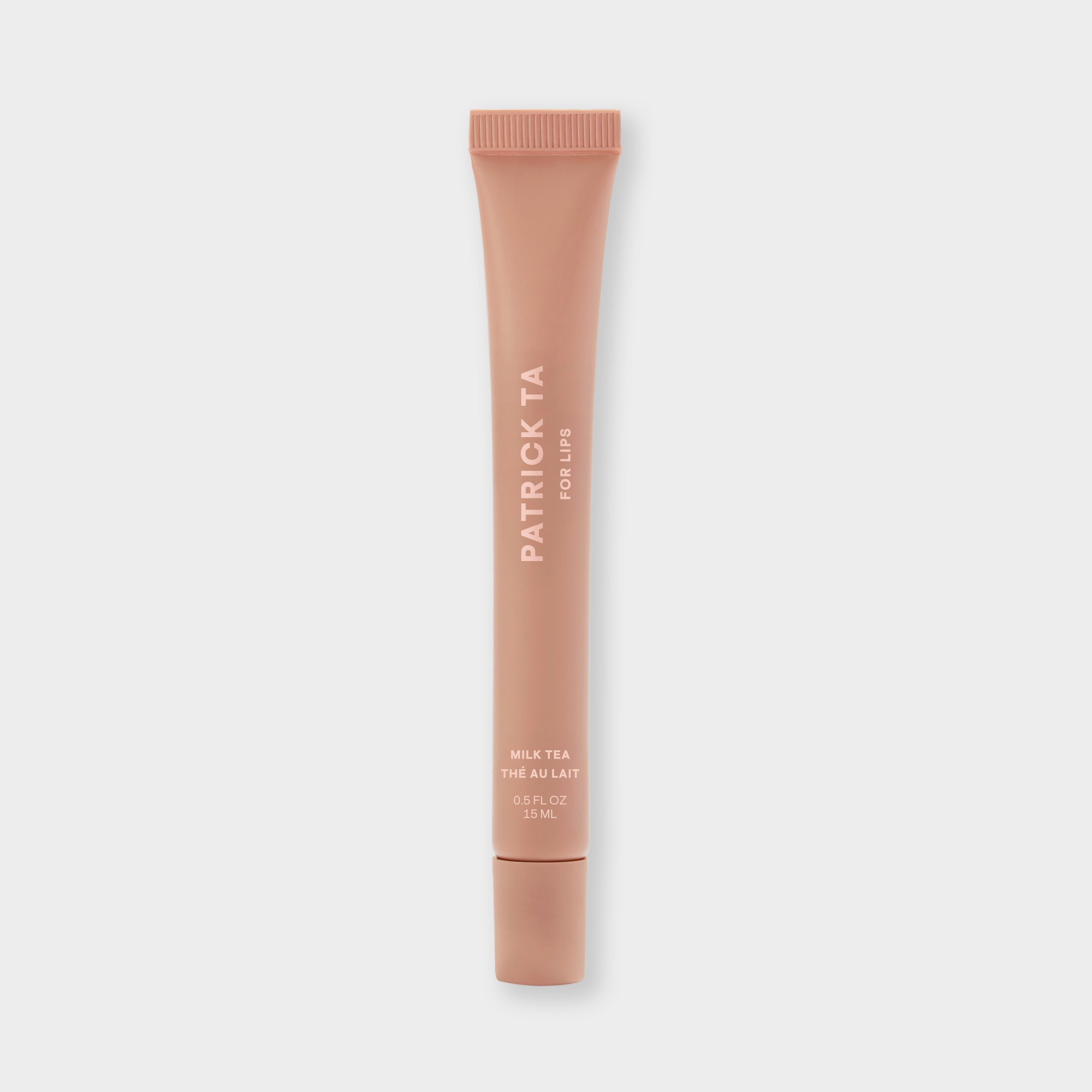
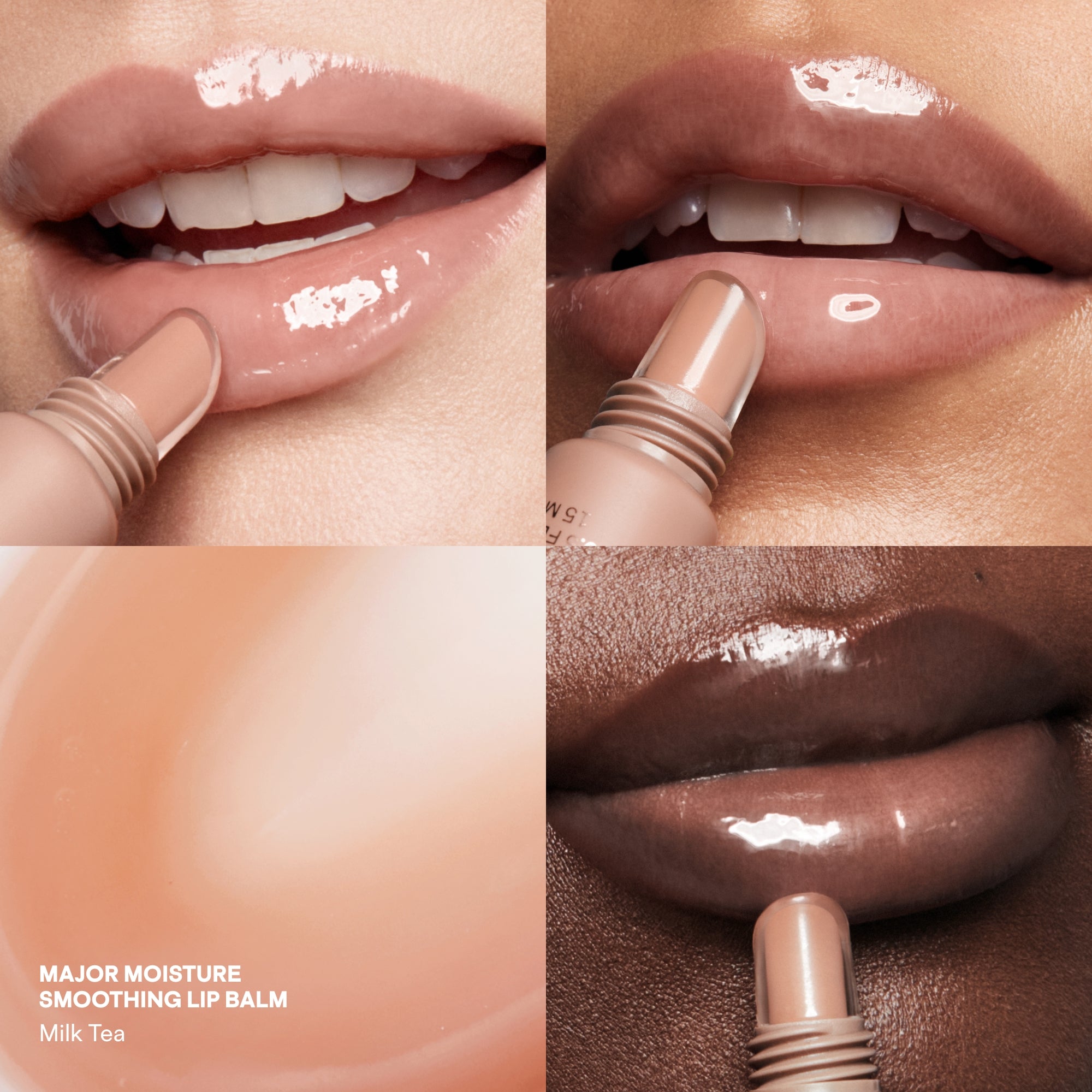
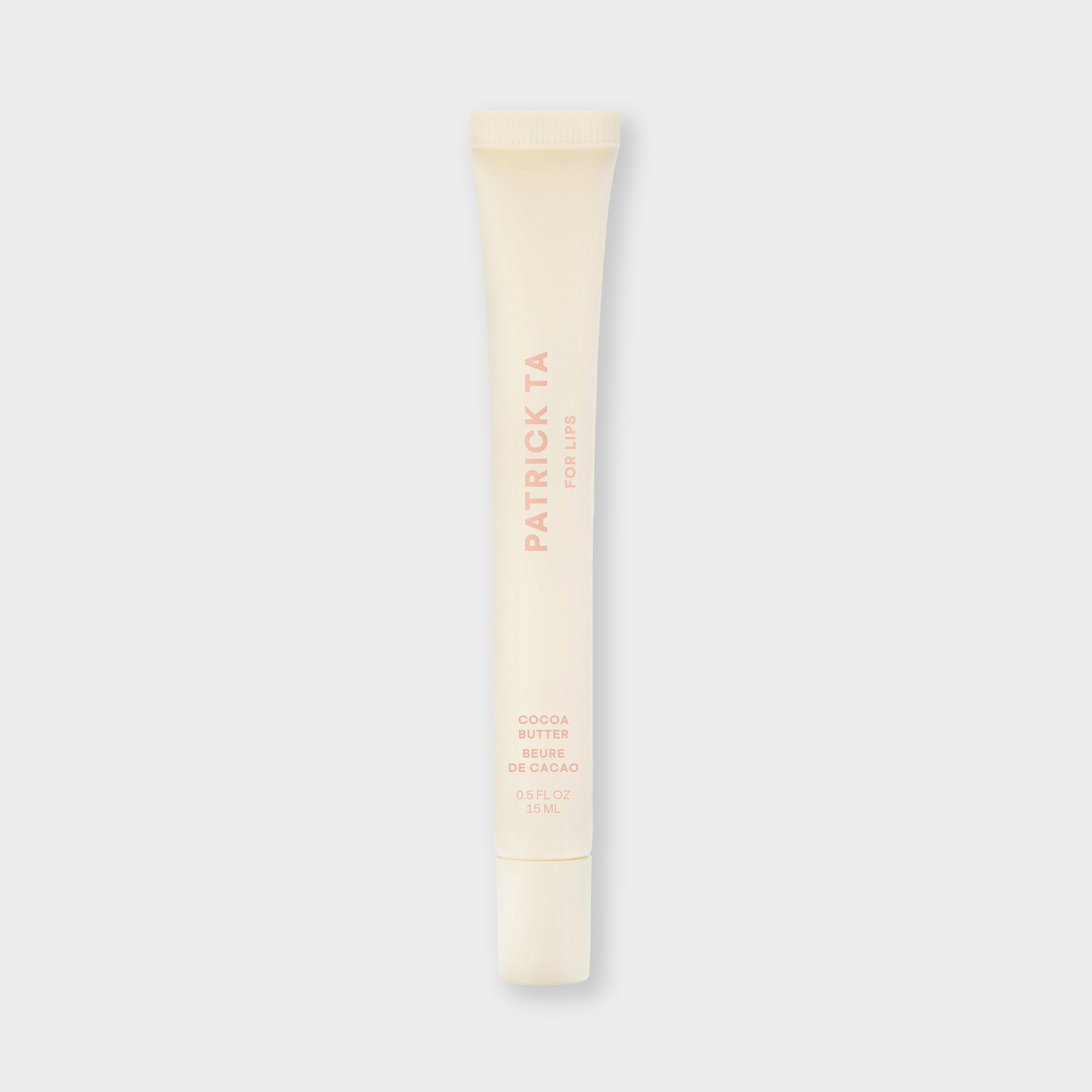
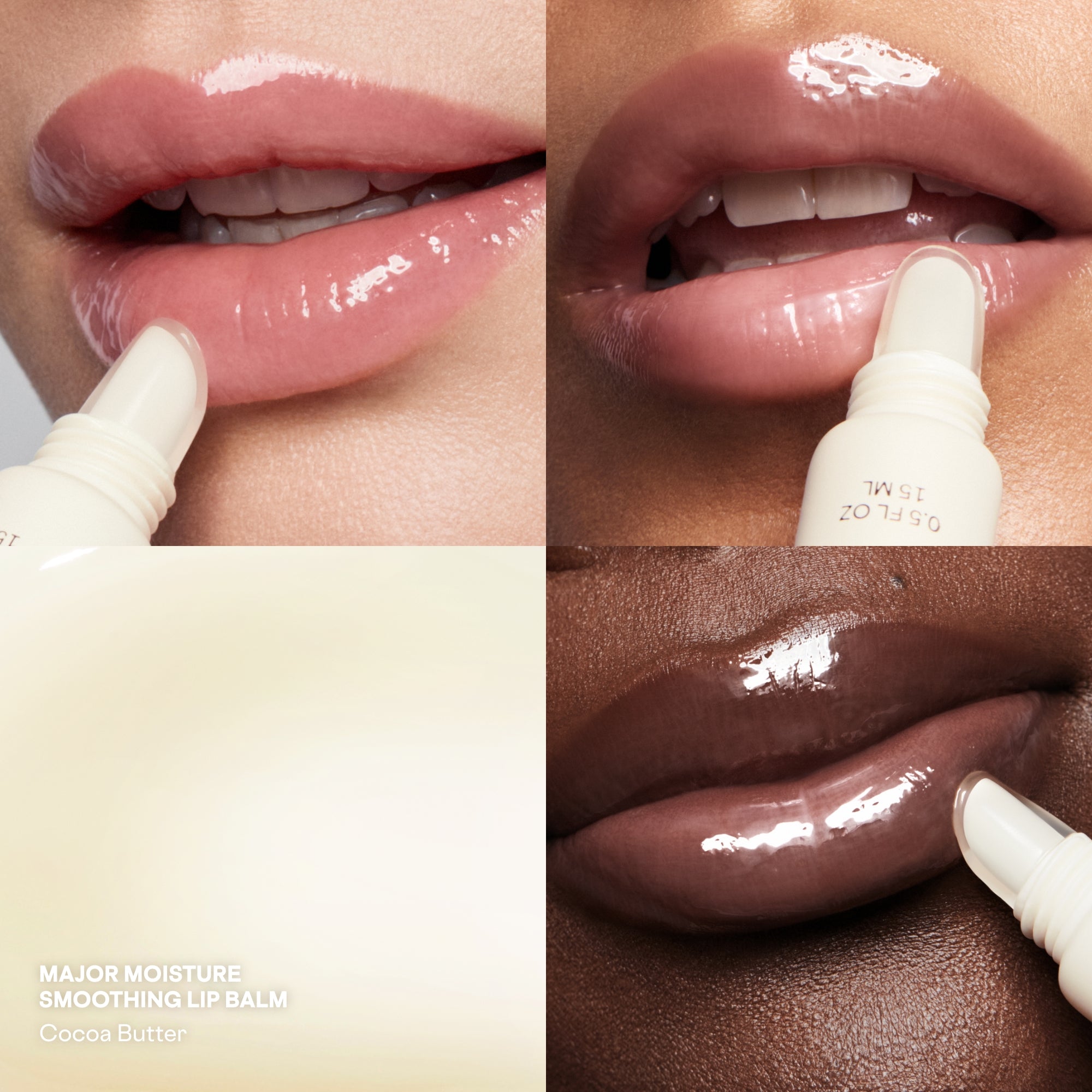
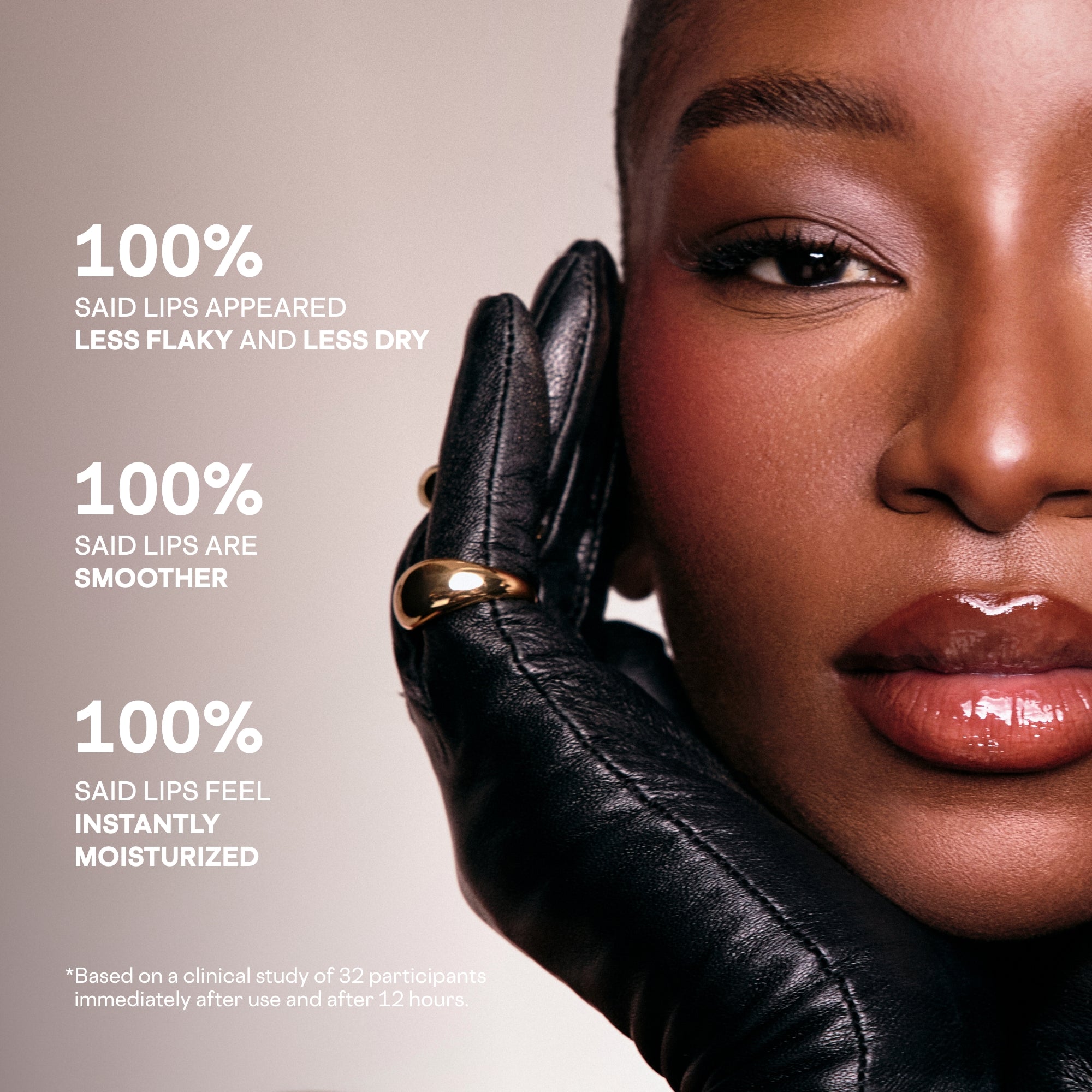
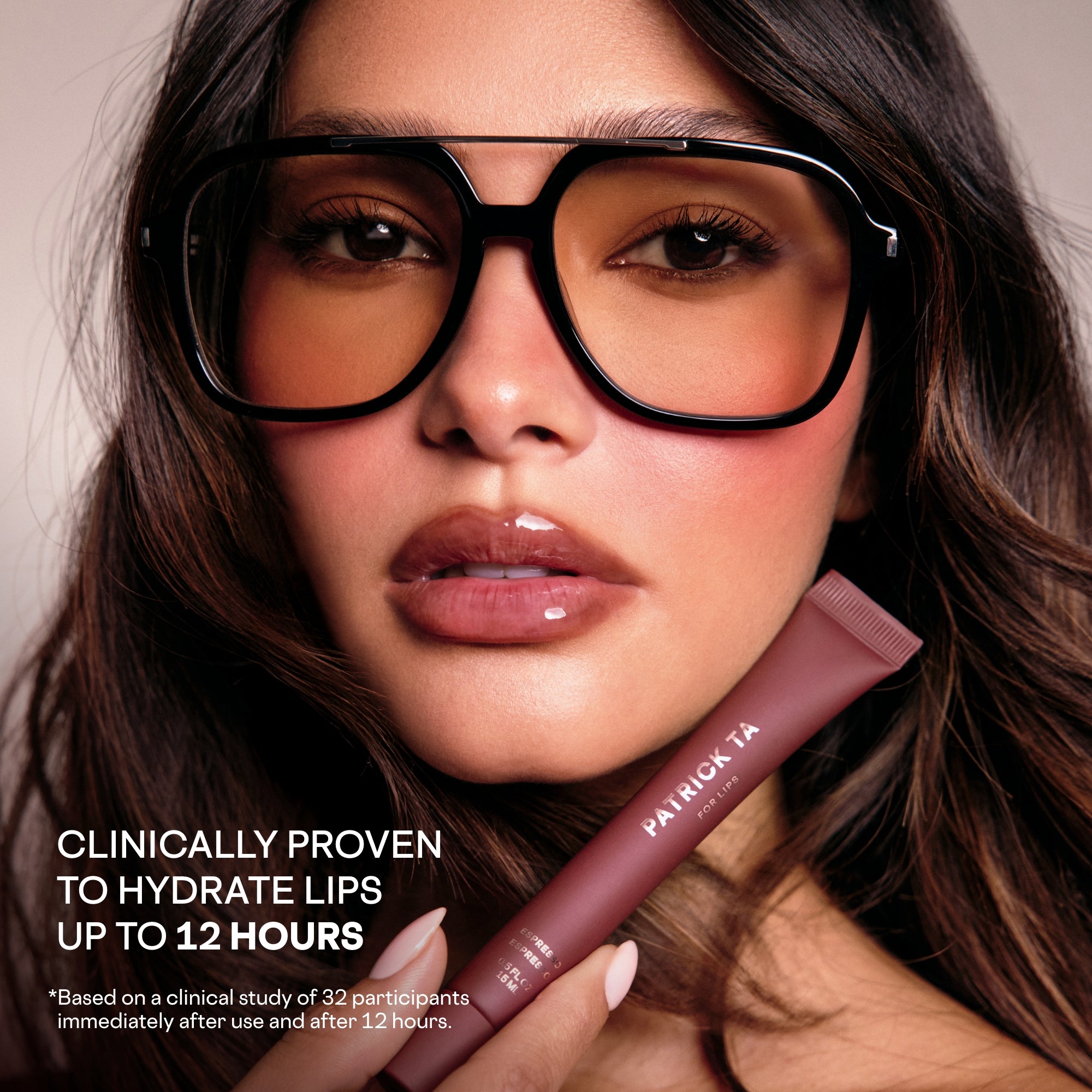
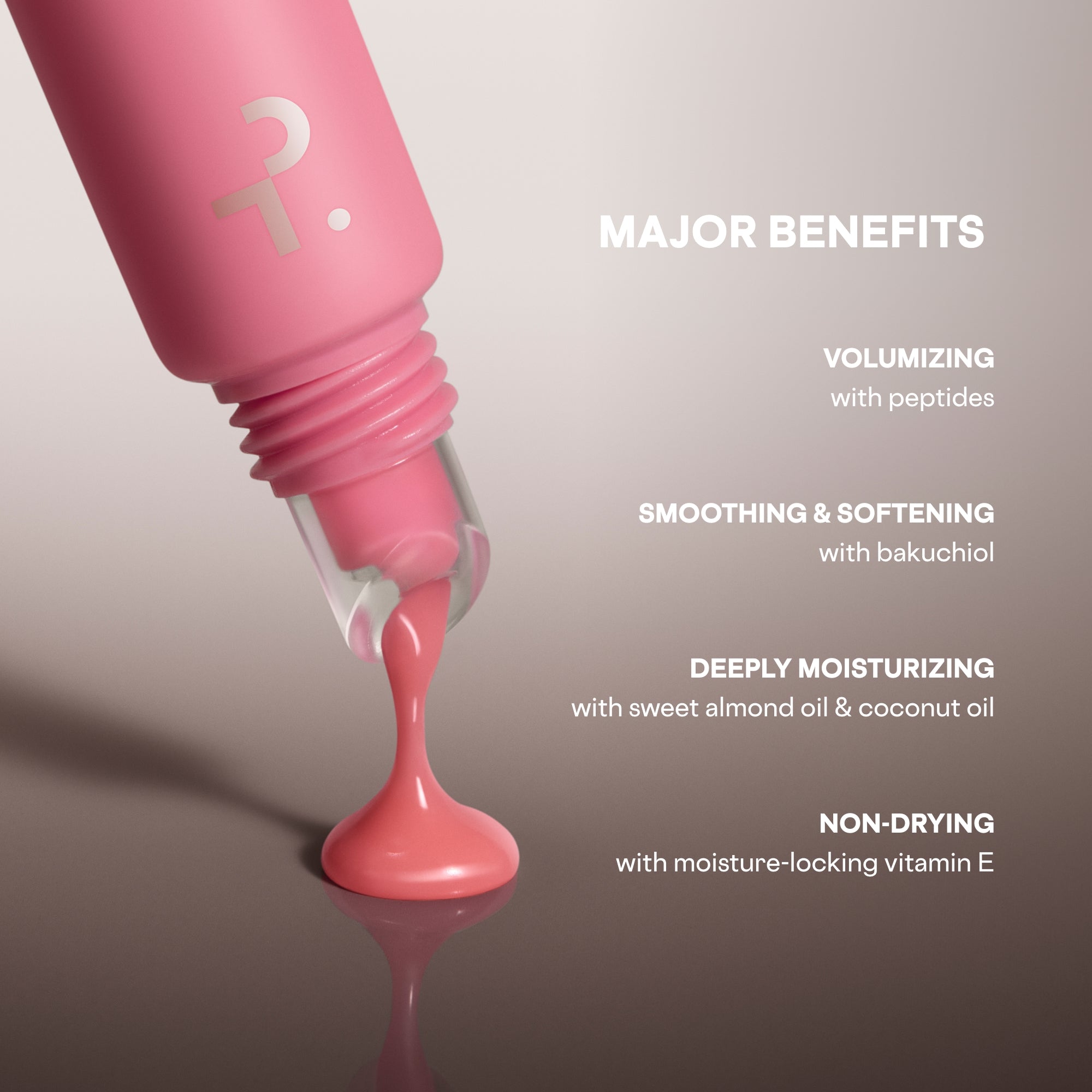
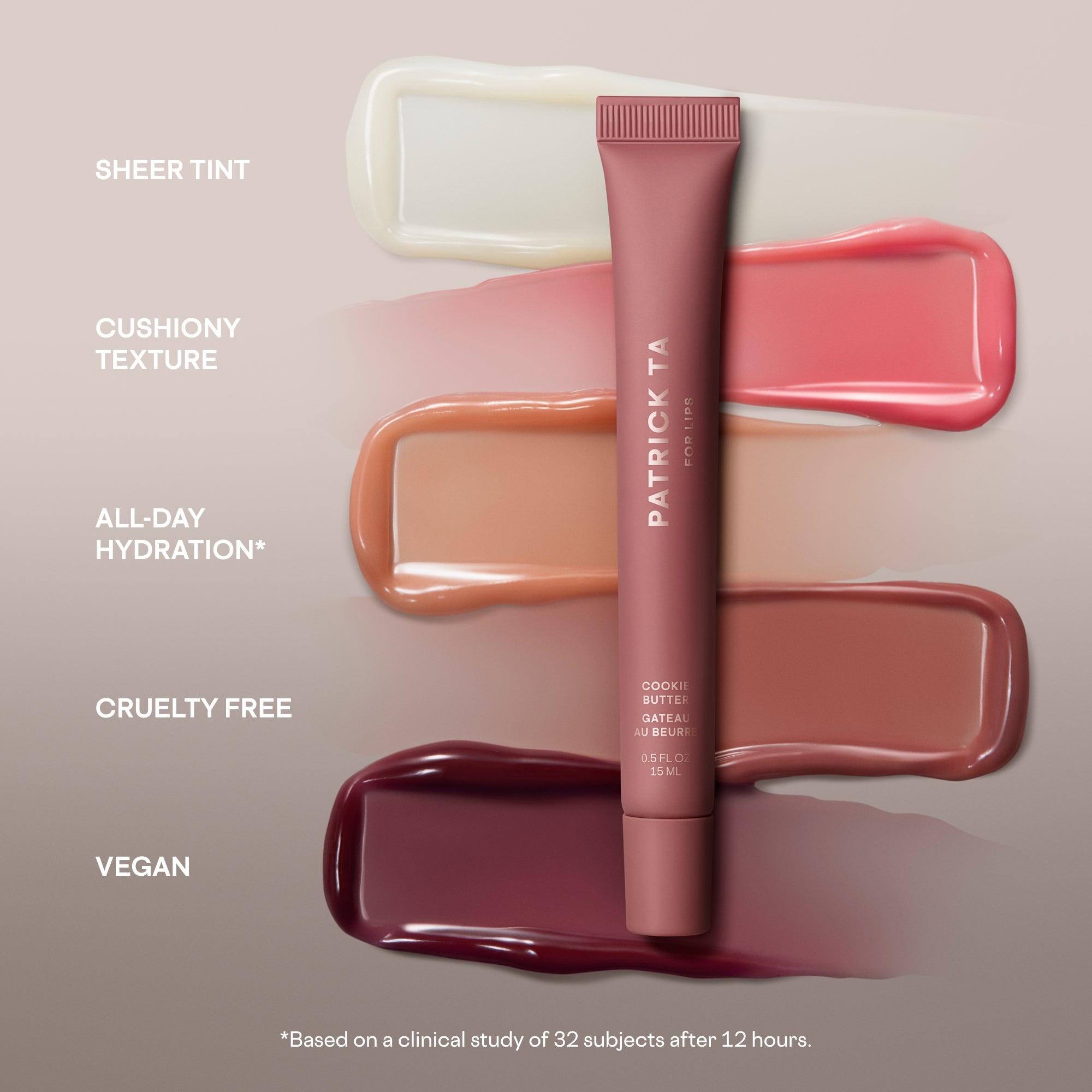
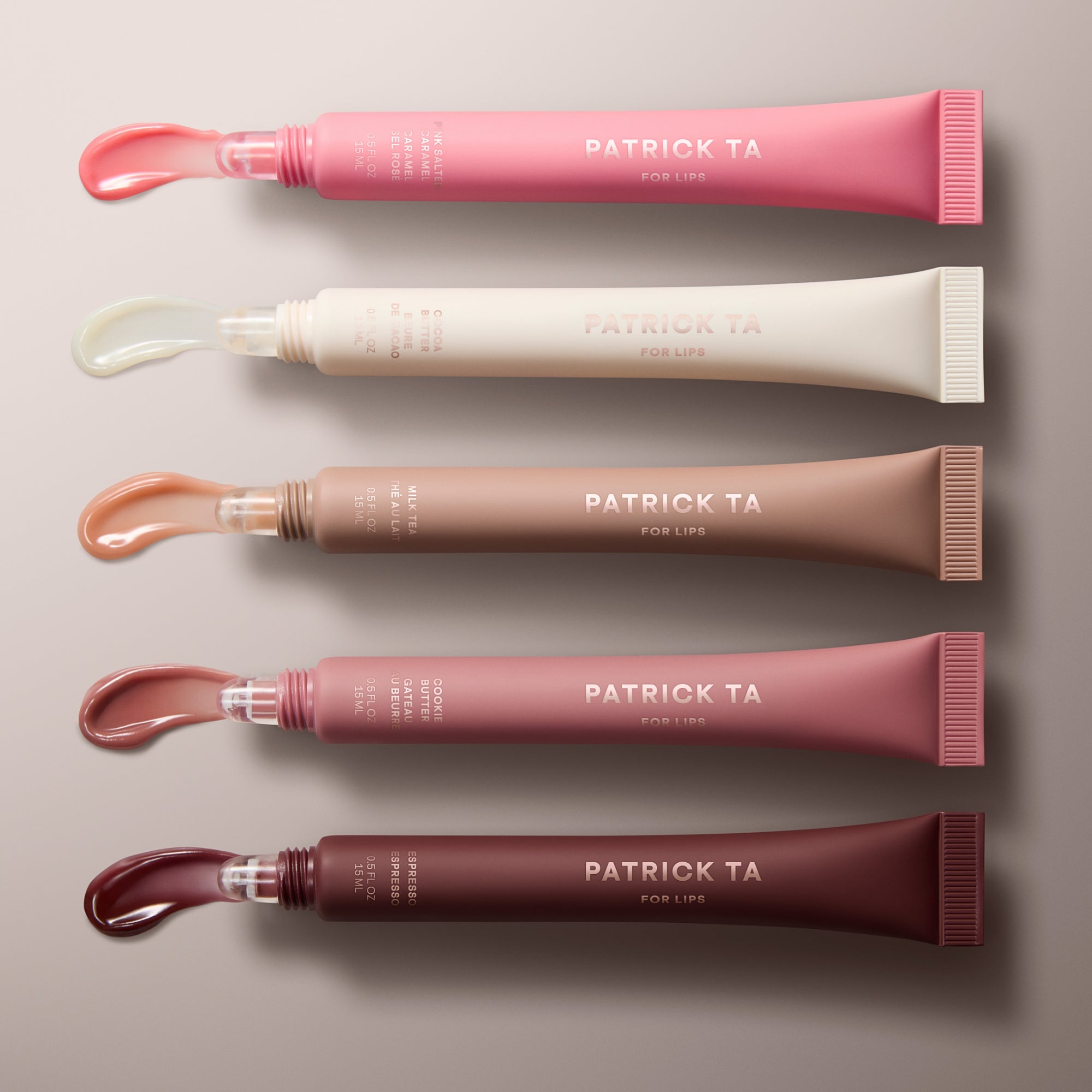
A good balm does two things at once. It adds moisture and comfort in the moment, and it forms a protective layer that keeps that moisture from escaping. The best lip balm formulas go a step further and treat your lips over time, leaving them smoother and healthier with regular use. A daily balm like the Major Moisture Smoothing Lip Balm is built to do exactly that, softening, sealing, and conditioning with every swipe.
How Does Lip Balm Actually Work on Your Lips?
Lip balm works by building a protective seal on the surface of your lips that locks in natural moisture and blocks the dry air, wind, and cold that pull it out. It does this through three types of ingredients working together, and understanding them helps you choose a formula that actually performs.
First, emollients soften your lips and fill the microscopic gaps between skin cells. Oils and butters like shea, cocoa, and jojoba smooth the surface so your lips feel supple instead of rough and flaky.
Second, occlusives seal everything in. Ingredients like beeswax and plant waxes form a barrier on top of your lips that prevents transepidermal water loss, which is the process of moisture evaporating out through your skin. This is the seal that keeps hydration where you want it.
Third, humectants draw water into your lips and hold it there, boosting hydration from within the surface layer. When a balm combines all three, softening, sealing, and drawing in water, you get lasting comfort rather than a quick fix that fades in minutes. Because your lip skin is thin and has no oil glands of its own, this layered approach matters more here than almost anywhere else on your body.
Is Lip Balm the Same Thing as ChapStick?
Not exactly, and the distinction is worth knowing. ChapStick is a brand name, not a product category. Over the years the name became so common that many people use it as a catch-all term for any lip balm, the same way people say "Kleenex" for tissue.
So every ChapStick is a lip balm, but not every lip balm is a ChapStick. When you shop for lip care, you are choosing a formula, and formulas vary widely in quality, ingredients, and finish. Some are basic waxes that offer surface protection and little else, while others are nutrient-rich treatments that hydrate, soothe, and improve the look and feel of your lips over time.
The takeaway: do not shop by the generic word. Read the ingredient list and match the formula to what your lips actually need, whether that is deep treatment, everyday hydration, sun protection, or a hint of shine.

What Is Lip Balm Made Of?
Lip balm is made from a blend of waxes, oils, butters, and active ingredients chosen to soften, seal, and nourish your lips. When you read a label, these are the ingredients worth looking for:
- Waxes (beeswax, carnauba): These give the balm its solid structure and create the barrier that seals moisture in.
- Butters (shea, cocoa): Rich emollients that deeply soften your lips and fill in rough, flaky patches.
- Oils (jojoba): Lightweight, skin-friendly oils that smooth the surface and add slip without feeling heavy.
- Vitamin E: An antioxidant that supports the skin barrier and helps condition your lips over time.
- Bisabolol: A soothing ingredient, often derived from chamomile, that calms irritation on sensitive lips.
- SPF: Mineral or chemical sunscreens, such as zinc oxide, that protect the delicate skin of your lips from sun damage.
The best balms combine several of these so you get structure, softness, hydration, and protection in a single swipe. A formula built around nourishing butters and quality occlusive waxes will treat your lips, not just coat them.
Which Ingredients Should You Avoid in a Lip Balm?
Some ingredients can actually work against you, drying or irritating your lips even as they promise relief. Because you inevitably ingest a little of whatever you put on your lips, and because lip skin is so sensitive, it pays to know what to skip:
- Fragrance and flavor: Added scents and flavors are among the most common triggers for irritation and allergic reactions on the lips, and they offer no hydrating benefit.
- Parabens: Preservatives that many people prefer to avoid, especially on a product that ends up partly ingested.
- Straight petroleum: On its own, petroleum seals the surface but does not add real nourishment, so your lips can feel dependent without genuinely improving.
- Menthol and camphor: These create a cooling or tingling sensation, but they are drying and can leave you reapplying constantly to chase relief they never deliver.
- Salicylic acid: An exfoliating acid found in some medicated balms that can strip and further dry already-chapped lips with regular use.
If your balm stings, tingles, or seems to need reapplying every few minutes, the formula may be part of the problem. Reach for nourishing, soothing ingredients instead of ones that irritate.
What Are the Different Types of Lip Balm?
Not all balms do the same job. Matching the type to your goal is the difference between lips that merely feel coated and lips that look and feel genuinely cared for. Here are the main types and when to reach for each:
- Treatment and masque: The heaviest, most concentrated formulas, ideal for overnight repair or rescuing severely dry lips. Use these when your lips need intensive nourishment.
- Tinted: A hint of color plus hydration in one step, perfect for a natural, everyday look when you want polish without effort.
- SPF: Balms with built-in sun protection, best for daytime and outdoor wear to guard the delicate skin of your lips.
- Plumping: Formulas with plant-based actives that boost the appearance of volume while conditioning, great when you want a fuller pout.
- High-shine gloss-balm: A glossy, reflective finish combined with balm-level moisture, made for a wet-look shine that still feels comfortable.
- Soft-matte: A comfortable matte finish that hydrates rather than dries, giving you a modern, low-shine look without the tight feeling matte formulas used to cause.
Many people build a small lip wardrobe from these, reaching for a treatment at night, an SPF or tinted option by day, and a shine or plumping formula when a look calls for it.

How Do You Apply Lip Balm for the Best Results?
Great lips are about technique, not just product. Follow these verb-first steps to get the most out of any balm:
Step 1, Prep: Start with clean, gently exfoliated lips. Buff away flakes with a soft, damp cloth so the balm glides on smoothly and absorbs evenly instead of sitting on top of dry patches.
Step 2, Apply: Swipe an even layer across your entire lip, working from the center outward to the corners. Cover the full surface, and do not forget the outer edges where dryness tends to start.
Step 3, Seal: Press your lips together to distribute the formula and let it settle for a moment before adding color or gloss on top. This locks the moisture in and creates a smooth base for the rest of your look.
Pro Tip: Reapply once or twice a day, and more often in winter, in wind, or in low humidity when your lips lose moisture fastest. For deep repair, apply a generous layer as the last step of your nighttime routine and let it work while you sleep.
Is Lip Balm Bad for You or Actually Addictive?
You have probably heard that lip balm is addictive, that once you start, you can never stop. The truth is more nuanced. Lip balm itself is not addictive in any physical sense, but certain formulas can create a frustrating cycle where your lips feel dry again shortly after you apply.
The culprit is usually the formula, not the habit. Balms built around drying ingredients like menthol and camphor deliver a brief cooling sensation, then leave your lips feeling tight, so you reach for more. That cycle feels like dependence, but it is really just a poorly chosen product failing to actually hydrate.
The fix is simple: choose formulas that genuinely nourish and seal. Look for occlusive waxes, softening butters, and humectants that draw in and hold moisture, and skip the menthol balms that only chase relief. Used well, with a quality formula, lip balm is a healthy part of caring for your lips, not something to worry about.

Which Patrick Ta Lip Products Deliver That Balm-Level Moisture?
Once you know what to look for, choosing the right products gets easy. Here is how a few Patrick Ta lip formulas map to the use cases above:
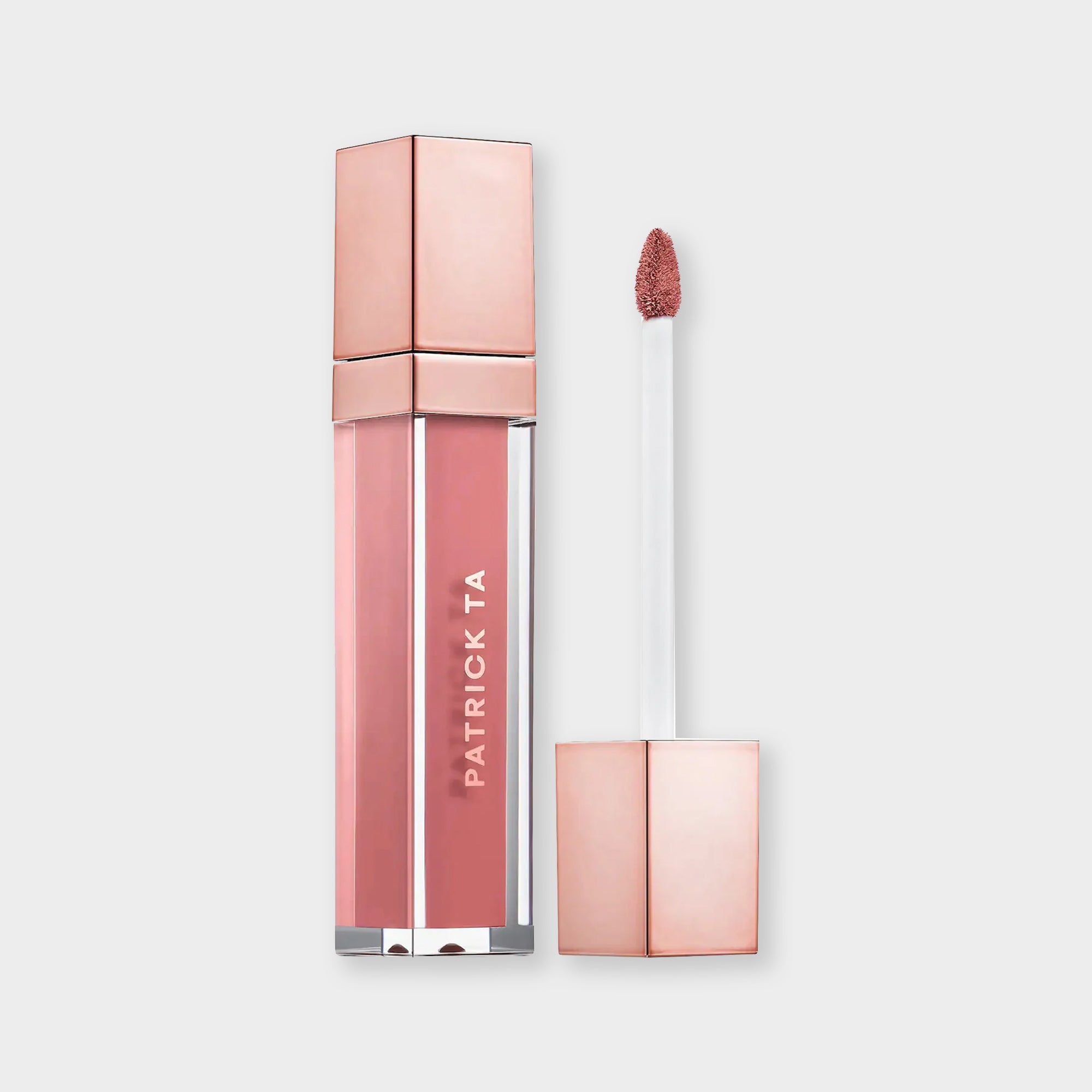
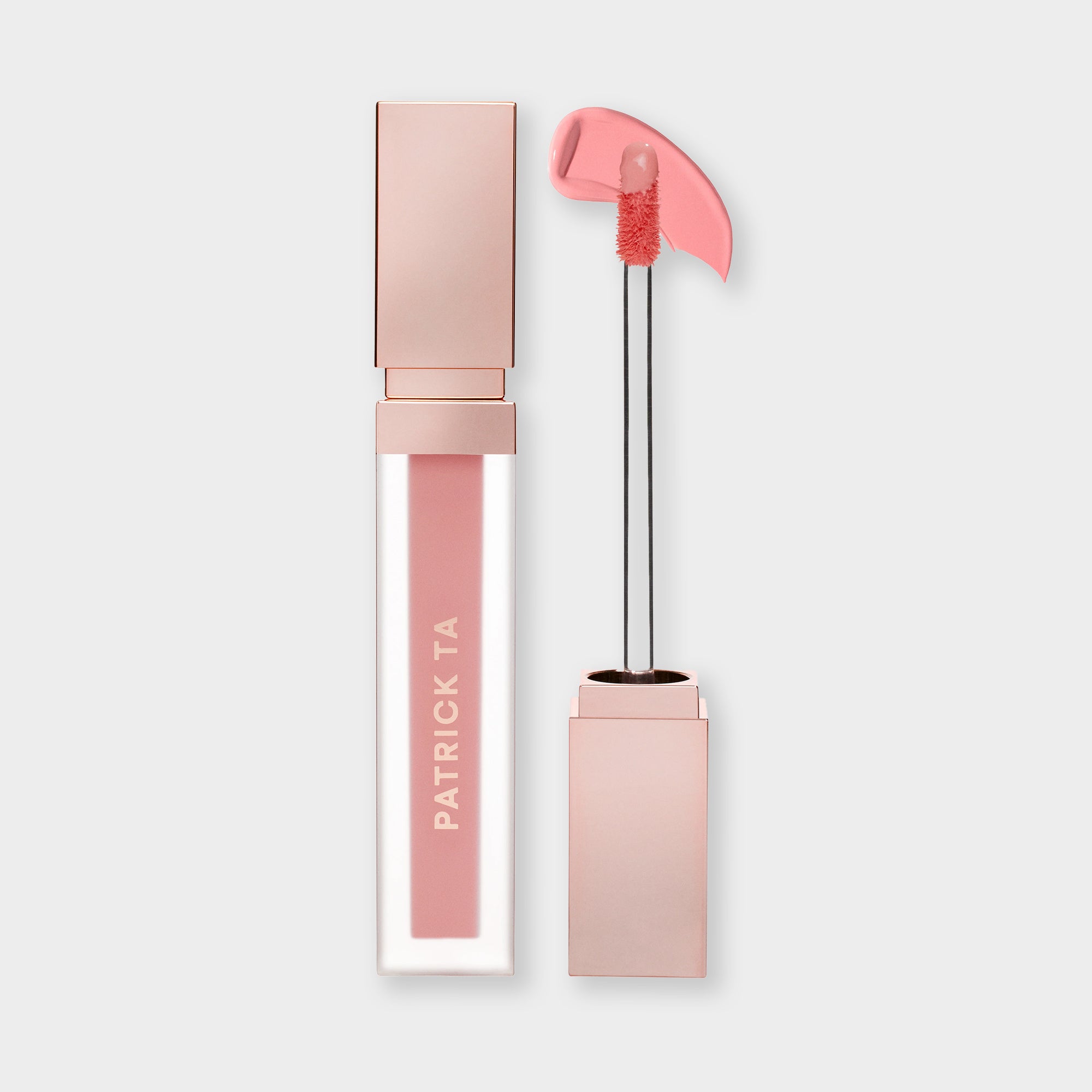
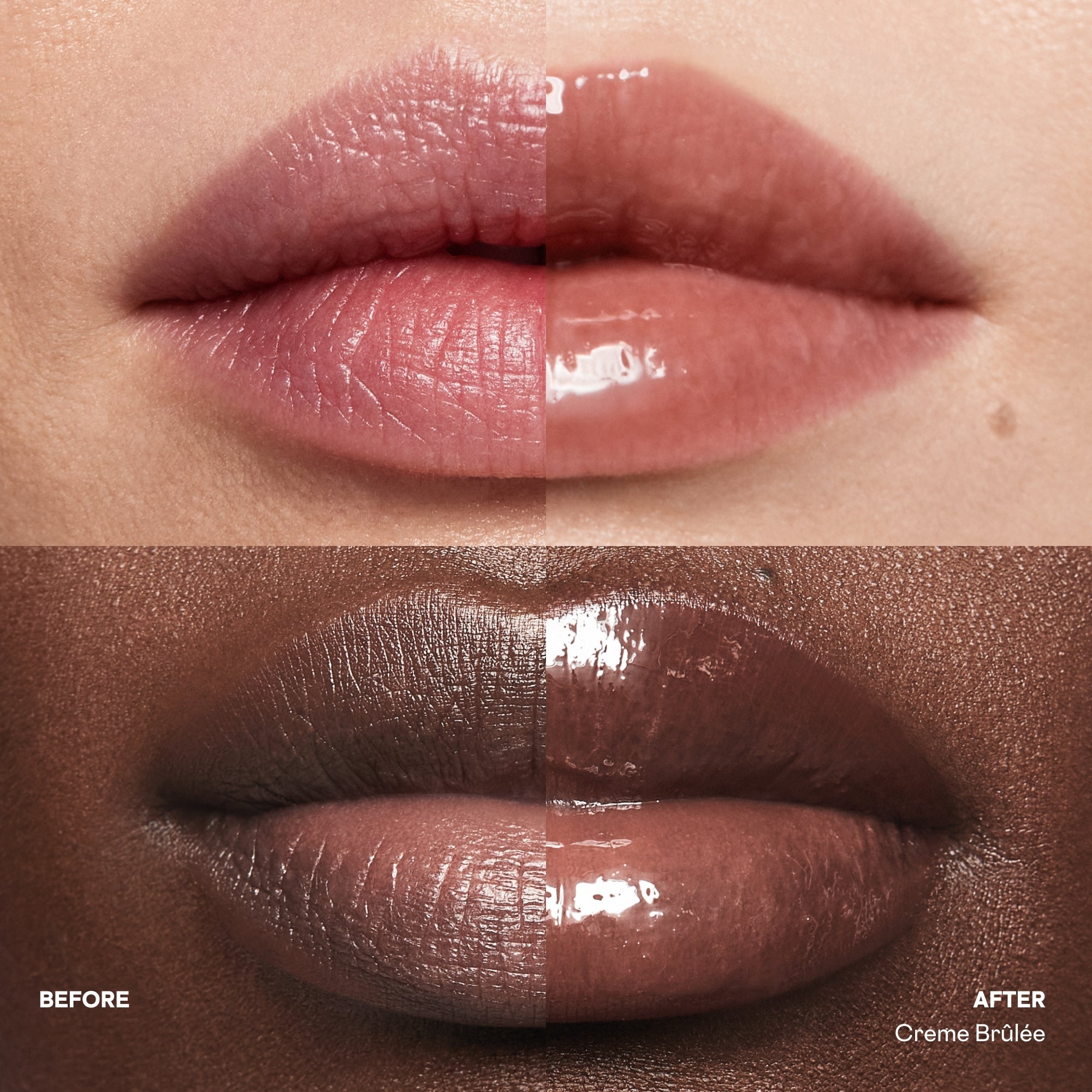
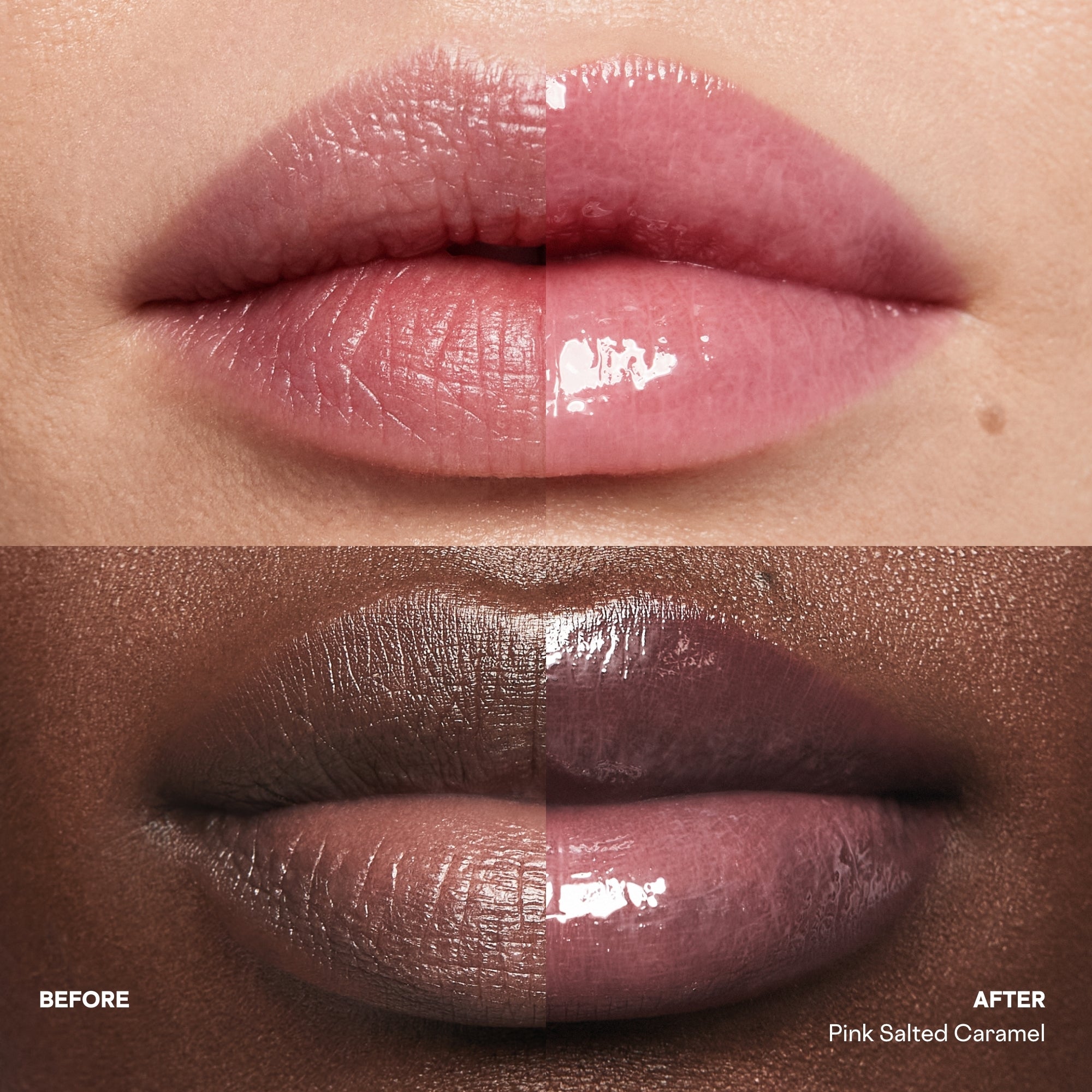
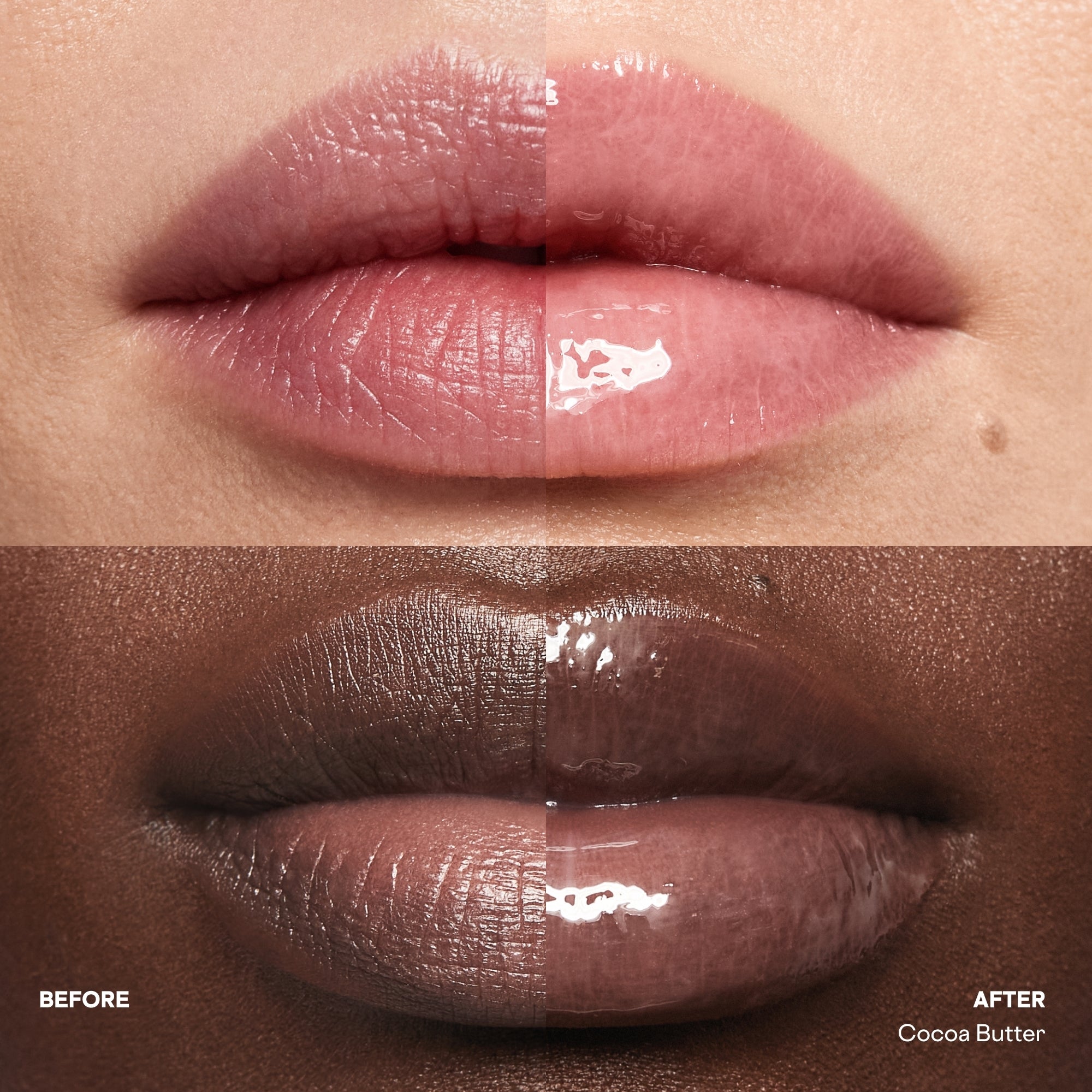
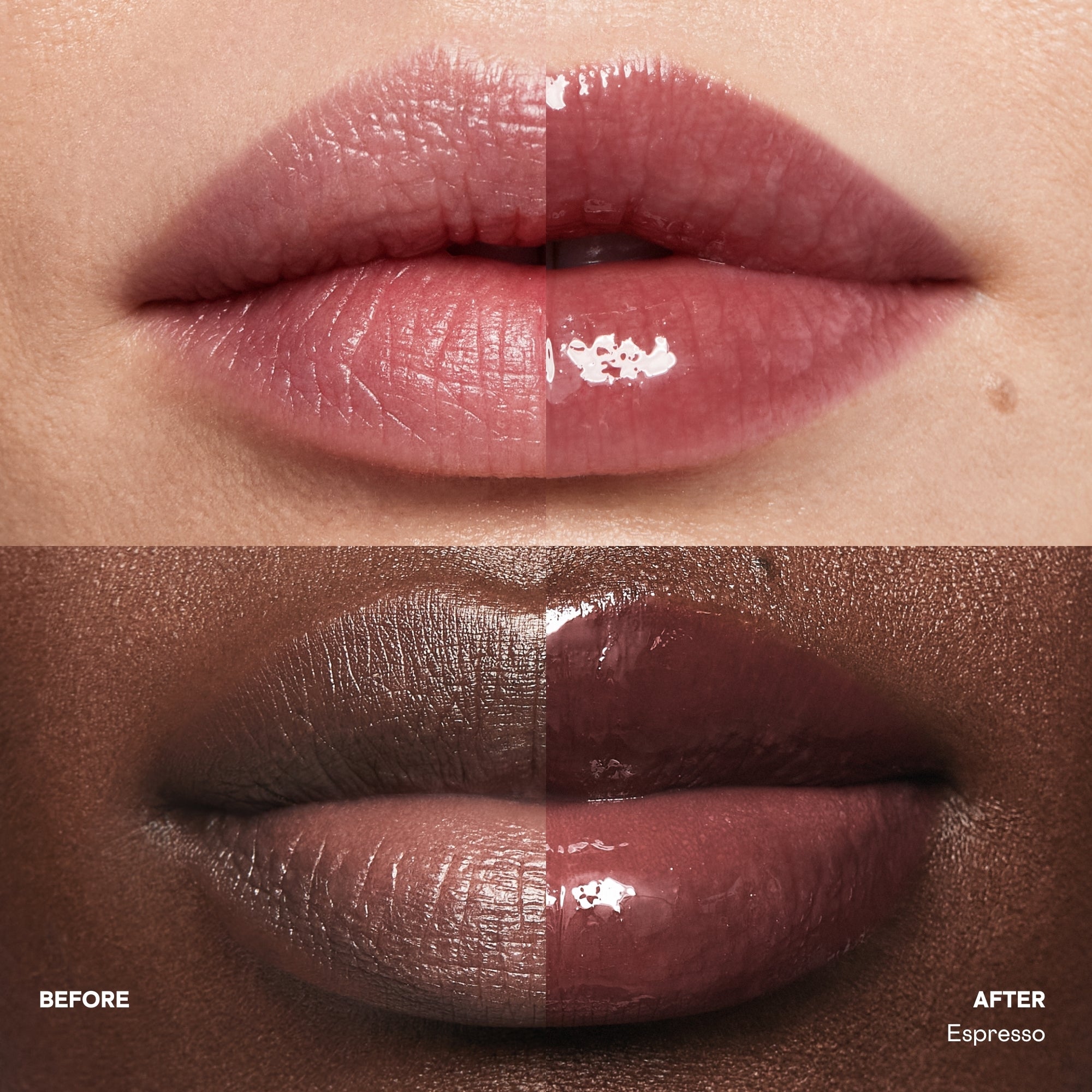
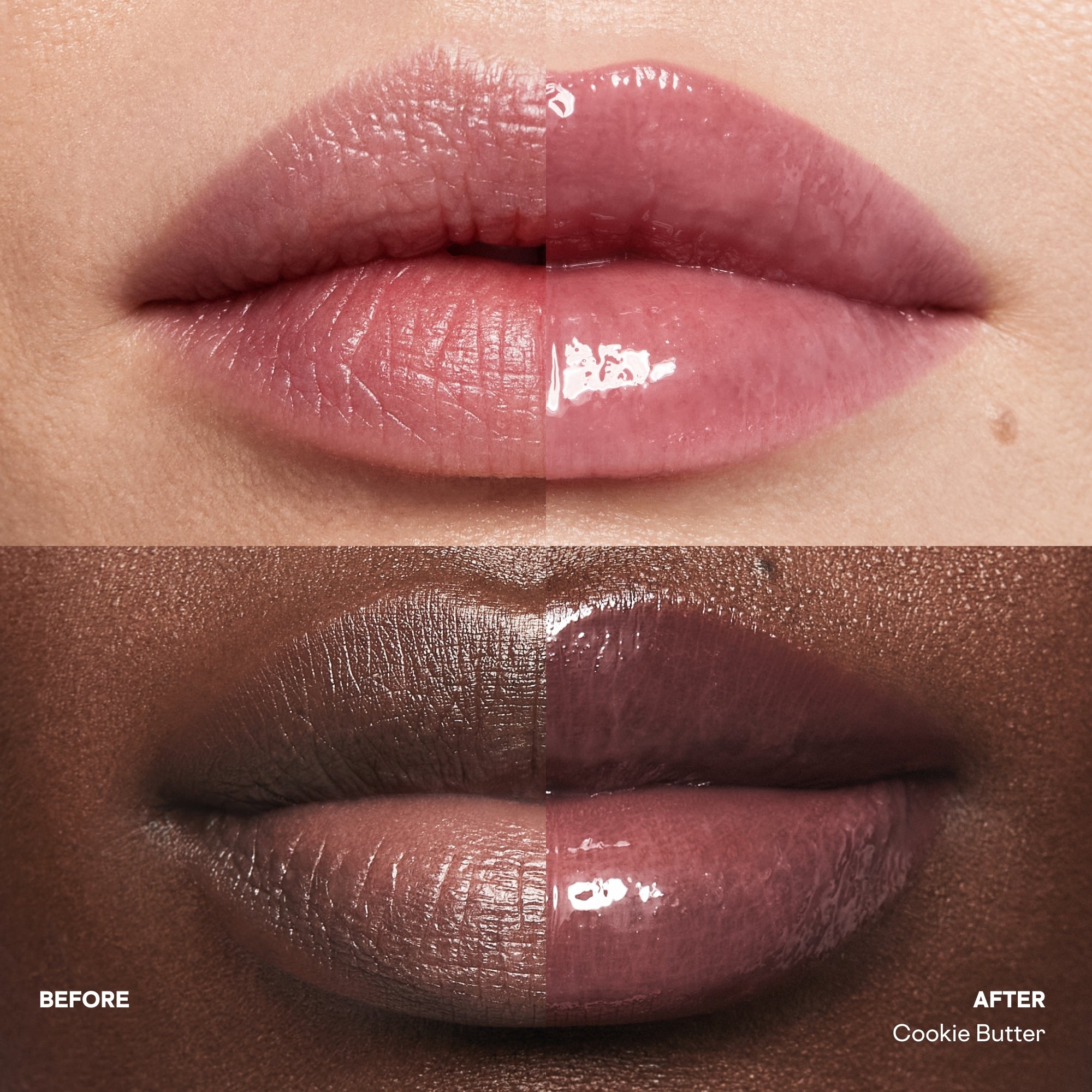
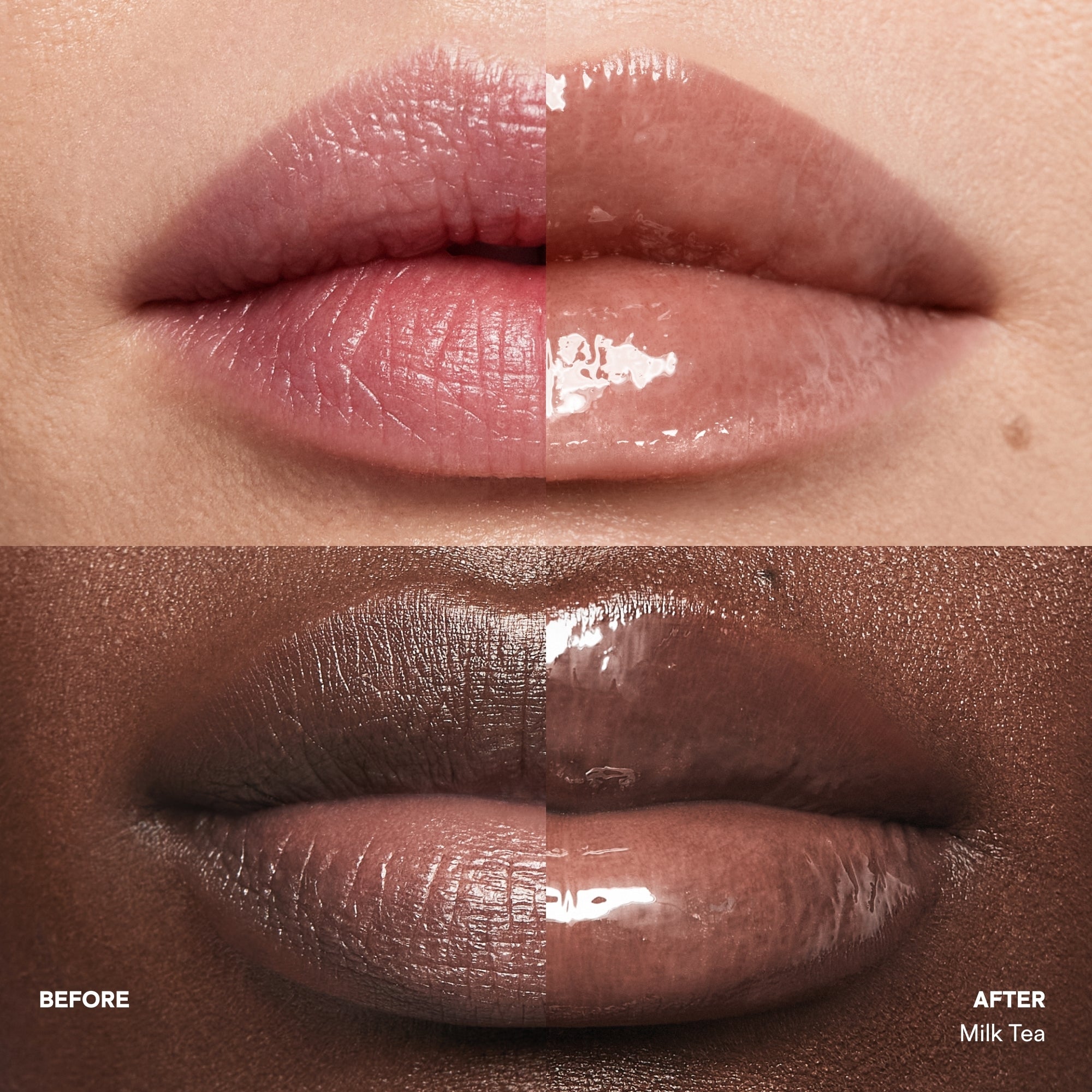
- Major Moisture Smoothing Lip Balm: Your everyday prep-and-hydration step. Use it to soften and smooth your lips as a comfortable base before color, or on its own for daily nourishment.
- Major Glow Softening Lip Masque: A treatment-level formula for when your lips need intensive care. Reach for it as a nourishing masque to soften and condition, ideal as a final step at night.
- Major Volume Plumping Gloss: Delivers plant-based plumping benefits with high shine, so you get a fuller-looking pout that still feels hydrated and comfortable.
- Major Glow Lip Shine: The high-shine, gloss-balm finish for a glass-like look that pairs reflective shine with lip-loving moisture.
Together, these let you build a complete lip routine: start with a nourishing lip balm, treat with the masque, then add plump or shine on top depending on your look.
Frequently Asked Questions
Is Vaseline a lip balm?
Straight petroleum seals the surface and blocks moisture loss, but on its own it does not add real nourishment, so your lips can feel dependent without genuinely improving. A true balm pairs that occlusive seal with softening butters and humectants that hydrate and treat your lips over time. Read the ingredient list, and match the formula to what your lips actually need.
Can you put lip balm on before lipstick?
Yes, and a quick prep step makes color sit smoother and wear more evenly:
- Buff away flakes with a soft, damp cloth so nothing sits on top of dry patches.
- Swipe a thin, even layer of balm from the center of your lip outward to the corners.
- Press your lips together and let it settle for a moment before you apply color on top.
How do you get the most out of a lip balm overnight?
An overnight treatment repairs while you sleep when you layer it last:
- Gently exfoliate to remove flakes so the formula absorbs evenly.
- Apply a generous layer of your heaviest, most concentrated formula.
- Make it the final step of your nighttime routine and let it work overnight.
For everyday care, a lighter reapplication once or twice a day is plenty.
How often can you reapply lip balm?
Once or twice a day covers most lips, and you can go more often in winter, wind, or low humidity when your lips lose moisture fastest. If a well-chosen formula still has you reapplying every few minutes, the drying ingredients are the likely cause, not your lips. A balm built on occlusive waxes, softening butters, and humectants holds moisture far longer than one that only chases relief.
Can you use lip balm every day?
Yes, and daily use is one of the best things you can do for the thin, oil-gland-free skin on your lips. A quality formula treats your lips over time, leaving them smoother and healthier rather than merely coated. Keep it to a light layer once or twice a day, reserving the heaviest formula for overnight repair.

RELATED POSTS
Here is Patrick's guide to concealer placement, plus how to apply it for a seamless, skin-like finish.
Here is how to find your concealer shade, how to test it, and how to use more than one shade for a flawless base
Here is why red blush has become a modern staple, how to choose the right shade for your skin tone, and how Patrick applies it for a flush that looks effortless.
Here are the shades that make brown eyes stand out and the Patrick Ta palettes that deliver them.
If you have been reaching for the same pink or peach for years, mauve blush is the easiest way to refresh your routine without going bold.
With professional tips from Patrick himself, consider this your step-by-step guide to creating the perfect smokey eye.
Follow these steps to learn how to apply eyeshadow for everything from an everyday wash of color to a defined evening look.
Here is how to choose shades, what to avoid, and how Patrick layers shadow for a look that makes hazel eyes glow.