





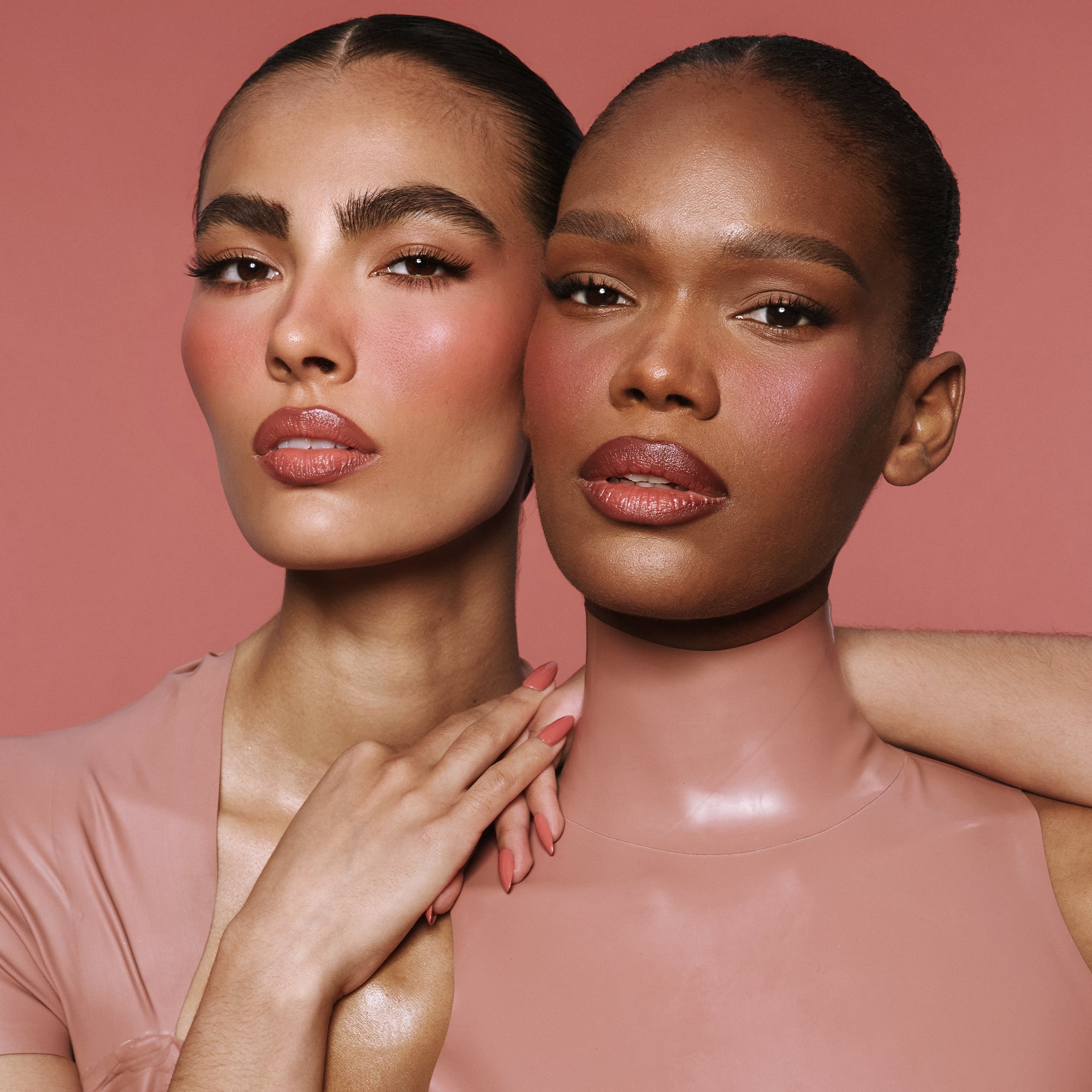
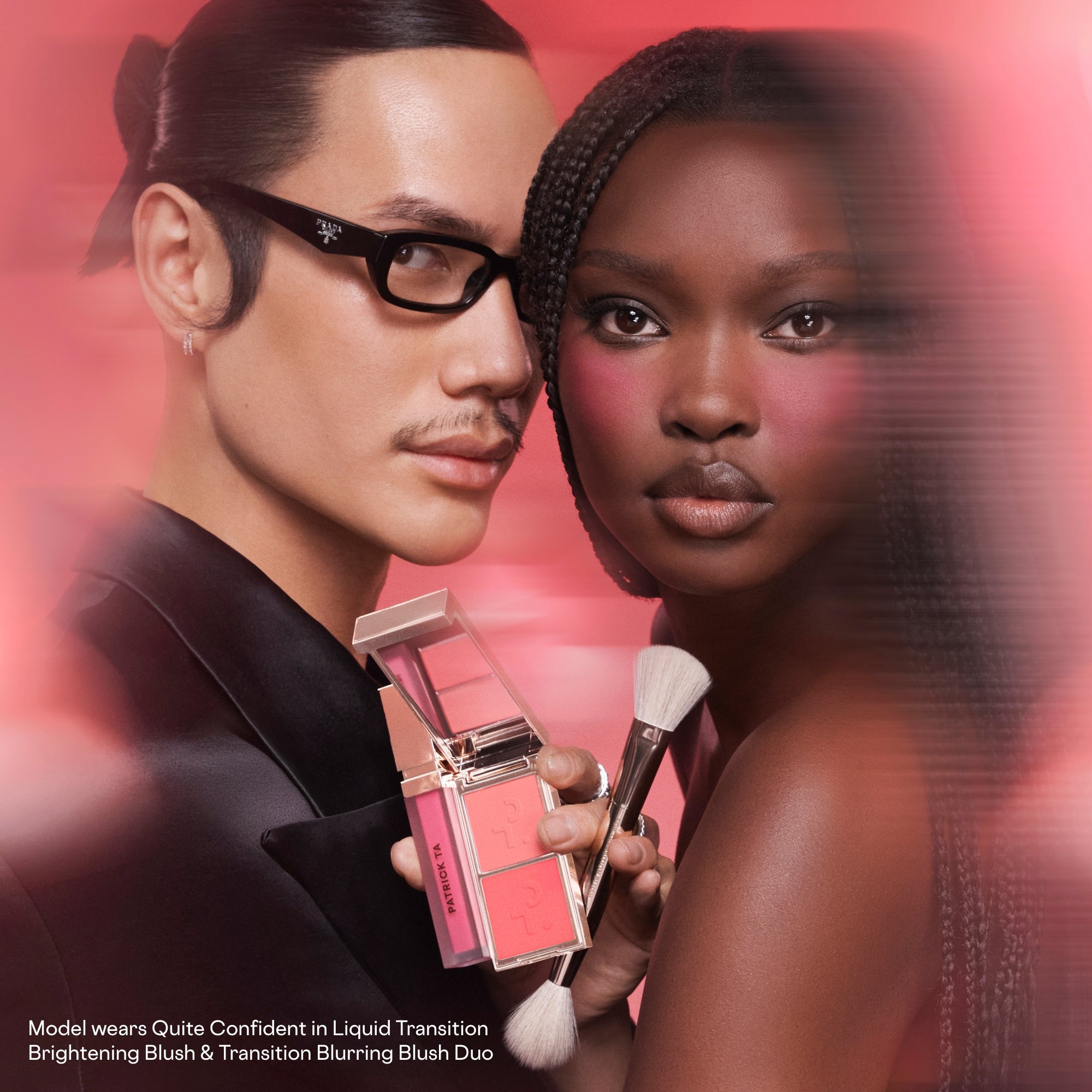
Blush is the finishing touch that brings any makeup look to life. But with so many formulas available, how do you know which one is right for you? Here’s a guide to the different types of blush, how to apply them, and tips for choosing the perfect shade for your skin tone.

Benefits of Blush
Blush mimics your skin’s natural flush, adding instant radiance and dimension to your face. Beyond color, it enhances facial structure and elevates your overall makeup look, making your complexion appear fresh and healthy.
Powder Blush
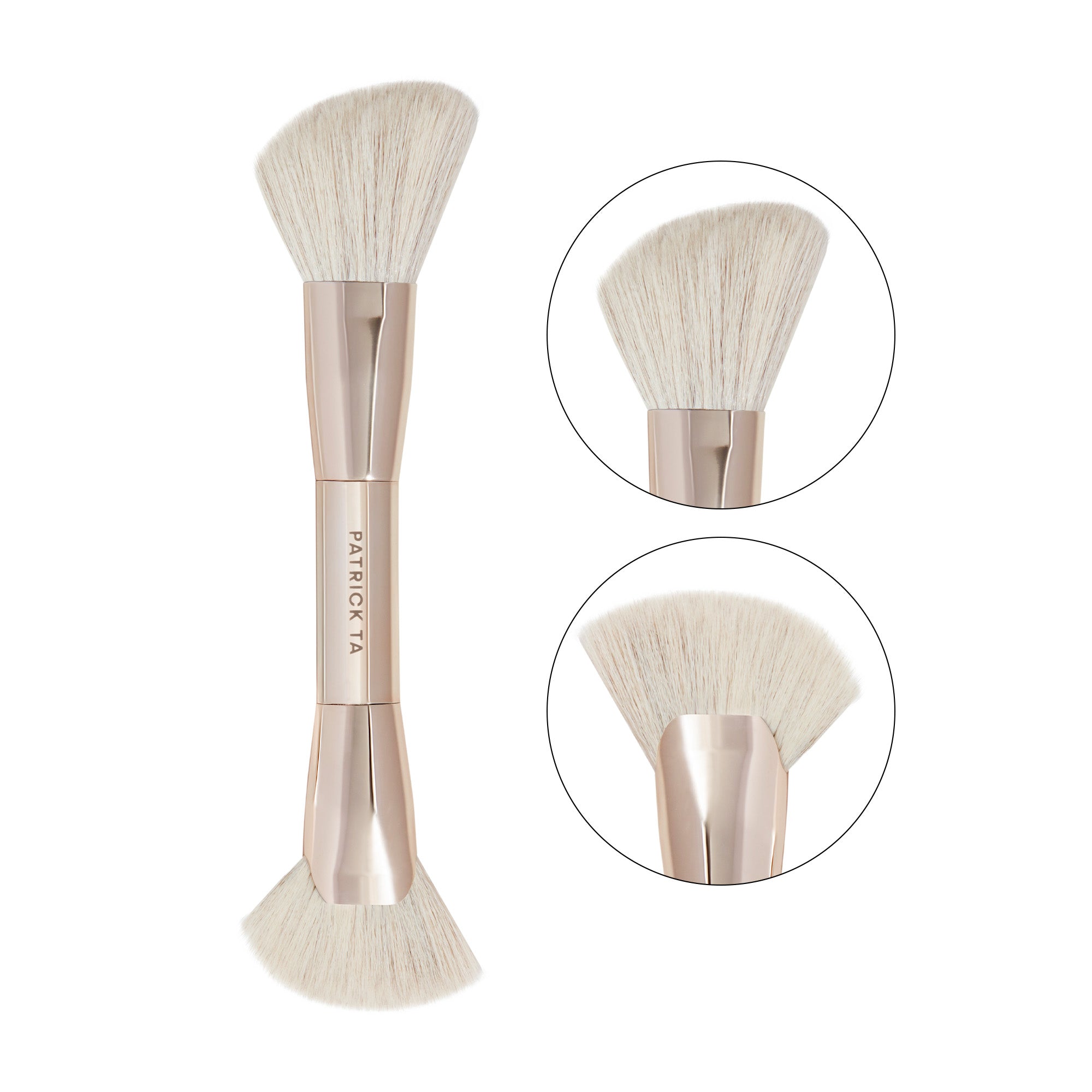
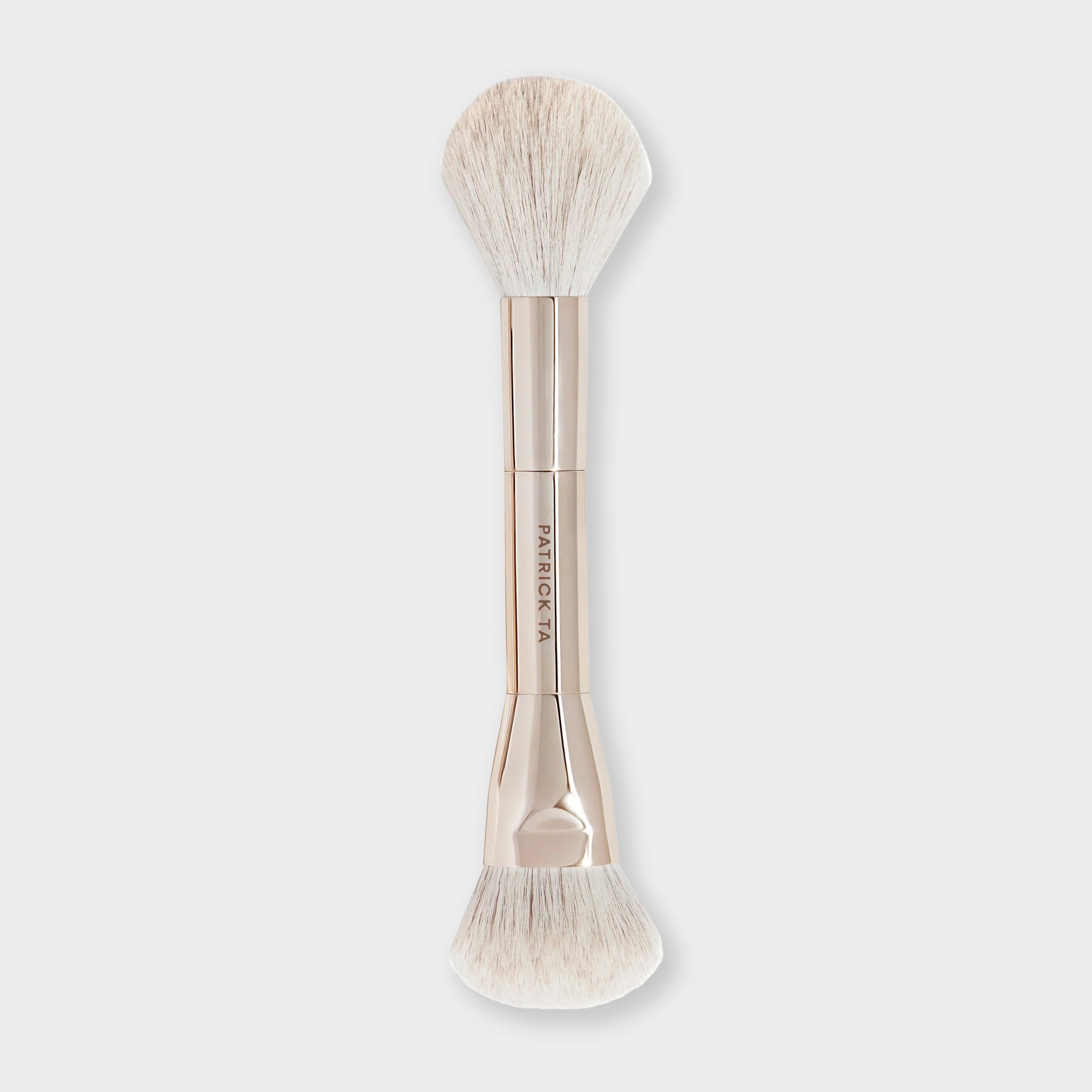
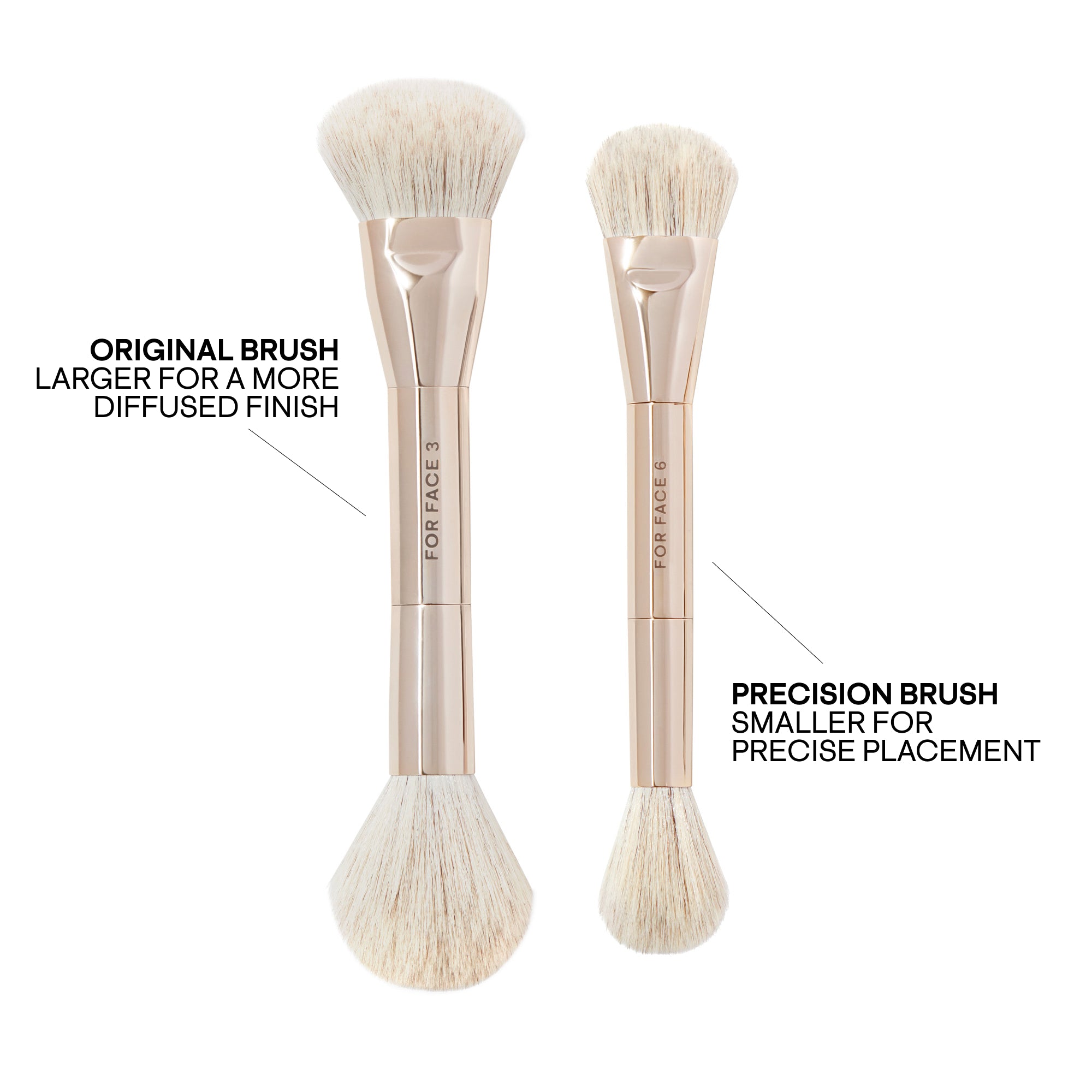
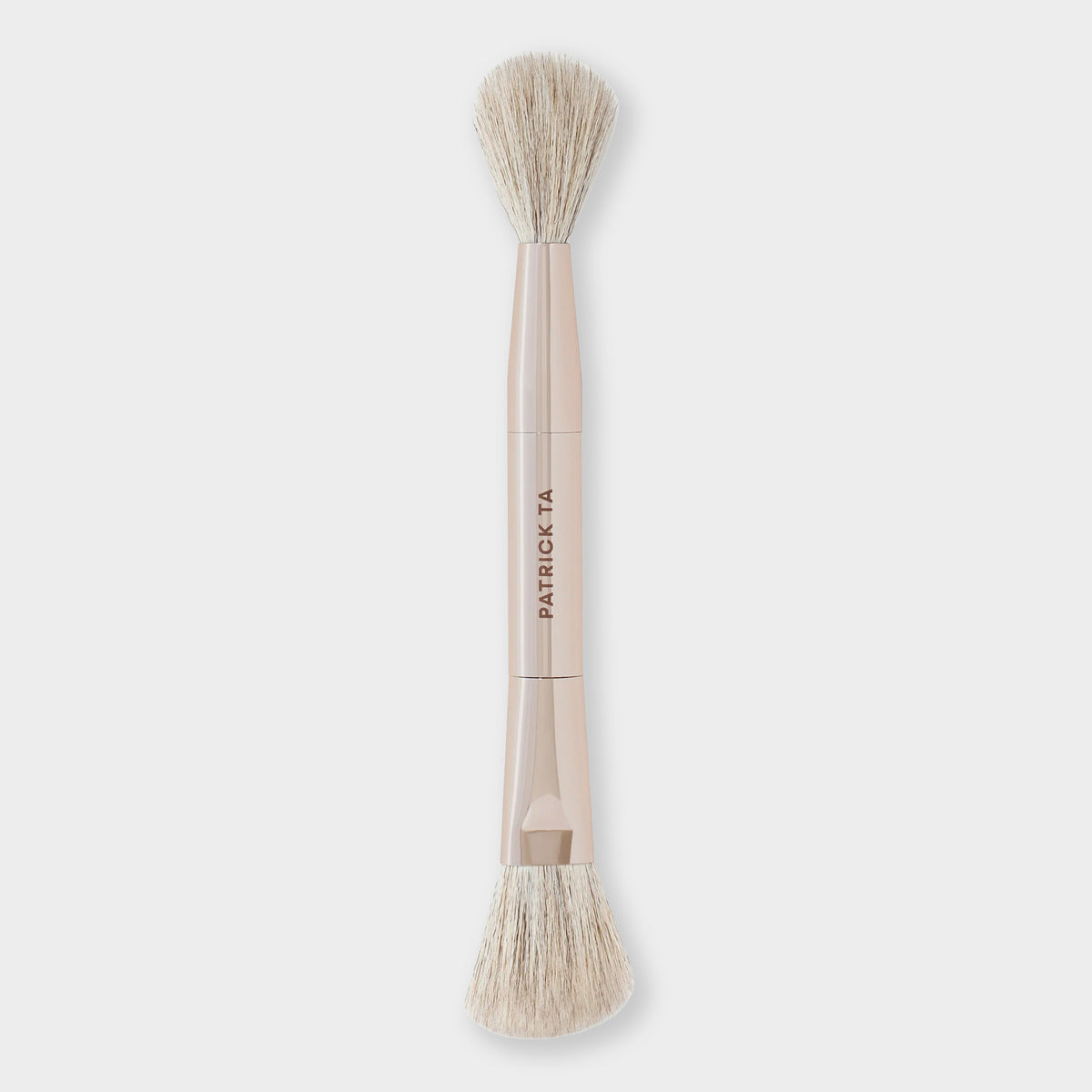
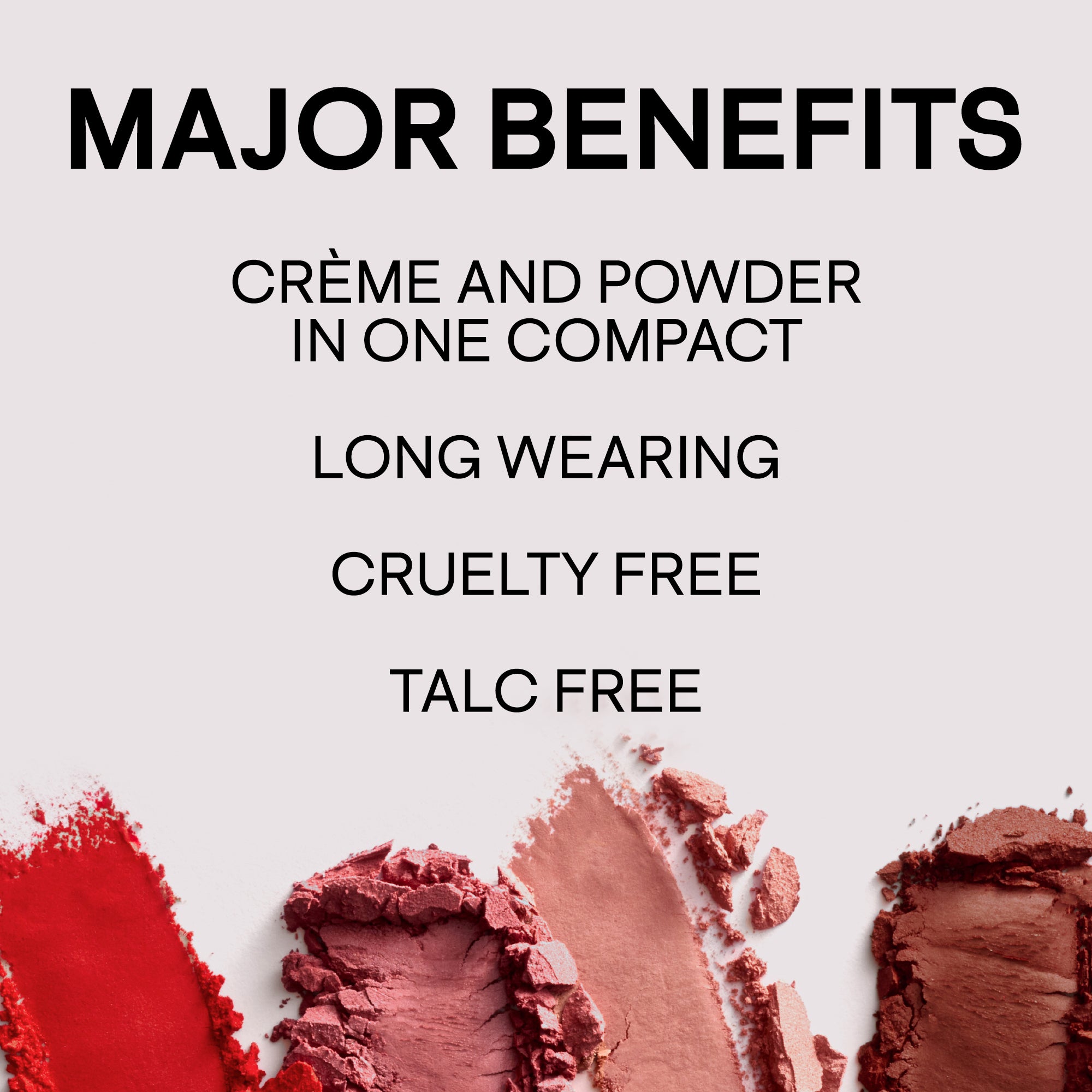
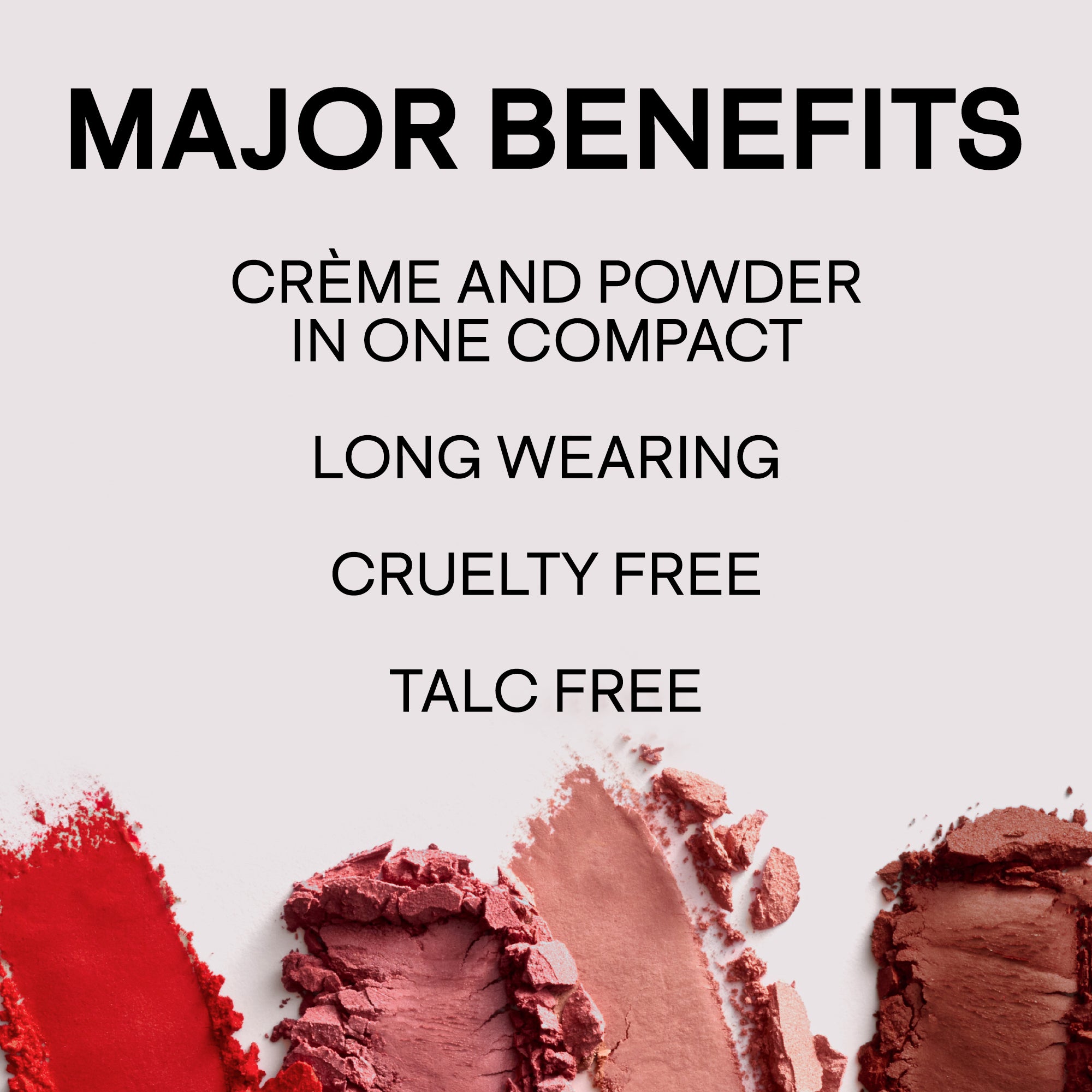
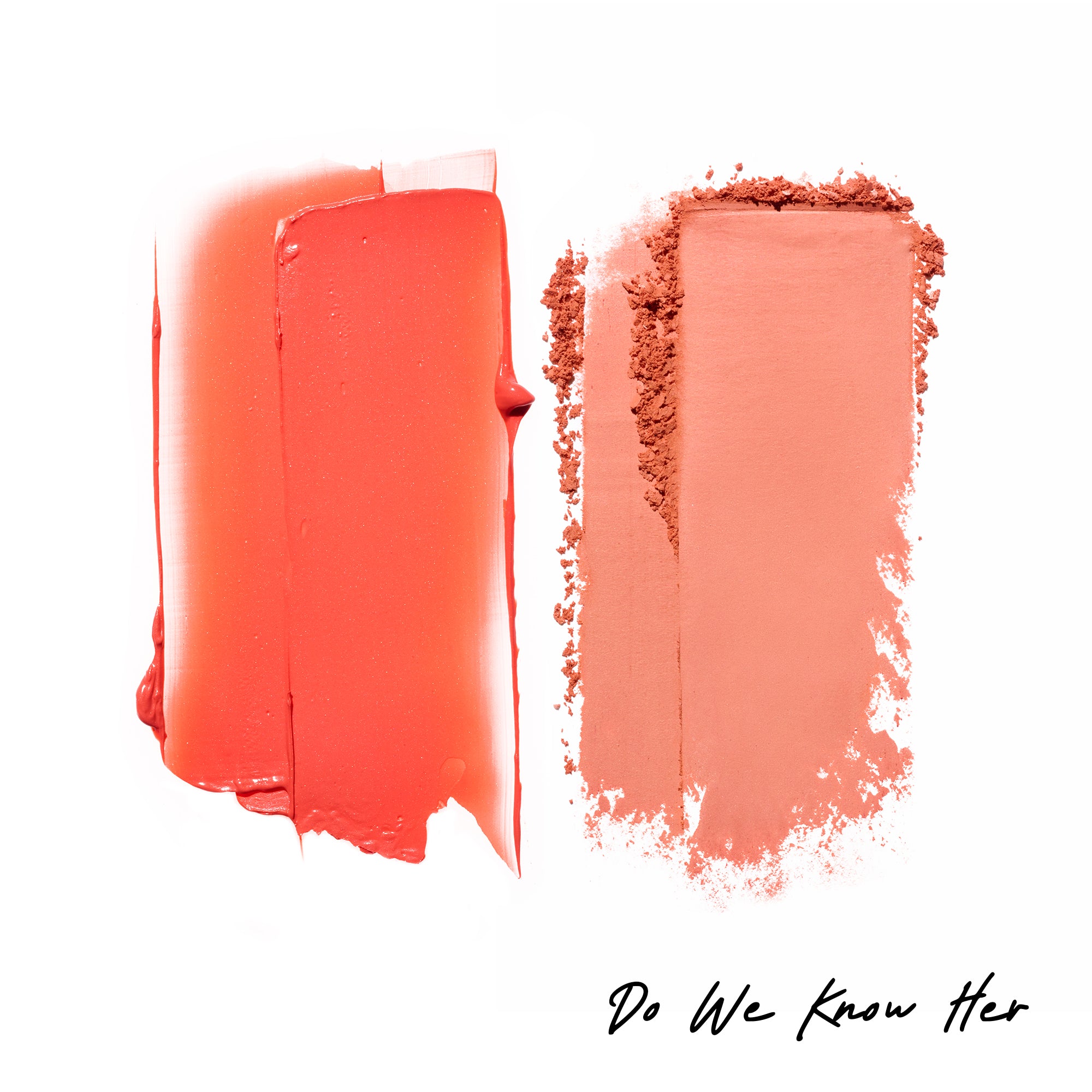
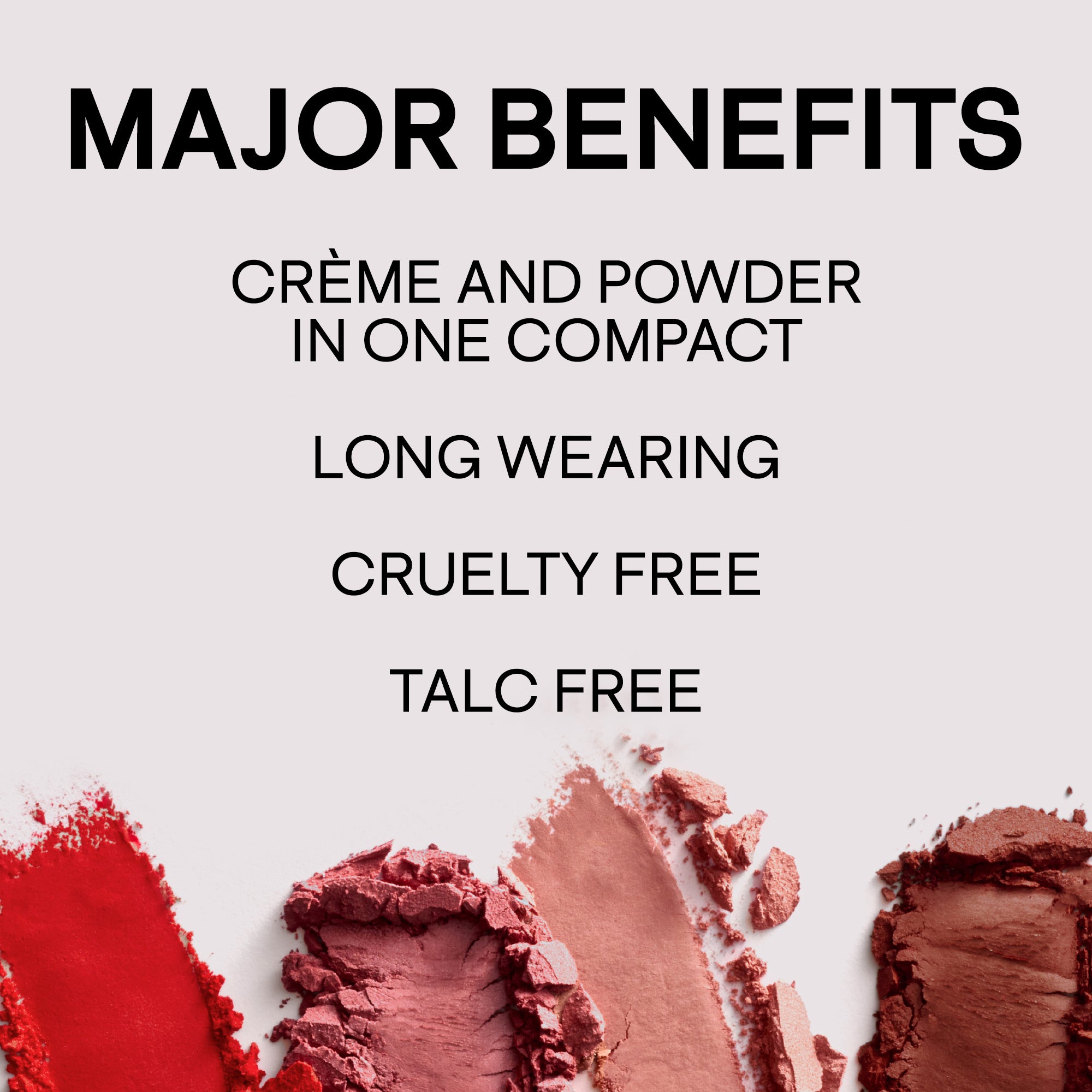
Powder blush is a favorite for its versatility, quick application, and soft-focus finish. Ideal for all skin types—especially oily skin—powder blush helps control shine while delivering buildable color. Available in pressed or loose powder, it’s best applied with a fluffy brush for a natural, even look.
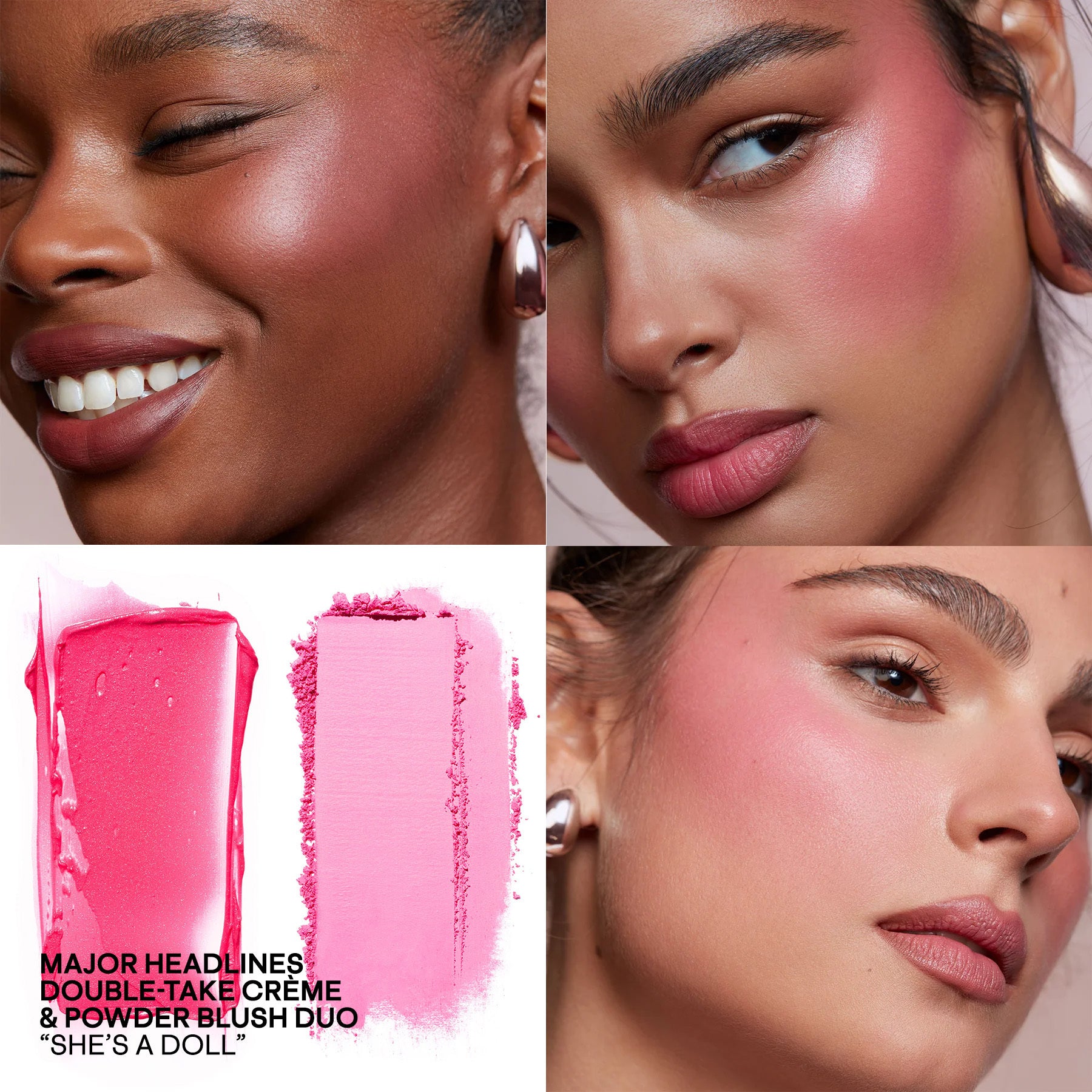
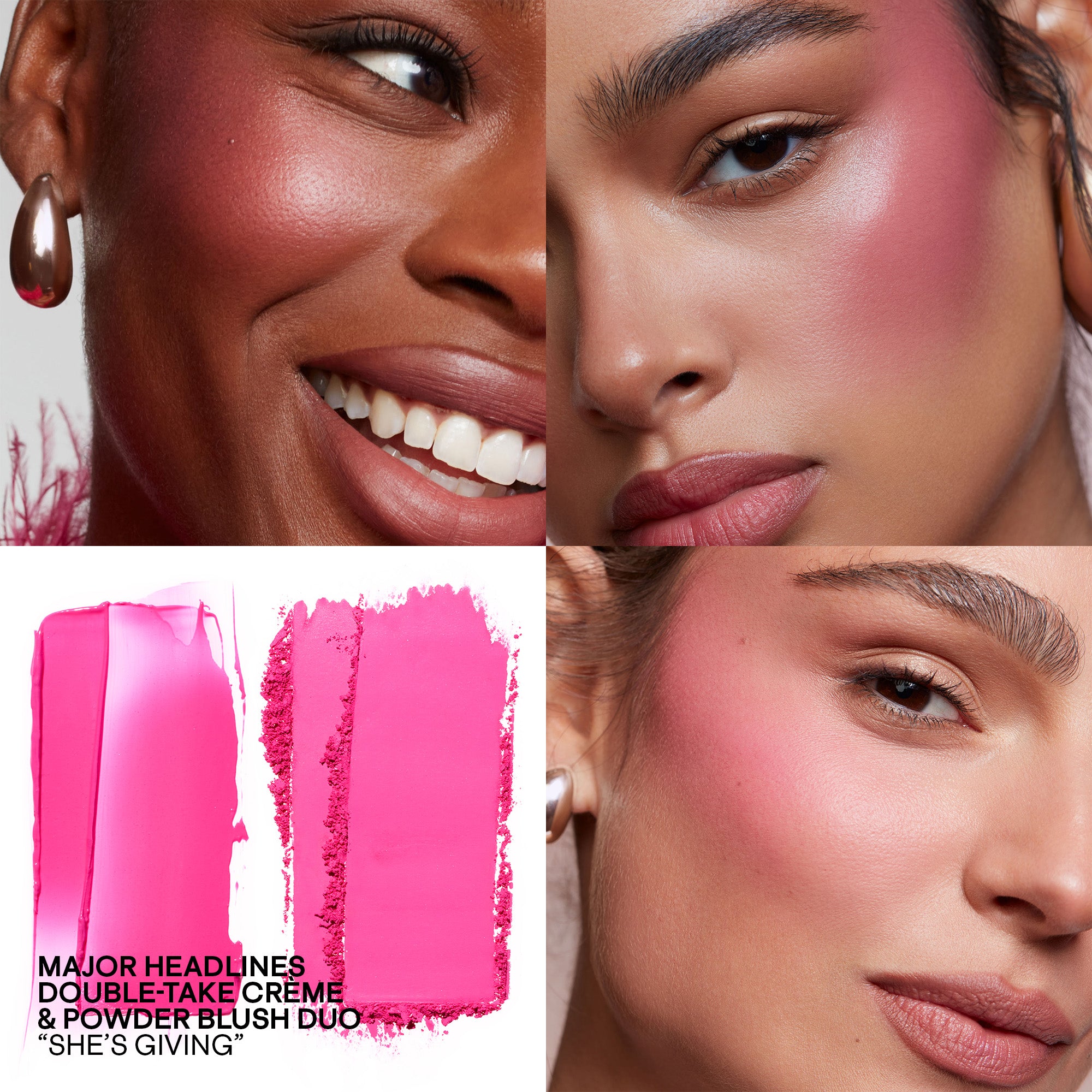
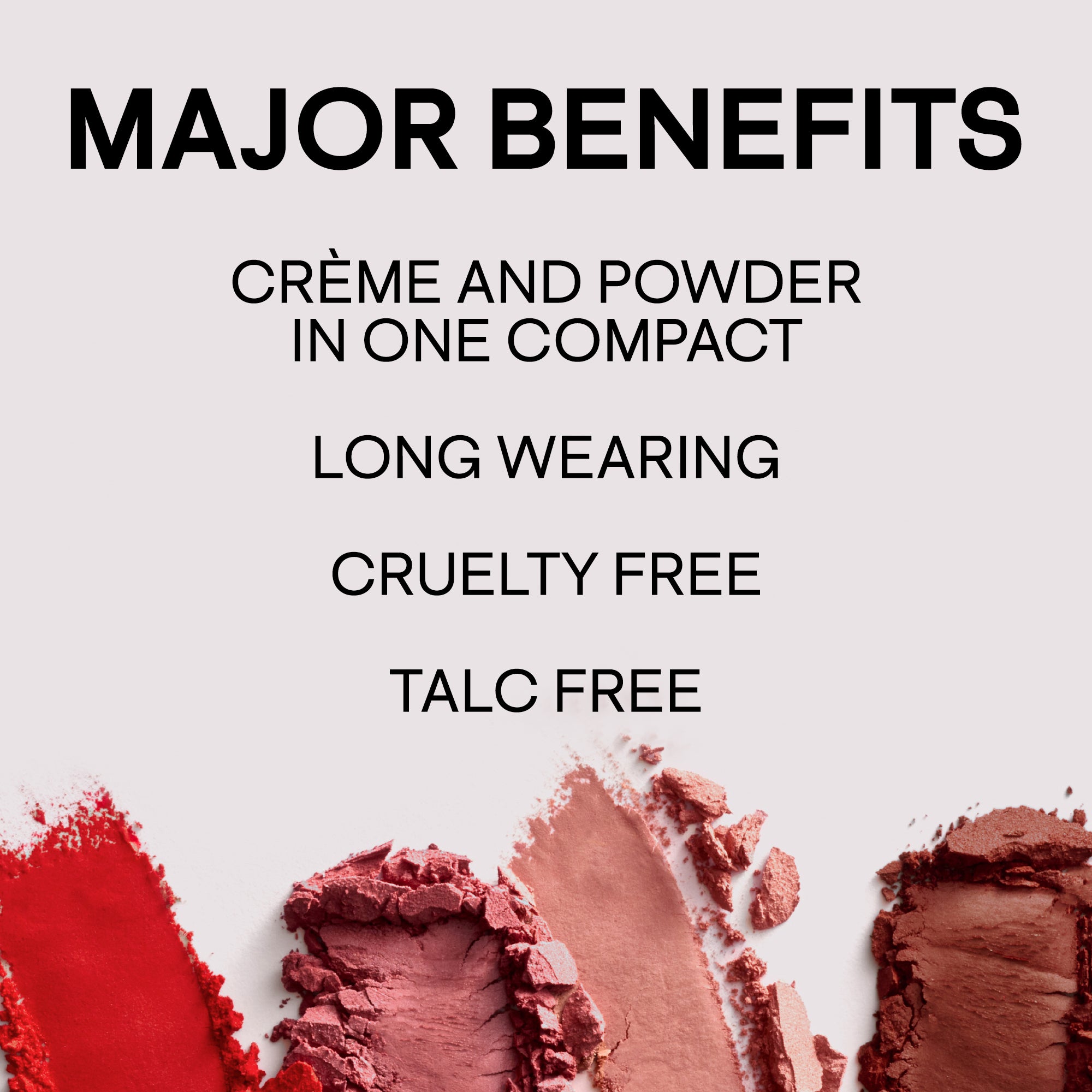
Cream Blush
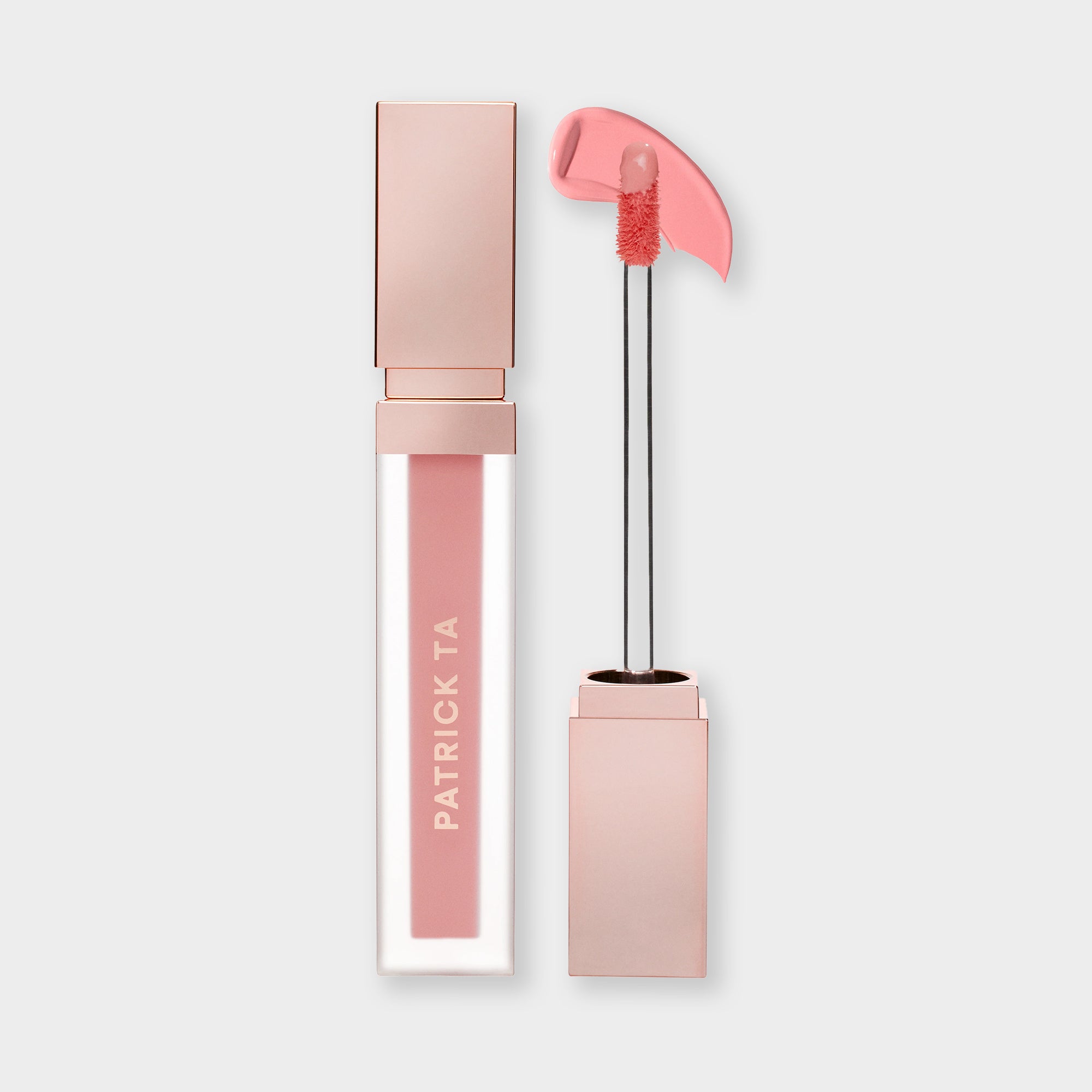
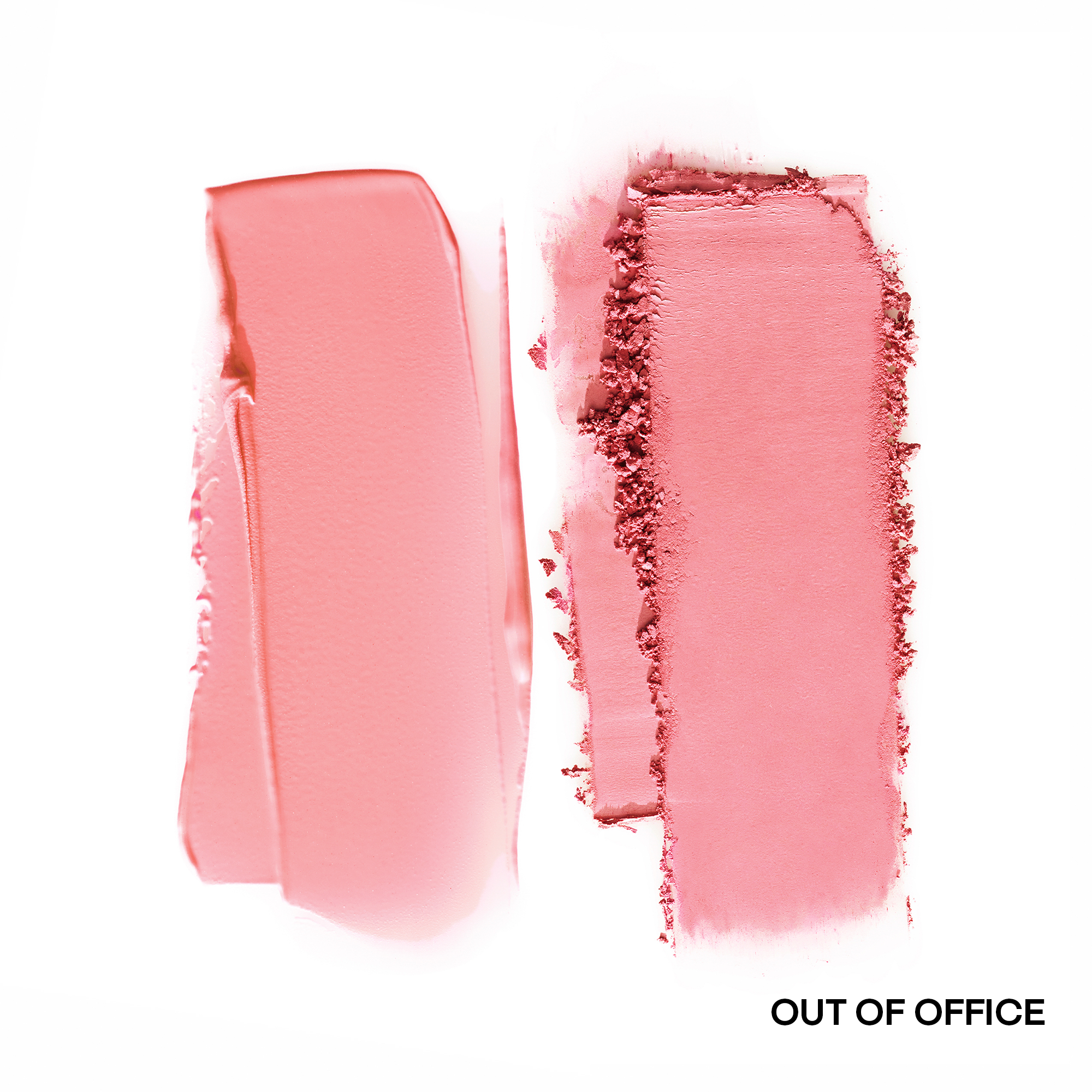
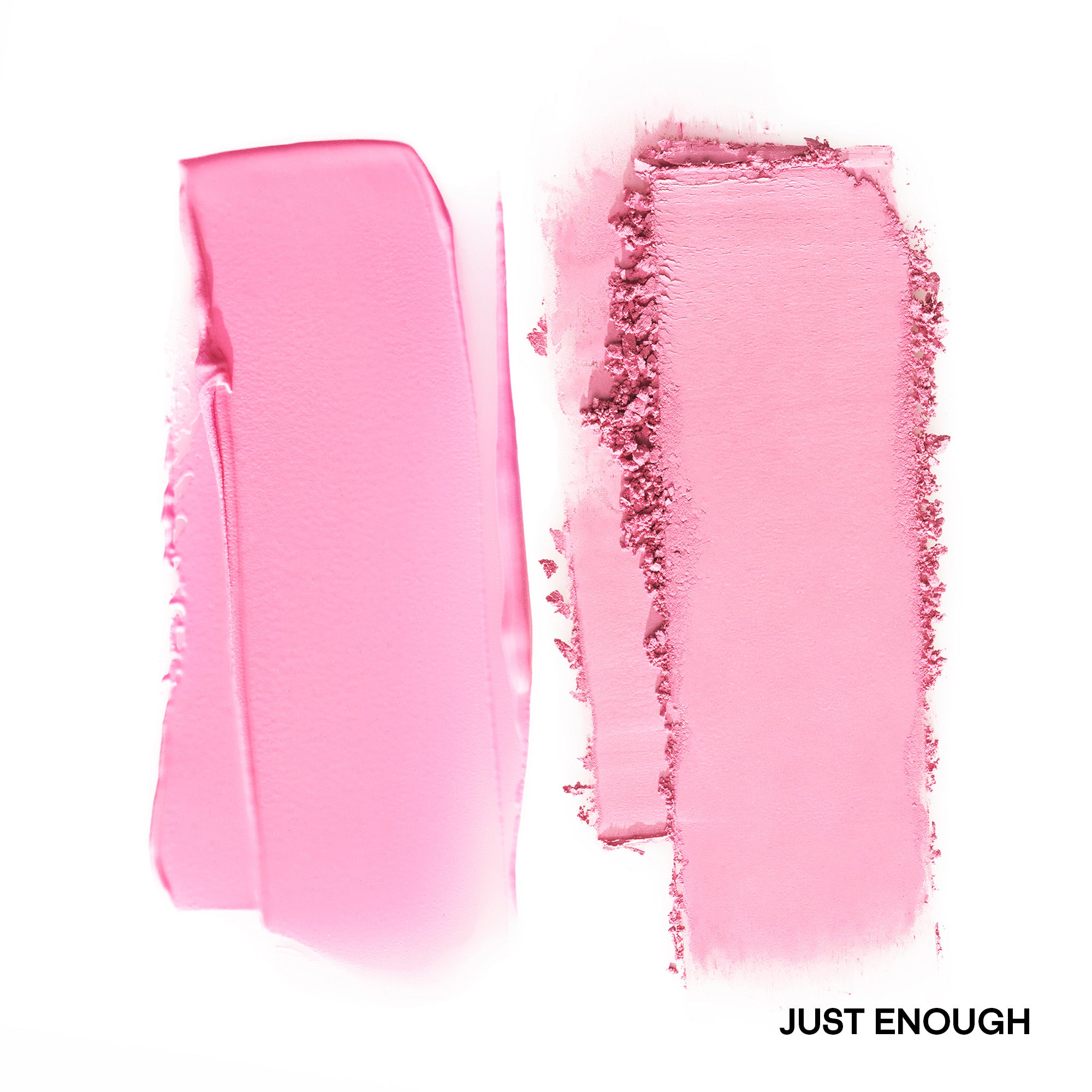
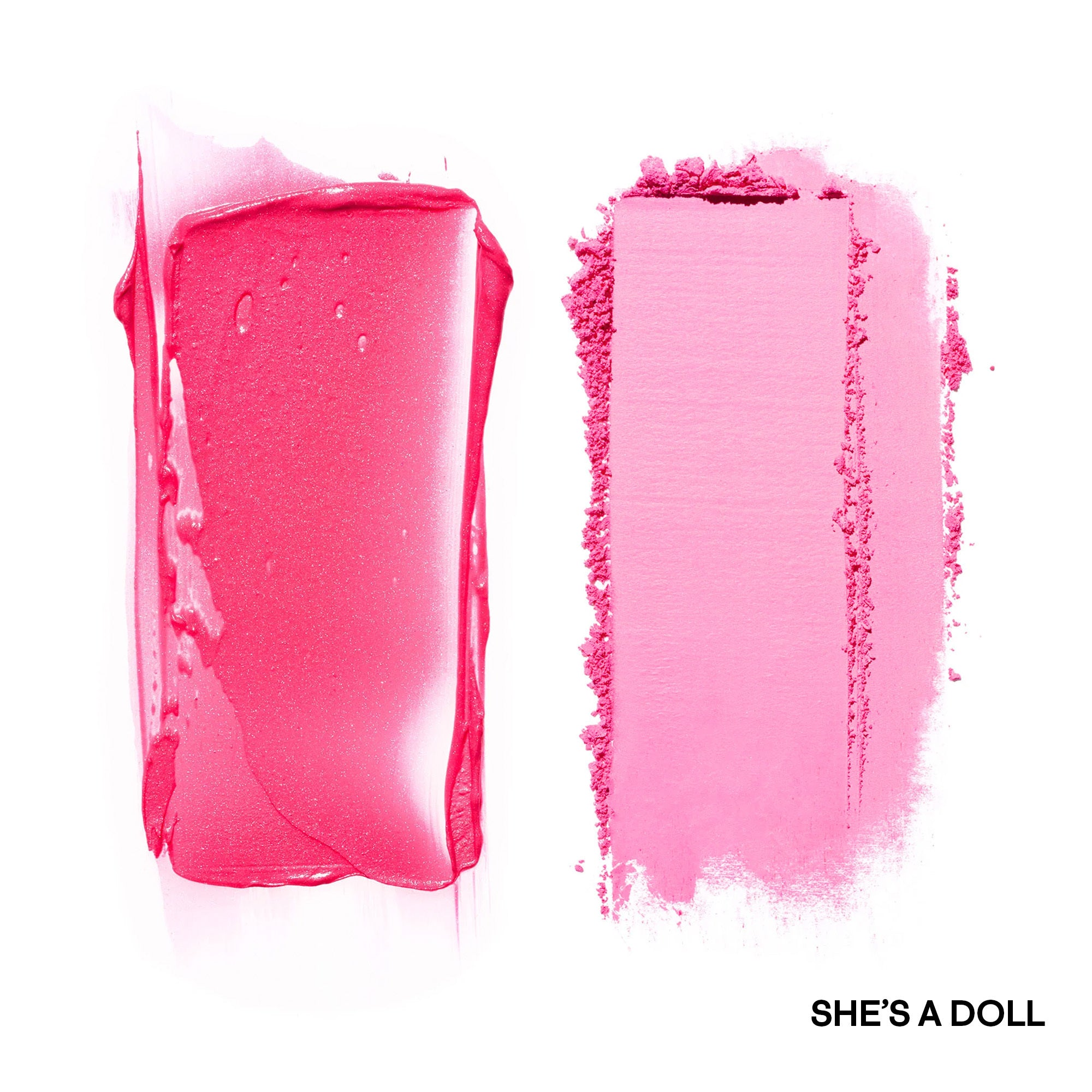
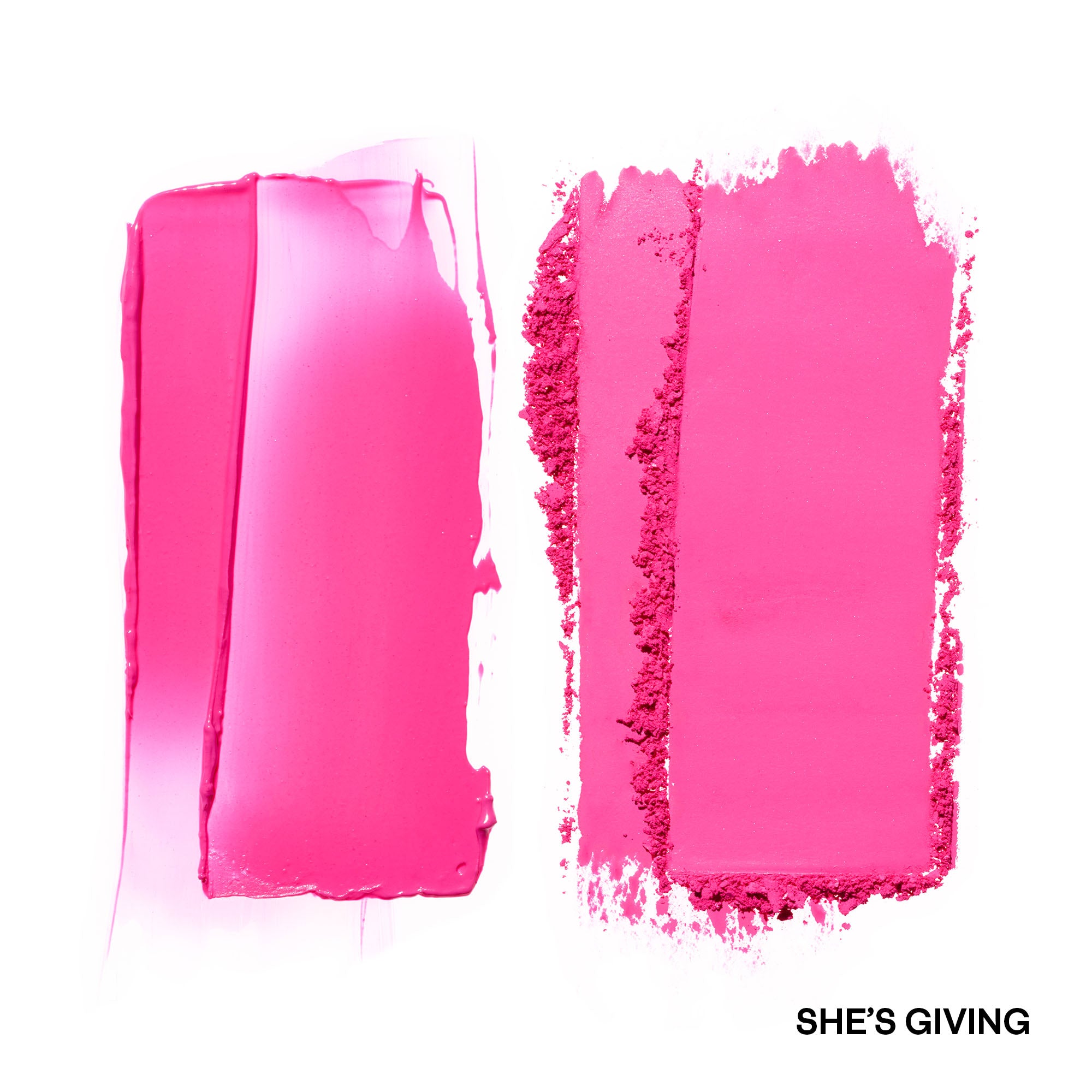
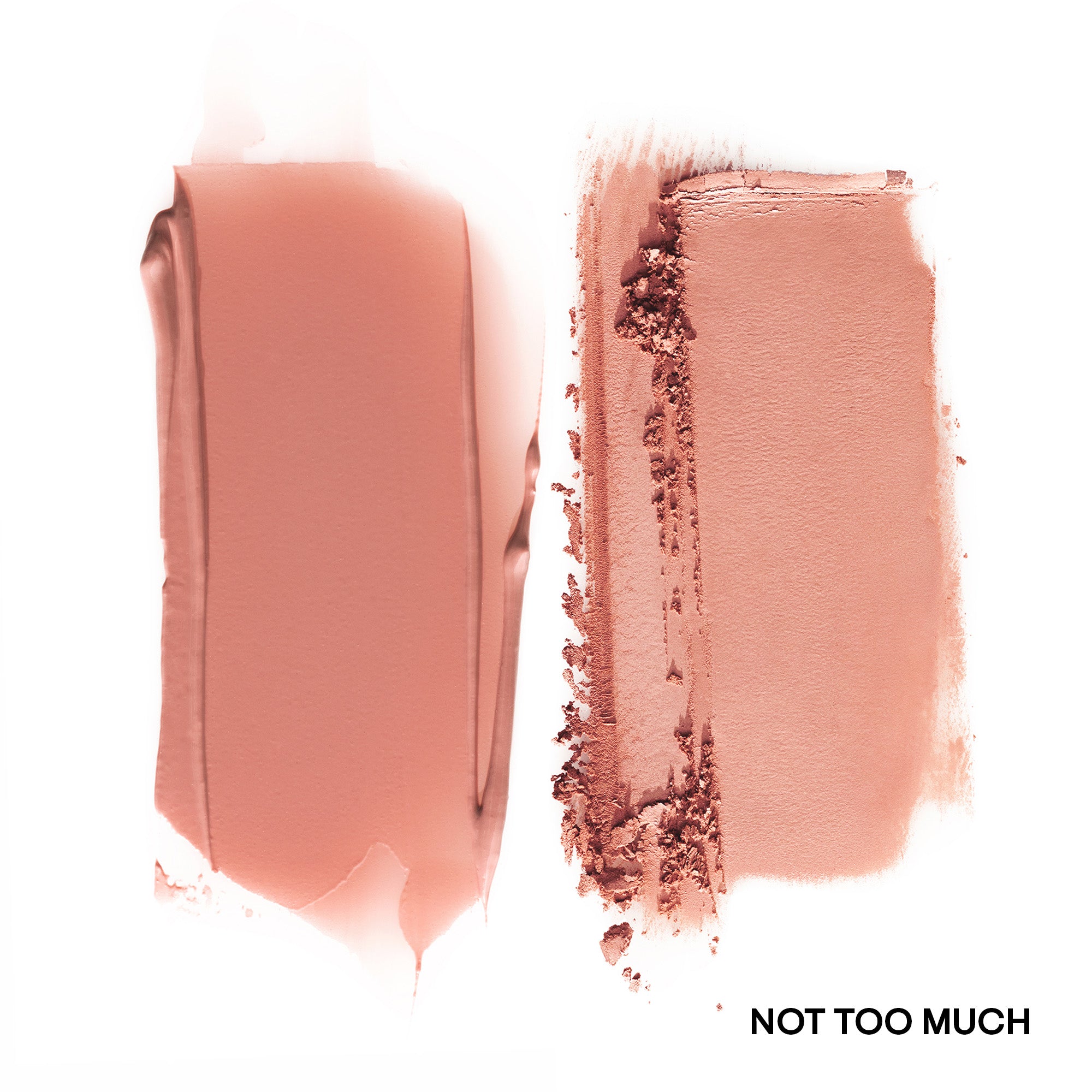
For a dewy, hydrated finish, cream blush is your go-to. Cream formulas melt seamlessly into the skin, providing a sheer wash of color that can be layered for intensity. Perfect for dry or combination skin, cream blushes come in pans or sticks and can be applied with a brush, sponge, or fingers.
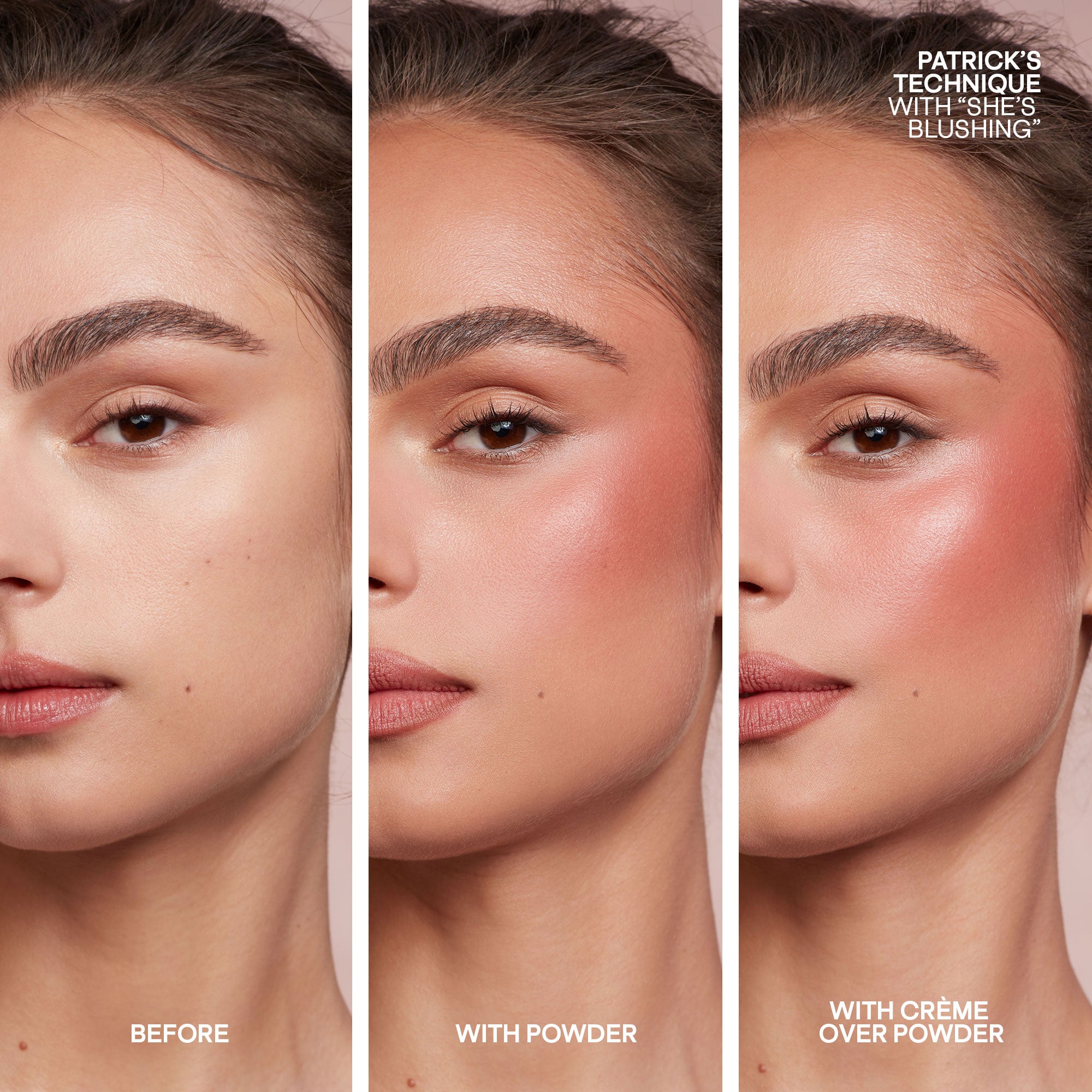
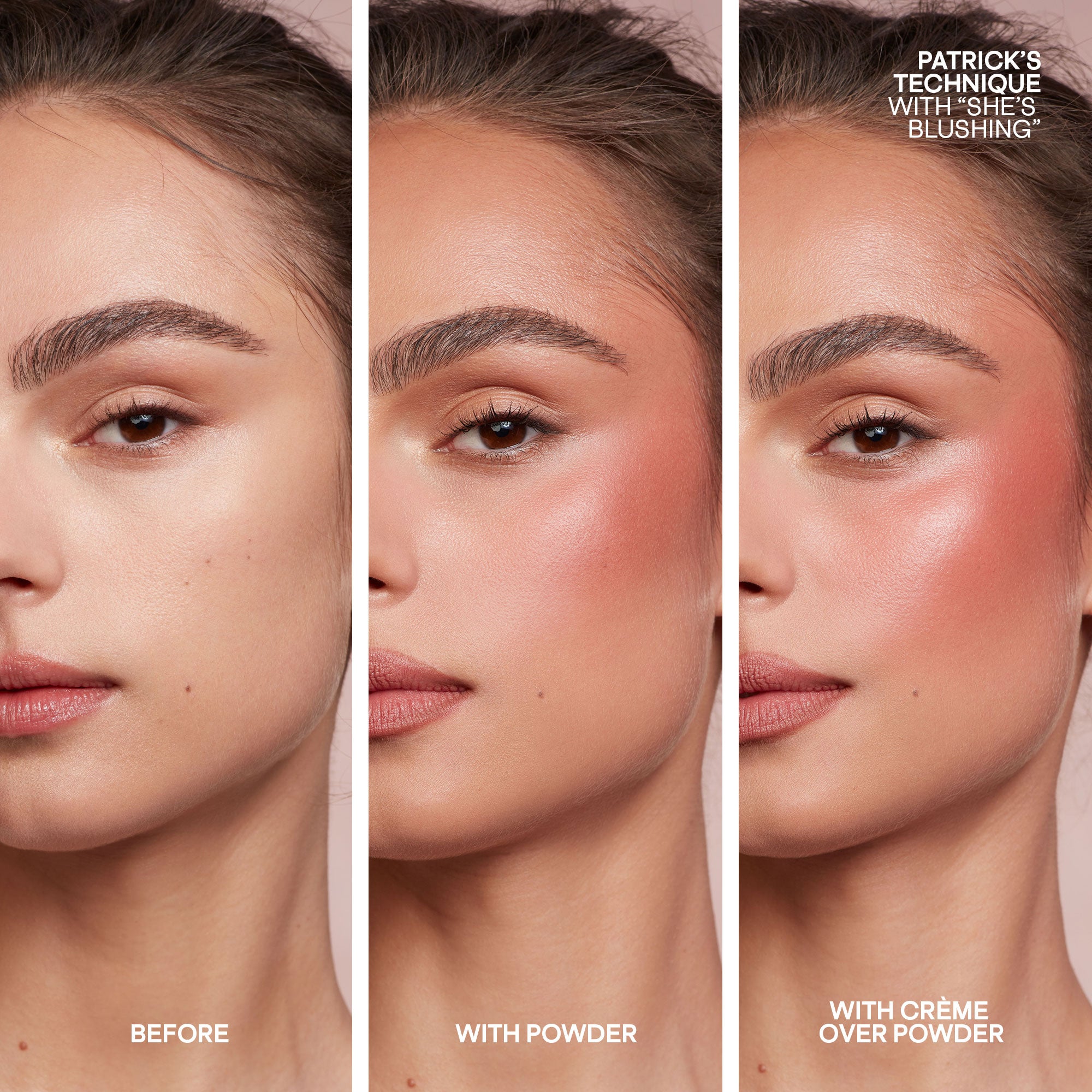
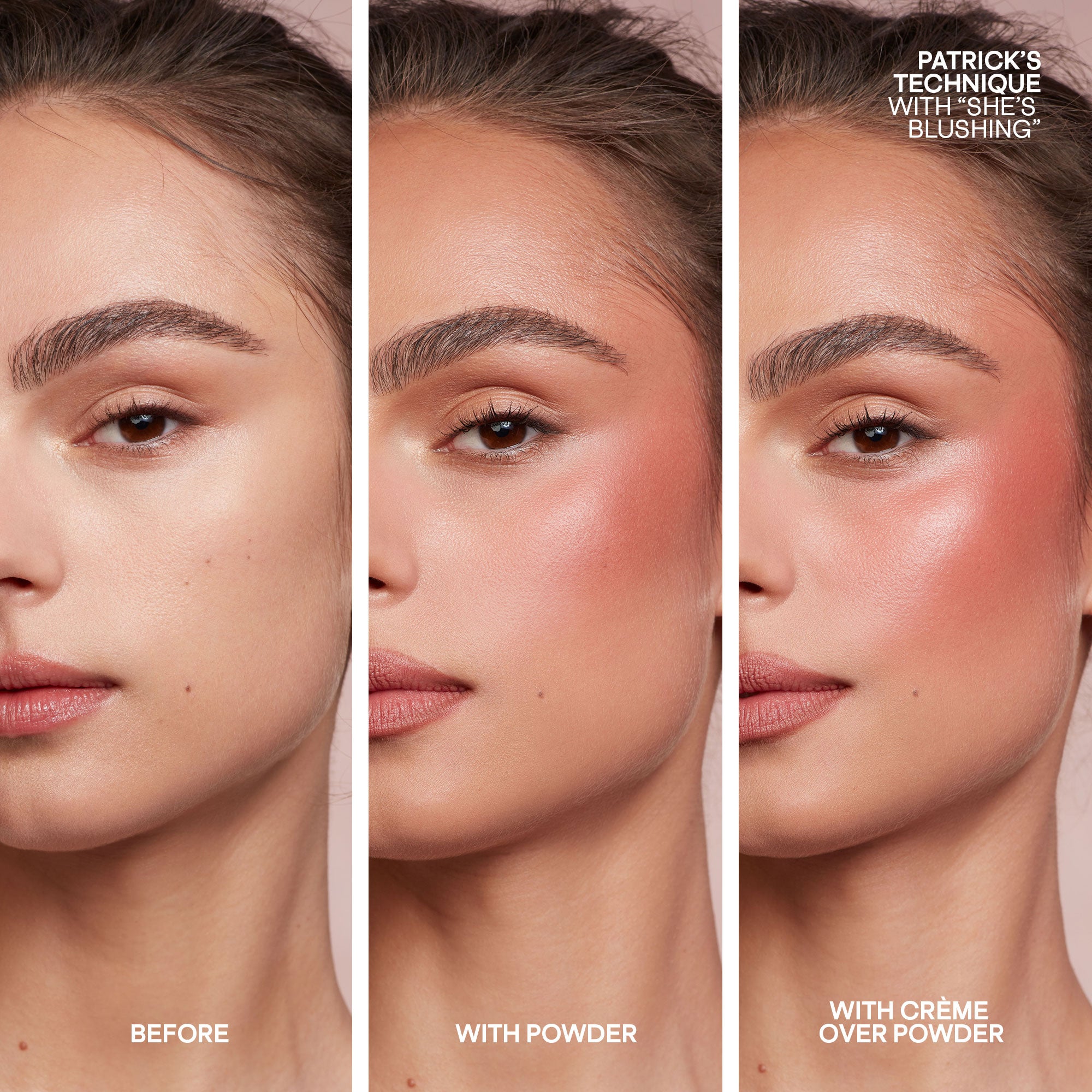
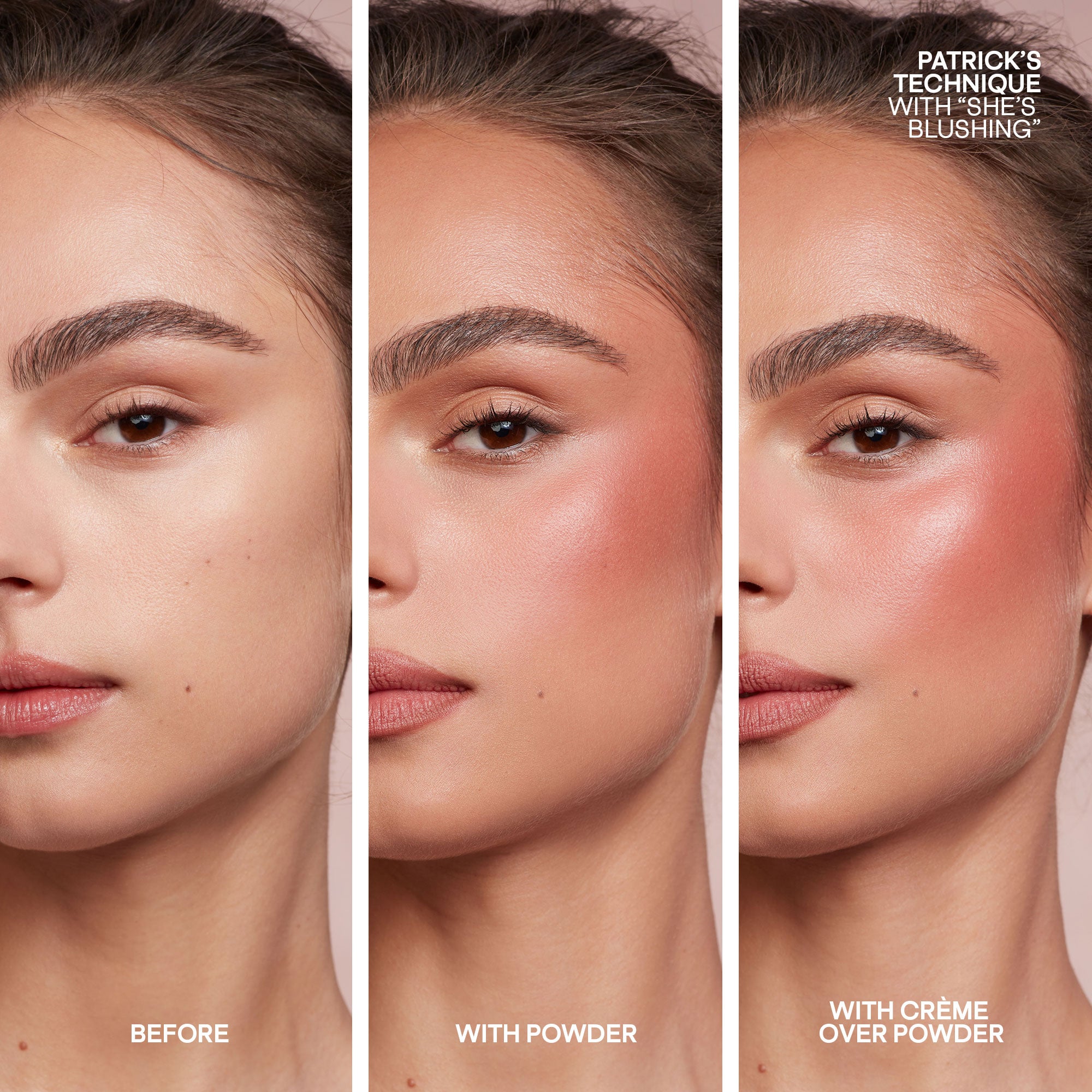
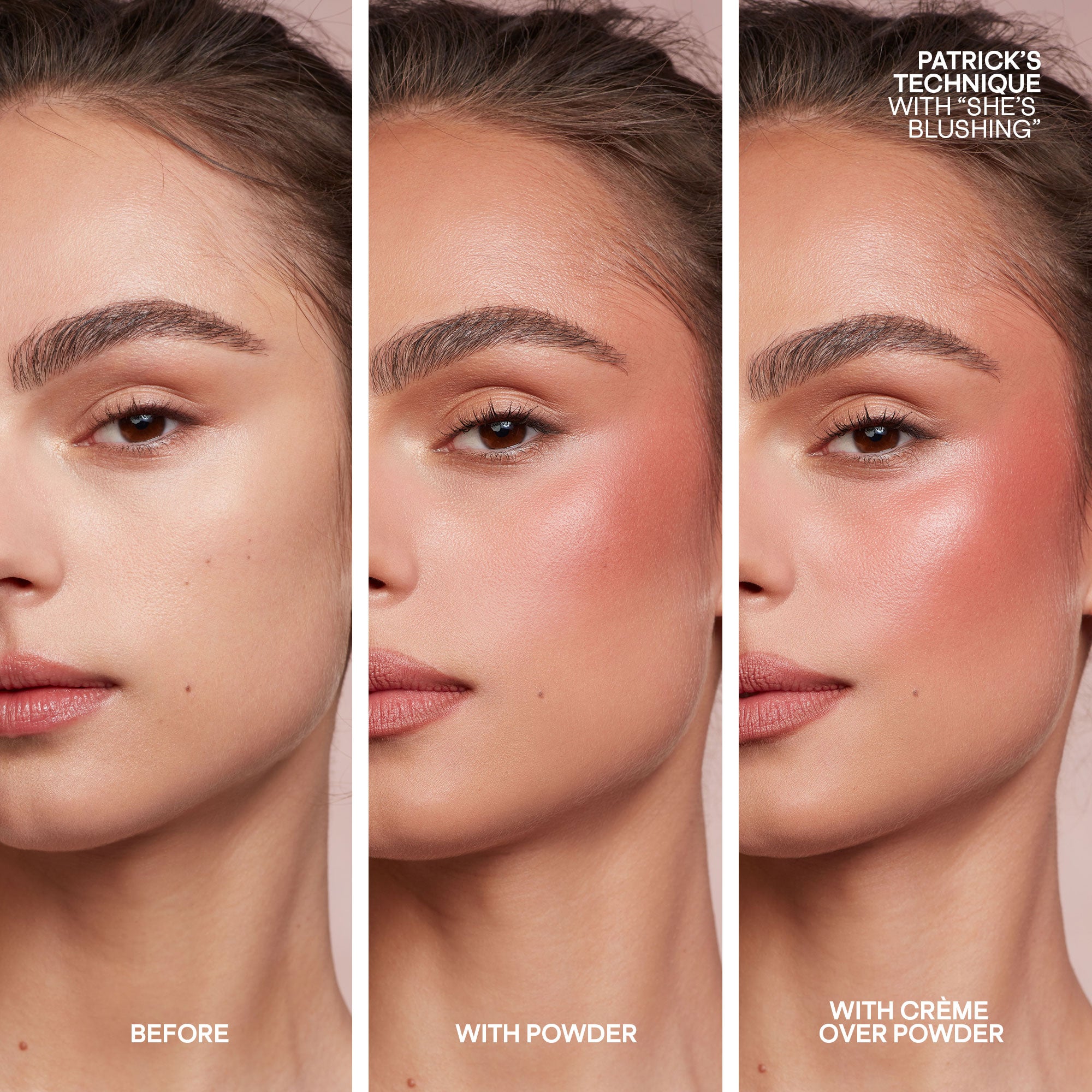
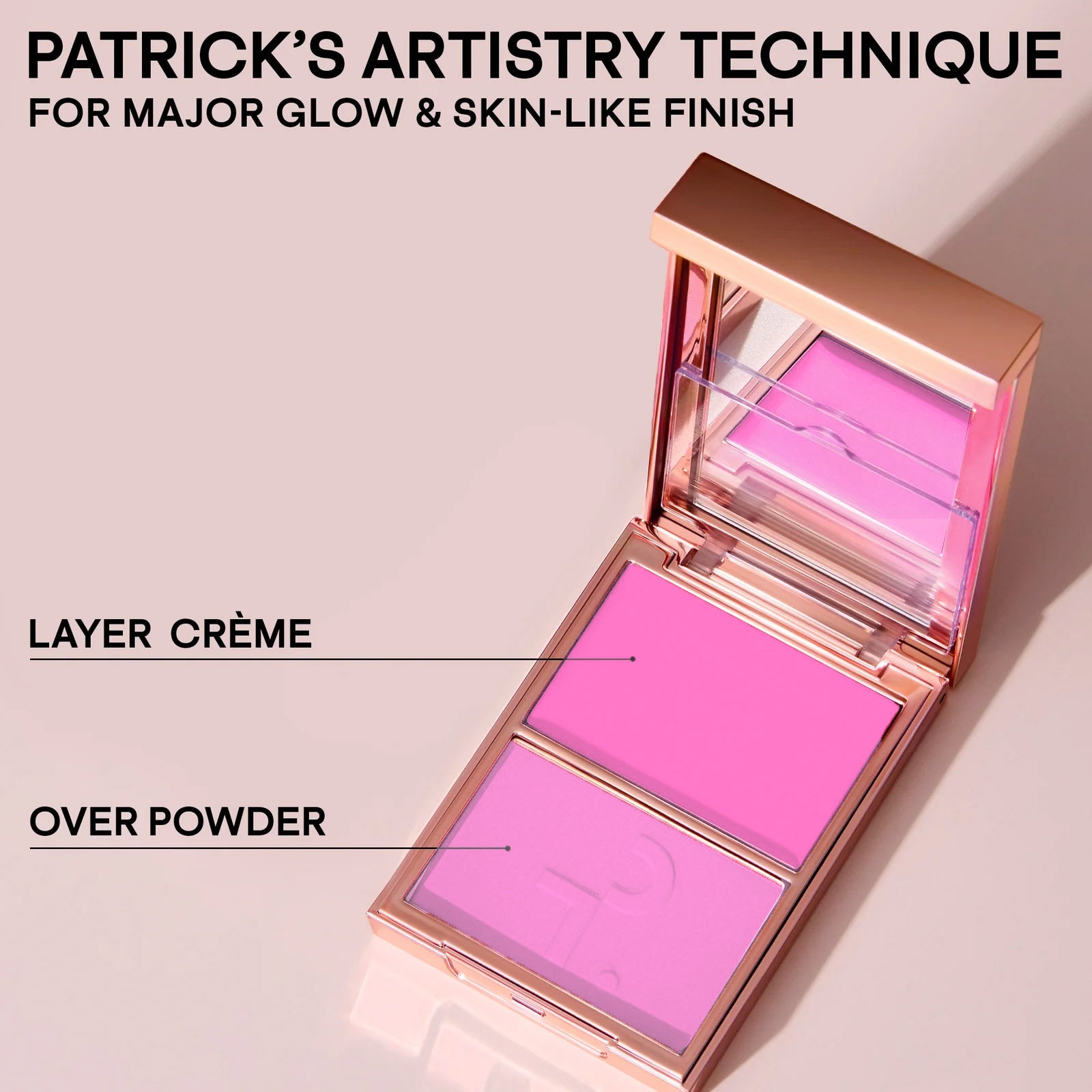
Layering Powder and Cream Blush
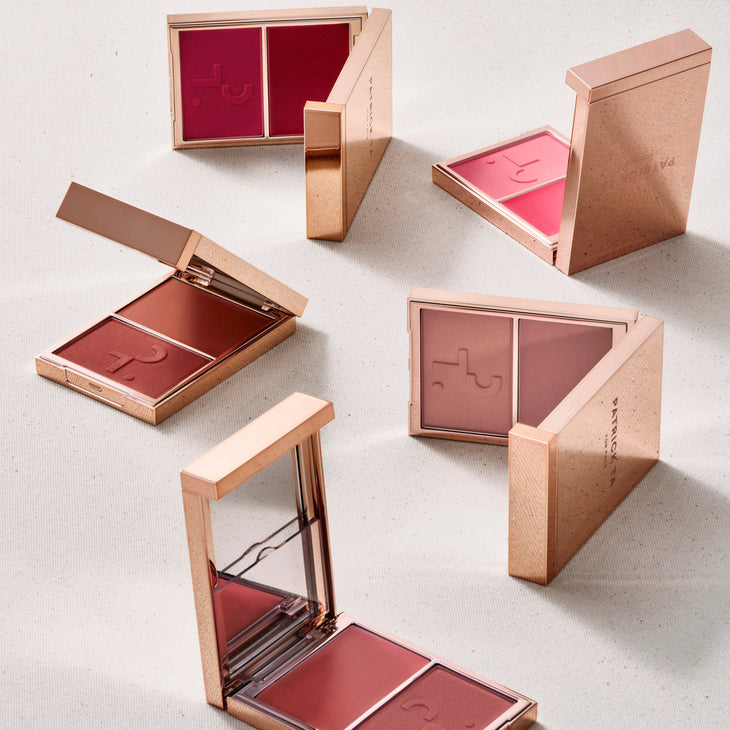
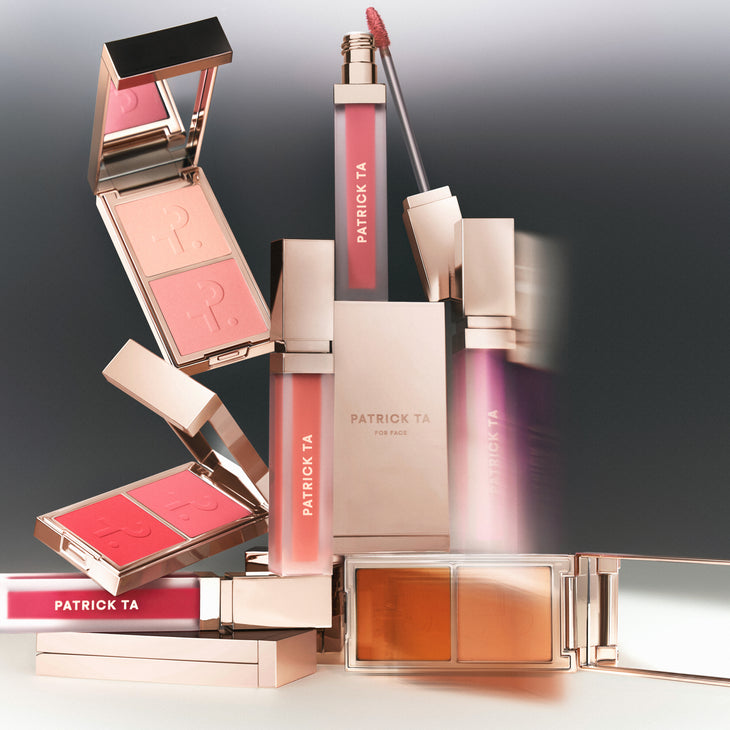
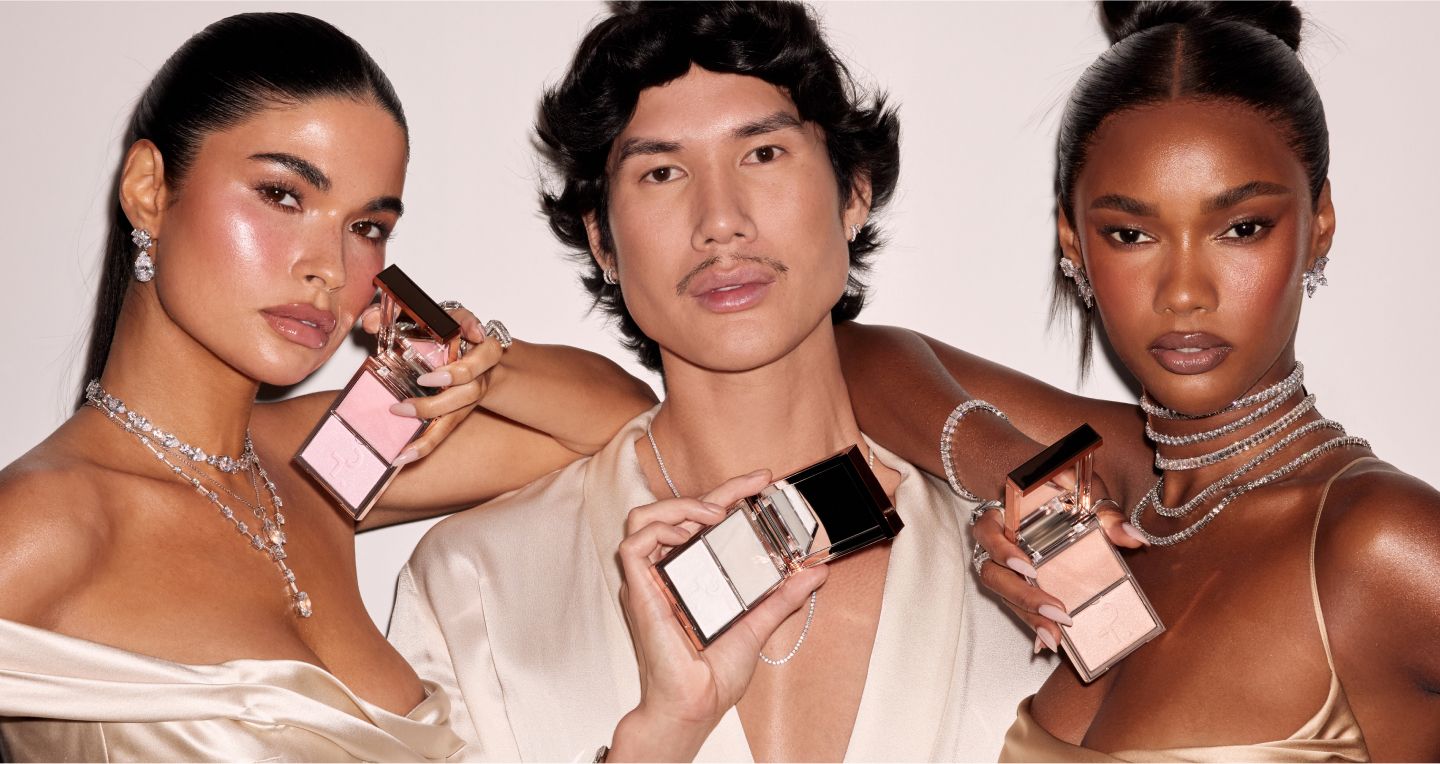
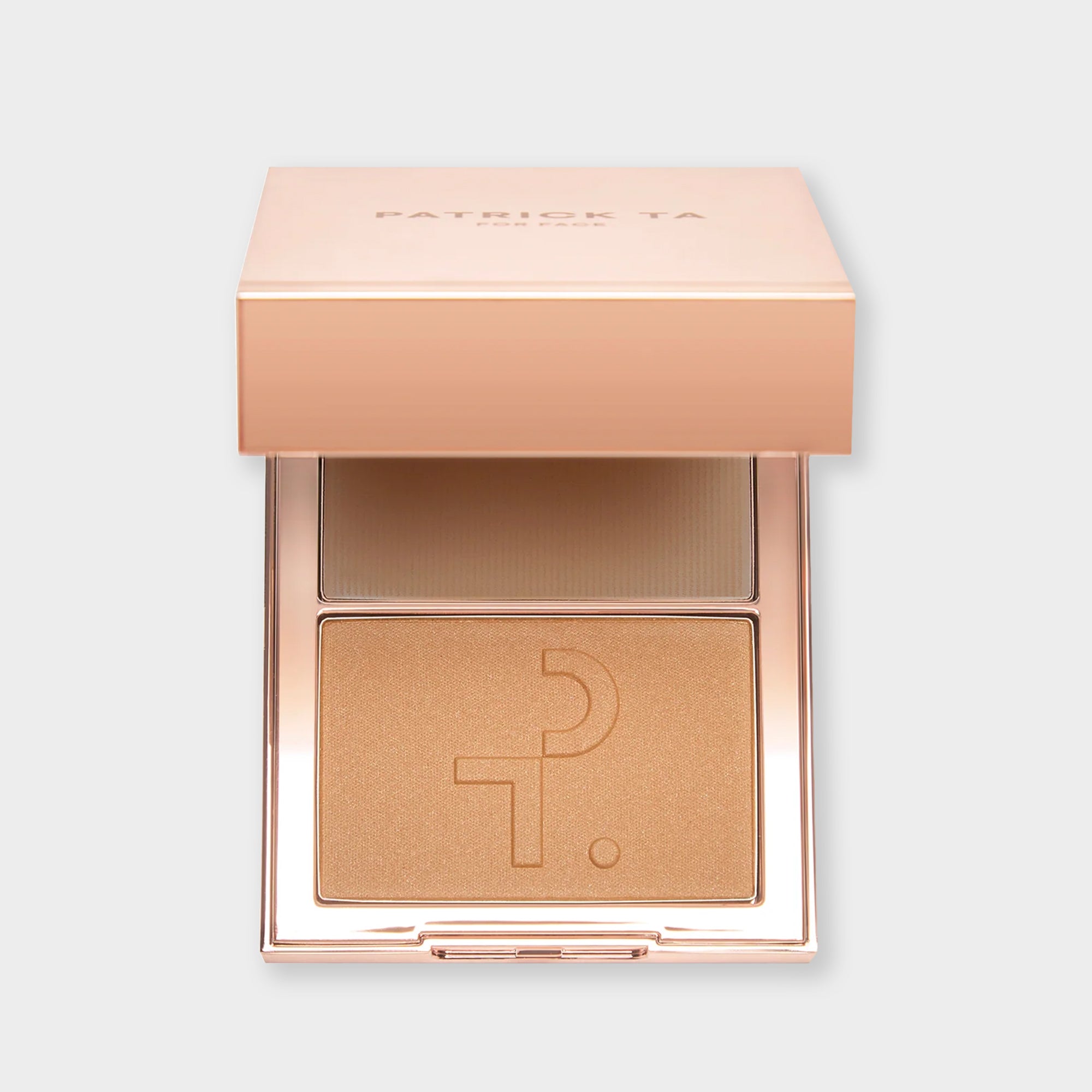
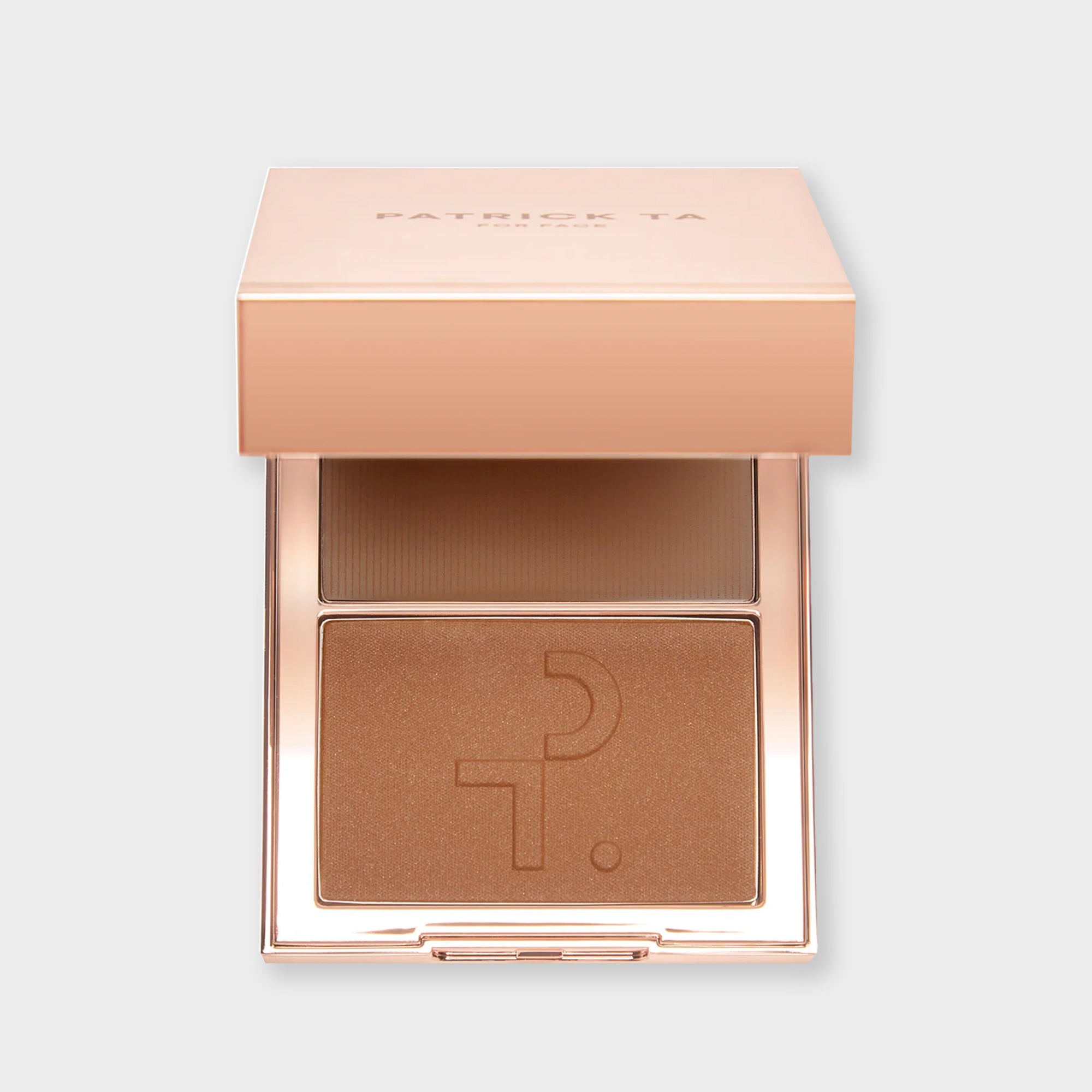
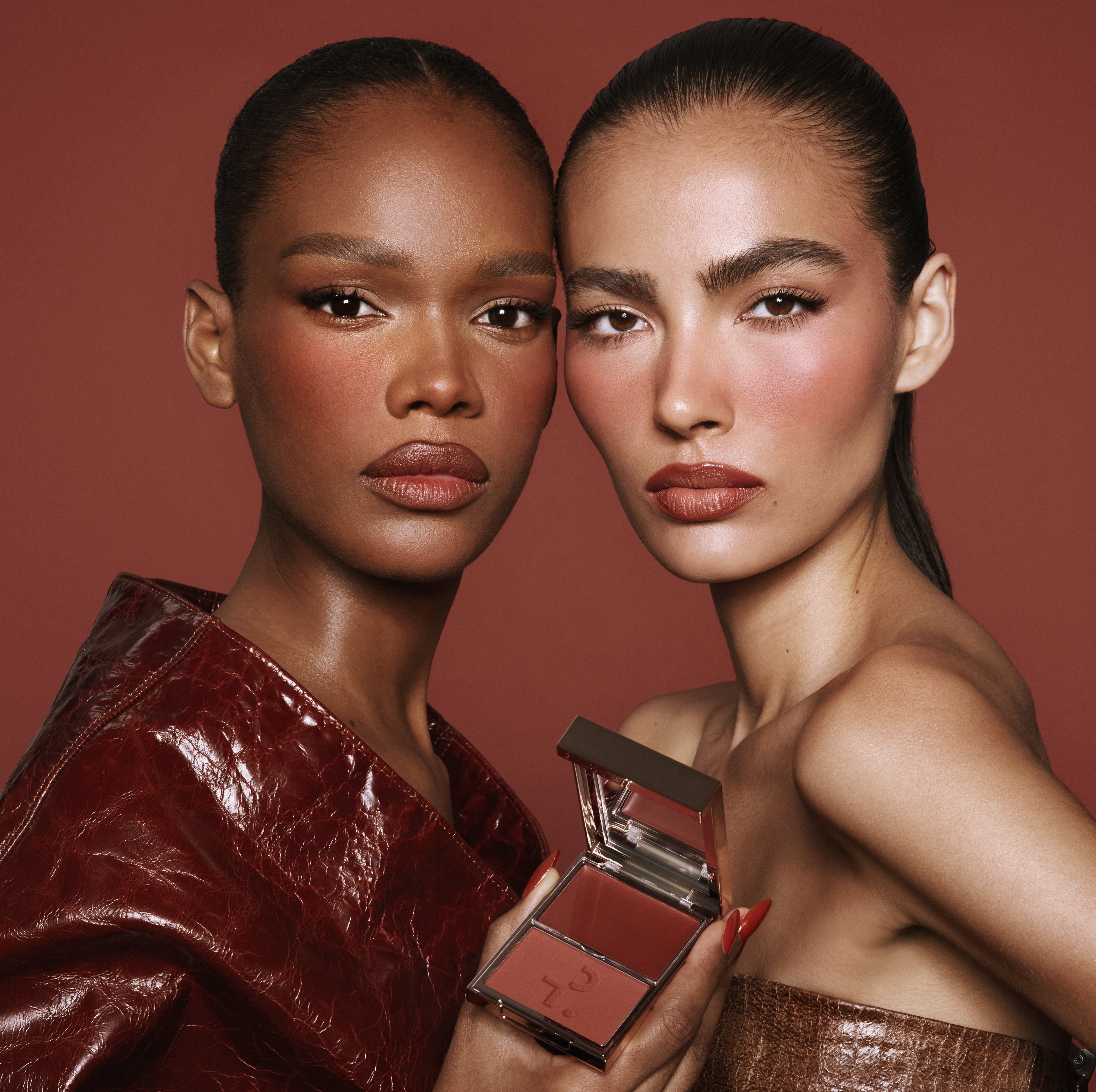
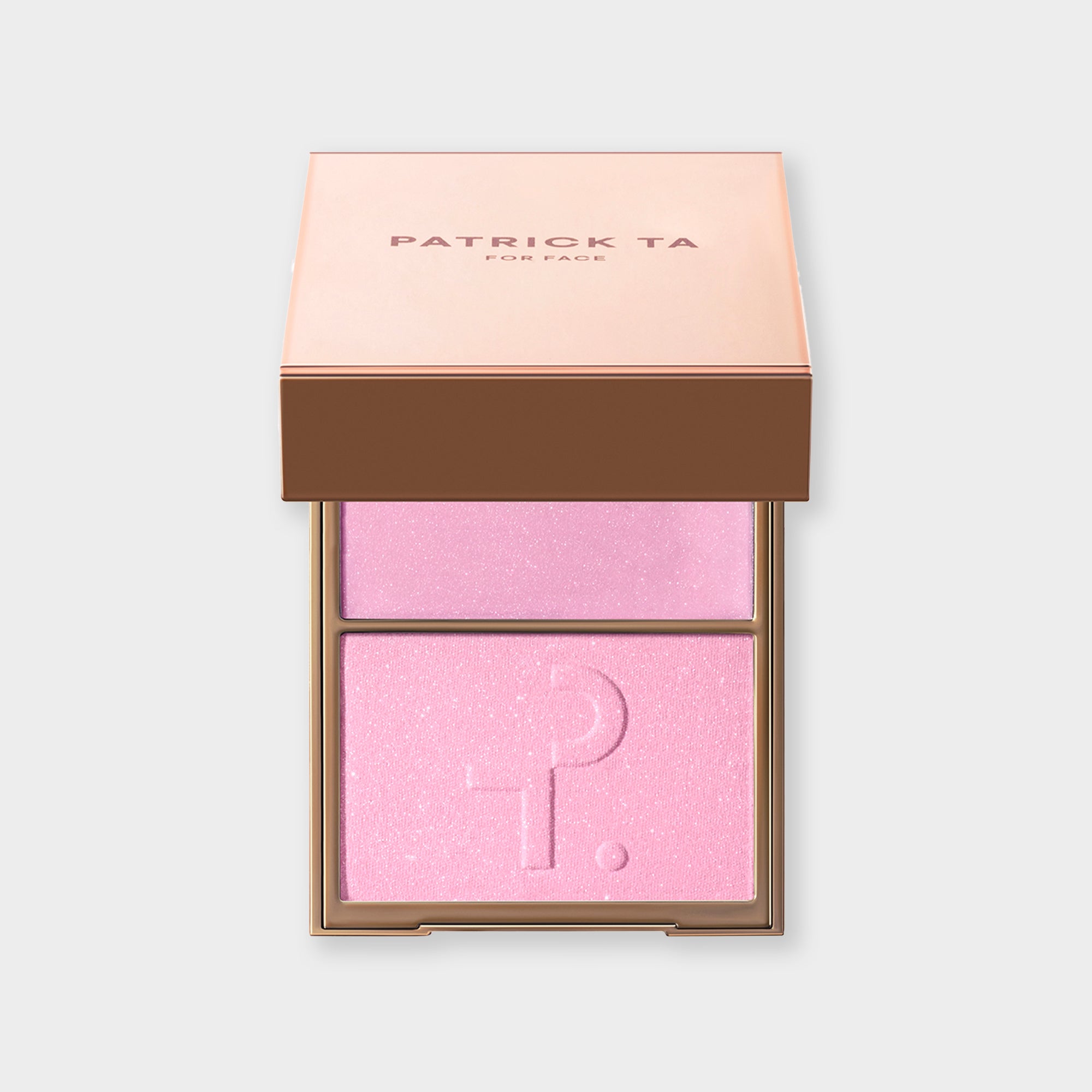
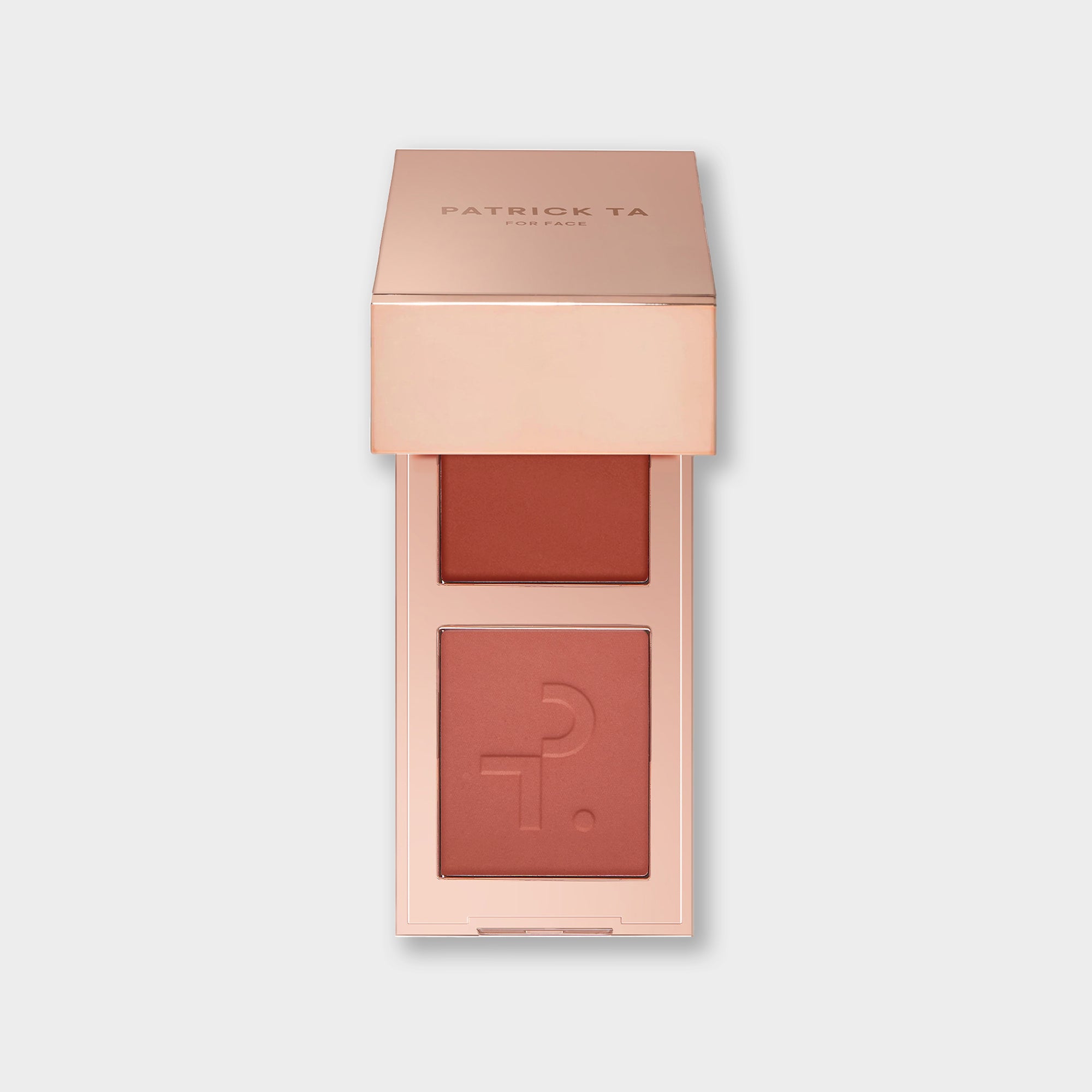
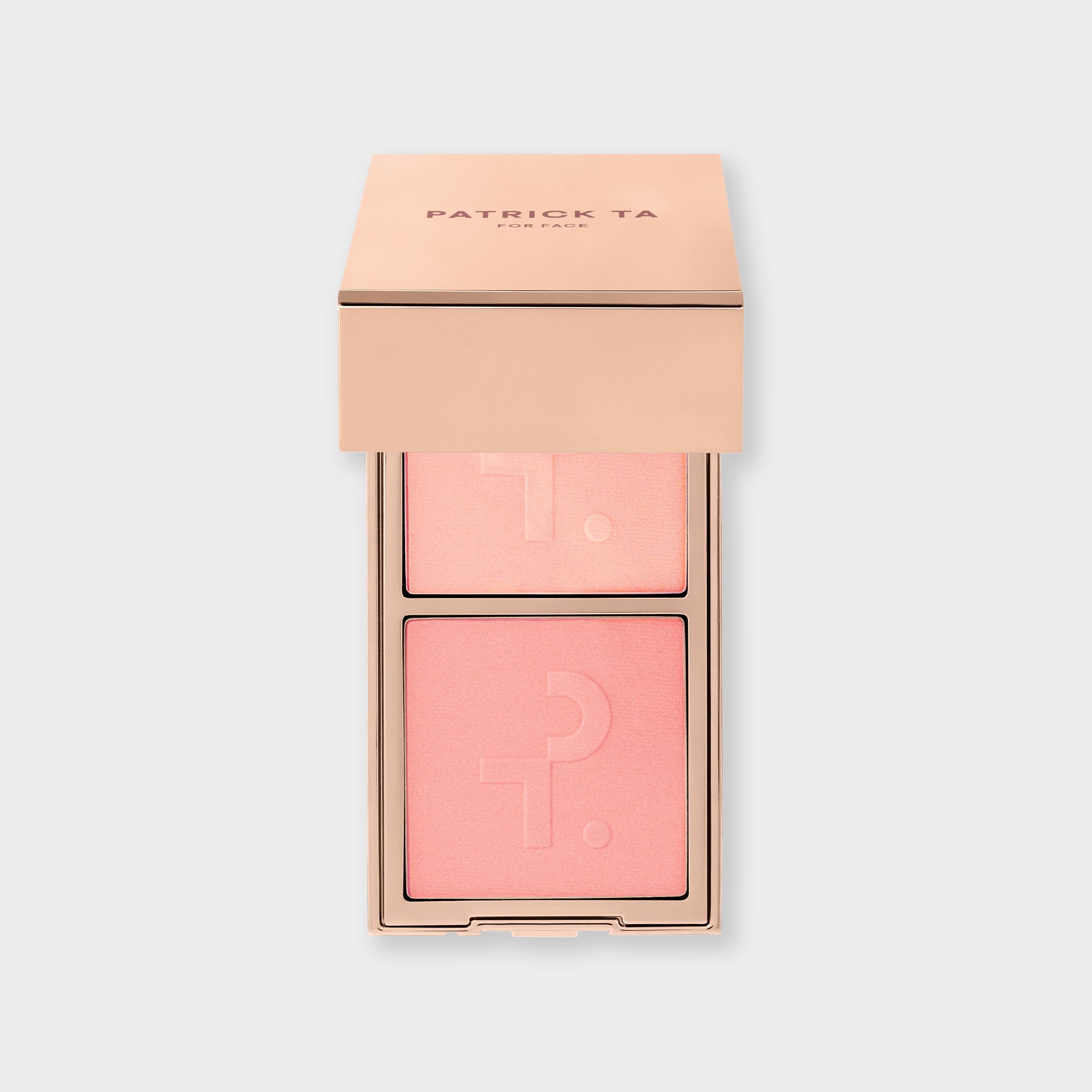
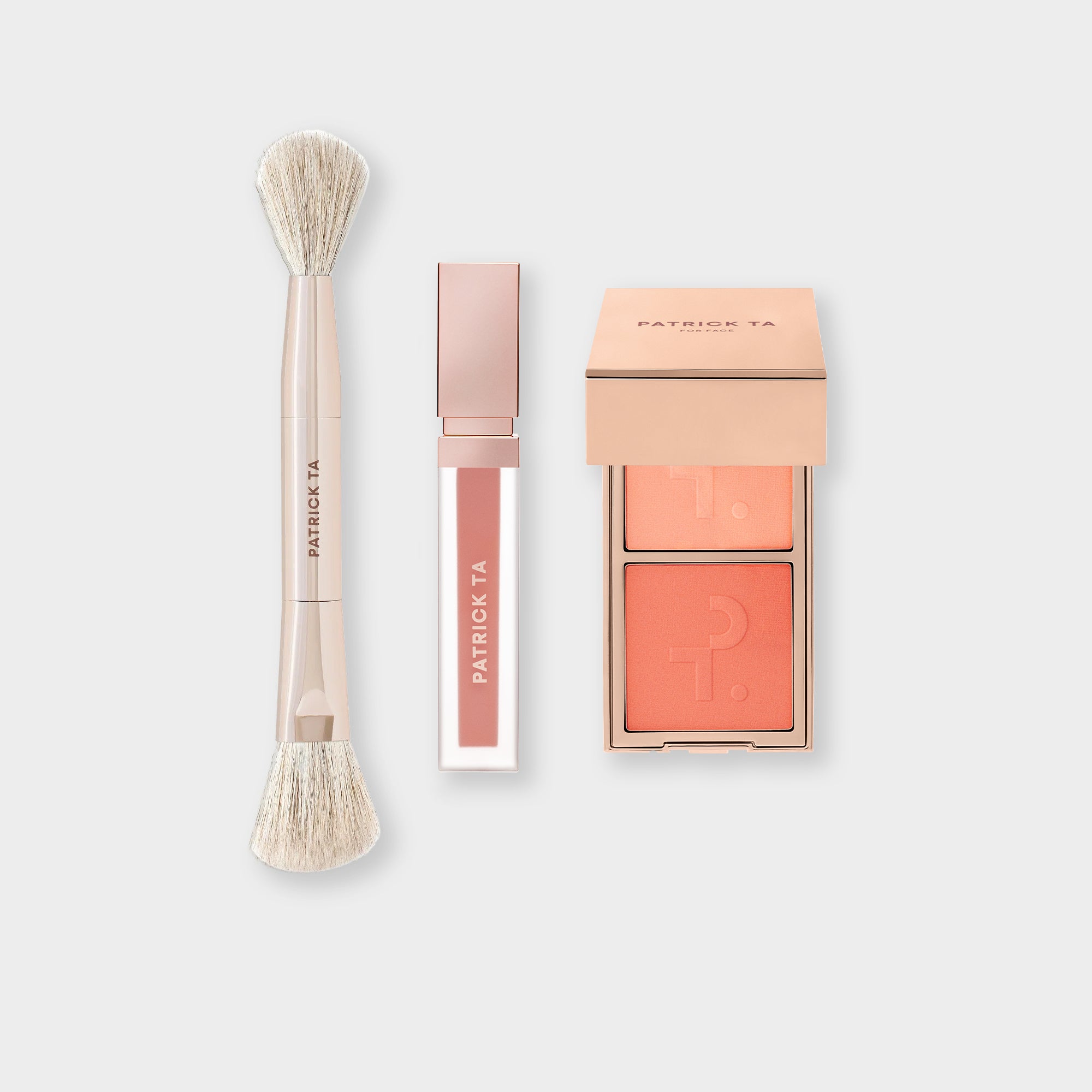
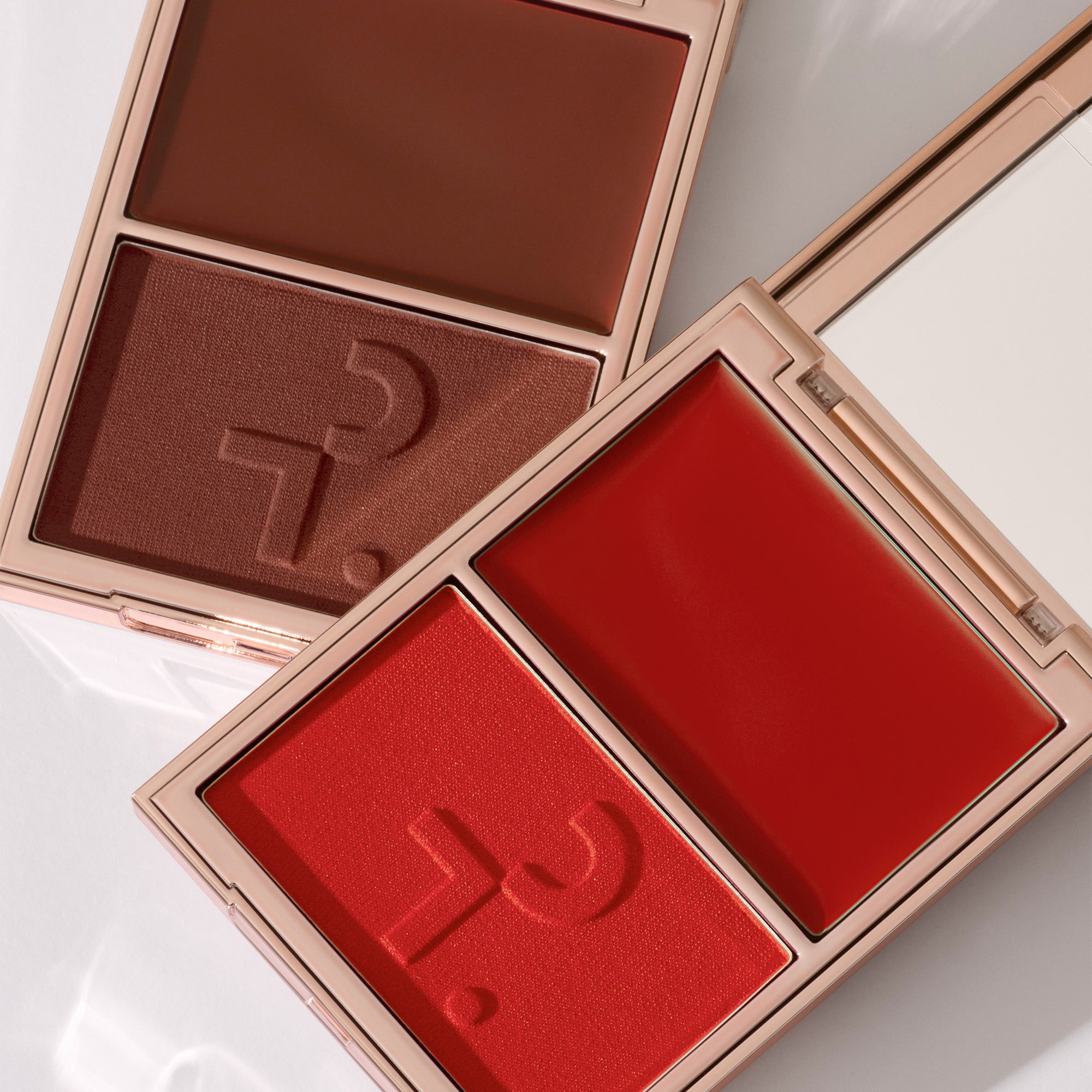
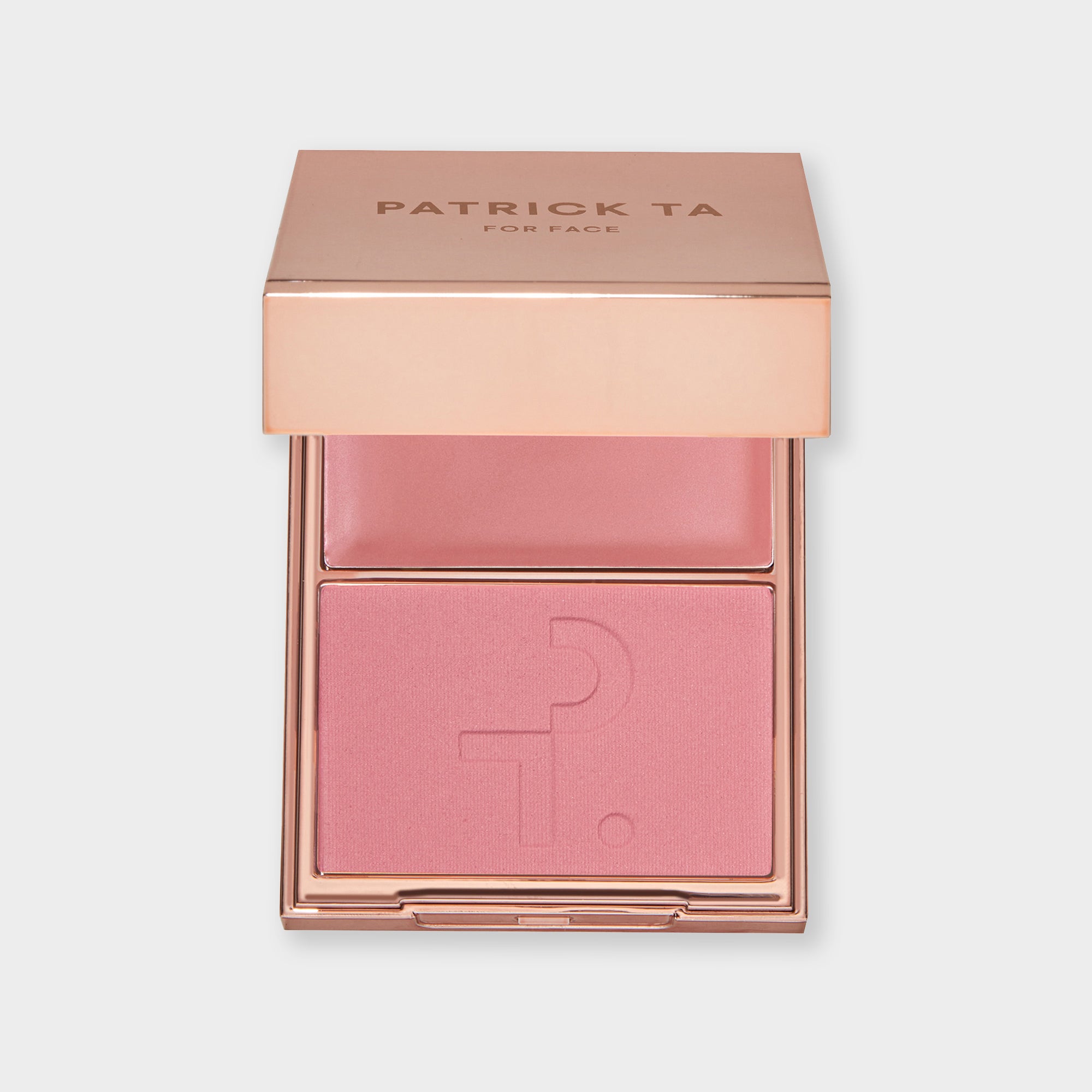
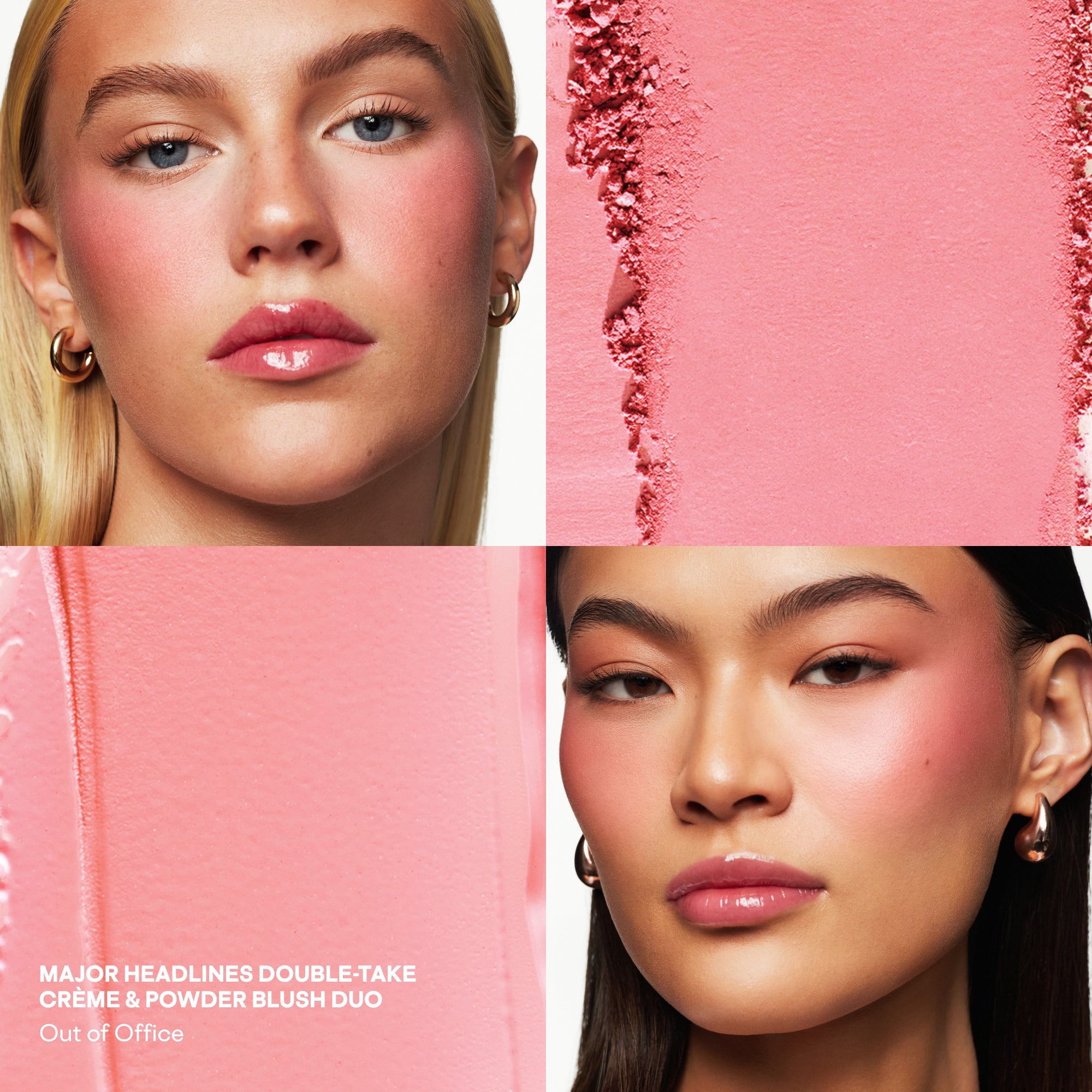
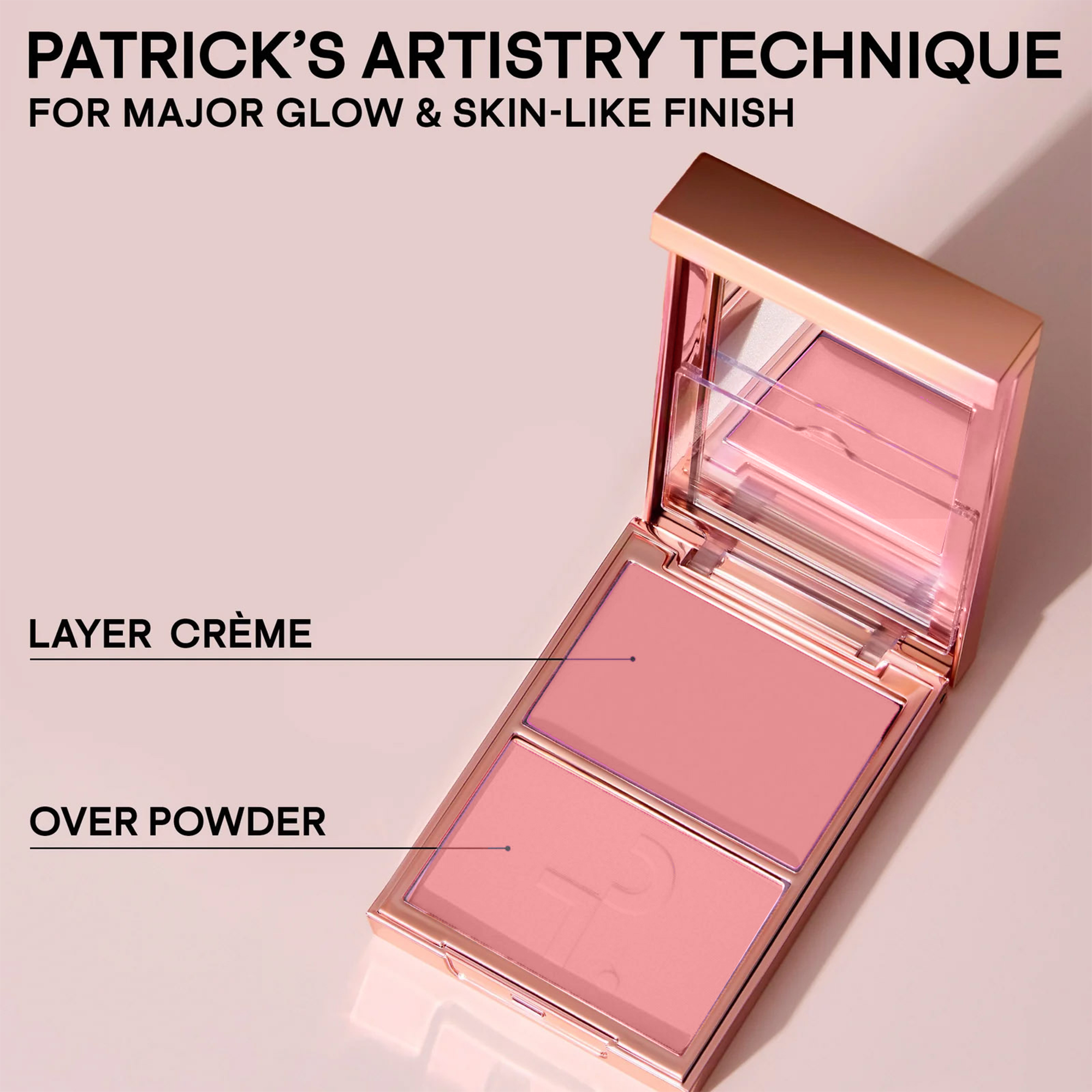
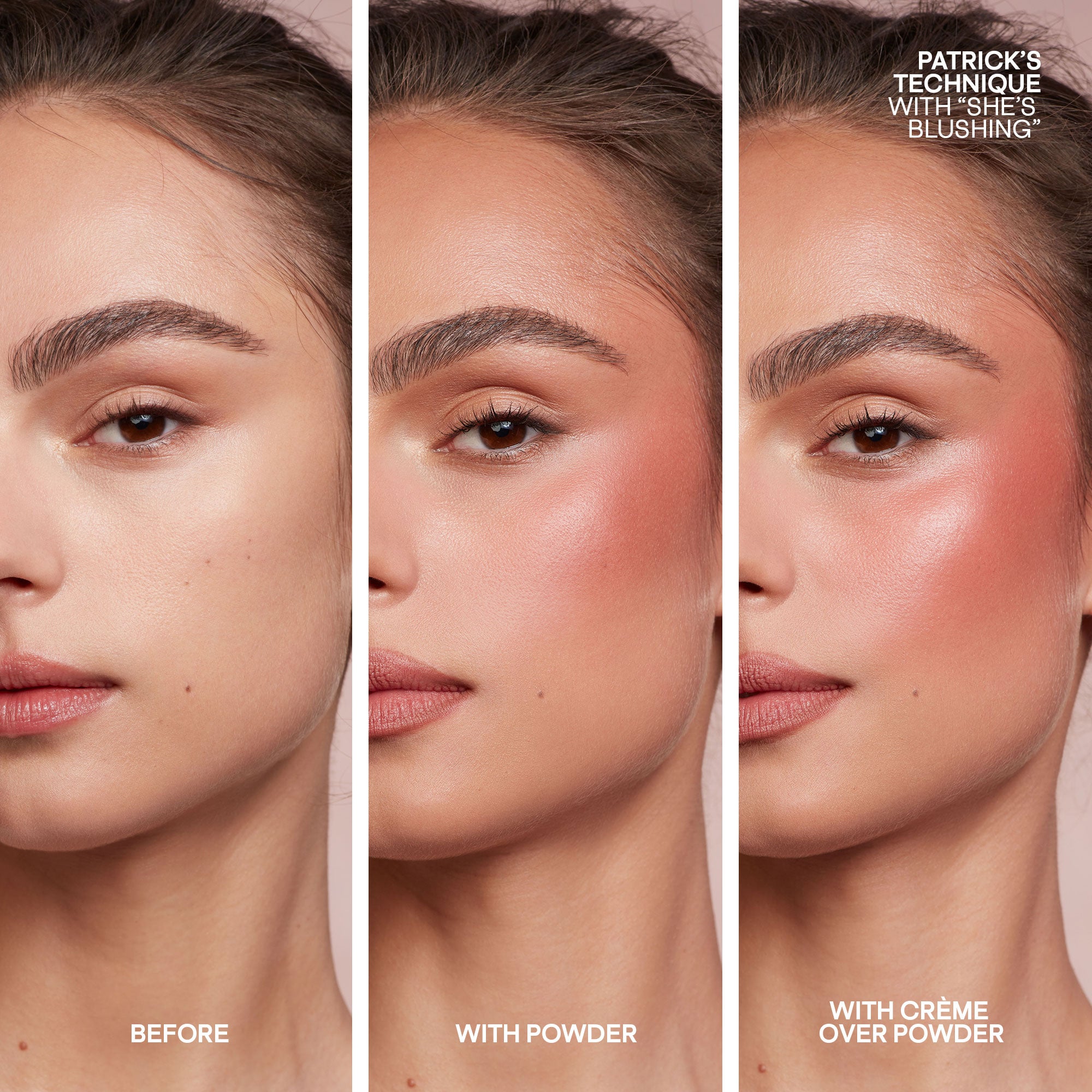
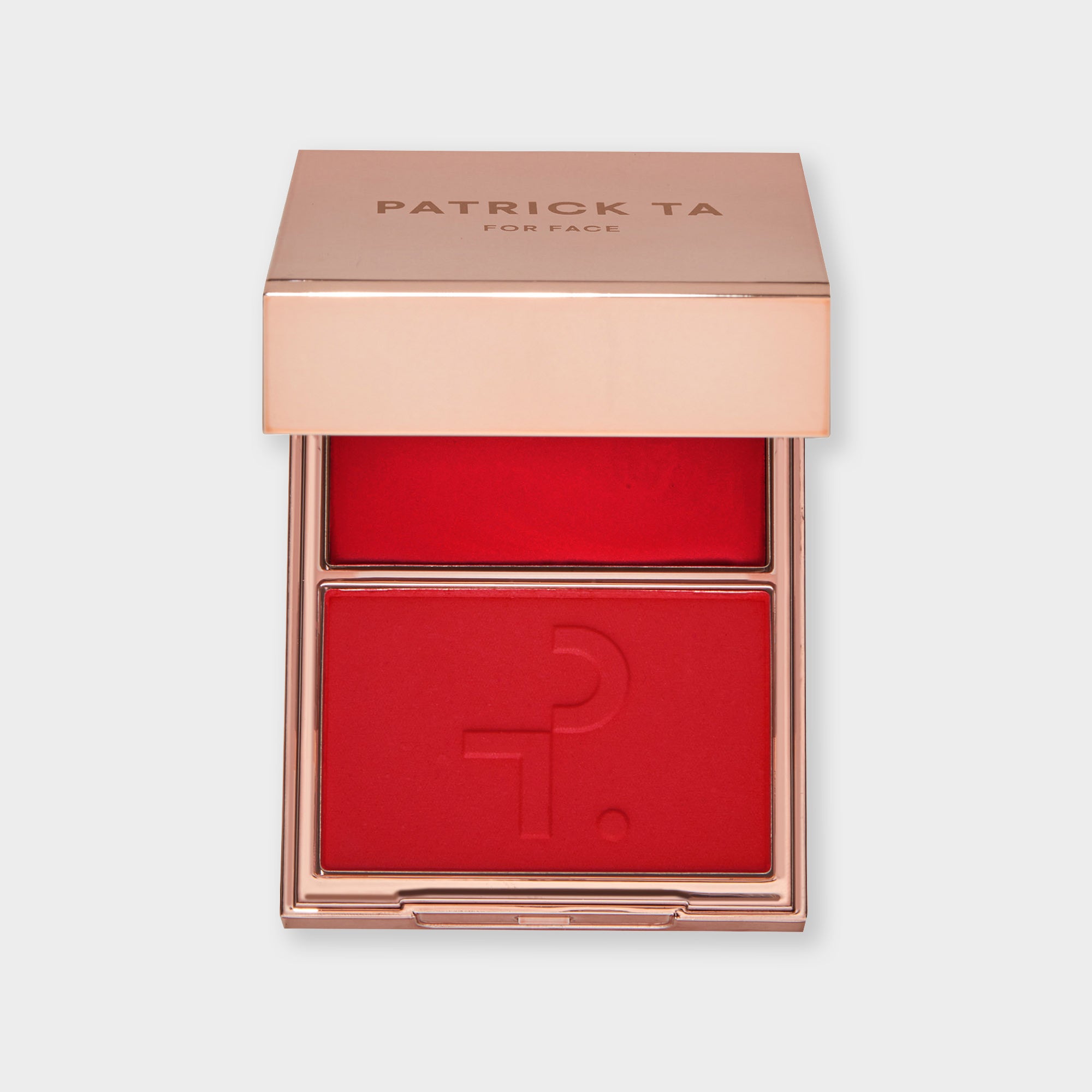
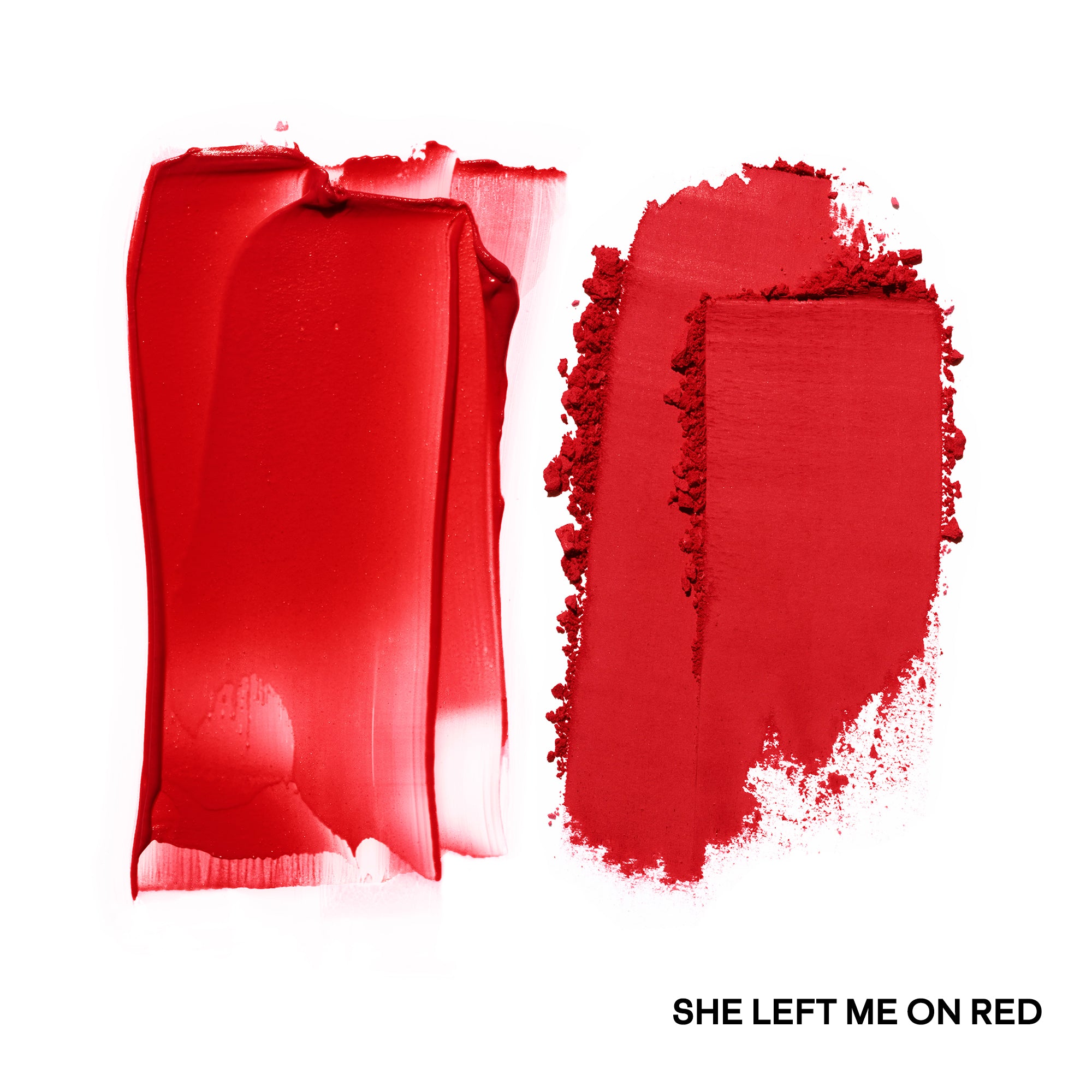
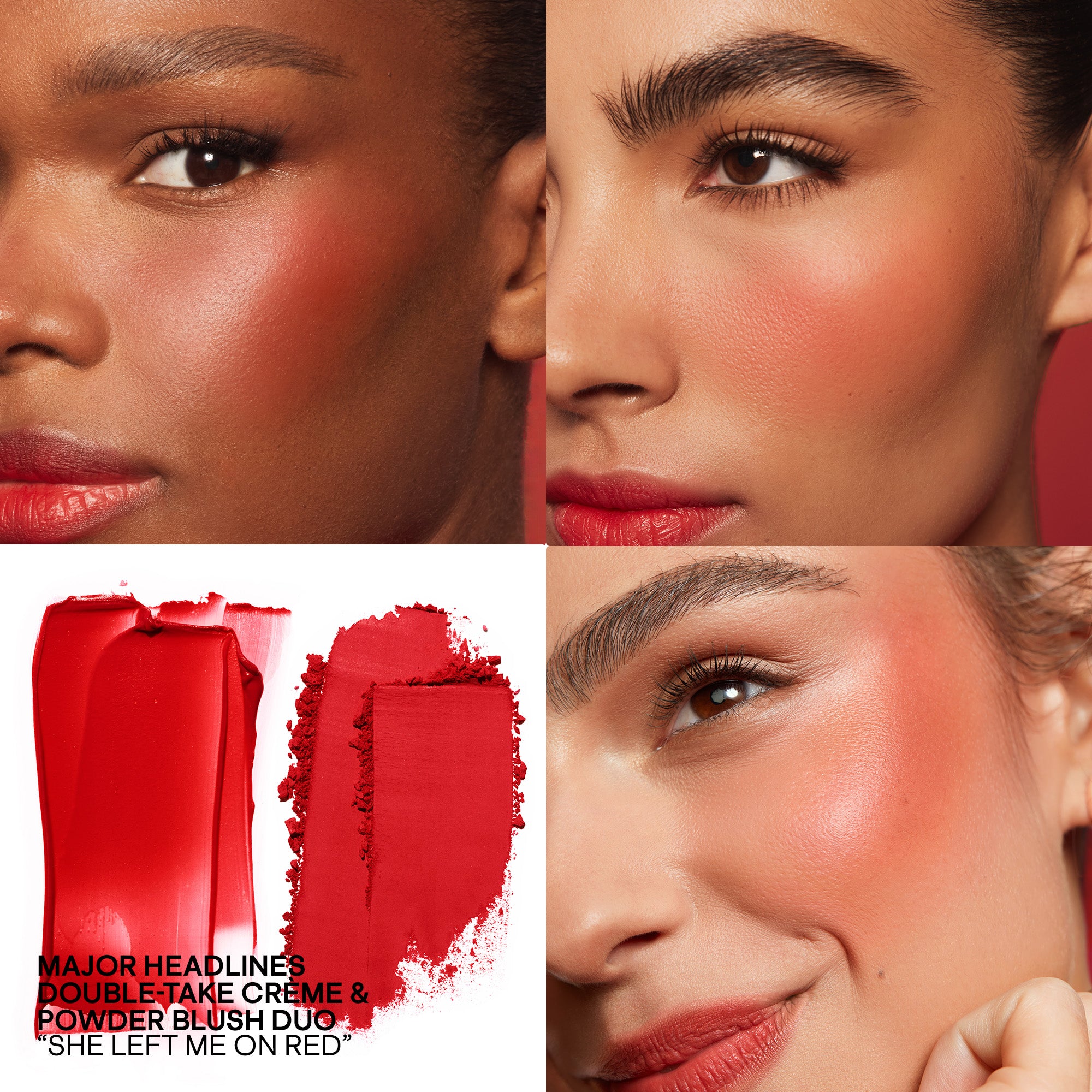
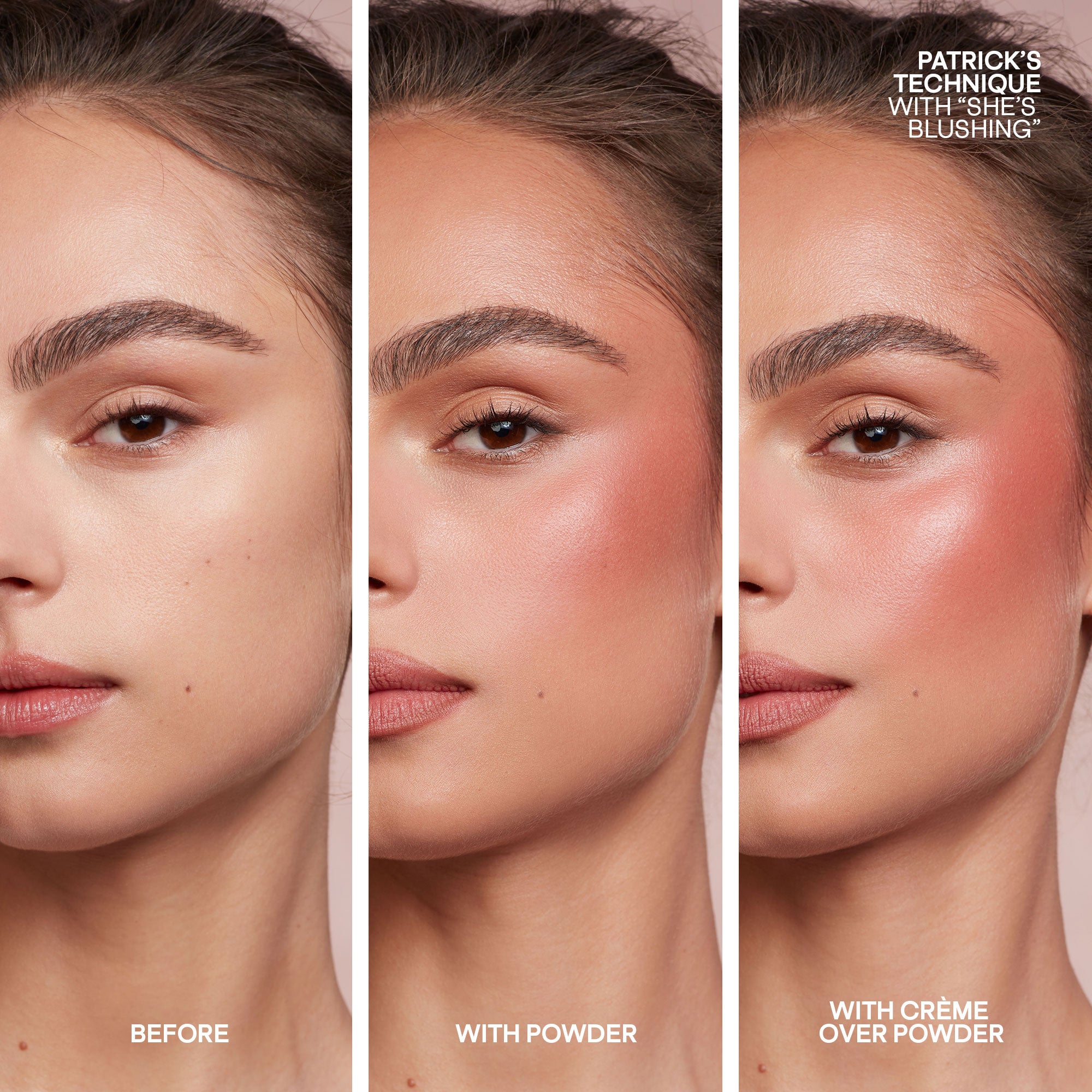
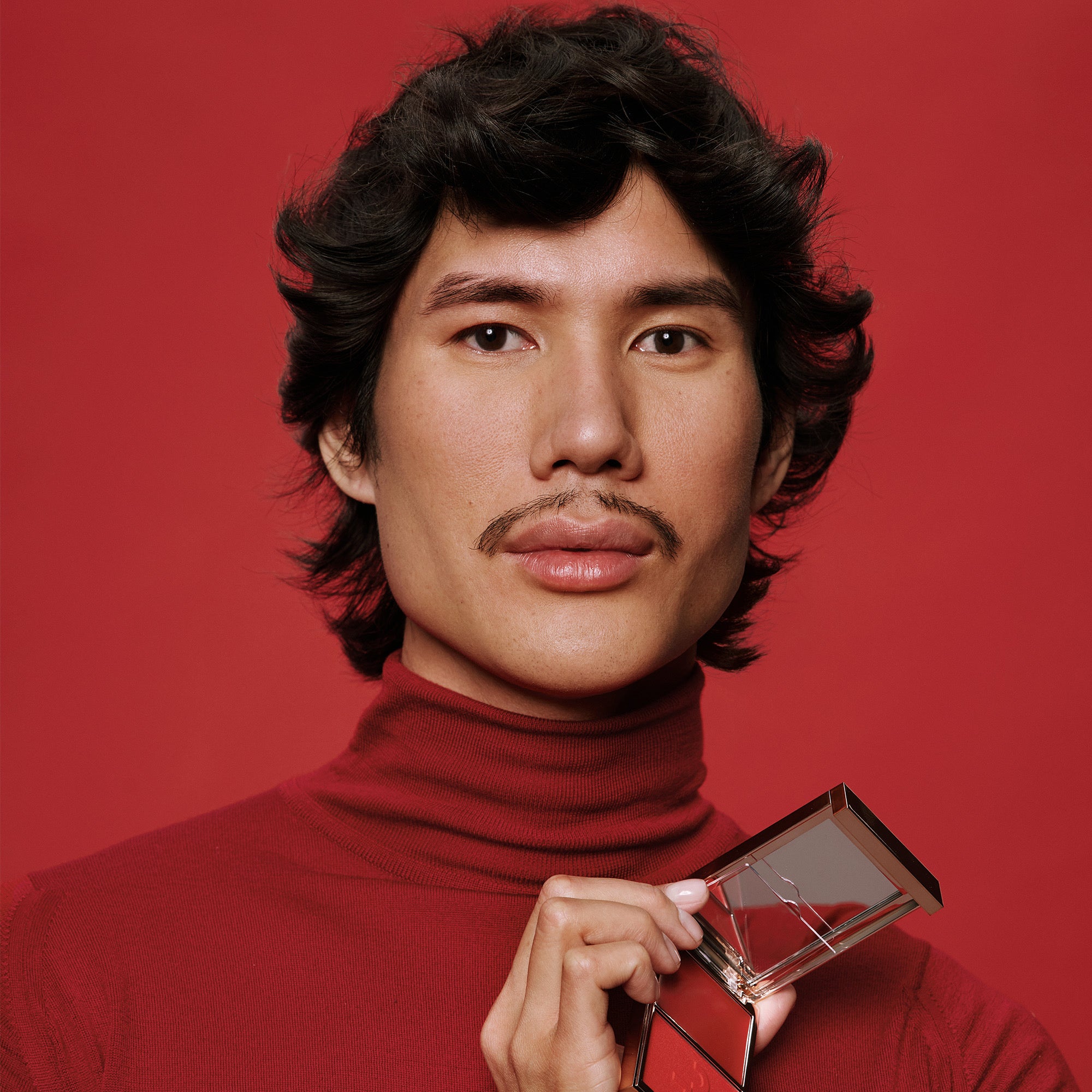
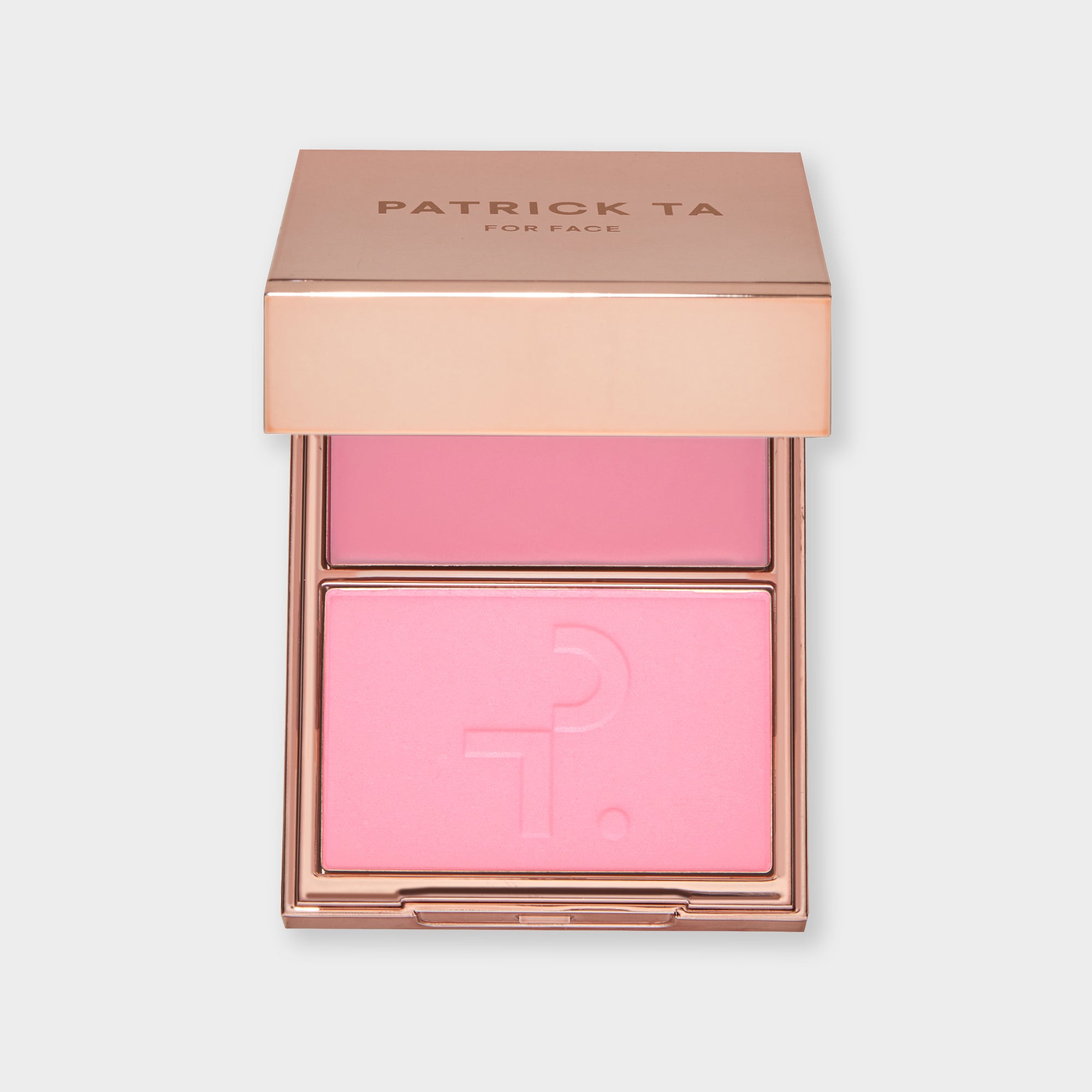
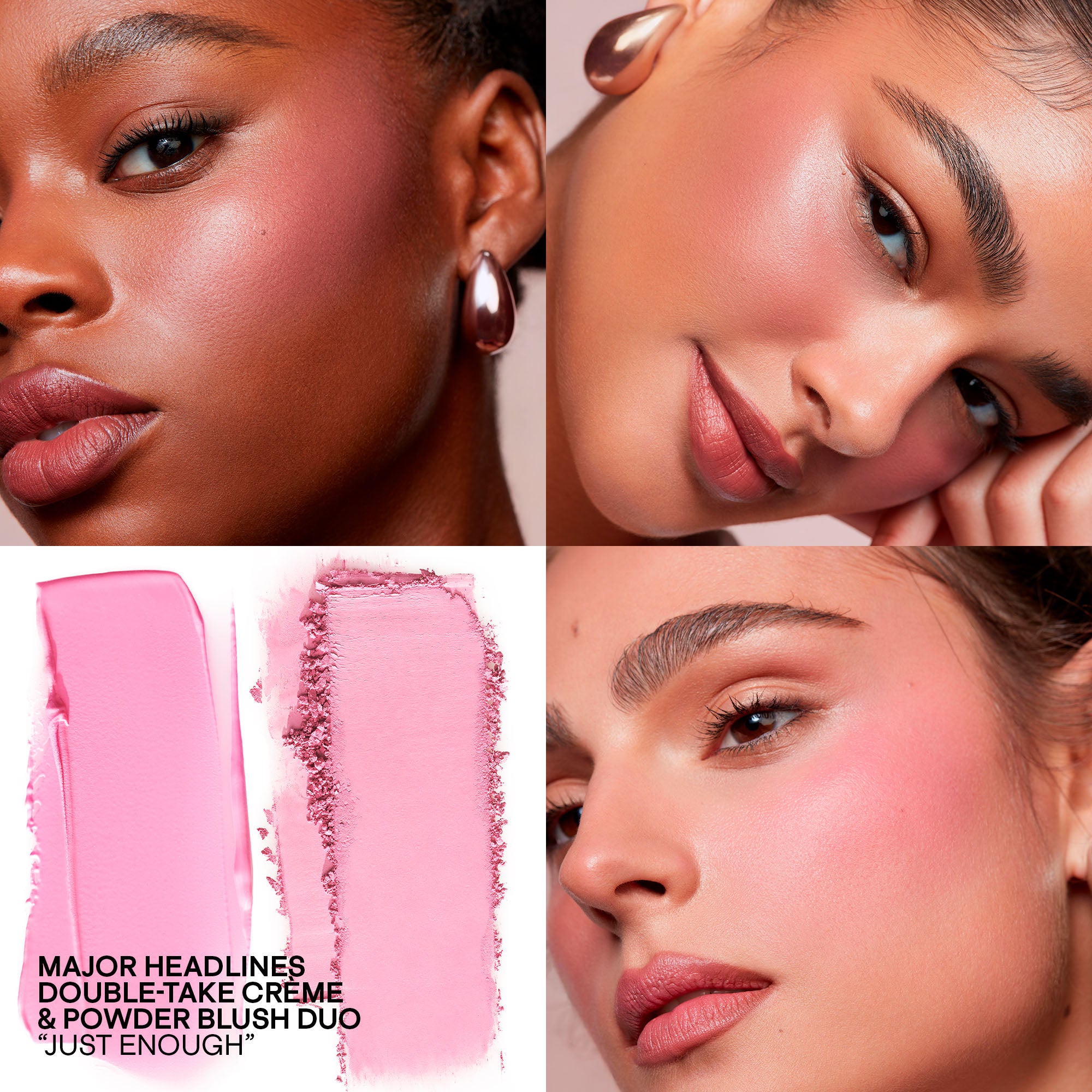
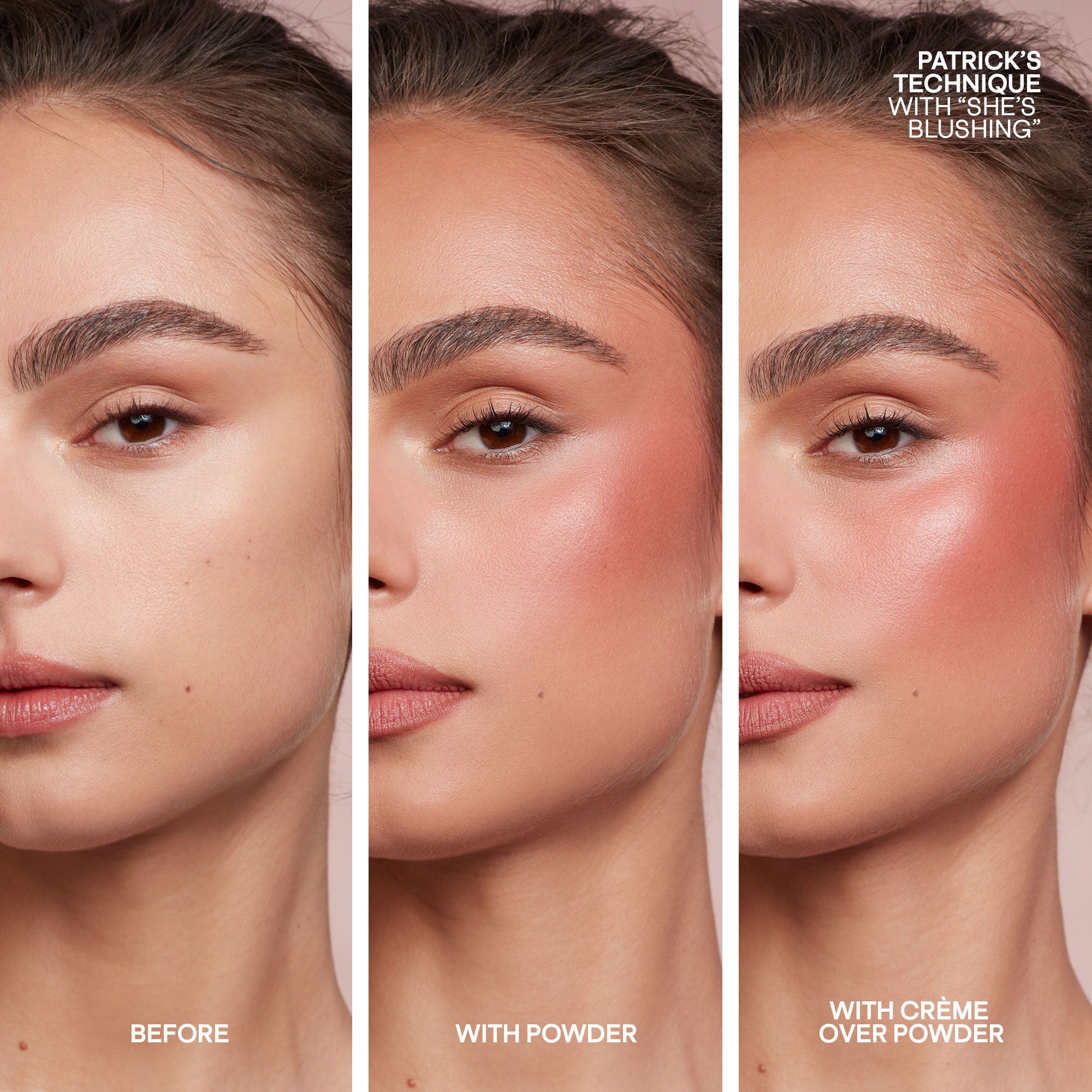
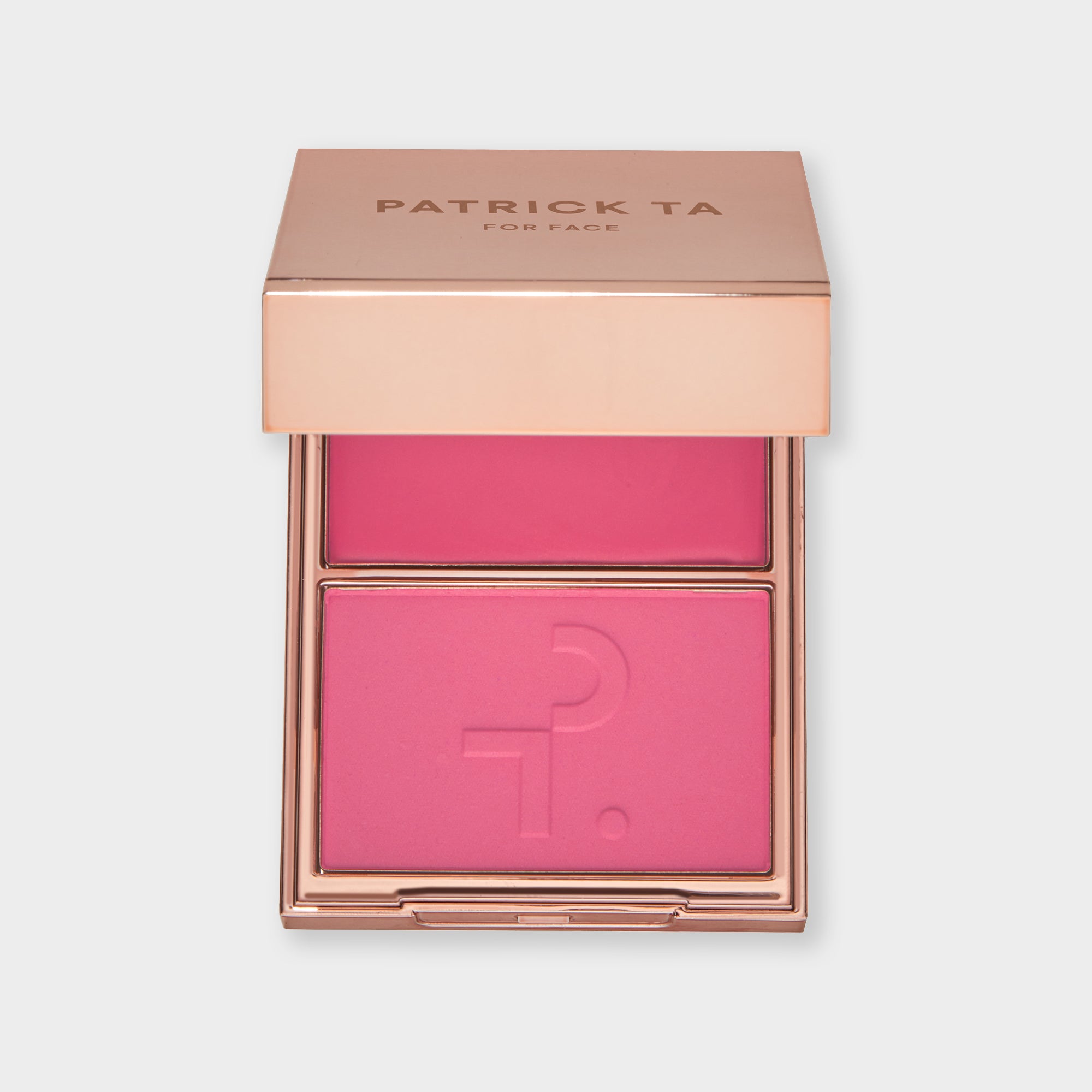
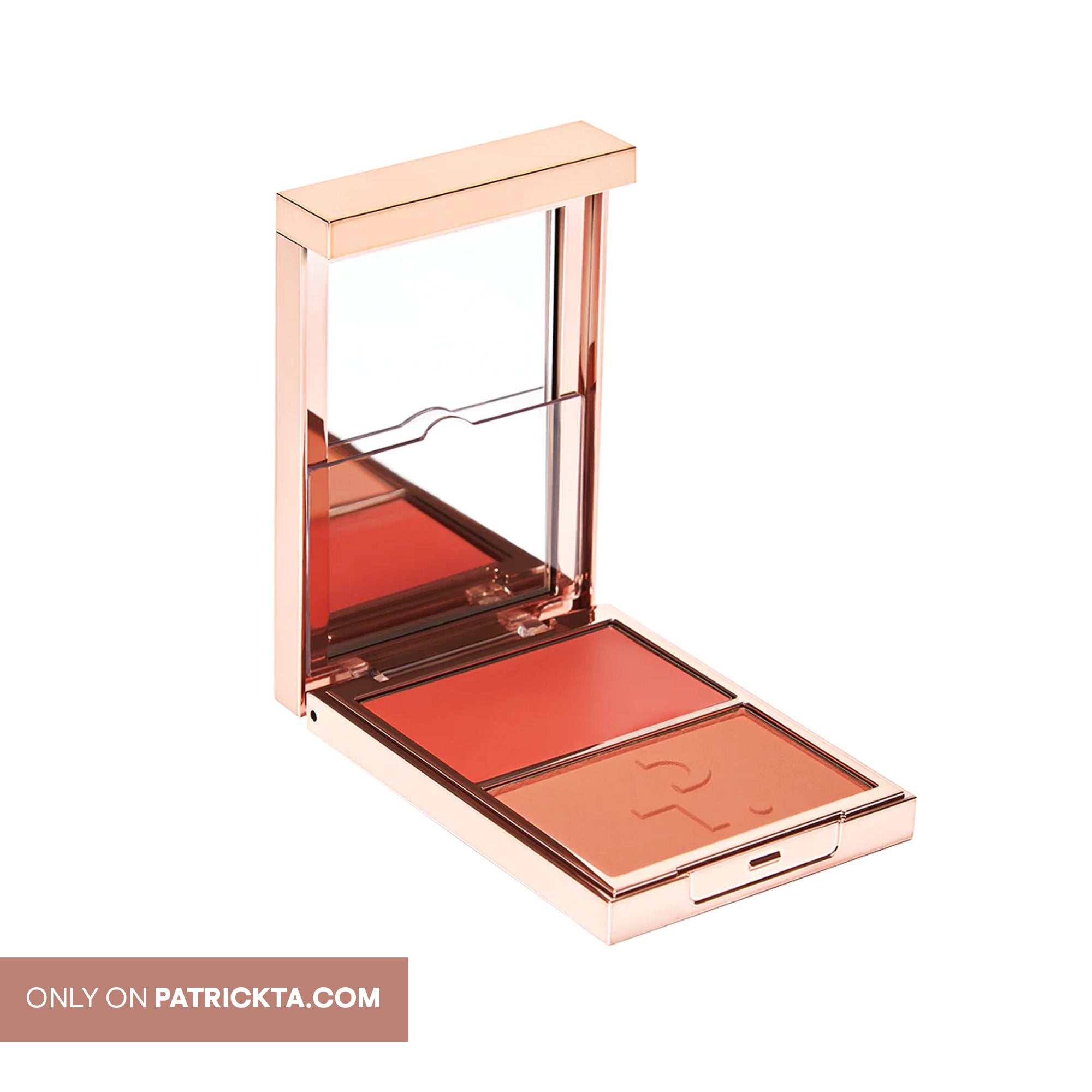
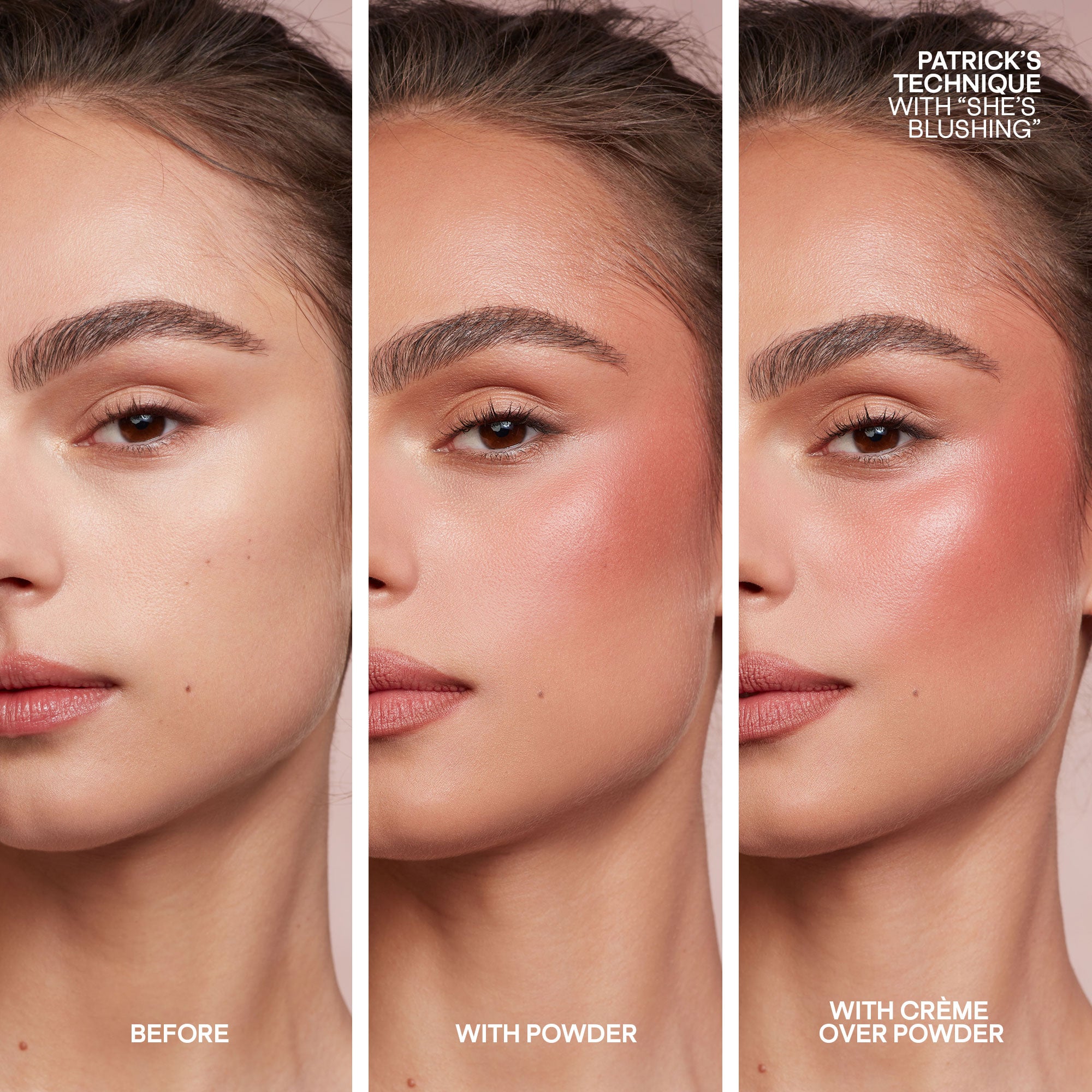
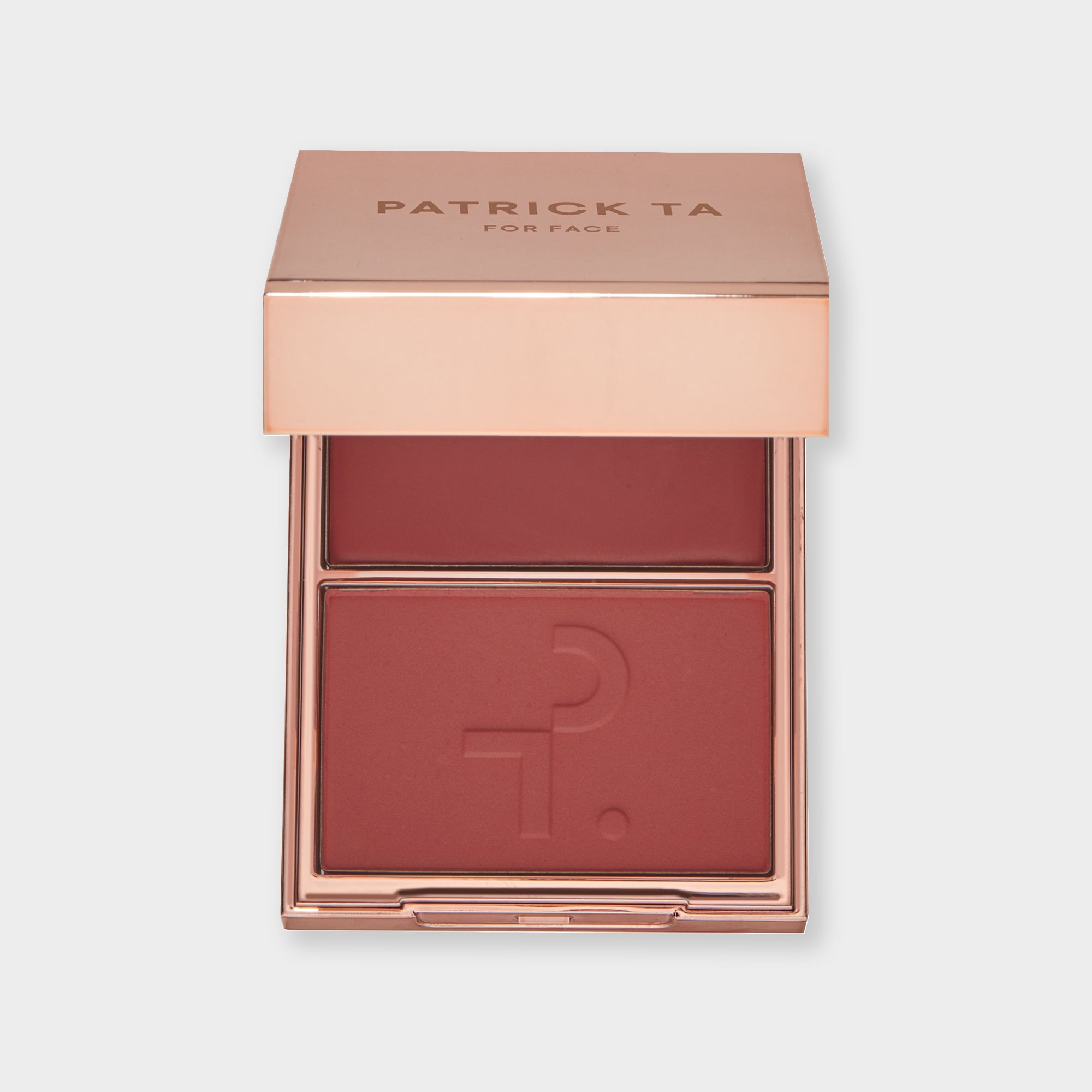
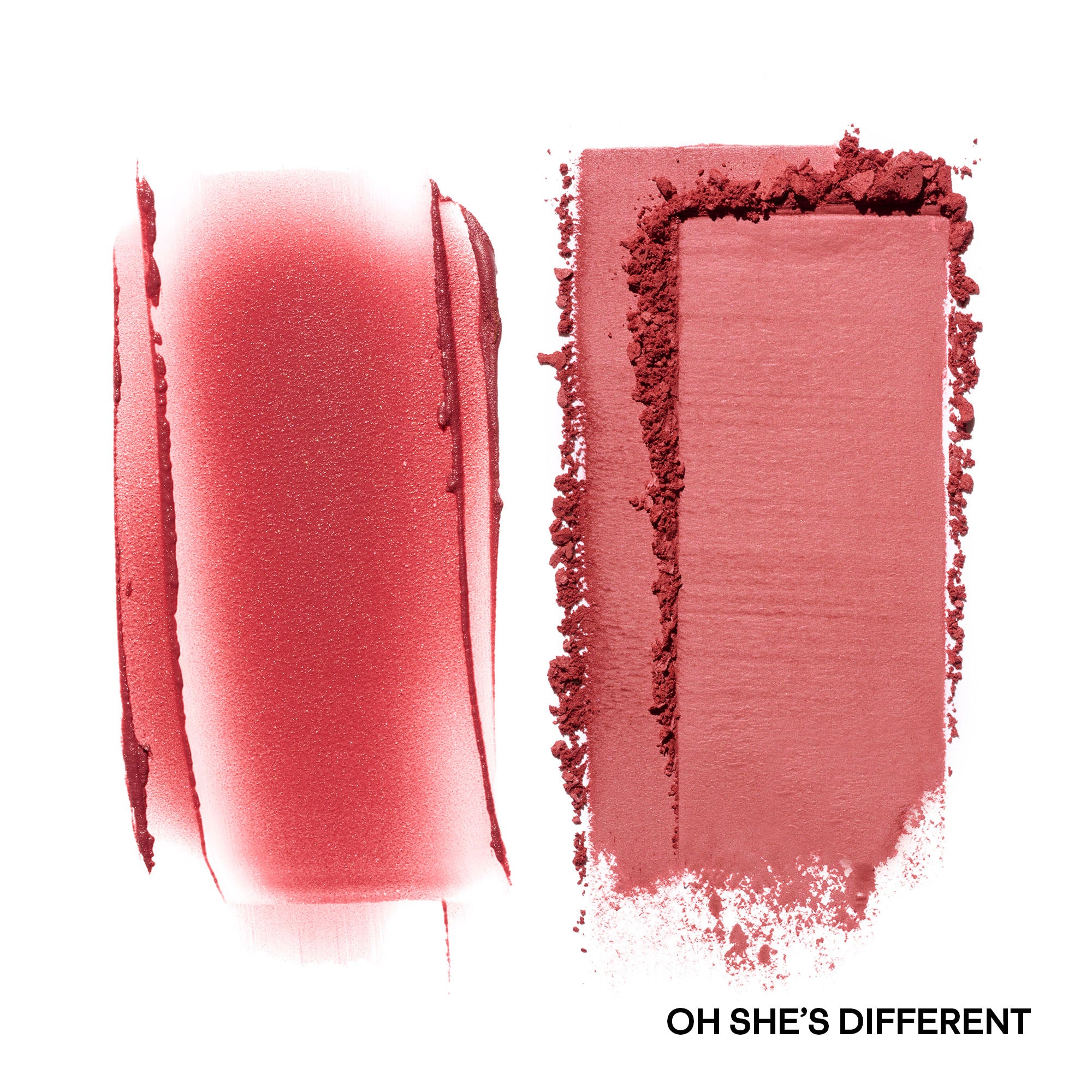
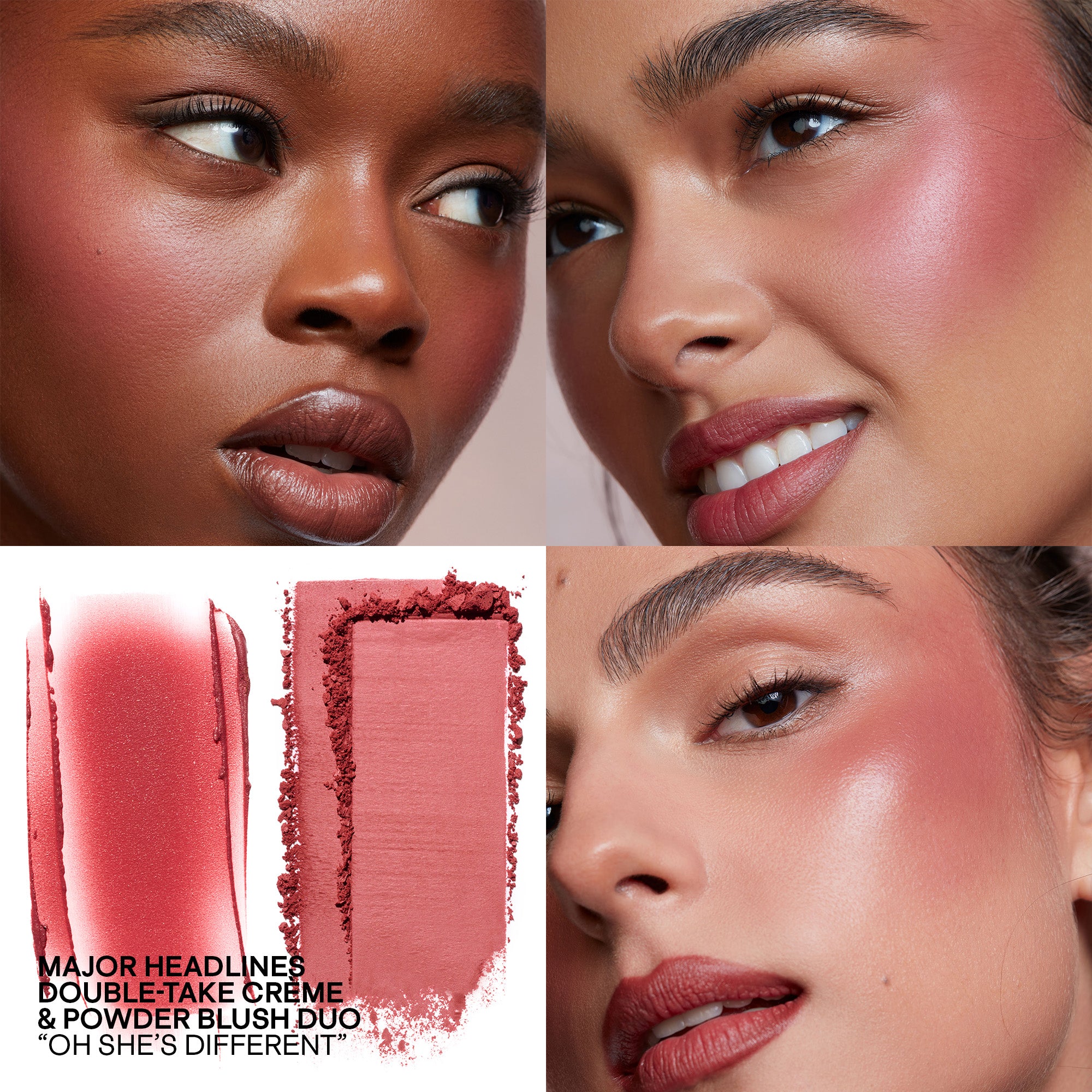
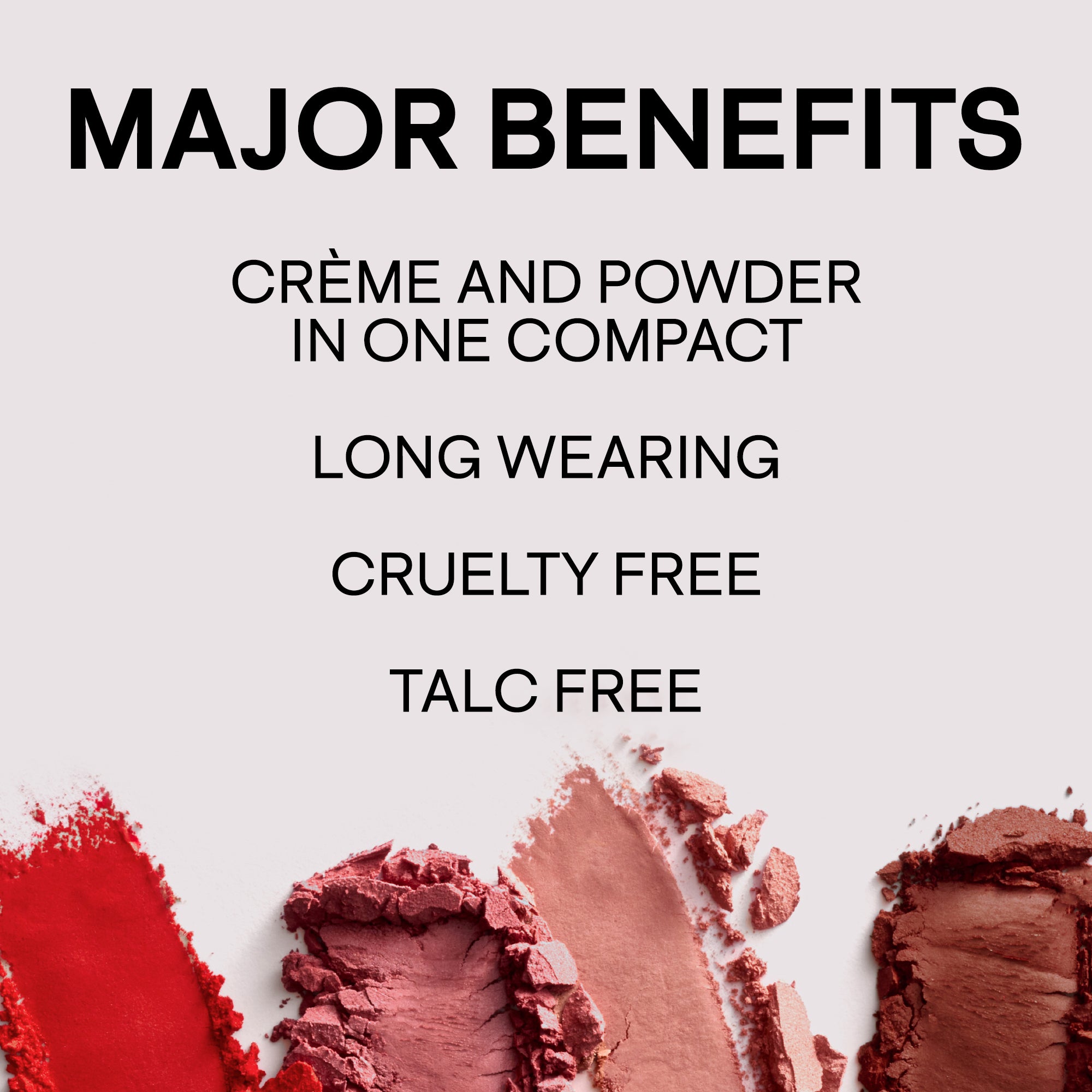
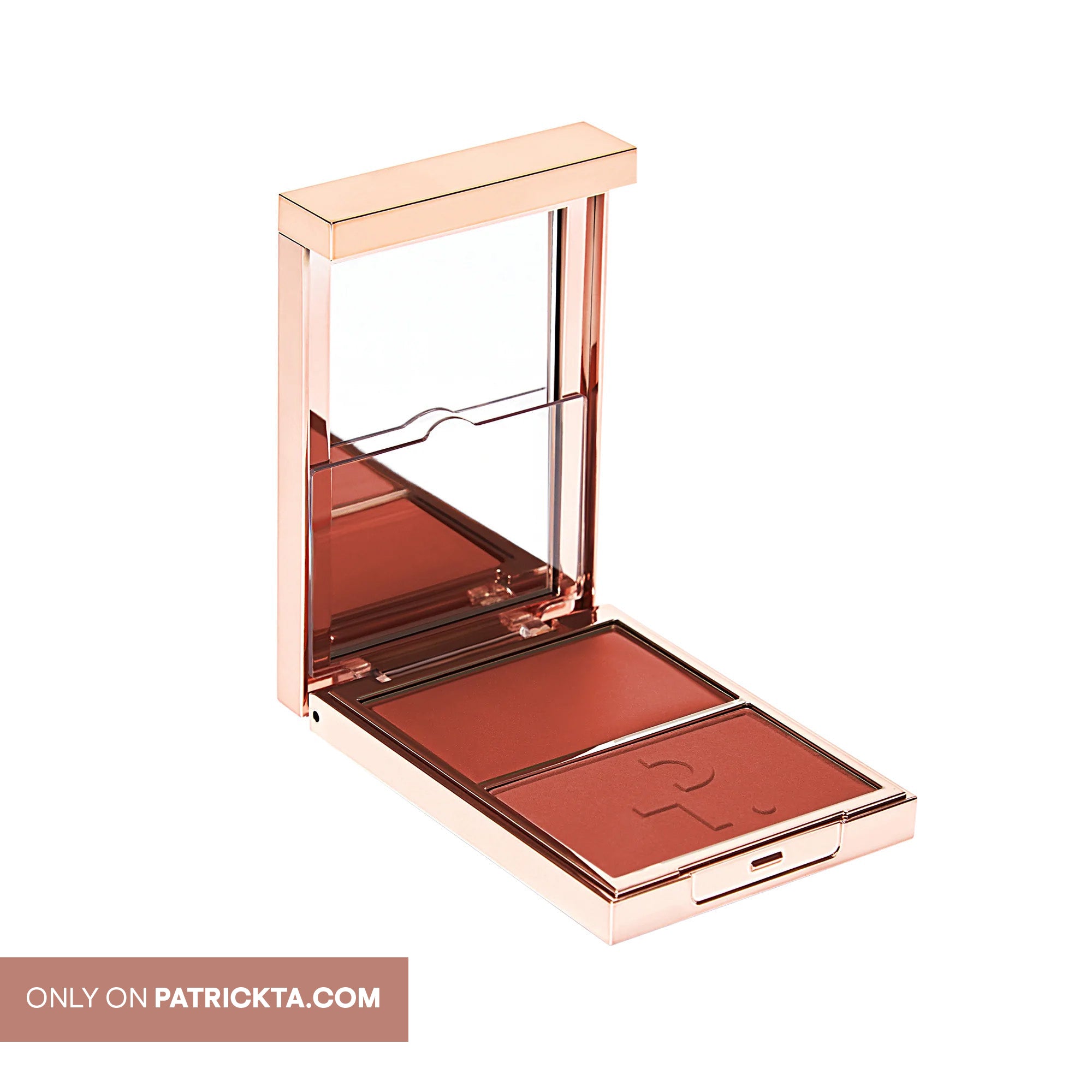
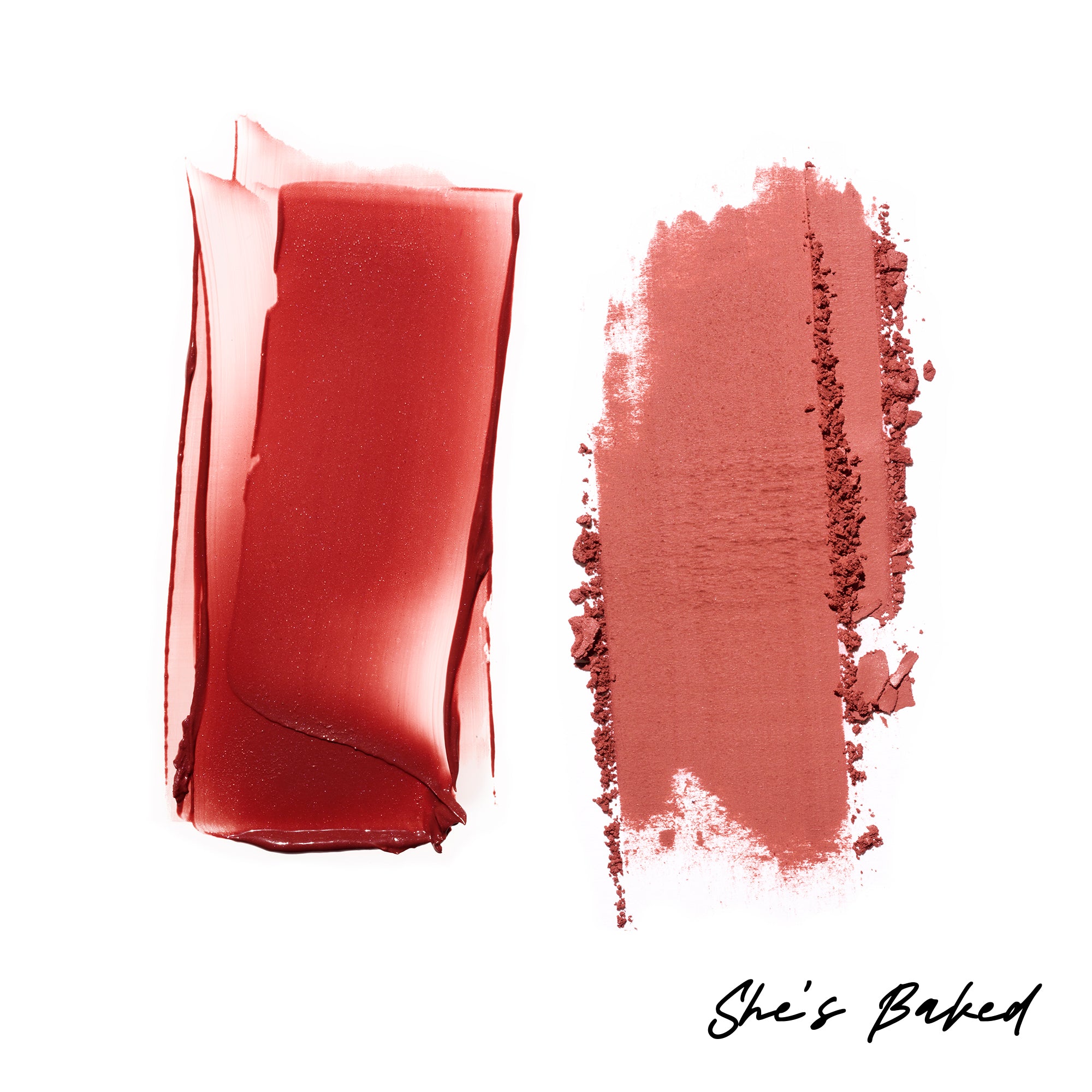
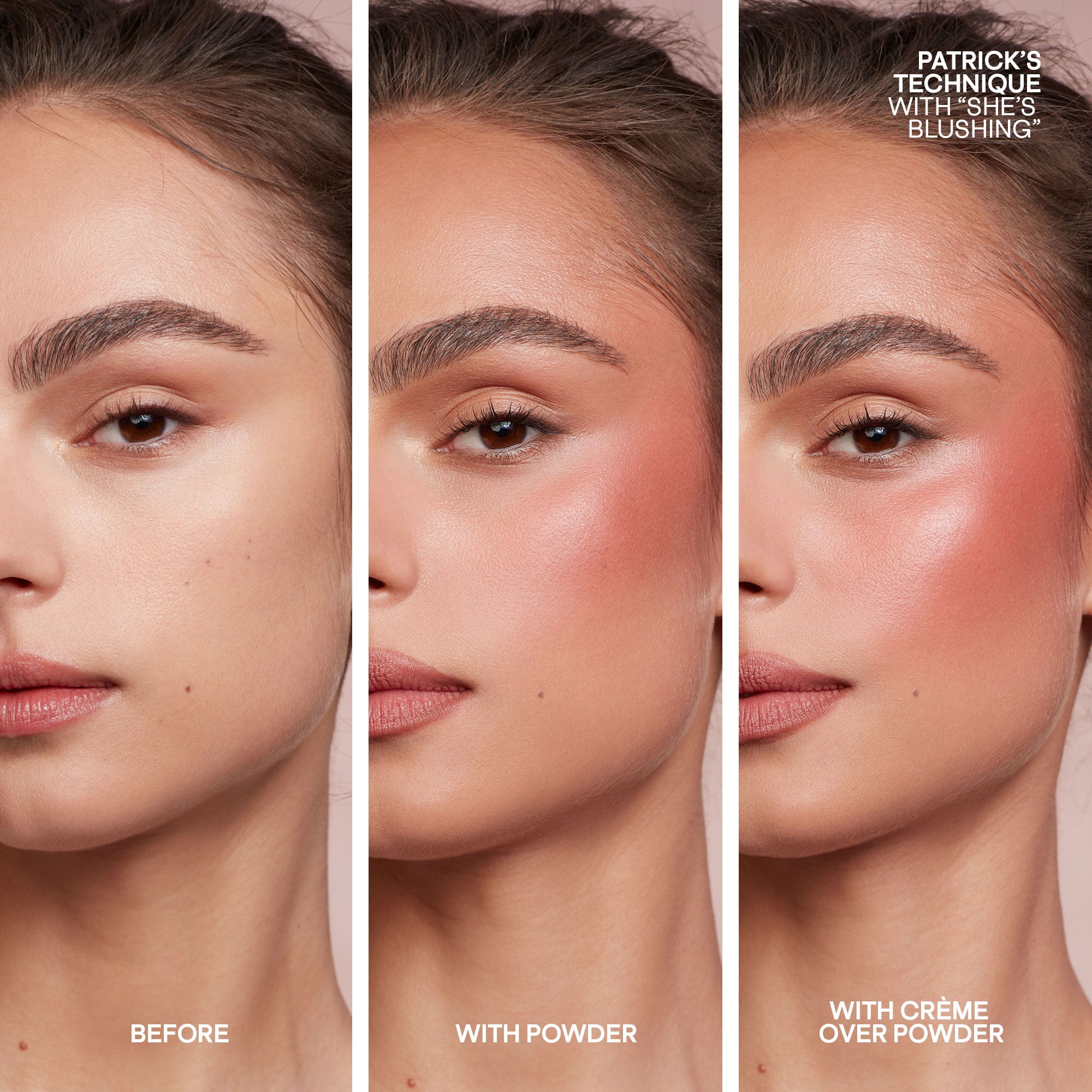
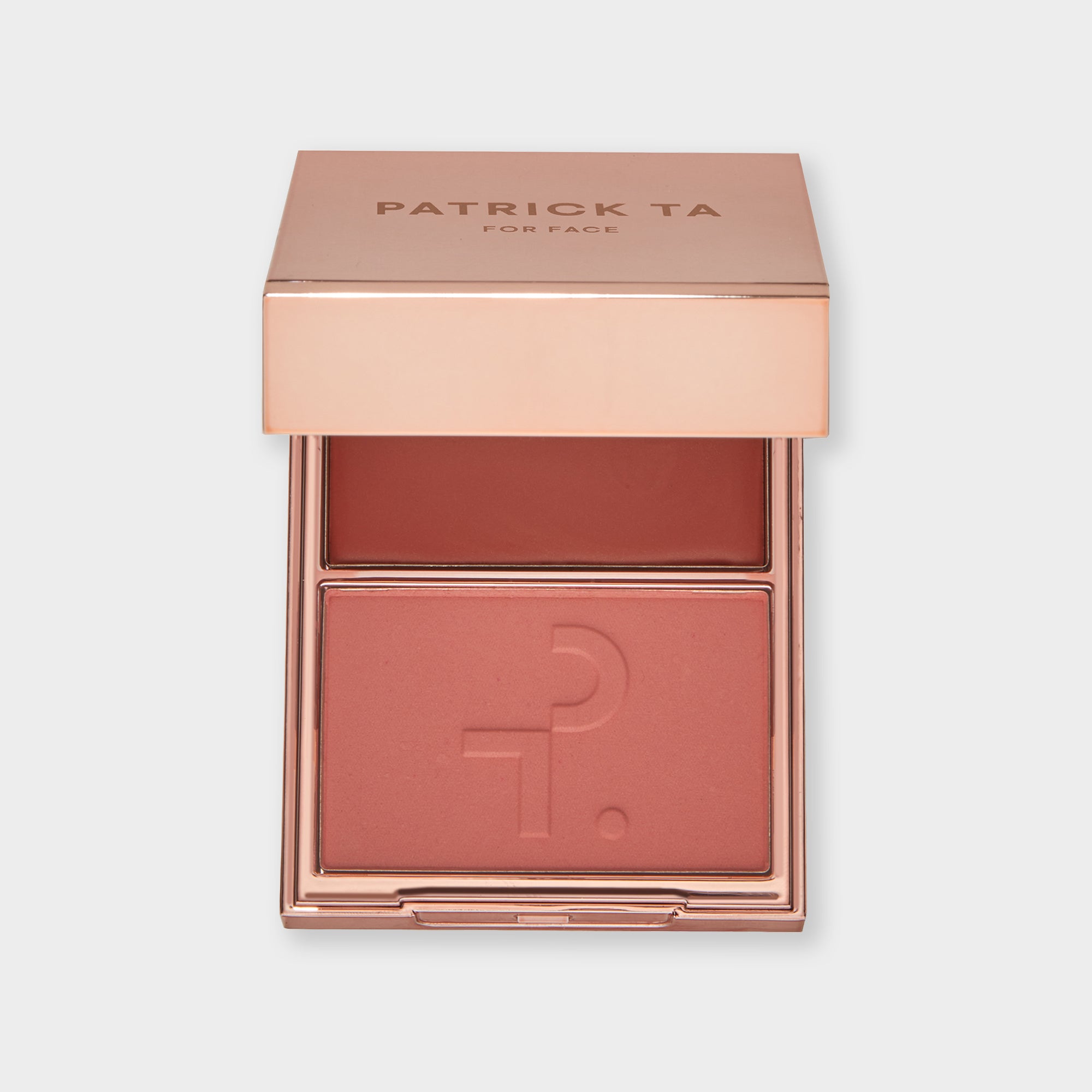
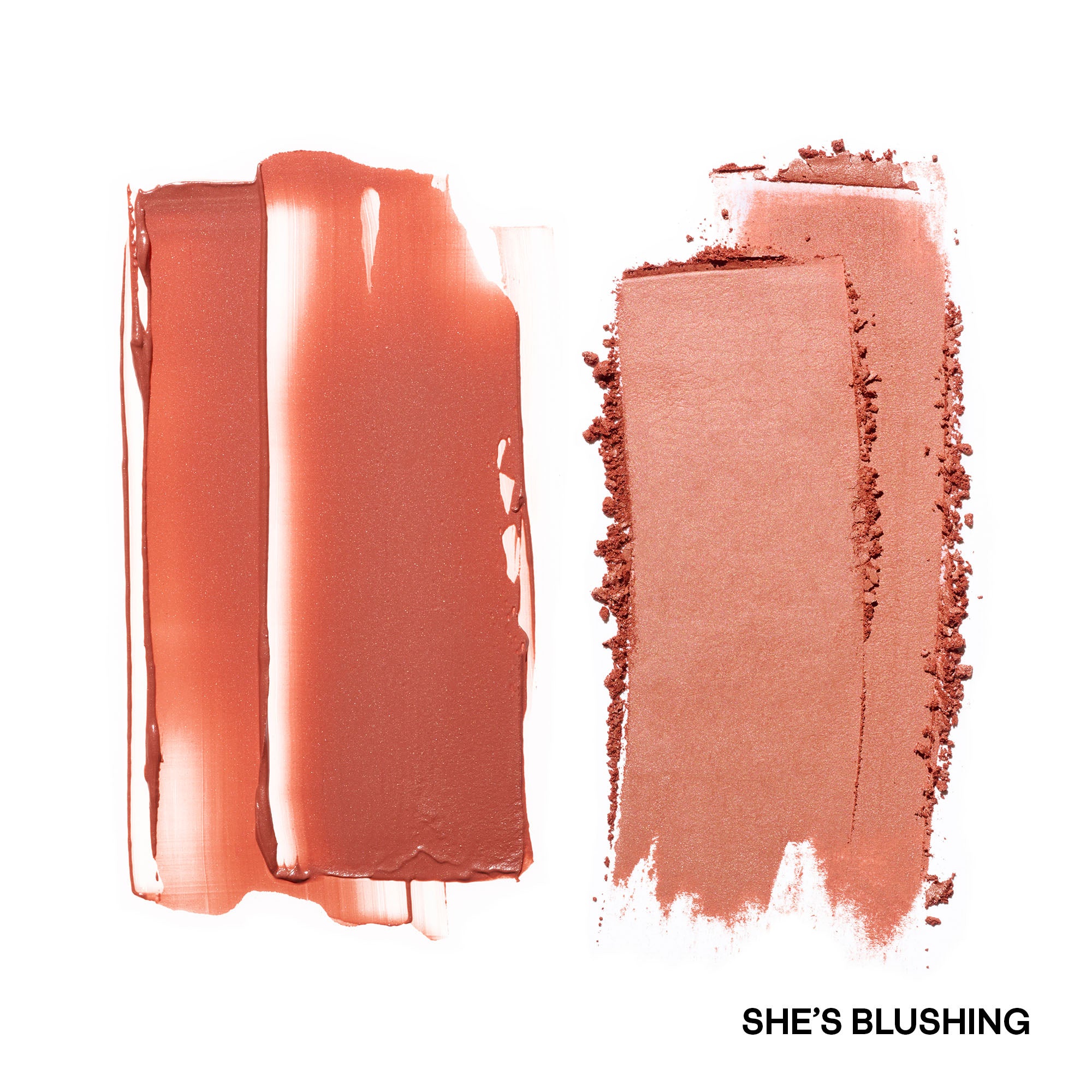
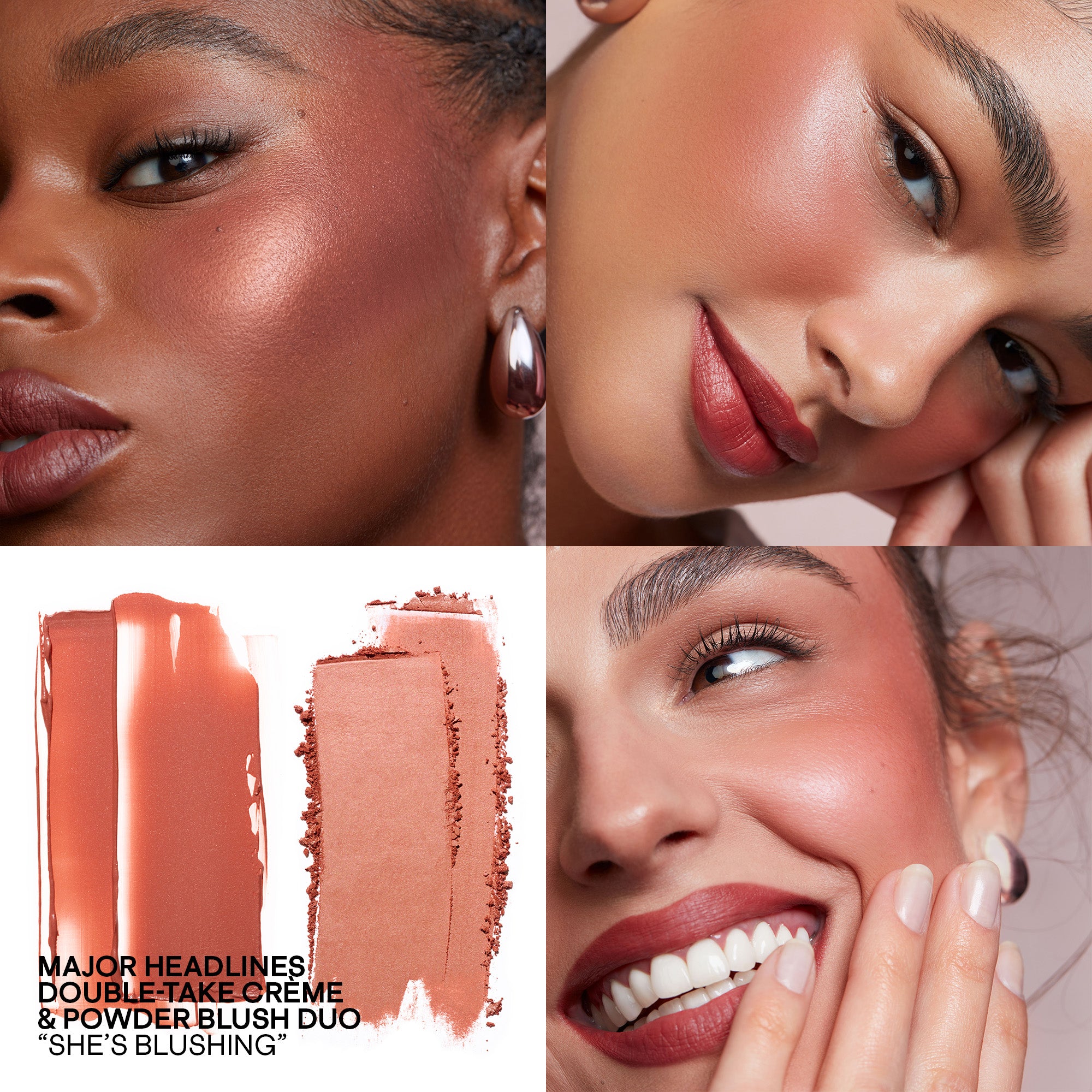
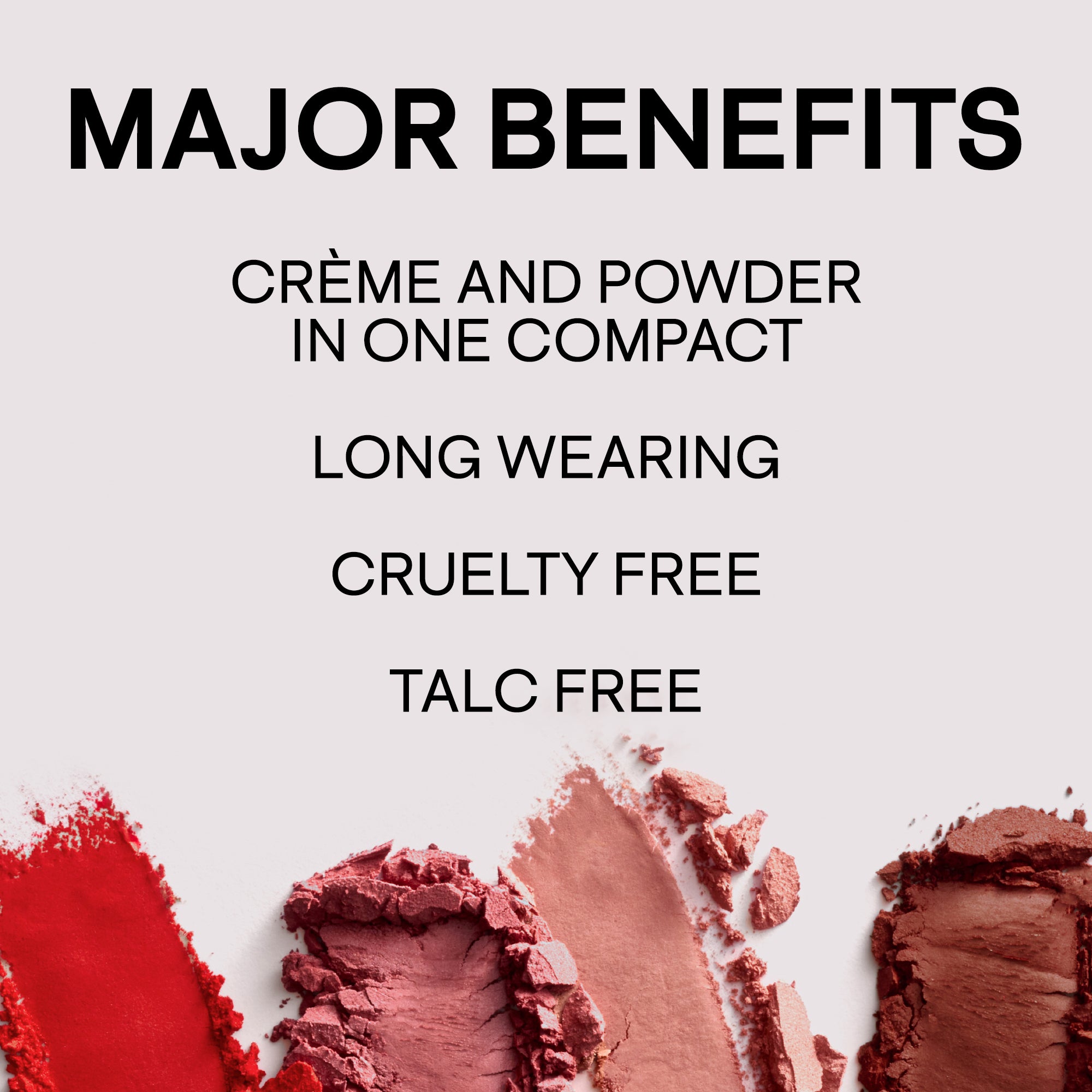
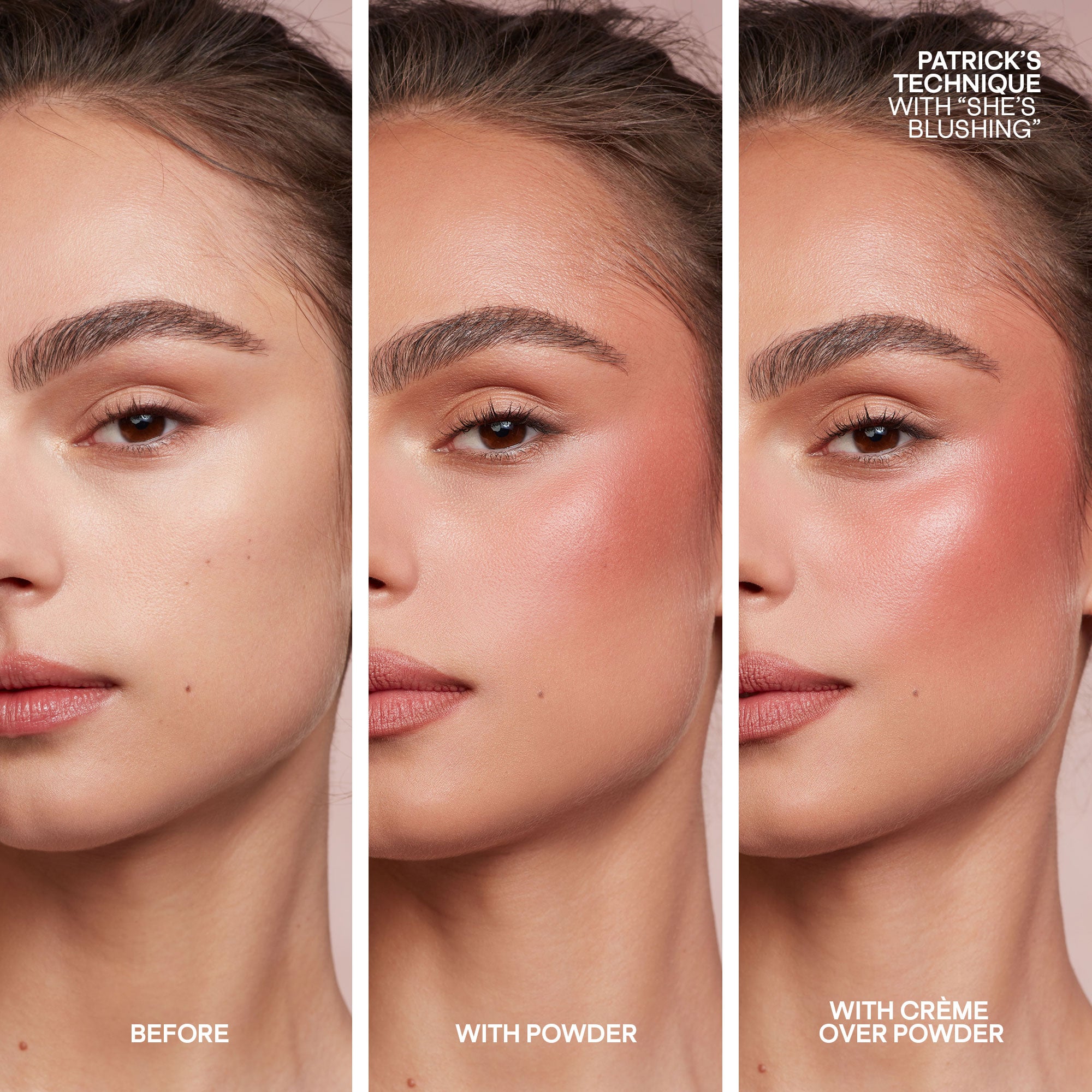
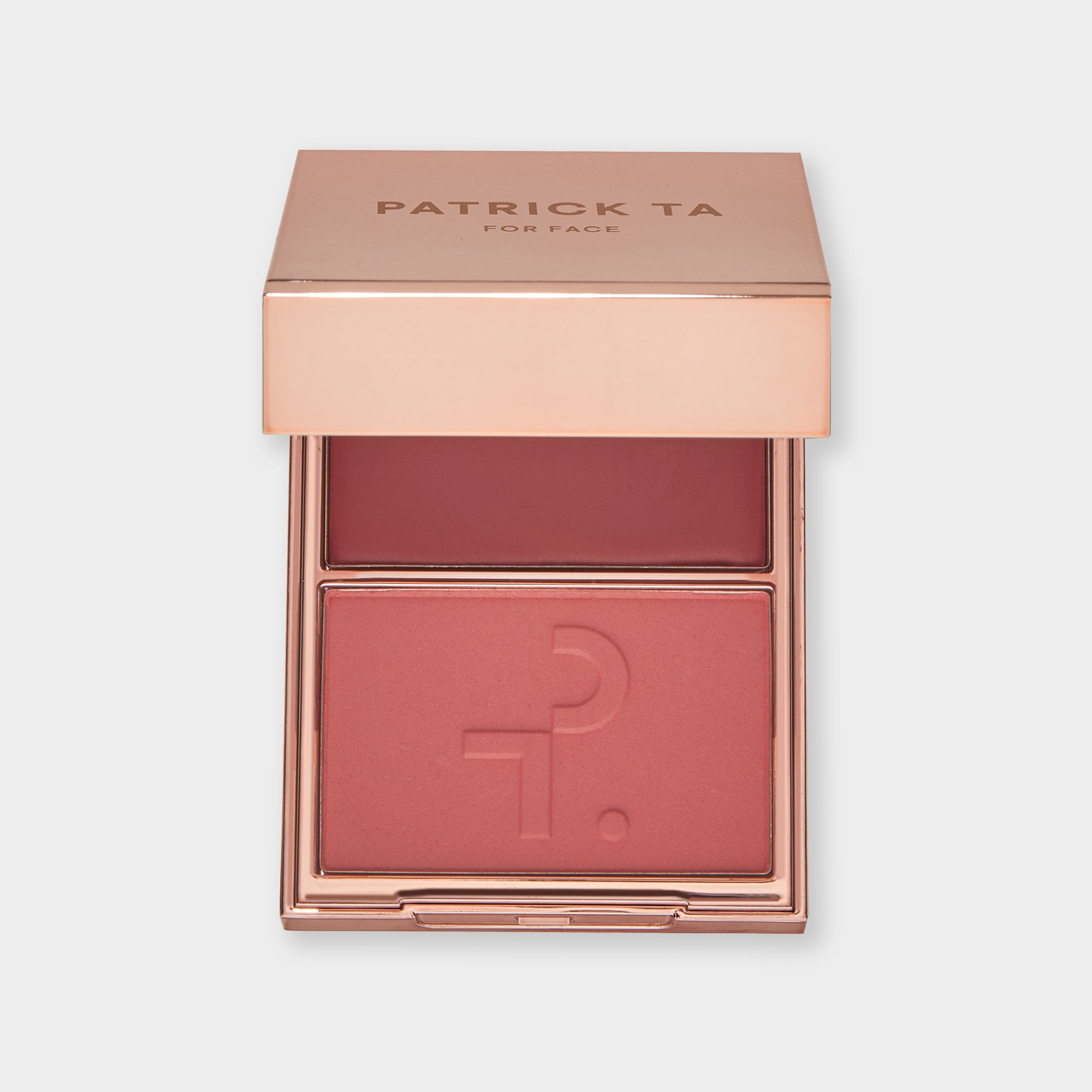
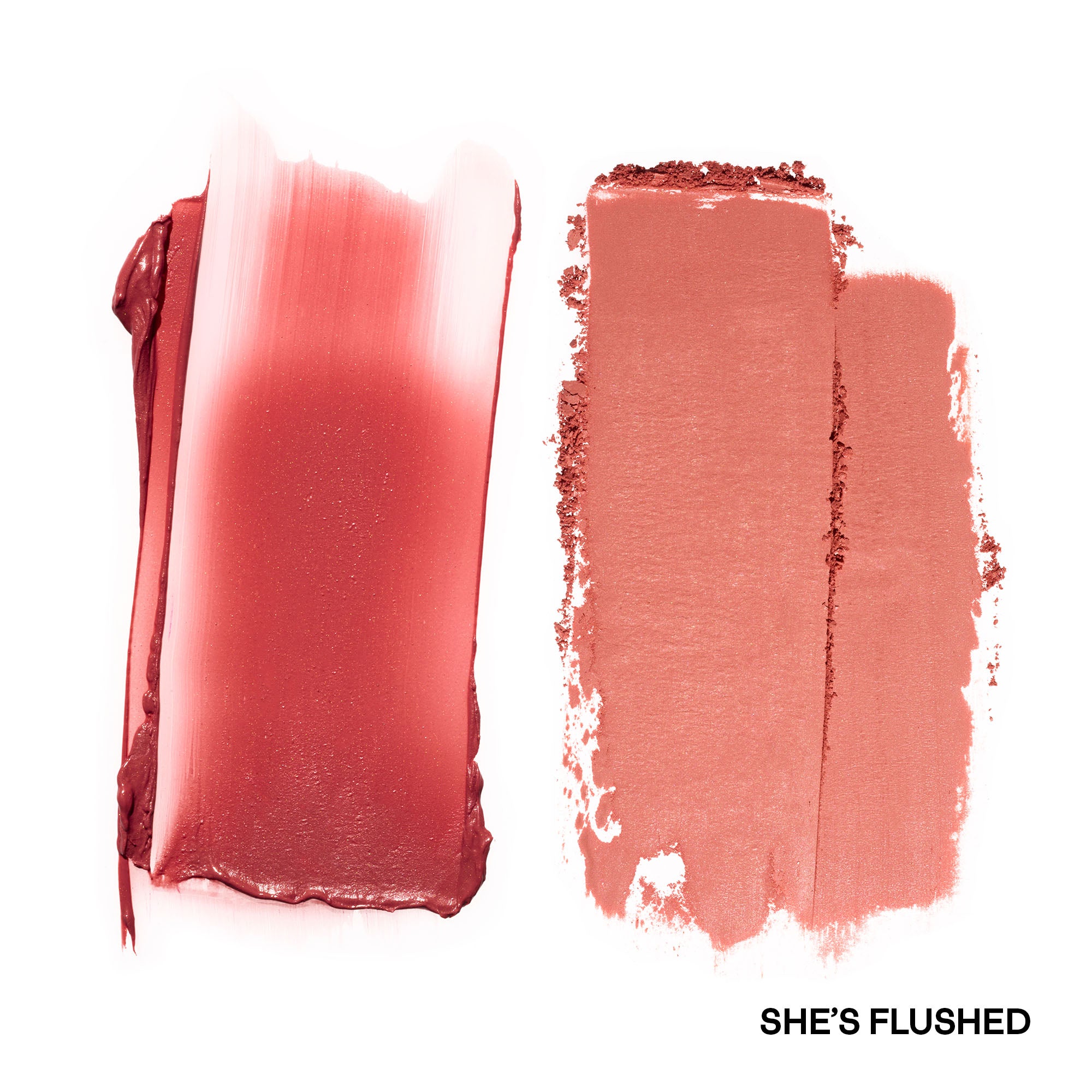
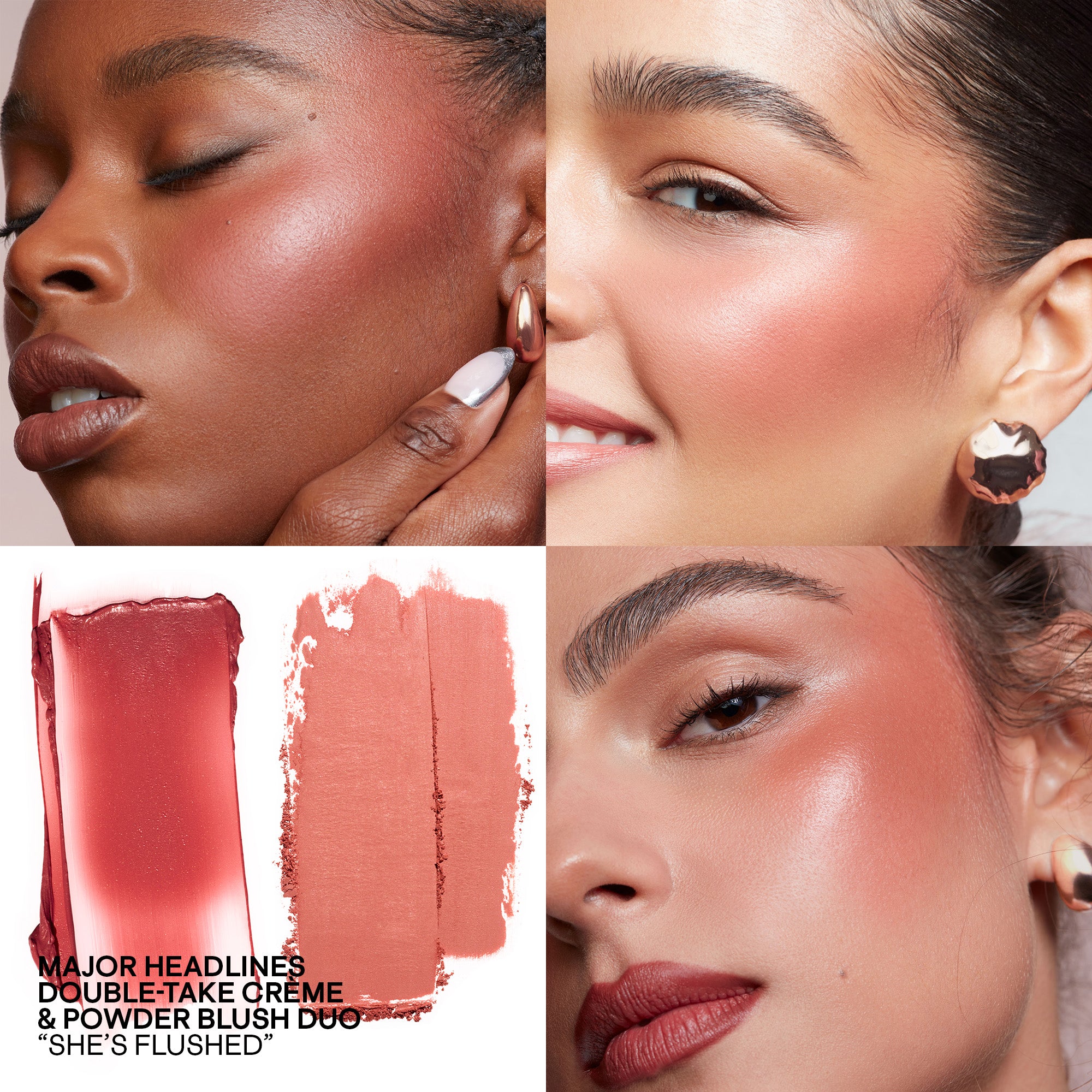
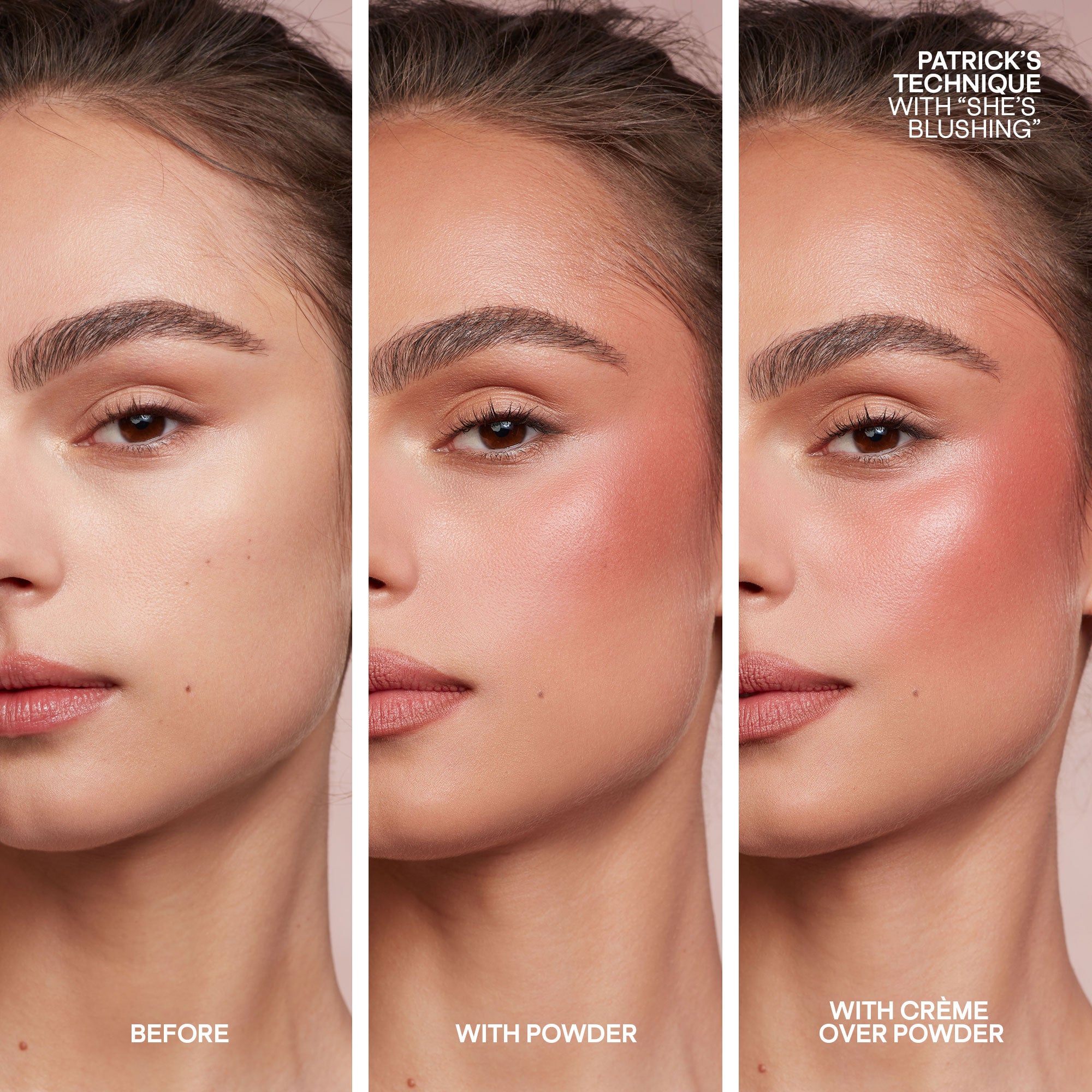
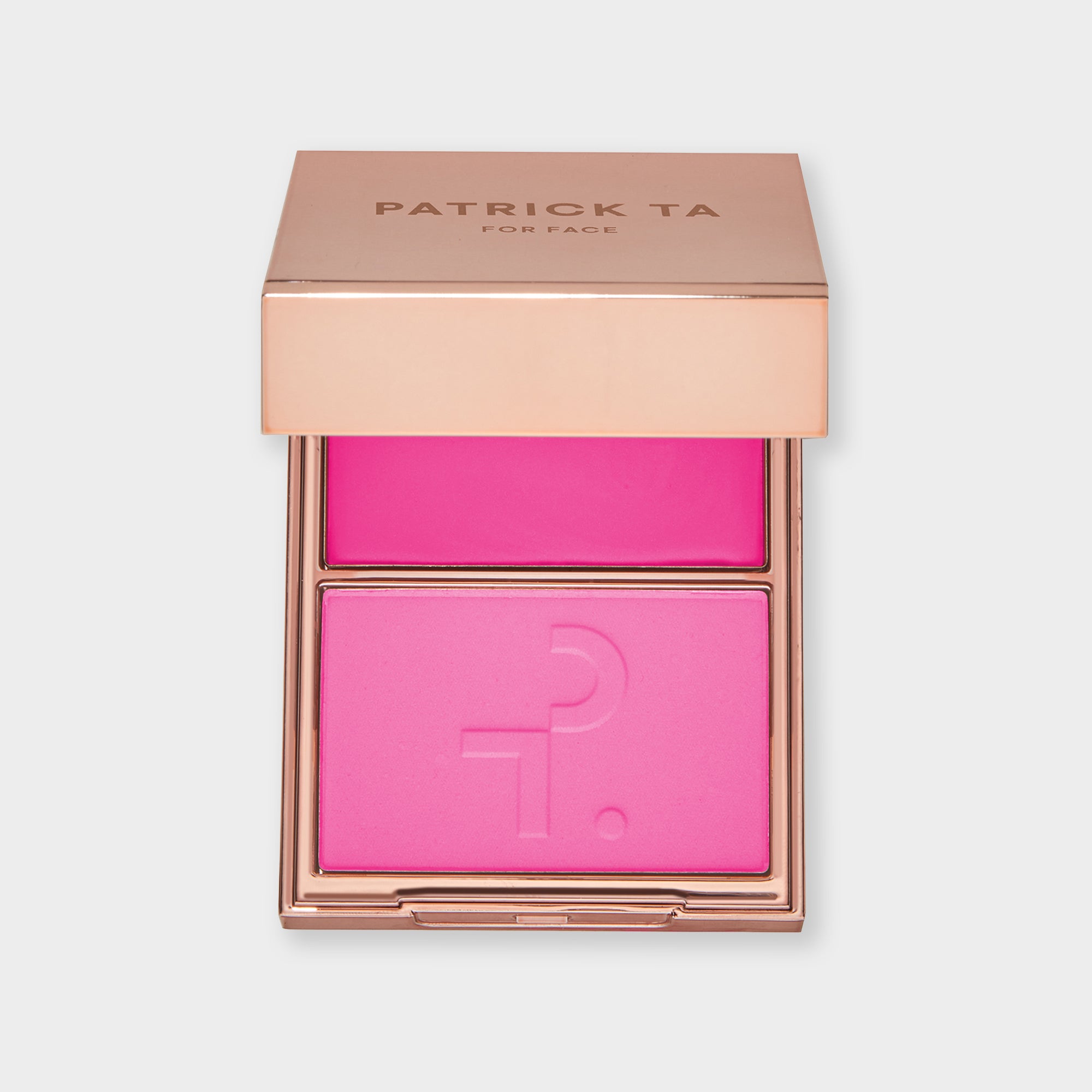
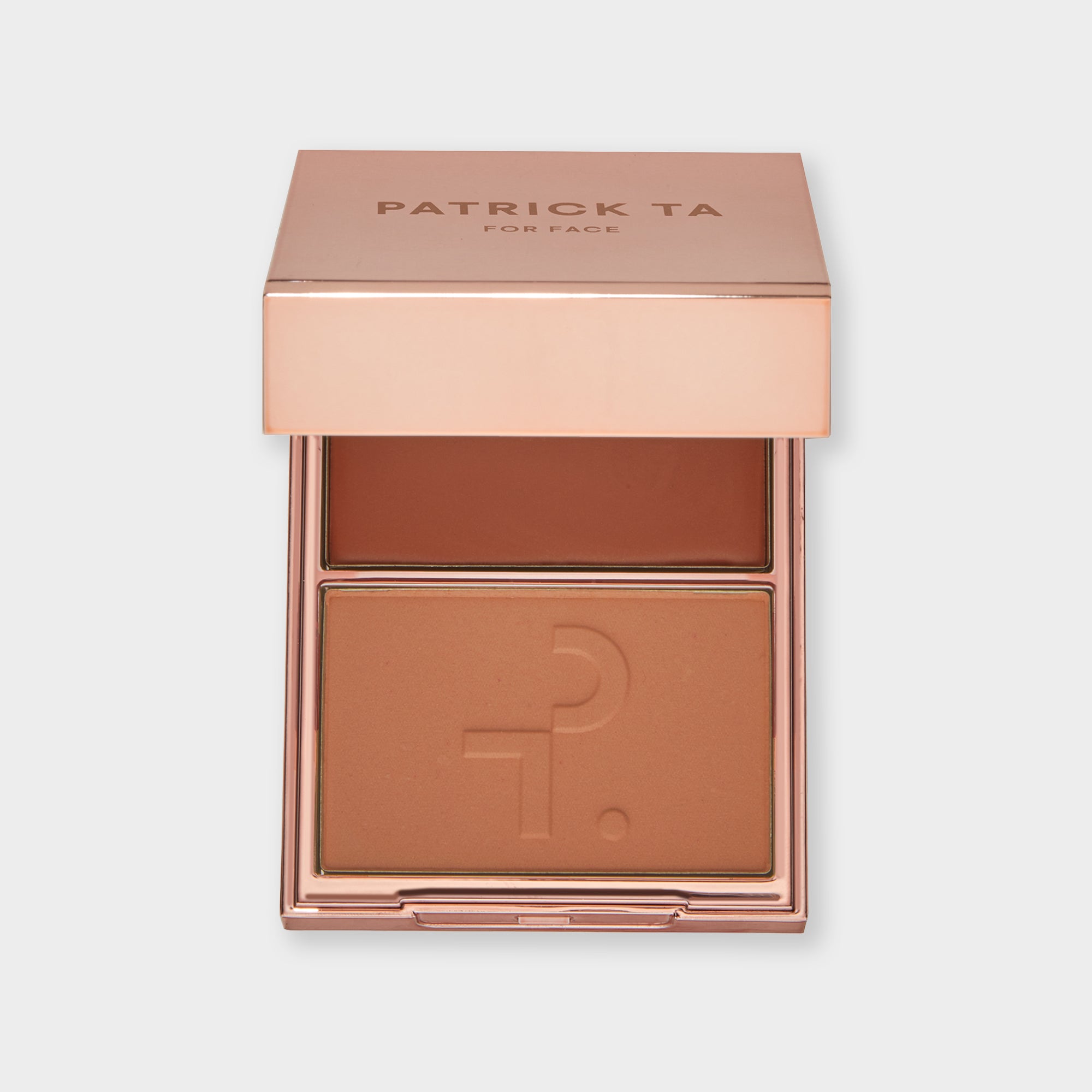
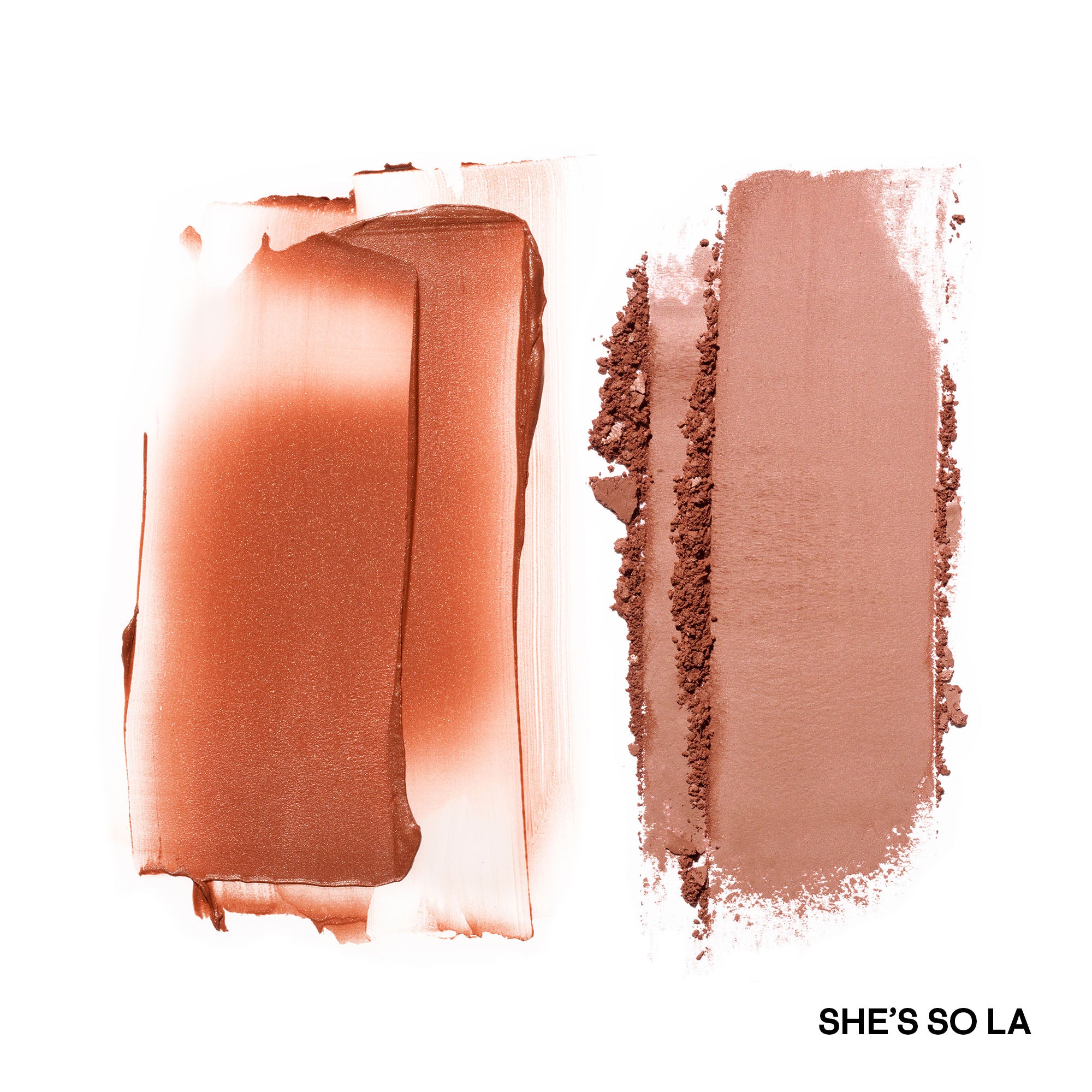
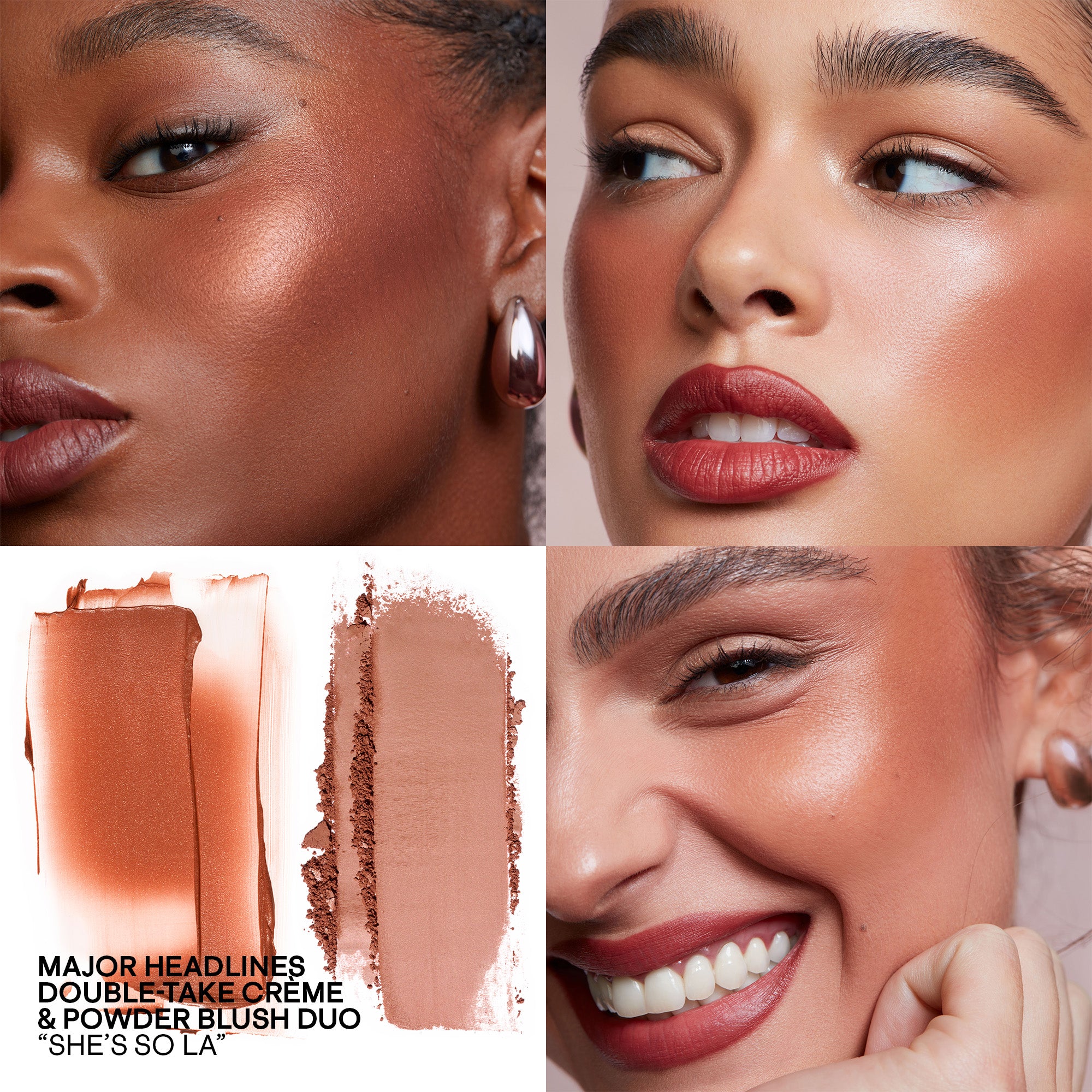
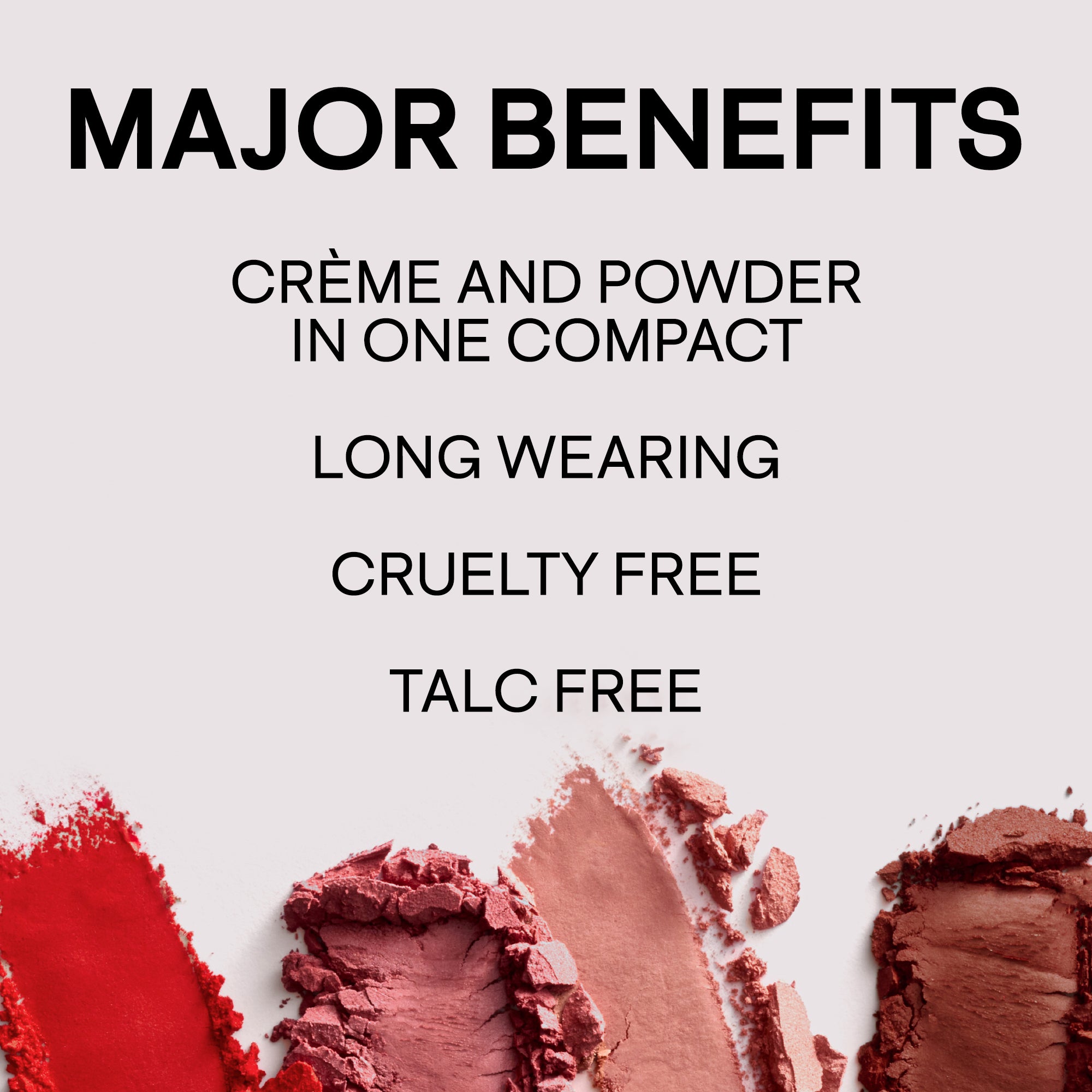
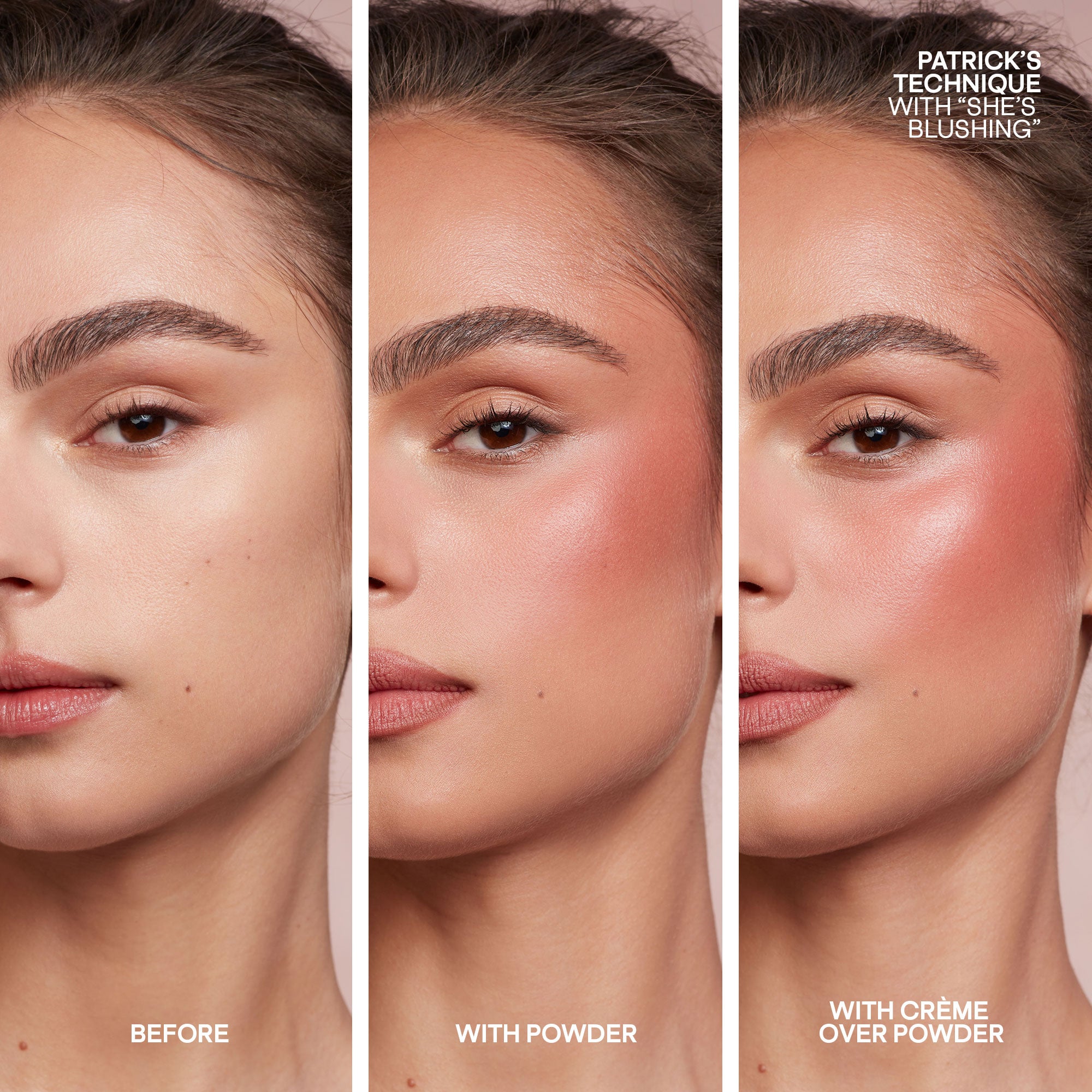
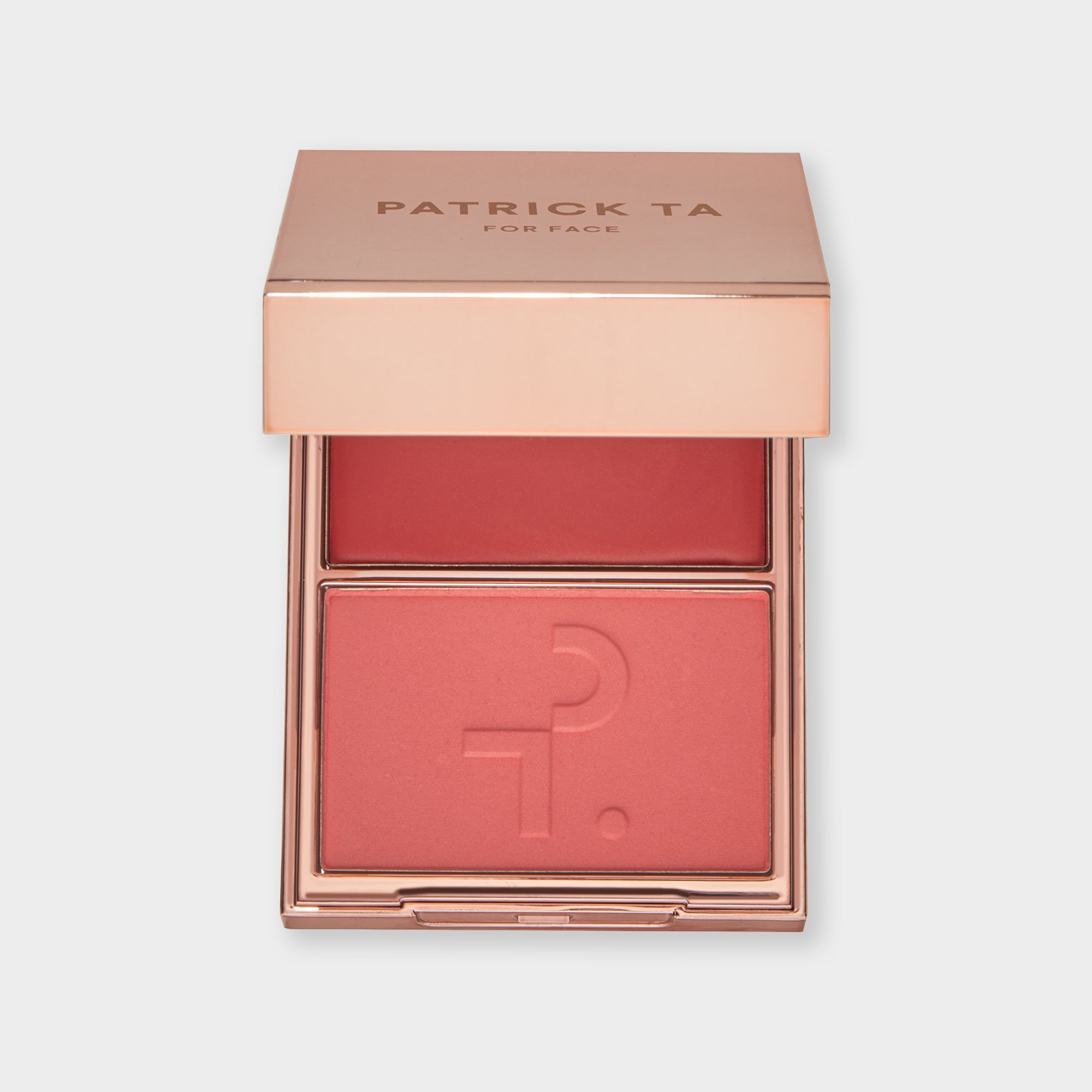
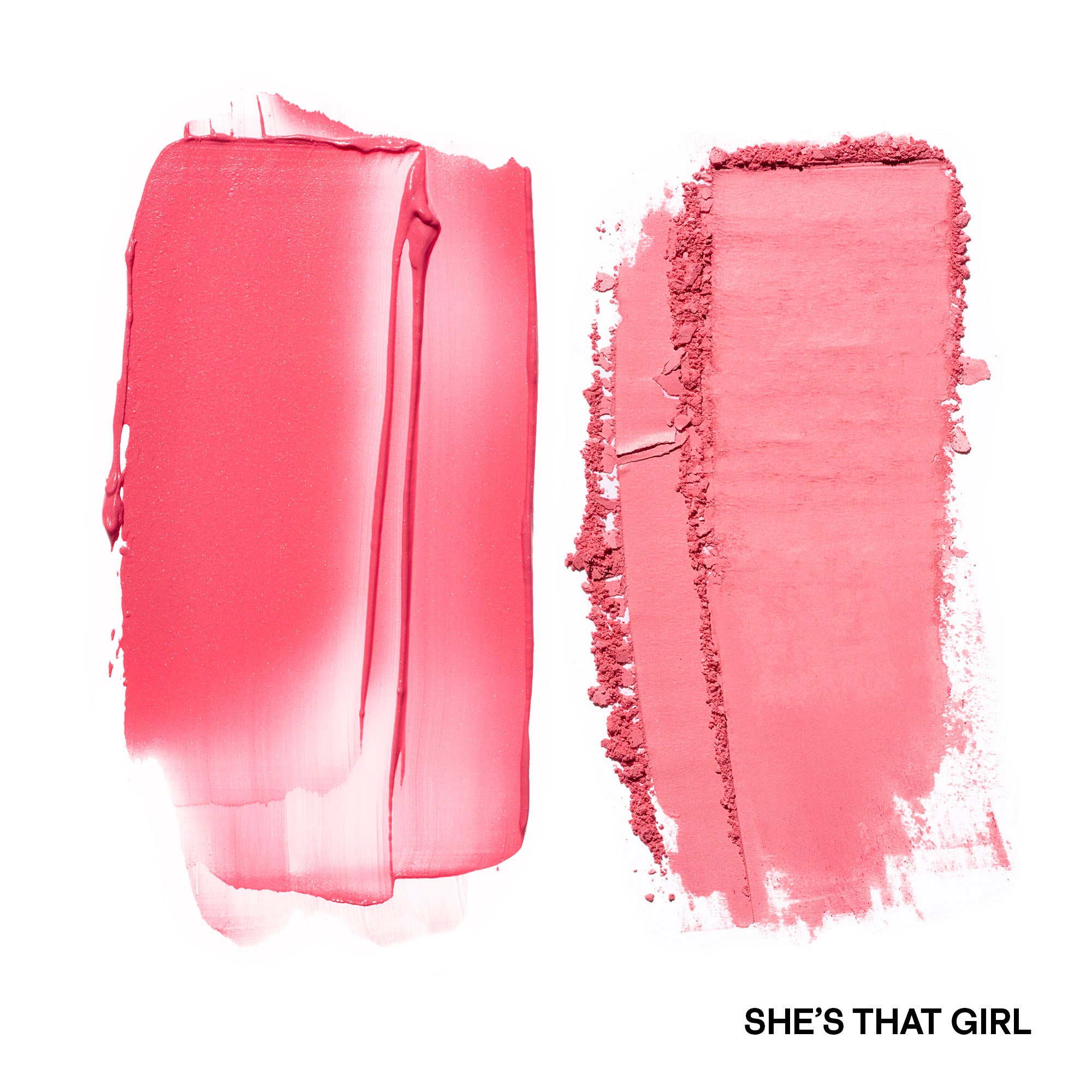
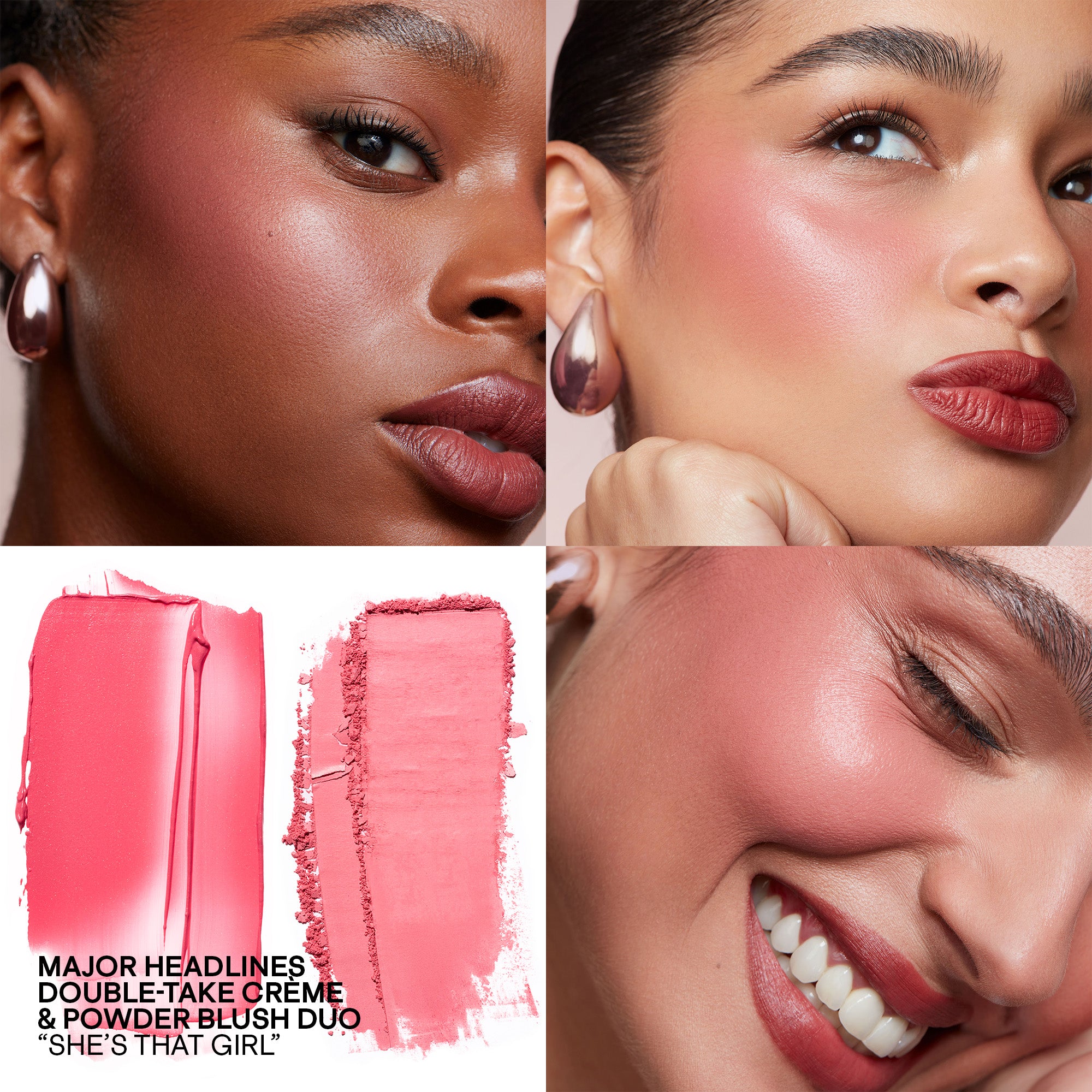
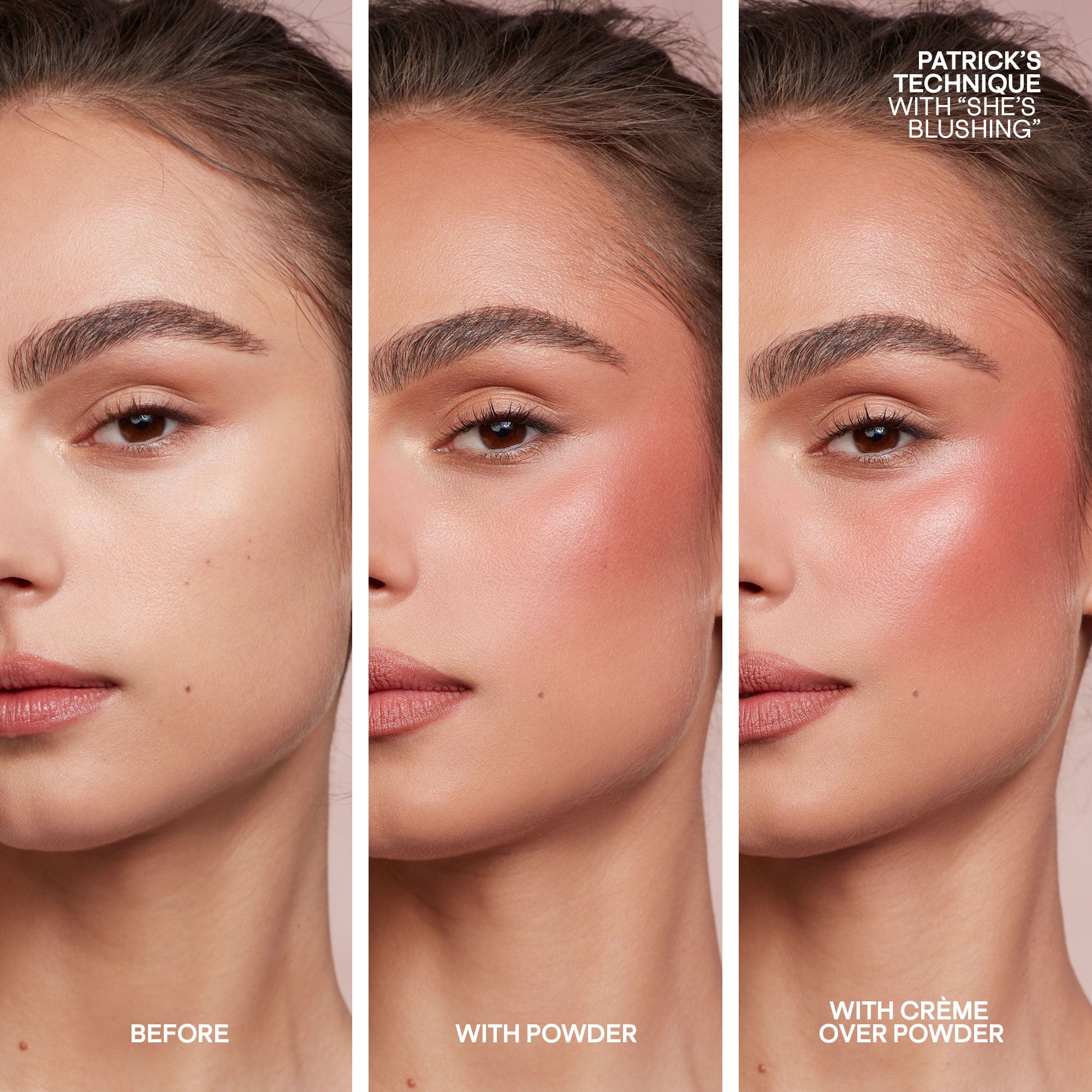
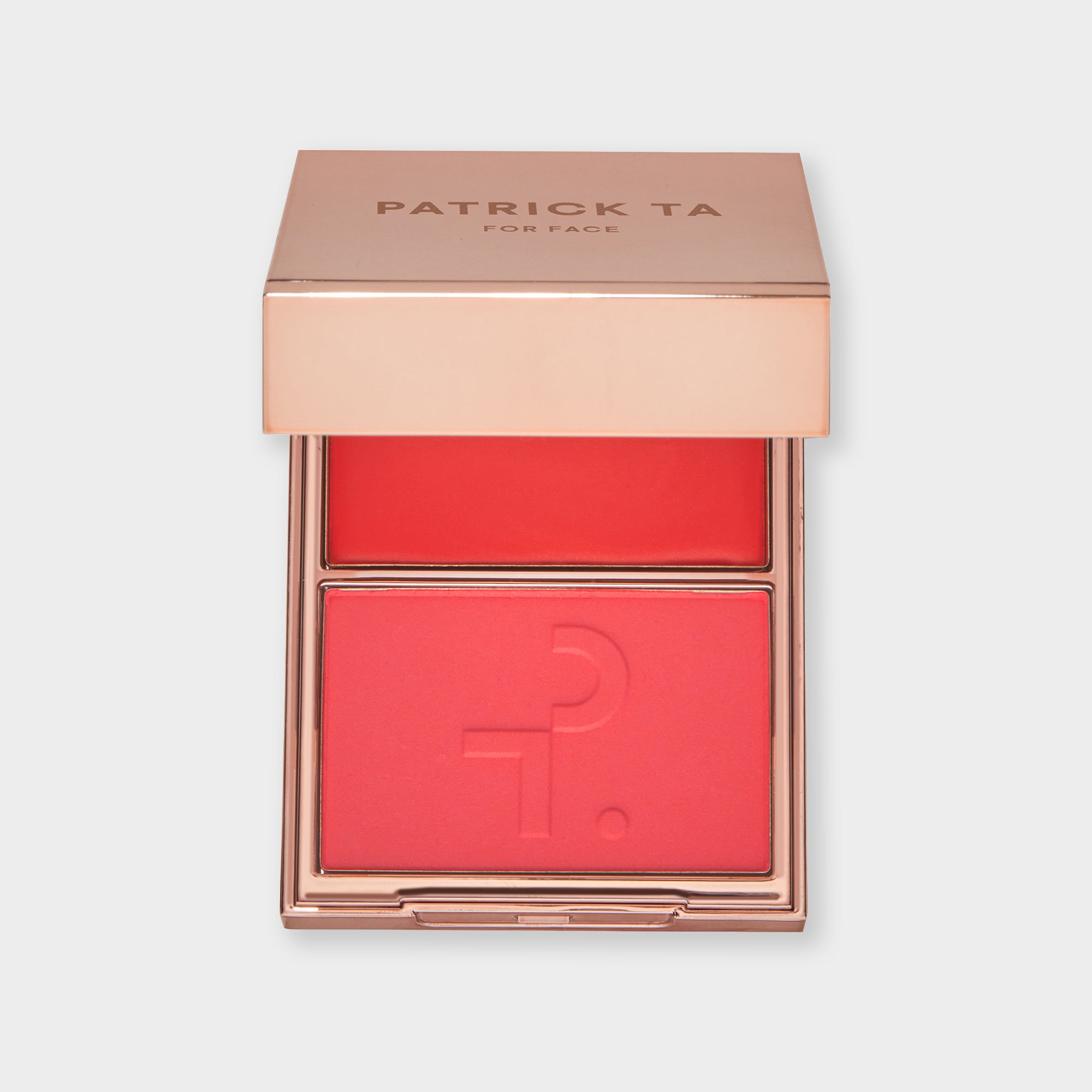
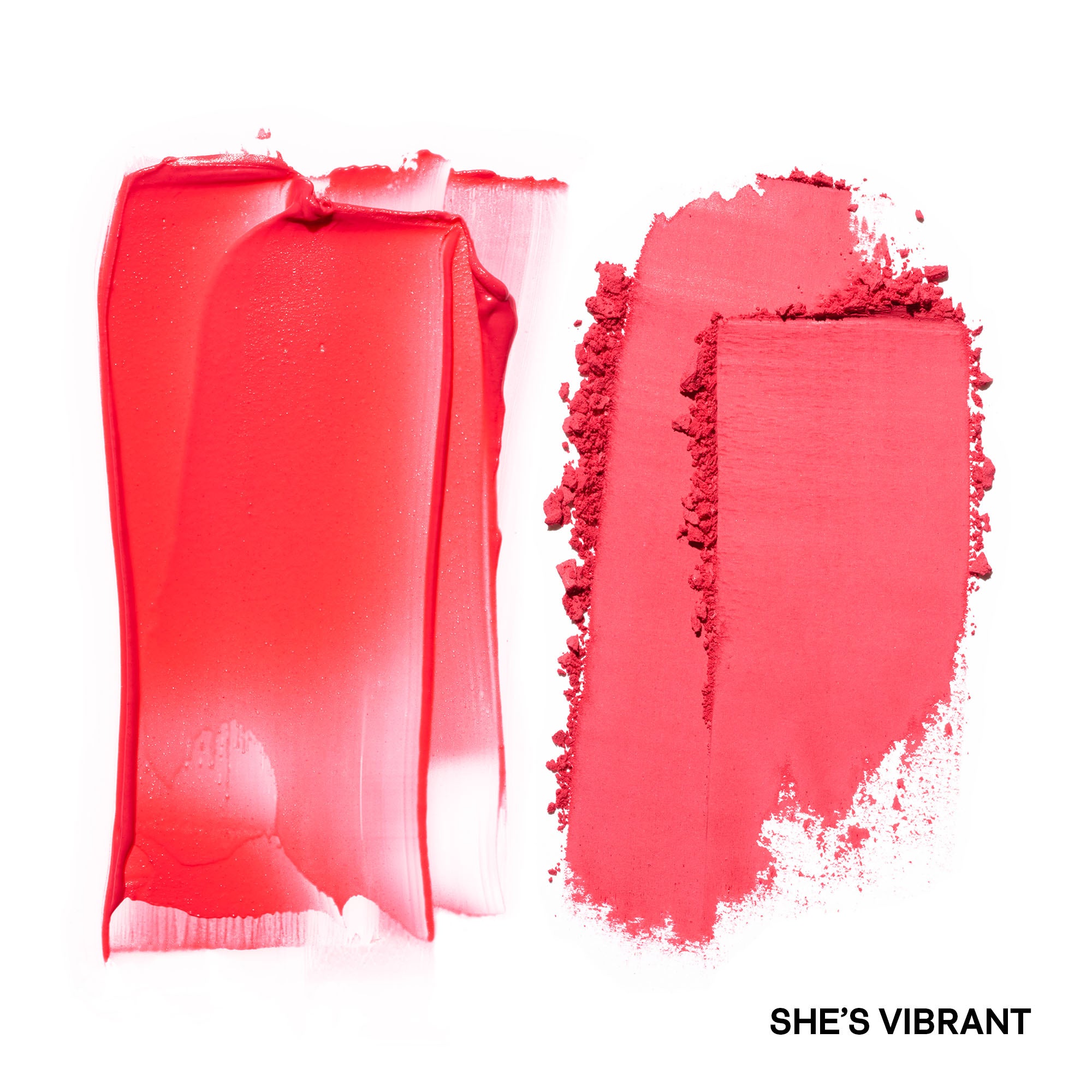
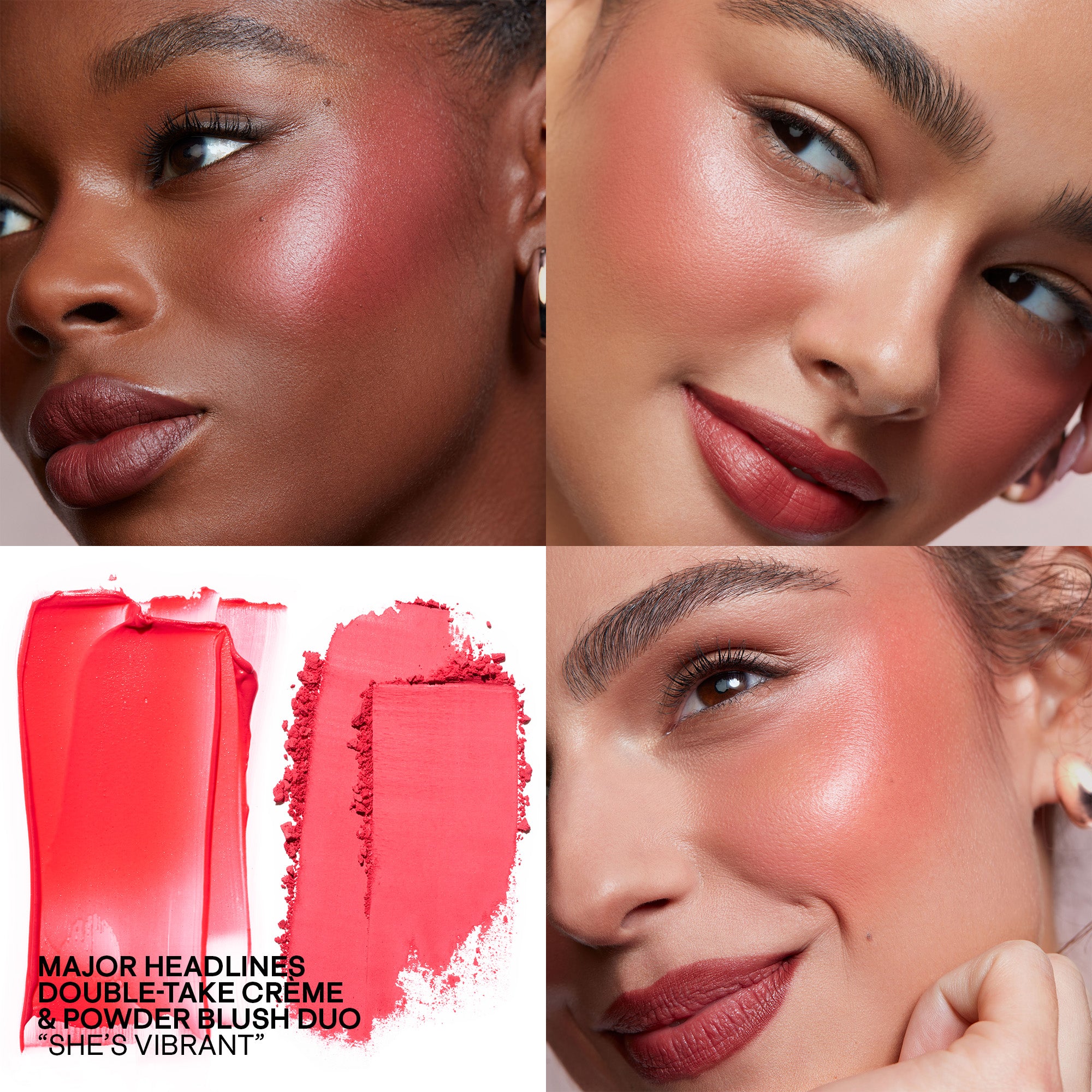
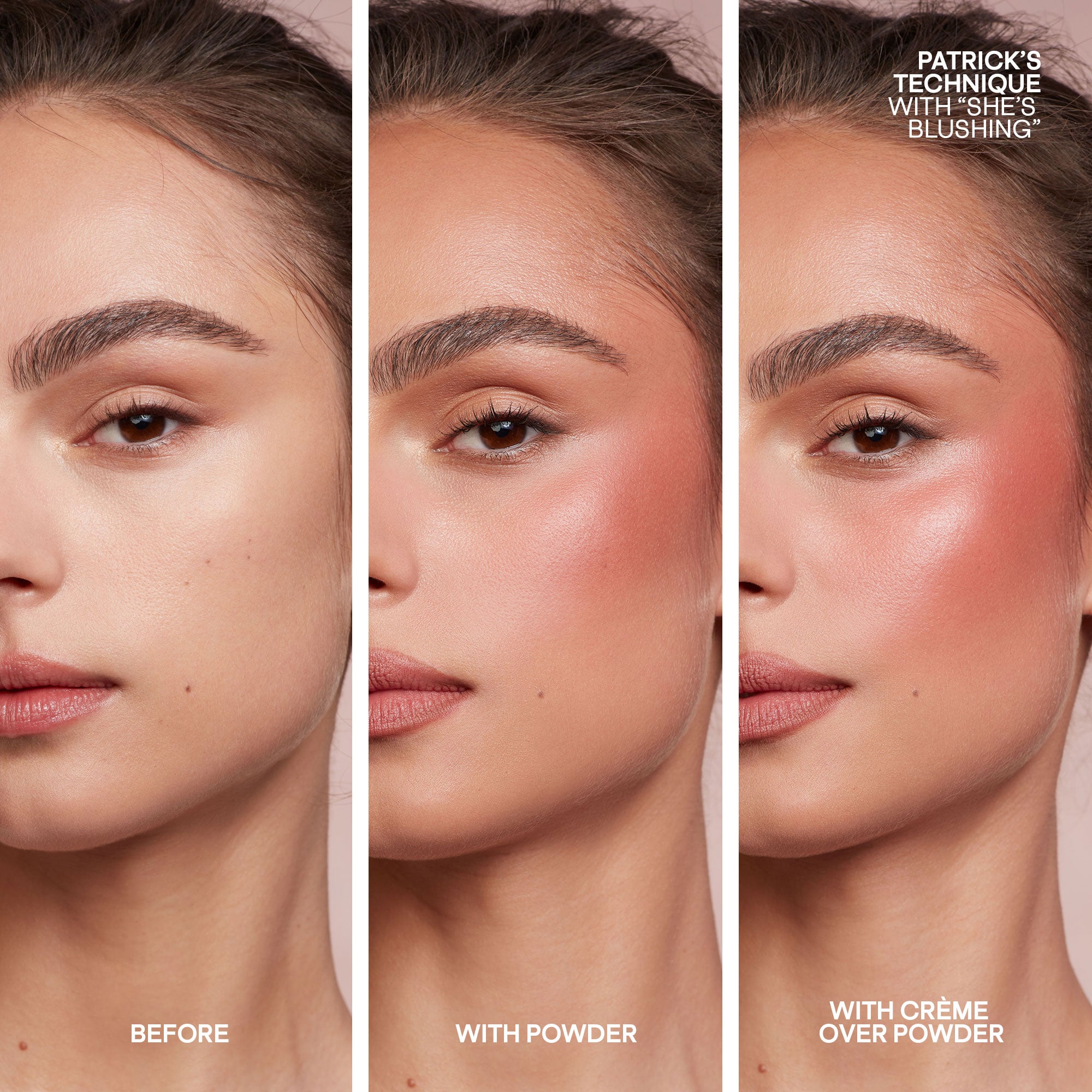
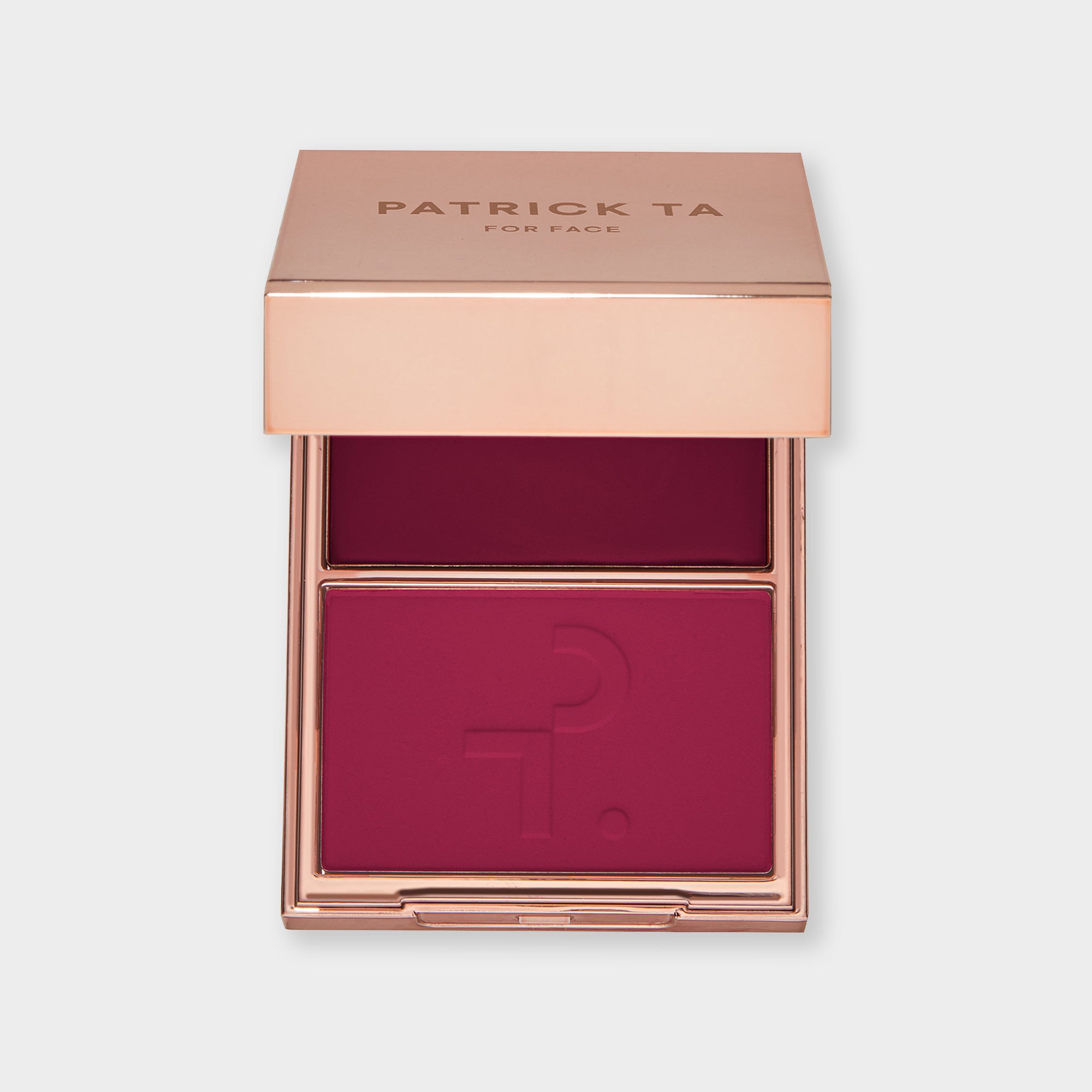
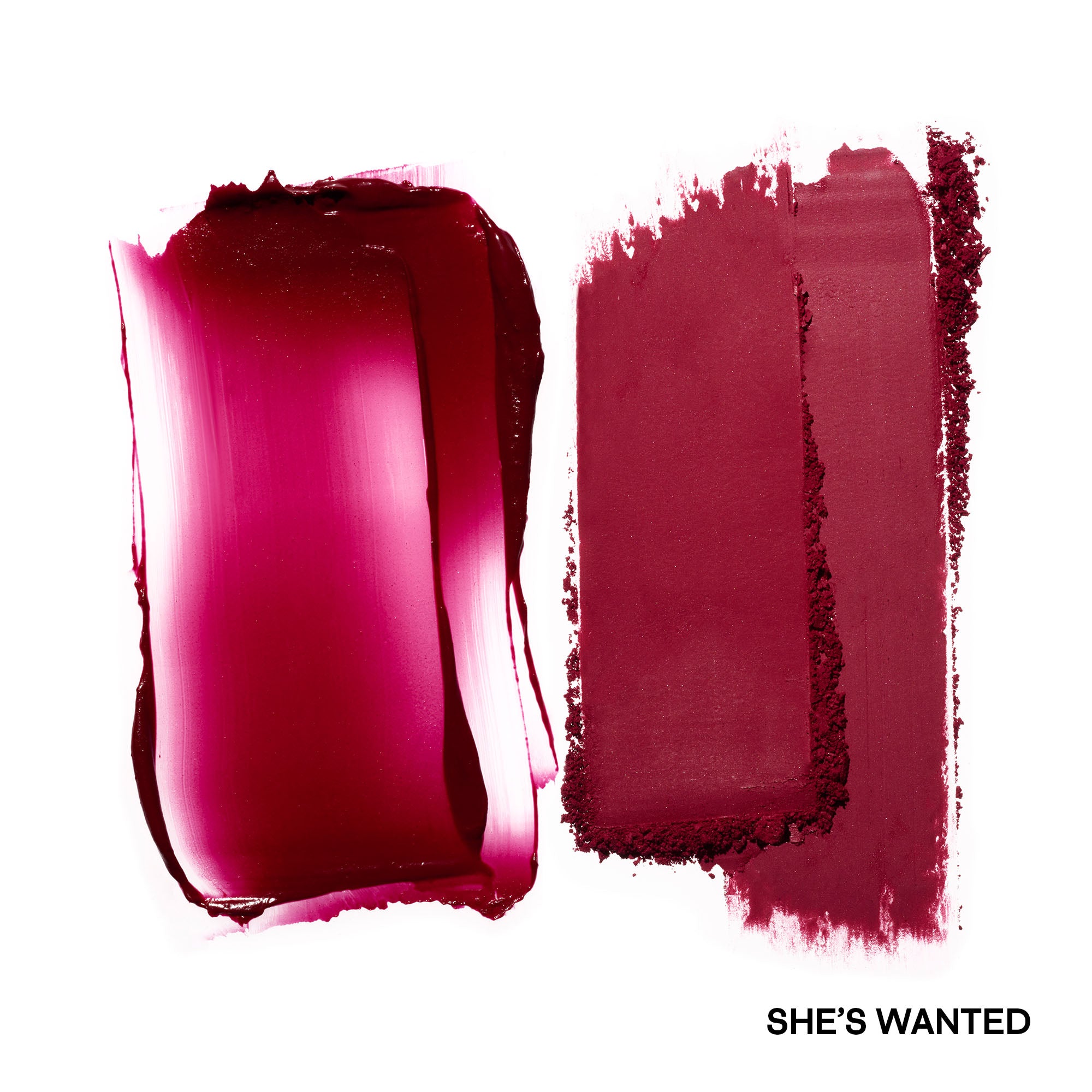
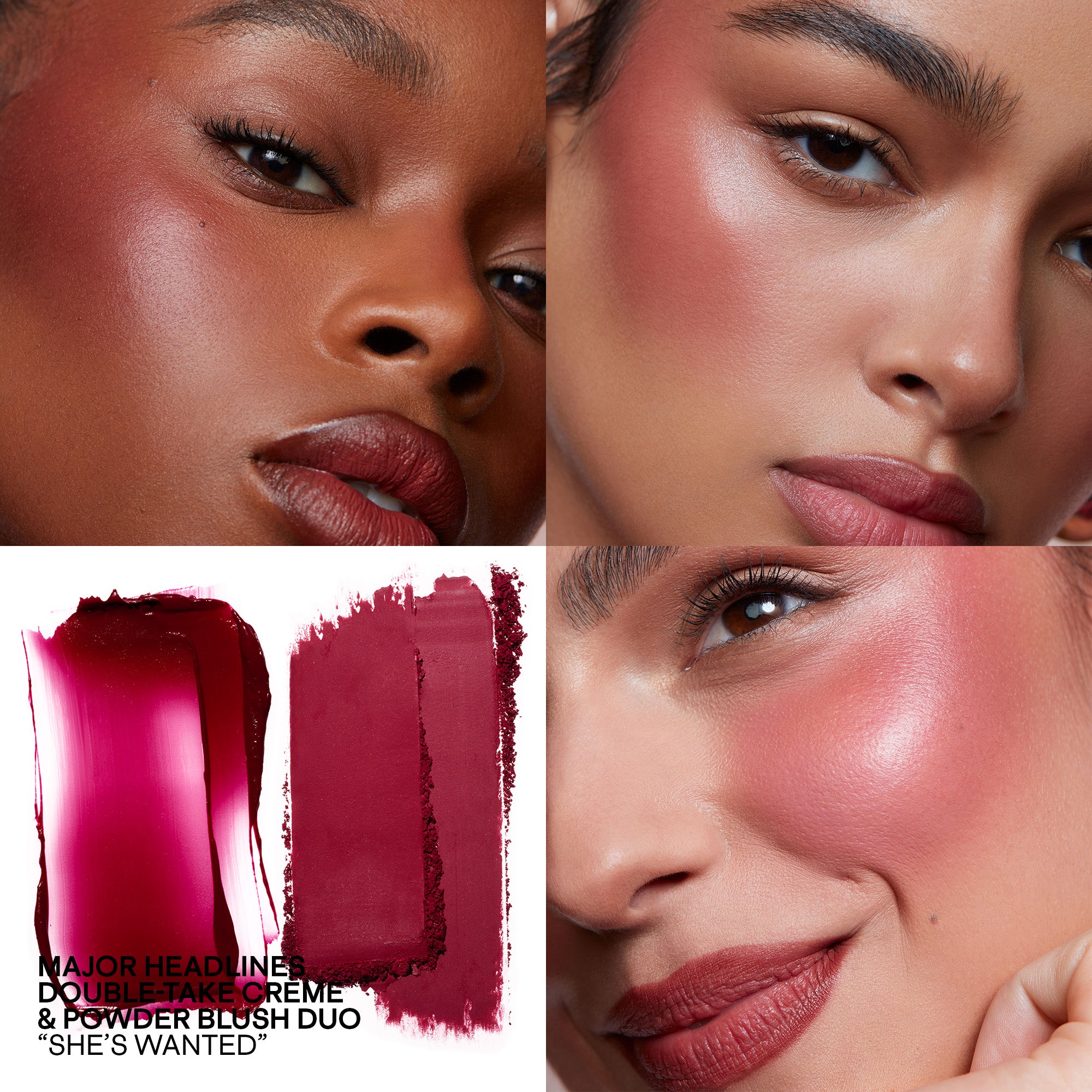
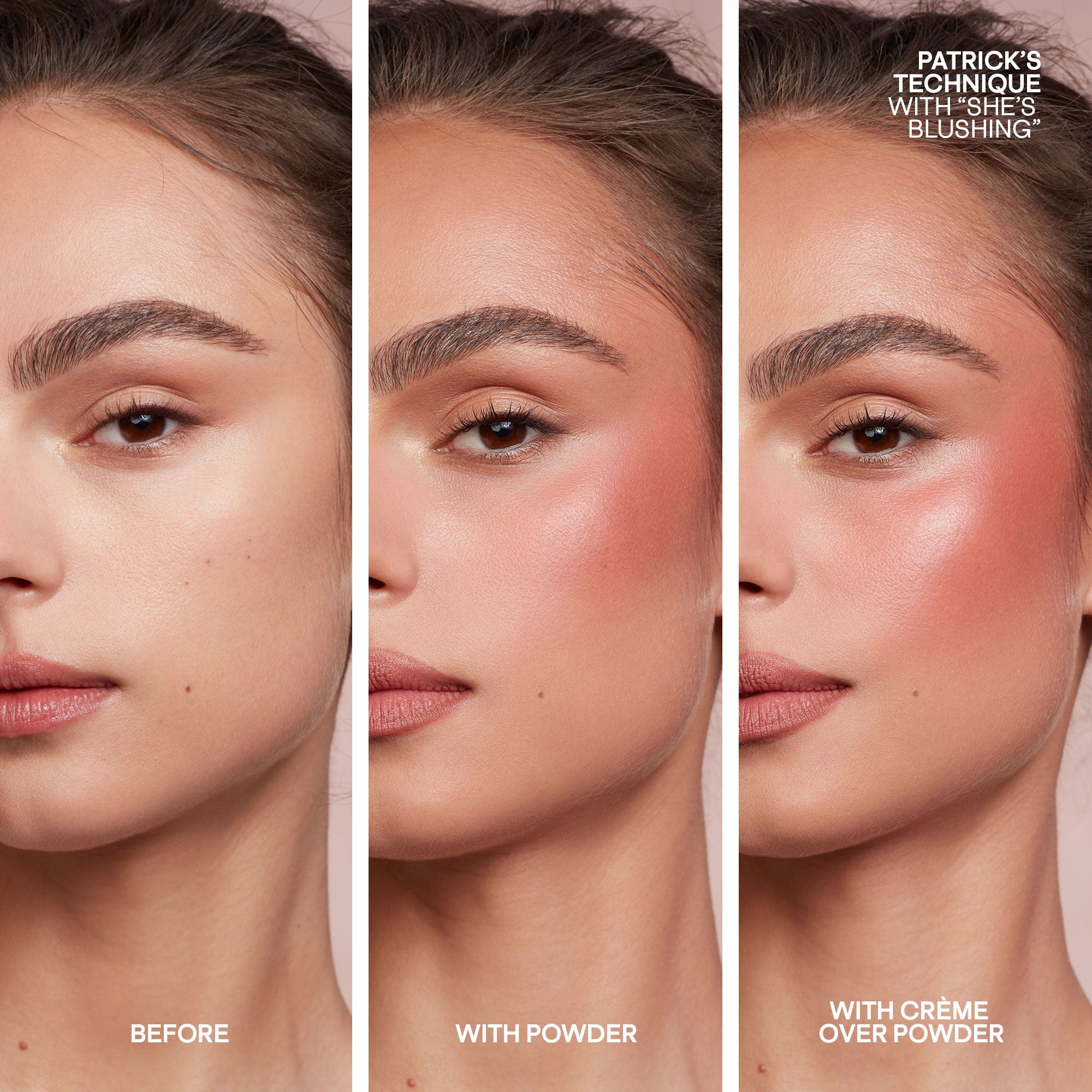
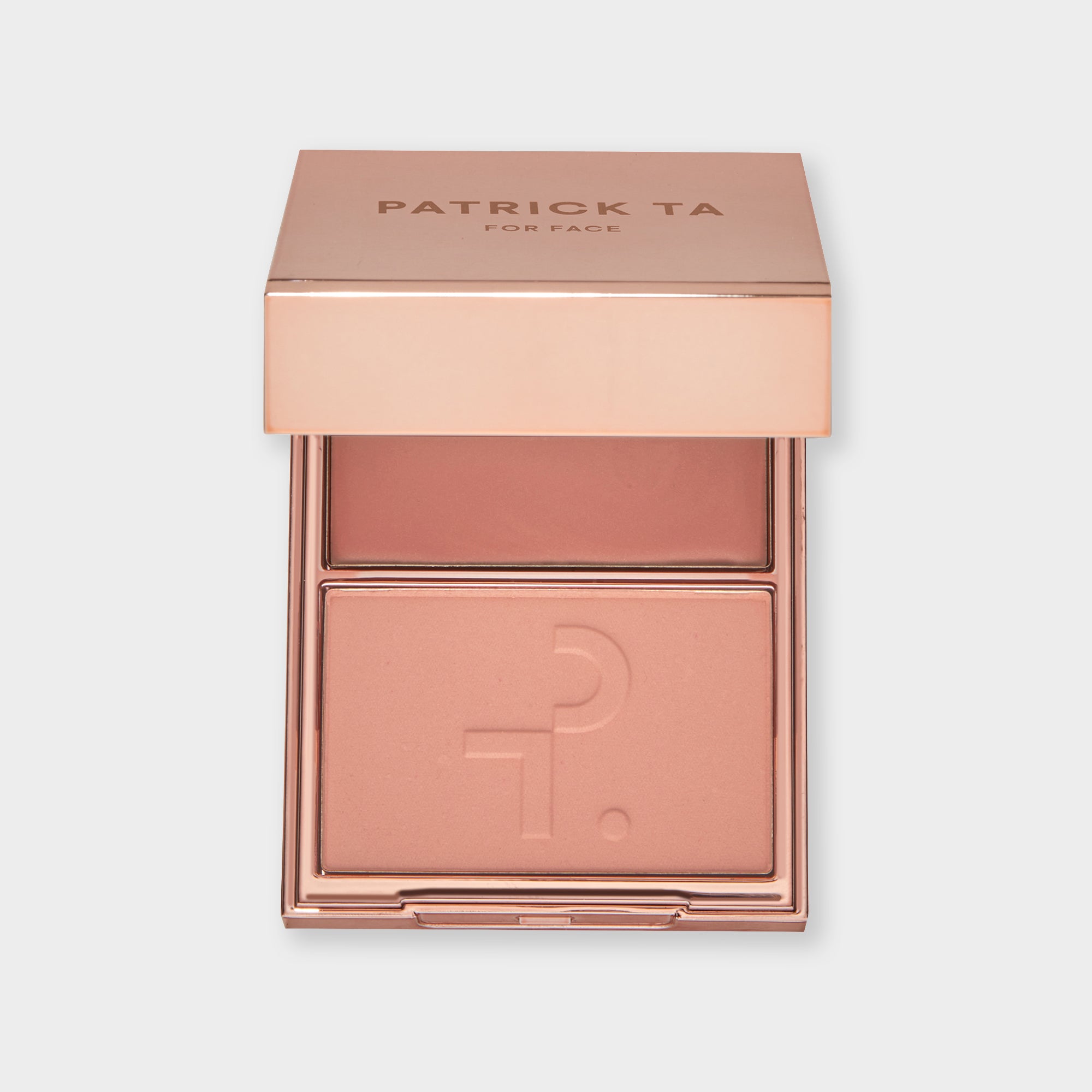
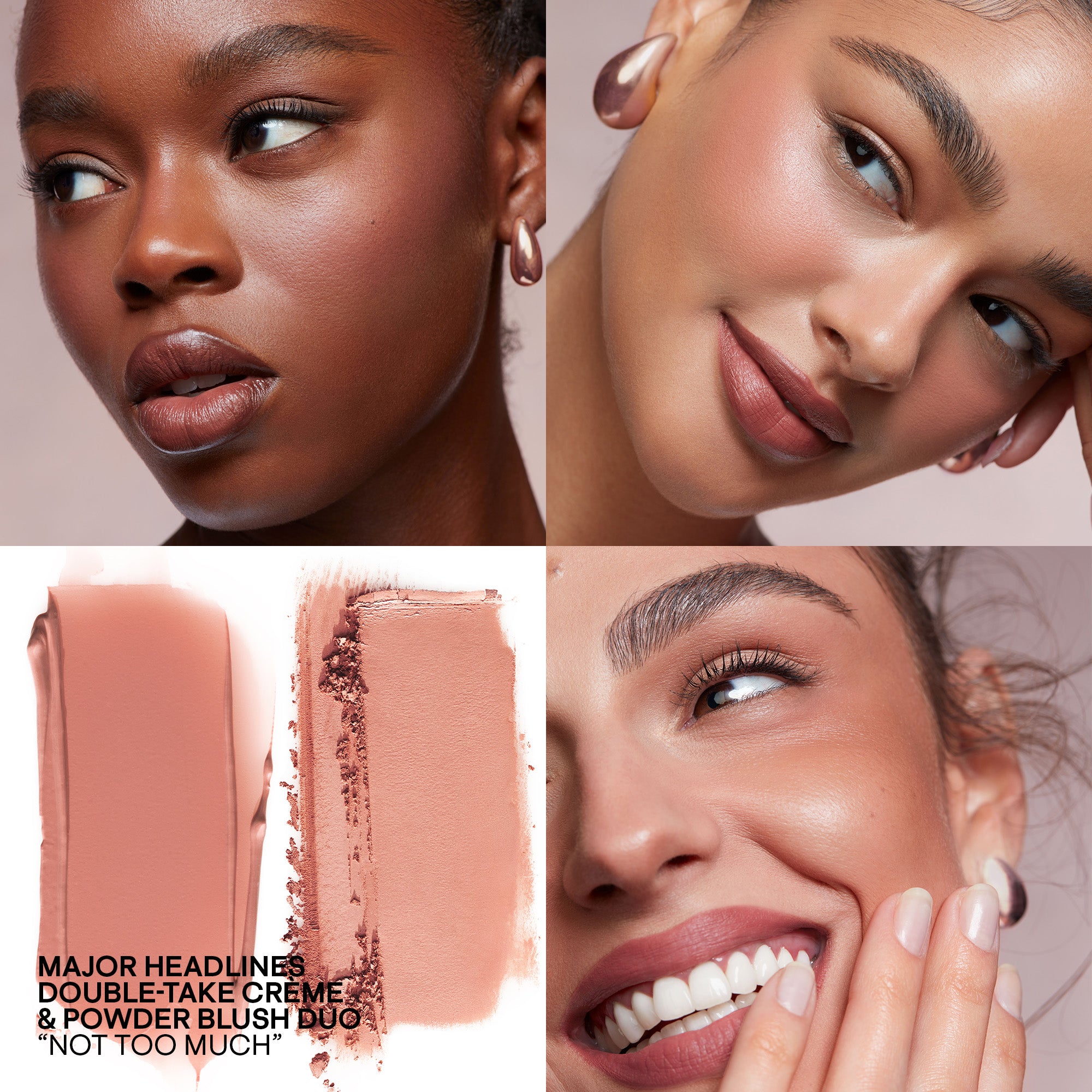
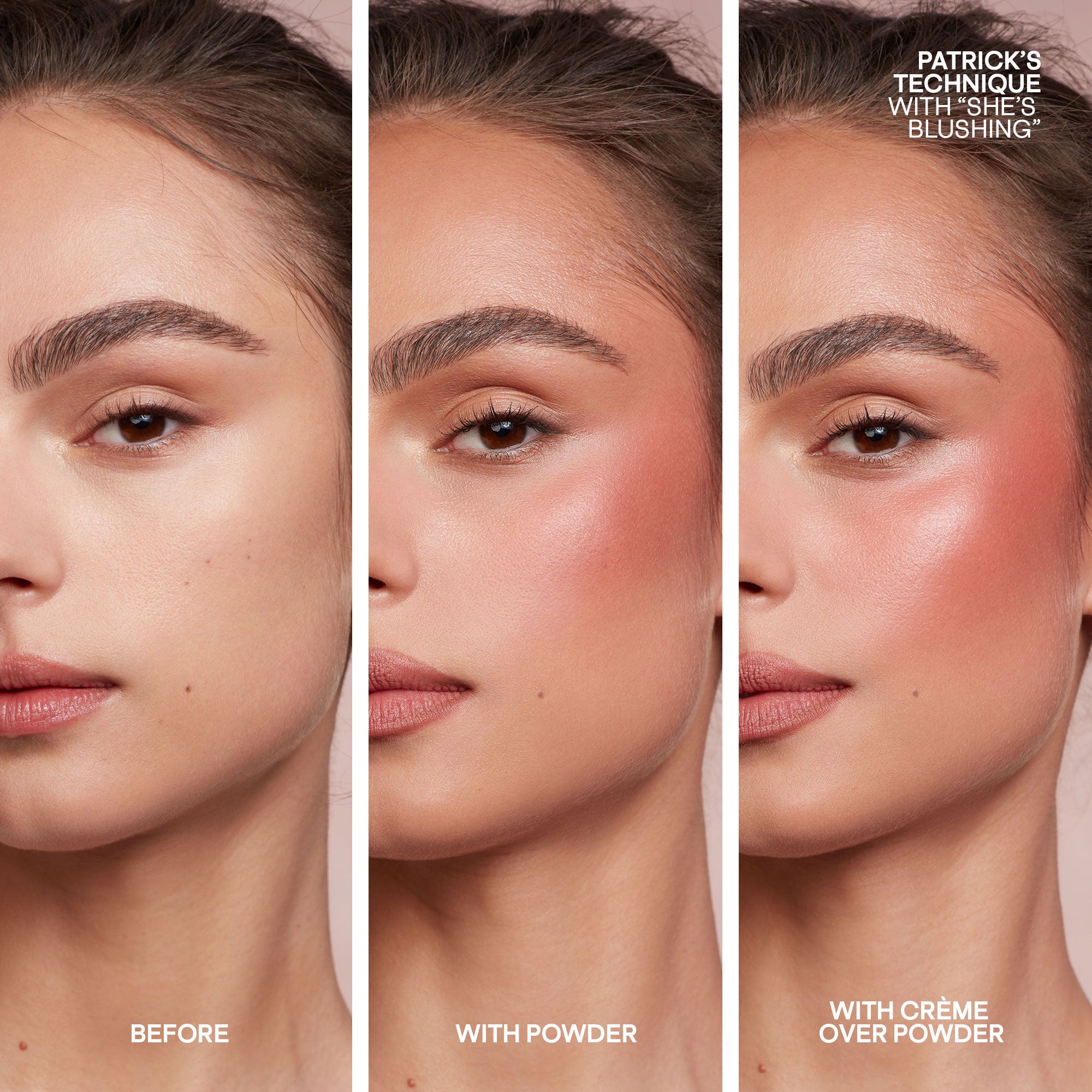
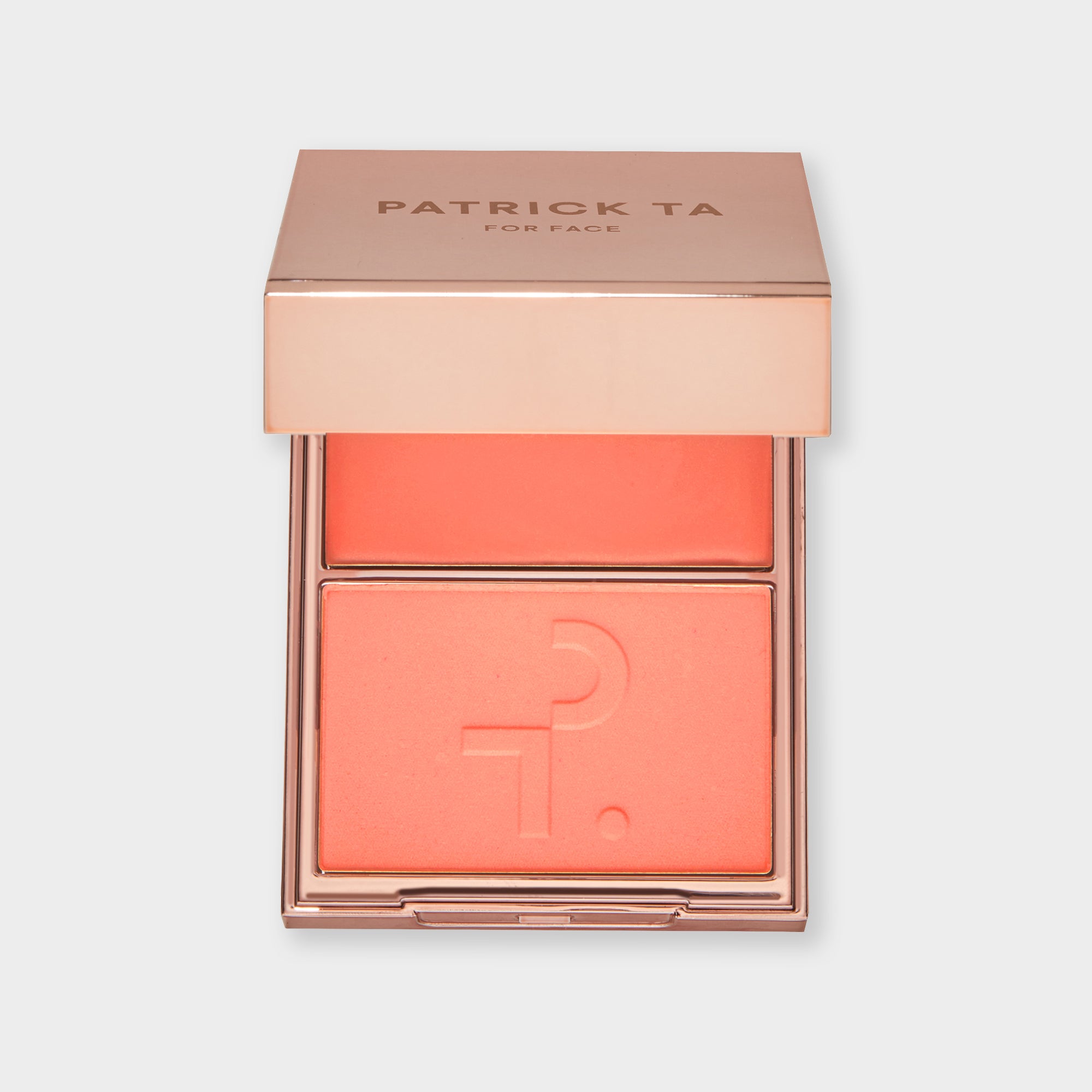
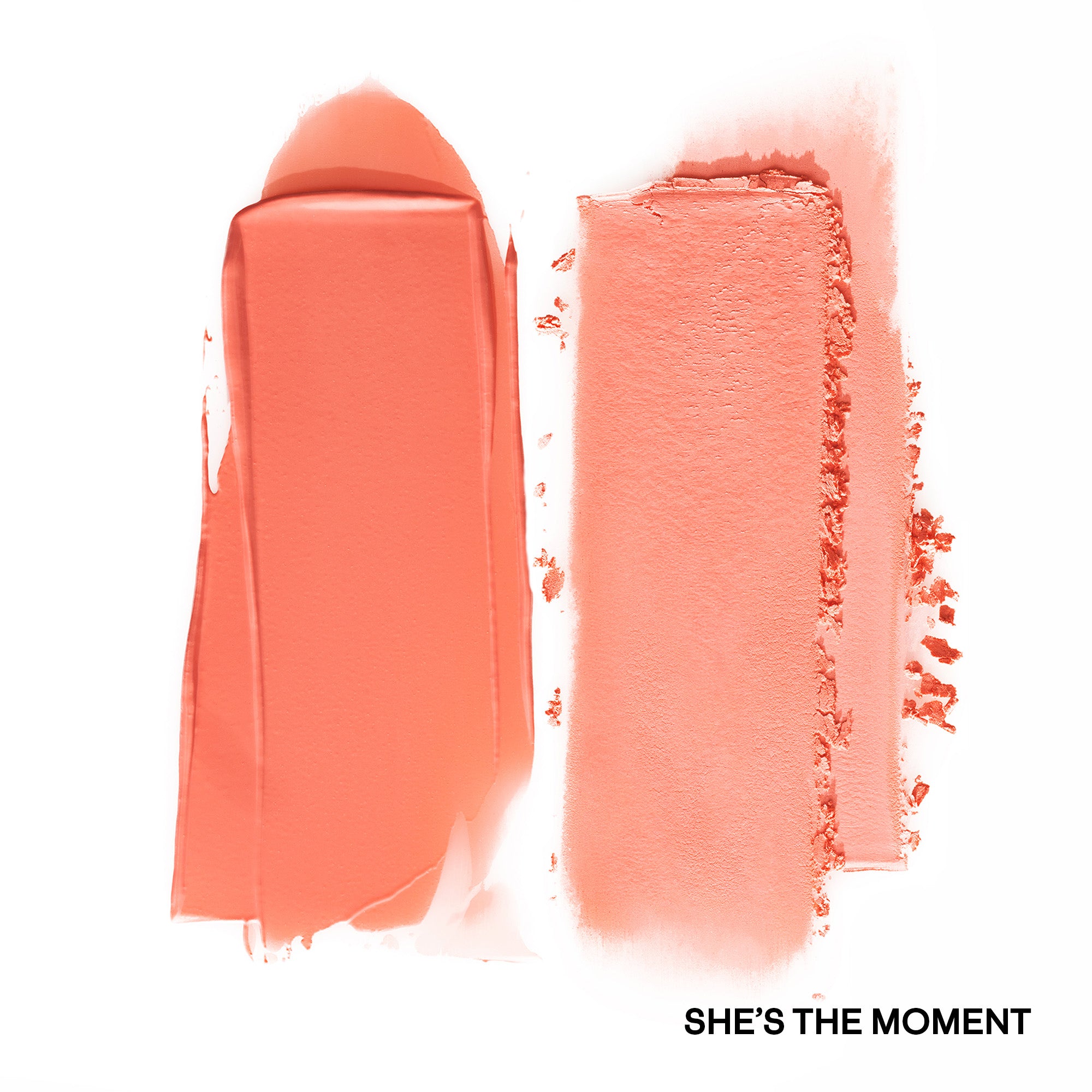
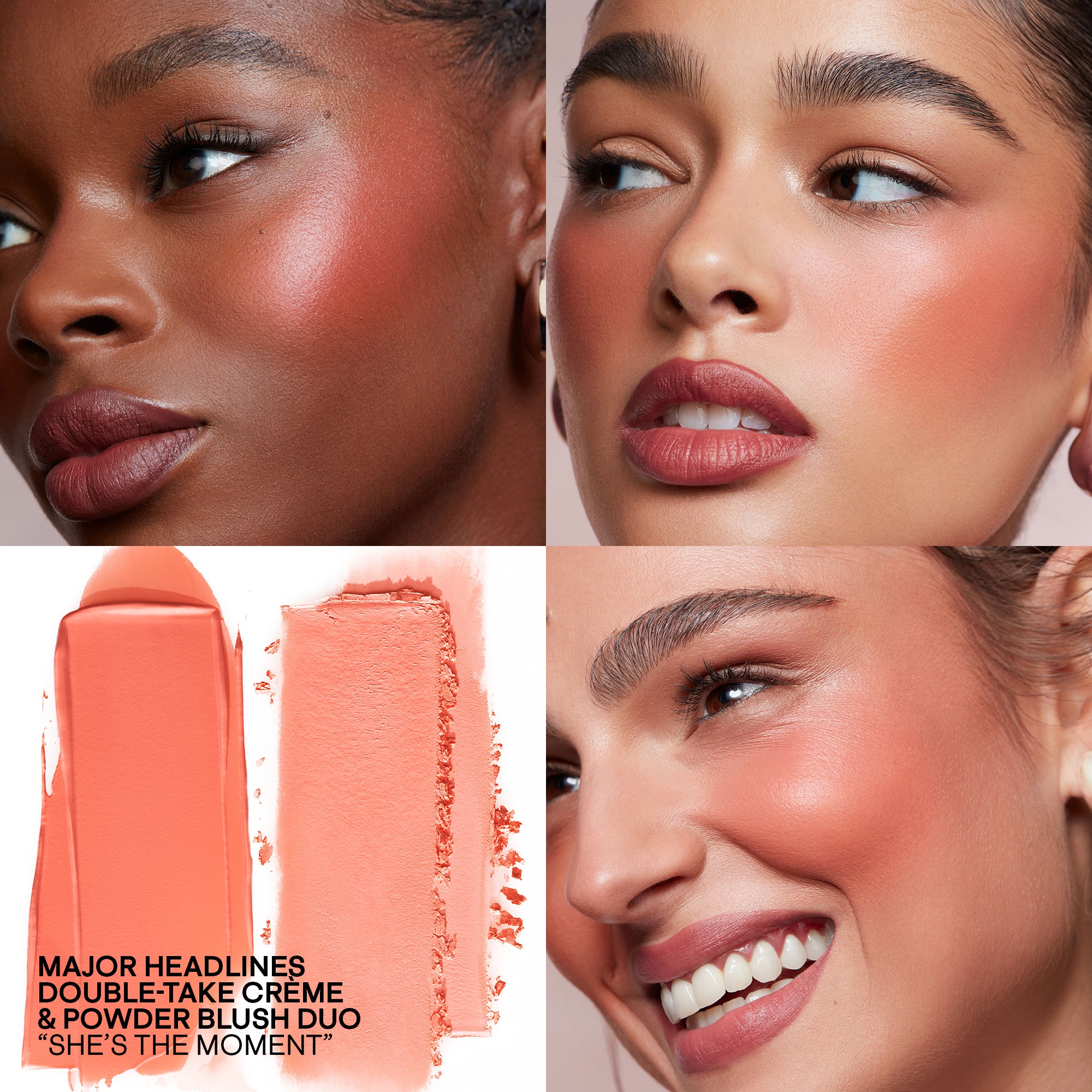
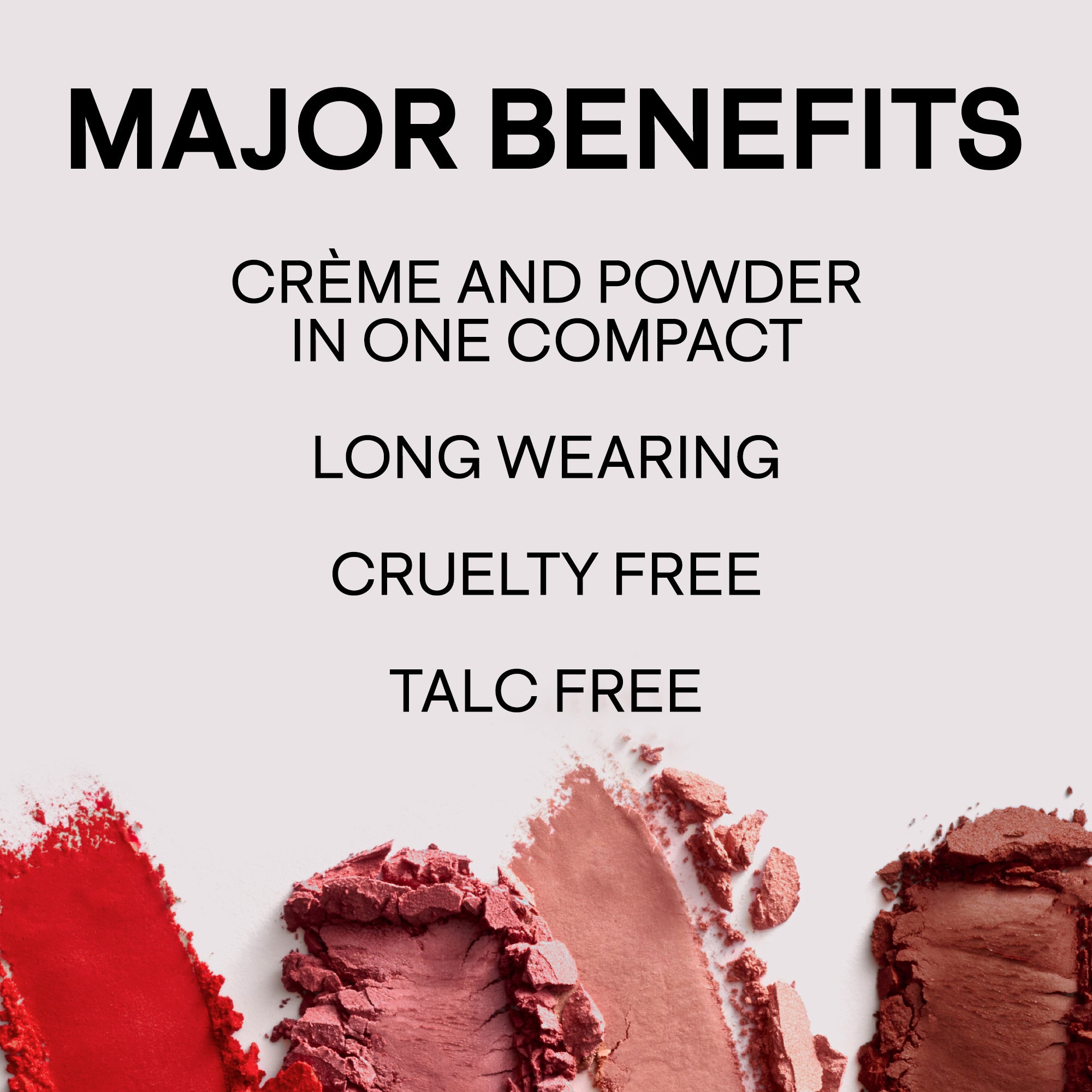
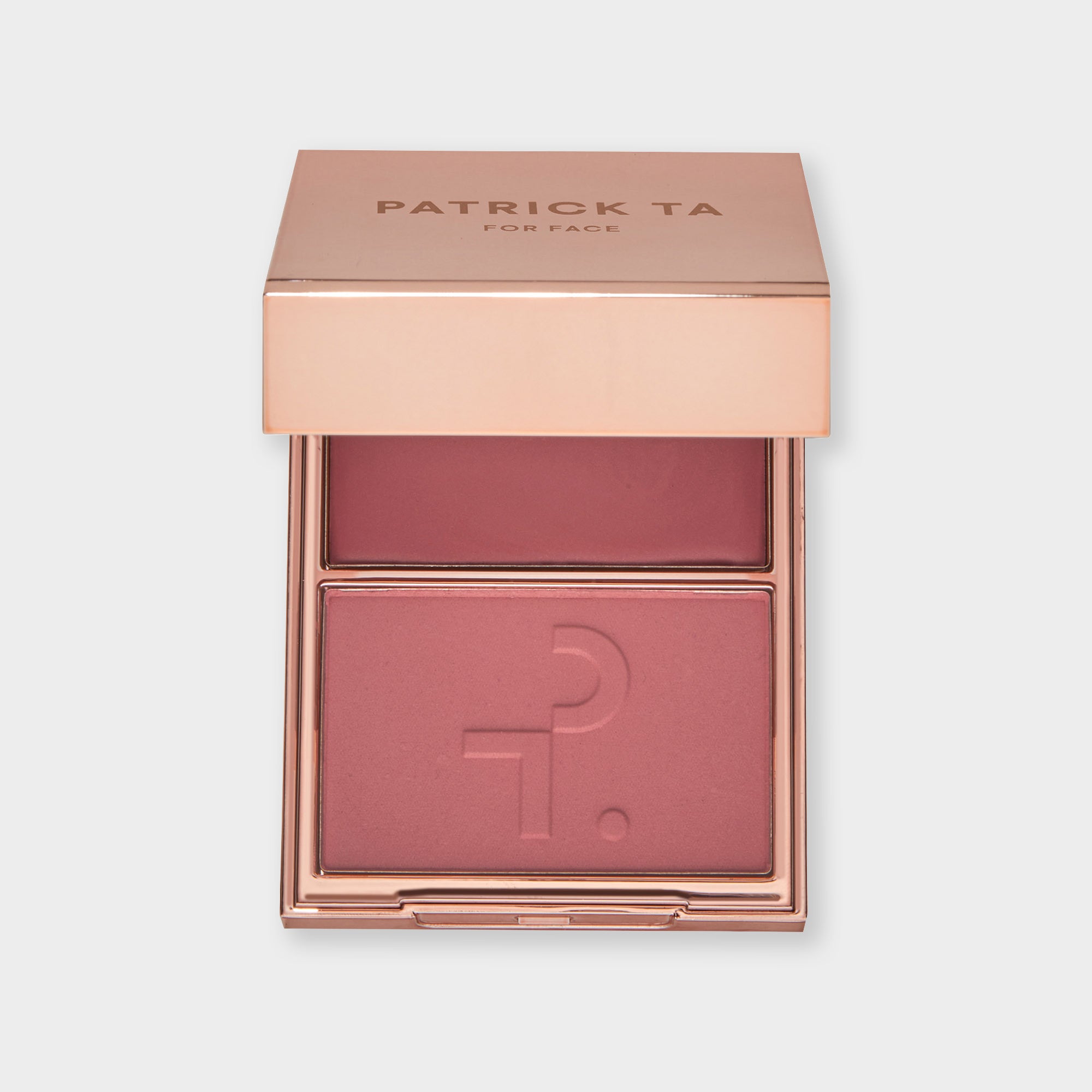
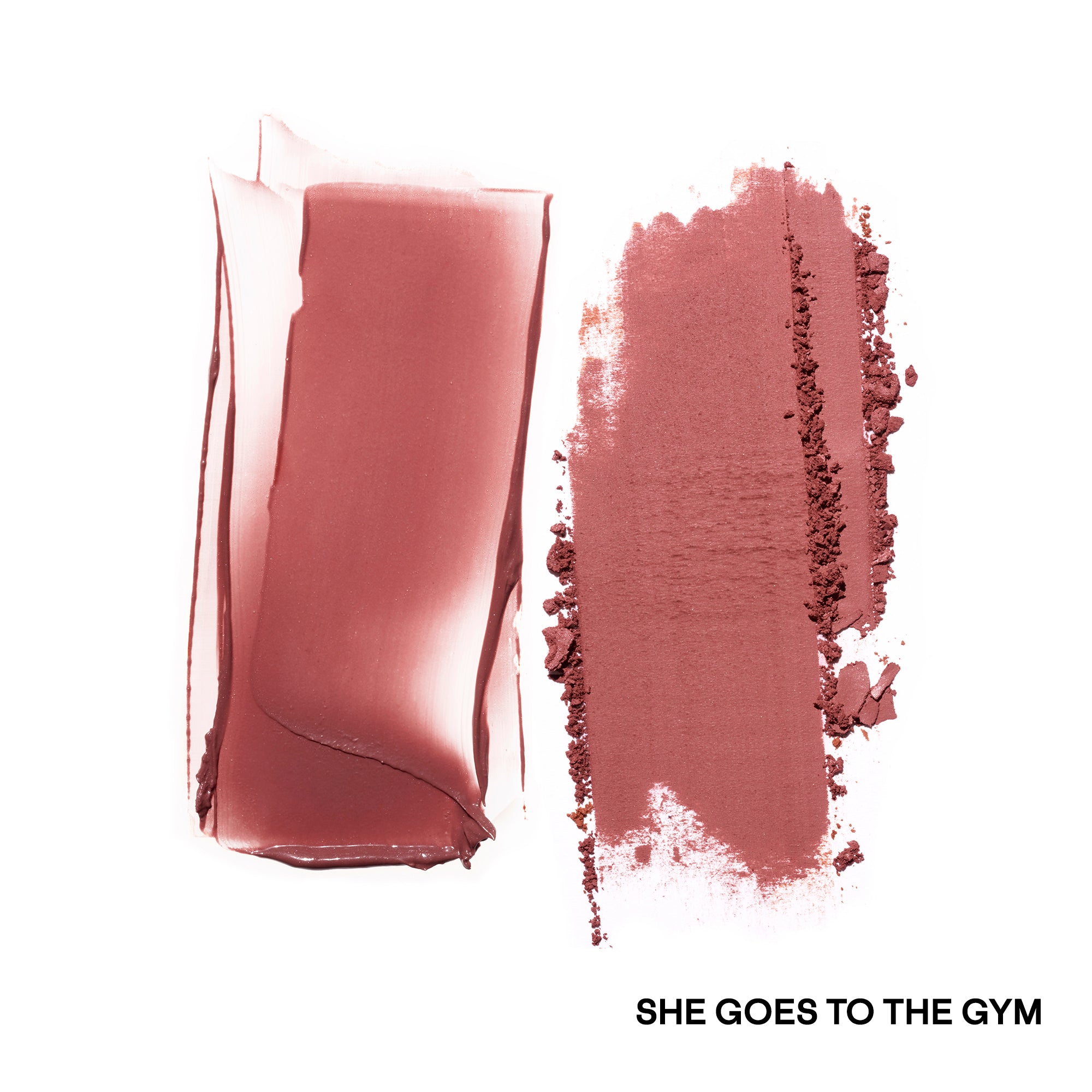
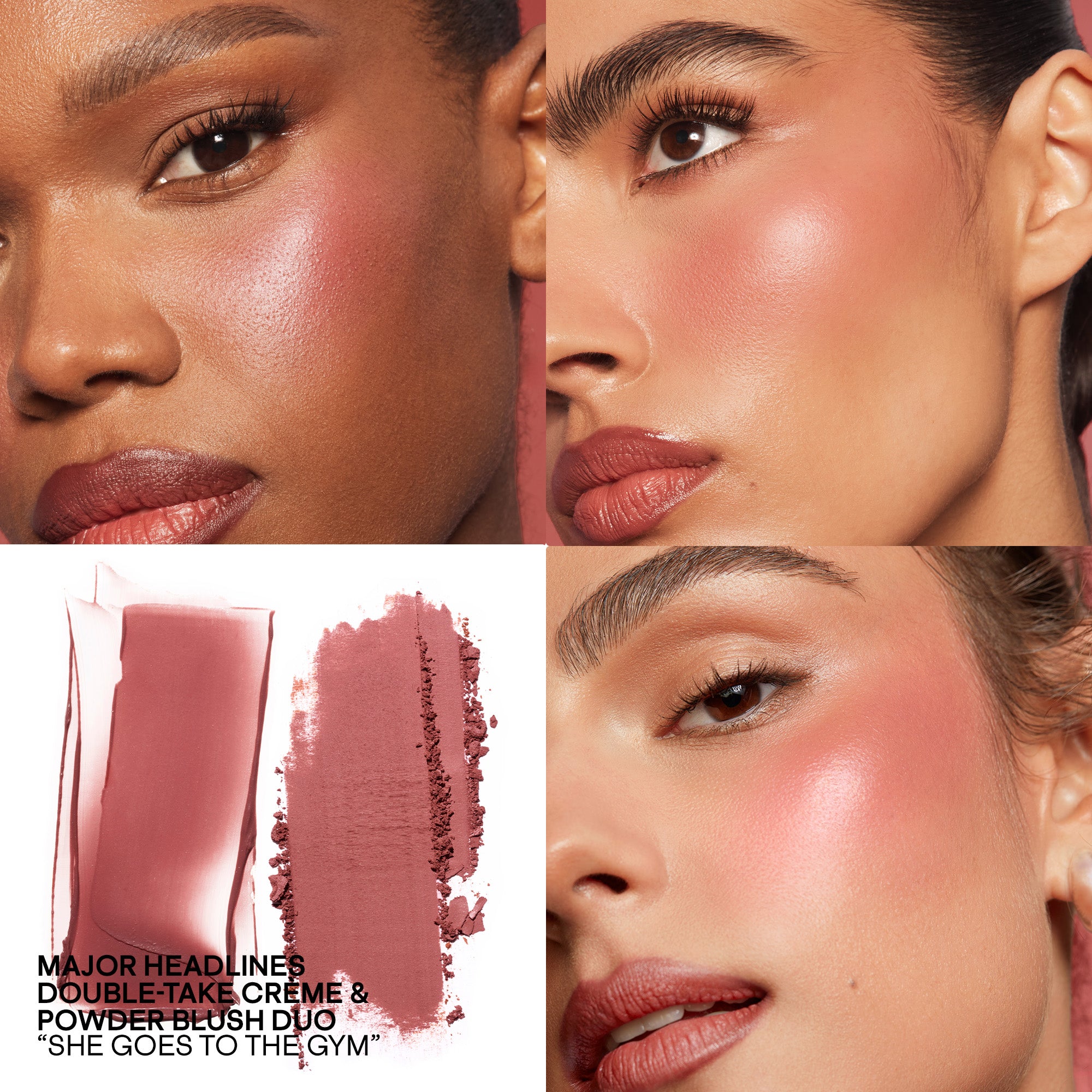
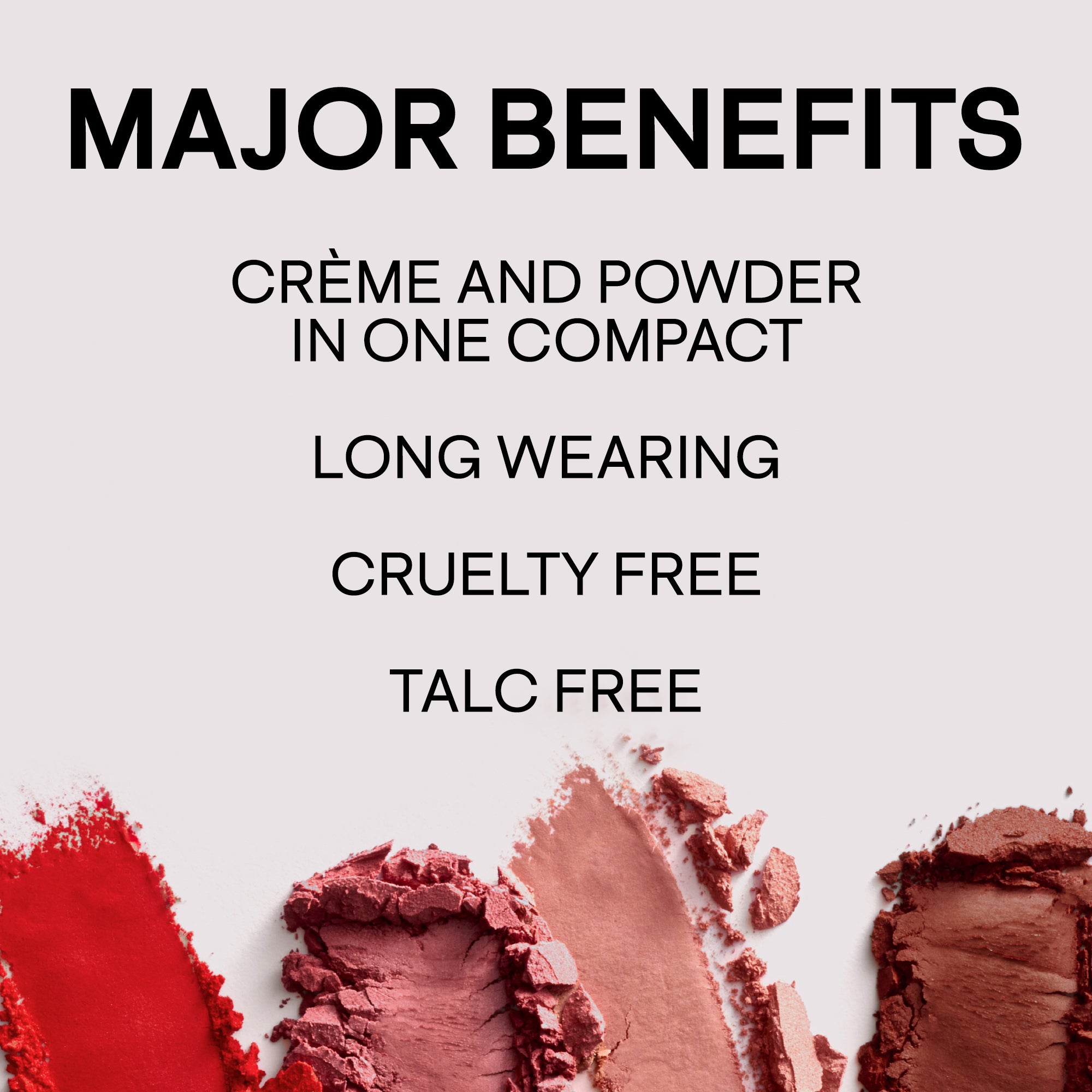
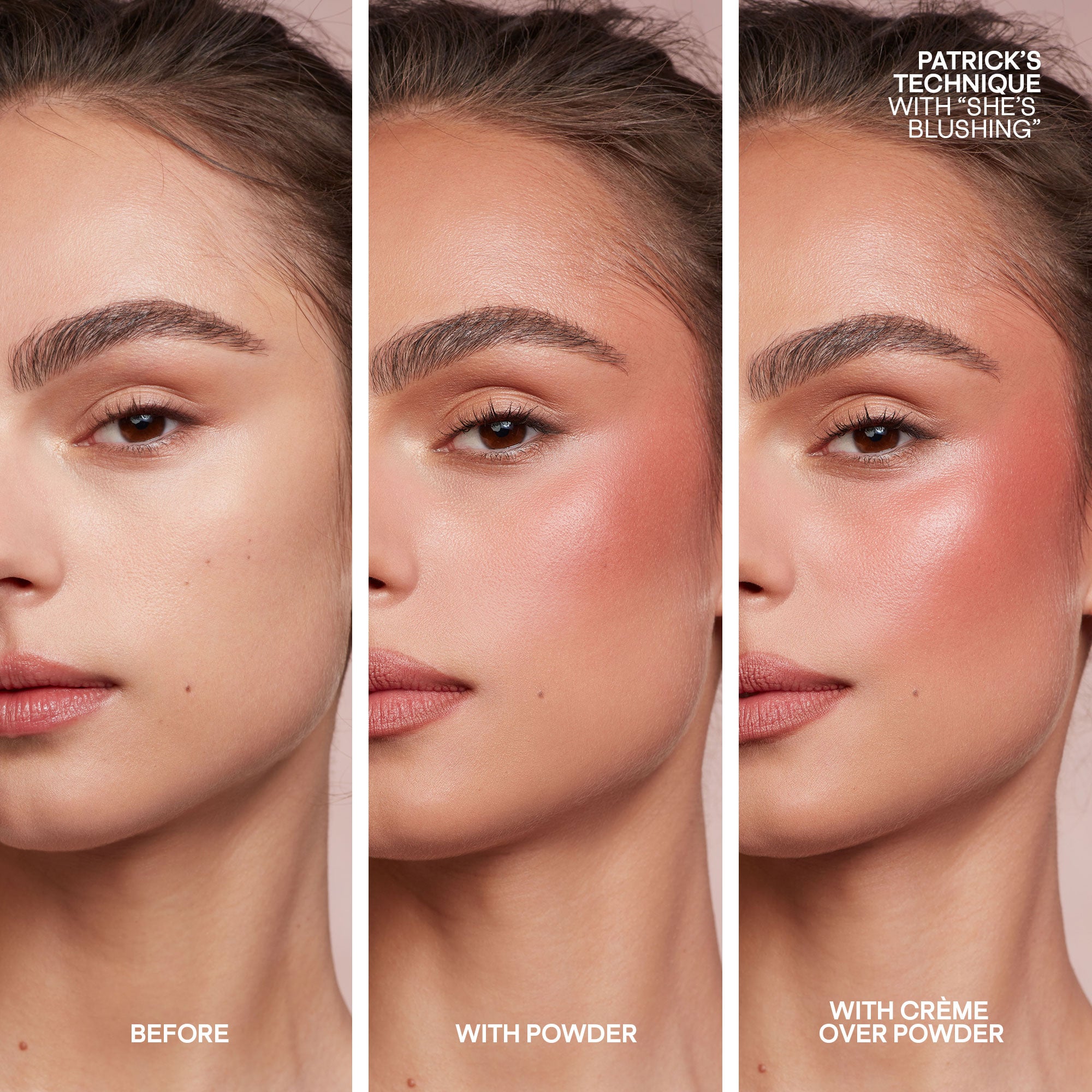
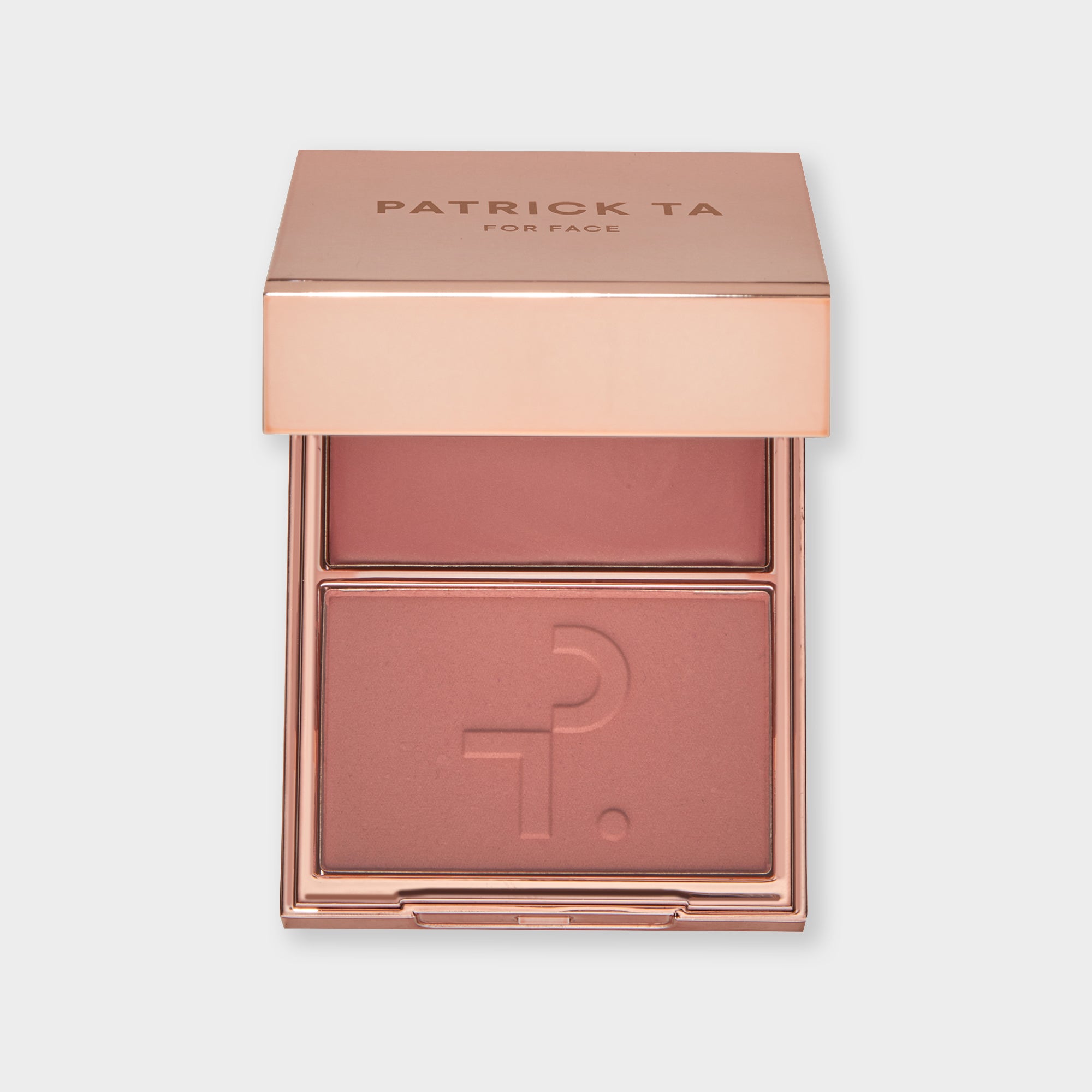
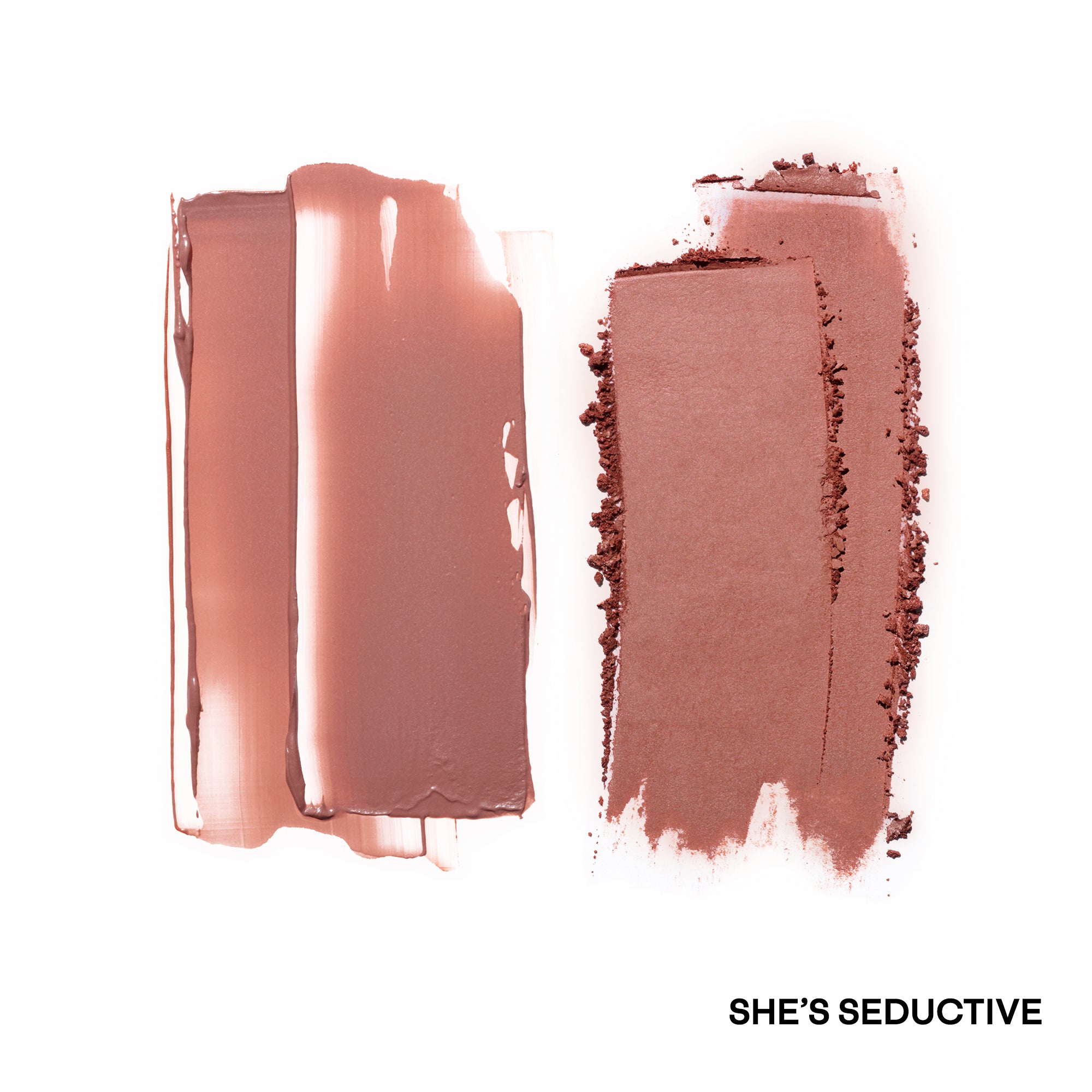
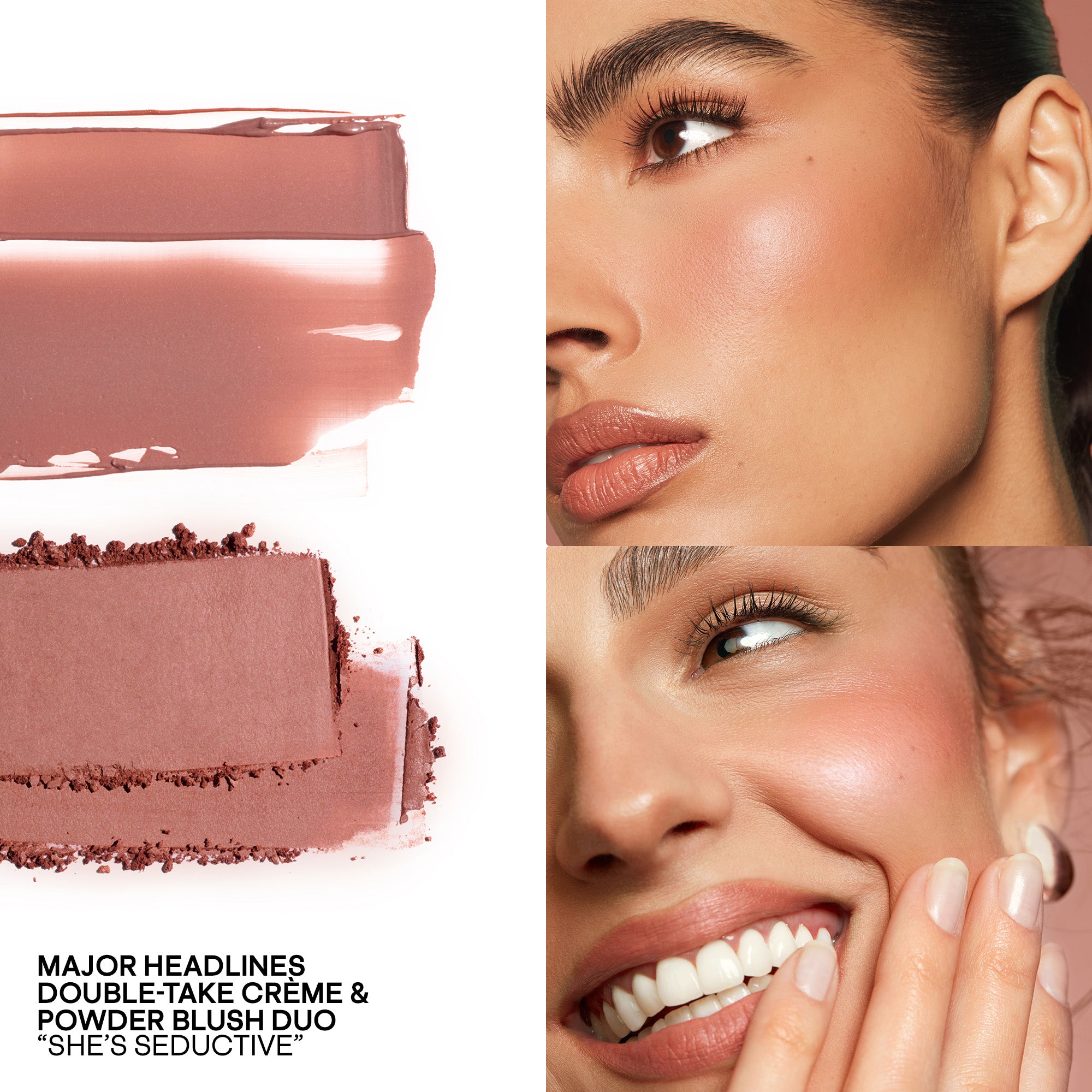
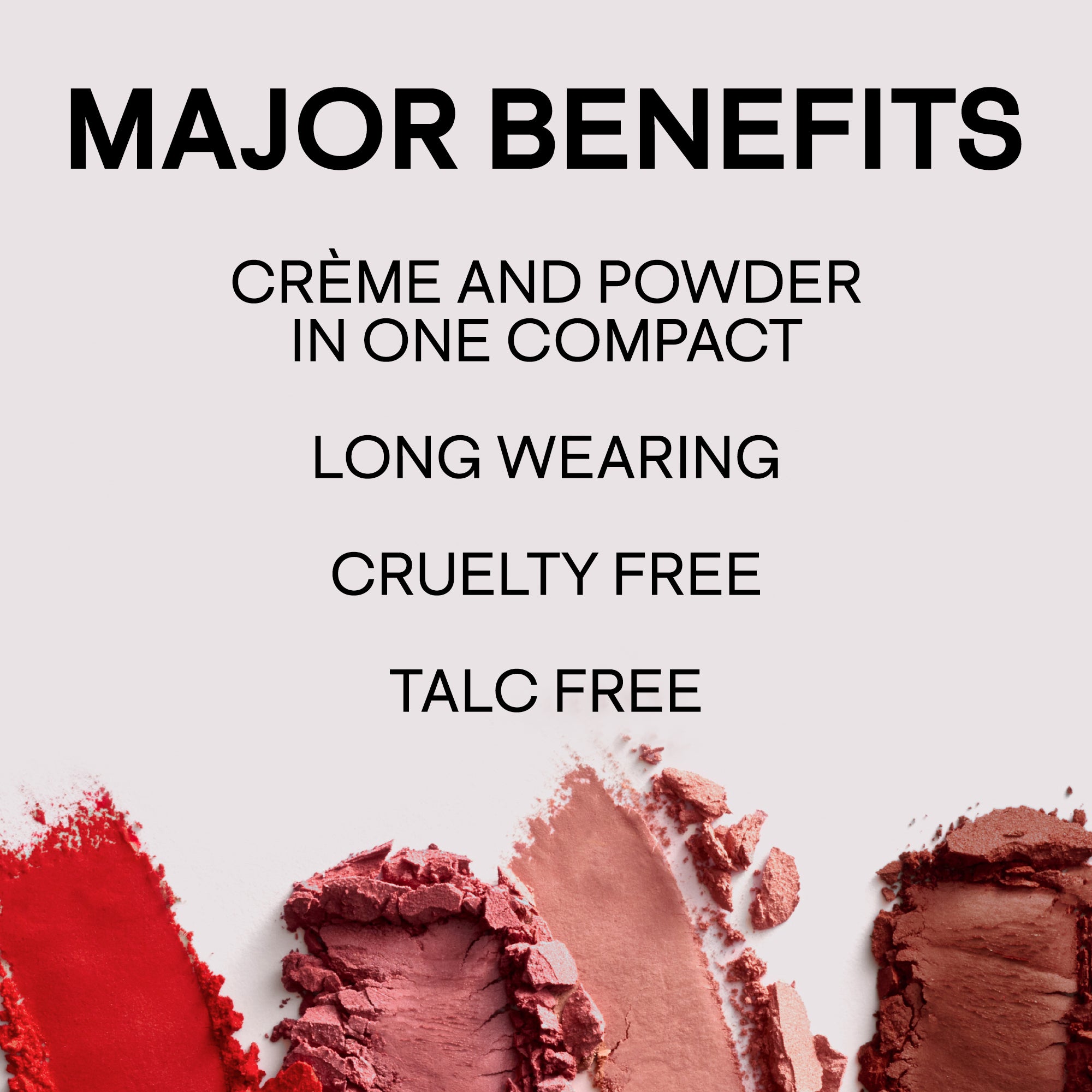
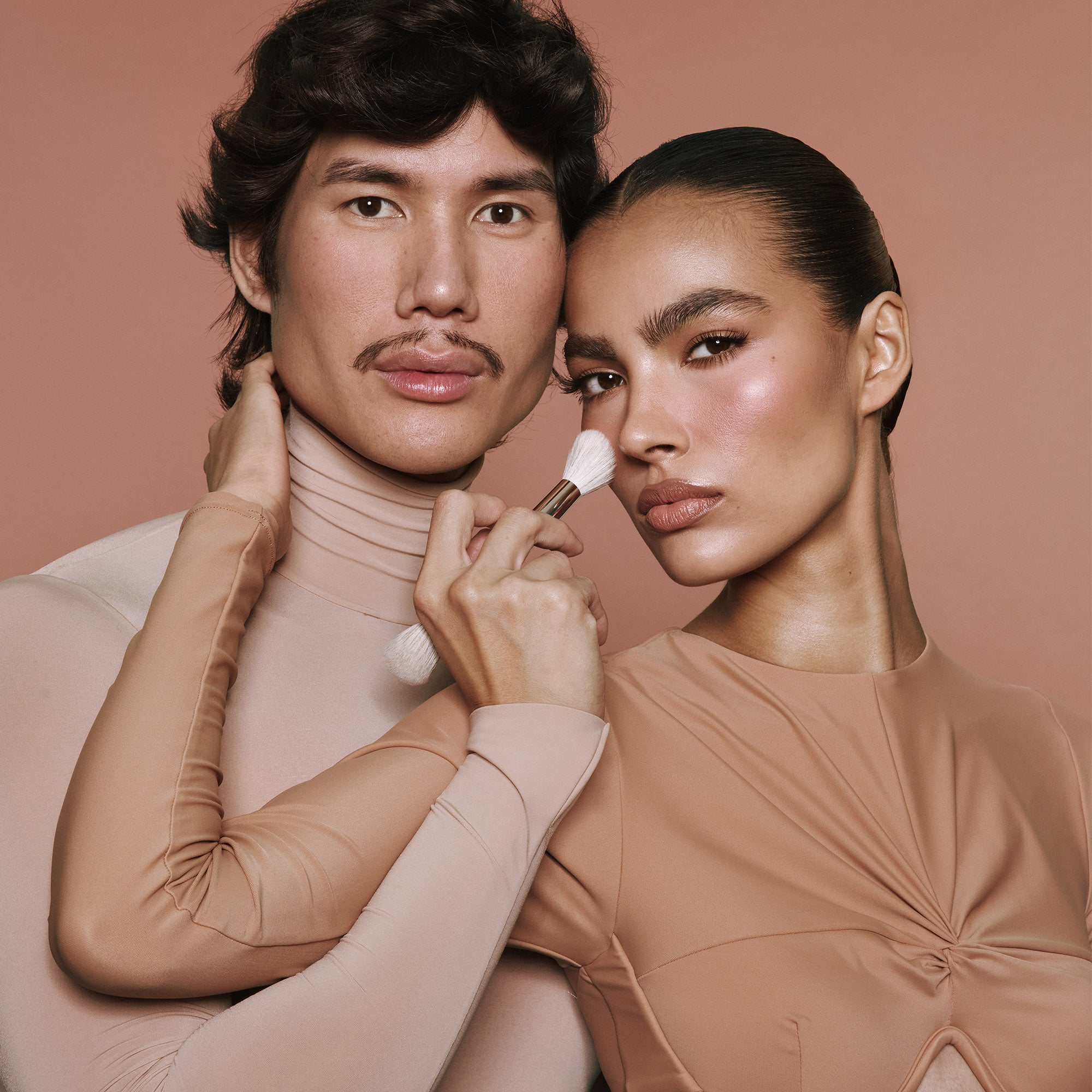
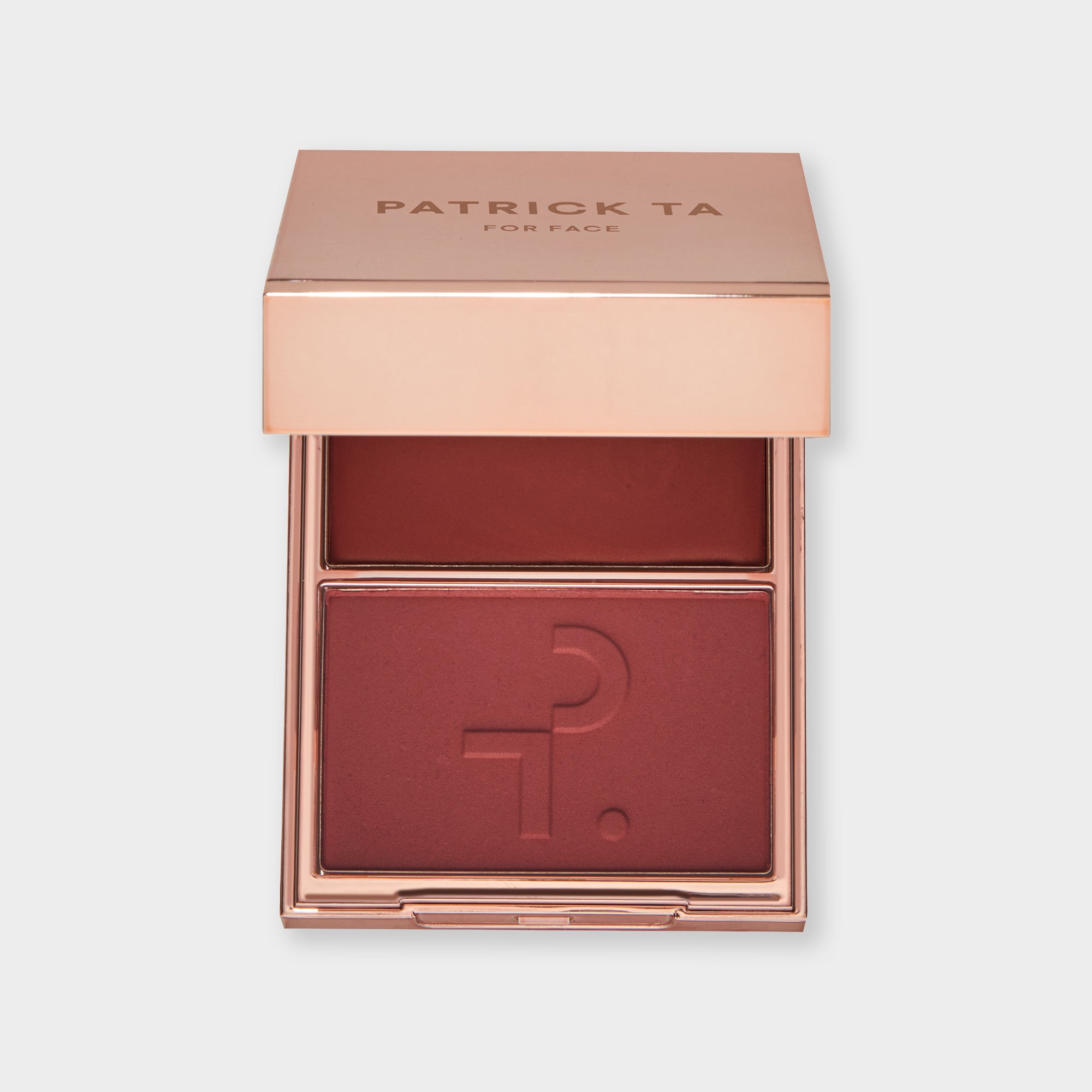
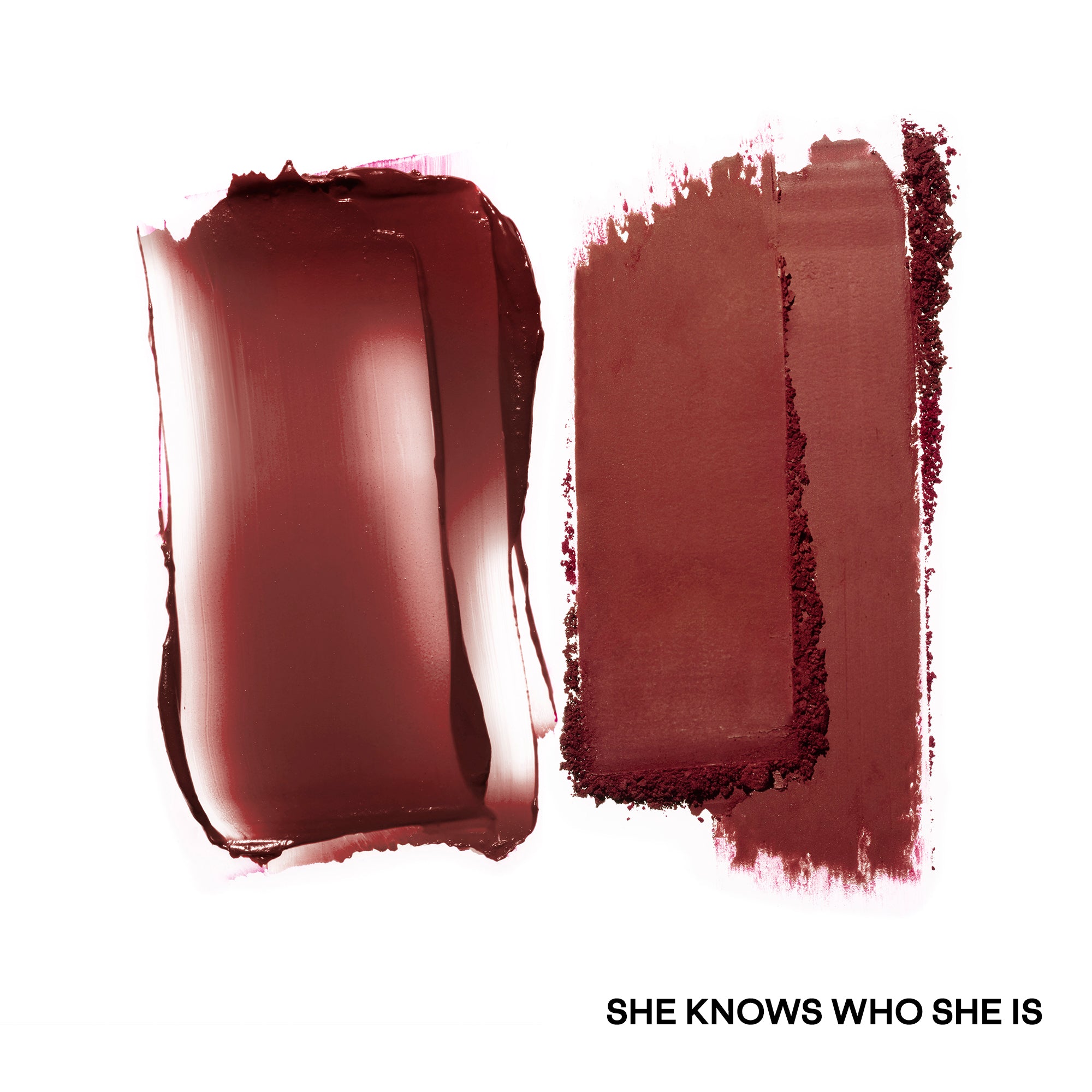
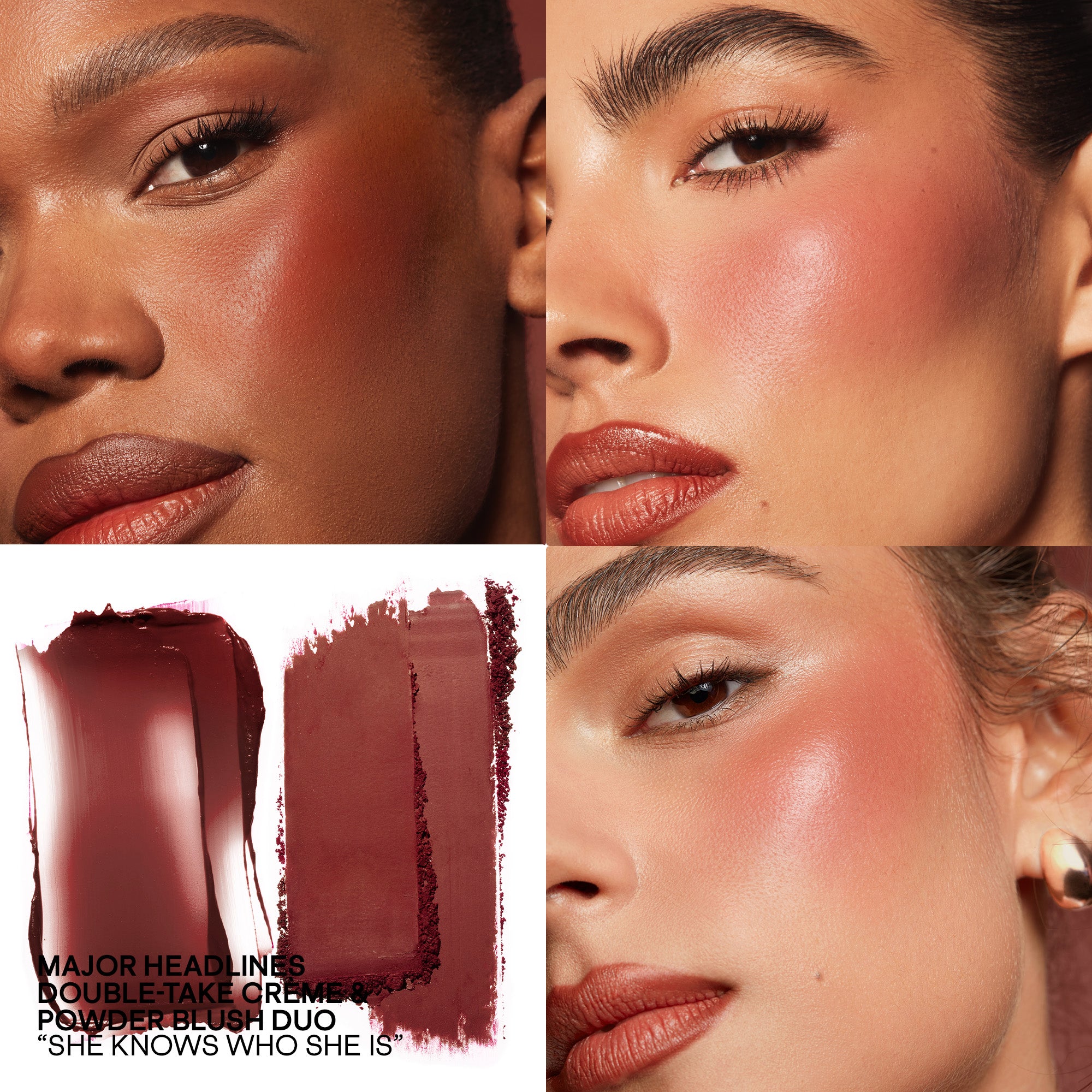
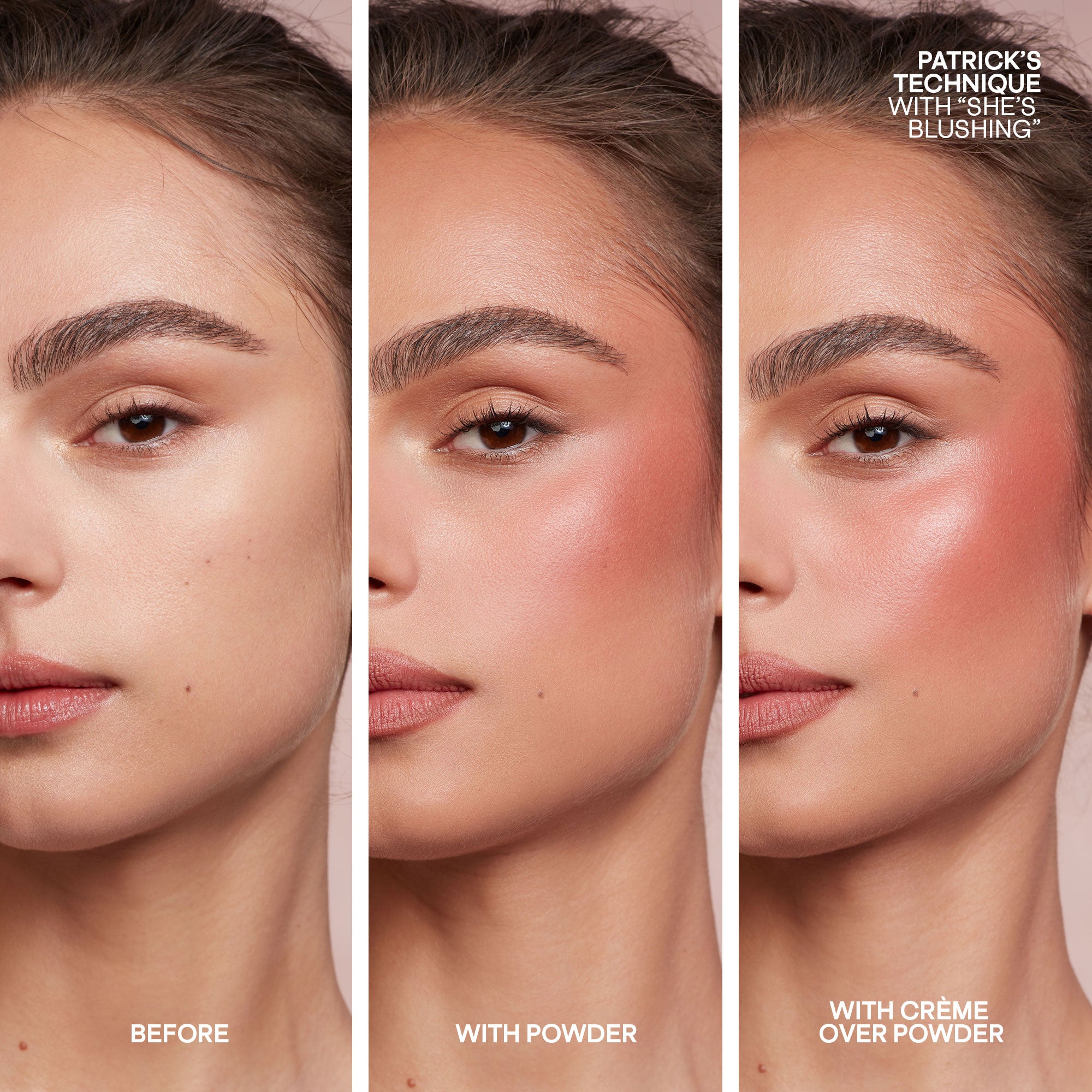
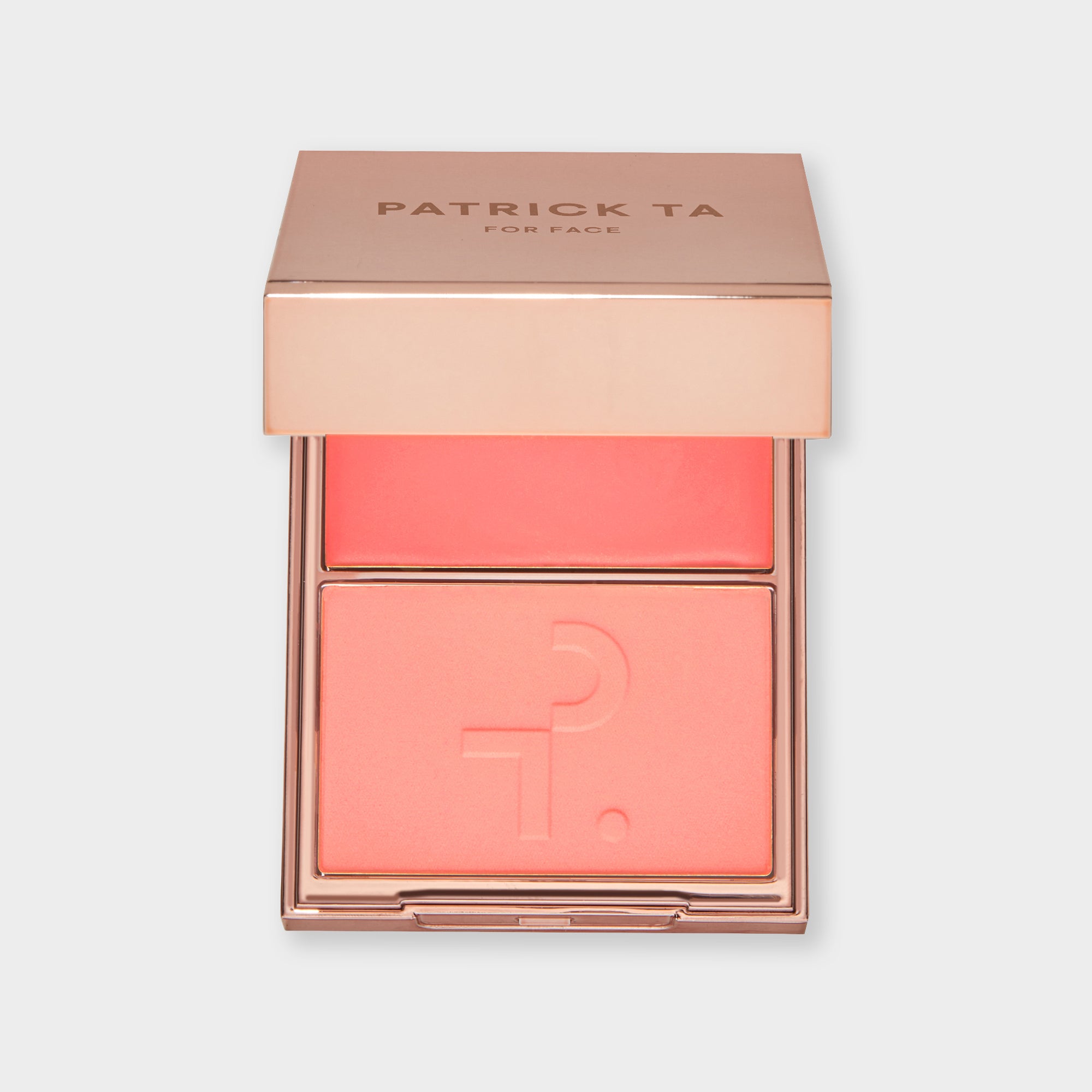
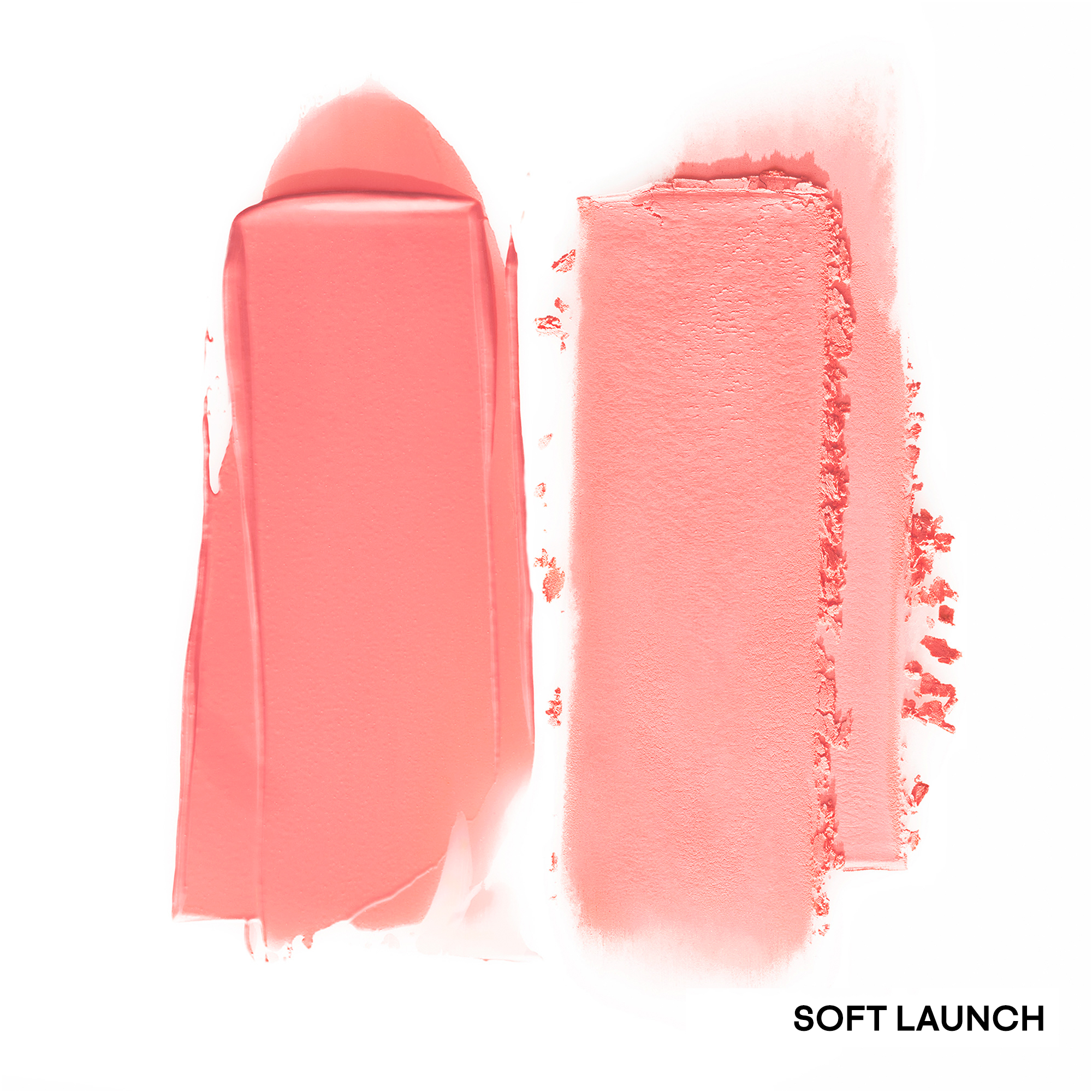
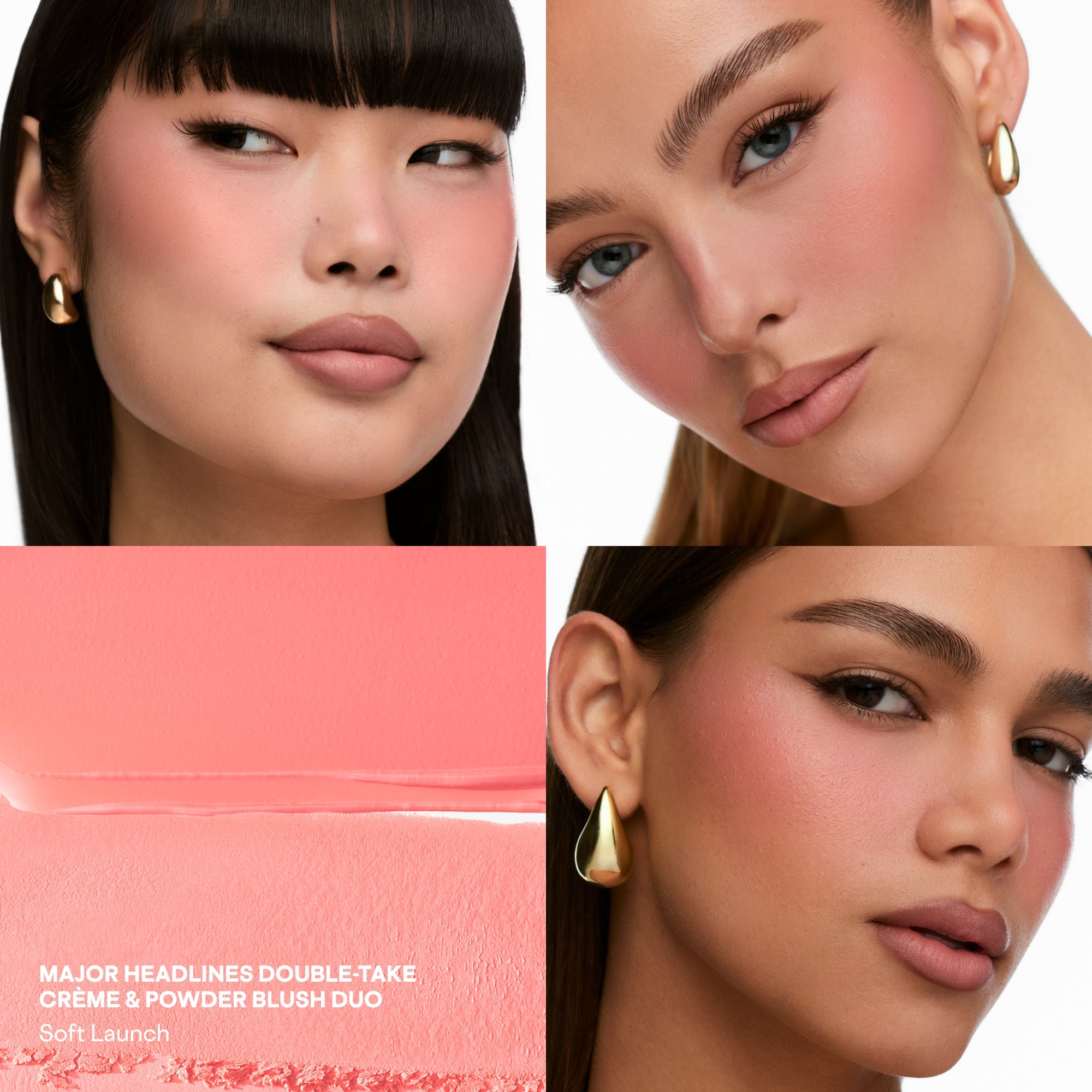
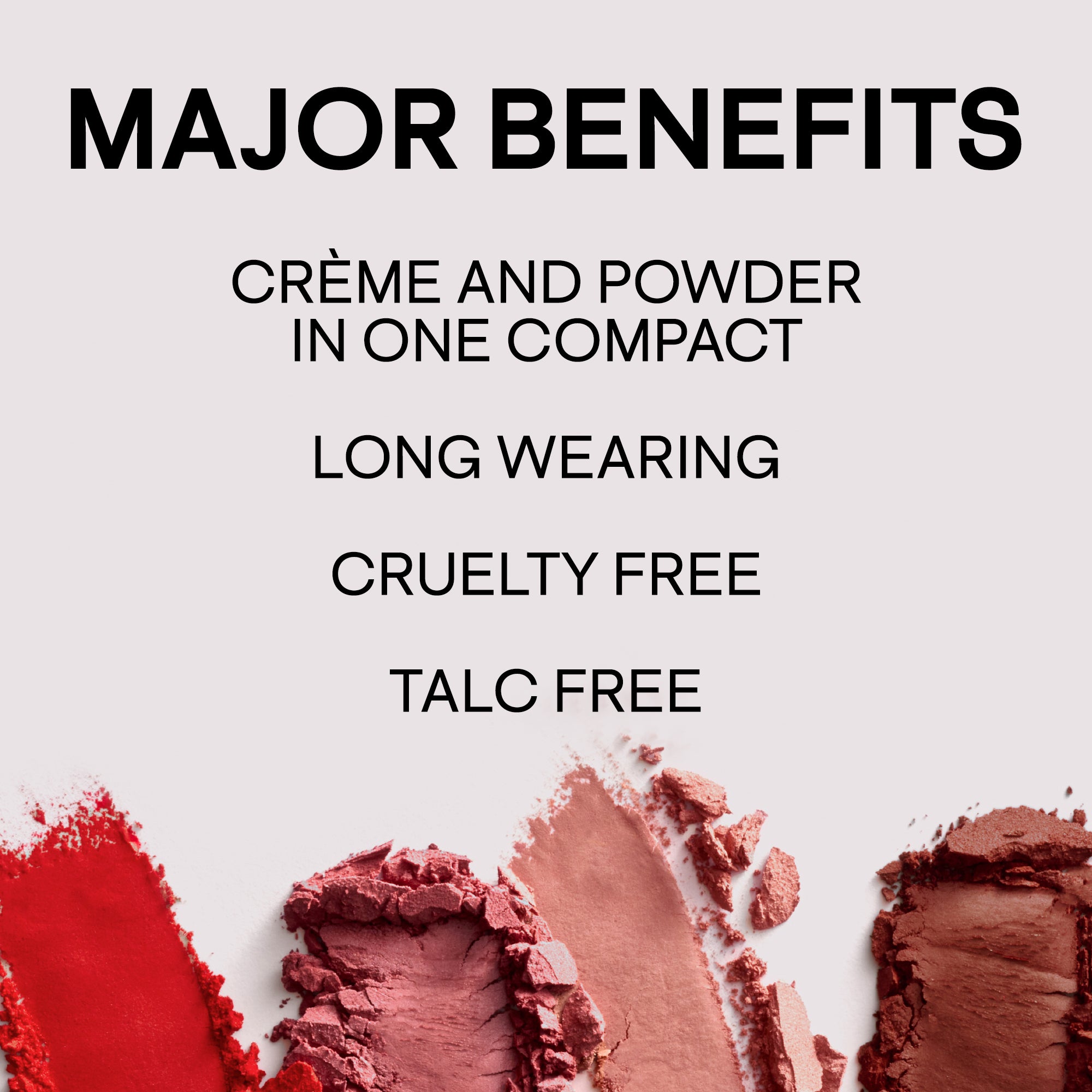
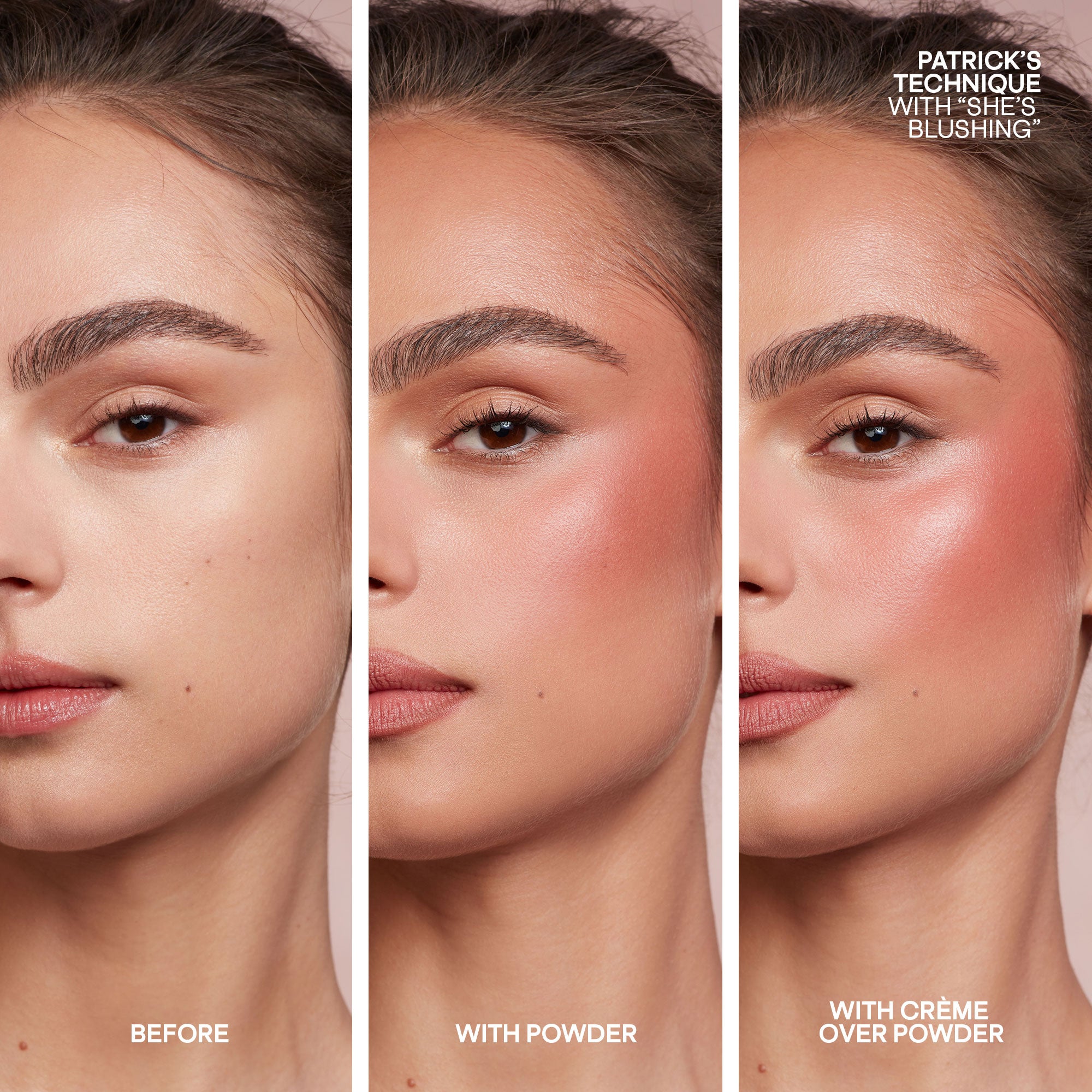
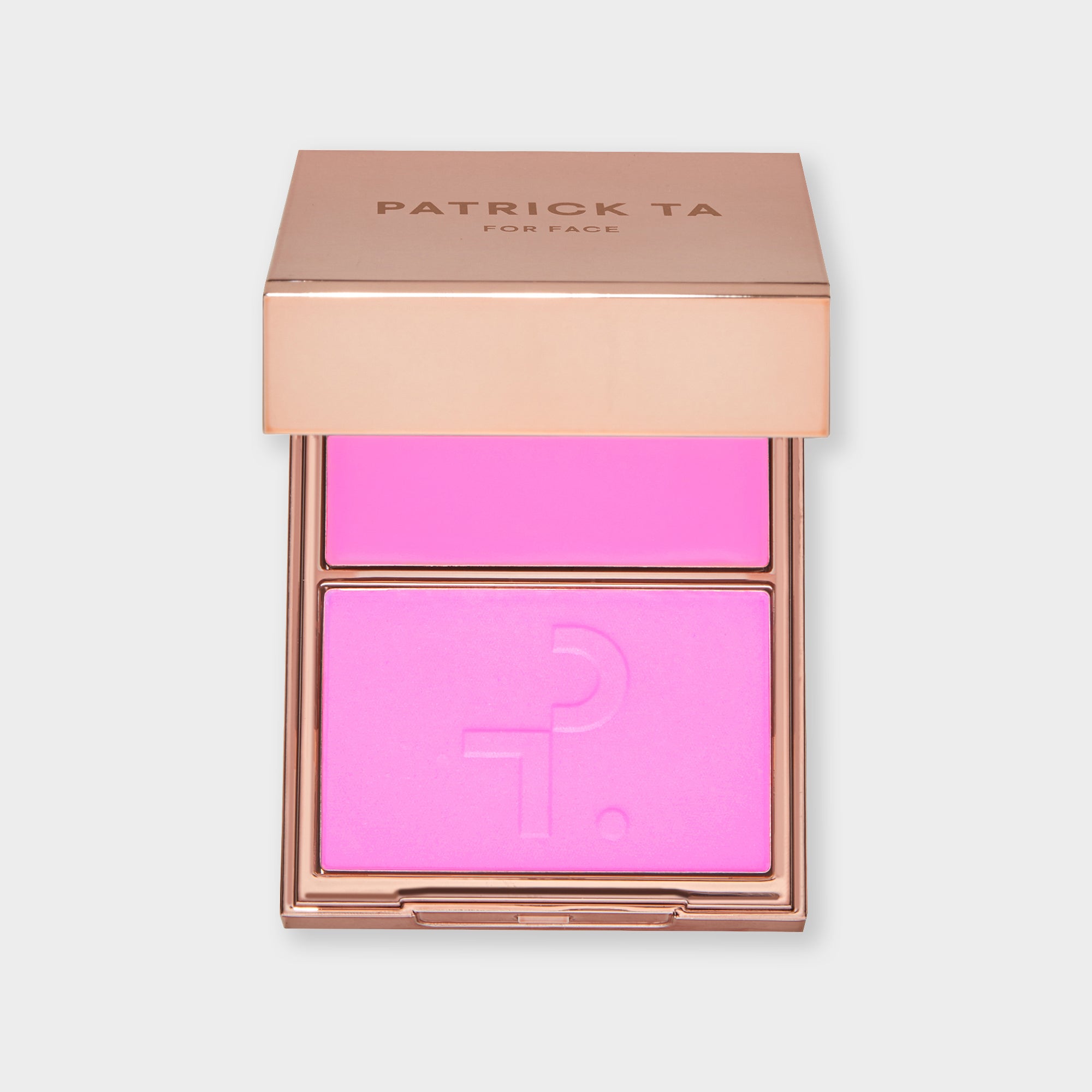
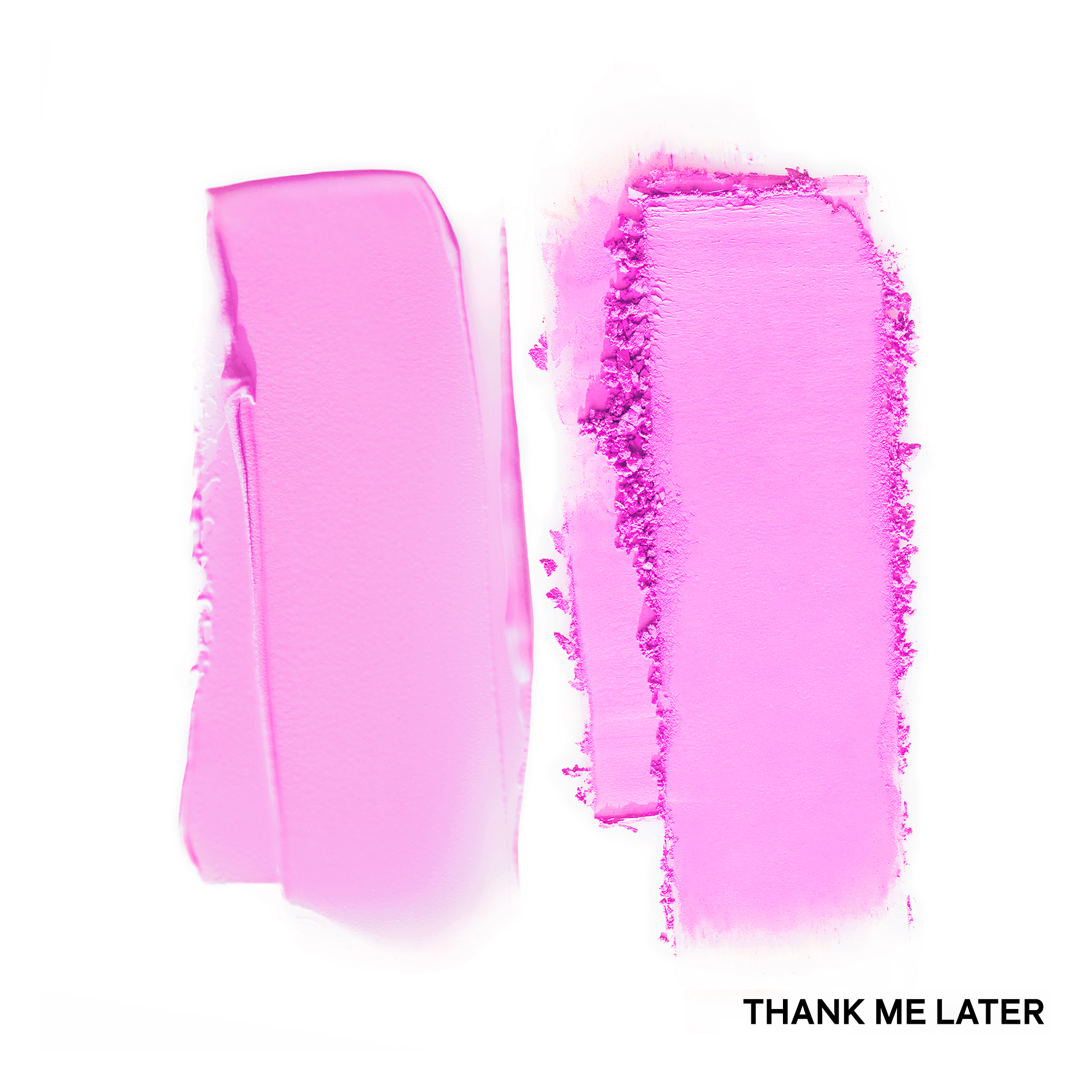
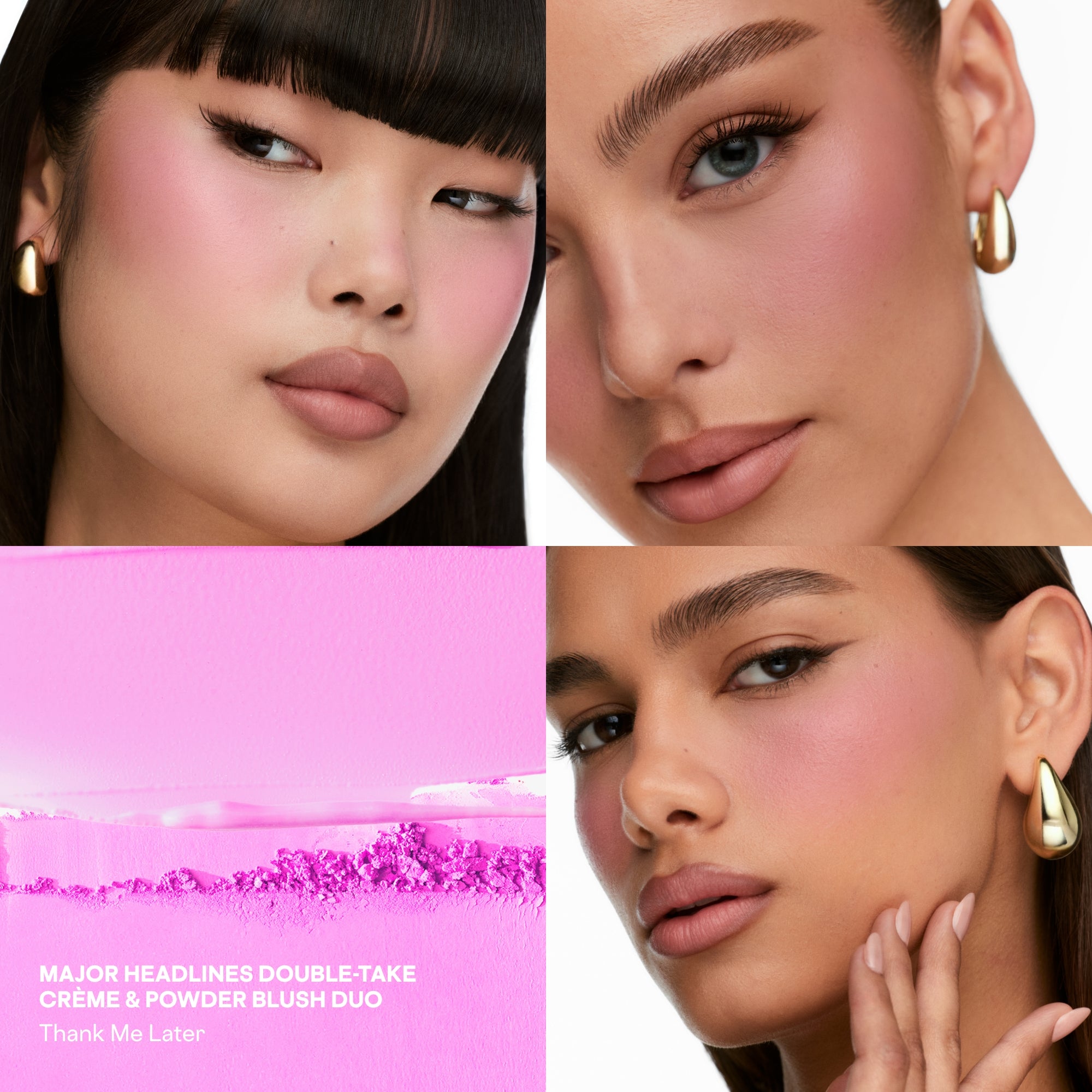
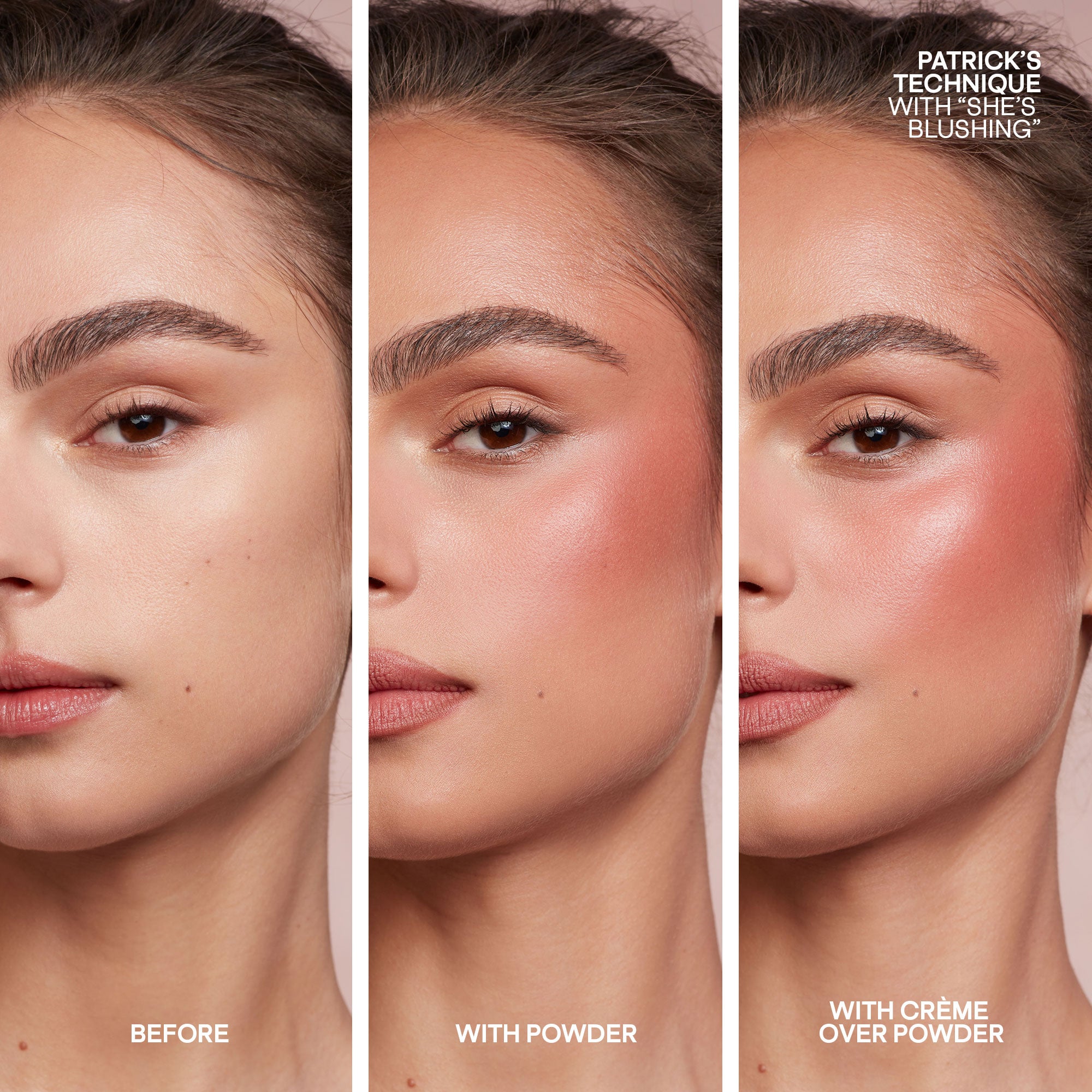
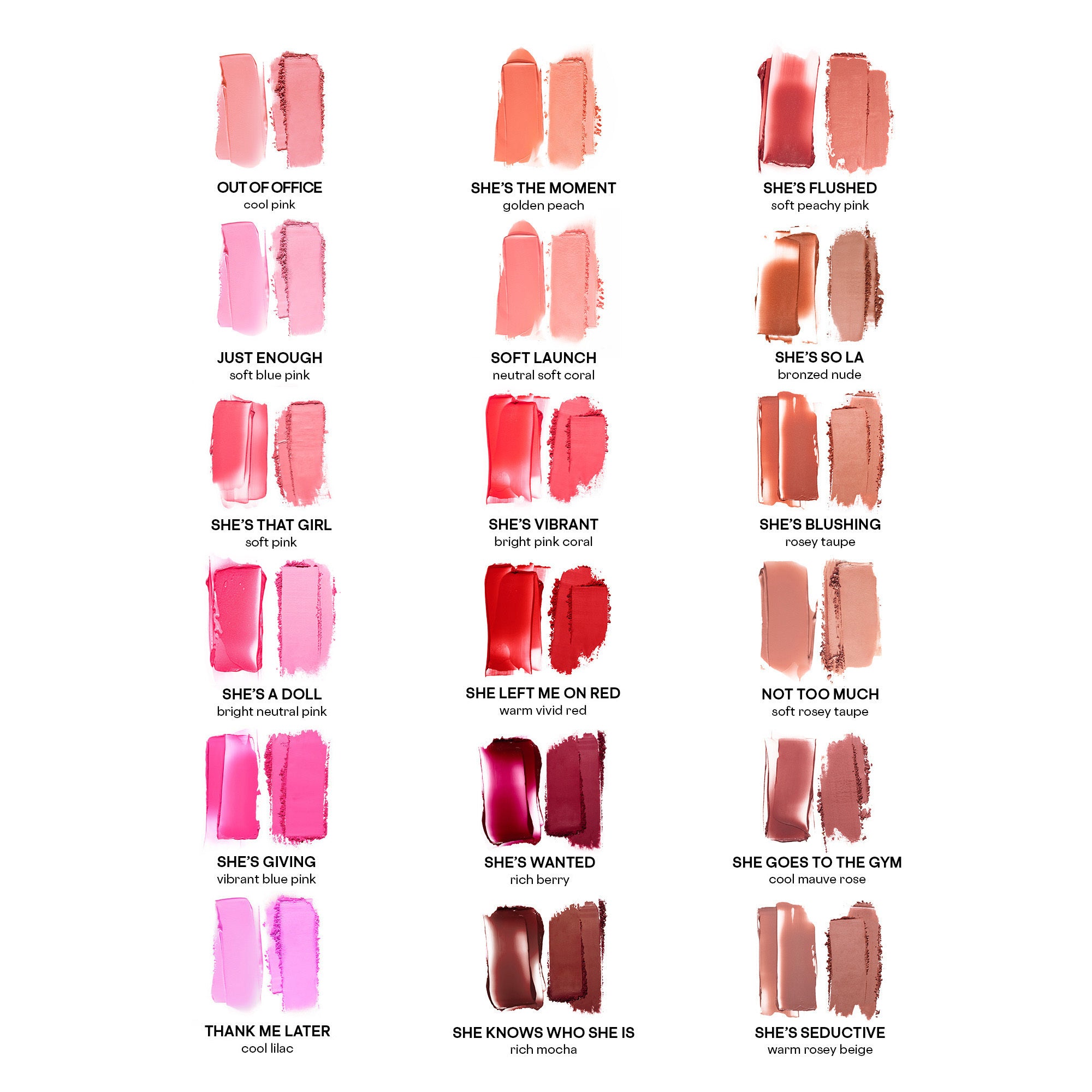
For a professional, red carpet-ready glow, try layering powder and cream blush together. Start with powder for a long-lasting base, then stamp cream blush on top for multidimensional color and a luminous finish. Patrick Ta’s Major Headlines Double-Take Crème & Powder Blush Duo makes this technique effortless, featuring both a hydrating cream and a blendable powder in one palette.

Choosing the Right Blush Shade for Your Skin Tone
Selecting a blush color starts with your skin tone and undertone:
- Light skin: Opt for soft, natural shades; avoid very dark tones.
- Medium skin: Peach, coral, and rose shades work beautifully.
-
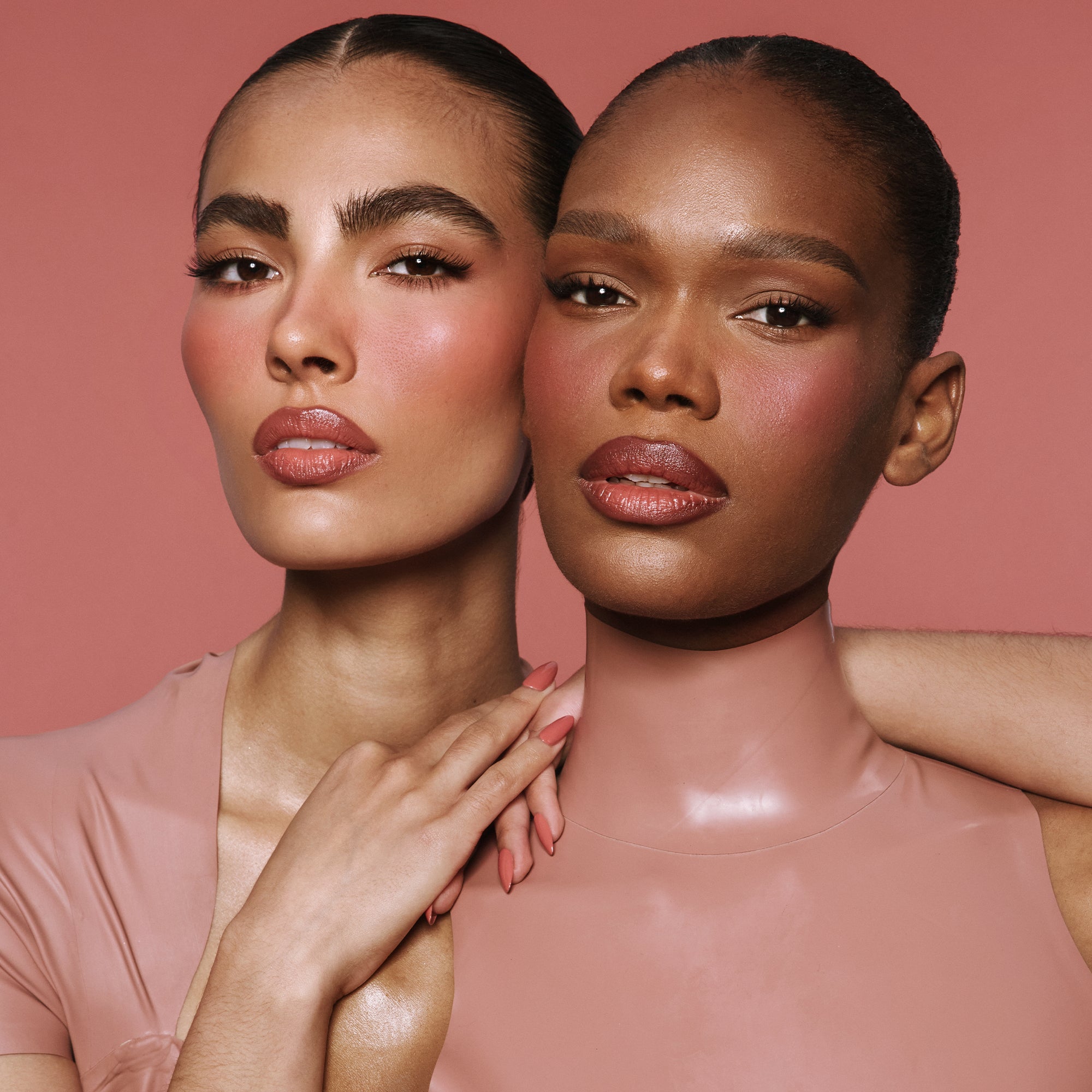
Deep skin: Rich berries, deep pinks, and vibrant corals enhance your complexion.
Undertone guidance:
- Cool undertones: Look for berry, mauve, rose, and blue-toned pinks.
- Warm undertones: Peach, coral, apricot, and yellow-toned pinks are flattering.
-
Neutral undertones: Soft pinks, roses, and mauves complement your balanced hue.
Ultimately, choose a blush that reflects your personal style. The right formula and shade enhance your natural beauty, giving you a radiant, camera-ready cheek that feels uniquely you.

RELATED POSTS
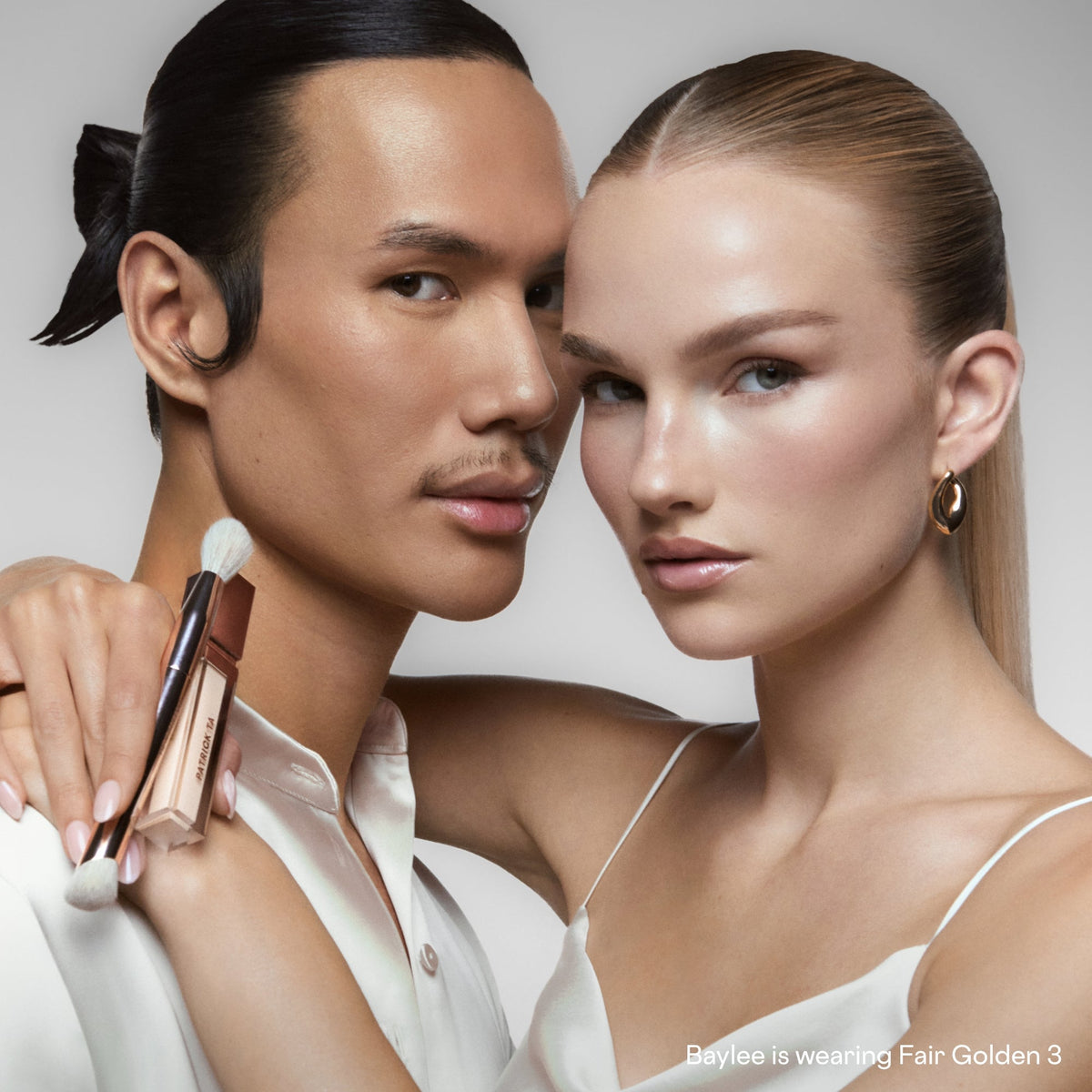
Celebrity makeup artist and founder of Patrick Ta Beauty, Patrick Ta, has once again captivated the beauty world with his innovative products, earning multiple accolades at the 2025 Allure Best of ...
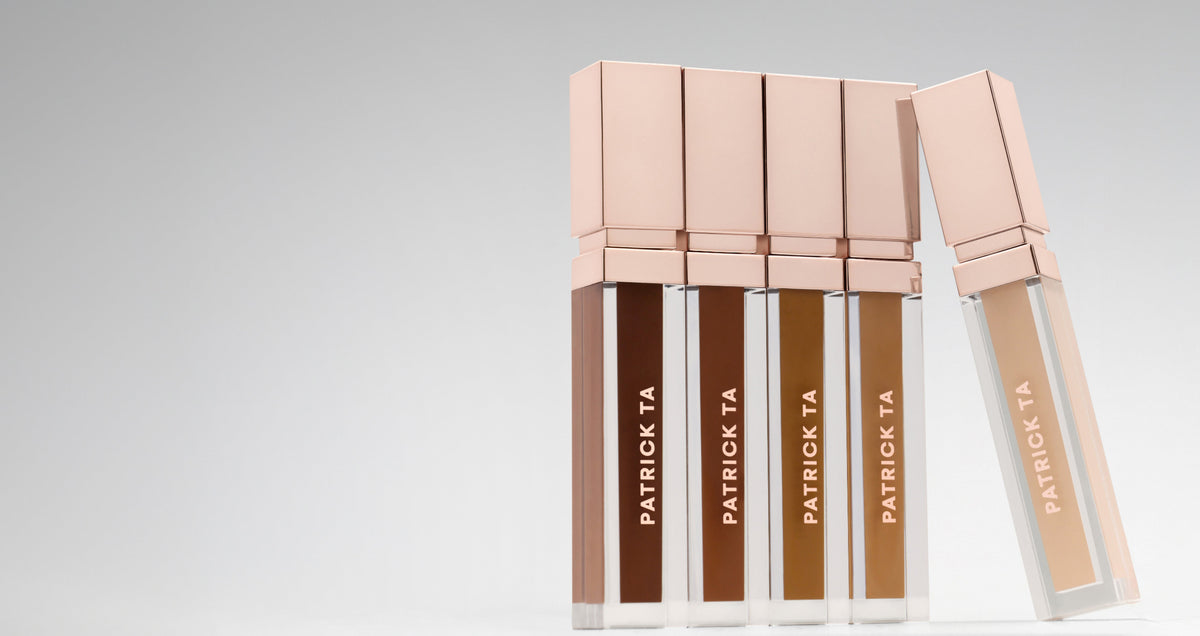
Here is Patrick's guide to concealer placement, plus how to apply it for a seamless, skin-like finish.
Here is how to find your concealer shade, how to test it, and how to use more than one shade for a flawless base
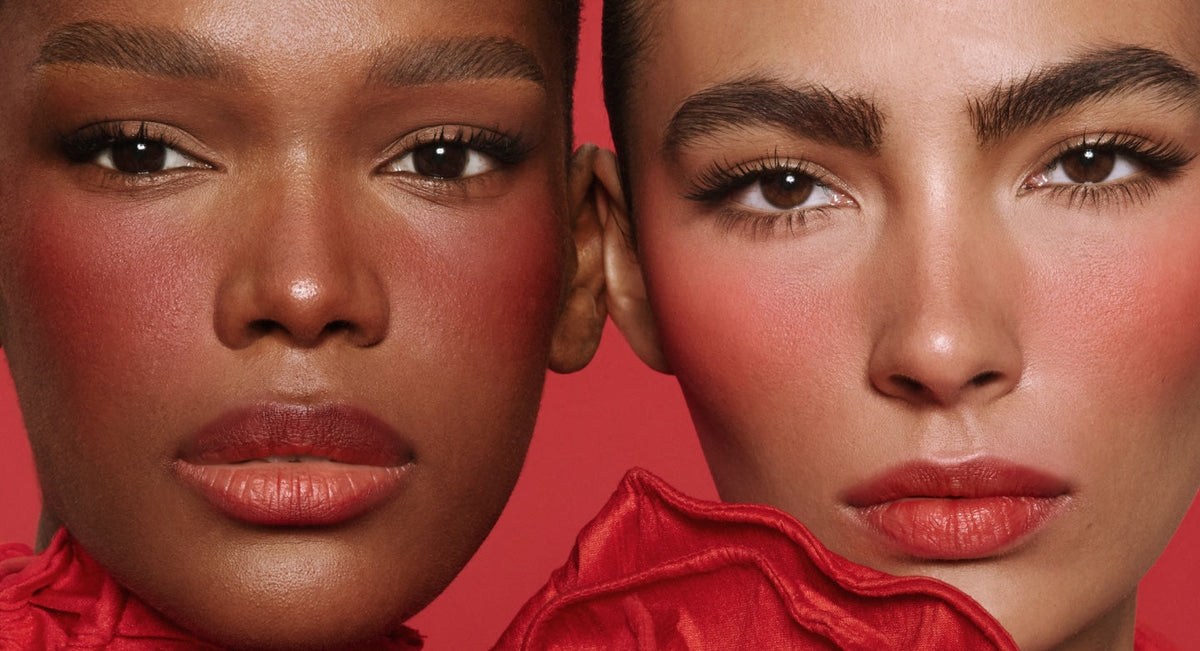
Here is why red blush has become a modern staple, how to choose the right shade for your skin tone, and how Patrick applies it for a flush that looks effortless.
Here are the shades that make brown eyes stand out and the Patrick Ta palettes that deliver them.
If you have been reaching for the same pink or peach for years, mauve blush is the easiest way to refresh your routine without going bold.
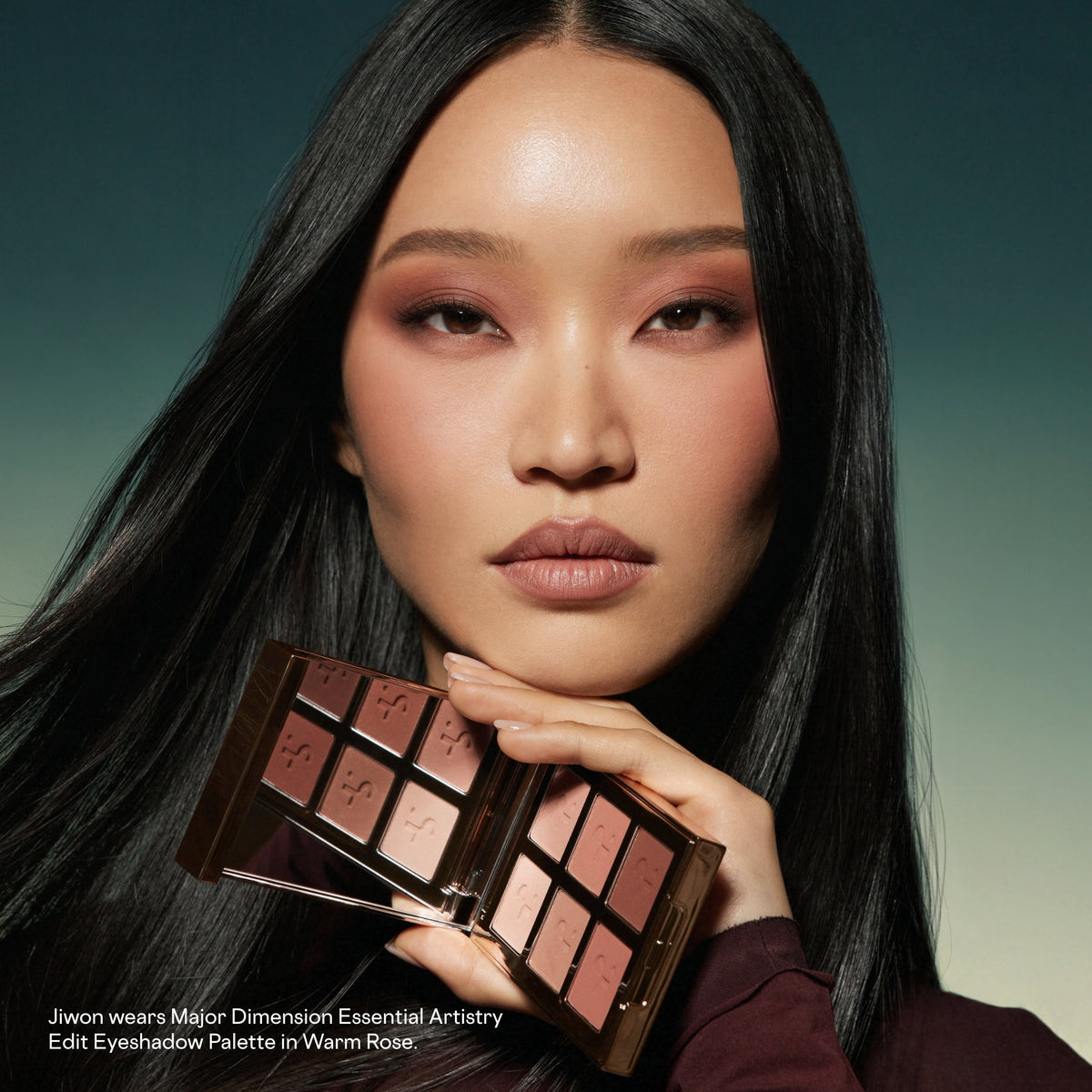
With professional tips from Patrick himself, consider this your step-by-step guide to creating the perfect smokey eye.
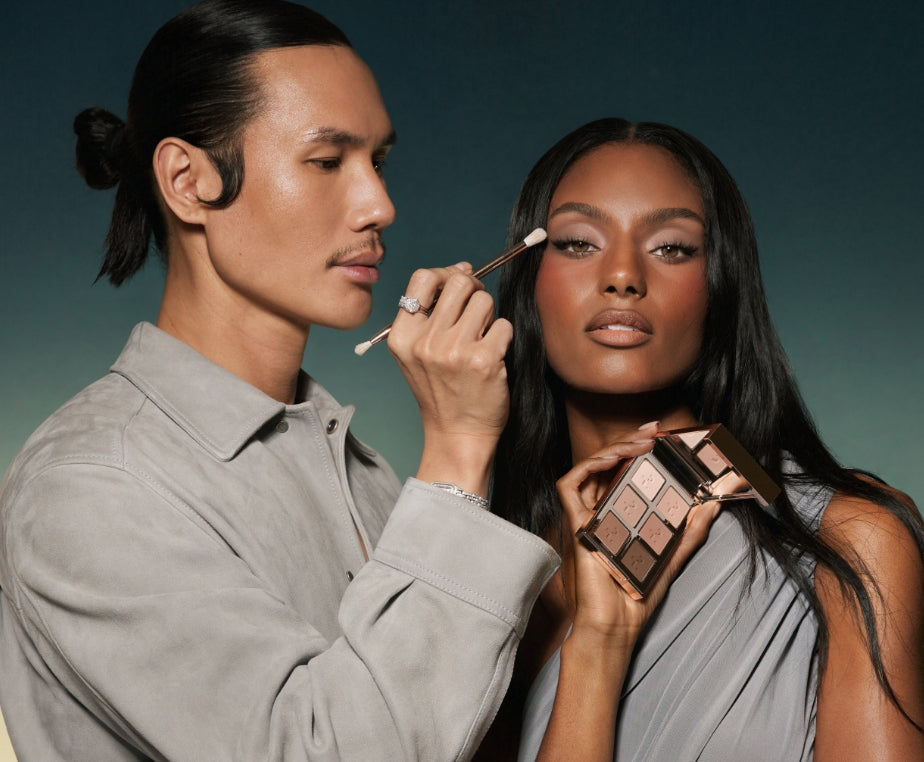
Follow these steps to learn how to apply eyeshadow for everything from an everyday wash of color to a defined evening look.